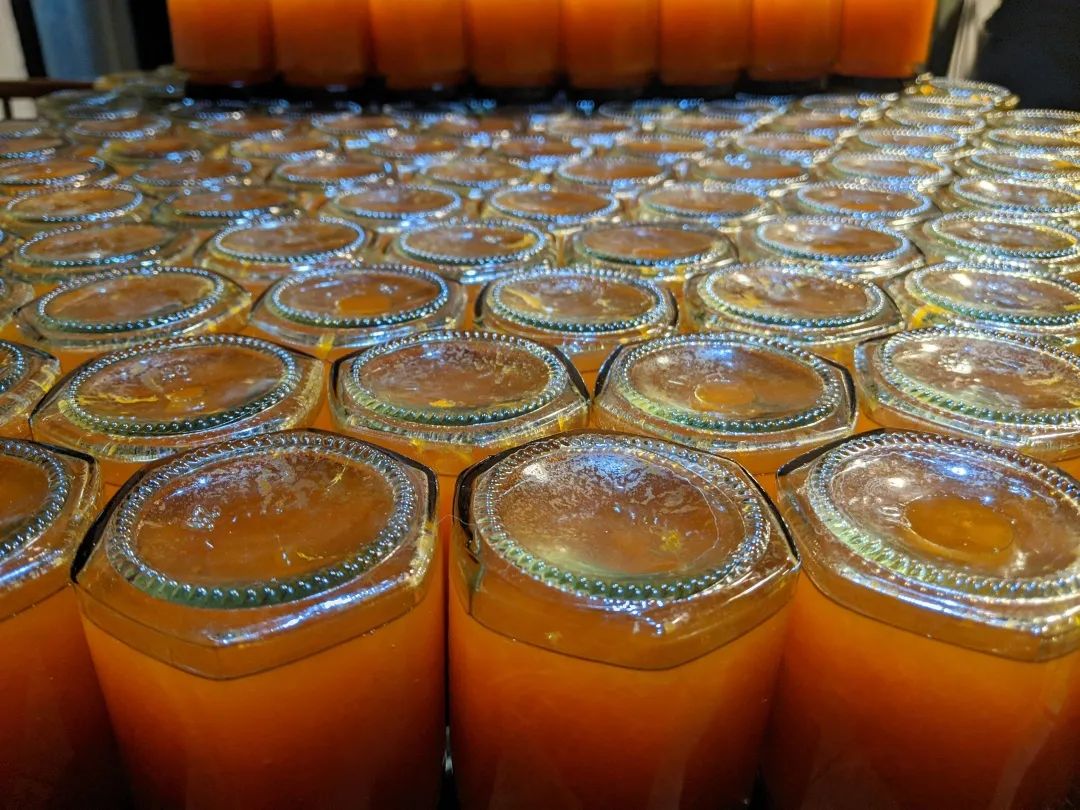
Huanglongbing fells trees, citrus tristeza ruins saplings, agricultural inputs have doubled while fruit prices stall at 2.5 yuan a jin—over thirty years, fruit growers in a Gannan mountain village have lived a navel orange’s full arc, from funding a new house to an ever greater struggle.
In the 1990s, Yinlin Village, Conghua, swapped citrus for lychees; Nuomici once fetched seventy to eighty yuan a jin. Now most fruit trees lie wild. Brother Zhong and Guo Rui watch the old trees, hoping the second Yinlin Lychee Festival will bring the wild lychees back into view.
Founded by young Dutchmen Sam and Martin, the “Happy Vegetables” farm uses standardised seedbeds, paper-pot propagation, a hand seeder, subsurface sprinkler irrigation and no-till to make ecological vegetable growing a nine-to-five job, earning a decent income through community subscriptions.
The revision removes “drying” from “edible agricultural products” definition. Farmers selling homemade dried vegetables, fruits or fish may face penalties without a food production licence. Foodthink, with farmers, experts and civil society organisations, submitted a proposal urging “drying” be retained to protect smallholders’ right to make and sell dried products.
The State Administration for Market Regulation plans to remove “drying” from the definition of “edible agricultural products” in its draft for public consultation. Smallholders who sun-dry and sell their own dried goods may face penalties, while building a factory or arranging contract processing is unrealistic for most farmers.
The draft for public comment on new edible agricultural product sales rules imposes vague “whole-process management” requirements on wet market vendors and encourages packaging, while also making reasonable adjustments such as banning misleading lighting. The public can submit comments before 4 June.
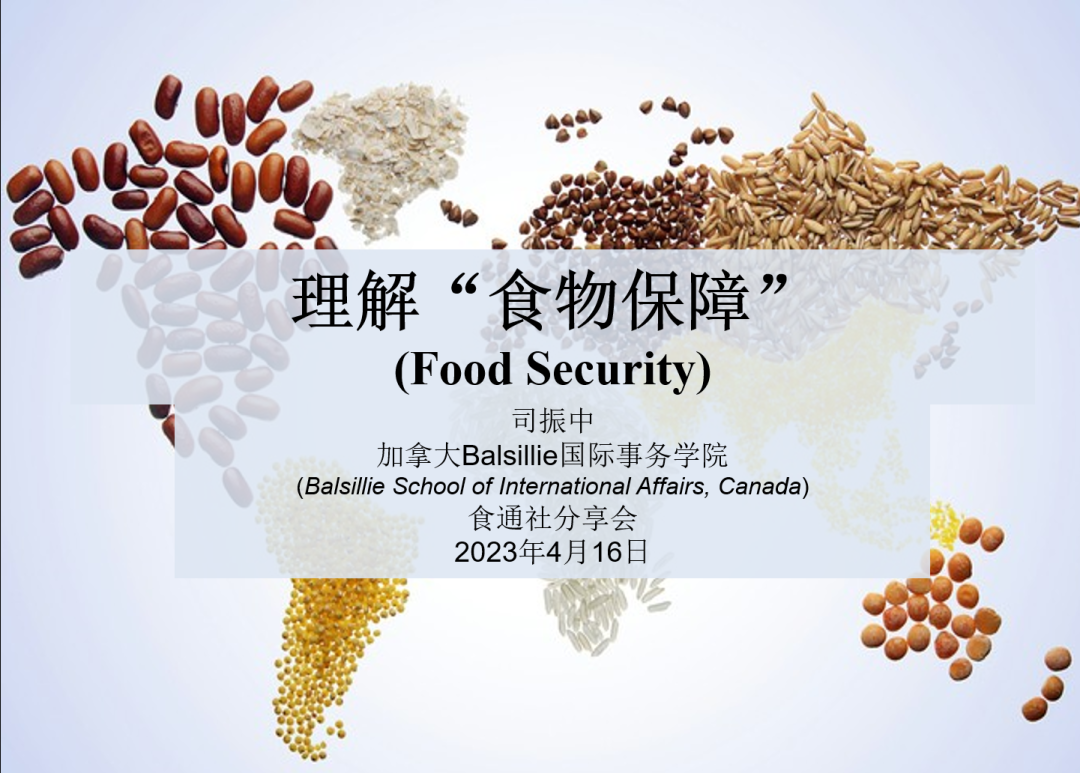
Food security goes beyond national-level “grain security” – it is about whether individuals can access nutritious and safe food at any time. Nanjing’s “Vegetable Basket” Programme and its mixed-ownership wet markets offer a model for sustaining high levels of food security.
China’s Acceptable Daily Intake for procymidone exceeds that of the EU, Japan and Australia; under contiguous high-tunnel cultivation of Chinese chives, growers apply preventive spraying every seven days, grey mould fungus resistance continues to rise, and adjusting residue limits cannot change a production model built on overuse.
Liang Junjie, a post-1980s native of the Shanxi–Shaanxi–Inner Mongolia Loess Plateau, left chemical-fertiliser and pesticide sales to return home and found the brand Xunxiang Dao. Nine years of pitfalls—product selection, processing, packaging, channels—ultimately led him to ecological agriculture and rural study-tour programmes for children.
The SCA flavour wheel’s reference foods skew towards Europe and North America, and woody and earthy flavours are labelled as negative, placing producing regions in Indonesia and India under pressure. Developing local flavour wheels and trusting your own tongue is a freer way to enjoy coffee.