Pollinating and bagging a 300-mu pear orchard, coordinating older workers to follow the farming calendar, hitting the markets to sell the new early-maturing pear variety – after two years growing pears, there is only one conclusion: farming is truly hard, capital on your side or not.
The UK’s Soft Drinks Industry Levy, effective from 2018, taxed manufacturers and gave them two years to reduce their sugar content; calorie intake and childhood obesity did fall, but most simply replaced free sugars with non-sugar sweeteners — which the WHO has warned also carry health risks.
Held in Beijing from 18 to 20 August, the workshop recruits 25 media professionals to discuss food system transformation with scholars and practitioners, visit wholesale markets, eco-farms and waste-processing facilities, and offers post-workshop reporting grants alongside the establishment of a Pioneering Food and Agriculture Reporting Award.
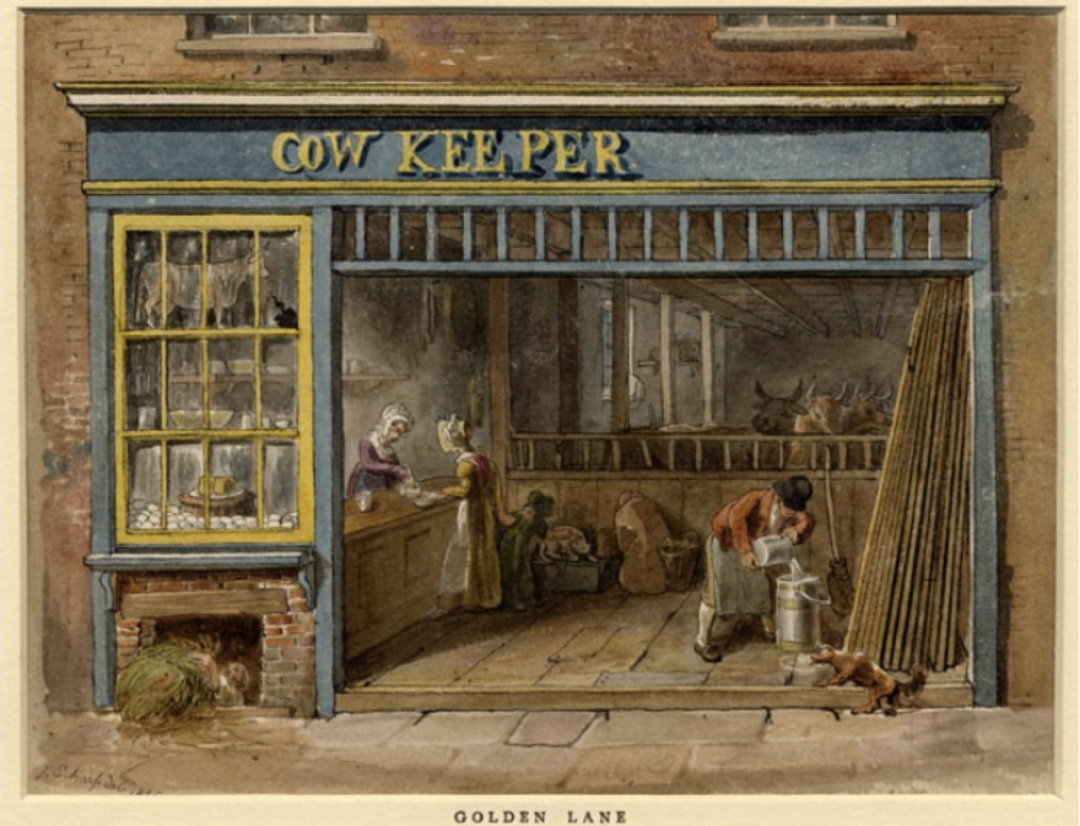
The Wellcome Collection gallery in London, through more than 100 exhibits, traces milk’s century-long image-making from 19th-century “swill milk” to post-war “perfect food”, revealing how commercial interests, government rationing and nutritional promotion combined to make milk a staple of the modern table.
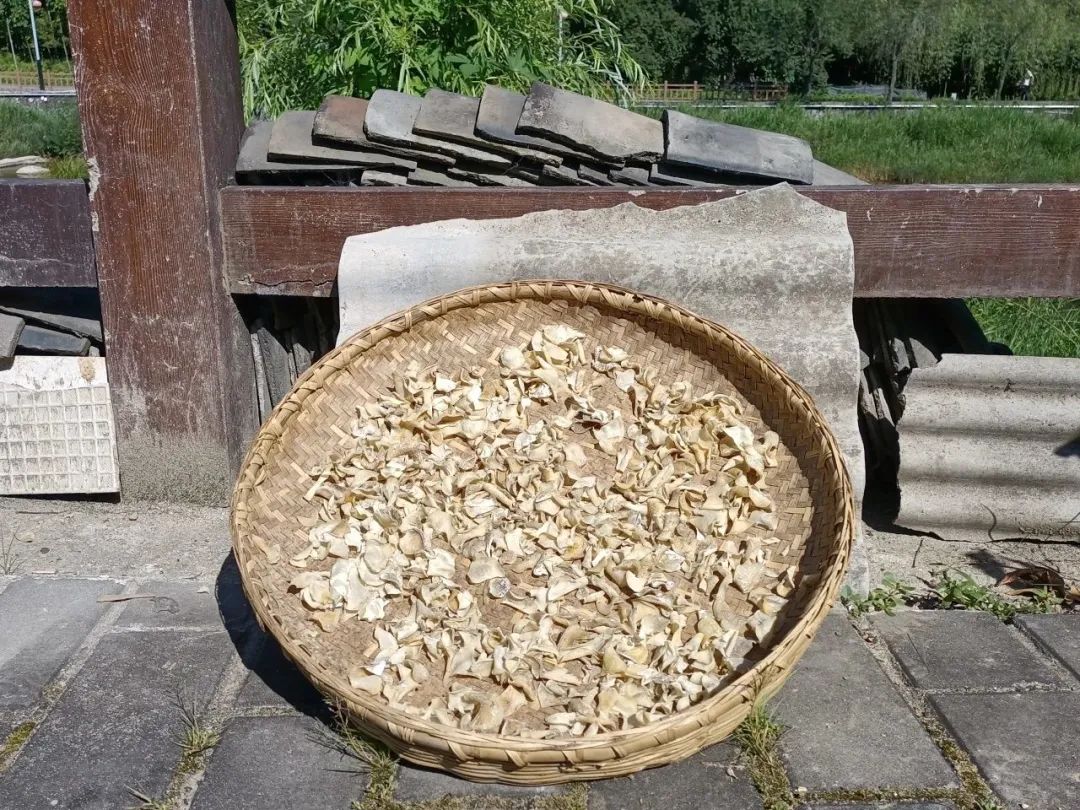
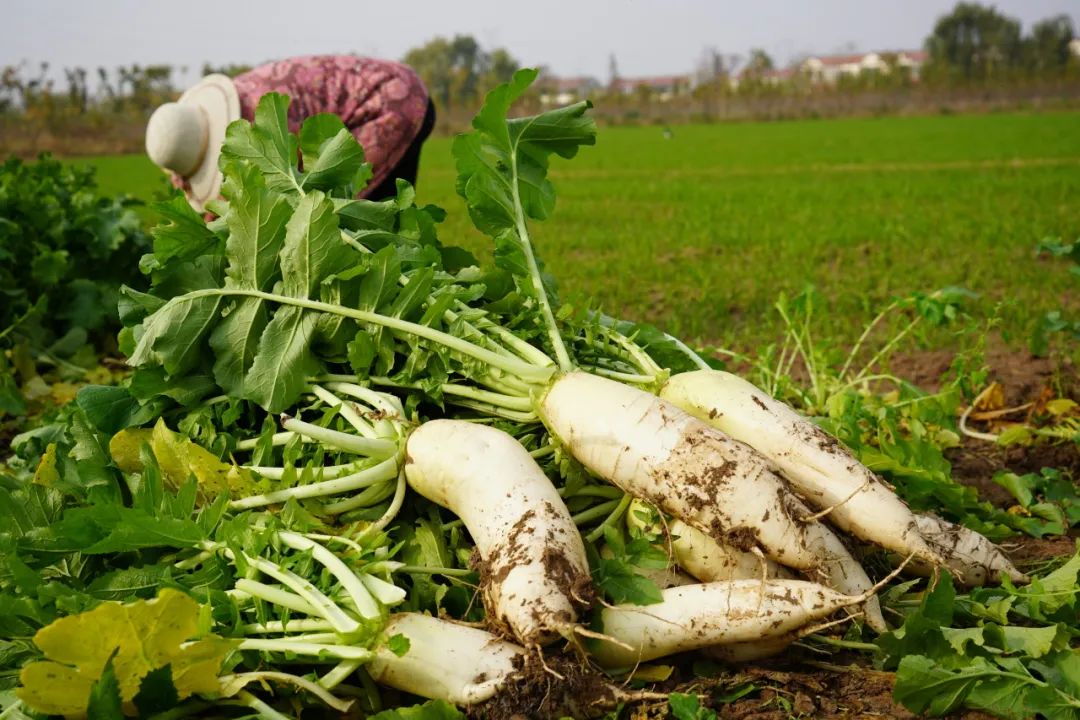
The State Administration for Market Regulation confirms, in its interpretation of the new Measures, that dried fish, dried vegetables and dried fruit can be sold as edible agricultural products if they have only undergone simple sun-drying. Earlier revision recommendations submitted by Foodthink and others together with farmer friends have been adopted.
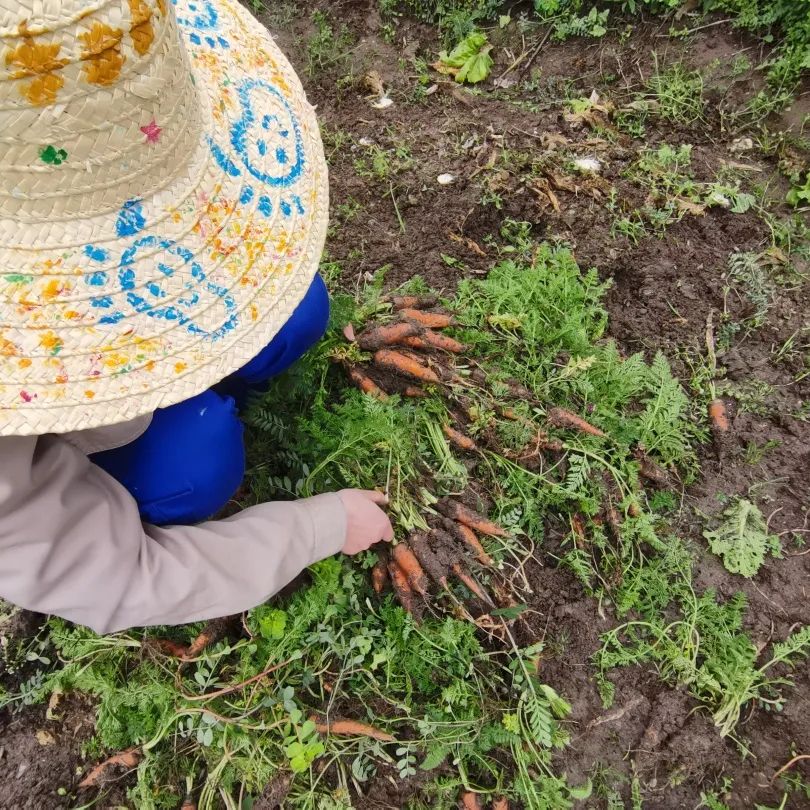
Anthropology student Xiaocui interned three months at Letian Haiwan Farm in Fengxian, Shanghai. From planting tomatoes by hand to questioning why members rent plots, she saw the imagined pastoral and the real labour between city dwellers and the land.
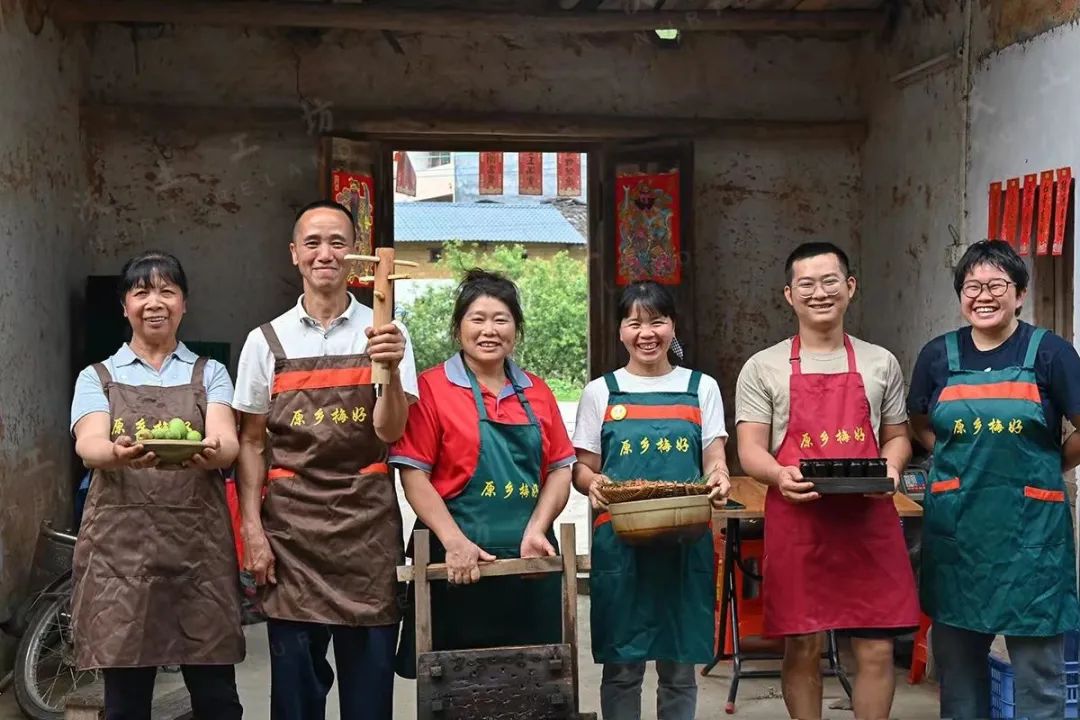
Rural worker Huang Yajun has over a decade’s experience organising a green plum cooperative in Conghua, Guangdong. Against the near-century-old Silk Improvement Society of Fei Dasheng and the Women’s Sericulture School in Kaixiangong Village, he finds technology, capital, villagers’ sense of ownership and sales still the hardest problems.
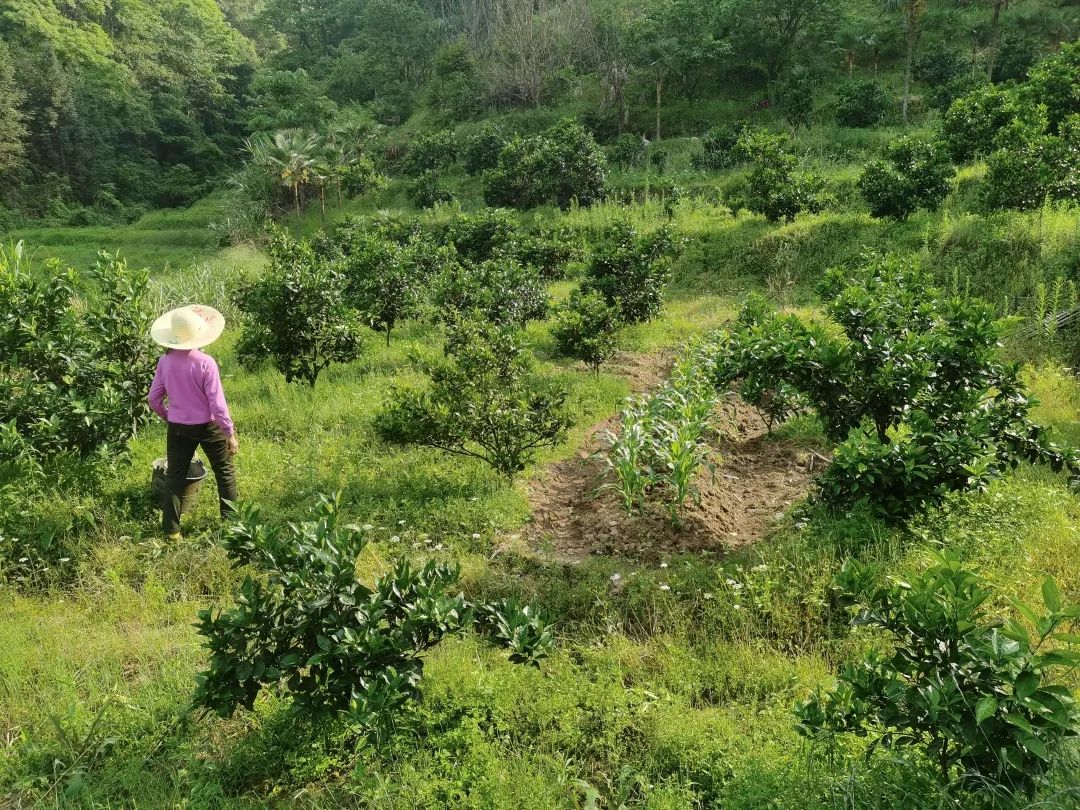
Huanglongbing fells trees, citrus tristeza ruins saplings, agricultural inputs have doubled while fruit prices stall at 2.5 yuan a jin—over thirty years, fruit growers in a Gannan mountain village have lived a navel orange’s full arc, from funding a new house to an ever greater struggle.
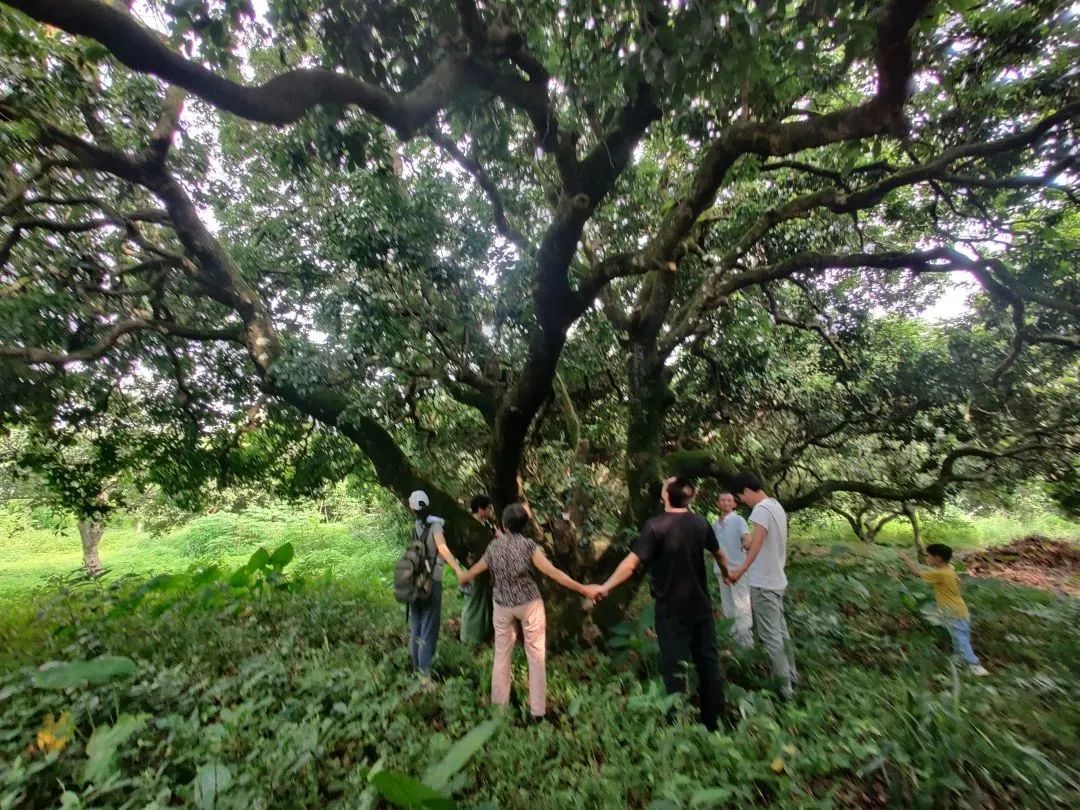
In the 1990s, Yinlin Village, Conghua, swapped citrus for lychees; Nuomici once fetched seventy to eighty yuan a jin. Now most fruit trees lie wild. Brother Zhong and Guo Rui watch the old trees, hoping the second Yinlin Lychee Festival will bring the wild lychees back into view.
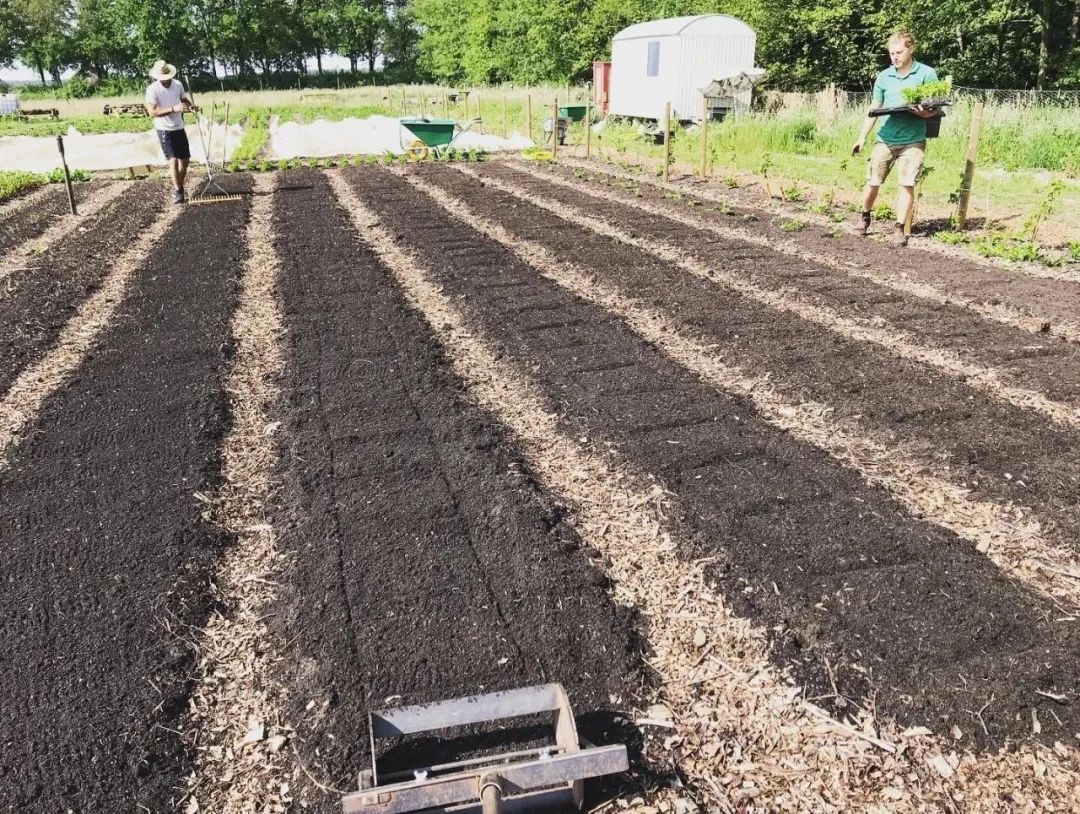
Founded by young Dutchmen Sam and Martin, the “Happy Vegetables” farm uses standardised seedbeds, paper-pot propagation, a hand seeder, subsurface sprinkler irrigation and no-till to make ecological vegetable growing a nine-to-five job, earning a decent income through community subscriptions.