The International Institute for Environment and Development (IIED) and the Forest and Farm Facility surveyed over 1,800 smallholder farmers across 13 countries and found that their own climate adaptation spending far exceeds international climate finance. Farmer organisations are calling on COP28 to fund grassroots cooperatives directly.
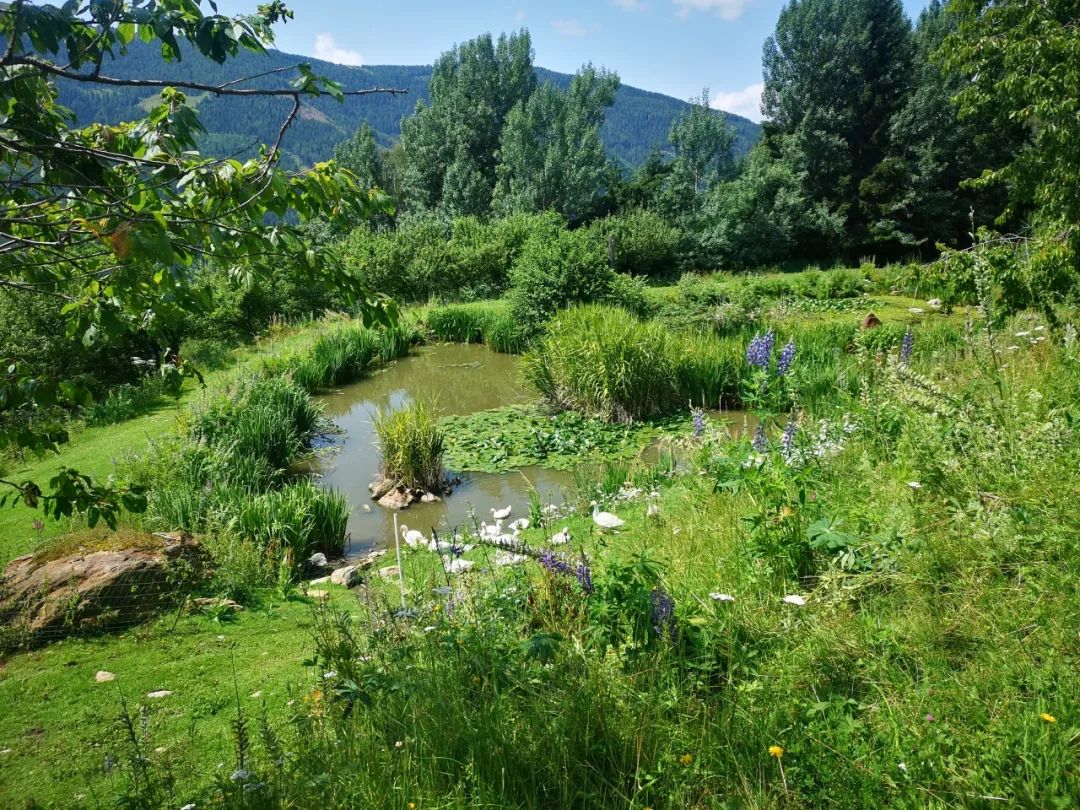
Two generations of Holzers have rebuilt terrace ponds on the arid slopes of the Central Alps, meeting the harsh climate with 72 interconnected ponds and small year-on-year experiments, grounding ecological diversity in economic calculation rather than moralistic rhetoric.
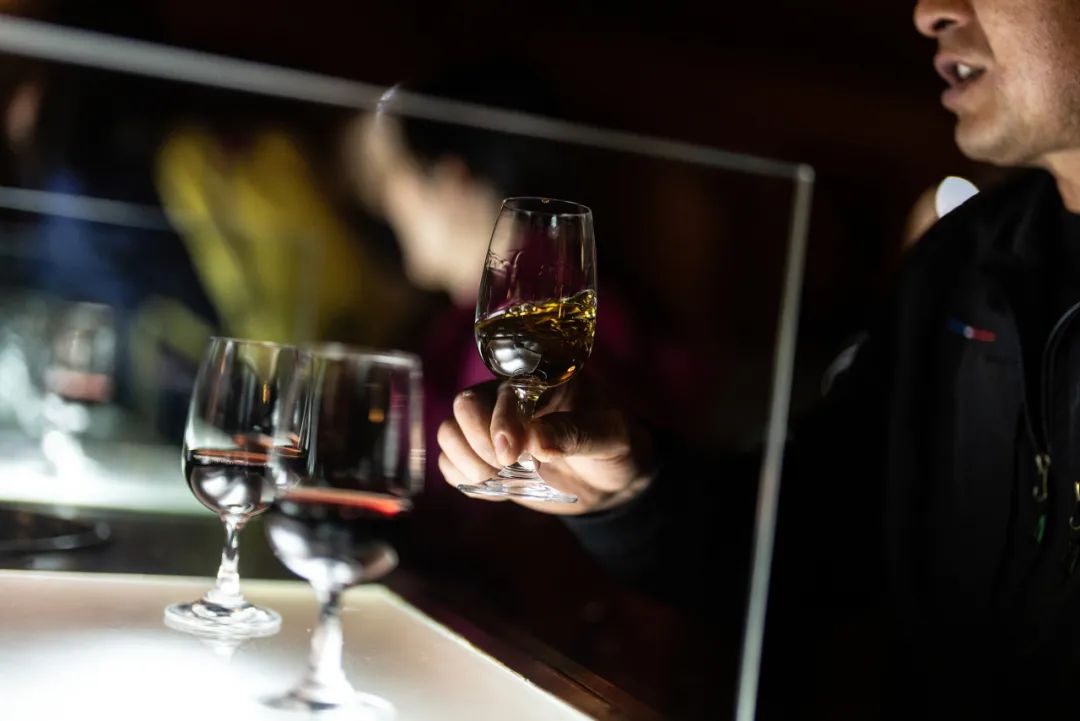
At a Fermentation Awakening Festival panel in Beijing, Lake Shore Culture’s Jing Yan and Liu Xinxing and Mary, authors of The Incredible Fermentation & Brewing, discussed traditional crafts—Highland barley wine, Sulima wine and others—vanishing as makers dwindle. Fermentation culture still lacks dissemination and consumer support.
Under poverty-alleviation subsidies, farmers in Gong County (pseudonym) grow greenhouse vegetables—yet find no rest all year round, missing even Hakka ancestral hall gatherings. White lotus, despite lower returns, lets the whole family—old and young—each find their place.
Despite 20,000–30,000 yuan per mu from greenhouses, Gong County farmers still grow rice and lotus—paddy fields have been taken over by linked greenhouses, costs become unsustainable once subsidies end, and skills and hiring demands do not suit the pace of the elderly left behind.
At Sister Yanping’s Baicao Garden in Guigang, Guangxi, from handling courier after-sales past midnight and hauling waste with a carrying pole each day, to spending three to five years rebuilding soil ravaged by agrochemicals, Natural Farming is far from the effortless “relying on heaven’s bounty.”
In 2015, a couple born in the 1990s – Yingying and Zhiqiang – returned to their hometown of Pingquan, Chengde, Hebei, and set up Lianxiang Farm. Over eight years, they have grappled time and again with pests, weeds, extreme heat and hiring difficulties – yet they persevere.
US Treasury Secretary Janet Yellen’s visit propelled jiàn shǒu qīng viral – prices soared, e-commerce platforms scrambled to list it, and poisoning cases outside Yunnan surged. “Toxic” and “can you eat it” are two different questions – cooking experience and “see little people” mindset won’t ship in a click.
Northwest China is warming at roughly twice the global rate, and rising extreme precipitation means wine grapes in areas such as Zhangye and Yinchuan are repeatedly hit by late frosts and rain damage during the harvest period. Greenpeace’s report warns that warming and wetting are threatening their quality.
From 1949, the Soviet government distributed 600-square-metre suburban plots to workers’ families: potatoes, vegetables and jam from the plot sustained them through long winters — and defined the summer of an entire generation.