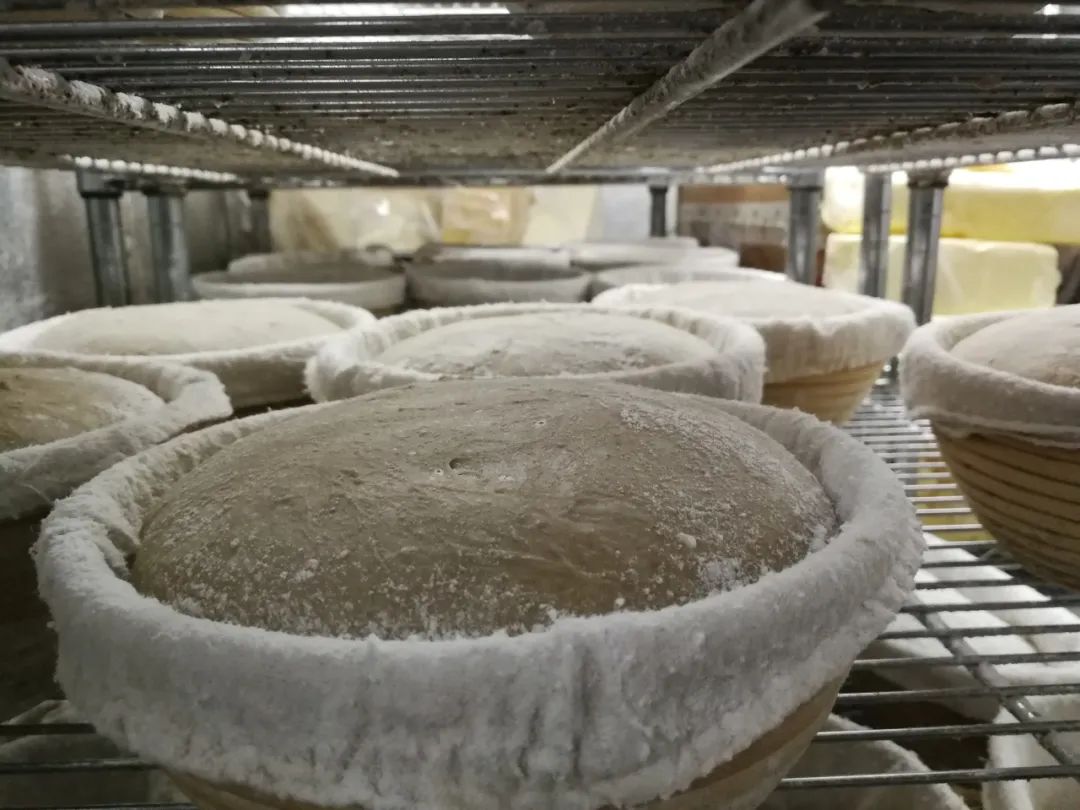
Beijing-born Liu Yang, from IT, fell for cheese while studying in France. From a small Huilongguan Farmers’ Market stall in 2009, he crafted over a dozen handmade cheeses blending French tradition with Beijing’s terroir, yet Bule Cheese Workshop faces the growth challenge of “from workshop to factory”.
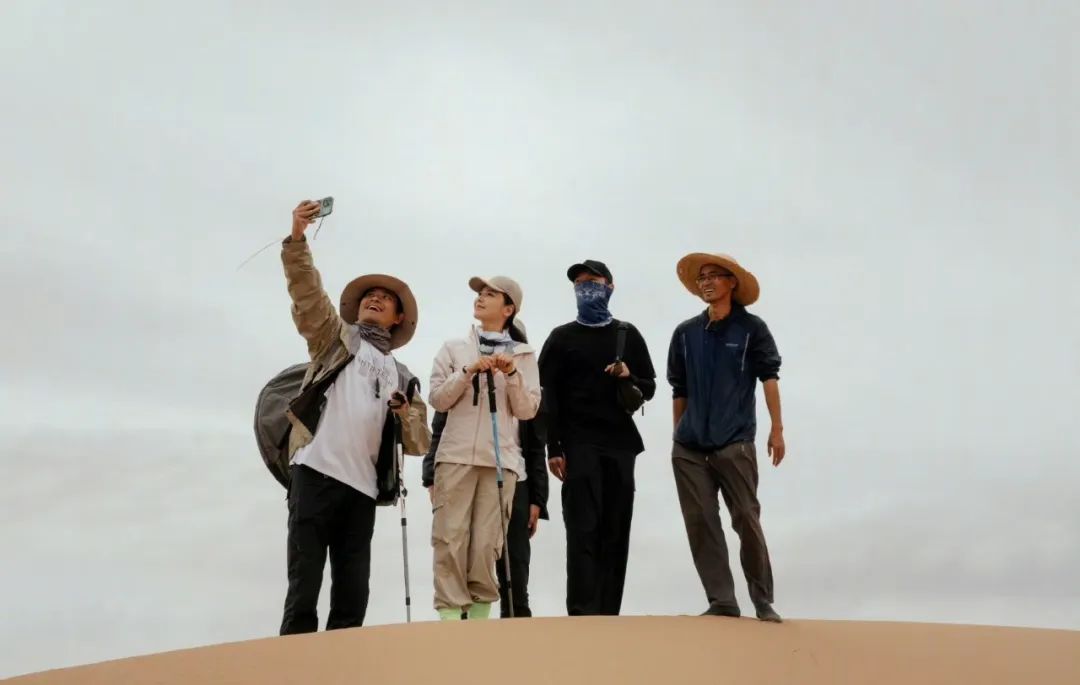
At Alxa Zhiliangtian Farm, a yellow-painted shipping container coffee house brings together study tour children, fellow volunteers and kitchen helpers. Two months of small, everyday moments gave concrete warmth to the seemingly barren desert.
A former business journalist interned two months at Zhiliangtian Farm in Alxa: eight years of organic melon growing yet no stable sales channel, live-stream audiences barely hit a hundred, per-box logistics nears 20 yuan, and the farm owner himself admits the flagship product still runs at a loss.
From a Berlin hydroponic workshop to the successive closures or bankruptcies of infarm, AeroFarms and others, vertical farming’s fundamental flaws in crop variety and energy consumption are impossible to ignore. Industrial designer A Liang also charts a path for low-tech hydroponics back to communities.
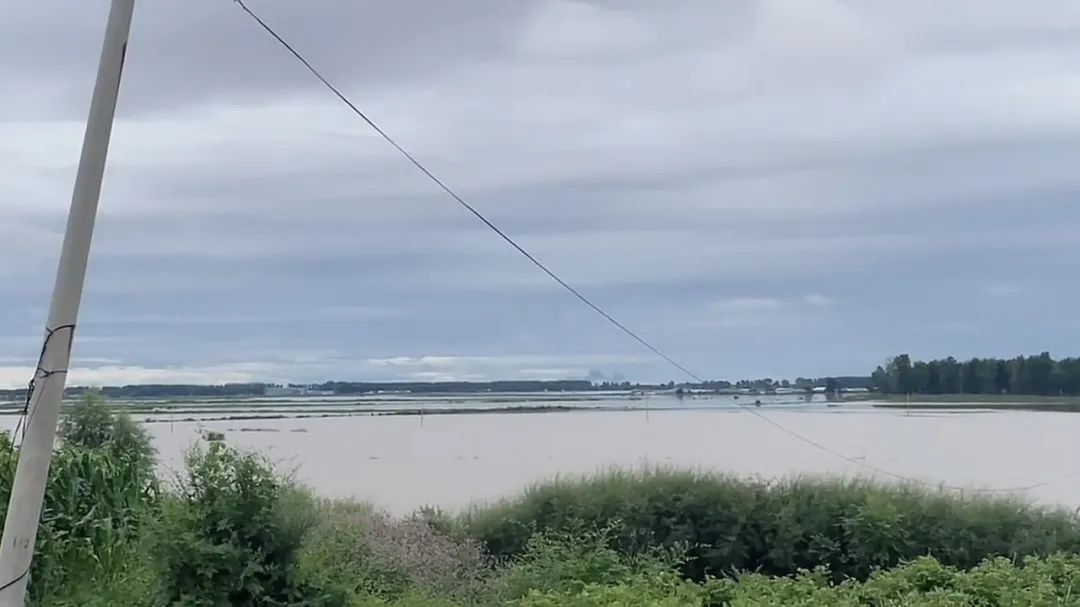
Typhoon Doksuri tracked north. In Yingchengzi Village, Wuchang, Third Grandpa’s two hectares of river-bend land suffered total crop failure, leaving the whole family sixty or seventy thousand yuan in the red. The insurance payout was long overdue, and end-of-September gales caused further lodging, forcing harvest by hand.
The “cabbage-priced” fish, once ¥0.1 a jin, was knocked nearly to extinction by the qiaogu method. Ningde now farms 96% of China’s large yellow croaker, where farmers take four years to raise a single “semi-wild” croaker.
Meteorologist Wei Ke and scholars Liu Juan and Liu Jie point out: rural disaster preparedness falls short amid extreme weather; farmers cut planting due to labour shortages; ambiguous insurance settlements leave smallholders unable to secure compensation; and the left-behind elderly are pushed into ever greater vulnerability.
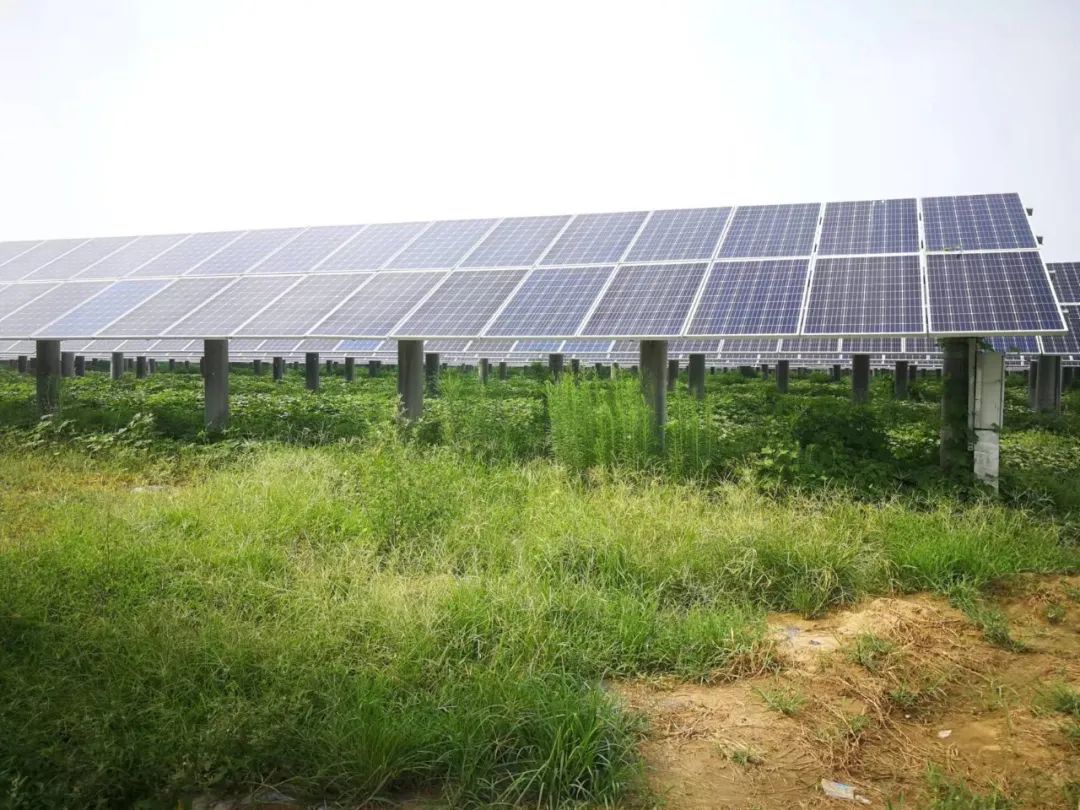
From two projects to over 400, exceeding 40 GW, China’s decade-plus agrivoltaics boom has been driven by surplus PV manufacturing capacity, not agricultural demand. Most sites see farmland abandonment or low yields under panels; arable land is occupied and farmers receive only land rent.
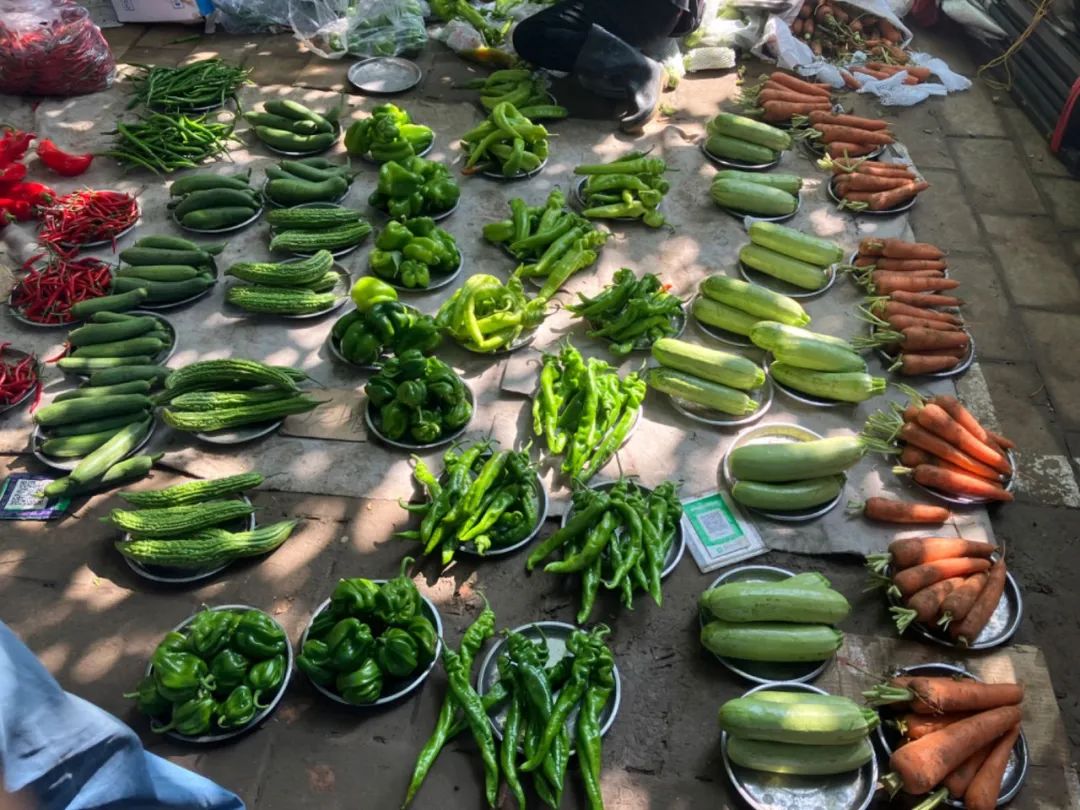
Smallholders — over 98% of agricultural business entities — and a wholesale network that blends produce at every level render the “Compliance Commitment Certificate” incapable of full testing or traceability. The Ministry of Agriculture and Rural Affairs’ new measures are unlikely to curb pesticide residues in the vegetable basket.
As the scattered village in the New Territories crumbled under demolition, Sanjiao carried a sourdough starter through pandemic streets and bread workshops, finally reaching Yinlin Ecological Farm, Conghua, where ecological smallholder flour gives bread back to the land beneath her feet and the community around her.