
A Carpenter Who Can’t Farm Isn’t a Good Electrician: What Kind of People Does an Ecological Farm Need?
I’m Xiao Mi. In December 2021, aged 26, I resigned from a civil service training company. Having not yet decided what job to look for, I simply went home to prepare for the Spring Festival. Over the holiday, I began thinking about my future and realised that I still wanted to return to my original field of study — agronomy.
Looking at where my classmates had ended up, some were pursuing scientific research, while others worked in sales for seed companies or agricultural supply firms. I wasn’t drawn to either path. Just when I was at a loss, I spotted a call for an Ecological Agriculture Intern from Foodthink, a platform I had been following for a long time. That very day, I excitedly filled in the application form.
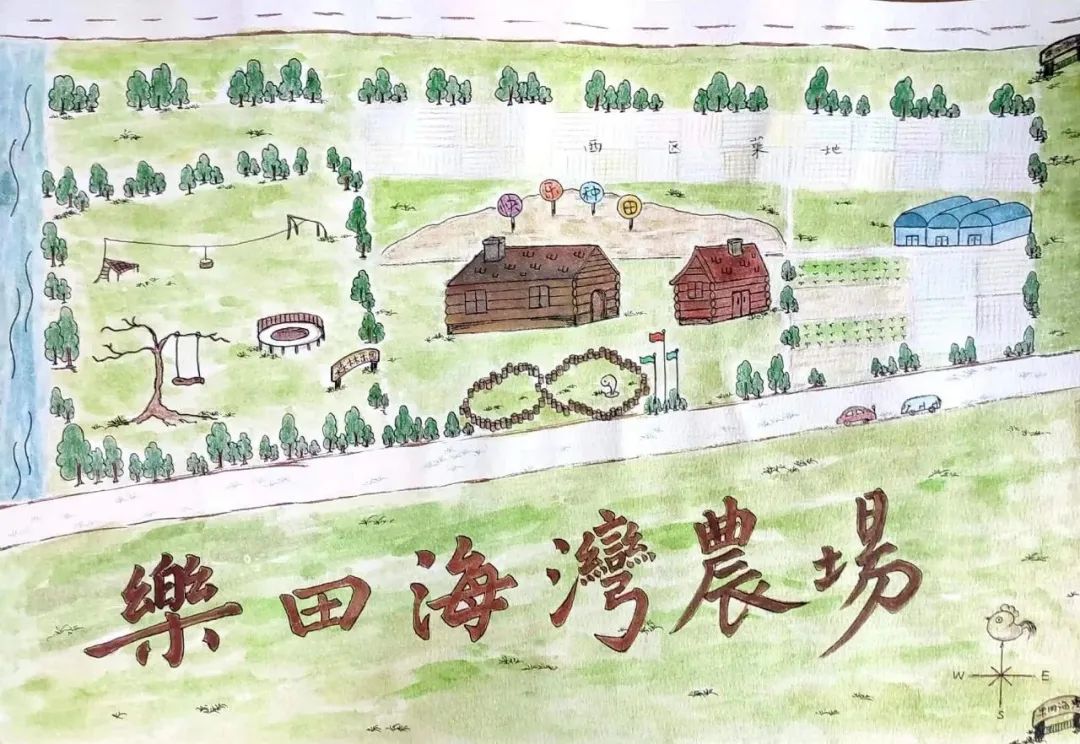
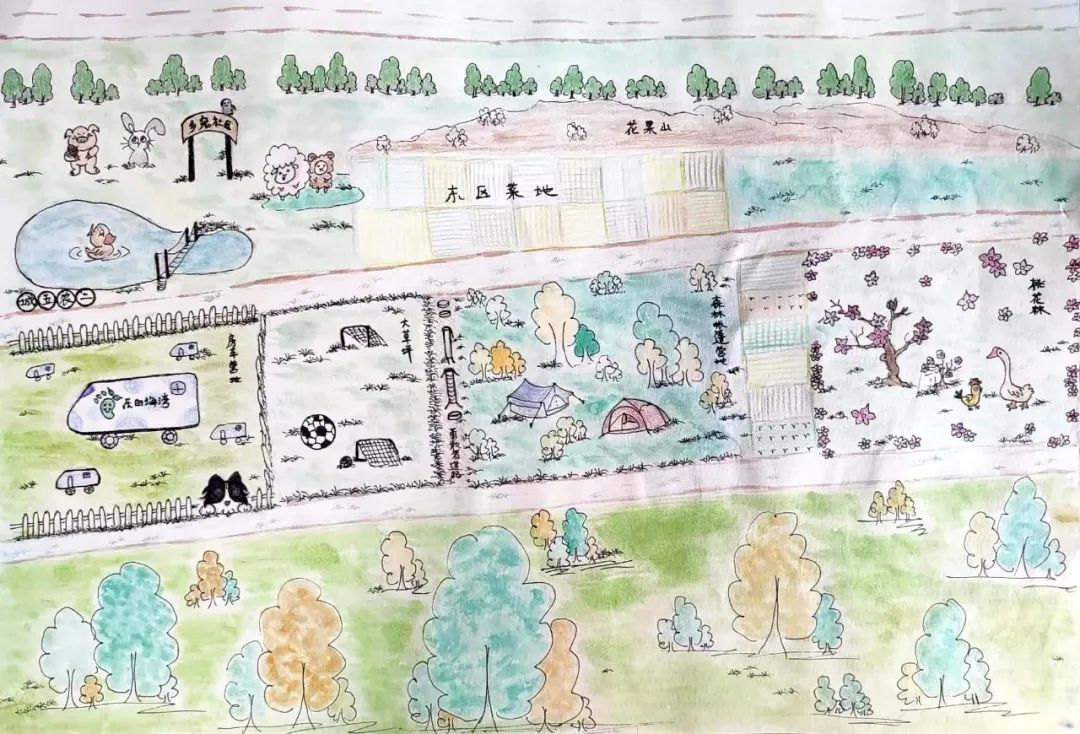
After passing the interview, I arrived at Letian Haiwan Farm in Fengxian, Shanghai, on 8 March 2022 to begin my internship, and felt as though I were setting sail on a new voyage.
I. Sharing Fortune and Hardship Together
Unlike farms where members simply prepay for their vegetables, the land-lease model gives members a sense of being “landlords”: city-based members don’t just wait for deliveries to the doorstep, but regularly visit their own plots to observe, tend and harvest, gaining a better understanding of the whole journey from soil to table.
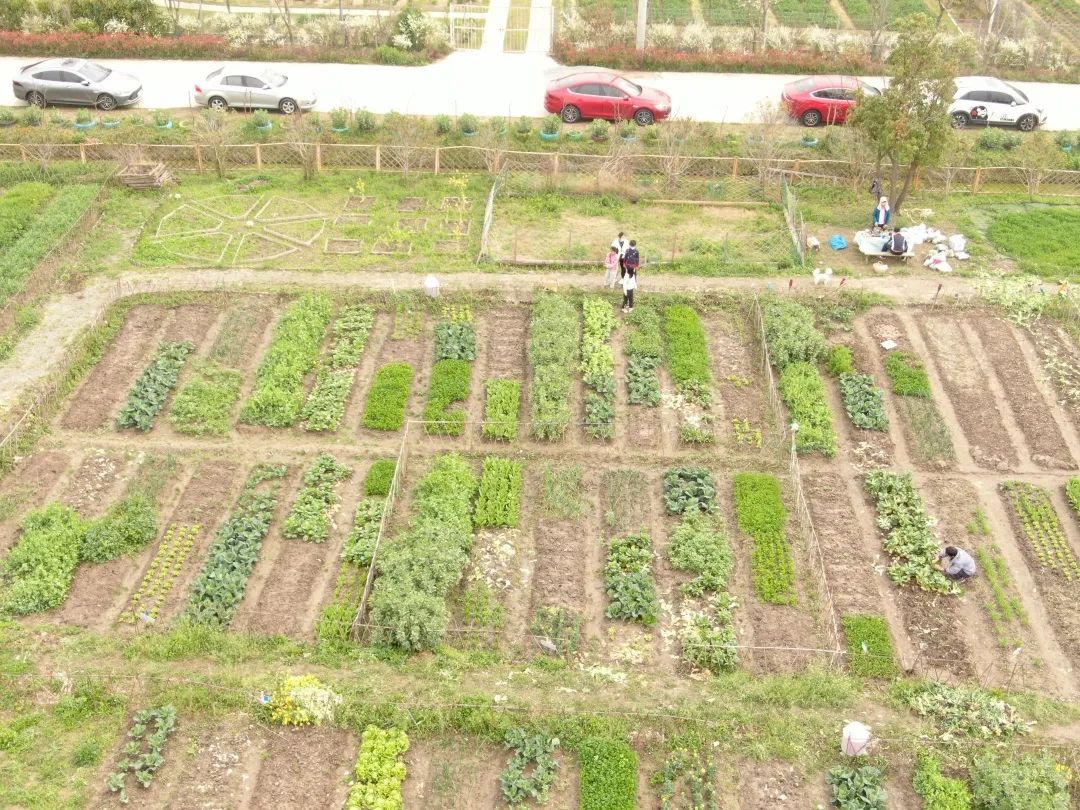
The membership scheme also means that the farm and its members share both risks and rewards. Farming is still very much at the mercy of the weather, as climate affects the quality and yield of crops. Risks such as vegetable losses from typhoons, certain pest outbreaks caused by drought in the south, and the inability to harvest or deliver vegetables during last year’s pandemic, are all borne jointly by the farm and its members, which helps ease the farm’s operational pressures.
Of course, it’s not all hardship shared between members and the farm. When the yellow peaches ripen in summer, or when radishes and cabbages come to market in winter, the farm gives some away free to members. In turn, members donate unwanted books or office equipment to the farm, and offer ideas for its development at the annual Members’ Festival. During the pandemic, quite a few member families stayed on the farm, trading labour for food, which helped solve the farm’s shortage of workers. All in all, the farm and its members share a close bond of “sharing fortune and hardship together”.
II. What Kind of People Does an Ecological Farm Need?
Spoiled vegetables and kitchen scraps are combined with maize feed to nourish the farm’s “Second Brother” pigs; imperfect yellow peaches are turned into yellow peach enzyme drinks; free-range chickens raised beneath the peach trees both keep the weeds down and provide excellent fertiliser for the soil; the goats are rotated daily to different grazing areas; the farm has a large area of woodland, and the fallen dry branches in winter can be used to gather around a fire pit, roast sweet potatoes, or cook a rustic clay-stove meal — the food picks up the fragrance of the wood.
Materials such as plastic bottles, aluminium cans and glass jars have a dedicated collection area on the farm. Plastic bottles are turned into gabion chairs for people to rest on, while glass jars are washed, labels removed, and decorated with acrylic paintings to make ornaments in all sorts of shapes, or placed inside the wood-fired bread oven as effective insulation.
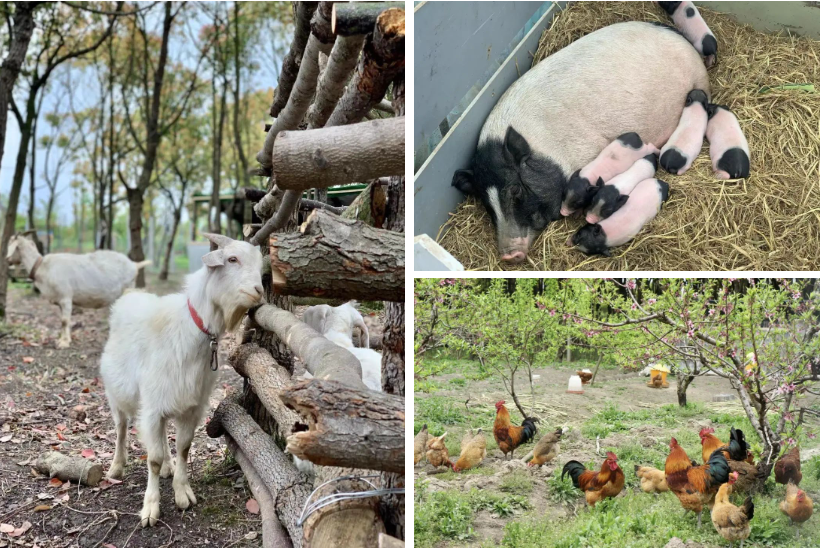
Letian Haiwan largely achieves an internal cycle of material inputs and outputs, requiring little external investment, but this places very high demands on those who manage the farm. If working in a city company calls for specialists, then an ecological farm like Letian Haiwan needs polymaths.
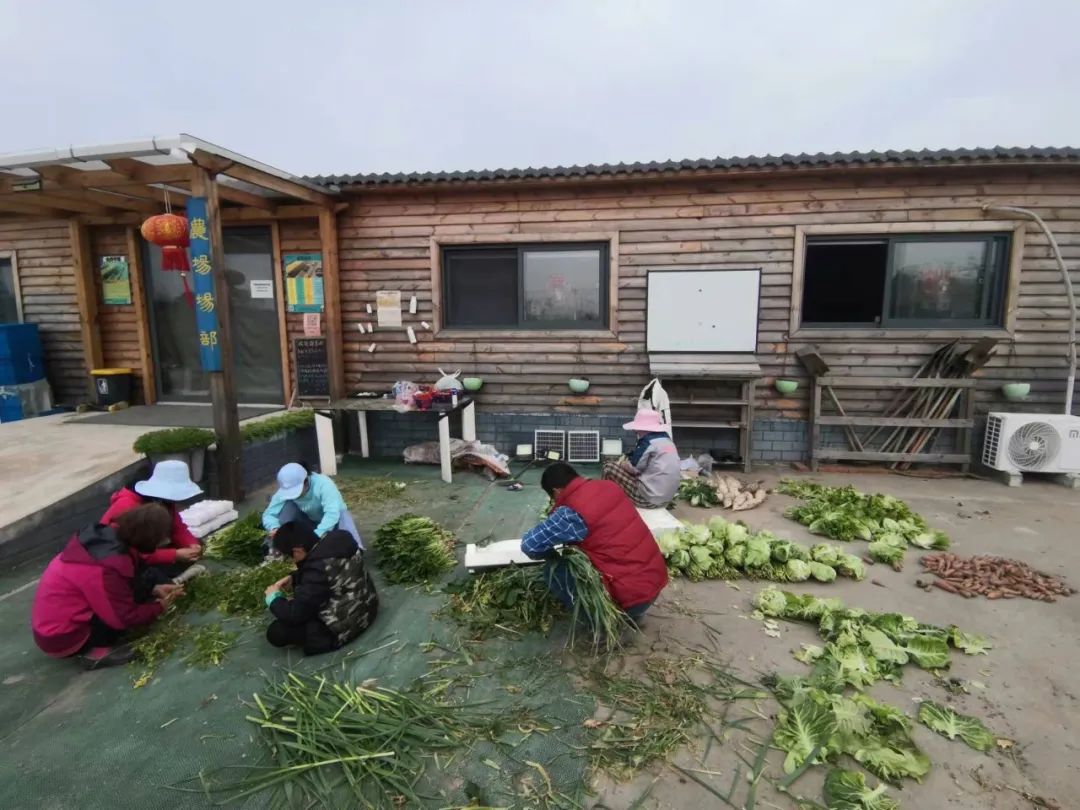
Mr Yuan is precisely the kind of polymath the farm needs — you might describe him as a carpenter who proves that “a carpenter who can’t farm isn’t a good electrician”. In such a large farm, ad hoc situations arise constantly, and a farmer can never have too many skills up his sleeve. Watching Mr Yuan bustling about, you probably couldn’t guess what he’s doing without asking — one moment he’s repairing a three-wheeled truck, the next sawing timber to mend a fence, then heading off to the fields to answer members’ questions … Most days, he can only find a quiet moment at night for some writing.

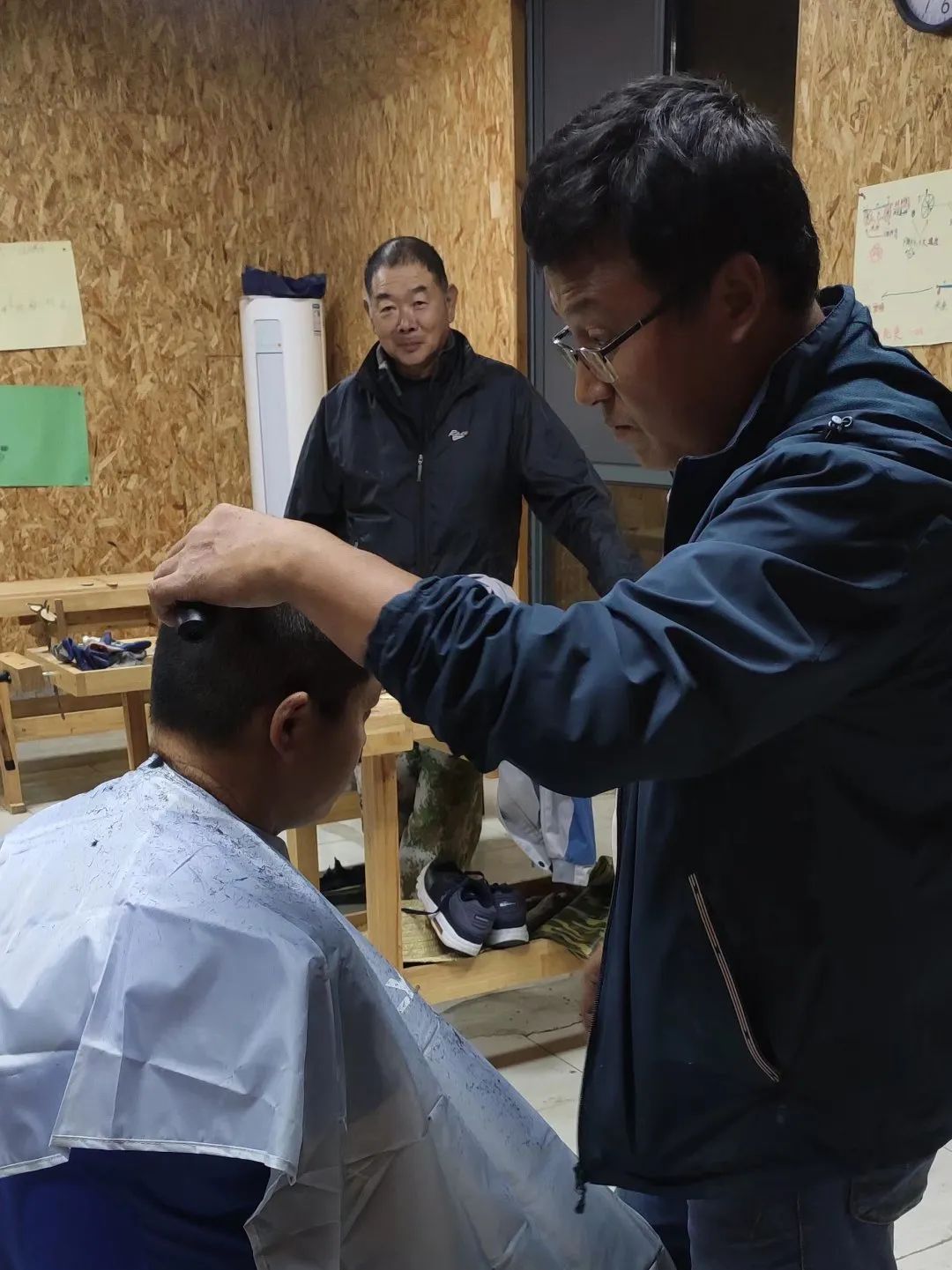
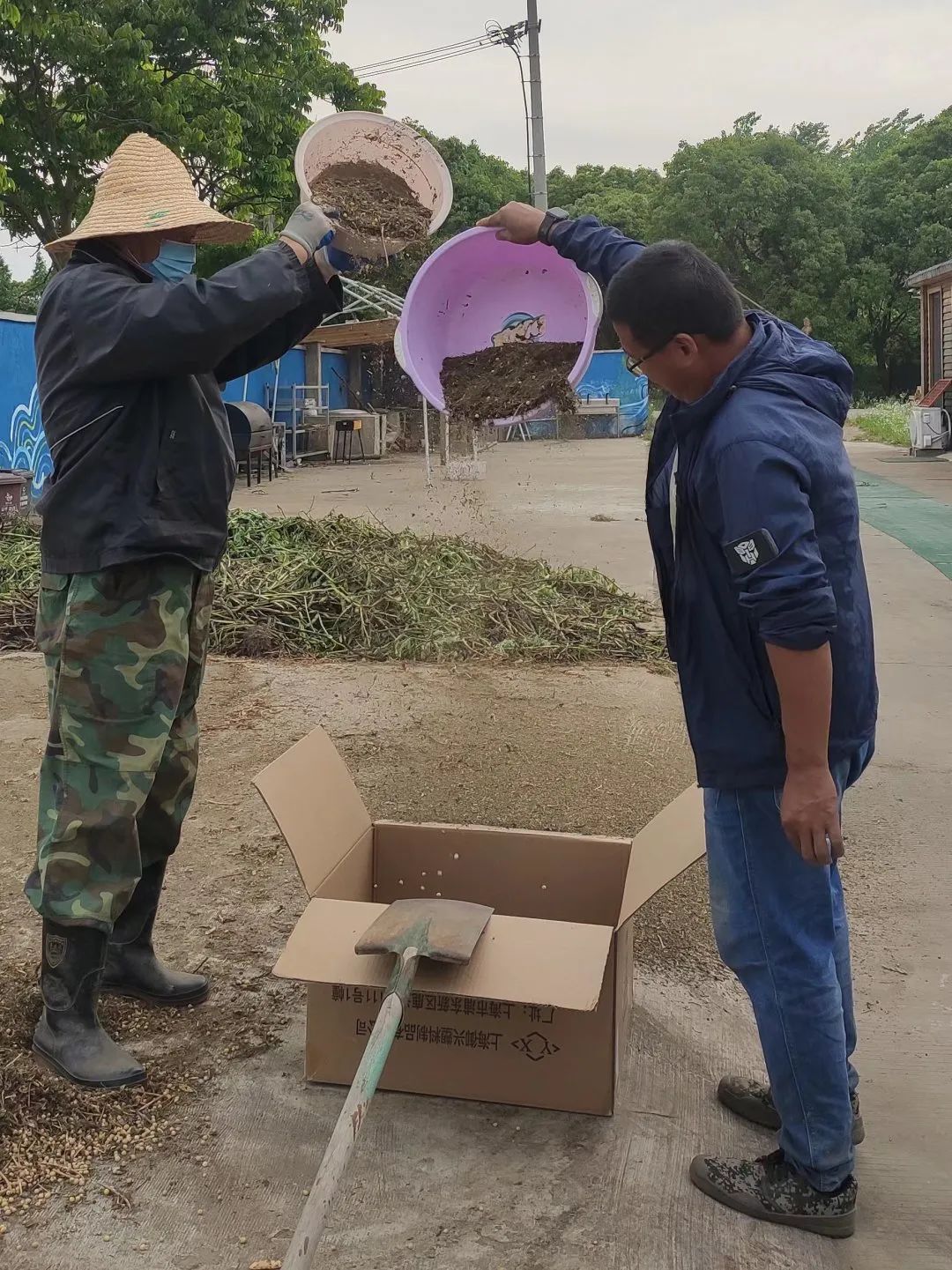

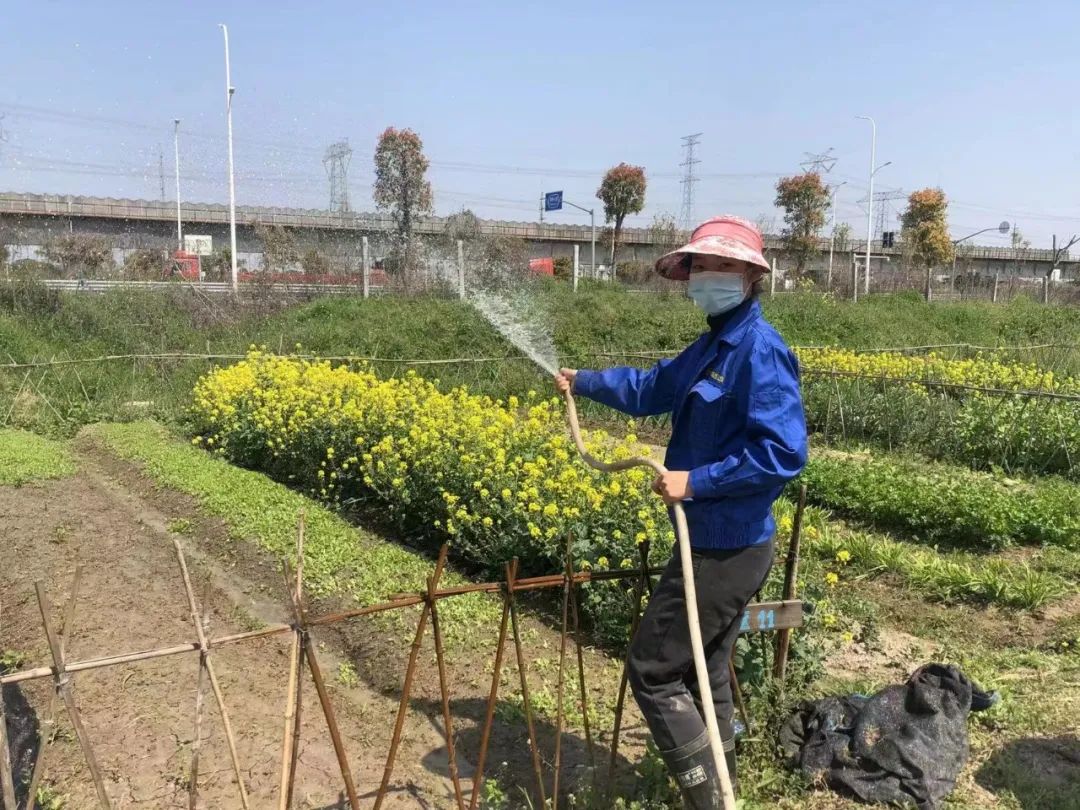
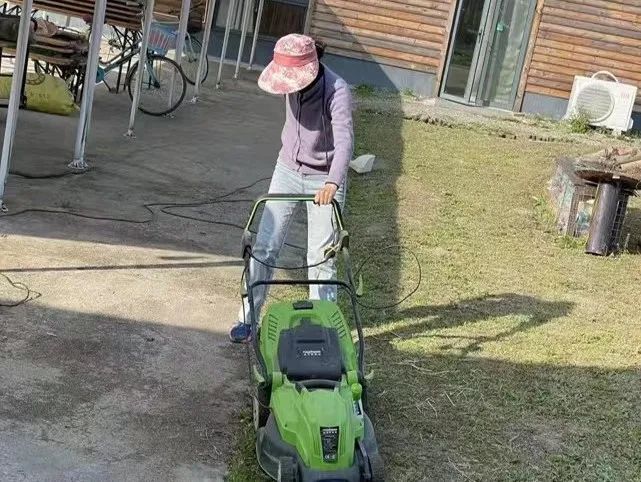
The farm’s staff also typically juggle several roles. During my internship, I was responsible for receiving members and visitors, planning and executing family-activity programmes, running the WeChat official account, and harvesting and delivering vegetables. In summer, I used a brush cutter to clear weeds, built supports and netting for fruiting vegetables, and led children in picking yellow peaches.
These tasks simply cannot be done from a desk, nor can you follow a plan step by step once it’s set. You’re constantly on the move, and unexpected things happen all the time. But this flexible working style has its benefits too: you’re not sitting all day, which reduces the risk of neck problems; close contact with nature helps relieve stress; and being a jack-of-all-trades builds diverse experience — this farm is a classroom in itself, teaching me all manner of knowledge.


III. Can There Be Nature Education in the Countryside?
Throughout the process, I found that Shanghai parents pay great attention to their children’s physical and mental wellbeing, valuing labour education and holistic development. They encourage their children to take craft workshops, food education courses and farming sessions, growing up in nature while enriching their sensory experiences and hands-on practical skills.
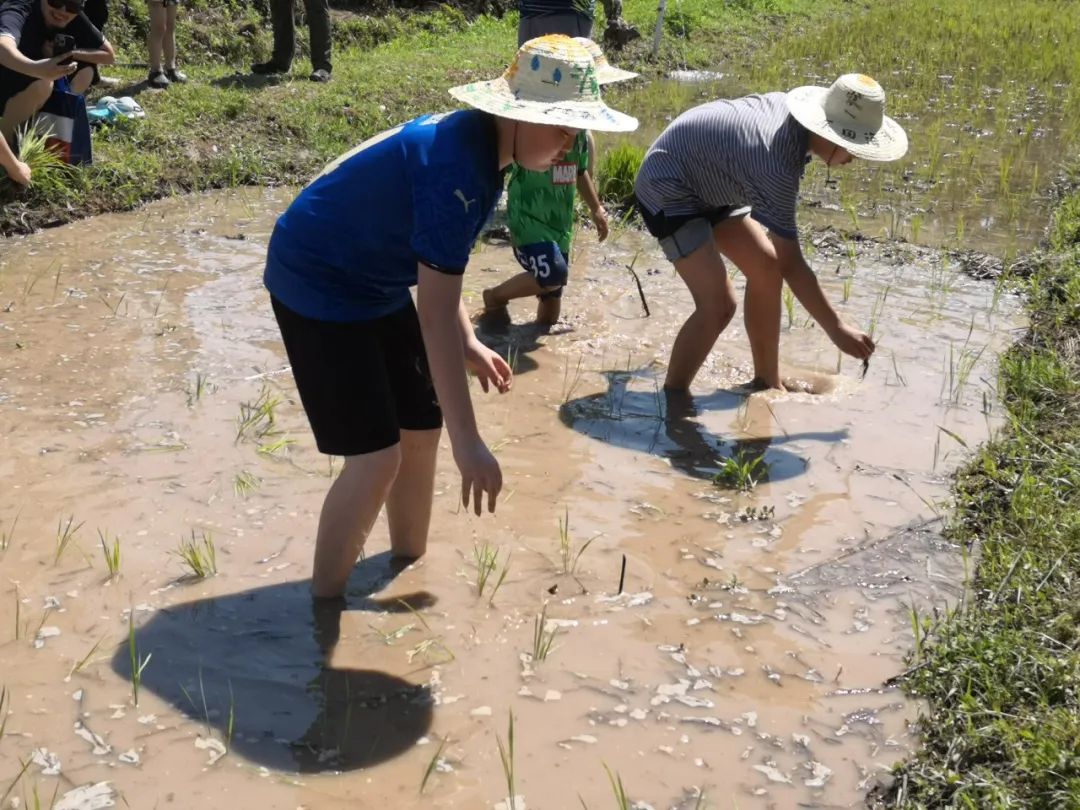
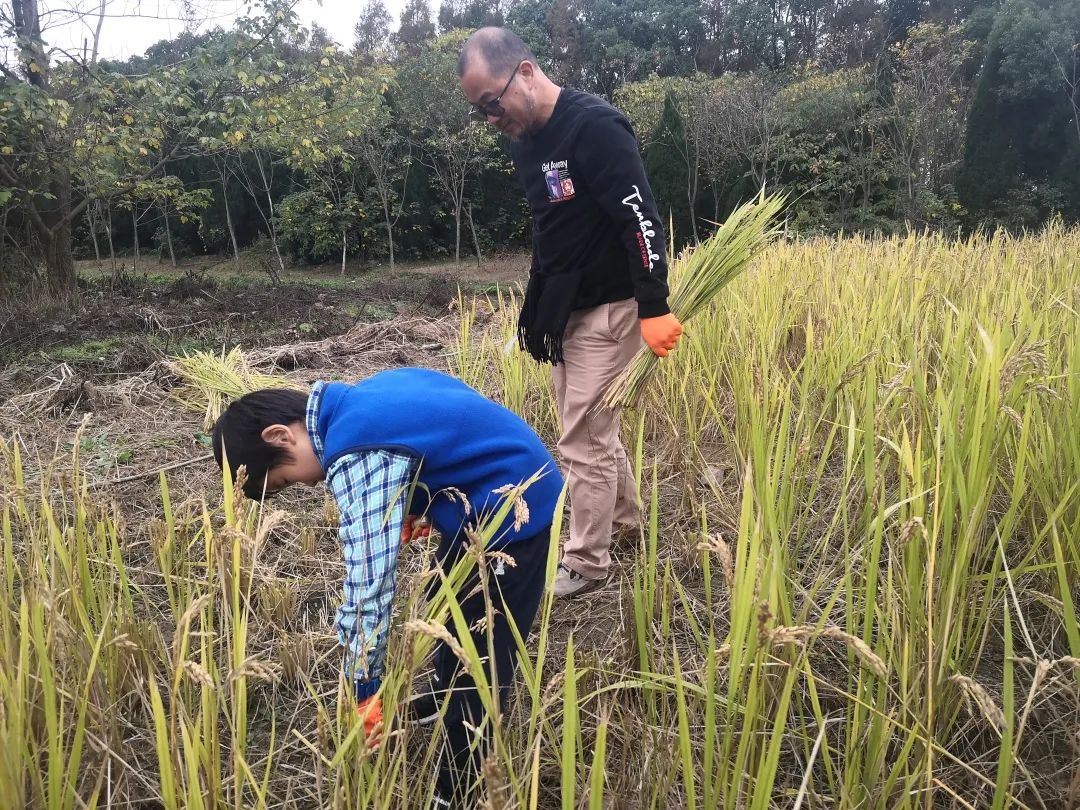
But when I went home for the Spring Festival this year, I noticed that although rural children live closer to nature, they have no real opportunity to enjoy its gifts.
Take my niece, for example: after school and on holidays she is usually at home watching television or scrolling through a phone. She was naturally curious about all sorts of things, but because her parents were too busy or didn’t know how to nurture that curiosity, her interests were slowly snuffed out. She wanted to try wrapping dumplings or kneading dough, only to be met with a dismissive “Stop making a mess” from her parents. Or take growing vegetables: we have a 20-square-metre household plot in front of our house, but apart from my mother, almost no one gets involved in tending it — let alone my little niece. So although she recognises many vegetables now, she has no idea how they’re grown, which is probably one reason she doesn’t like eating them.
In truth, the countryside has plenty of space and rich resources for children to explore, and it preserves more traditional farming and food culture, making it an excellent outdoor classroom. They could learn to use tools, cook, make crafts from recycled materials, or even try woodworking. If more nature-education resources were channelled towards rural areas, and if parents could shift their mindset, children would surely look up from their screens and see a more beautiful world beyond that tiny display.

IV. Setting Off Again
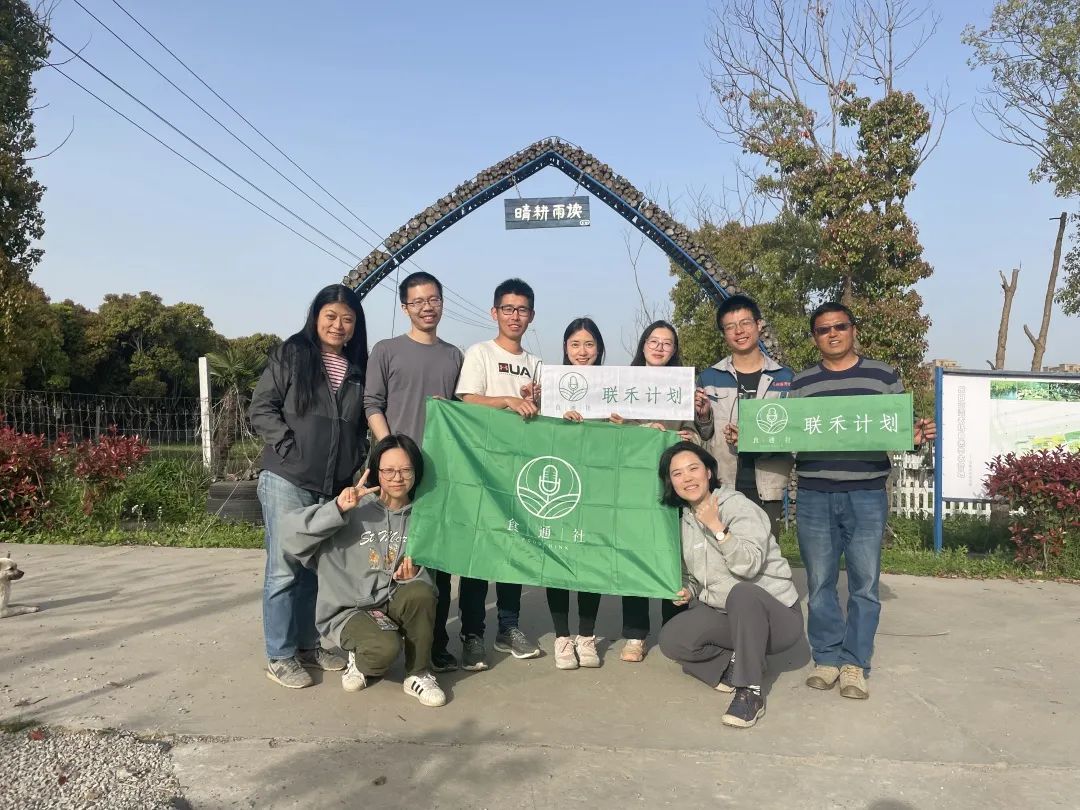

We hope that ecological farms can distil their precious experience in farm management, production techniques, sales and marketing, offering a reference for young people who wish to return to the countryside and pursue ecological agriculture. At the same time, interns from diverse backgrounds can bring their strengths to the table, inject fresh energy into the farm, and reduce the learning curve and cost of trial and error should they start their own ventures back home in the future.
Unless otherwise noted, all images in this article were taken by the author.
Editor: Ze’en