
Selling Veg for a Day Earned ¥20,000—We Tearfully Ate Up ¥2,000……
On 7 February 2026, after a two-year hiatus, “Occupying Jishi” made its return—this time elevated to Foodthink’s Annual Gala. Over those 12 hours, we used selling veg as a way to delve deep into the food and farming system: the eight of us from Foodthink transformed from consumers into shopkeepers, having a go at a real-life “Vegetable Shop Simulator” while taking on a daily sales target of ¥20,260.
On gala day we also put together a whole roster of seasonal activities: the editorial team’s year-end review, a dialogue on selling ecological produce, Foodthink’s very first live-stream shopping event, and a lamb soup screening. Thanks to everyone who came out in person and those who watched online—for anyone who missed the fun, here’s the event roundup and live-stream replays 👇



To make sure we successfully “debuted” on 7 February, we underwent 48 hours of professional training over the past few months. The Occupying Jishi campaign has come to a close—did we hit our sales target? What challenges did our shopmates face? And what observations and reflections did they bring back? At this tail end of the Year of the Snake, sit back and savour the vegetable-selling wisdom of these eight new and veteran trainees.
I. Sold ¥20,000, Ate ¥2,000
I’m always boasting that I’ve been selling veg professionally for ** years (this year marks sixteen!), but ever since I shifted my focus to Foodthink in 2017, the time I’ve actually spent on the shop floor selling veg has shrunk—whether at markets or in community shops. It was only during the pandemic years that I sold veg a few times a week, because we were doing group buying and needed to help our Jishi community do “contactless” shopping (such an archaic phrase now!). So my veg-selling skills have gone terribly rusty—every year I rely on “Occupying Jishi” with Foodthink to dust them off and get back in practice.

I’m always boasting that I’ve been selling veg professionally for ** years (this year marks sixteen!), but ever since I shifted my focus to Foodthink in 2017, the time I’ve actually spent on the shop floor selling veg has shrunk—whether at markets or in community shops. It was only during the pandemic years that I sold veg a few times a week, because we were doing group buying and needed to help our Jishi community do “contactless” shopping (such an archaic phrase now!). So my veg-selling skills have gone terribly rusty—every year I rely on “Occupying Jishi” with Foodthink to dust them off and get back in practice.
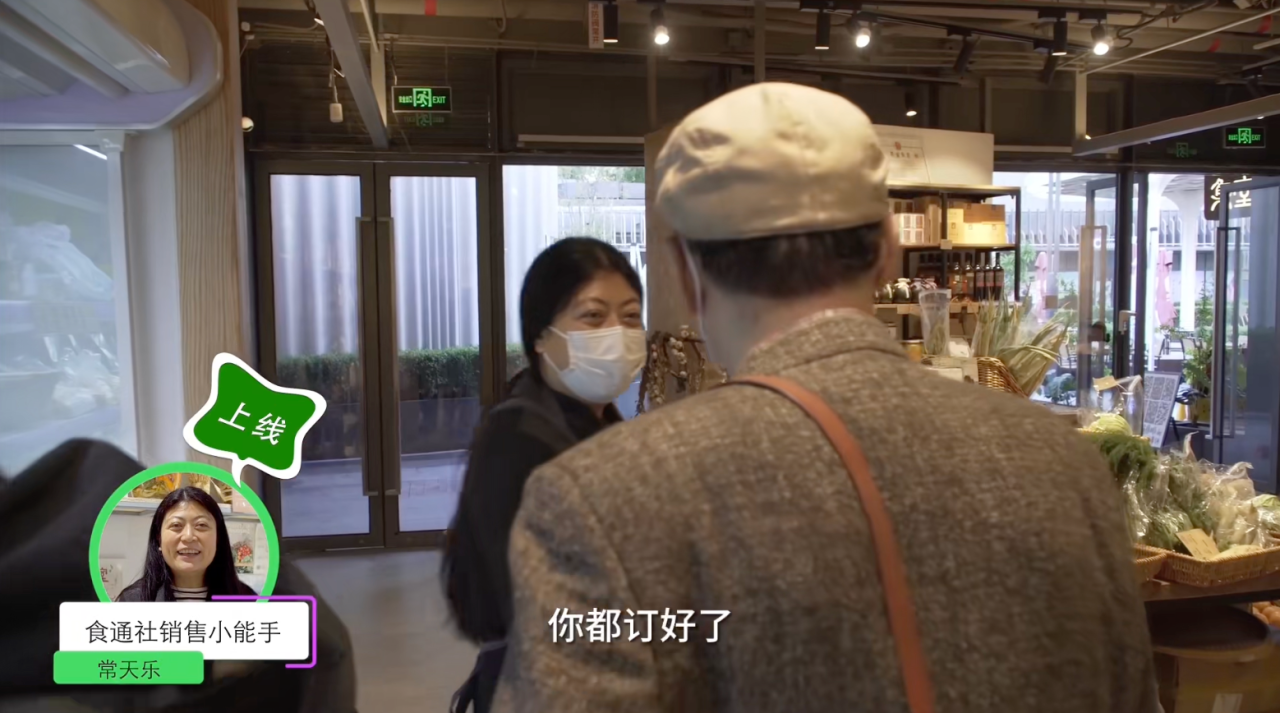
In 2025, a new group of colleagues joined Foodthink. None of us actually had much of a food-and-farming background—some of us didn’t even know what was in season when it came to cooking or shopping for veg. The one colleague who had spent a few years as an agriculture reporter also admitted she didn’t really understand food. So three months before “Occupying Jishi”, each colleague began a 48-hour, distributed “apprenticeship” at Jishi. I hoped everyone would go through this experience to—get familiar with food, meet more farmers, serve consumers, and understand how an “alternative” veg shop operates. More importantly, that they’d find story ideas for writing, commissions, and research—not just sit in the office racking their brains and banging away at keyboards.
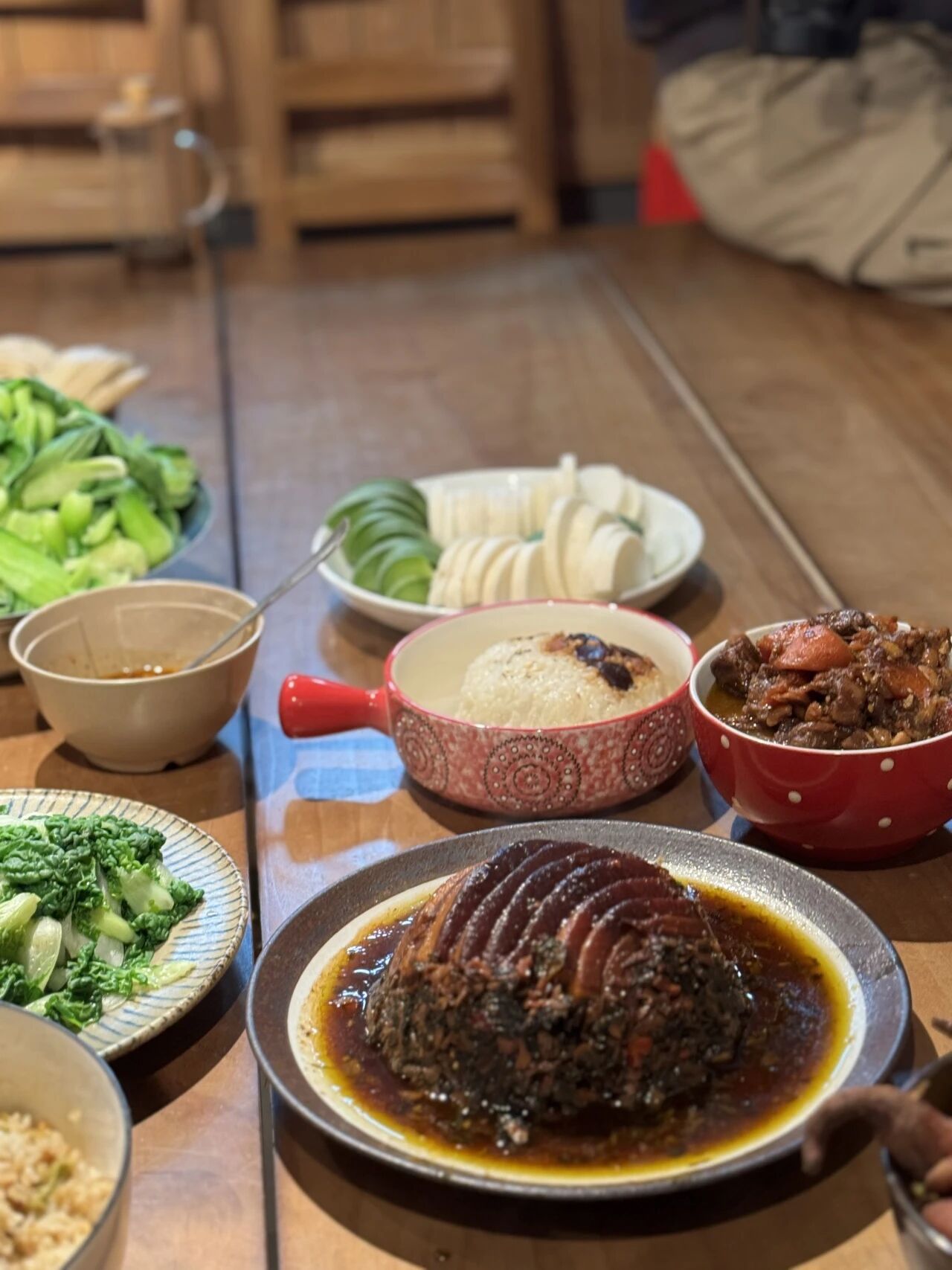
When the day of “Occupying Jishi” actually arrived, I was delighted to find that our amateur trainee colleagues were surprisingly sharp at the job. Sure, there were hiccups, but everything was sorted out just in time without any real drama. We even whipped up two proper feasts—feeding ourselves and treating the friends who popped in to check on us or join the events. The best part? Before we shut up shop, we discovered we hadn’t just smashed the all-time “Occupying Jishi” sales record, but also beaten our own modest target: In the year 2026, we sold over ¥20,260! But on closer inspection, I found that the eating alone cost us nearly ¥2,000. Well, you know us—we like to eat well!
II. The Service Industry Is Really Tough!

I never expected that on the day of “Occupying Jishi”, the first difficulty we’d face would be stock intake.
Stock intake means recording the fresh vegetables and other goods that arrive on the day in a stock log, which a colleague at the till then enters into the system. I thought that, with my 48 hours of work experience under my belt, I’d have the routine pretty much down pat.
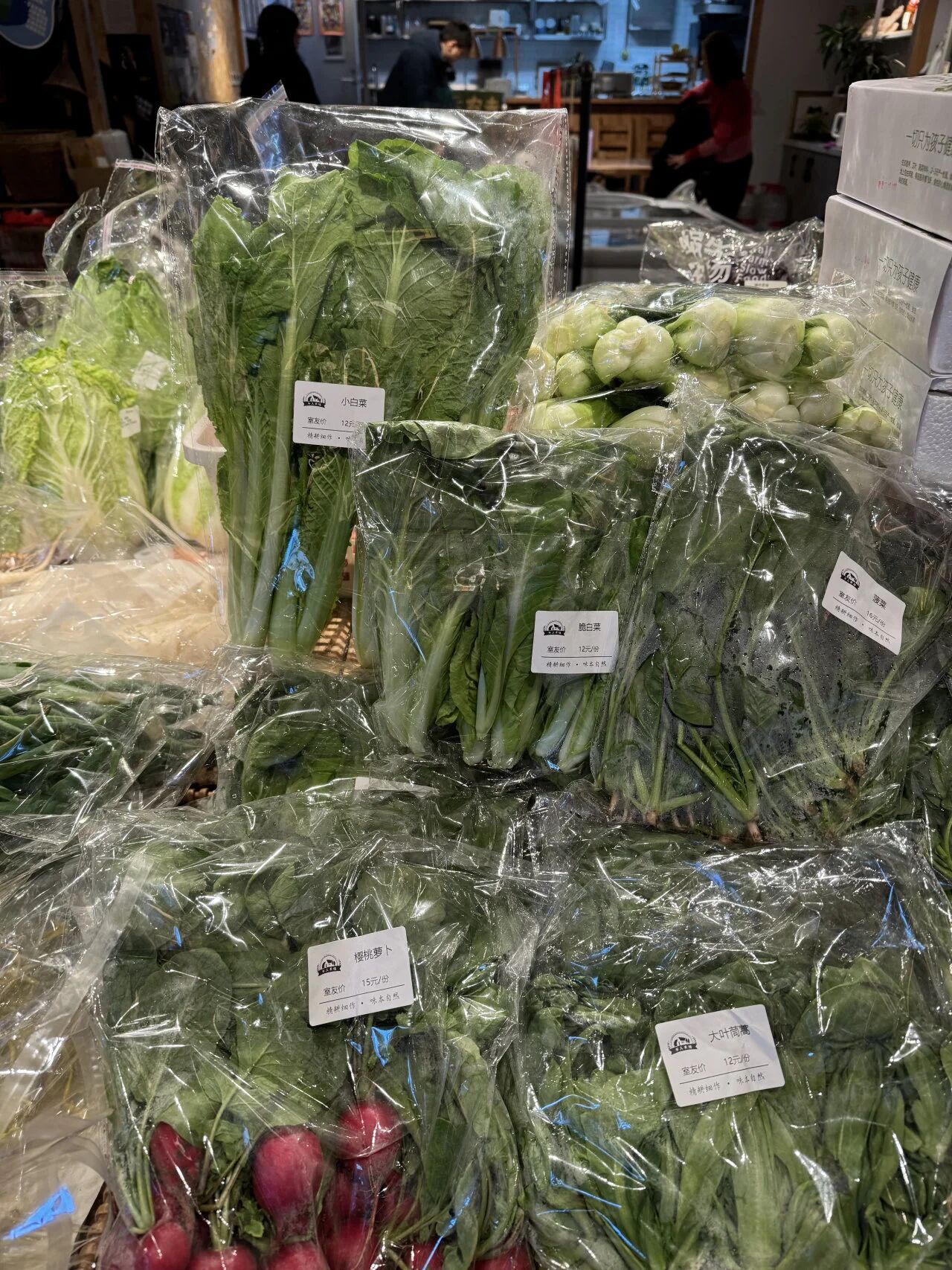
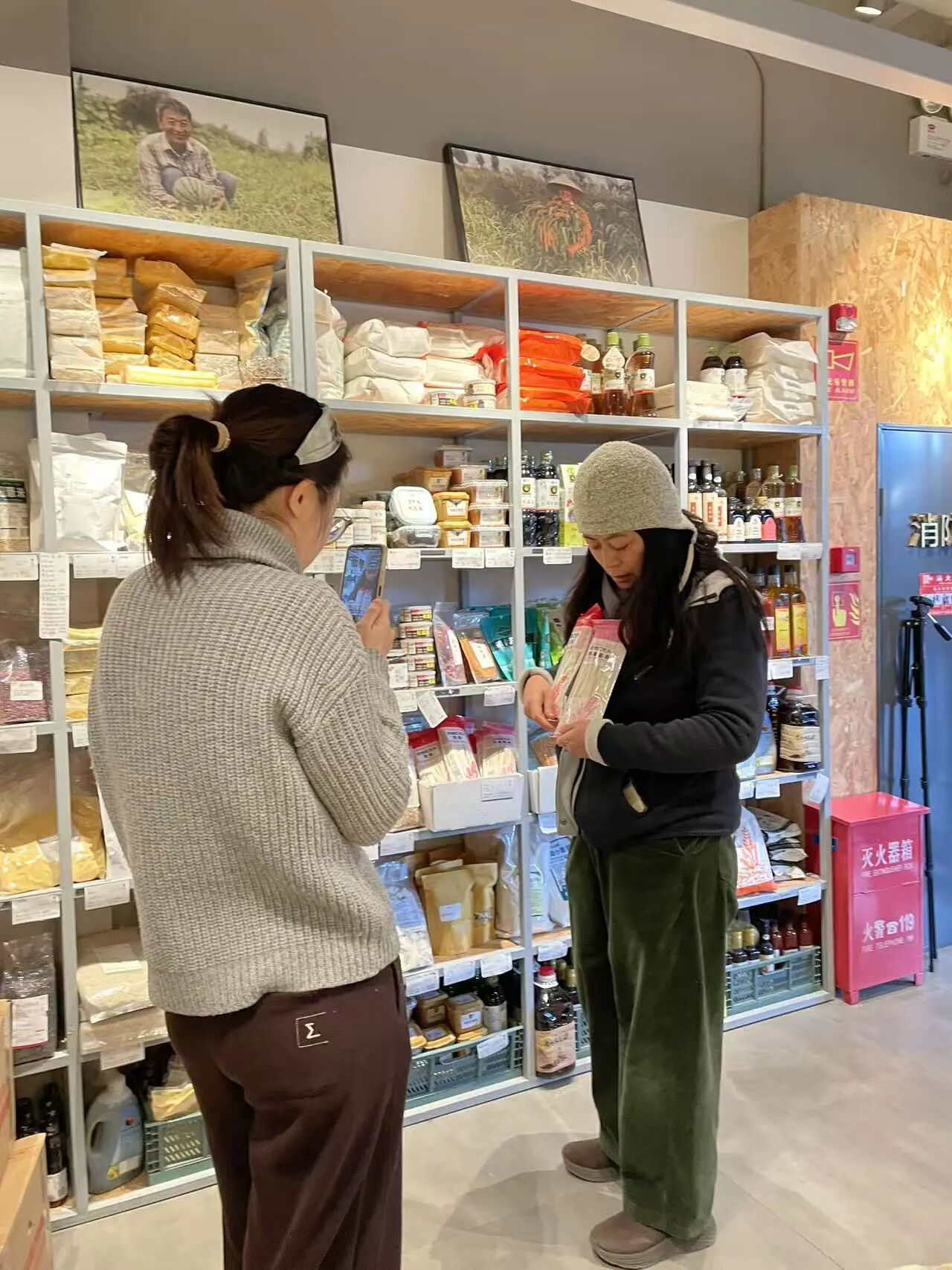
But the moment I walked into the shop on 7 February, a delivery from Little Willow was already waiting for me. Northerners like me always have a built-in disadvantage when it comes to leafy greens… staring at the bags of veg, I was stumped. Is this spinach or komatsuna? Thank goodness I caught Sister Qi, Jishi’s bona fide shop manager. She identified every vegetable in just two seconds, and crisis averted.
In past shifts, customers always asked us things like which farm this veg came from, what it tasted like, how to cook it, and so on. As Foodthink’s most clueless person about everyday life, I simply couldn’t handle these questions and had to rely on the seasoned veterans for help. Luckily, on event day, the veterans still showed up at random, and colleagues pitched in to help each other out, so we managed to cope—just about.
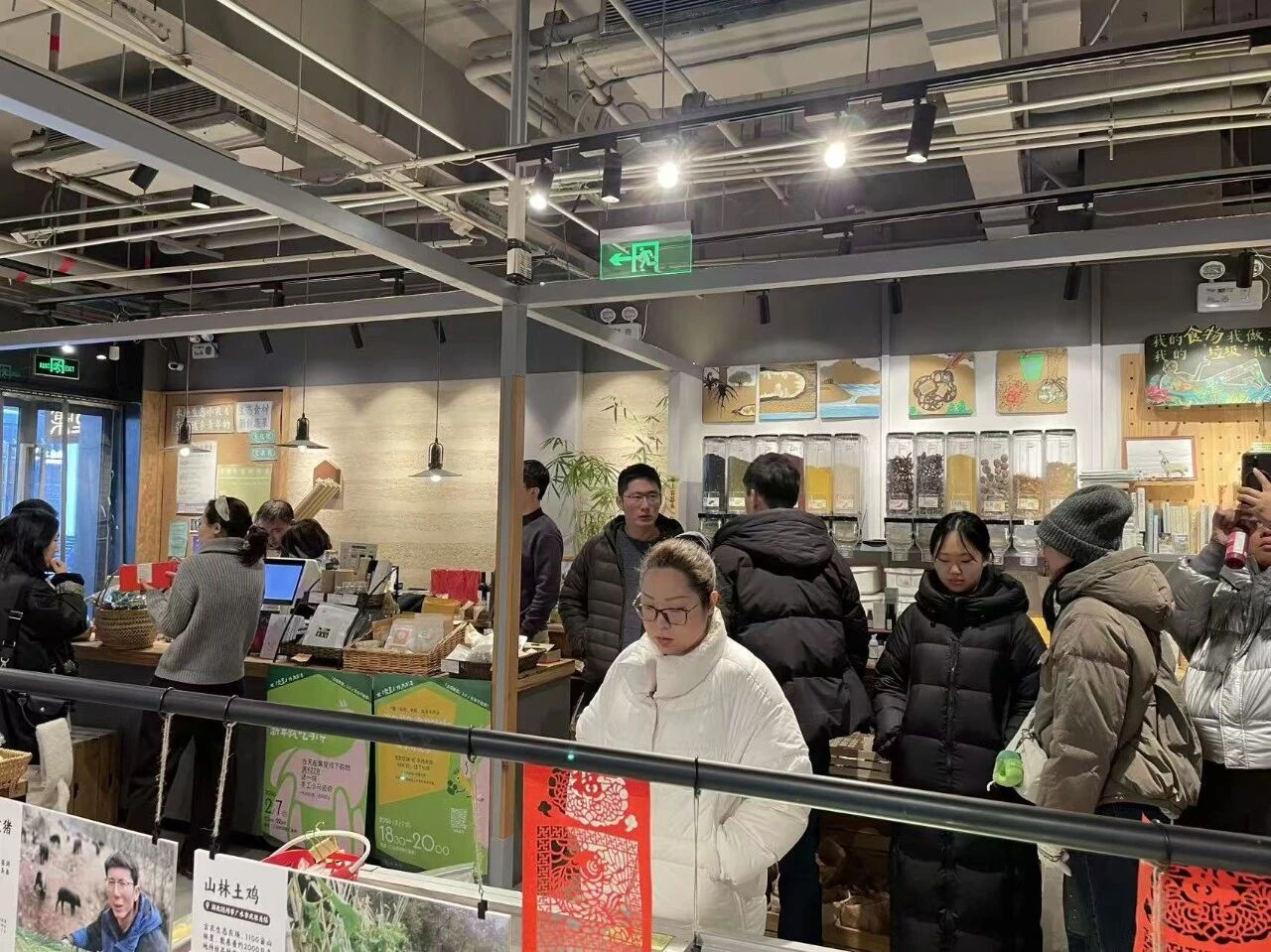
My previous 48 hours of “shop work” at Jishi had always been a different kind of “rest” for me. That day I had a full six hours where I could put away my phone, ignore WeChat, and focus solely on customer service, sorting orders, and merchandising—it was easy to slip into a flow state. But this time, with the New Year fast approaching and four back-to-back events on the schedule, the shop was a revolving door of customers buying veg and New Year provisions, and readers coming for the events. I’d never seen this many people in the shop. And each of us had to juggle sorting and packing online orders while also serving foot traffic… I genuinely wished I had three heads and six arms.
Finally, when a customer told me not to put his stuff on the floor, I almost couldn’t resist rolling my eyes… So, apologies to that esteemed customer. I always thought I was a people-pleaser. After this day, I’m going to have to revise that assessment. The service industry is seriously hard!
III. My First Live-Stream Shopping Experience

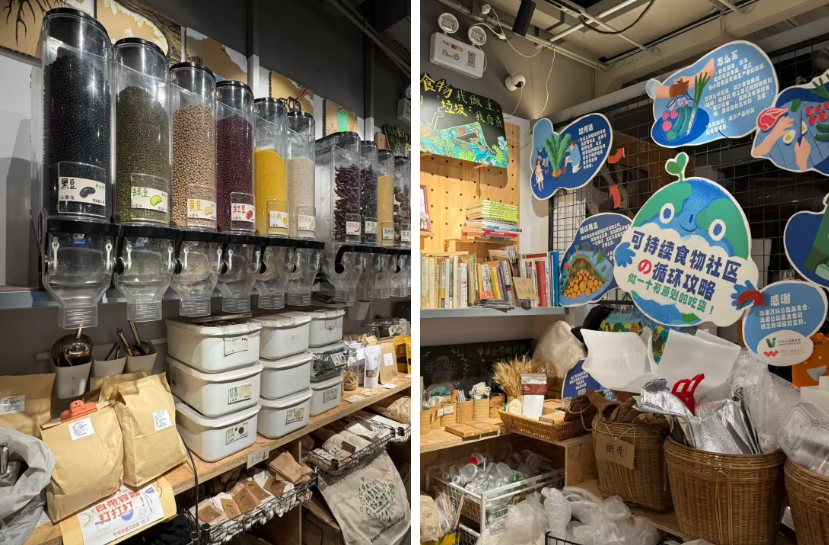
This was already my second time occupying Jishi. Compared to the sheer panic of my first foray into selling and sorting veg, this time… I was still just as terrified—because I was doing my first-ever live-stream shopping session. “Selling goods” sounds all very impressive, but in practice I probably shifted very few items 😂. If you’ve ever bought something because of my recommendation, raise your hand 🙋🏻♀️. I spent the whole session enthusiastically pushing flower mushrooms from Fangxian, Hubei; Bule cheese; and my beloved Jishi’s “Sustainability Corner”—where you can buy dried goods loose by weight, customers can drop off reusable plastic packaging, and Foodthink keeps a little bookshelf. Very few shoppers wander over there, but it’s truly my treasure trove.
After years of watching live streams, I finally had a go at selling myself. The feedback on the day was pretty good, and suddenly I felt a flicker of confidence—maybe I could do this more often. Come on, let’s do another Jishi takeover soon!
IV. A Day of Intense Prefrontal Cortex Drills

This was the most crowded day I’d ever had at Jishi. During those previous 48 hours, the most common working pattern was: receive a task in a WeChat chat → grab a basket and start sorting → interpret, from experience, what the customer on the other end of the internet means by “bigger or smaller”, “more or less”, “a bit softer”, and “a bit more watery” → pack, box, seal, and dispatch via Flash Delivery. It produced a single-threaded sort of satisfaction—the thrill of being alienated into a machine or a worker ant.
I was in the middle of enjoying this bliss when passers-by peered in and observed my mental state: “Is this a ghost grocery shop?” More curious types pushed the door open and shook their heads as they walked away: “No one’s here, what are these staff members even doing?”
But 7 February was different. Head down, writing copy and prepping the stream, I looked up to see a “tsunami”! Even the beaches of Hawaii couldn’t be busier at this moment. Customers in the flesh, every single one, filled every crevice of this little veg shop and lit up every corner. It felt like being a child again, going shopping for New Year’s goods—the only thing missing was plunging your hands into the rice bin. The New Year spirit wasn’t quite strong enough to fully thaw out a marathon of Andy Lau and China Doll, but at least 30% of the nostalgia could defrost here.
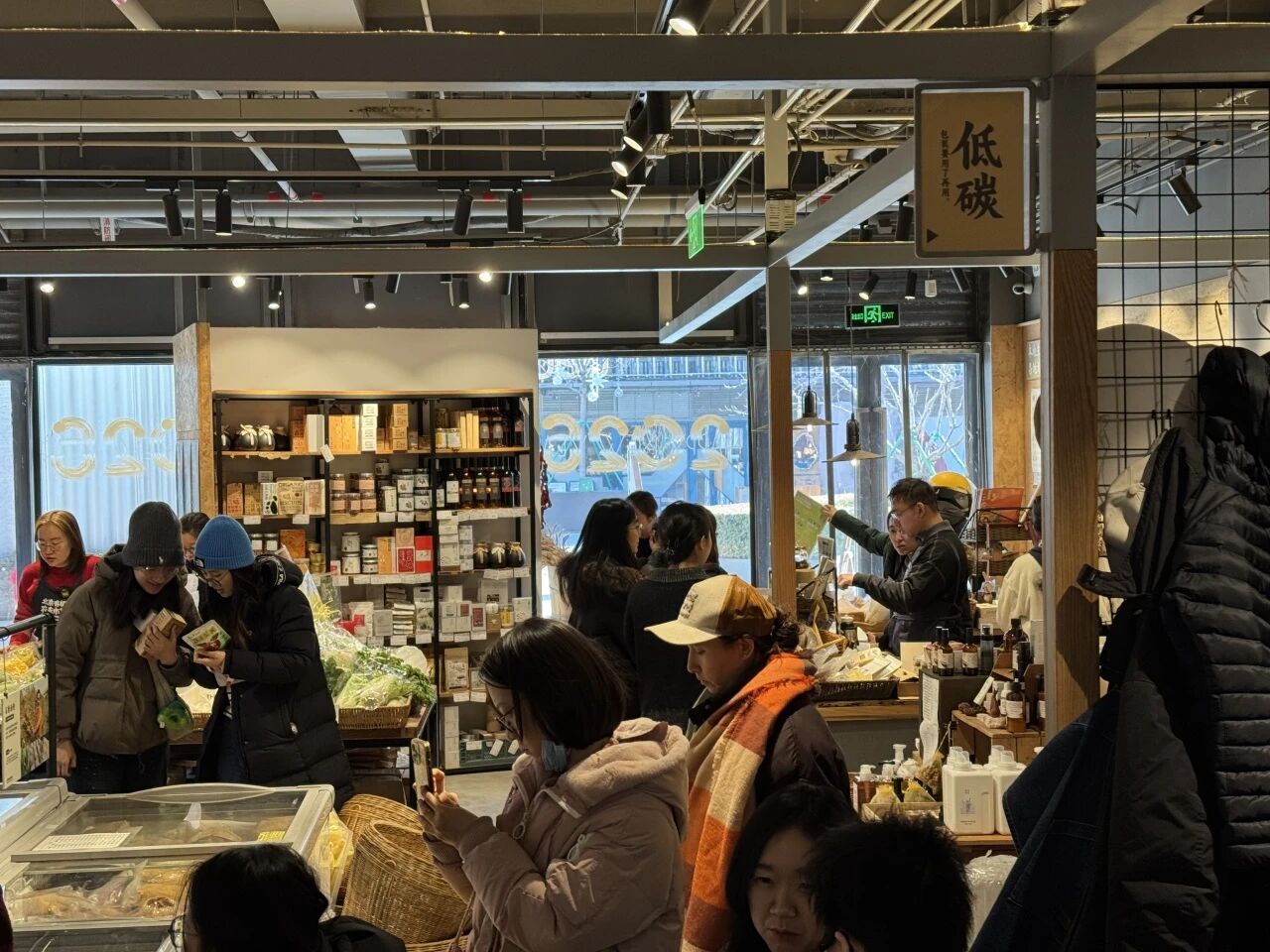
Also a day of intense prefrontal cortex drills. Today I was on the events team—12 hours, four events… I just had to tell myself: close your eyes, open them, and the day’s gone. Being able to meet farm owners and like-minded folk who champion sustainable eating in person—what a privilege, and that, I suppose, is the point of Foodthink’s public events—you always meet comrades on the road who are both peers in the same trade and fellow travellers.
My first-ever live-stream shopping session taught me one thing—some money is better left for others to earn (…just kidding. A ragtag crew is bound to glitch at every turn: constant buffering, intermittent audio dropouts, the shopping-cart button refusing to load… But the “hosts” were incredibly dedicated and professional. Next time, I’ll definitely study streaming technique properly and keep the Wi-Fi stable (if there is a next time.
V. So Busy We Nearly Could Only Drink the Leftover Soup

The evening before, we had been solemnly warned: tomorrow is going to be exhausting—dress warmly, bring a power bank, and brace yourselves. Four events that day, with new and returning customers streaming in and out. Tiring though it was, seeing everyone working even harder than I was left me with precious few complaints.
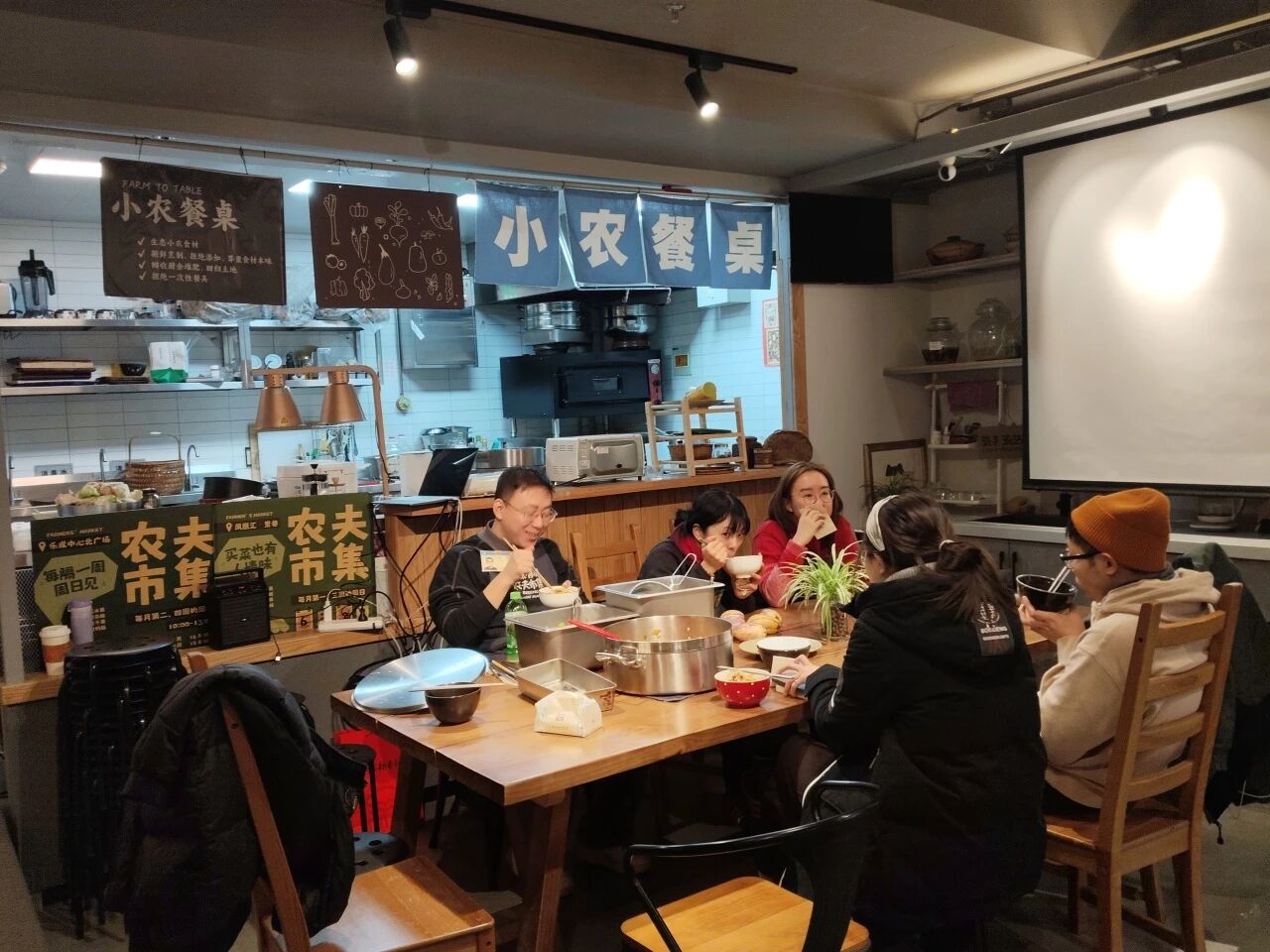
That evening, we prepared lamb soup with rice noodles for the ten friends who had signed up for the screening. The lamb was gorgeously plump—which meant the washing-up was going to be truly gruelling. At Foodthink’s office, the colleague who arrived last usually handled the day’s dishwashing. Our editor Yuyang, who was late that day, stepped up eagerly: “I’ll wash them—it can only be me.” But after everyone had eaten, the soup had gone cold and a layer of white fat had floated to the surface; some bowls still had clumps of rice noodles clinging to them. If we’d let Yuyang tackle all of that alone, we’d have been accused of workplace bullying.

Jishi’s professional kitchen equipment (the three-plus-one sink setup) and Foodthink’s knack for improvising (🐶) meant that we hunched-over office drones, wholly unaccustomed to hard graft, successfully turned one person’s hardship into a team-building exercise for the whole crew. See colleague ZX’s account for the full story. All in all, if you look out for each other, it’s not just lamb fat—engine oil wouldn’t be a problem either.
Of course, to avoid telling an “anthropocentric” tale, we owe a great debt of gratitude to camellia seed powder, the freely flowing drains, and the endless supply of hot water. Factoring in the labour, the ¥68 bowl of lamb soup noodles plus a film really wasn’t expensive at all—if you got to eat it, you won!
But in reality, with supplies limited, Foodthink members didn’t get a single drop of lamb soup. We looked at each other in disbelief, even considering pooling the last few bowls, reheating them, and sharing—saving a mountain of washing-up and still getting a taste of that rich, savoury broth… In the end, we couldn’t bring ourselves to go that far. Seizing the moment as a self-declared tomato-and-egg devotee, I volunteered to champion my all-time favourite. I grabbed a carton of eggs, six tomatoes, a bag of leftover bean sprouts, and the uncooked rice noodles left over from the evening, plus a big bowl of shredded-tofu-and-cabbage salad, and in no time had rustled up a no-frills working meal. With the stainless-steel cutlery, I truly felt the spirit of the aunties who cook for hardworking construction workers out on the building site.
VI. Spring Festival Group-Dinner Dishwashing Guide

Lamb soup noodles really do taste divine 😋
Until you lay eyes on a sink caked with lamb fat: pots, pots, pots, bowls, bowls, bowls, bowls, bowls, bowls, bowls, bowls, bowls, ladles, pans, pans, pans 🥶
The free-roaming, grass-fed lamb from Harigobi Grassland in Inner Mongolia lived the good life—wandering at will, with a thick, glossy coat of fat, white as jade and fragrant enough to make your mouth water. Once simmered, the stock shimmered with delicate golden ripples of oil, its flavour pure and lingering on the lips.
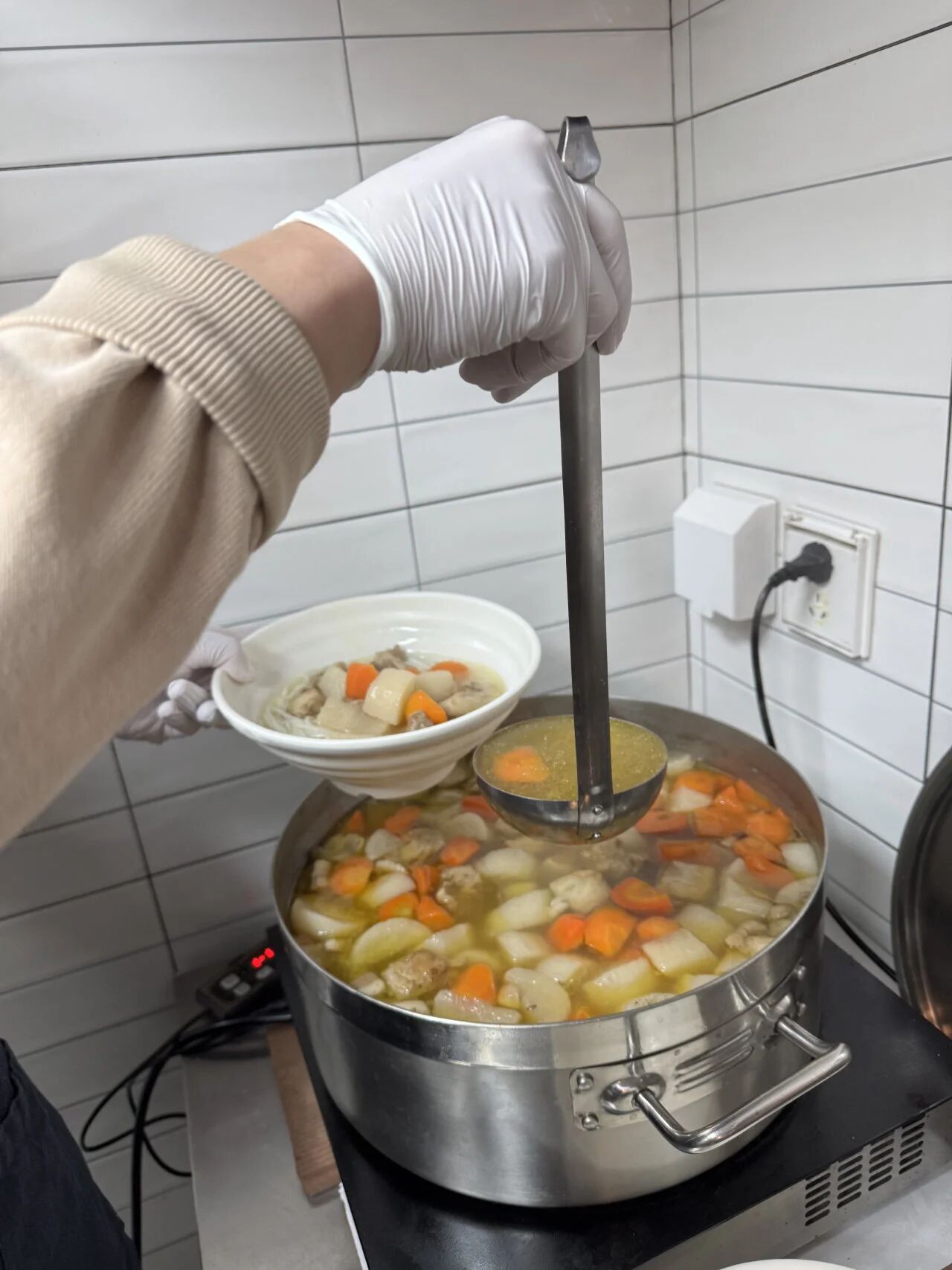
Hot in the bowl, it’s soup; once it goes cold, it’s pure sin. People left, soup cooled. The solidified lamb fat, together with vegetable scraps, spice residue, and broken strands of rice noodle, coated every single bowl, plate, pot, chopstick, and spoon it had ever touched—impossible to wipe off, impossible to wash away.
They say slurping lamb soup is bliss for a moment; scrubbing dishes and tidying up is ***. We’re talking about the crockery and cookware from some twenty-odd people! Faced with these mountainous piles, even a battle-scarred ex-member of Foodthink’s “Dishwashing Department” (now disbanded), which saw action just twice a week on shop-open days, could only sigh at all that “sheep”.
One colleague volunteered to test-wash a single bowl, but the sponge and her hands were both vanquished. Can’t finish the dishes, can’t close up; can’t close up, can’t go home. Staring at the row of sinks in the back kitchen, someone had a lightbulb moment: with numbers on our side, let’s adopt the assembly line and conquer the challenge together.
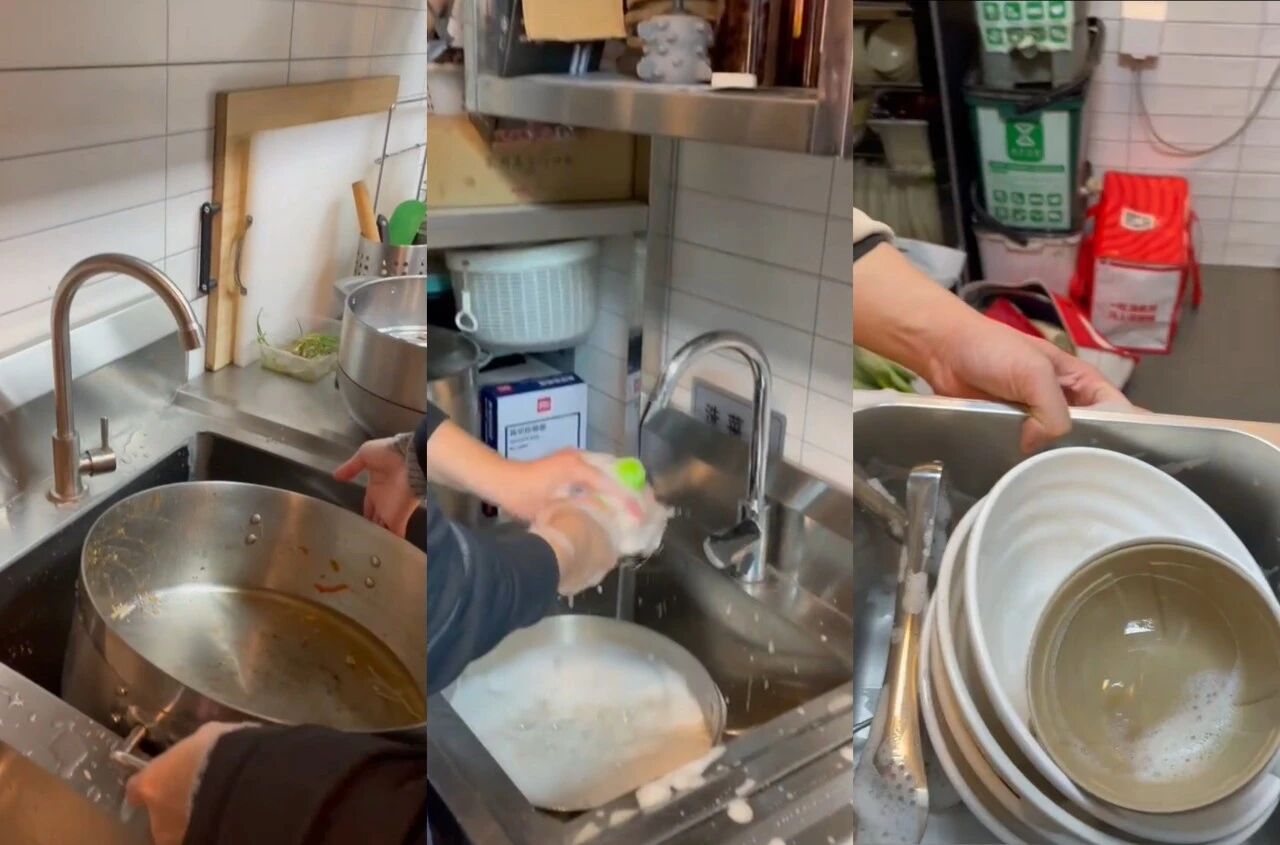
Steps:
1. Collect the dirty dishes and rinse off large food scraps—vegetable leaves, strands of rice noodle, and so on—Station 1;
2. For anything caked in lamb fat, scrape off the bulk with paper towels—Station 1;
3. Scrub vigorously in a hot solution of water, camellia seed powder, and detergent—Station 1;
4. Rinse clean with fresh water and check it passes—Station 1;
5. Drain, store, and put away—Station 1;
All in all: five stations, five people.
Points to watch out for:
– Start with the least dirty items;
– Fill a large pot or the sink with hot water and add camellia seed powder (to cut grease) and detergent (to cut odour) for double the effect;
– If any item isn’t clean, send it straight back to the previous step;
– Don’t wear gloves during the inspection stage—feel the surface with your bare hands to check for grease;
– Once you’re finished, use the hot solution from step three to scrub the sink and flush the drains;
– Apply hand cream when you’re done.
Conclusion:
Unity is strength—sorted in just over half an hour, gleaming white and spotless ✌️
VII. Even Selling Veg, You Can Feel Climate Change

Sixty hours at Jishi gave me a richer sense of the food-agriculture system across more dimensions of community life.
From a climate-change perspective, cold chains and freezers are a major source of fossil energy consumption in the food system. But running an eco-organic food shop means responding to what consumers expect: to keep food in stock and ready for sale at any moment, our meat must be cut, sealed, and frozen. Dairy products likewise depend entirely on freezing and refrigeration. Time seems to be an essential part of supply-chain philosophy—and time is carbon.
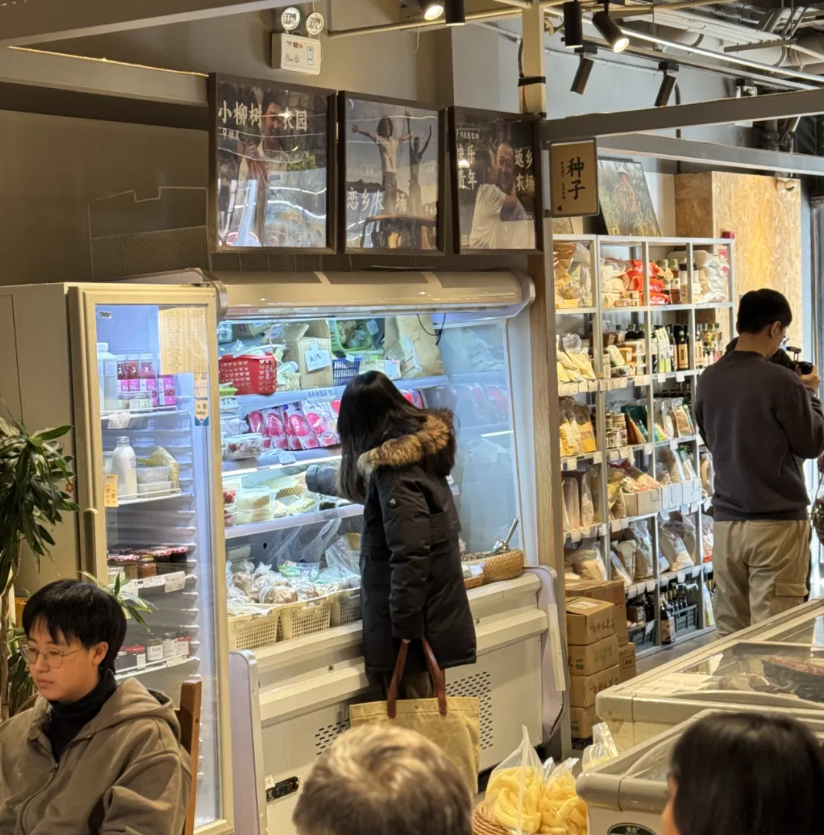
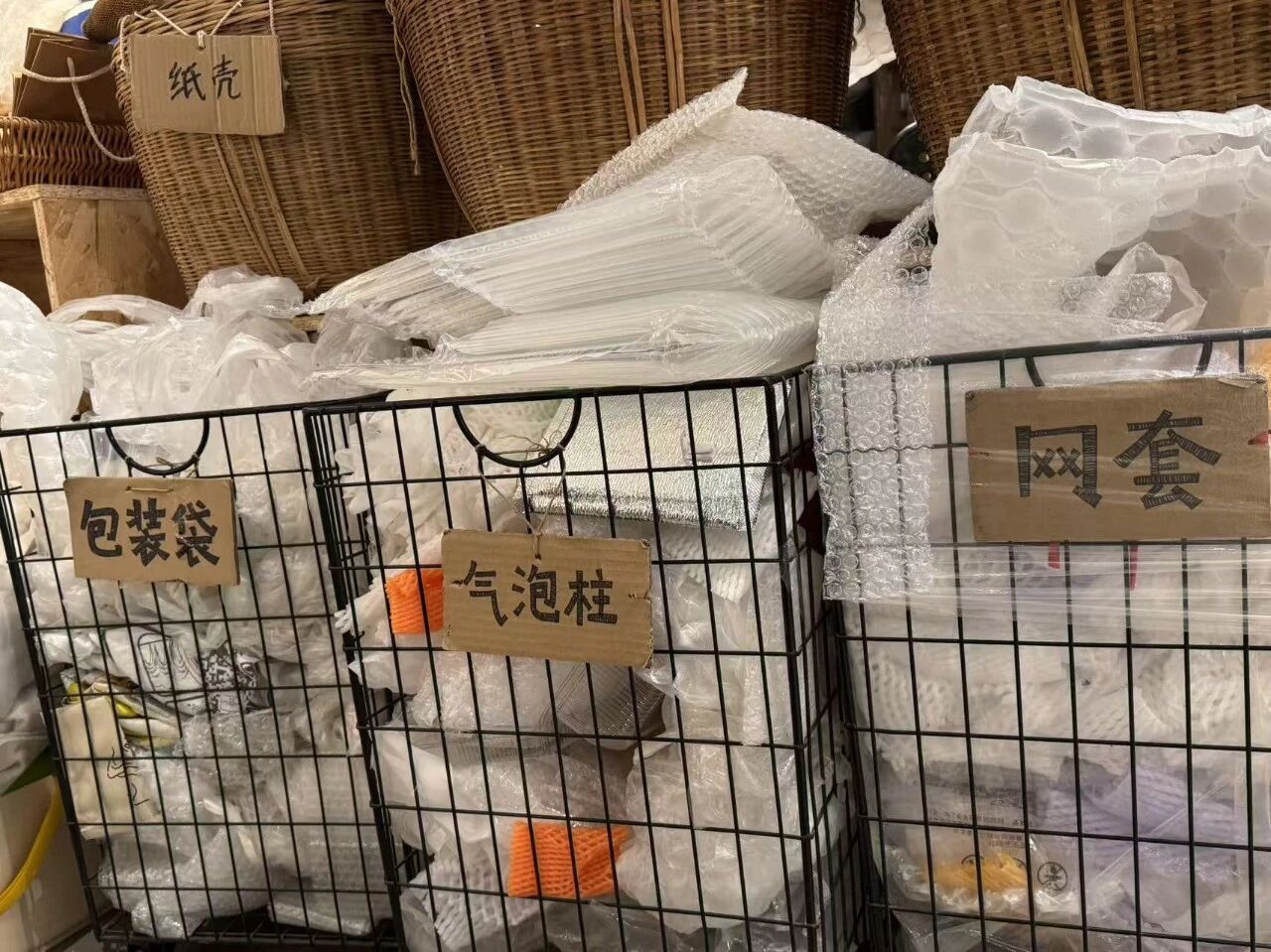
We simply have to use plastic. And this, too, comes down to time and consumer expectations. In Beijing, if vegetables aren’t individually wrapped in plastic bags during transport and while awaiting sale, they dry out, yellow, and lose their moisture. Can we switch to wax paper or newspaper instead?—Many flash-delivery services already require that food be fully sealed and that drivers’ hands never touch the packaging; would customers accept that level of “impurity” and discomfort? Compared with ordinary supermarkets and online retailers, we actually use very little plastic. There’s no over-packaging at all—our bags are all sourced from customers who bring back plastic packaging from e-commerce deliveries and takeout orders for reuse.
I also spotted other lose-lose scenarios between business viability and the environment, imposed by the logic of capital-driven commercial rent: For over a decade, Jishi has stayed in the Sanyuanqiao area, yet was forced to “relocate three times, Mencius’s-mother style”—and even now, the shop’s lease is renewed on an annual basis. That instability means an eco-organic shop like ours, already running on a tight cash flow and thin margins, simply cannot afford—or muster the will—to invest in better-insulated, double-glazed windows (having done my own home renovation, I have a vague sense of what window upgrades cost in Beijing).
So during my sixty hours at Jishi, especially on those windy nights, my colleagues often huddled in down jackets while several electric heaters simultaneously kept watch behind the till and in front of the kitchen. Even then, being far from the most robust among us, I still fell ill twice. And in summer, I’d sometimes flee to the café next door just to catch my breath, all the while wondering: are the freezers keeping cool enough? Is the veg spoiling faster?—Every single one of these issues means more energy consumed and more carbon emitted!
Of course, in purely economic terms, running a heater is cheaper than a set of double-glazed, thermally broken aluminium windows—but that doesn’t mean it’s cheaper ecologically. If the property manager could provide that hardware to tenants, or if we could sign a multi-year lease at a stable rent, or if—when a tenant is forced to vacate—the landlord and the incoming tenant could agree to retain the improvements rather than enforcing a blanket “restore to original condition” policy—might there be other answers to these problems?
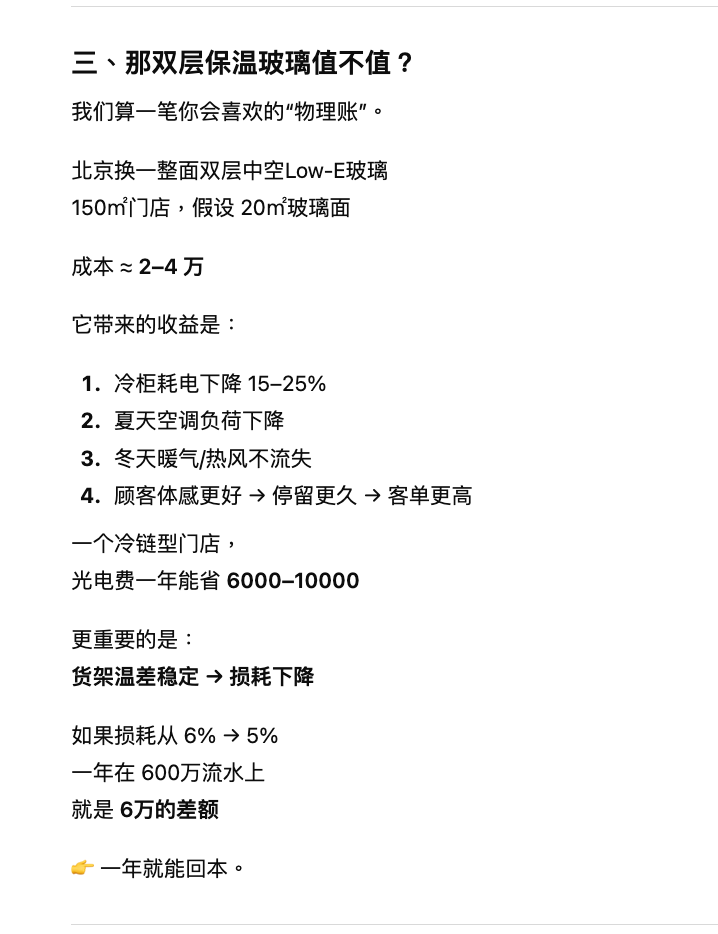
Jishi once ran an open kitchen, but it has been on hold ever since they couldn’t find a suitable chef willing to work with ecological produce. Customers are always peering in: “Do you serve food here? Oh, you’re cooking yourselves—how lovely! (Can I have some?)”
After sixty hours on shift, the deeper feeling was this: Cooking is real, tangible labour that must be acknowledged and seen. It is far more than the idealised warmth of “smoke and fire”—that romantic, harmonious glow of reunion and togetherness. It is the aching, bent-over prep of dough and pastry work, the PM2.5 you inhale over a wok, and the washing and cutting of plates and veg—multiplied by the household headcount times N—on top of the daily grind of stocking shelves, warehousing, putting up new lines, and packing orders.
I once tried out the shared dining table at Tianshe, an eco-agricultural community shop in Chengdu, but they used disposable tableware to keep flash deliveries simpler. If Jishi were to reopen its little table and bring on a chef, I doubt they could also find a part-time dishwasher on top of that—yet another burden that comes with sticking to your principles. I wonder whether that mountain of work is itself one more reason chefs are so hard to find.
VIII. NPCs Connected by Labour
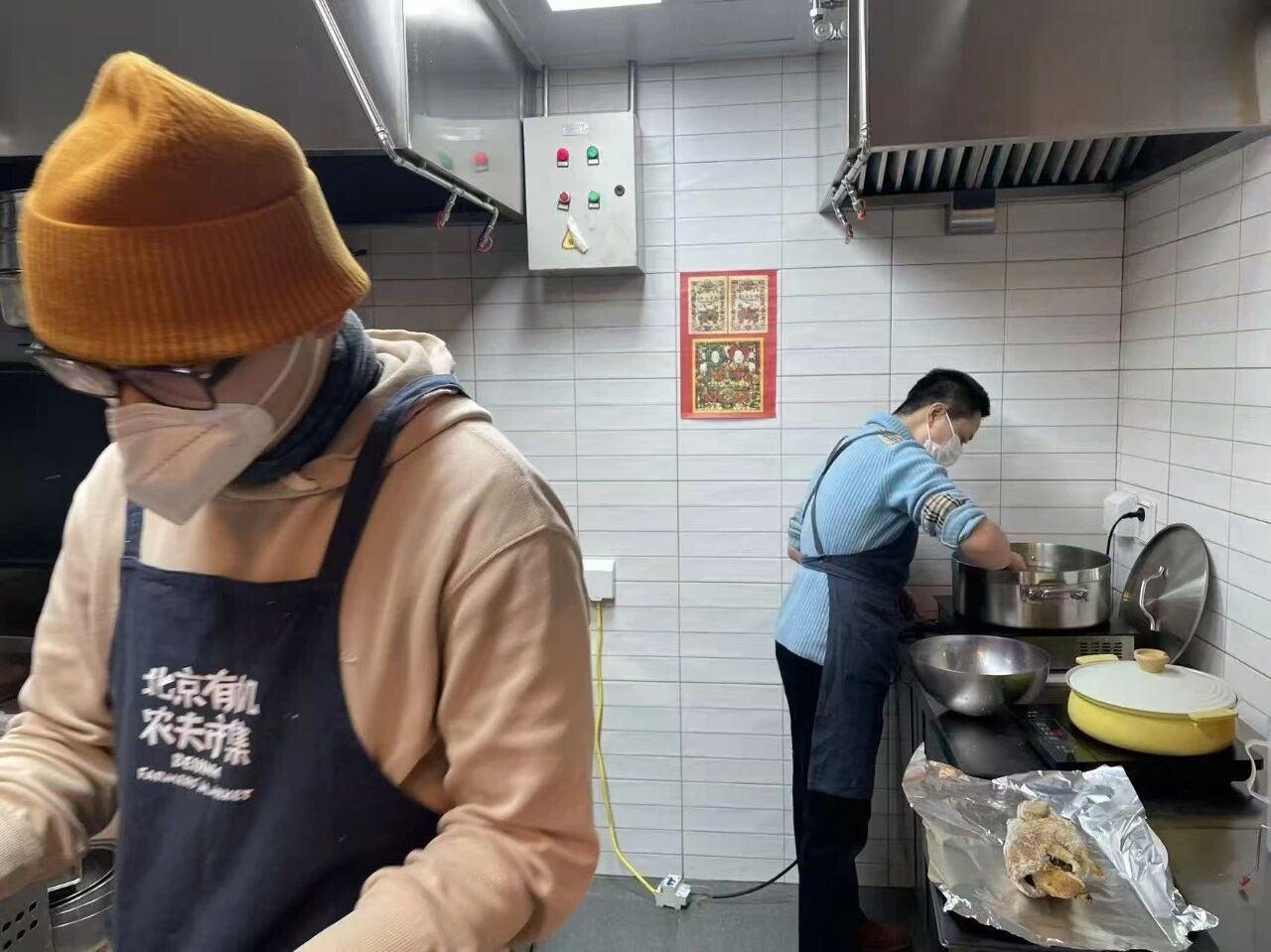
Selling veg—we take it seriously! The “Occupy Jishi” activity has come to a close. Whether you look at it through turnover or through how well we genuinely collaborated as a team, I think we turned in a near-perfect paper. At the very least, we didn’t ship to the wrong address—ha! (Who remembers the running gag!)
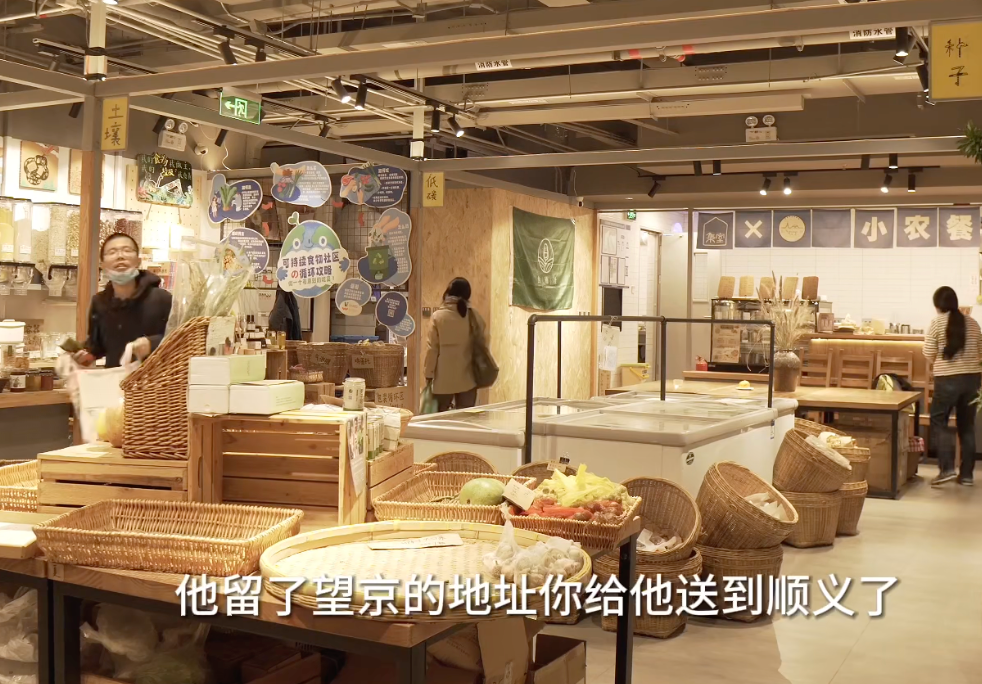
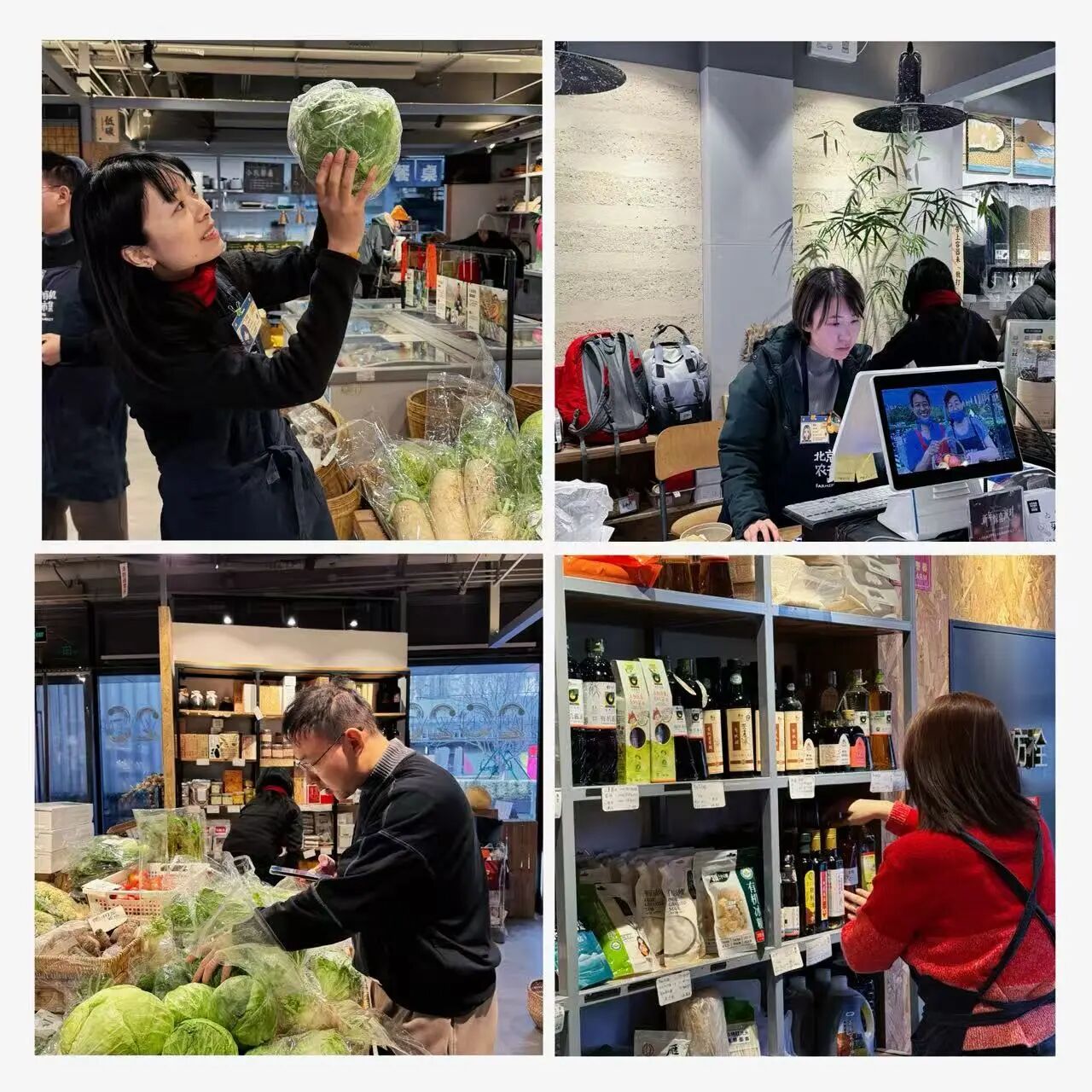
We aren’t professional veg sellers and we don’t make a living from it, yet we still carry a weight of responsibility. To outsiders, it might look more like performance art or a game. But I could feel that every single one of my colleagues was pure-hearted and sincere. So pure-hearted that even if it’s just a game, we consistently stick to the role assigned to us, dutifully stocking shelves, managing inventory, launching new products, handling customer queries, picking orders, and processing after-sales requests. Even when trouble arises or bad feelings creep in, we stay within our character, work through things carefully, and never once break the role.
Of course, we all eventually return to our day jobs and our own lives, but in twelve hours of non-stop labour we forged a connection and a resonance that can’t quite be explained to outsiders. All day long, customers streamed through the veg shop in a bustling, almost overwhelming warmth; yet a quieter bond lived secretly between our hurried footsteps and shouted exchanges, woven into the very rhythm of each of our bodies. Perhaps one day in the future, when I recall this day, that resonance will still be what my instincts miss the most: labour is the best medium for binding people to one another.
Editor: Tian Le