
Another 618 Shopping Festival: Have E-Commerce Platforms Made Our Lives Better?

Foodthink Says
Once again, it’s the 618 Shopping Festival. Open the homepage of any major e-commerce platform and you are sure to see slogans like “Billion-Yuan Subsidies”, “limited-time spend-and-save offers” and “flash-sale prices” tempting you to order right away. Some might ask, “So what?”—the platforms meet public demand at lower prices, and that is the reality.
The question is: is consumption the entirety of one’s life and existence? Over the past few years, Foodthink has been tracking the impact of e-commerce platforms on society and everyday life through reporting, commentary, story solicitation, translation, film reviews and more. Beyond the single act of consumption, we have seen the many facets of reality.
Who is creating “ghost-kitchen delivery”? Can e-commerce platforms genuinely help farmers? Behind the efficiency and convenience, what are workers experiencing? Who is making us rush? Will fresh-food e-commerce make wet markets disappear? Why do some people suddenly not want a takeaway? How should we deal with the plastic waste behind the booming e-commerce economy? How do films imagine and portray the platform society? How are food delivery platforms developing abroad? These realities profoundly shape the quality of our lives, yet their importance is consistently overlooked or dismissed.
This article brings together related pieces from Foodthink, with the hope of offering more diverse perspectives and a firmer grounding in reality for discussions of these questions.
Have e-commerce platforms made our lives better? Leave your answer in the comments below. And there’s a treat waiting at the end!
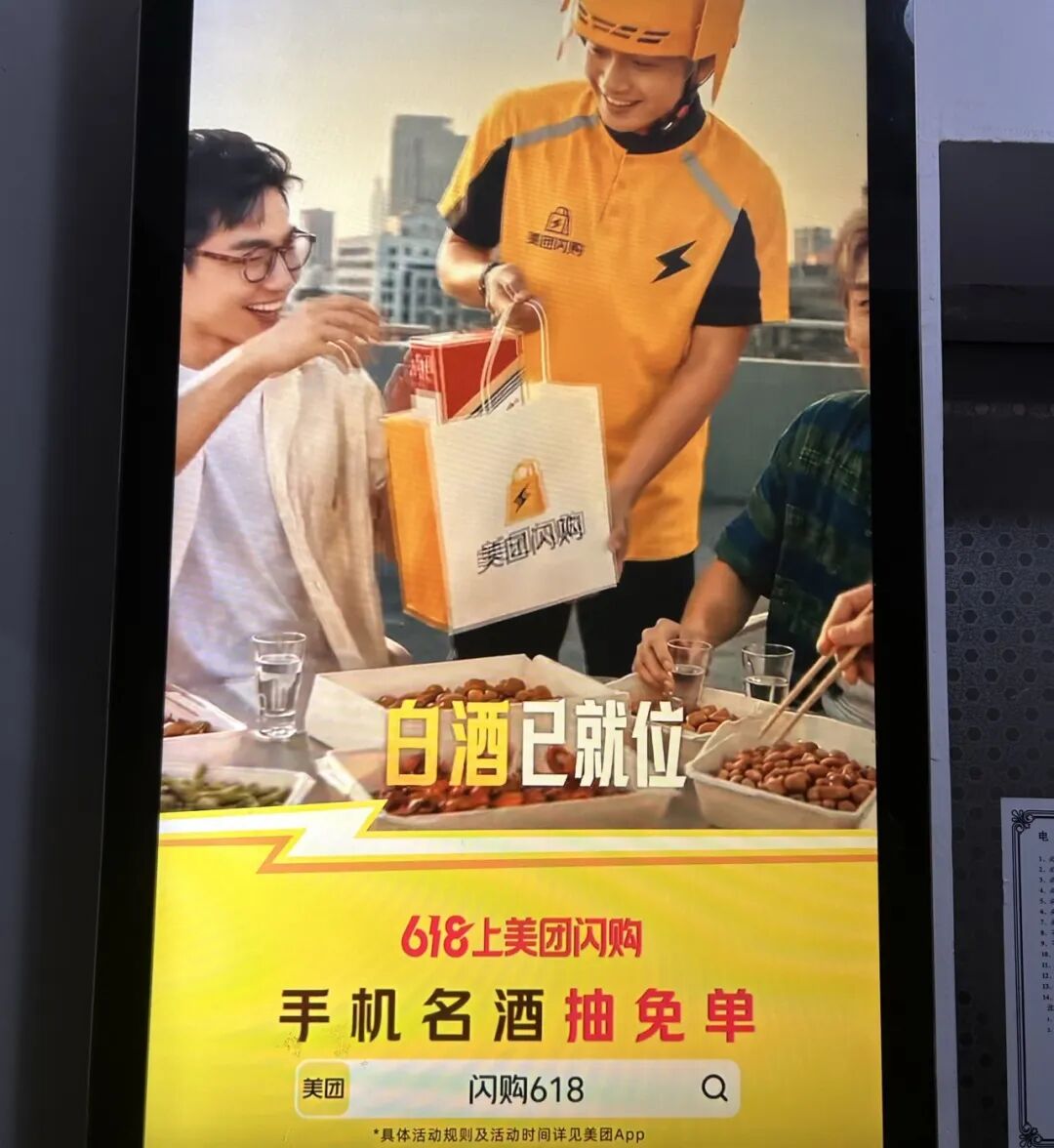
◉ A 618 Shopping Festival ad by Meituan Instashopping, displayed in an elevator in a residential community in Beijing; JD.com and Taobao ads are also playing in the same spot. Image source: Foodthink
Who Is Creating “Ghost-Kitchen Delivery”?
Has anyone noticed that, since June, every merchant’s page on food delivery platforms has gained new labels: “Dine-In” and “Open Kitchen”? At the same time, regulators have required platforms to register delivery merchants under their real names and conduct substantive reviews of their operating qualifications—such as food business licences—through on-site inspections. These are measures taken to curb the increasingly rampant “ghost-kitchen delivery” phenomenon of recent years.
At first, people assumed that “ghost-kitchen delivery” was simply a problem of poor platform management, but mounting evidence now suggests that the platforms themselves are the problem-makers. The following two articles present experiences and observations from the perspective of small merchants: how do platforms use subsidies as bait to lock the food industry into their systems? What rhetoric and tactics do they employ on merchants to drive product prices down? And how does the platforms’ pursuit of profit and market share—wielding “cheapness” as their weapon—produce a “bad money drives out good” effect?
While we are glad to see a series of regulatory measures targeting “ghost-kitchen delivery”, we still cannot ignore the underlying logic that created and tolerated it.
Related articles—click the image to read ▼
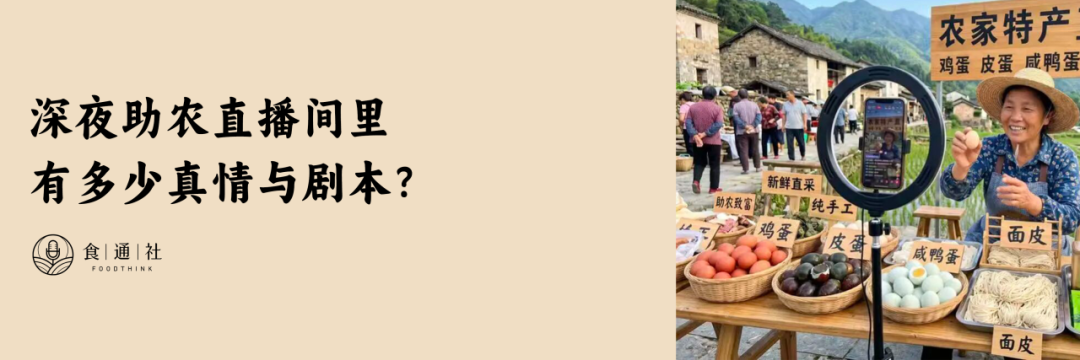
Can E-Commerce Platforms Genuinely Help Farmers?
What is sobering is that platforms like Meituan once had the slogan of helping small and medium businesses connect with more consumers, yet they have now become forces that squeeze food merchants and undermine the food industry. Likewise, in the agricultural produce sector, e-commerce platforms like Taobao and Pinduoduo also claim they can help the vast numbers of small farmers bypass middlemen and connect directly with the vast ocean of consumers.
Yet, faced with fabricated orders, paid traffic and marketing campaigns, can small farmers master this e-commerce game? Have platforms truly eliminated middlemen, or have they themselves become the new middlemen?
And when we casually scroll past an orange farmer in the fields, his face etched with wrinkles, what kind of dynamic struggle behind the livestream are rural e-commerce entrepreneurs and workers engaged in with the web of algorithms?
Related articles—click the image to read ▼
Behind the Efficiency and Convenience: What Are Workers Experiencing?
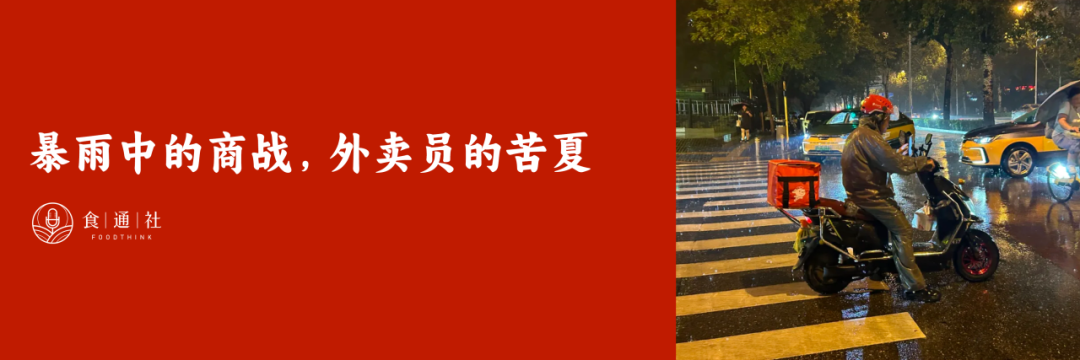
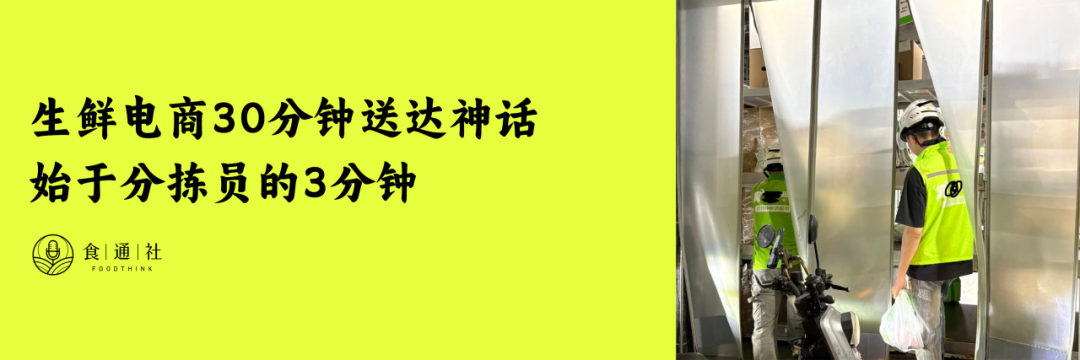
Today, on fresh-food e-commerce platforms like Alibaba’s Freshippo, Meituan Xiaoxiang, JD 7FRESH and Dingdong Maicai, people can purchase everything they need for everyday life without stepping outside—at the fastest, within thirty minutes—all with a few taps of the finger. Yet what you may not realise is that behind the convenience of “30-minute delivery” lies the relay running of delivery riders and order pickers.
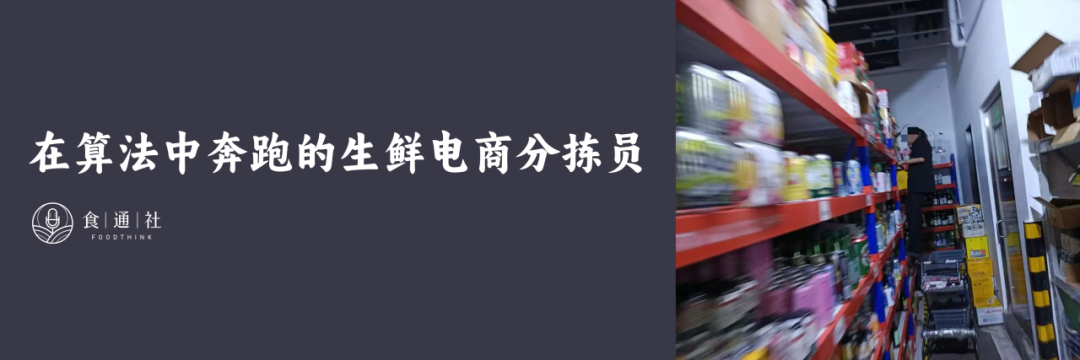
People are familiar with delivery riders, but may not know as much about a new occupation equally driven by algorithms to keep “running”—the order picker—and the brutal reality of their existence: “30,000 steps a day, 3 fen per item”. From the moment you place your order, the algorithm’s countdown and their supervisor’s verbal abuse drive their feet to run, darting and manoeuvring between narrow, cramped shelves to pick items for customers.
Precarious employment, low wages, inadequate benefits, harsh attendance and penalty systems, overwork, algorithmic control over workers, terrible working conditions—traits once associated with delivery riders have now been replicated once again in the lives of order pickers.
Perhaps, for as long as e-commerce platforms continue their attempts to bind consumers with efficiency and convenience, similar occupations will keep being manufactured.
Related articles—click the image to read ▼
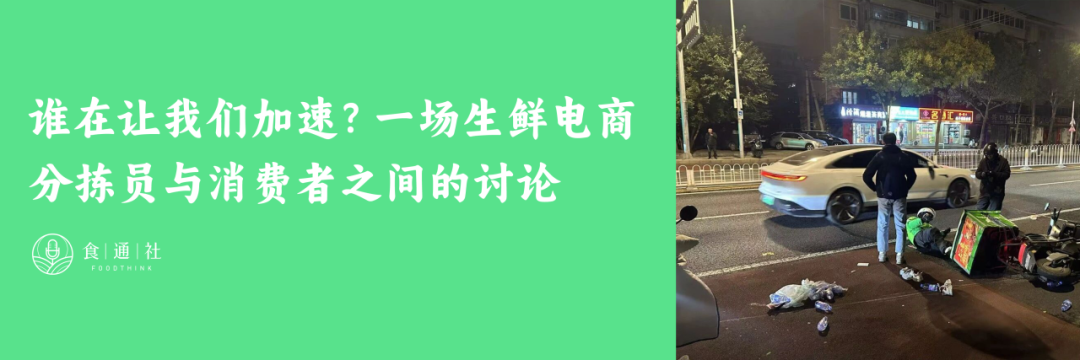
Who Is Making Us Accelerate?
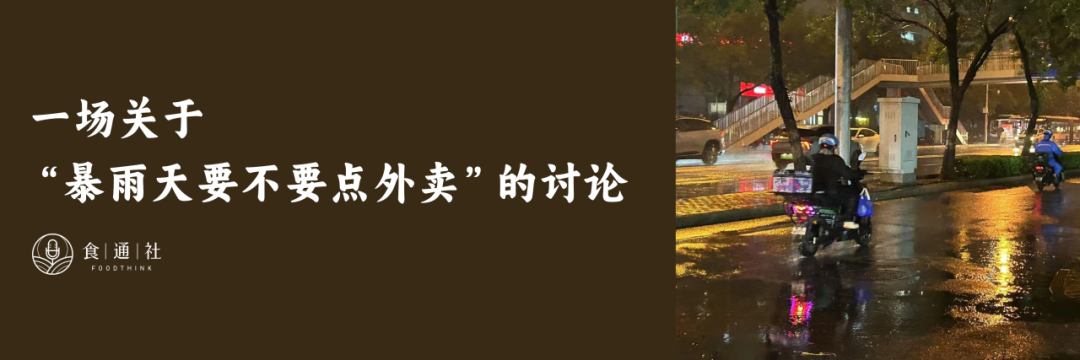
When workers such as delivery riders and order pickers are exploited and alienated, people invariably find themselves caught in the dilemma of whether consumers should bear any responsibility. In the comment sections of the articles mentioned above, the relationship between workers and consumers has clearly struck a nerve with readers.
Yet within what was on the whole a fairly measured discussion, readers gradually produced some viewpoints capable of transcending the deadlock of binary opposition, and we have compiled these comments below. For instance, some pointed to the predicament of workers who, amid the ever-accelerating pace of work and life, have no choice but to rely on food delivery. Others argued that the platforms themselves are the reason our lives are speeding up: consumers are not in such a rush—order pickers forced to pick goods within three minutes, delivery riders racing through torrential downpours—these are the results of platforms competing against one another. Still others noted that consumers, who appear to be the “vested interest” party, are in fact bearing the costs of platform-driven acceleration, traffic risks among them. And some suggested that the path to change lies in a collective boycott of the platforms.
Related articles—click the image to read ▼
Will Fresh-Food E-Commerce Make Wet Markets Disappear?
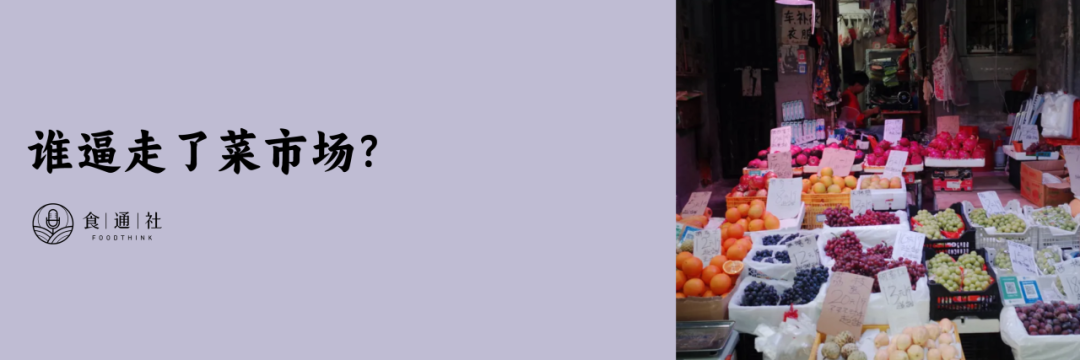
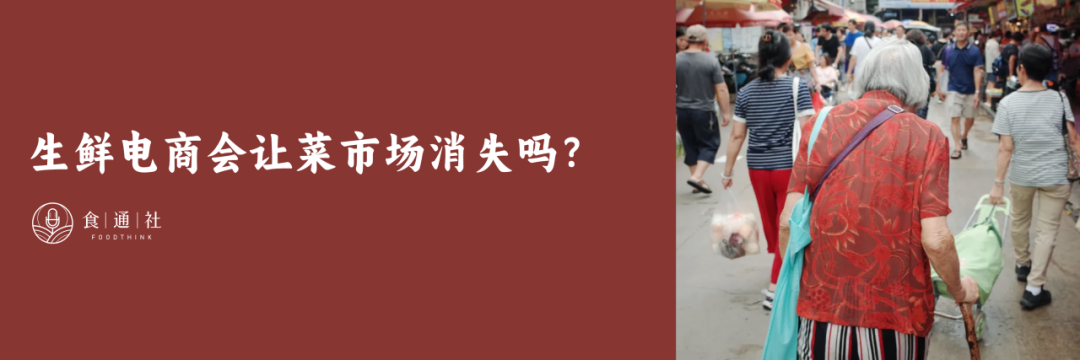
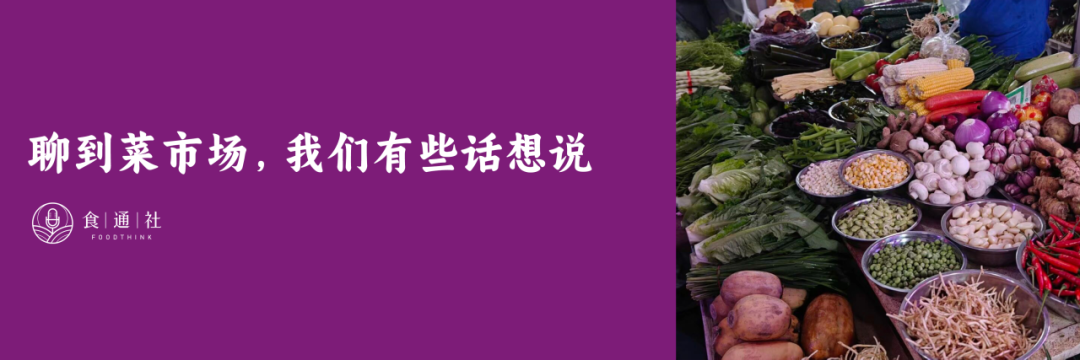
In the discussion above, one comment reads: “The platforms have killed off brick-and-mortar stores—haven’t you noticed there are fewer and fewer offline supermarkets?” Meanwhile, in the article “When It Comes to Wet Markets, We Have Something to Say,” someone griped: “Fresh-food e-commerce platforms like Meituan Xiaoxiang and JD 7FRESH are really convenient—delivery arrives within twenty minutes of placing an order. But it’s not just me making excuses; Beijing really does have few wet markets, and the nearest one to my home is about a four-kilometre walk.”
And so we seem to find ourselves in a dead end: because there are so few wet markets, we rely on e-commerce platforms, yet the more we rely on them, the further offline community supermarkets and wet markets slide into decline.
But what is the reality? Two articles, funded by Foodthink’s Lianhe Creative Programme and first published on FoodWine, set their sights on Guangzhou—a city renowned for its food culture and street life—and conducted on-the-ground reporting on how the city’s wet markets are weathering the squeeze from e-commerce.
Related articles—click the image to read ▼
Moments You Don’t Feel Like Ordering Takeaway
The same dead end surfaces in the food-delivery consumption scene. Foodthink’s “Eat Well” column once launched a call for submissions titled “100 Moments You Don’t Feel Like Ordering Takeaway”. Many readers shared that they had considered quitting delivery altogether—for reasons ranging from taste and health to food waste and the loneliness of eating alone. But others admitted that, in the end, they kept ordering delivery, because amid their hectic pace of life, they simply didn’t know what else to eat.
Fortunately, the internet was diverse and open from the very start, so we launched another call for submissions—”What to Eat If You’re Not Ordering Delivery?” From lazy meals to homemade ready meals, from budget restaurants to community canteens, a fresh wave of netizens shared their little tricks for quitting delivery and eating properly,
Related articles—click the image to read ▼

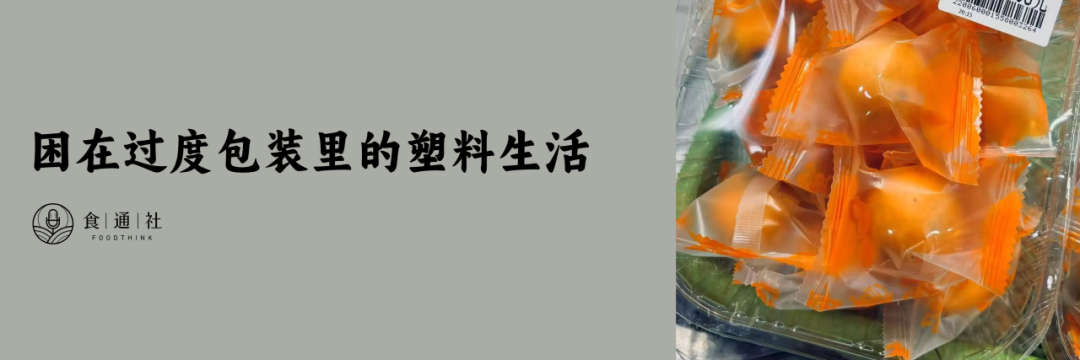
Plastic Waste Behind the E-Commerce Boom
Among the many reasons people don’t feel like ordering delivery, one stands out: food wrapped in layer upon layer of packaging generates far too much plastic waste.
Indeed, China’s daily delivery orders now reach around 100 million—a figure that once reached over 200 million during the delivery wars. Every day, these orders produce vast quantities of plastic packaging waste. Other data shows that in megacities such as Beijing, Shanghai and Guangzhou, growth in parcel packaging waste accounts for over 93 per cent of the increase in household waste.
The flood of plastic waste stems from humanity’s “use once and toss” throwaway culture—a pattern that destroys the natural ecosystem and which e-commerce platforms have driven to its extreme. The excessive tangle of plastic bags, containers and sticky tape wound around food by these platforms has reached a point where consumers can take no more.
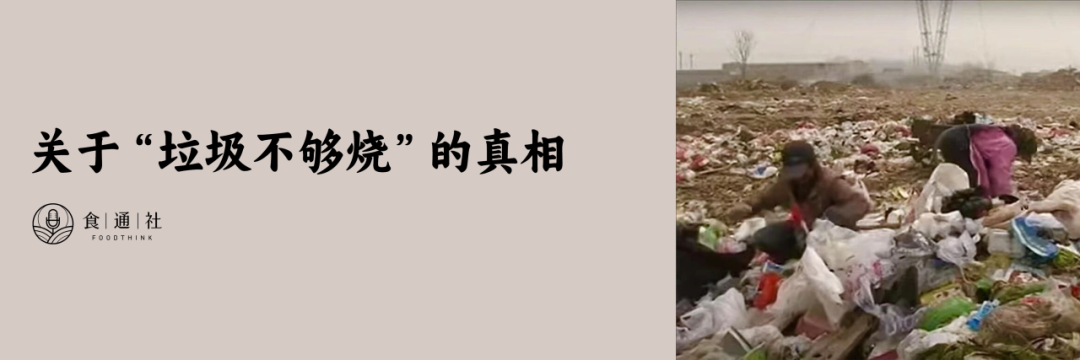
In addition, two experts who have long focused on waste management have pointed out that delivery is creating a new kind of waste. The composite packaging bags now commonly used for delivery packaging are difficult to sort and can only be disposed of through incineration.
Related articles—click the image to read ▼
How Does Film Imagine and Portray the Platform Society?
Foodthink also explores how film, as an art form, imagines and portrays the platform society. A film’s grasp of food delivery platforms is never confined to the delivery industry itself; it begins from the concrete texture of everyday life, showing us how a delivery platform can destroy a family and a few ordinary people—and how they persist and struggle against such a fate. This kind of portrayal carries greater depth: platforms, algorithms, programmers, delivery workers, traffic risks, household livelihoods, education and workers’ rights are all weighed together. Film’s purpose is also to help communities that have been fragmented yet locked into the same chain of pressure see one another.
Two widely discussed films—Against the Current and Another Day Full of Hope—both begin from this creative premise. But Against the Current, produced by Meituan, tried to dissolve contradictions with a spurious resolution and failed to resonate with audiences. Conversely, Another Day Full of Hope, which faces the contradictions of reality head-on from start to finish, was suppressed by food delivery platforms around its release, yet still offered audiences who care about delivery issues a work of genuine sincerity, earning Best Small- and Medium-Budget Feature Film at the 37th Golden Rooster Awards.
Related articles—click the image to read ▼
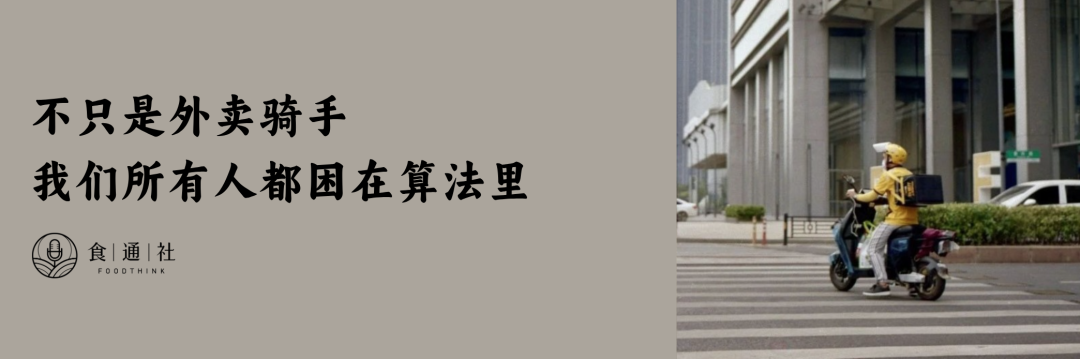
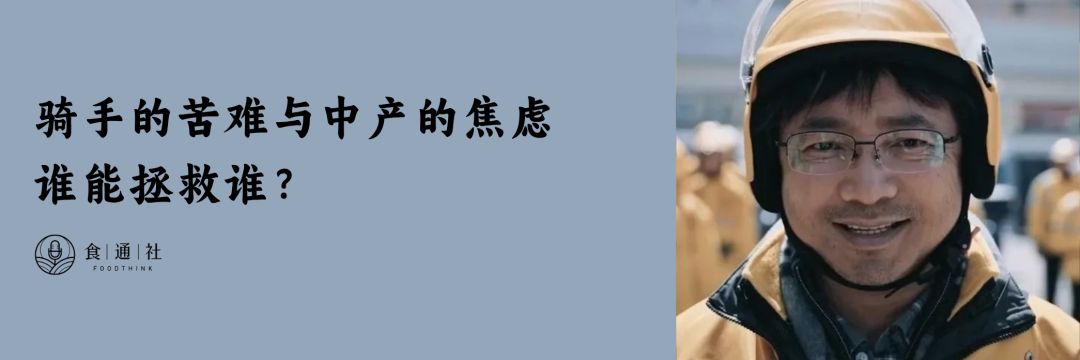
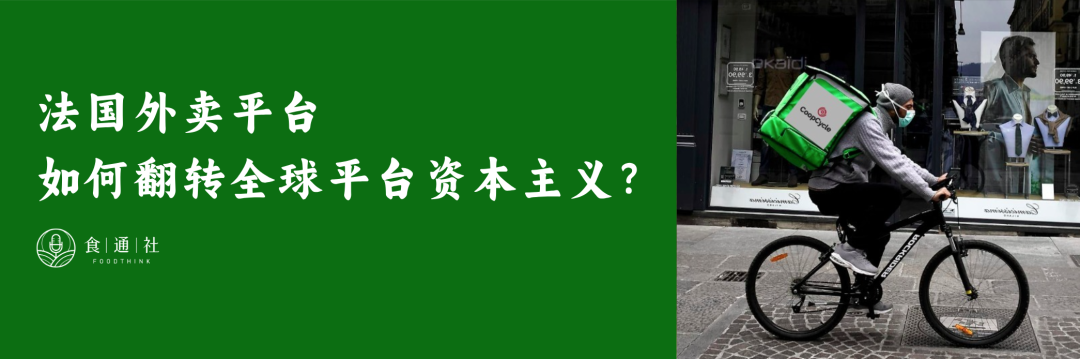
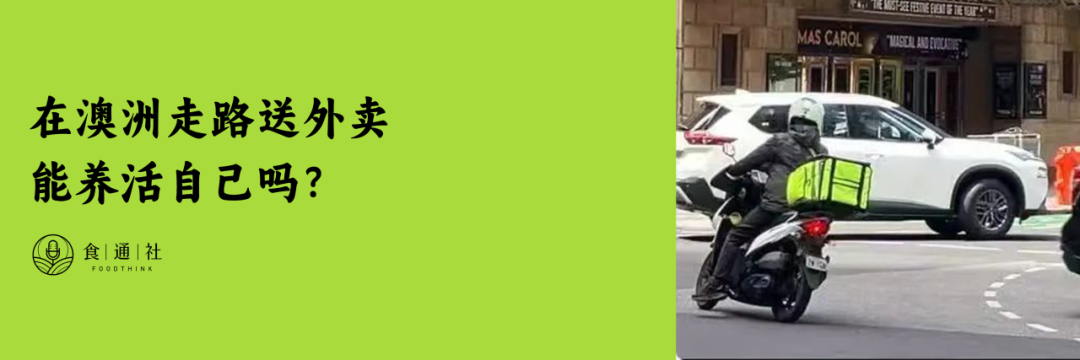
How Are Food Delivery Platforms Developing Abroad?
Must a platform necessarily be destructive? Or can it become something better? Given that China’s food delivery platforms have grown so “developed” after a period of reckless expansion, perhaps we need to look more closely at—and compare—food delivery platforms that grew up under other social conditions.
One model worth looking to is CoopCycle, an experimental food delivery platform in France. The “platform cooperativism” they champion reverses, to some extent, the logic of “platform capitalism”. At CoopCycle, riders have a clearly defined employment relationship with the cooperative; pay is calculated by hours worked, and they enjoy benefits including a minimum wage, unemployment insurance, medical insurance and paid leave.
Another lesson to draw from is Singapore’s Platform Workers Bill, which aims to ensure that Singapore’s platform workers in industries such as food delivery, courier services and ride-hailing receive more comprehensive social protection in areas including workplace injuries, retirement, healthcare and housing. After the bill was introduced, Grab—Singapore’s leading ride-hailing and food delivery platform—announced that from 2025 it would add a surcharge of 0.2 Singapore dollars (approximately one Chinese yuan) per order on top of the existing platform fee to cover the costs of the new law.
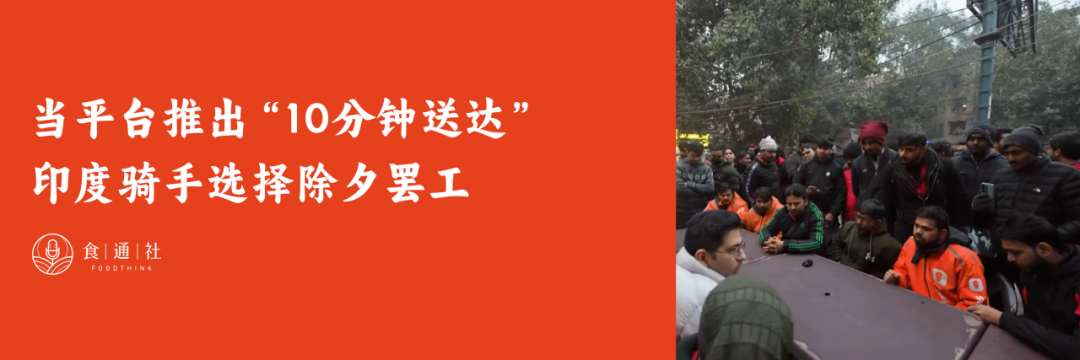
Of course, we have also observed that in India, delivery workers are equally trapped under oppression and control, and they are fighting the platforms through strikes and other forms of resistance.
Related articles—click the image to read ▼
Have e-commerce platforms made our lives better? We welcome your answers in the comments section. We also invite those passionate about writing and research to join our writing community, so that we can continue to pay attention together to the labour, health and environmental issues behind food systems and e-commerce platforms.

◉ From 15:00 to 16:00 today, Foodthink will also be joining a discussion on pesticide residues in agricultural products sold through e-commerce platforms. Pesticide residues have long been a focus in food safety, but in the new context of buying produce on e-commerce platforms, they present greater concealment and complexity—and have yet to receive sufficient attention. We invite everyone to scan the QR code in the poster below to watch the livestream.
Compiled by: Yuyang
Layout: Xiaoshu