The New York State Attorney General’s Office and the Environmental Working Group sued Brazil’s JBS and the US-based Tyson Foods over allegedly misleading “climate-friendly” beef labels. Both cases settled in 2025, yet “natural”, “recyclable” and “zero additives” claims still flood the shelves.
In recent years, Foodthink has tracked e-commerce platforms’ impact on food and labour: “ghost-kitchen delivery” made by platform subsidies, order pickers at 30,000 steps for 3 fen, Guangzhou wet markets squeezed by fresh-food e-commerce, 100 million daily orders in layers of plastic, and worldwide practices exploring another possibility.
Xian Zi, a post-2000 graduate student at China Agricultural University’s Science and Technology Backyard in Quzhou, built an organic fertiliser plant with villagers to turn chicken manure that livestock keepers pay to clear back into field fertiliser – but found the barrier not technology, only reality’s “input and output” ledger.
The award-winning documentary Whose Table, Whose Pasture documents the reality of plummeting cattle and sheep purchase prices and damaged livelihoods among herders after imported frozen meat flooded Qinghai’s markets. It will be screened at Zhejiang University on 12 June, followed by a discussion between food systems scholars and the audience.
Brazil’s Landless Workers’ Movement (MST) built Concentra in Belo Horizonte, pooling market support work — compliance certification, warehousing, logistics — so dispersed smallholder produce can reach market at scale. Not easily transplanted, the experience points to a key path: turning what no individual can shoulder alone into collective capacity.
Working part-time as a Picker at Xiaoxiang Supermarket: three minutes per order, pay based on “effective working hours”, and continuous sprinting between the sub-zero freezer and tall shelving units. Mis-picks and omitted items are inevitable structural problems under this speed regime.
After four years “infiltrating” e-commerce livestream teams and nine months merchandising, Duan Shichang found rural livestream rooms hiding a tug-of-war between ‘new-generation farmers’ and the algorithm: the grandmother selling salted duck eggs might be an actor, suffering is commodified, and “algorithm lore” is their path to breaking through.
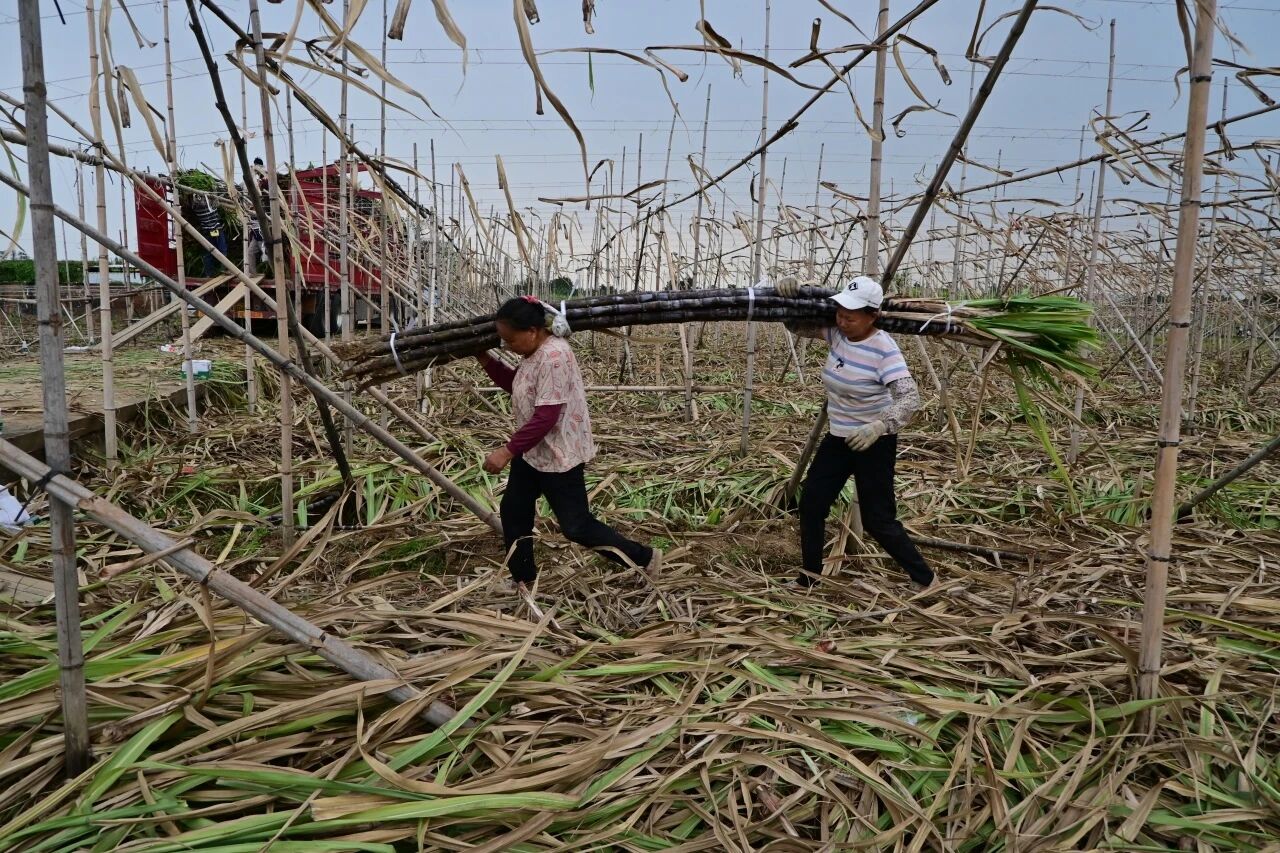
In Lanhe Town, Nansha, Guangzhou, the buying price of black-skinned sugarcane has plunged from nearly 100 yuan to 5 yuan. Farmers over 50 give their cane away for free to clear land before the spring ploughing window, yet farmland policy means they can only keep planting sugarcane.
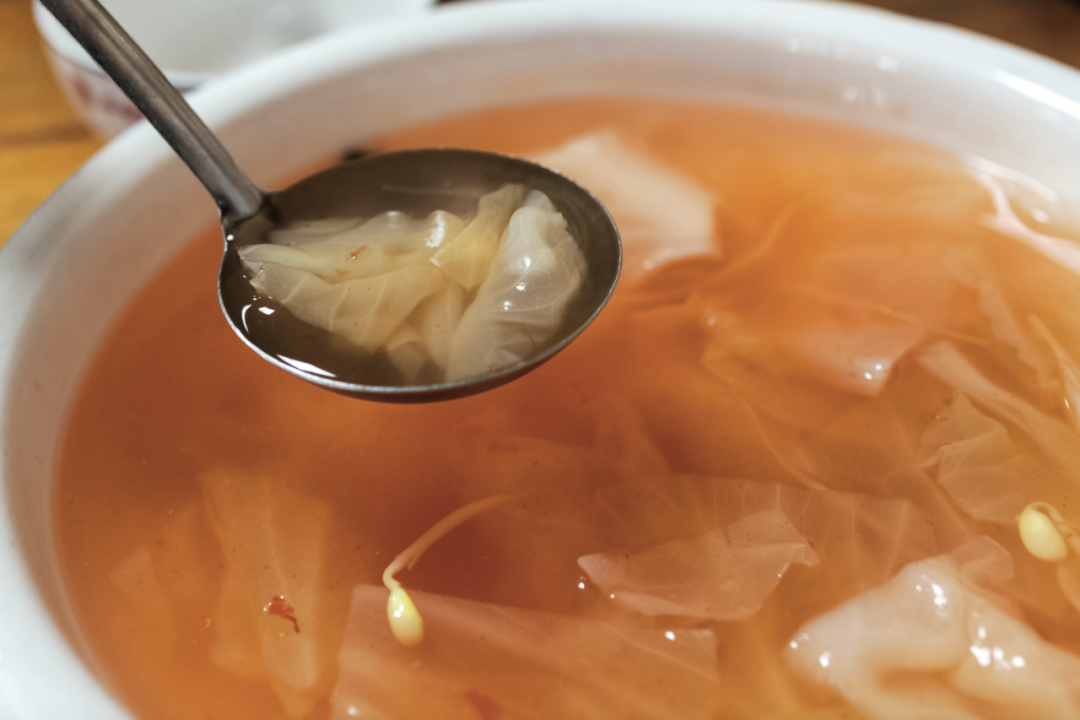
Mother wept before the sauerkraut crock in the abandoned courtyard of the family home in Heilongjiang. Back in Beijing, this generation dug out Fermented Food and pickled their first-ever crock of sauerkraut.
Fishermen in Satun and Trang provinces treat the mangroves as a “larder”, running their own restaurant, processing seafood and offering eco-tourism – turning the community marine-management rights they fought for into a livelihood that feeds their families.