On Beijing’s Outskirts, Plastic First Stumps Young Farmers

In spring 2024, as a city office worker who had never done a day’s farm work, I started farming on and off in the outskirts of Beijing, tentatively embarking on my journey into agriculture. When people around me heard the news, their reactions fell roughly into two camps: one found it romantic, calling it a pastoral healing retreat for city folk; the other saw it as hard graft, asking what the point of all that sun and rain could be. I had pictured both scenarios and steeled myself for either.
But once I actually got out to the field, what I encountered first was neither disillusionment with pastoral romance nor the hardship of farm labour — it was the very concrete problem of how to deal with all the plastic.
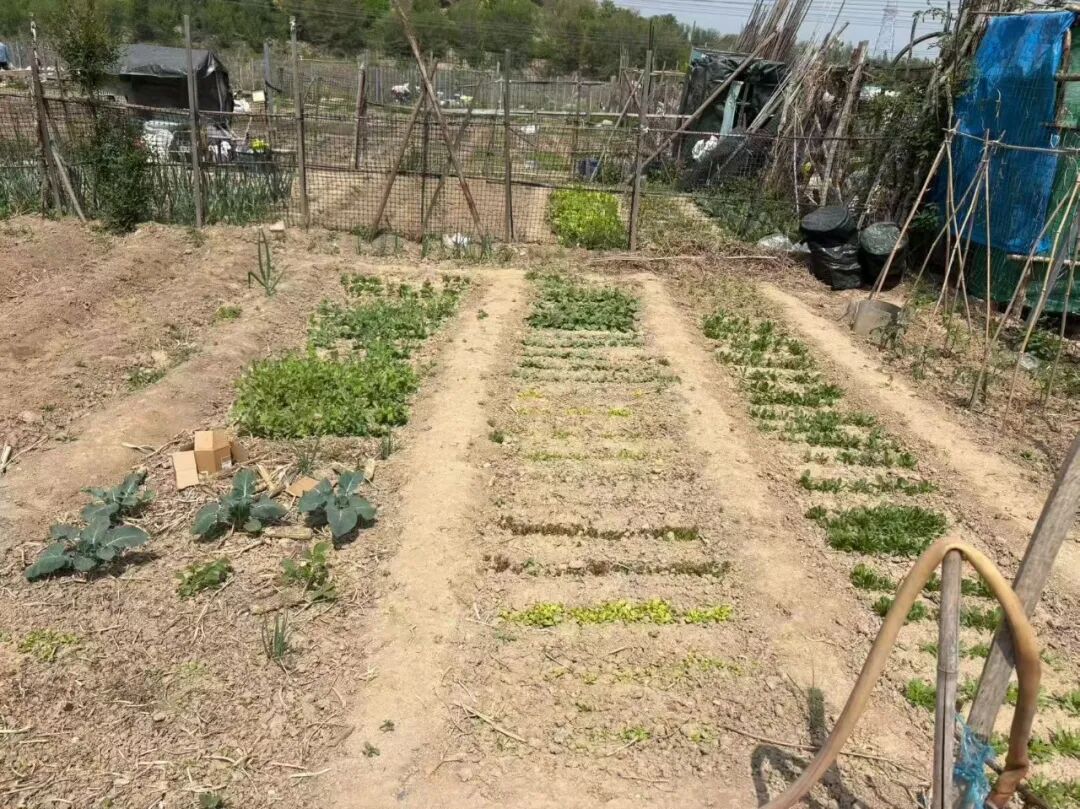
◉ The plot I rented this spring.
Farming Meets Plastic Waste
2024 was my first year farming. I rented a plot of 10 square metres, but by the time I had it in hand it was already May. Given Beijing’s climate, open-field cultivation can usually begin by mid-to-late March, and even sooner with a polytunnel. The land, of course, never sat idle: when the season came, the farm owner would sublet plots to farming enthusiasts, and plant whatever went unrented himself. So the plot I ended up with already had chillies growing in it.
That actually saved me a bit of trouble — no ploughing and levelling, no trenching and ridging; all I had to do was dig up the chillies and clear the ground. Then I turned in 40 kg of sheep manure, and with the prep work done, I was all set.
The farm’s plots are managed by zone. Mine was right at the entrance to Zone C, so everyone passing in or out had to walk past. A young face working the soil with clumsy but boundless enthusiasm quickly caught the eye of several elderly neighbours. They simply stopped beside me to strike up a conversation; when they couldn’t bear to watch any longer, they took the spade and gave a quick demonstration, and one even thrust a great bag of freshly picked vegetables into my arms. Happily, there wasn’t much to do — a single afternoon saw it all done, and so the awkwardness of being a spectacle came to an end.
That year, my farming experience was precisely zero, yet I threw myself into it with such gusto that I managed to get the plot planted. By year’s end, the harvest was ‘brimming.’ If you worked it out in terms of rent and vegetable prices, I was well in the red — but you reap what you sow, and the sense of worth and fulfilment it brought is not something money can measure.
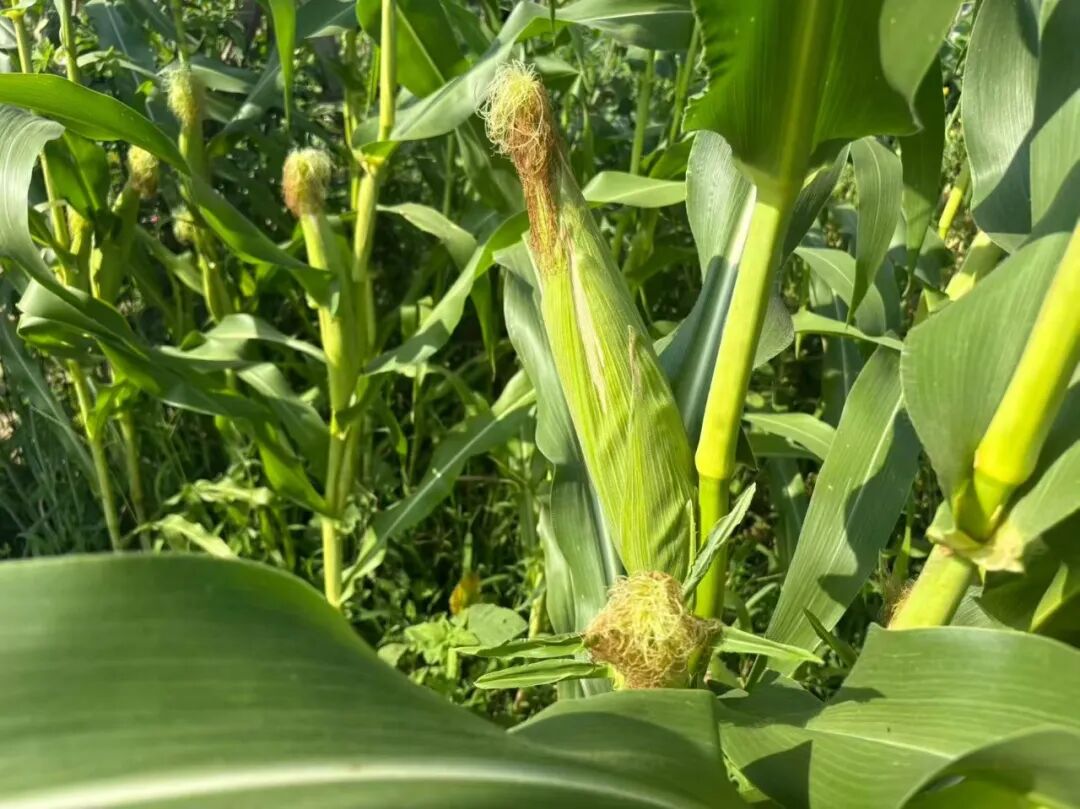
◉ My freshly harvested maize.
These are my earliest memories of farming. After a year away, I returned to the farm and, brimming with confidence, rented a larger plot this time — 20 square metres.
Drawing on those few months of rather meagre farming experience, I laid down three conditions on the day I chose my plot: not by the road, not near the gate, and nothing that would draw attention. Farming was my time to be on my own and unwind; I had no wish to be gawped at by elderly neighbours again, nor did I want to exchange pleasantries with them just to be polite.
From 1 January 2026, the temporary usage rights to yet another plot were mine. Over the New Year holiday, I headed off to the farm full of excitement and began mapping out my growing plans for the year ahead. Only then did it suddenly dawn on me that those three conditions I had insisted on were really beside the point.
What truly mattered was the state of the land itself. Take my plot, for instance: it was littered with plastic waste left behind by the previous tenants.
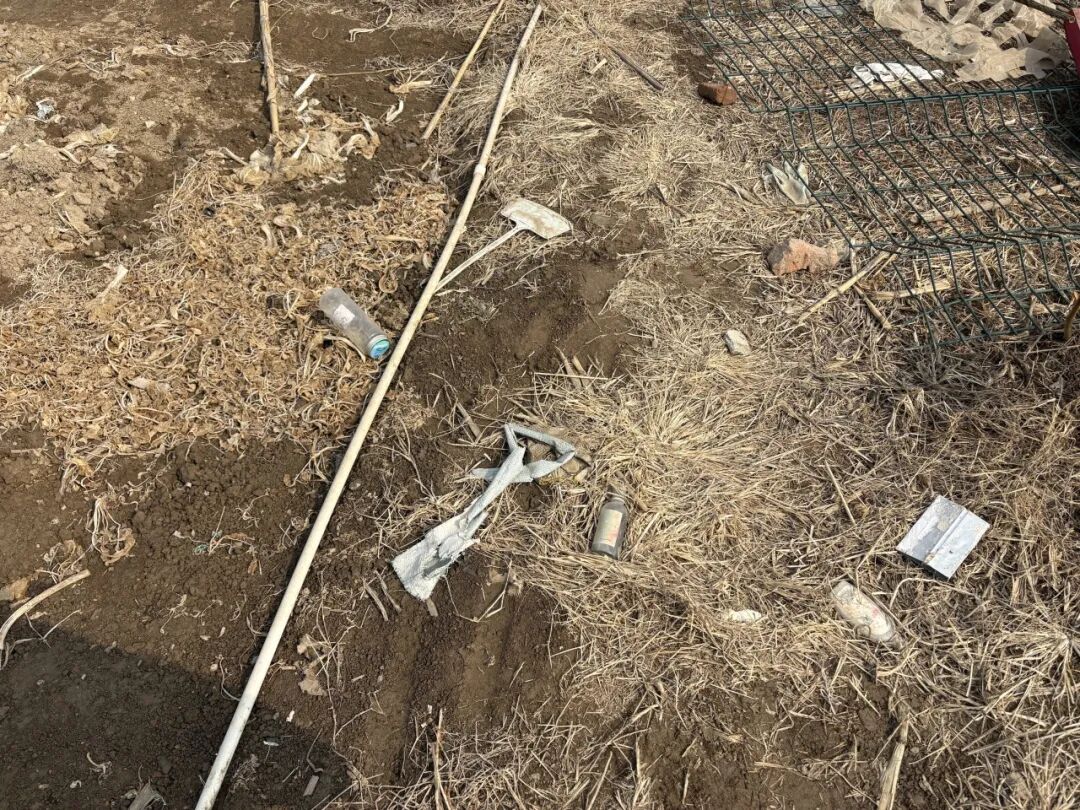
◉ All manner of plastic waste scattered across the land.
Plastic is, quite honestly, the most convenient material ever devised in human history, and it has spared the people of the modern world any number of headaches. Take agriculture: thanks to plastic mulch film, farmers can stretch their growing season, keep weeds in check, and cut back on herbicides.
But beyond the agricultural waste — mulch film, plastic twine, fertiliser bags — there is everyday rubbish like drink bottles, and even the plastic tubes used for hospital IV drips. I cannot fathom how those ended up in a field.
Plastic on the surface is relatively easy to tidy up. The real nuisance is plastic twine with one end buried in the soil. The twine is used to tie climbing crops to their trellises, and with each round of turning the soil, the far end of a length gets inadvertently buried.
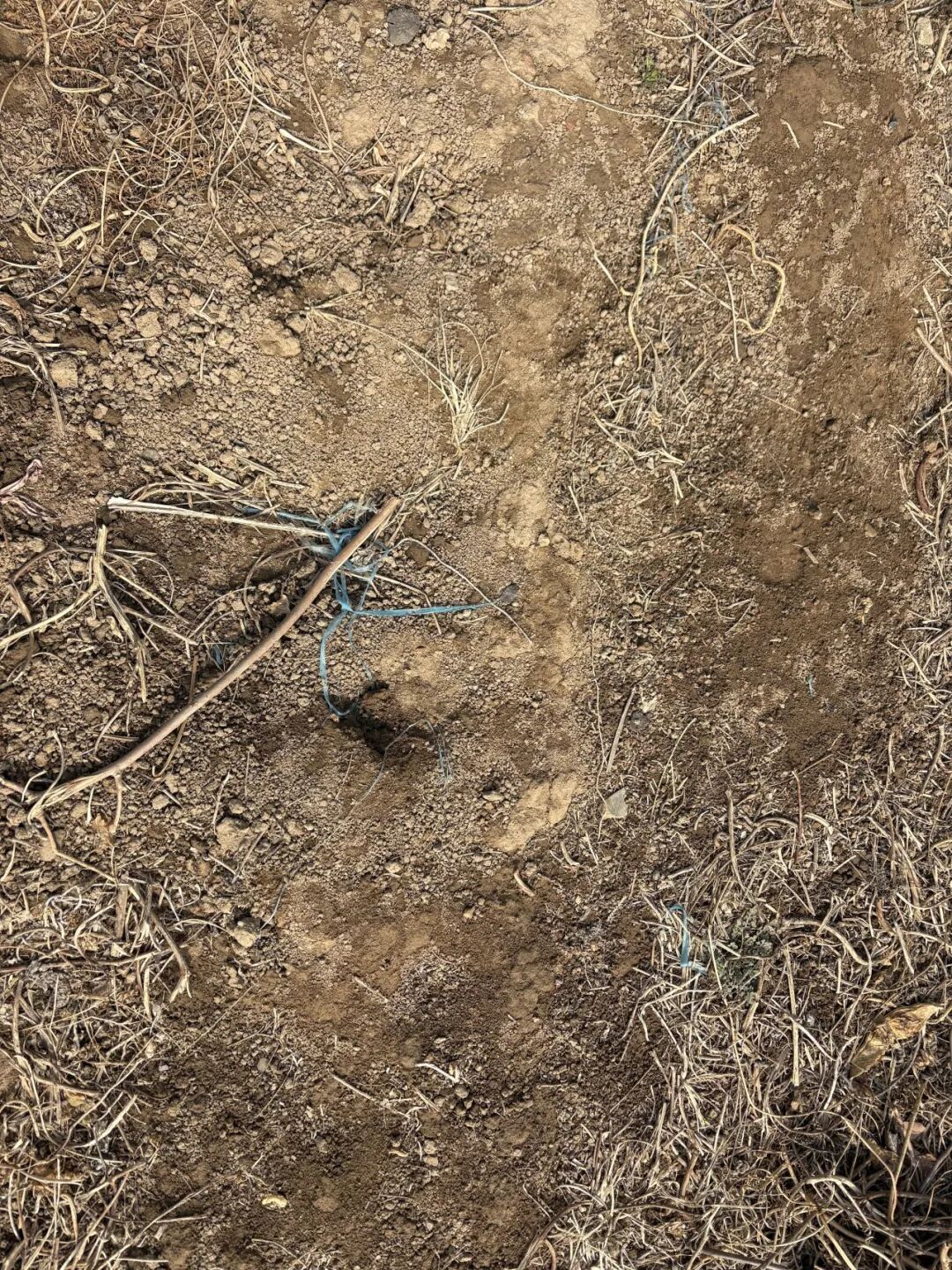
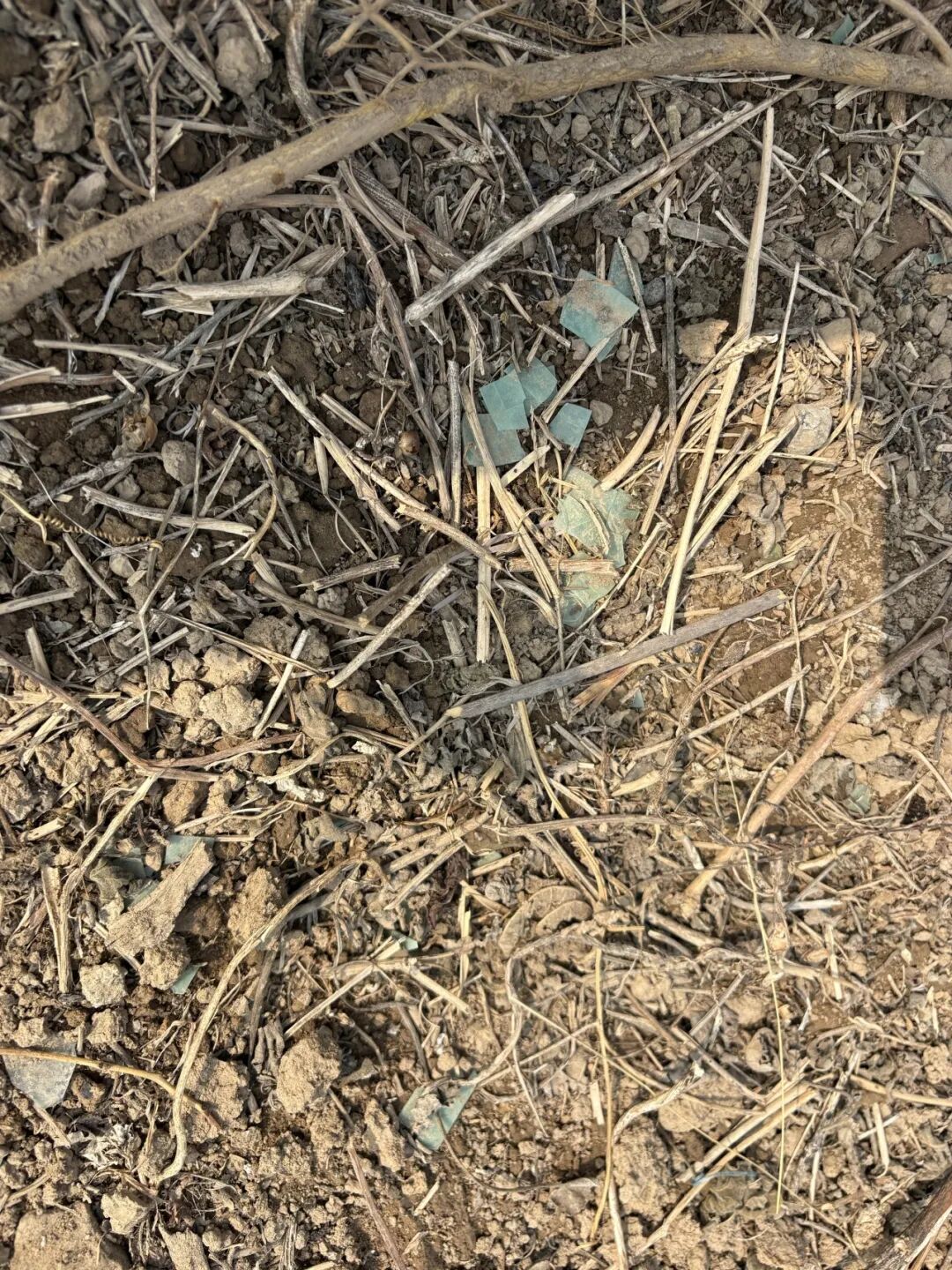
◉ Left: plastic twine on the ground, used to secure the climbing bean trellis. Not only has this twine become buried in the soil; it has also become tangled around dead branches, making it impossible to simply tug free. And the plastic fragments in the soil can only be picked out by hand.
The first attempt at clearing was still in January. The winter ground had frozen solid; a few spadefuls and all I managed was a faint dent, not so much as a glimpse of the end of the twine. In the end I had to give up, resolving to return once the temperature climbed again.
At last, March came and spring returned to the land. The soil softened; the ground that had shrugged off every blow of the spade now gave way. Gripping the end of the twine and giving it a gentle tug, those lengths of plastic that had been buried slipped free as if they had never taken root. I cleared all the larger pieces of plastic waste visible on the surface, hoping that once I had some free time I could expand outwards in stages and clear the rubbish along the nearby roadside too.
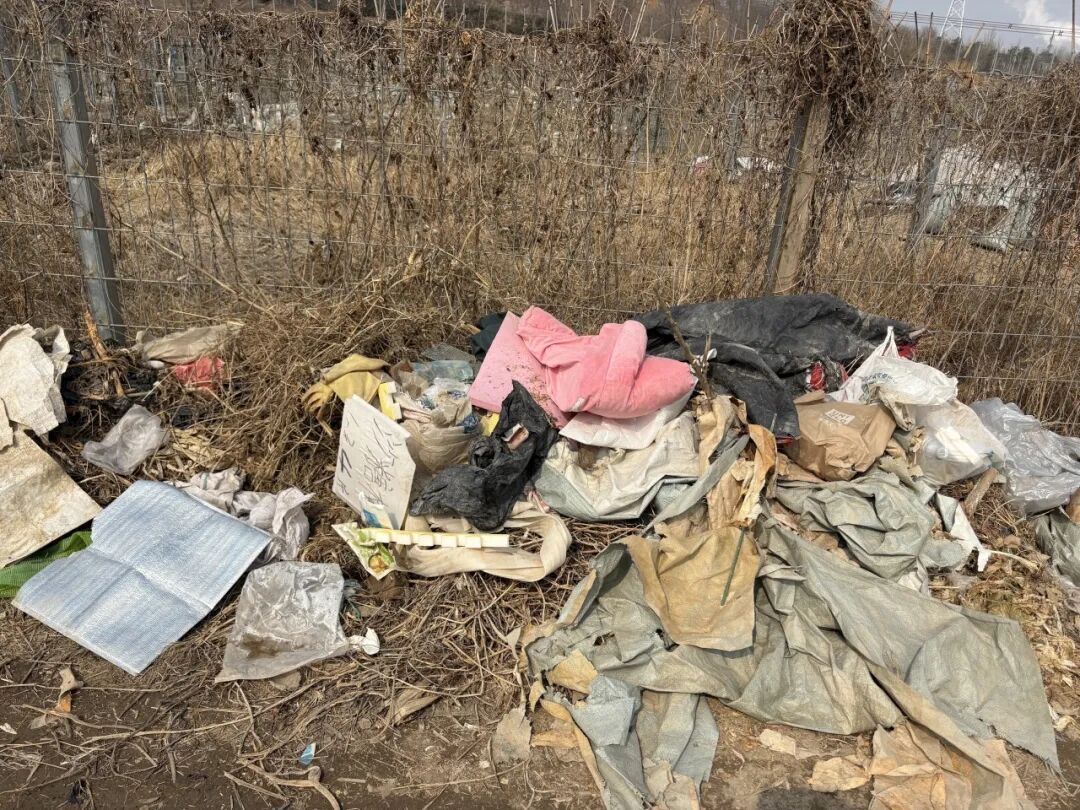
◉ A pile of rubbish at the farm. These spots were never designated waste-collection points, but once enough people had dumped their rubbish there, it became a heap. In June this year, the pile was finally cleared.
But that plan never came to anything. Plastic turned out to be harder to shift than the weeds that keep sprouting back on the spring wind. Just tidying my own 20 square metres already felt endless. Every time I thought I had finished, there was yet another “harvest” — fragments left behind when the larger pieces of plastic had shattered. Mixed in with the soil, they needed a keen eye and a steady hand to be picked out, one by one, between fingertip and thumb. The meticulous care this work demanded rivalled that of embroidery.
I’ve Come Down with Plastic Anxiety
In the documentary Cultivating the Soil, I watched a scene in which several people stood on either side of a conveyor belt, picking plastic fragments out of the compost one by one — painstaking and back-breaking work. But plastic shatters and sinks into the soil, and apart from picking it out by hand, there is simply no other way. Who would do this if they were not truly devoted to the land?
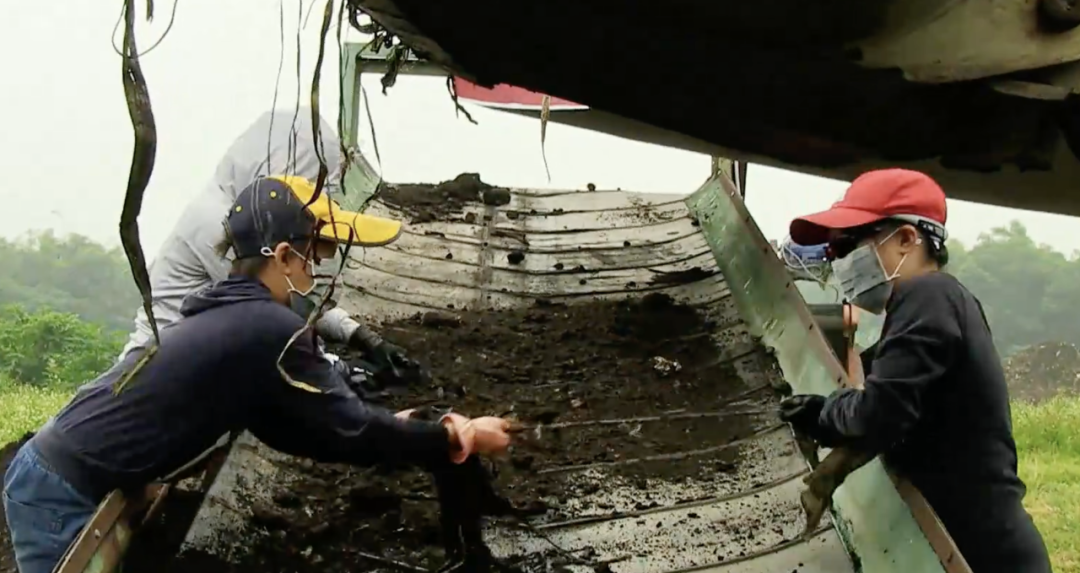
◉ A scene from Cultivating the Soil: a family picking plastic waste out of compost on a conveyor belt. Image source: documentary screenshot
These people who tend the land are, in effect, looking out for consumers in the city too. Research has found that microplastics are “eaten” by crops and, at the end of the day, make their way into the human body along the food chain. When I see with my own eyes how stubbornly the plastic fragments I help create cling to the soil, I grasp this issue in a far more tangible way.
Yet human activity seems incapable of stopping the generation of plastic waste, and so I have come down with plastic anxiety. Later, I attended a meeting on the plastic problem, hoping to fill in all the background I was missing in one fell swoop. Instead, I found myself lost in a vast labyrinth of knowledge.
After a spell of studying, my anxiety only grew. There are simply so many things to watch out for and so many pitfalls!
Put simply, plastic is a sprawling family. Each type has a name as complex and tongue-twisting as polyethylene or polyethylene terephthalate — the sort of name no ordinary person could ever hope to remember.
If you want to reuse plastic, you also need to know the specific precautions for each type. Some clever netizens have come up with “genius hacks” — take the Weichuan–Scream oil pot, for instance. You screw the cap of a Scream drink bottle onto a Weichuan bottle body to use as an oil dispenser. Both the Scream cap and the Weichuan body are PP5 (the PP5 marking indicates the item is made of polypropylene, which can be reused and is heat-resistant), while the Scream bottle body, which is not suitable for reuse, is discarded.
But without this knowledge, reusing plastic can easily create health risks down the line.
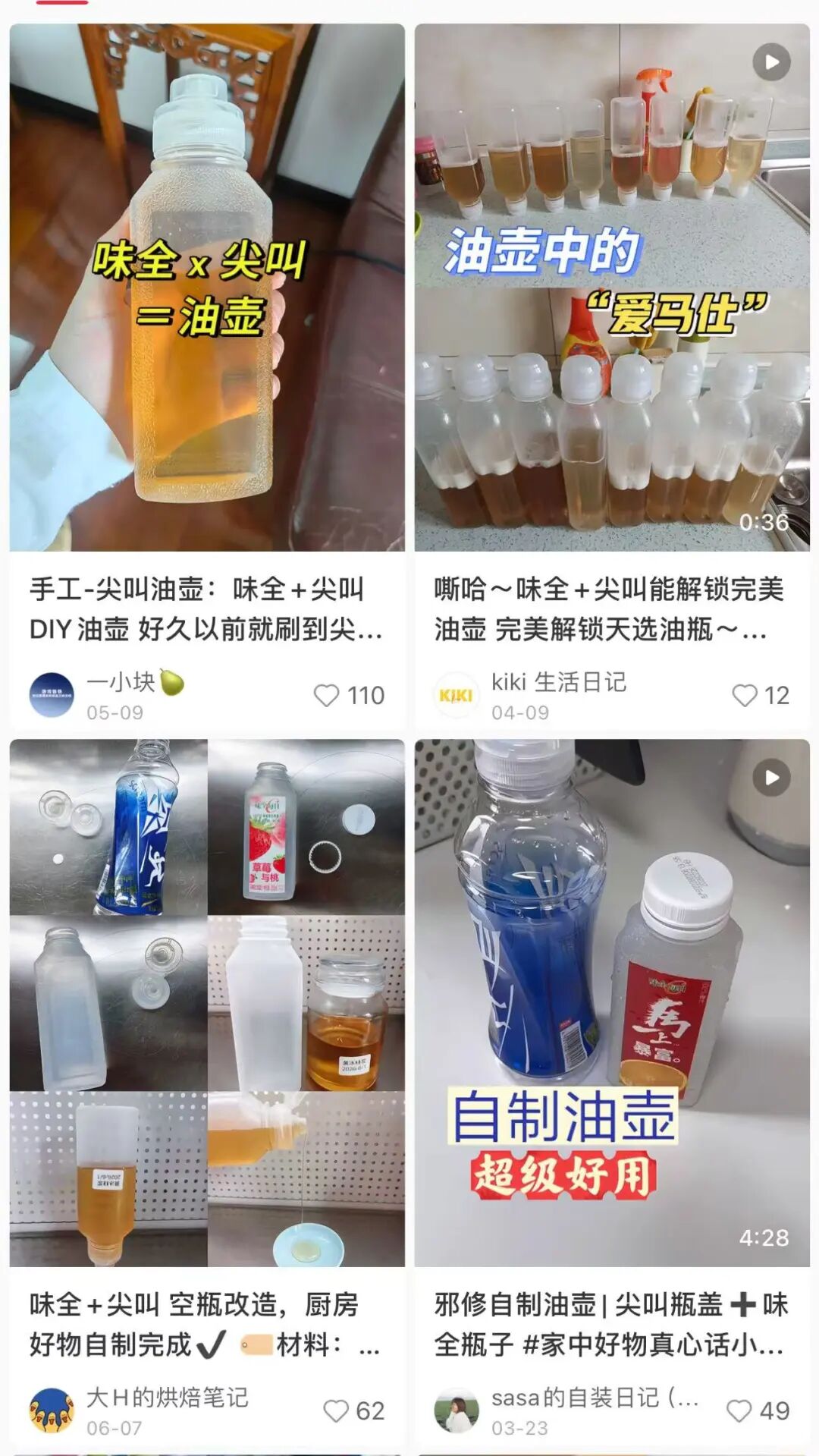
◉ Netizens’ dark-arts DIY oil-pot hacks. Image source: Xiaohongshu screenshot
Biodegradable plastic sounds wonderfully eco-friendly, but it has yet to deliver in practice. This type of plastic not only requires specialised industrial composting facilities (which, sorry, do not currently exist), but also a dedicated collection and processing system (which, sorry, also does not currently exist). Without both, it behaves no differently from ordinary plastic waste — stubbornly resistant to breaking down.
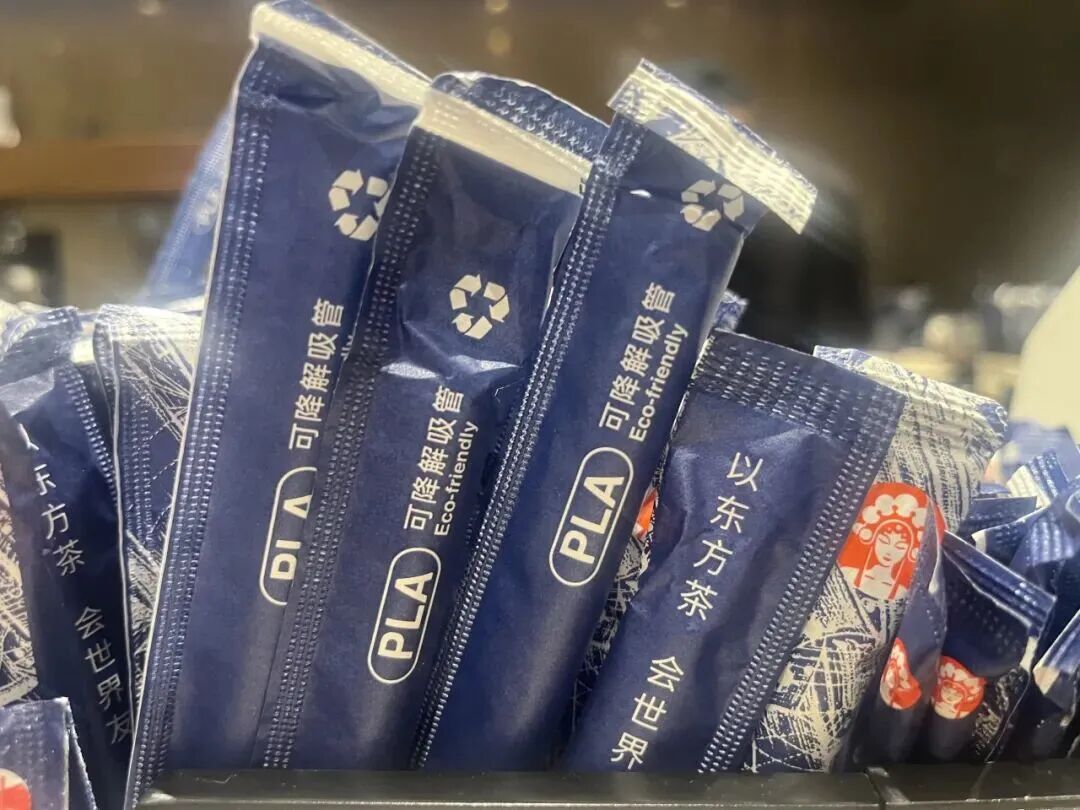
◉ Biodegradable PLA straws commonly sold in China. Do you know how they are collected, or whether your local area has the conditions to decompose them? Image source: Foodthink
Having absorbed all that, my anxiety was already kicking in. After all, there are simply too many things to worry about, and the prefrontal cortex is a scarce resource! Modern people want to be healthy, safe and environmentally responsible, yet also save money, save hassle, and not spend a single extra moment of time or energy on it. How on earth can you have it all? Come to think of it, isn’t this really a kind of trolley problem?
Torn as I am between opposing impulses, I still long for a systemic solution rather than being left to bear all this anxiety on my own.
So I did some more digging. To tackle the plastic problem, the only framework available is the 3R principle: Reduce, Reuse, and Recycle. Each of the three Rs is, in its own way, a little deflating.
Recycling presupposes proper sorting. We once had a grand, sweeping campaign on waste sorting — how well it worked is hard to say. Look at just my farm: there are rubbish bins, and some makeshift dump spots people have fallen into using out of habit; the management staff clear them away in bulk. Yet some people still toss rubbish indiscriminately, with no sorting whatsoever. The farm has several bins that accept only weeds and dead branches, with signs reading ‘Please do not deposit white plastic waste.’ And yet plastic waste keeps turning up inside them. What could have been composted ends up contaminated with plastic.
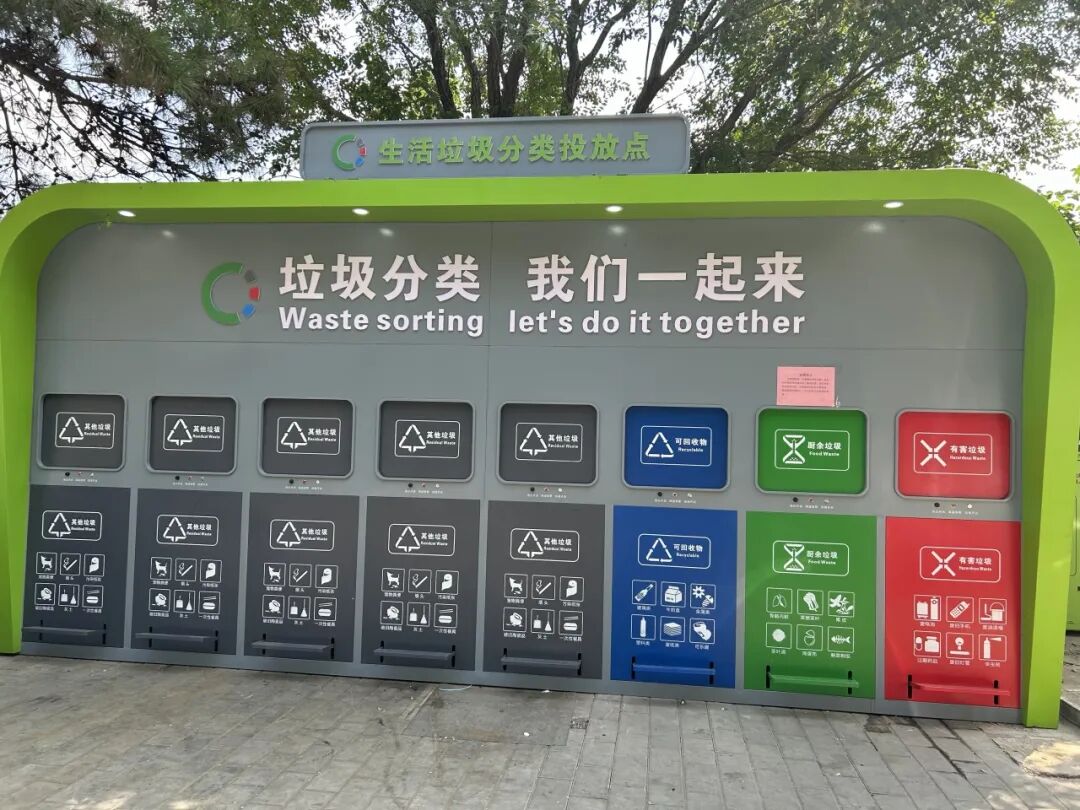
◉ Waste-sorting infrastructure in many residential communities has gradually improved, yet many people have not yet formed the habit of sorting their rubbish when they actually go to dispose of it. Image source: Foodthink
The impact of reducing plastic use has been far from obvious either. China is the world’s largest producer and a leading exporter of plastics. Of the four most common plastic products, China accounts for a third of global output. Looking at China’s data alone, plastic production continues to climb. In 2019, China produced 95.741 million tonnes of plastic in primary form and 81.842 million tonnes of plastic products. By 2025, although China’s output of finished plastic products had fallen to 79.199 million tonnes, production of plastic in primary form had surged to 147.928 million tonnes. The output of finished products may not have grown, but the raw plastic pellets have grown by more than half.
I came across some even worse news, too. Plastic is no longer the exclusive domain of the petrochemical industry. As technology advances and industries pivot, coal-chemical enterprises have entered the field as well, churning out even more plastic at lower prices. Once recycled plastic loses its price advantage, manufacturers will cut back on their use of it.
After all that learning, I feel like a failure. There is no external solution — not one.
Can We Break Free from Plastic Dependency?
Recently, while out farming, I had another moment that completely undid me.
I’d bought a lightweight shovel. When the delivery arrived, I took it straight to the farm still in its packaging, along with a pair of scissors, planning to open it on-site. But the woven sack wrapping the shovel fell apart into countless little pieces the moment the scissors touched it. A gust of wind, and the fragments scattered across the surrounding soil.
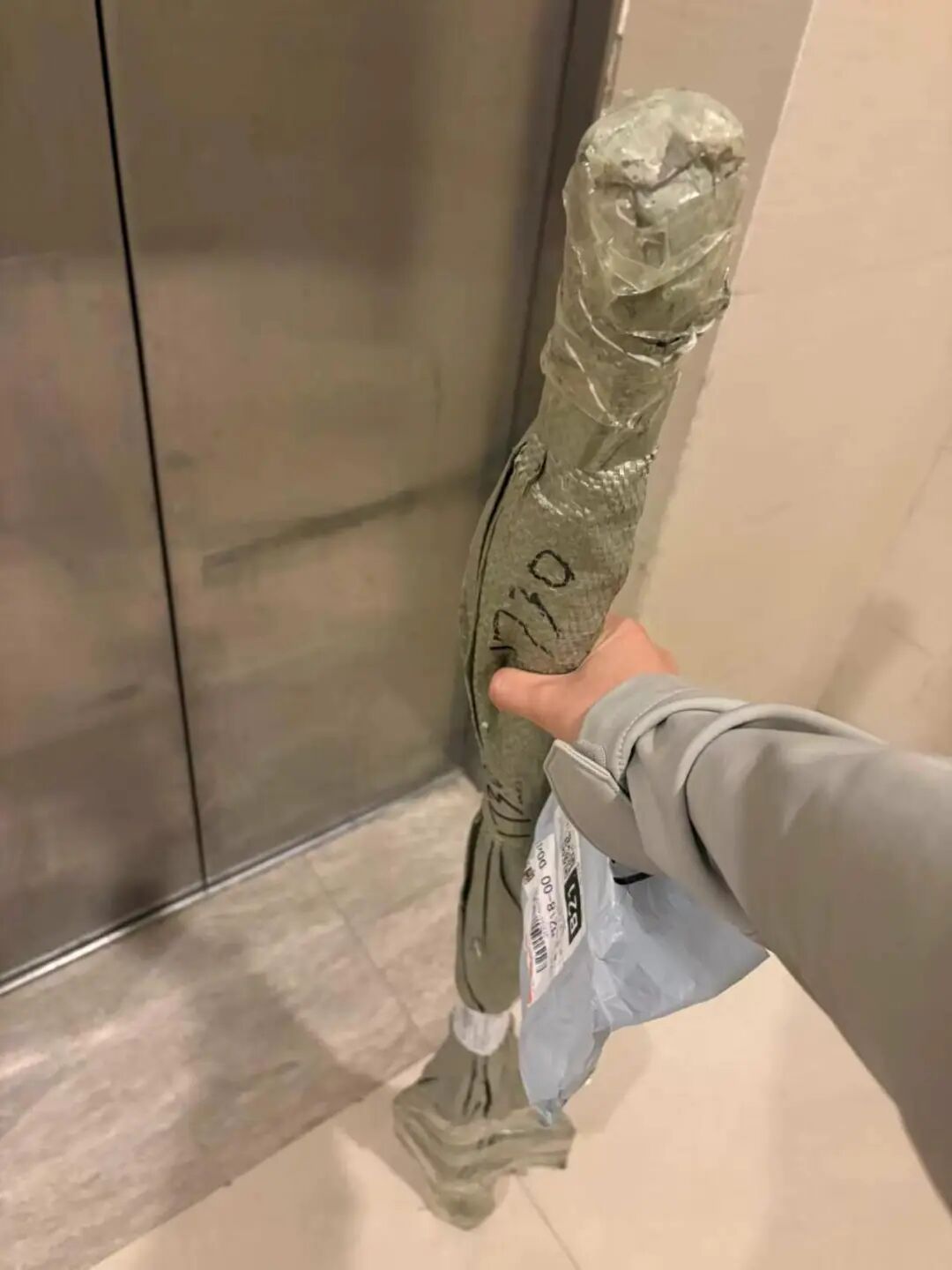
◉ The lightweight shovel I ordered online — I took it to the farm that day still in its packaging. Friendly reminder: whatever you do, never open this kind of packaging out in the field.
I tried to pick up every last fragment but could only salvage a tiny fraction. Cleaning it all up properly would probably mean squatting in the dirt for hours, eyes wide, picking out piece by piece. On top of that, the pieces generated static electricity, clinging to my hands so stubbornly they barely made it into the rubbish bag — adding yet another layer of difficulty. I suspect that even today, the plastic pollution I caused has yet to be fully cleared.
This has been the most ashamed I have felt since I started farming. Previously, when people criticised me for paying a fortune to rent land and still failing to farm it well, I never felt anything quite like this. In truth, the shovel was never a necessity — the farm always provides tools. It’s just that I found theirs uncomfortable in the hand and casually ordered a new one from an e-commerce platform.
The fault has always been mine. Since there is no systemic solution, all I can do is start with myself — reducing waste at source.
I was reminded of a Chinese chess board I once saw outside a family’s home in Tanzania. The pieces arrayed on either side of the river boundary were all made from soft-drink bottle caps — red ones from Coca-Cola, green from Sprite. With Africa’s industrial base still thin, many goods carry a steep price tag. For them, crafting a chess set from materials within arm’s reach was about the most economical option imaginable.
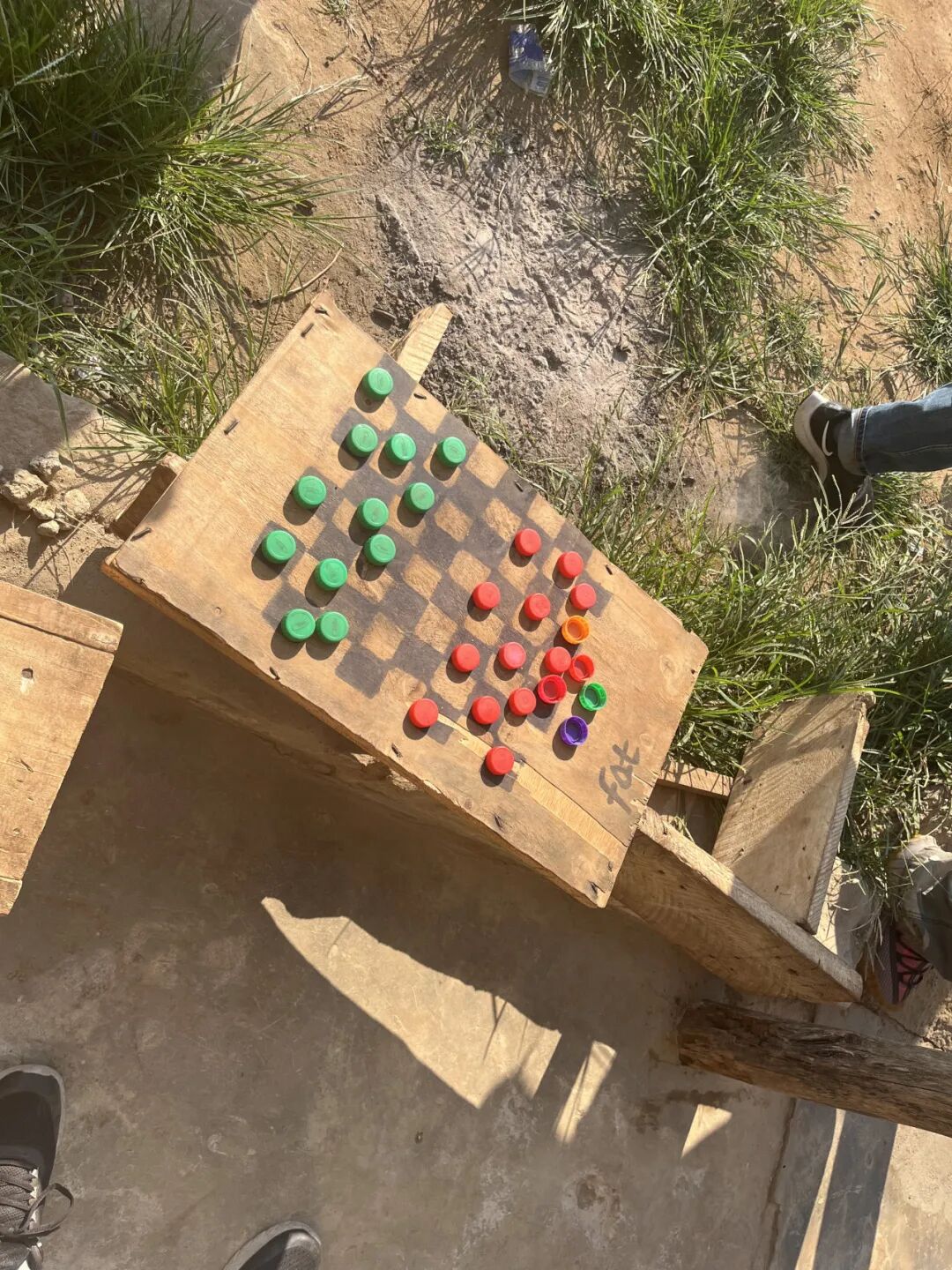
◉ A Chinese chess set made from bottle caps.
Now think about us. Being the “world’s factory” has laid the foundation for a commoditised society. With overcapacity driving cut-throat competition, things are made in such volume and at such low prices that a dozen yuan or so is enough to buy a perfectly decent chess set on an e-commerce platform. If a piece goes missing, you simply buy a whole new set — at that price, very few people stop to think about mending or making do.
Convenient consumption has reshaped my thinking and habits too. When I run into a problem in everyday life, my first instinct is to scroll through an e-commerce app, looking for a ready-made product that solves it. That is exactly how the shovel came about.
Setting aside whether consumption inevitably leads to waste, in this era dominated by e-commerce, casual buying inevitably generates enormous quantities of plastic packaging. The clear plastic clamshell boxes that platforms use to ship fruit and vegetables, for instance, are the single most common plastic item I receive. It was not until I visited a recycling station that I learned these plastic boxes are excluded from the recycling system altogether.
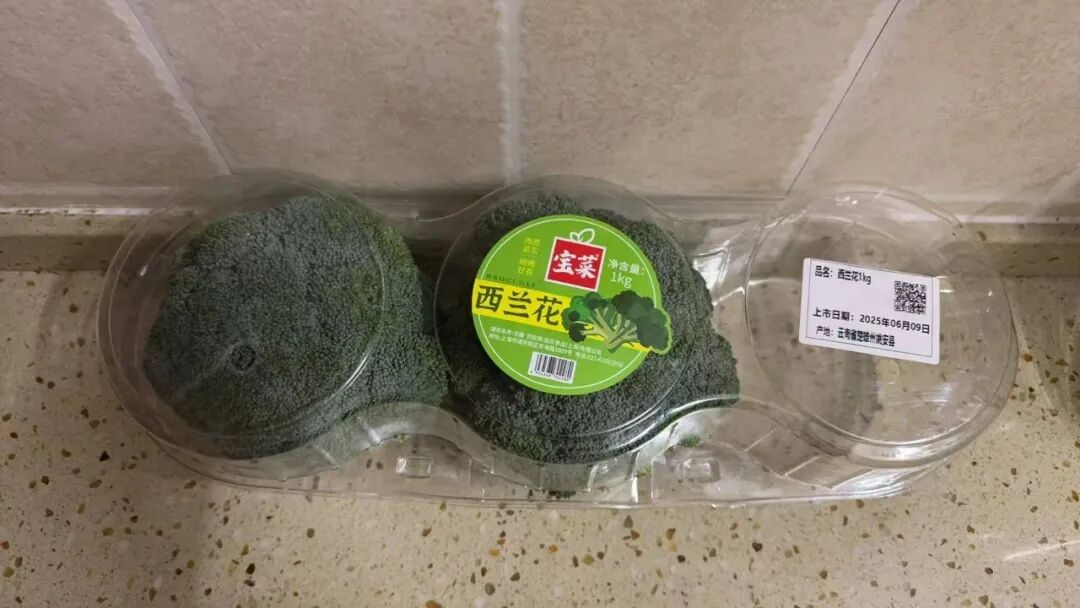
◉ Broccoli at Sam’s Club, each one tucked into its own “plastic single room”. Image source: Wu Xiaowei
What consumerism does so masterfully is manufacture desire, making people pay for things they never needed. Some companies have even turned plastic toys into global “idols”. If consumerism itself had a competitive ranking, China’s cut-throat manufacturers would surely push it to the extreme.
Battered by relentless advertising and marketing bombardment, consumers inevitably lose out to mass-manufactured desire. The cost that consumerism exacts in waste and plastic pollution is borne, without exception, by every ordinary person — yet we choose to look the other way when we shop.
Perhaps, if more people had seen for themselves — as I have — the plastic waste strewn across the very land that feeds us, they might give a more serious thought to breaking free from plastic dependency.
This year has been another bumper harvest. But I know that if I keep farming next year, my battle with plastic waste on this land is far from over.
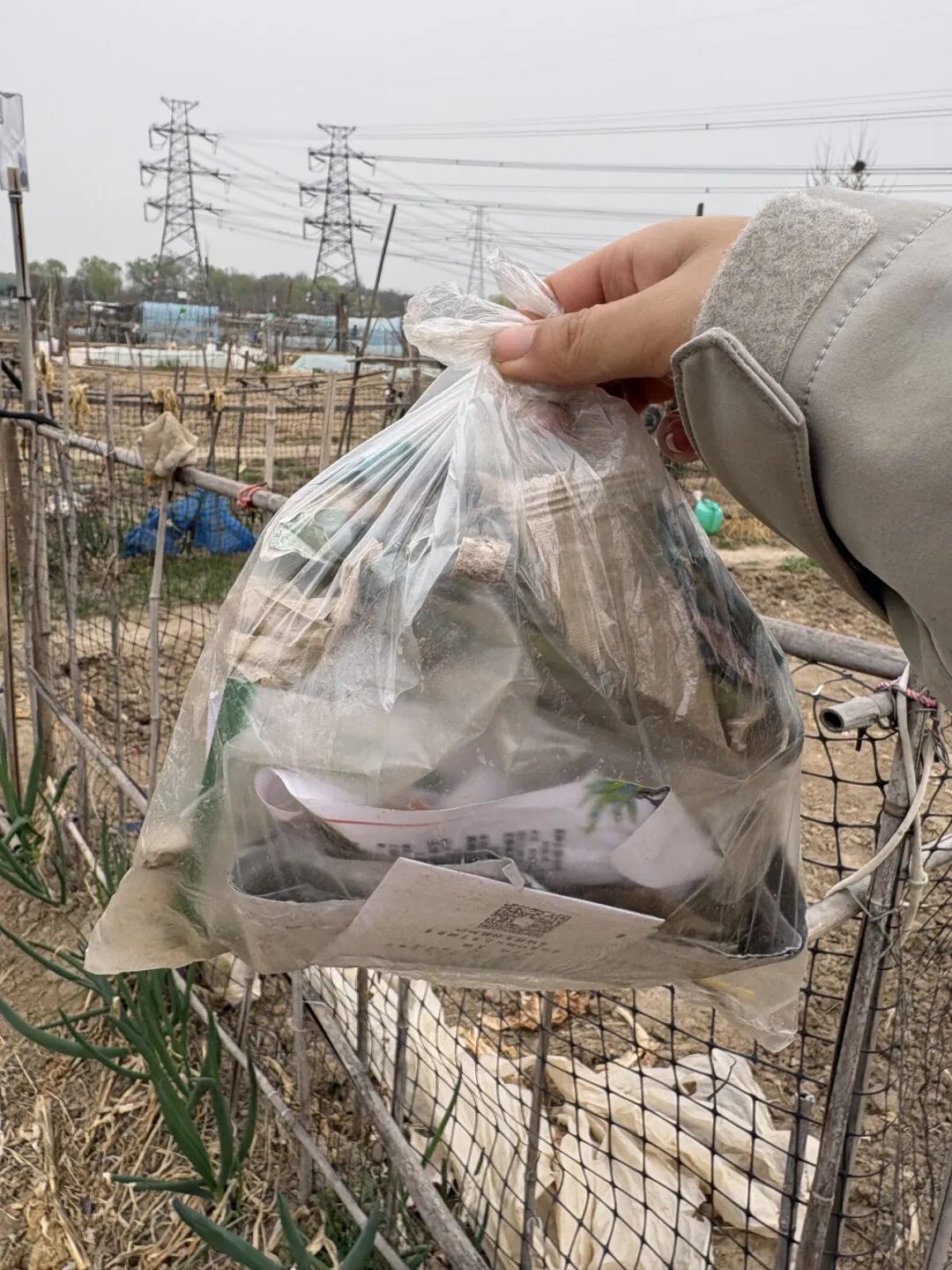
◉ Every time I go farming, I pack a bag so I can carry away my own plastic waste.
– This is Foodthink’s 831st original article –
Foodthink
Author
Xie Xiaodan
Former agriculture journalist, dreaming of a small plot to farm herself
Editor: Yuyang
Layout: Xiaoshu
Scan to tip — support original Foodthink content
▼

▼
Click the image to read related articles
▼
Click the keywords to browse more article collections
Seeds | Farming Techniques | Policy | Fermentation | Nutrition | Fruit | Fisheries | Events | Jobs | Delivery | Markets | Livestock | Food Talk | Sharing Sessions | Book Clubs | Harvest Festival | Smallholder Stories | Climate Change | Rural Development | Cooperative Economy | Urban Farmers | Food Safety | Digital Technology | Biodiversity | Pandemics & Food | False Solutions | Agroecology Internship Programme
Beijing | Hebei | Shanghai | Guangdong | Guangxi | Henan | Sichuan | Jiangxi | Xinjiang | Shaanxi | Hong Kong | Chongqing | Zhejiang | Jiangsu | Guizhou | Taiwan | Inner Mongolia | Philippines | Canada | Russia | Mexico | Italy | United States | United Kingdom | Germany | Netherlands | Thailand | Sweden | Japan