Liulan Reservoir breached; Typhoon Maysak’s floods swallowed jasmine fields, fish ponds and rice paddies in Hengzhou. Flower farmers who expanded planting amid the “new-style tea beverages” boom met downpours beyond the flood defence standard—insurance came up empty, and they can only start from scratch.
A graduate of the University of Gastronomic Sciences, Pollenzo, recalls the days spent with Petrini in Bra, and the voices in the Slow Food movement yet to be heard.
Over a decade since the 2016 straw burning ban became a political priority in the three northeastern provinces, Heilongjiang’s Hulan, Bayan and Bin County farmers and cadres proved: ridges wrecked by outsiders, stubble after baling, rice stalks never fully cleared — all for one burning window before spring planting.
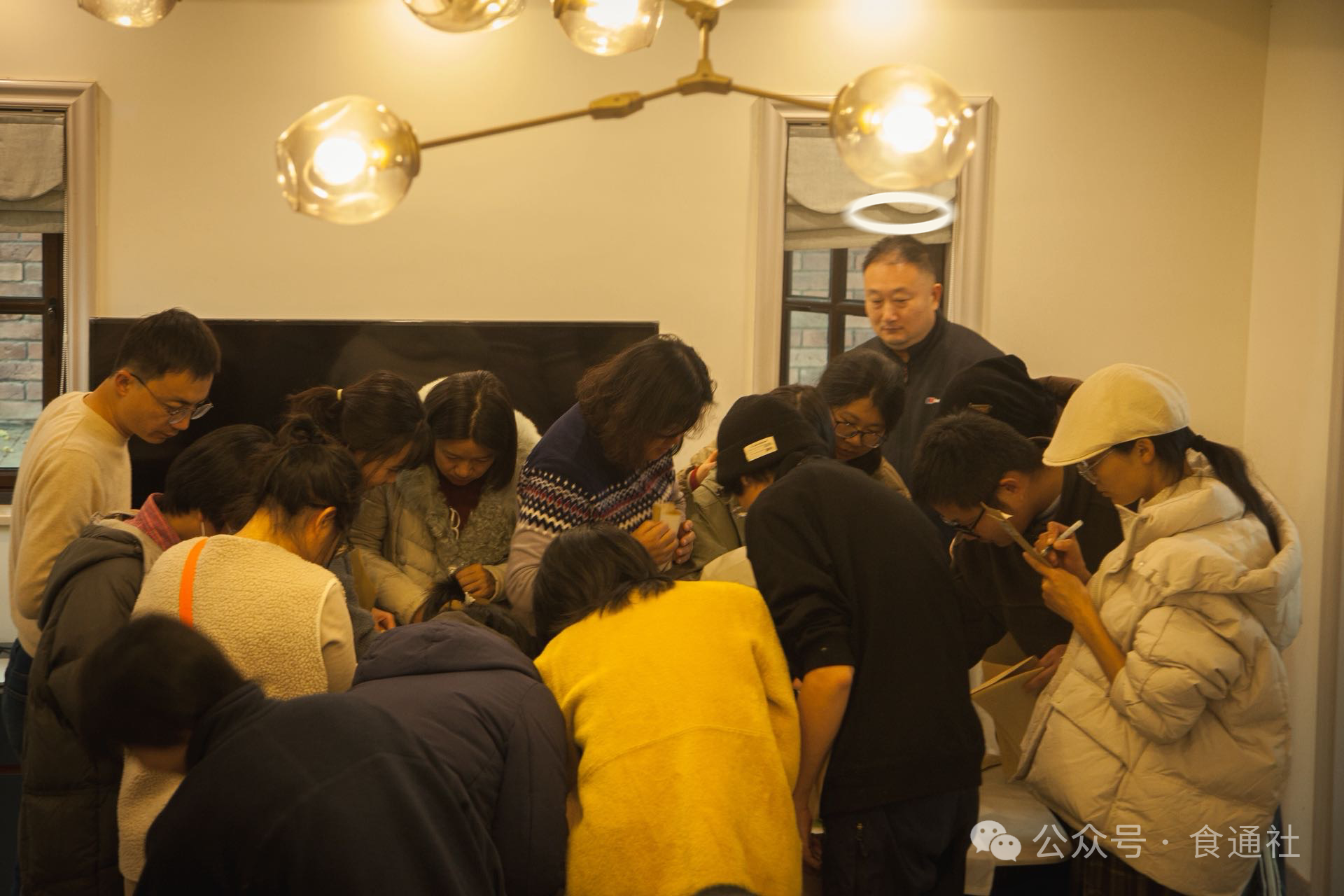
Author of The Vanishing Bees, Professor Lü Chensheng of Southwest University, begins with Colony Collapse Disorder at a Foodthink talk, discussing the ecological and health risks of pesticides entering the food chain from seeds, and seed companies’ influence on agricultural policy. 31 May afternoon, Beijing + online.
Experiments by Harvard professor Chensheng Lu, beekeeper Kenneth Walhol and entomological toxicologist Richard Callahan confirmed that low doses of neonicotinoid insecticides enter soil, water and the food chain through seed coating, causing entire bee colonies to vanish and ultimately reaching human dinner tables.
Foodthink’s sixth round of the Lianhe Programme small action grants is open to farmers, cooperatives, community self-organisations and others. Priority goes to local projects helping smallholders on the front lines of climate change. ¥5,000–¥30,000 in funding plus communications resources; applications close on 17 May.
Foodthink ends two weeks of silence as Grain Rain arrives, reintroducing itself to readers: a food and agriculture platform founded in 2017, focused on smallholder livelihoods and the conditions of food and farming workers. This year it turns its focus to women farmers, herders and climate resilience.
Guanqi of the Farmer Seed Network died unexpectedly on a work trip in Qinghai. Foodthink’s friends set down who he was: the group’s “study representative”, a craft beer lover, an unsung hero of seed conservation — and the friend who made sure no one was ever alone.
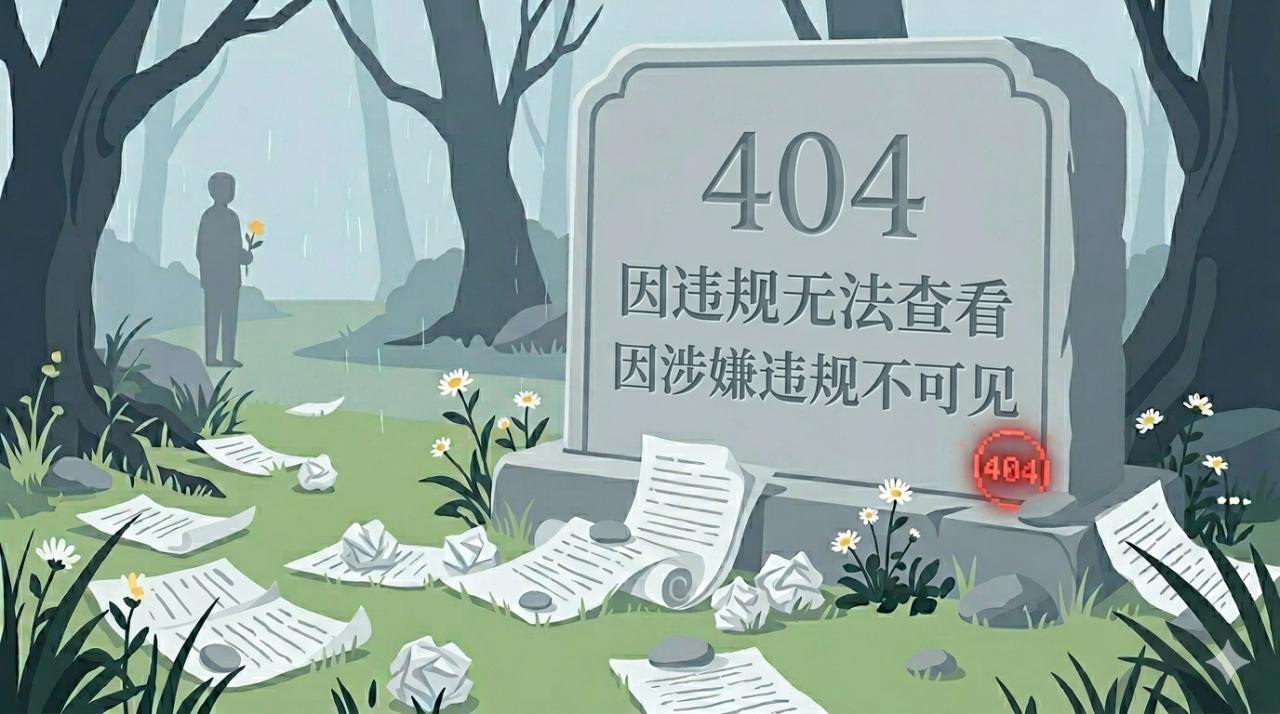
In 2025, Foodthink’s removed articles covered food-delivery rider labour, mouldy grain during North China’s autumn harvest, rural heating in Hebei and high-standard farmland — most were not “sensitive topics”, merely widely known facts. Reader comments are deleted faster and faster; the space for public discussion is narrowing.
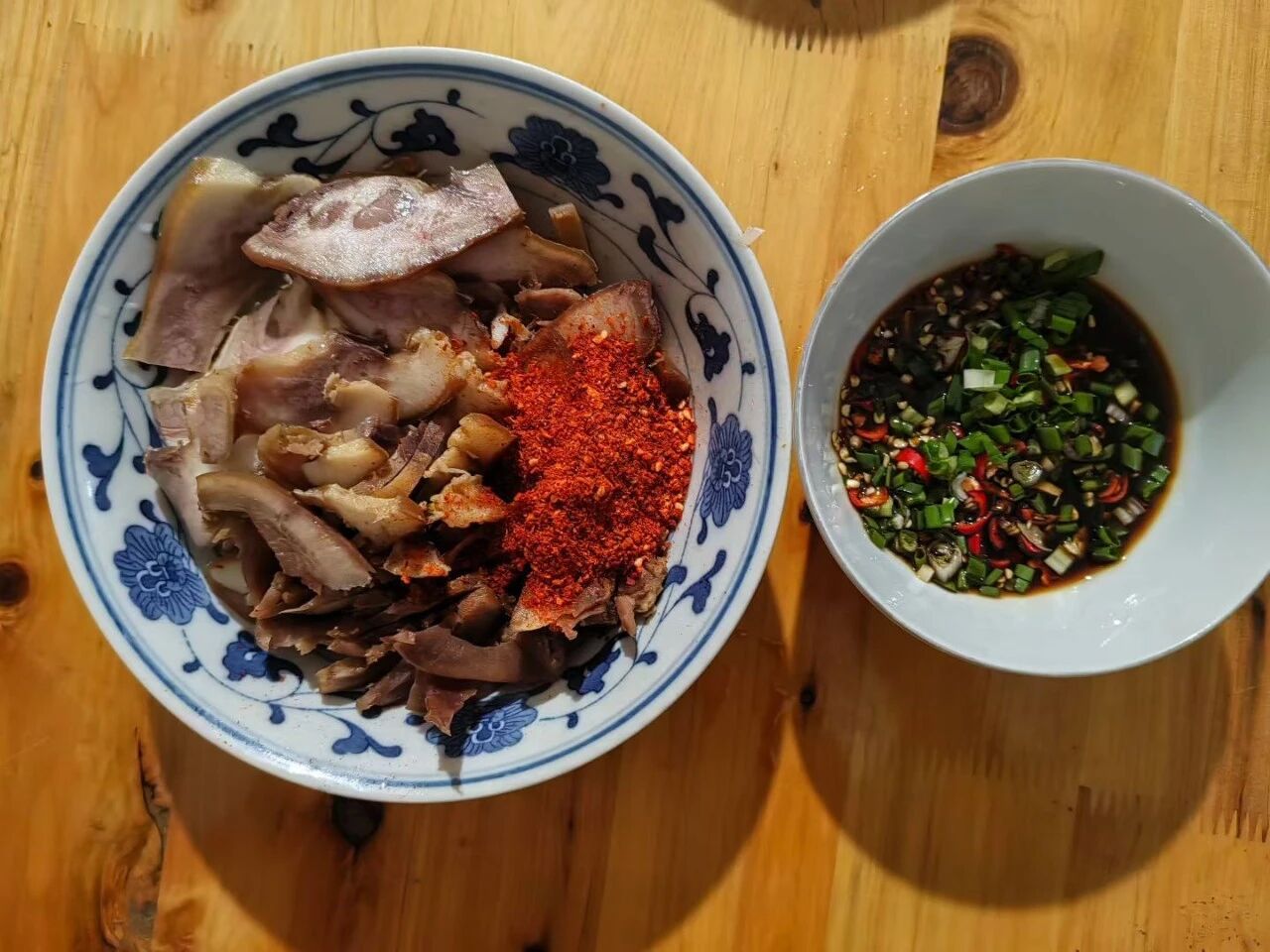
This Chinese New Year, villagers in Wutong Village, Weiyuan, carried bamboo baskets to market before dawn, steamed rice over a wood-fired stove, and spent five hours on a dish of native crucian carp, pinching pea shoots for shao bai and meatball soup. Twenty rural days: humble ingredients, labour-intensive cooking.