The Bees Have Vanished — Will We Be Next? | Event Registration

In March this year, the topic of pesticide spraying on oilseed rape fields causing losses to beekeepers sparked discussion. Beekeepers found swathes of dead bees, and people began to take notice of the impact of pesticides on pollinating insects. But beyond the visible deaths, there is a more hidden kind of disappearance: the bees are not found dead in their hives; instead, entire colonies vanish, leaving nothing but empty hives behind.
Professor Lü Chensheng of Harvard University and his research partners discovered that continuous ingestion of low doses of neonicotinoid insecticides impairs mitochondrial health in bees and ultimately causes entire colonies to disappear — a phenomenon later named Colony Collapse Disorder (CCD).
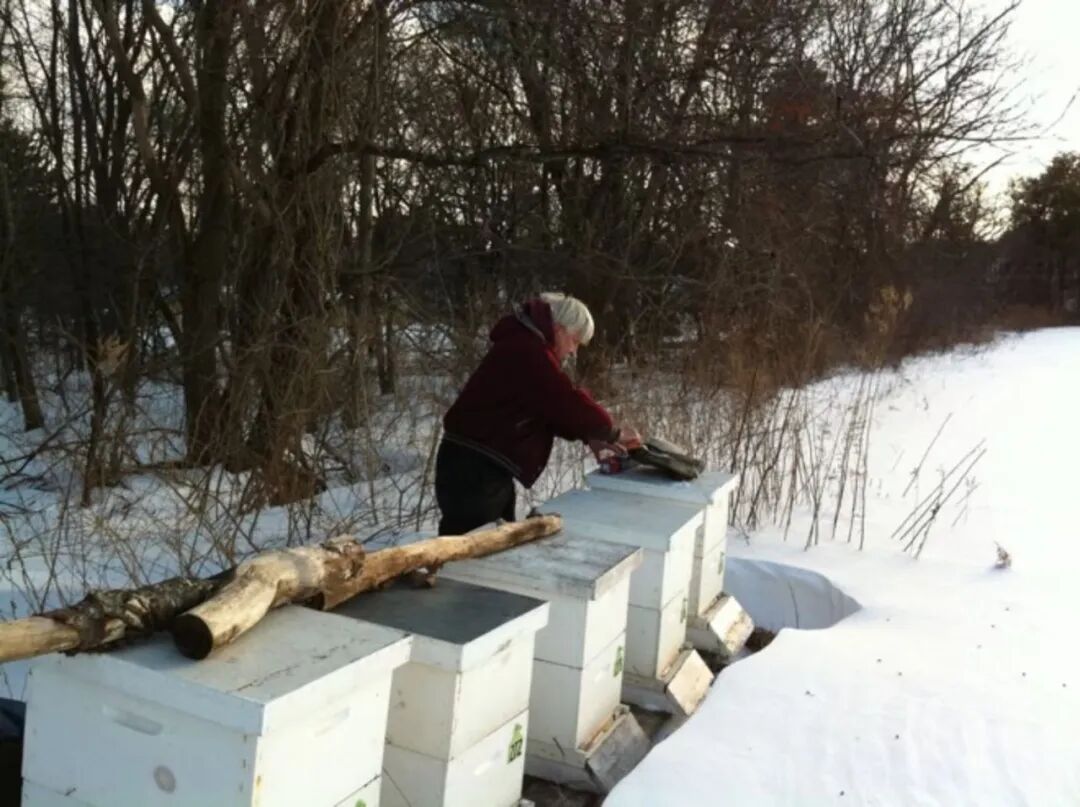
◉ Inspecting experimental beehives through the winter. Photography: Richard Callahan
Moreover, pesticides do not stay outside the hive, and bees are far from the only species affected.
With the widespread adoption of seed coating technology, systemic pesticides enter plants from the seed stage and, as crops grow, seep into soil, water, pollen and the air, affecting insects large and small across the food chain, ultimately making their way onto human dinner tables and into human bodies. When Professor Lü Chensheng conducted testing back in China, he too found traces of neonicotinoid insecticides in water sources, soil, common fruits and vegetables, and even in the blood of pregnant women.
When a pesticide can pass from seeds into plants, from plants into the environment, and from the environment onto our tables, what it ultimately affects is not merely agricultural production — it concerns the land, our food, and our health.
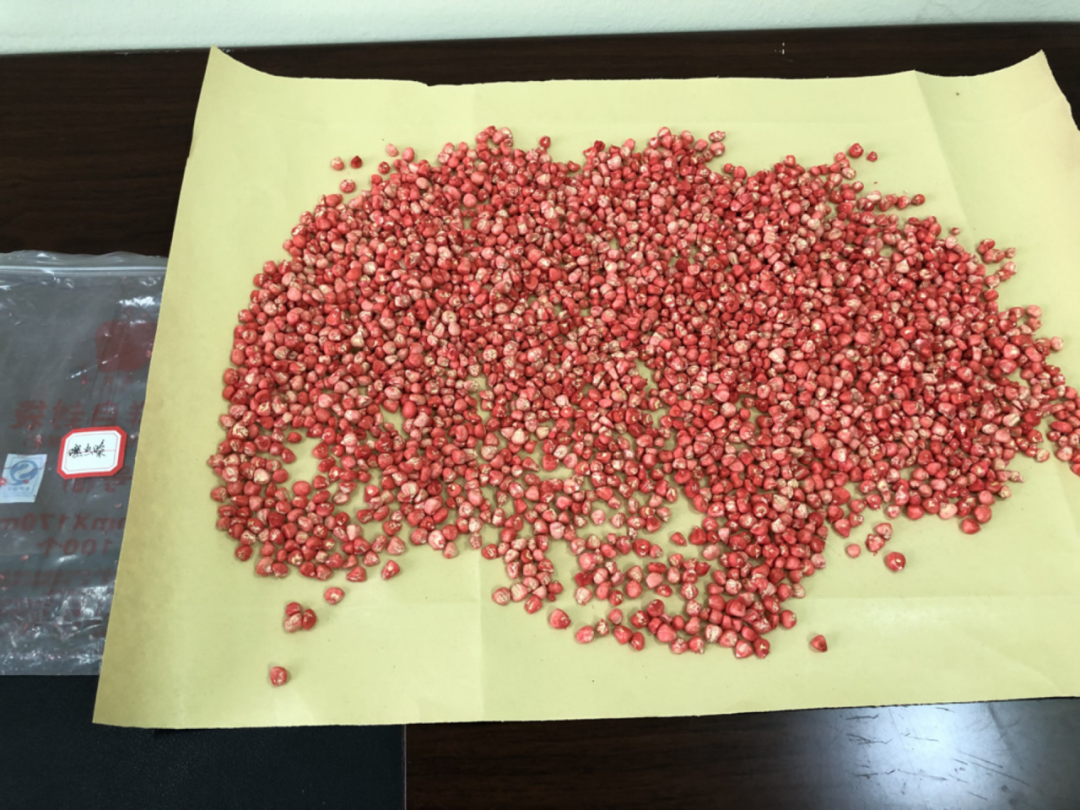
◉ Maize seeds after coating with neonicotinoid insecticides. Photography: Lü Chensheng
Seed companies such as Monsanto have tightened their grip on agricultural production by bundling pesticides with seeds, bringing ecological and health risks in their wake. Yet regulatory oversight remains inadequate, and policy continues to tilt in favour of agribusiness. Why are governments not requiring a full assessment before new pesticides are used on a large scale — one that evaluates their impact on every living organism in the ecosystem, and on humans themselves?
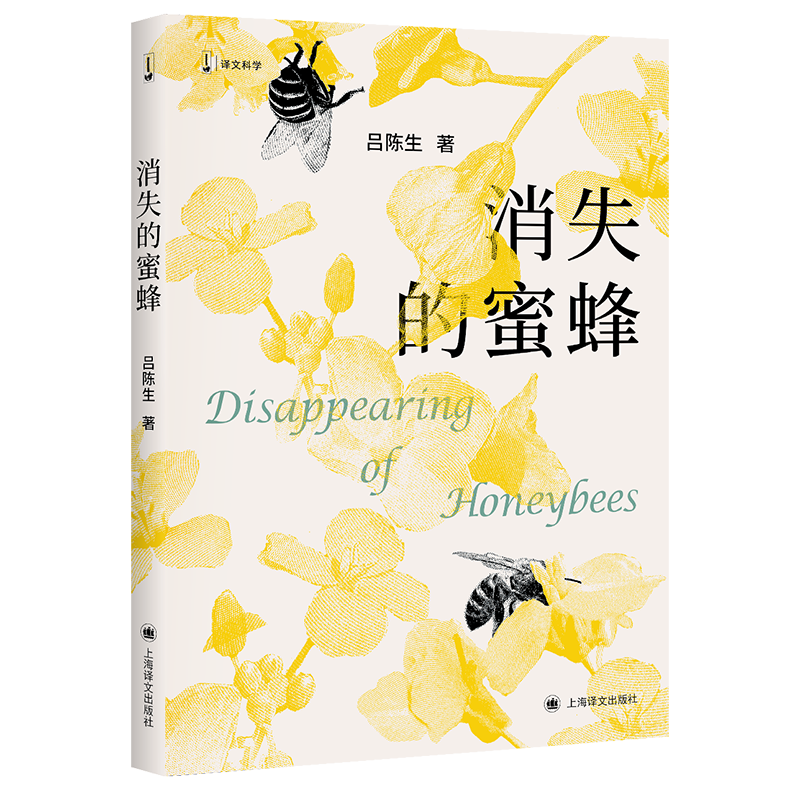
Bees and humans share the same environmental system. The problems that bees expose ahead of us may well be ones that we too will face sooner or later. Professor Lü Chensheng wrote up his experiments and the reflections that followed in a popular-science book, The Vanishing Bees, hoping that through the disappearance of bees, he could remind humanity to strike a better balance between the benefits and the costs of pesticide use.
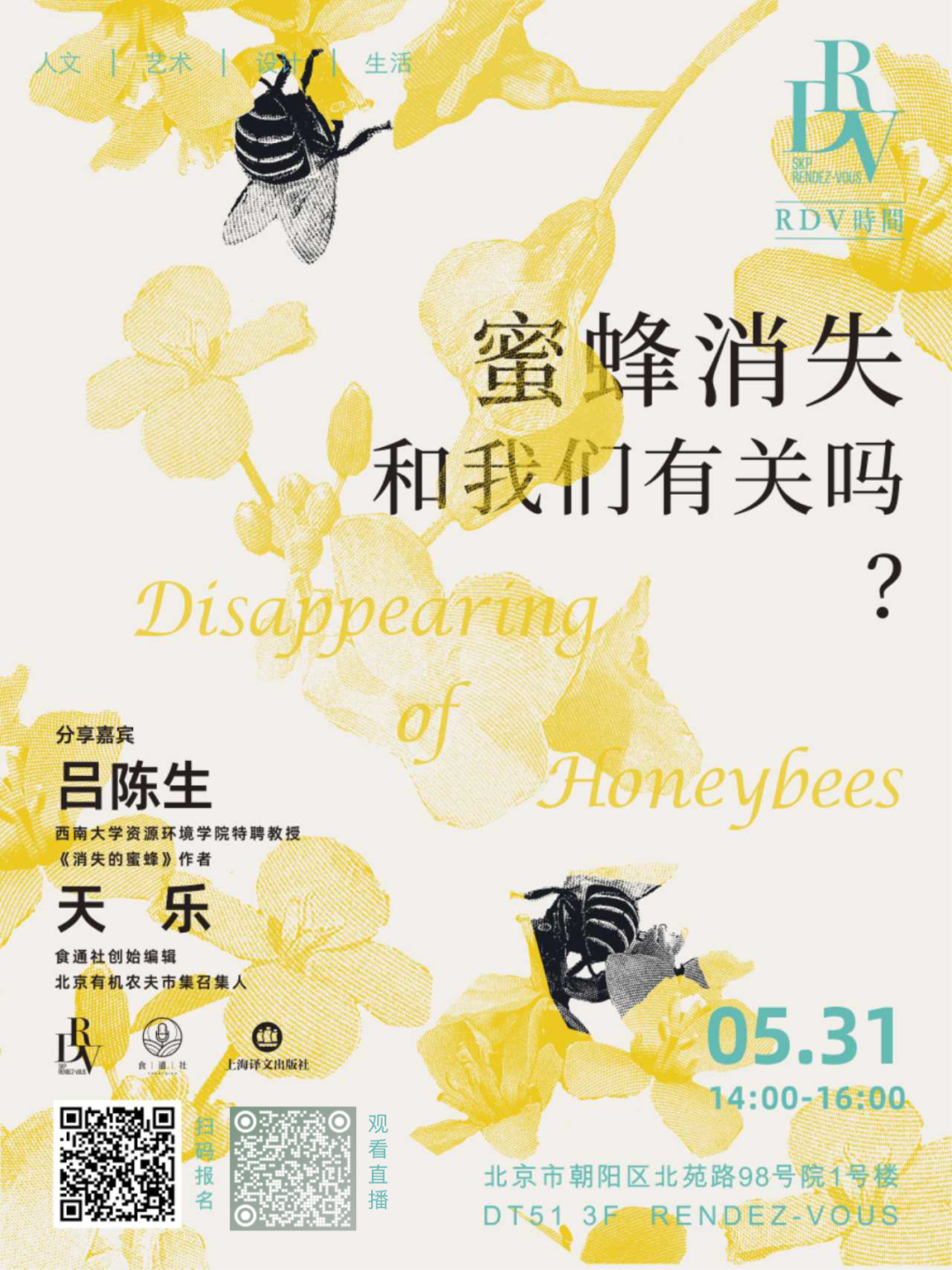
On Sunday 31 May at 2 pm, at DT51 RDV Bookstore in Beijing, Foodthink invites Professor Lü Chensheng, author of The Vanishing Bees, to join us in a conversation that starts from bees and explores the ecological and health issues caused by the large-scale use of pesticides — and how seed companies shape agricultural policy and regulation, helping us rethink the relationship between food, people and the environment in modern agriculture.
– Guest Speakers –

Lü Chensheng | Currently Distinguished Professor and doctoral supervisor at the College of Resources and Environment, Southwest University; Chongqing Distinguished Expert; and Visiting Professor at the School of Public Health, University of Washington in the US. Before returning to China to take up a full-time post in 2018, he served as Professor at the Harvard University School of Public Health and as Associate Professor at the Emory University School of Public Health. His main research areas include population pesticide exposure and health risk assessment, studies on the survival and safety of pollinating insects under environmental stress, and the development, detection and application of biomarkers for transgenerational toxicity.
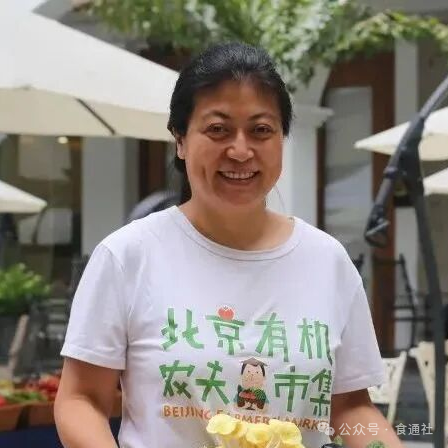
Tian Le | Founding editor of Foodthink and convener of the Beijing Organic Farmers Market.
– How to Participate –
Format:
In person (Beijing) + livestream
Date and Time:
31 May (Sunday)
14:00-16:00
Venue:
RENDEZ-VOUS Bookstore
3rd Floor, DT51
Building 1, No. 98 Beiyuan Road, Chaoyang District, Beijing
How to Register:
In-person events are free
Scan the QR code below to access the registration page

Livestream:
Planning: Z X
Layout: Xiao Shu
▼
Click on the image to read related articles