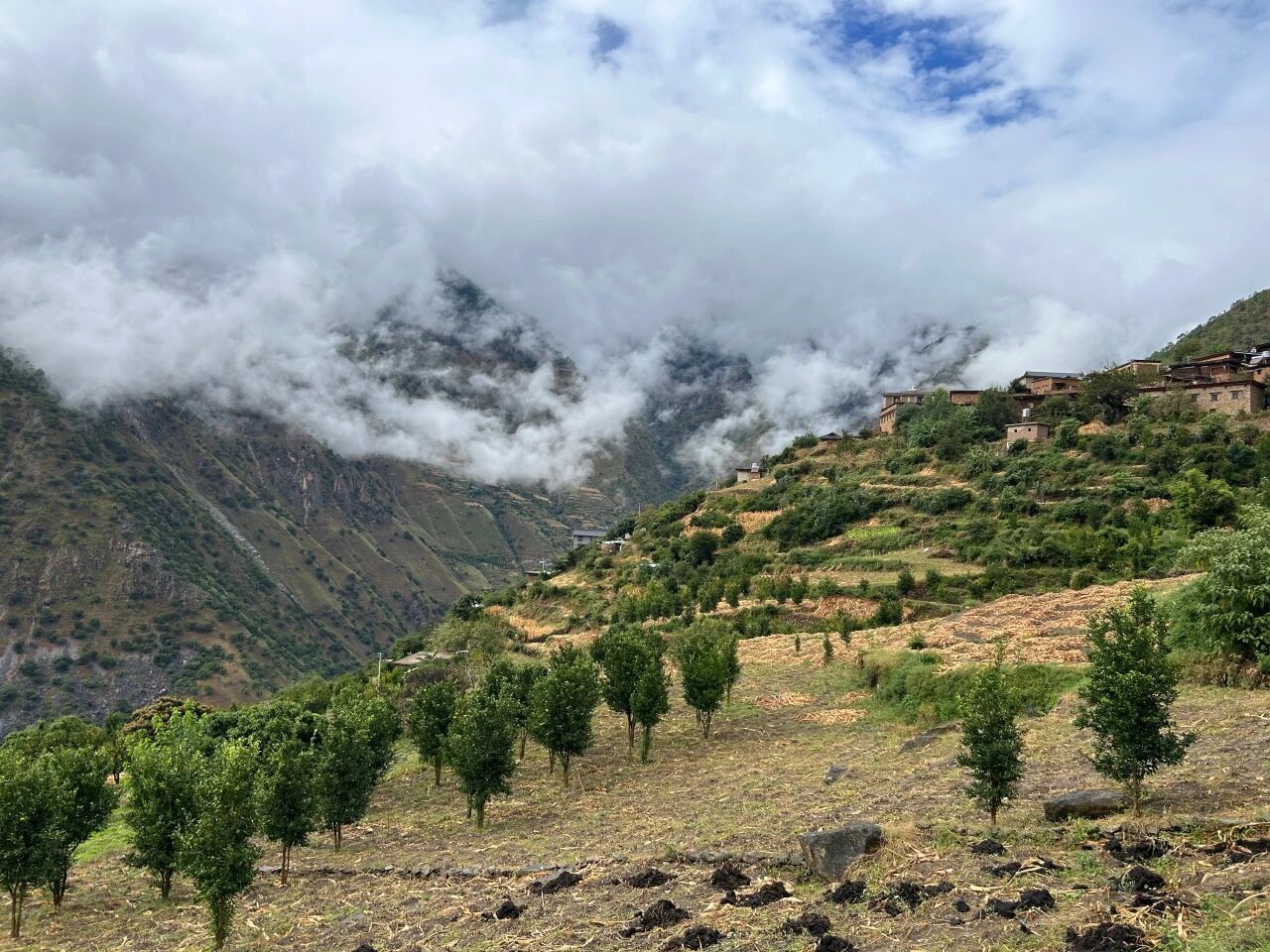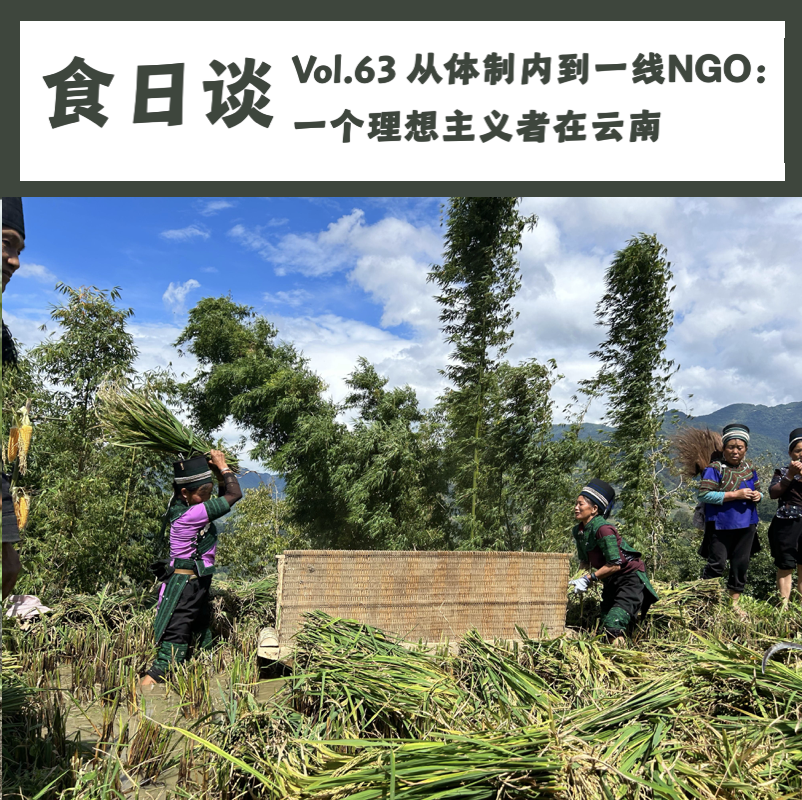
Leaving the public sector, Zuo Zhi, a post-1985 generation member, dove into Yunnan’s villages, teaching farmers to use fewer pesticides and grow heritage rice varieties, trading a cup of liquor for their trust, and building a bridge between government and the fields for climate-friendly agriculture.
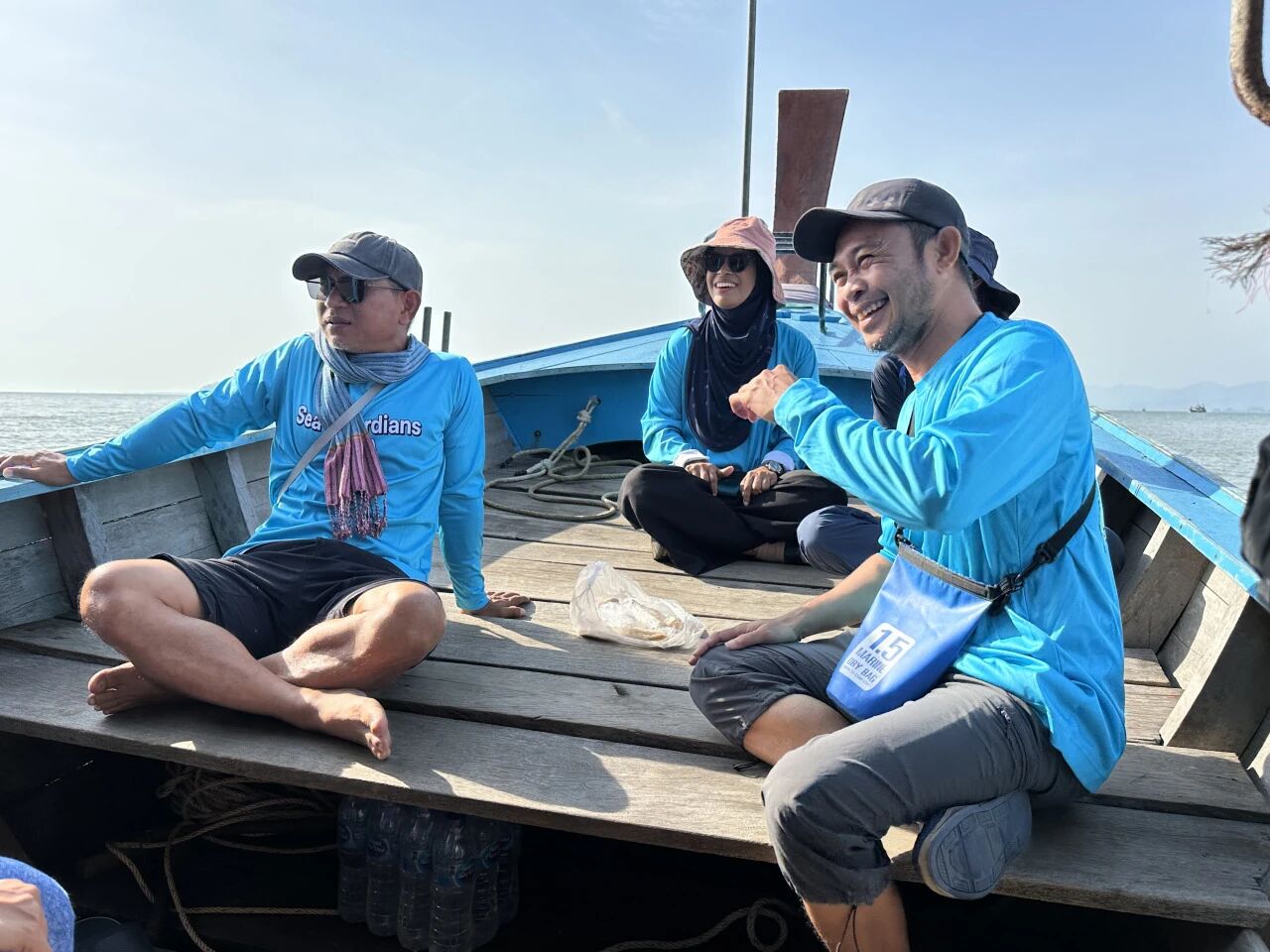
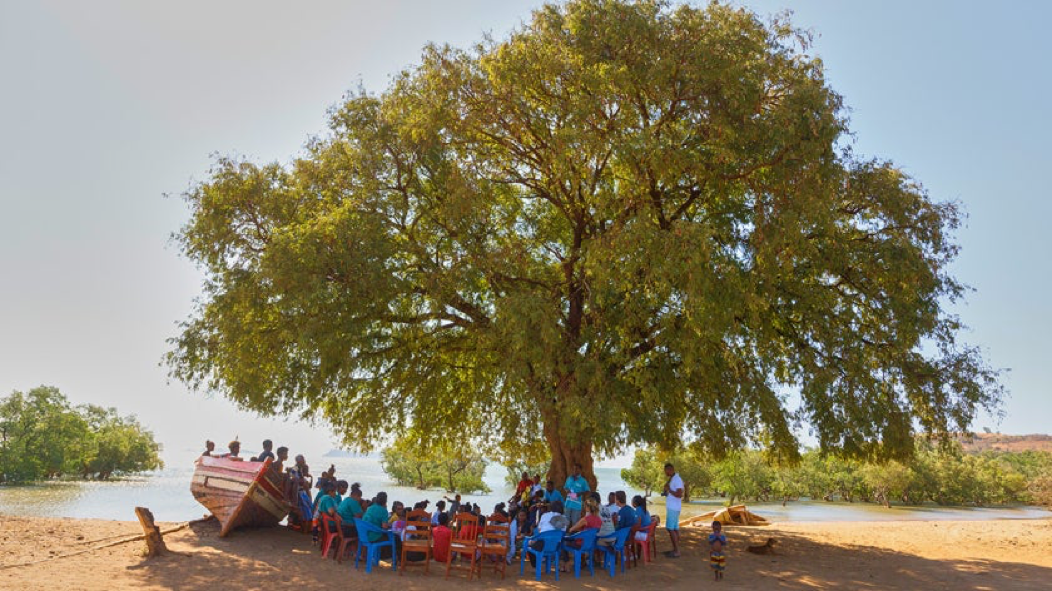
Fishermen in Satun and Trang provinces treat the mangroves as a “larder”, running their own restaurant, processing seafood and offering eco-tourism – turning the community marine-management rights they fought for into a livelihood that feeds their families.
After storms razed homes, national parks barred fishers from rebuilding elsewhere; dredging killed seagrass beds, starving scores of Dugongs; carbon sink projects eye the mangroves. Fishers in Trang and Satun use bamboo to reclaim land, run Crab banks, co-manage with government – defending their own sea, bit by bit.
The women who stayed behind in Youmi Village, a Mosuo settlement in Lijiang, are using Sickle-grain rice, an old upland rice variety from the Jino, to grow rice again on hillside slopes growing ever drier—and to keep alive the cultural memory behind rice farming.
The Satun Province fishers’ association began by driving out illegal trawlers and eradicated local overfishing within a decade; yet the 2025 Fisheries Act amendment, approved by Parliament, will allow fine-mesh nets for night fishing, putting thirty years of community conservation to a new test.
The 2026 Document No. 1 includes “low-carbon agriculture” for the first time. Tracing sixteen years of climate change in Document No. 1, the real challenge lies beneath resource surveys and climate zoning: how to design policies that allow ordinary farmers to participate and benefit.
A small strip of clay by the courtyard wall of our Hangzhou studio: after seven batches of hot compost made from saved kitchen scraps and coffee grounds, the ground, hard as rammed earth, has loosened into black soil that opens with a single spade.
Yu Jiangang and his wife Mei Yuhui made silk duvets in Zhenghebang for over a decade. An osmanthus silkworm poisoning in autumn 2024 led him to lease 14 mu of rice paddies – from seedling to Lidong harvest, four rounds of hand-weeding, a nearly 180-day life cycle complete.
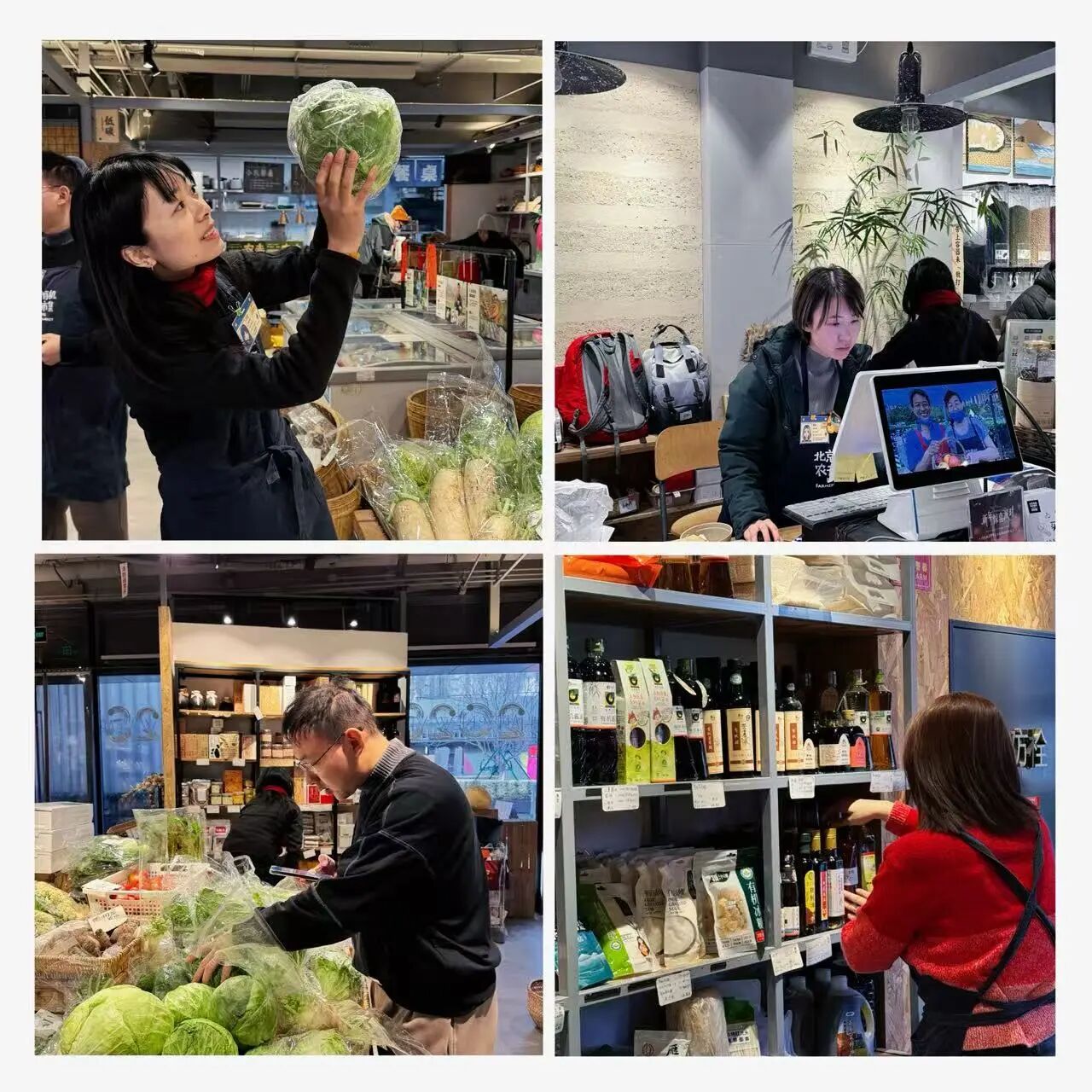
Eight Foodthink colleagues worked a 12-hour non-stop shift at Jishi—from veg identification and stock intake to live-stream shopping to communal dish-washing after the lamb soup screening—and encountered the unseen labour and carbon behind cold-chain energy consumption and an annual lease.
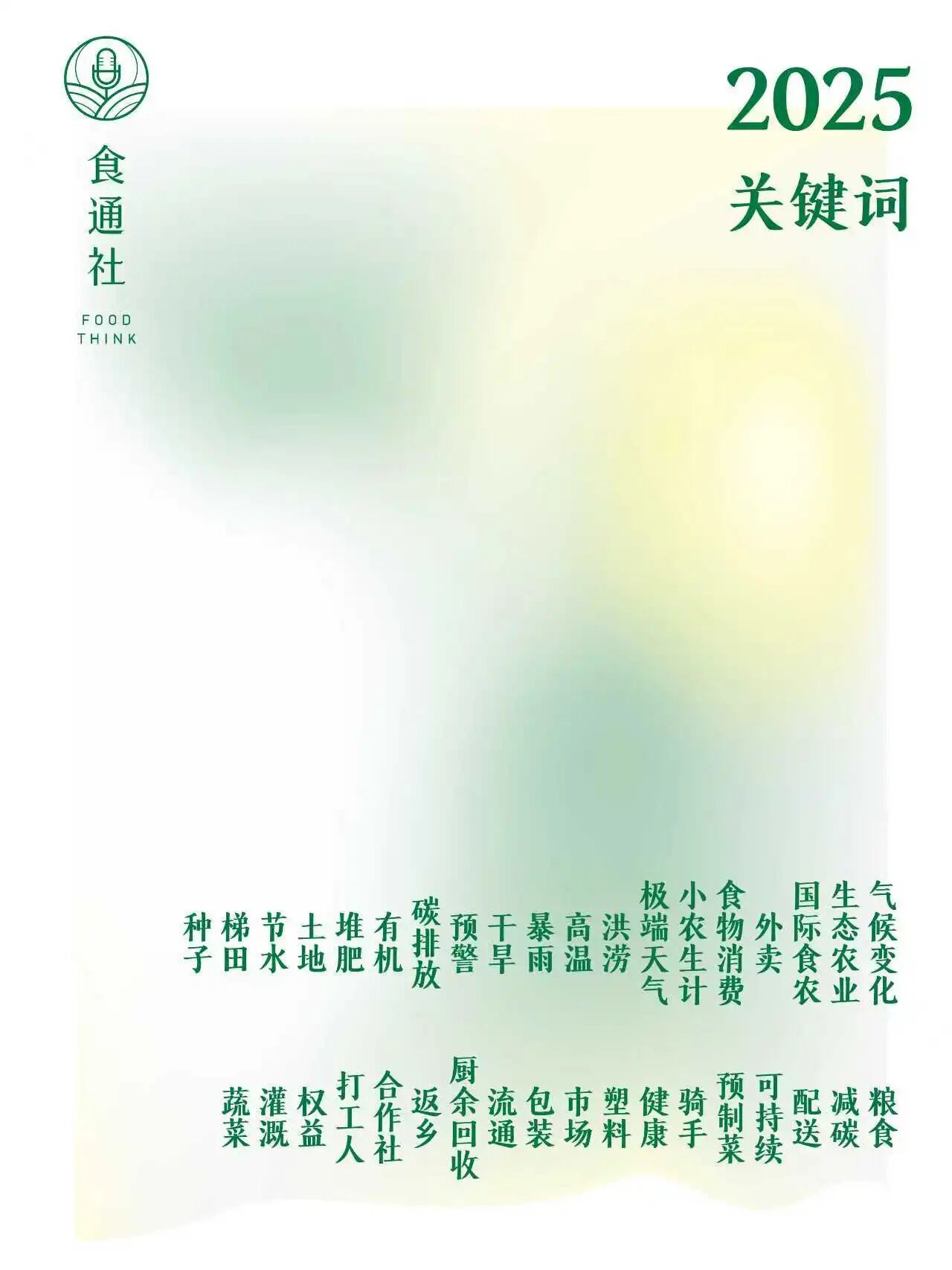
Extreme weather upends farmers’ planting rhythms, the food-delivery wars compress a meal into a 30-minute order, and imported meat reaches the highland pastoral areas directly – Foodthink’s 2025 field records hold on to the traces of the land and its labourers.