Wayina’s Banong and Guilin musician Shiba returned to farm and sing. Pesticides have nearly emptied the fields of fish and frogs, heirloom rice is all but extinct, and schooled young people can no longer tell herbs, catch insects and frogs, or reclaim old ways of singing while working.
Rural worker Huang Yajun has over a decade’s experience organising a green plum cooperative in Conghua, Guangdong. Against the near-century-old Silk Improvement Society of Fei Dasheng and the Women’s Sericulture School in Kaixiangong Village, he finds technology, capital, villagers’ sense of ownership and sales still the hardest problems.
More than half a year since the November 2022 blizzard unseen in over a decade, Jiangbutas Village’s Kazakh pastoralists are still repaying fodder debts and tending frail herds, while slow-melting snow keeps pastures overdue for transhumance still withered and yellow.
The State Administration for Market Regulation plans to remove “drying” from the definition of “edible agricultural products” in its draft for public consultation. Smallholders who sun-dry and sell their own dried goods may face penalties, while building a factory or arranging contract processing is unrealistic for most farmers.
Former Beijing advertising worker Yu Jiangang and wife Mei Yuhui rear silkworms and reel silk in Zhenghebang Village, Tongxiang, tending the village’s last acre of Hangzhou white chrysanthemums. Their silk quilt brand Meiheyu passes on the craft — but the family farm now faces land and road development hurdles.
Miyun’s Feiniao yu Mingchong founder Yifang, Xiao Yunsheng of Beijing Organic Farmers’ Market, host Xiao Jing – three mothers on what a farm can give children. A seed planted, a peach ripening naturally, uncertainty of “relying on the heavens for a living”: a sense of reality no desk offers.
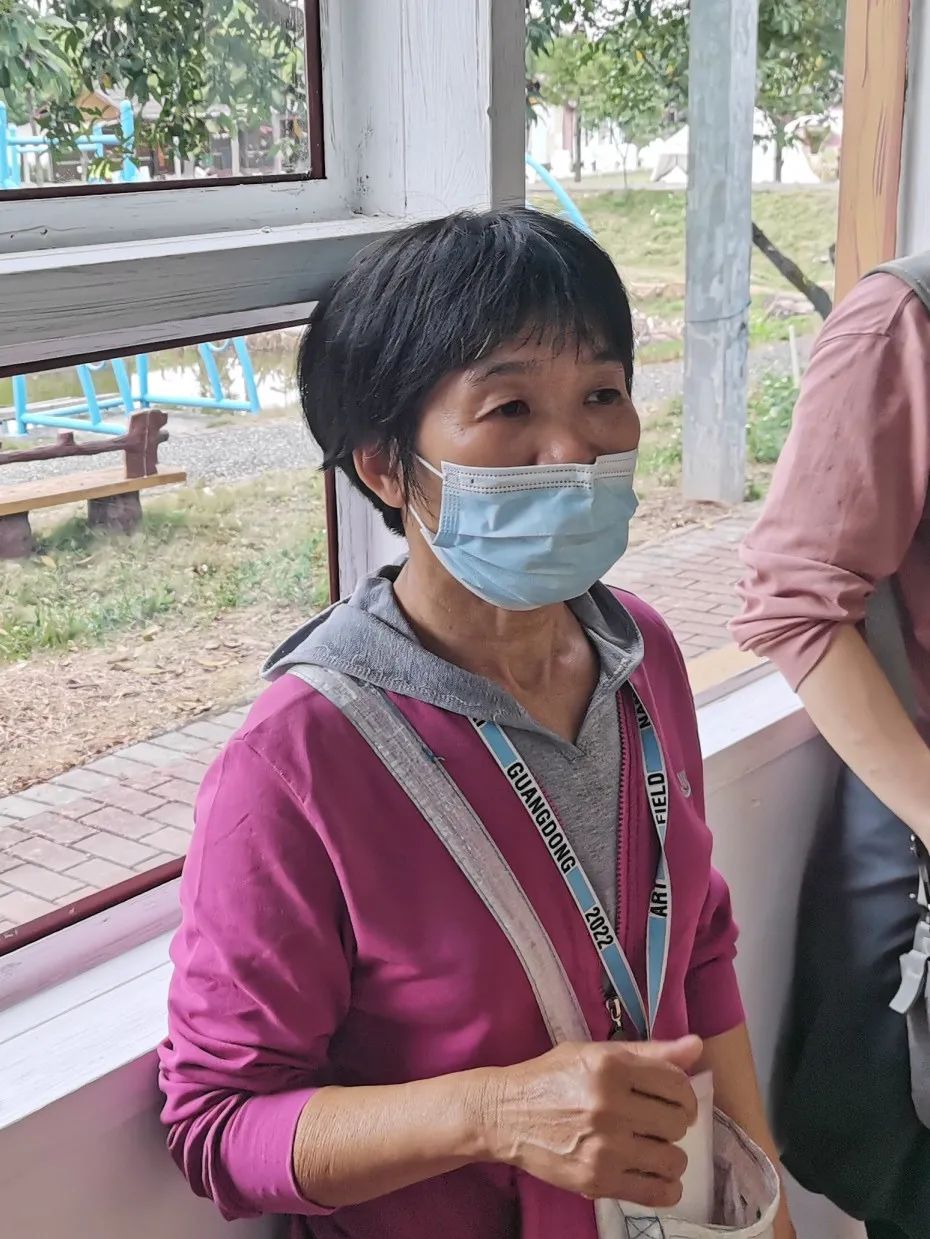
The Nanhai Earth Art Festival in Foshan brought Japanese curators and artworks, but what truly grounds “site-specificity” is the local volunteer aunties who log empty-shell sales in the “Fake Supermarket”, deliver improvised commentary before the ironwork sculptures, and remember the cocooning mats they used being even denser than the exhibits’.
Yu Jiangang resigned in Beijing, returned to the village to raise silkworms and make silk comforters. Over twelve years, he watched two generations of young returnees drift further apart between ecological ideals and commercialisation, and ultimately concluded that true labour on the land is itself home.