In Niujiao Village, Jintang County, Chengdu, Tang Liang spent three years reuniting a migrant-work-scattered family, then ran a family farm. At a Foodthink sharing session, he reflects on ten-odd years, from emotional ties to heat-hit yields, asking whether smallholder families can rejoin livelihood with life’s meaning under urbanisation.
Department of Biological Sciences, Southwest University graduate, former white-collar worker, Tang Liang returned to Jintang County, Chengdu, in 2013, sustaining eleven on 30 mu. Per-capita monthly income barely reaches ¥2,000, yet each family member has found their place; the village gained free courses and benches for the elderly.
At Letian Haiwan Farm in Fengxian, local elders averaging over seventy are still tilling the land. After eight months alongside them, a Chinese-literature student found they mostly come for company and chat; the pay of just over ¥100 a day is the afterthought.
From tending the fire by the stove to leaning on a cane to visit his own grave, the granddaughter threads her childhood with her farmer grandfather through four farming proverbs—until, in early spring 2022, he passed away at home.
Meteorologist Wei Ke and scholars Liu Juan and Liu Jie point out: rural disaster preparedness falls short amid extreme weather; farmers cut planting due to labour shortages; ambiguous insurance settlements leave smallholders unable to secure compensation; and the left-behind elderly are pushed into ever greater vulnerability.
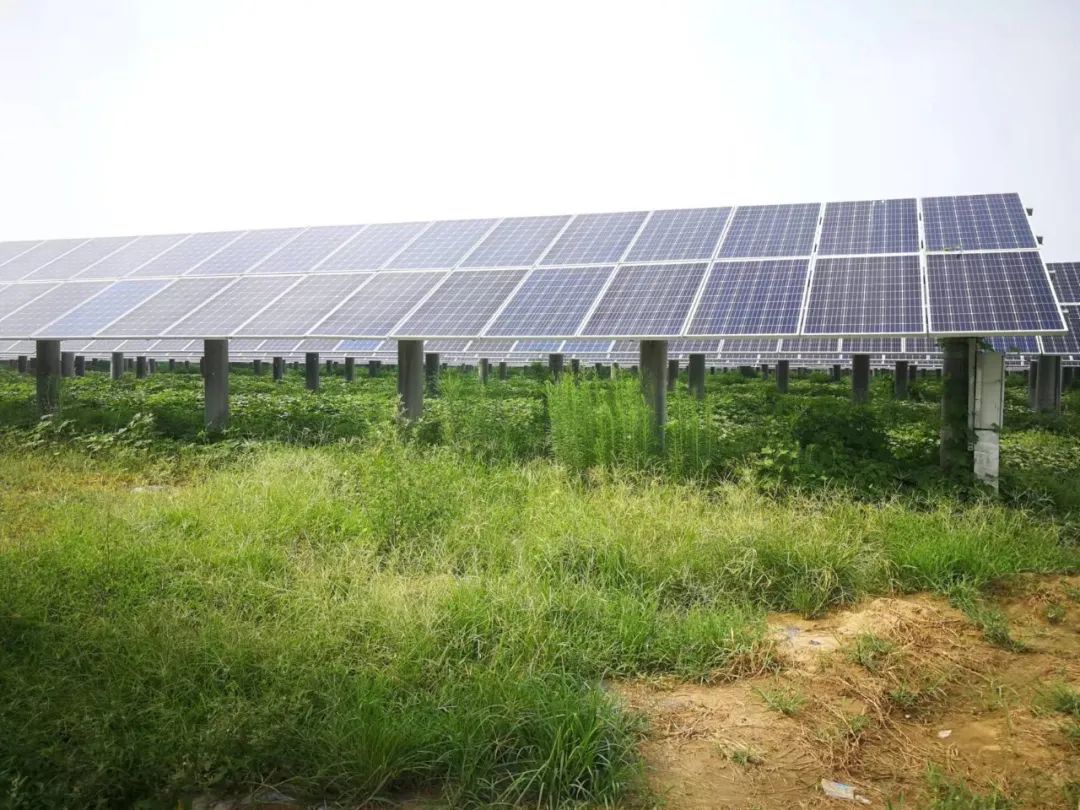
From two projects to over 400, exceeding 40 GW, China’s decade-plus agrivoltaics boom has been driven by surplus PV manufacturing capacity, not agricultural demand. Most sites see farmland abandonment or low yields under panels; arable land is occupied and farmers receive only land rent.
Under poverty-alleviation subsidies, farmers in Gong County (pseudonym) grow greenhouse vegetables—yet find no rest all year round, missing even Hakka ancestral hall gatherings. White lotus, despite lower returns, lets the whole family—old and young—each find their place.
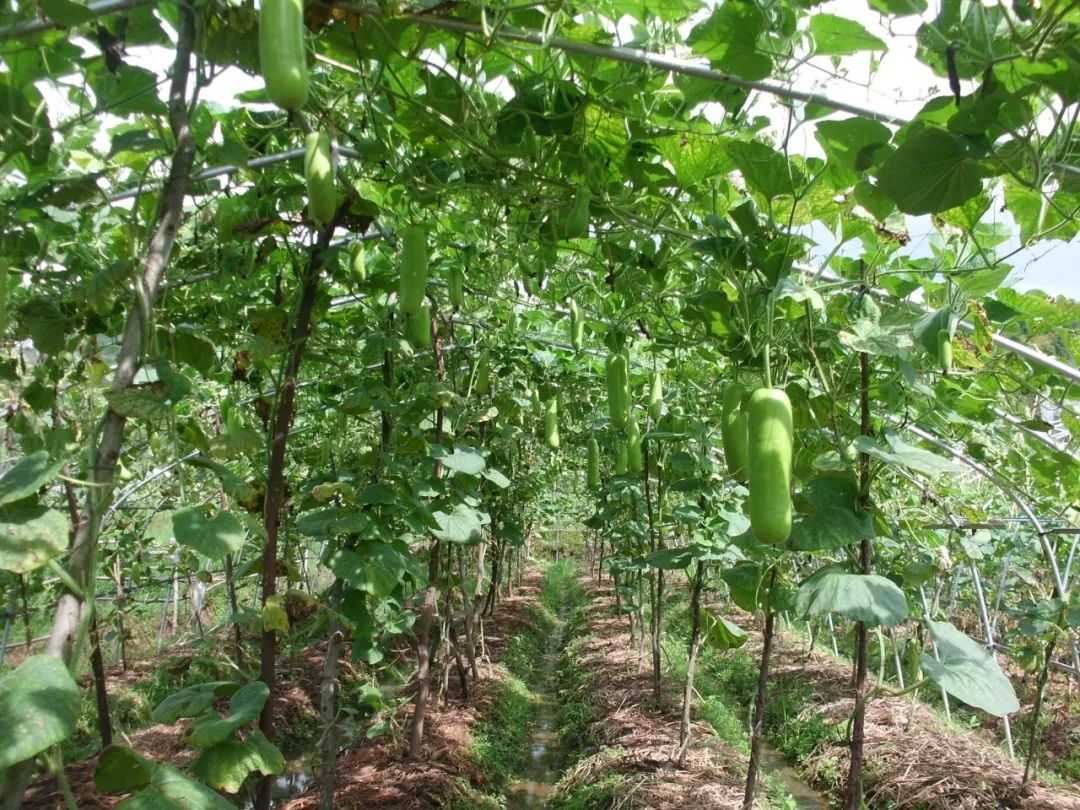
Despite 20,000–30,000 yuan per mu from greenhouses, Gong County farmers still grow rice and lotus—paddy fields have been taken over by linked greenhouses, costs become unsustainable once subsidies end, and skills and hiring demands do not suit the pace of the elderly left behind.
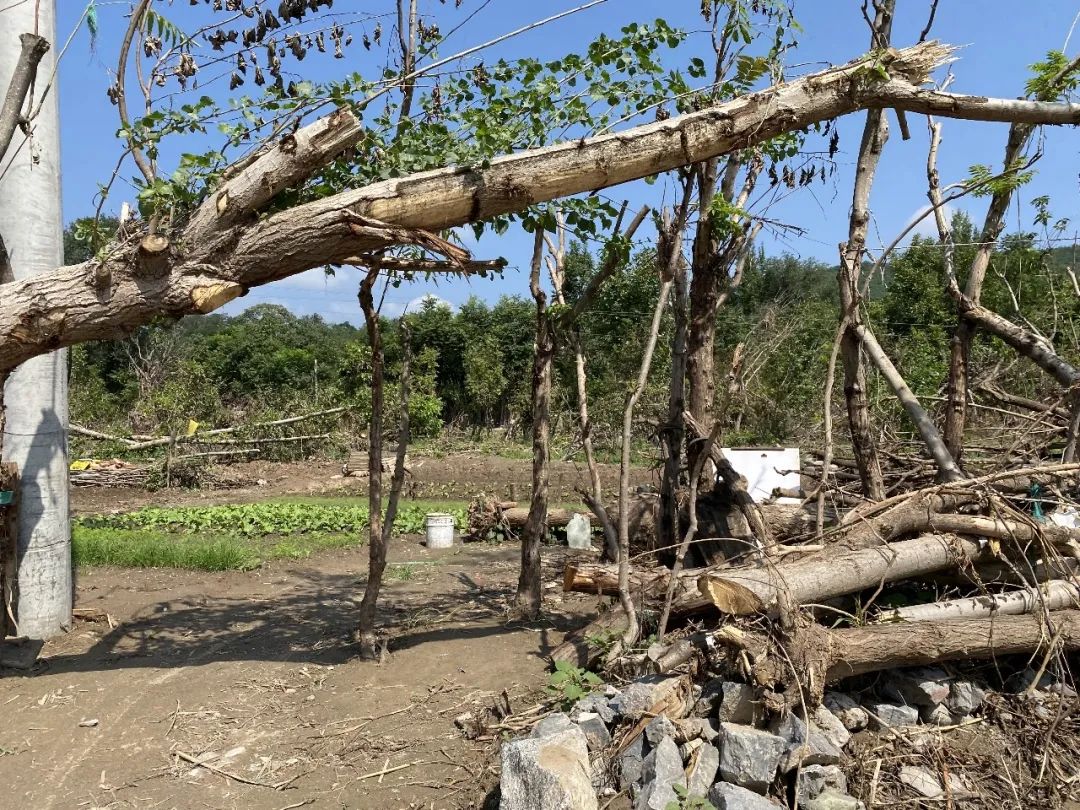
More than a month after the floods receded, the Longjiazhuang market reopened, yet nearly half the farmers’ east-side stalls remain empty. Aunt Li’s two mu of farmland lies buried under silt and debris. ‘People are fine, the land is done,’ she says. Compensation has yet to materialise.
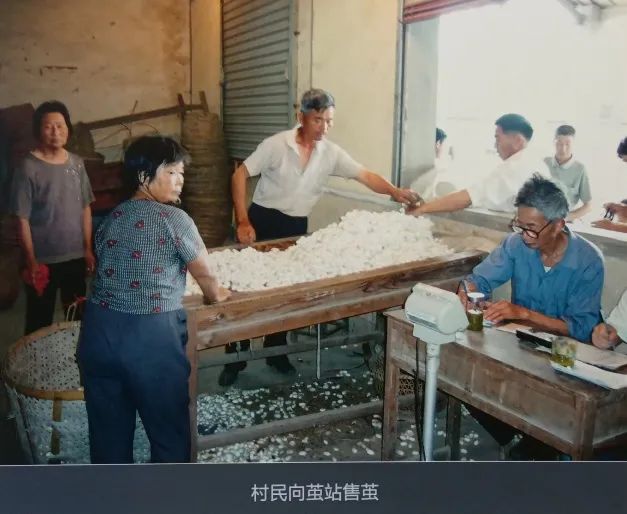
In 2011, Yu Jiangang resigned in Beijing and returned to Zhenghebang, Jiaxing. Tracing nearly a century of change in Kaixiangong Village, from silk rural reconstruction to factory-style rearing, he chose to sustain the vanishing silkworm-rearing tradition through his family’s handcrafted silk duvets.