
Art May Not Revitalise the Countryside, but Guangdong’s Aunties Can Revitalise Art
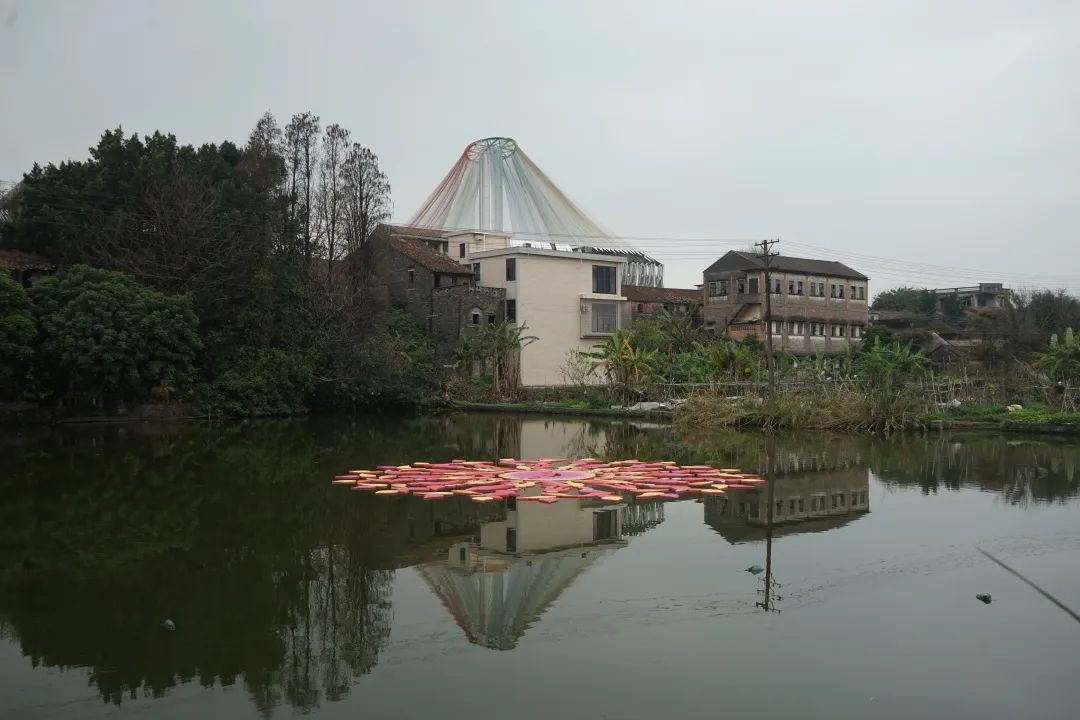
The Nanhai Earth Art Festival, currently underway in Foshan, Guangdong, has directly invited “the original” Japanese curator Fumio Kitagawa to oversee the project, and has commissioned a number of artists who have previously participated in the Japanese Earth Art Triennial. The media exclaimed: “So rural revitalisation can actually be this fun!”
Can rural revitalisation really just be “fun”? When artists and artworks come to the countryside, what kind of interaction do they truly have with the local environment, community and culture? How can farmers and rural areas actually benefit from art? Armed with these questions, Foodthink travelled to Foshan and visited the festival properly.
And yet after three days of walking through it all, our questions only multiplied…
I. Art or Commodity? Revitalisation or Gimmick?
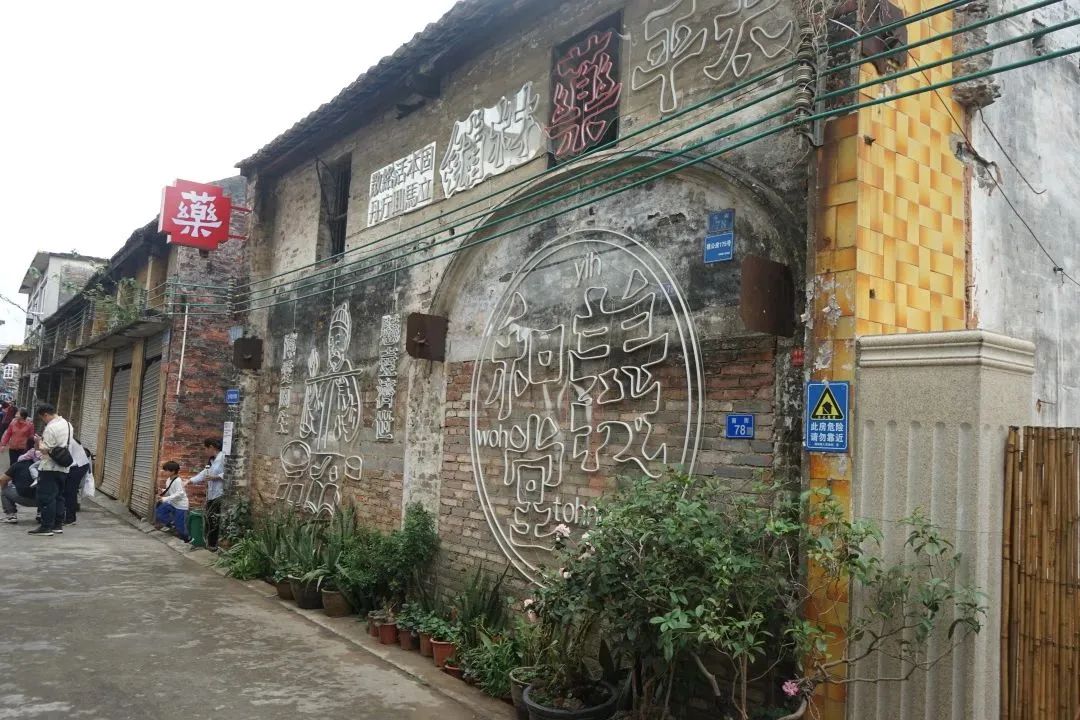
At the street’s entrance, we felt as though we had stepped into an abandoned film set: the buildings still stood, but nearly every shopfront along the street was shuttered – except those opened for the festival.
Only three shops were still operating normally: at Wenxing Pastry Shop on the corner, we bought every single item on the shelf (six products in all); at a small eatery whose main stock is instant noodles, we picked up a bottle of sour plum drink; and sadly, none of the three of us needed a haircut that day, so we could not patronise the old-school barber’s shop.
The other spaces that were open were all artist works brought in by the festival to “revitalise” the street.
Just as we were lamenting the decline of this traditional commercial street, we suddenly spotted a supermarket with shelves packed full – wasn’t that the famous artwork “Jiǎ Chāoshì” (“Fake Supermarket”)?
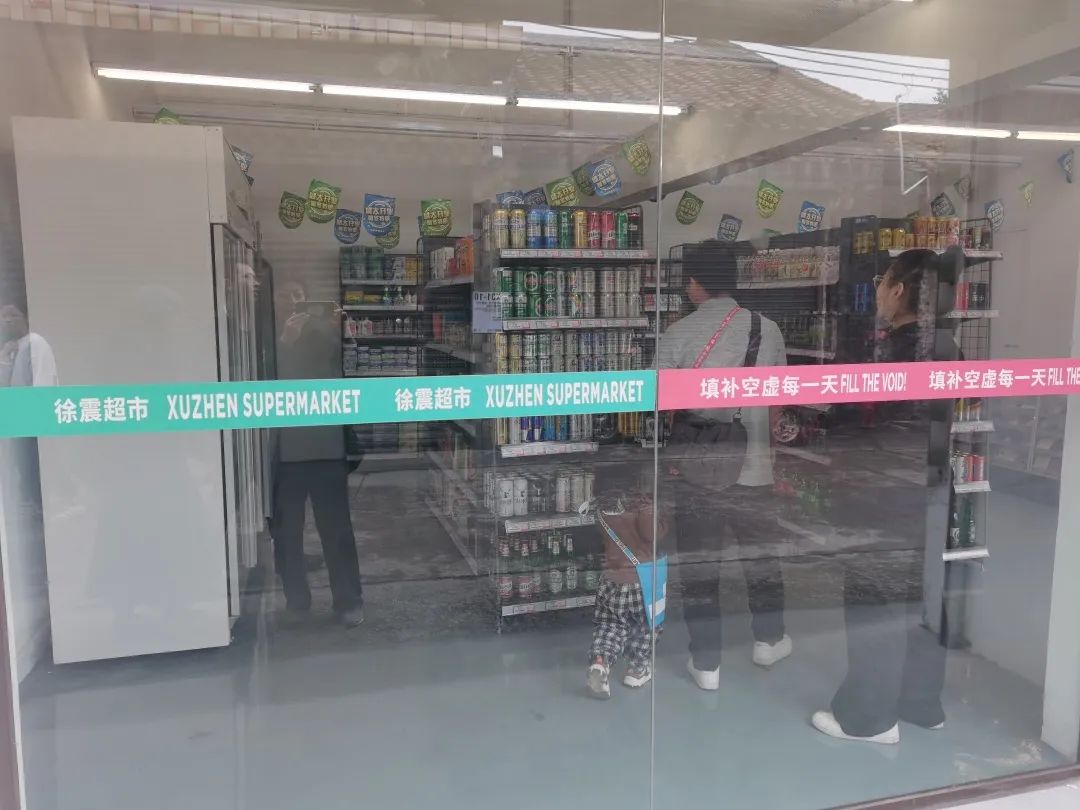

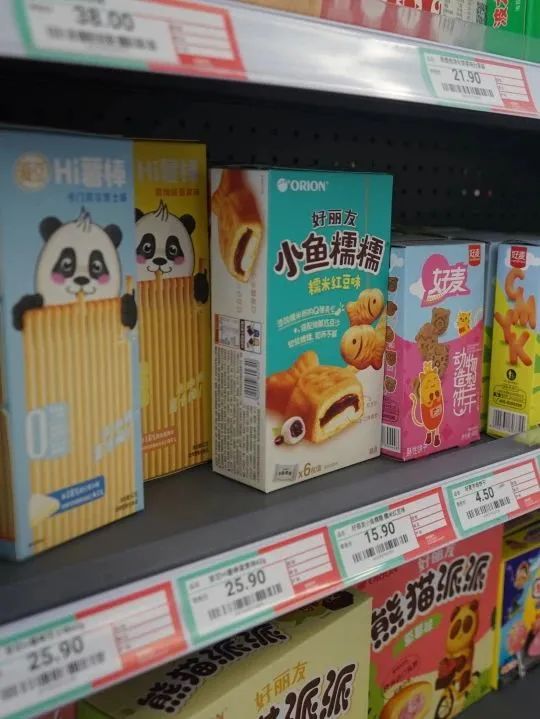
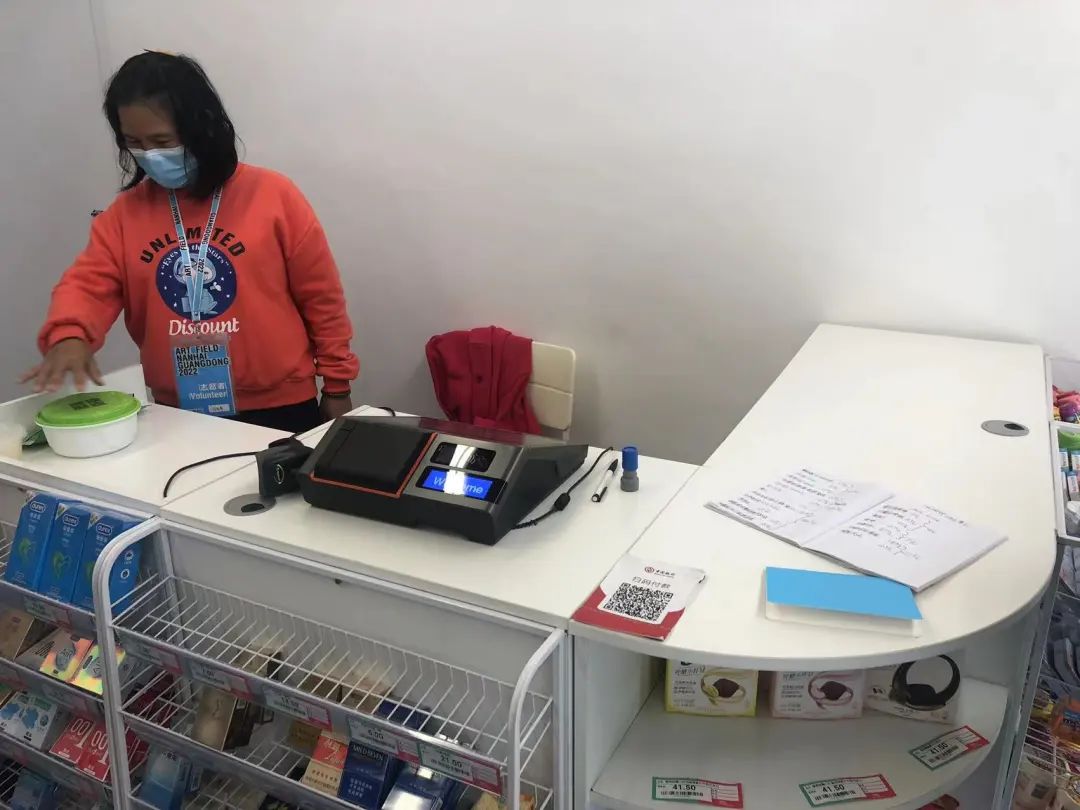
Sure enough, the products were nothing but empty shells. The auntie at the cash register, holding the festival’s stamp, warmly welcomed visitors: come on in and take a photo! Seeing tourists pick up an empty shell looking bewildered, she earnestly delivered her rehearsed explanation: it was satire of consumerism.
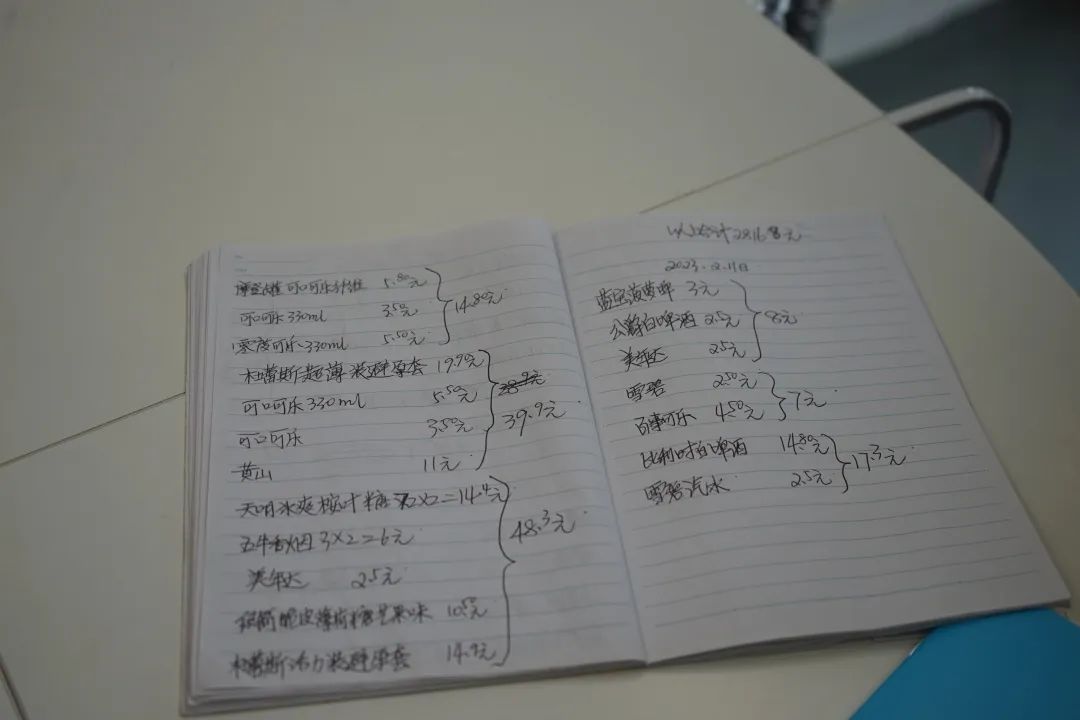
“But wait, Auntie – why do you have a ledger? Can people actually buy these things?”
The auntie beamed with pride: “Yes, we keep records every single day!”
As we flipped through the ledger and chatted: “Remarkable – selling empty shells alone, you’ve already taken over 100 yuan today!”
The auntie calmly uttered three words: “It is artwork.”
That icy, ironic humour is simply impossible to capture in words. Suffice it to say we were all in stitches. “Auntie, so what do you think an art piece is?”
“I don’t understand. If everyone understood it, this stuff would sell a lot. I’ve only taken two thousand-odd yuan since the festival opened, which proves most people don’t get it either. Art is very hard to understand!”
We thought the auntie had fully absorbed Xu Zhen’s golden phrase from an interview – “everything on display is a commodity; only what sells is art” – but the auntie proved us wrong.
We asked: “Would you buy one yourself?”
“No. If I brought this stuff home, it’d just take up my space! And look – the lids on these things are completely sealed. That means all surface, no substance. He wants to say that under today’s consumerism, we’ve already over-consumed.”
Hmm. Perhaps the artist himself, busy collaborating with luxury brands, should sit down for a conversation with this auntie about consumerism.
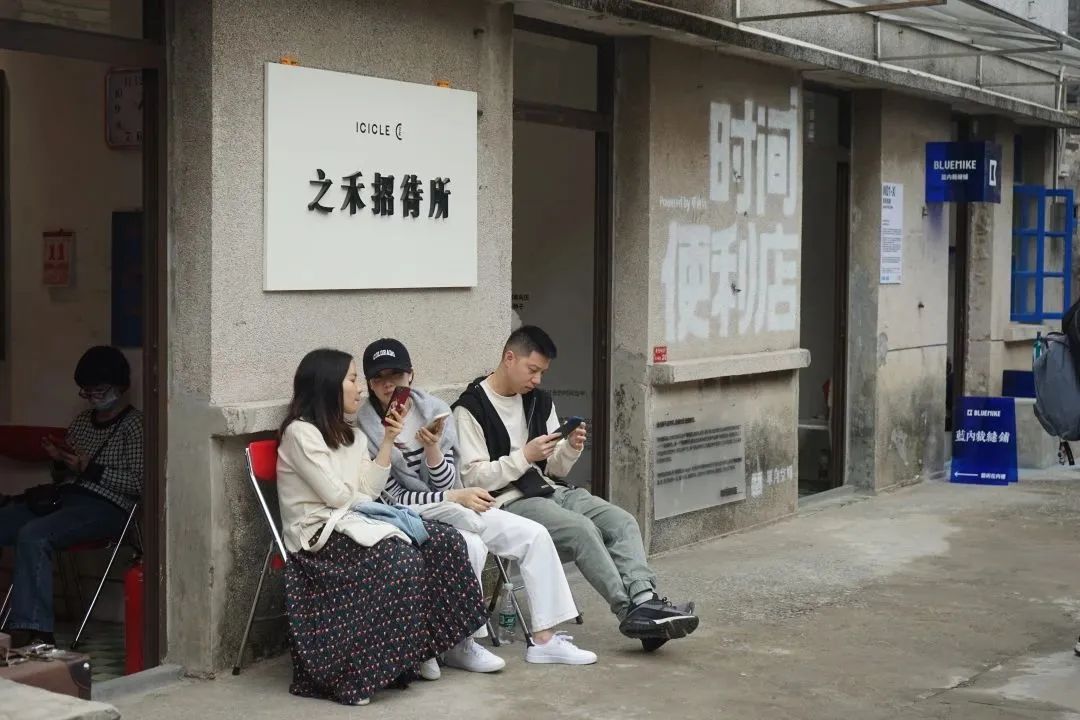
Whether local art can revitalise the countryside, we remain sceptical. What is beyond doubt, however, is that these local aunties and volunteers have revitalised the works they “explain”.
II. What Happened to All That Talk of “Site-Specificity”?
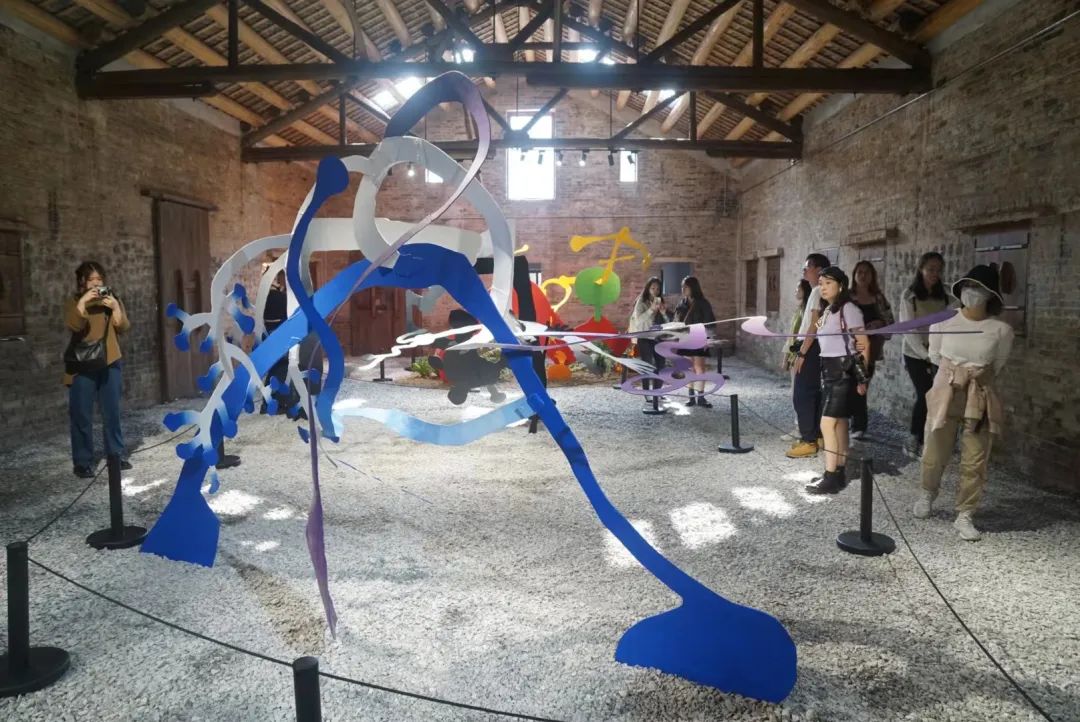
As my gaze bounced back and forth between the sculptures and their information panels, the volunteer auntie stepped in again.
“Have a proper look and you’ll get it! This mycologist one is easy – there’s a mushroom right on top! And why is this one called the ‘Dreamer’? I couldn’t tell you myself, but I can see it’s got black and white, so that must be day and night – you can only dream at night, after all!” Her easy tone was just like a coach-tour guide pointing out the scenery: “Everyone, look – doesn’t that mountain across the way look like a reclining beauty?” The visitors around us probably shared a knowing smile.
This self-appointed master of deconstruction must find it just as hard as we do to fathom why a work that drifted all the way from Japan ended up here. As a piece in the Earth Art Festival, it ought to speak to the “earth” – or at least to the surrounding community, culture and natural landscape. What they call “site-specificity” was, after all, the organisers’ original intention.
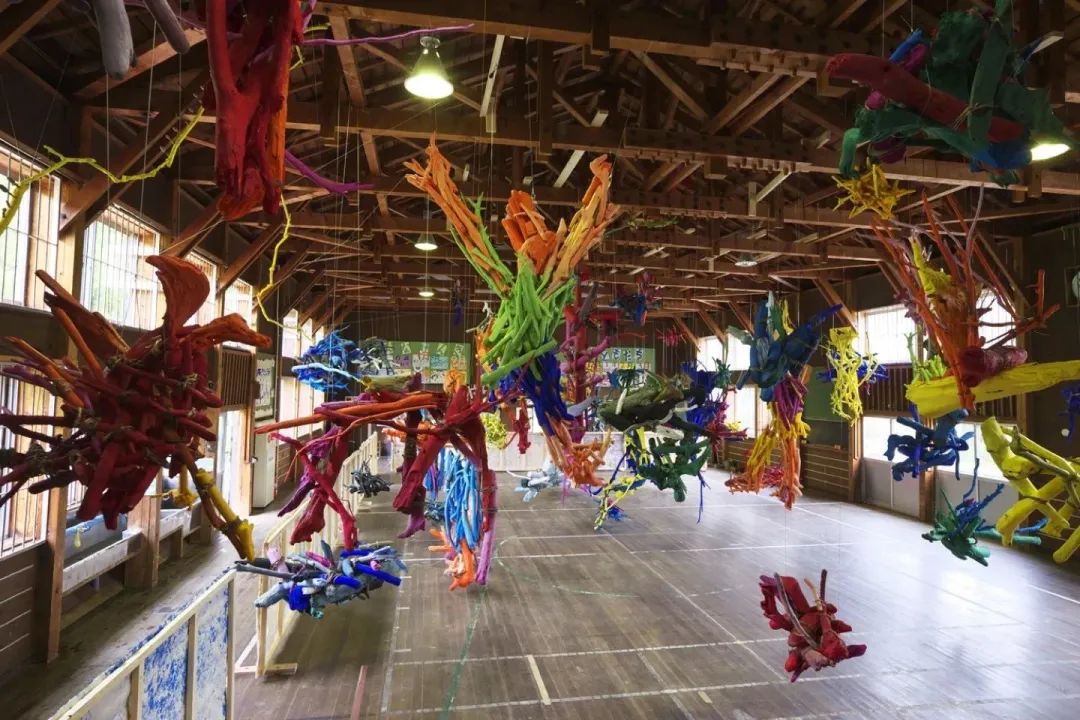
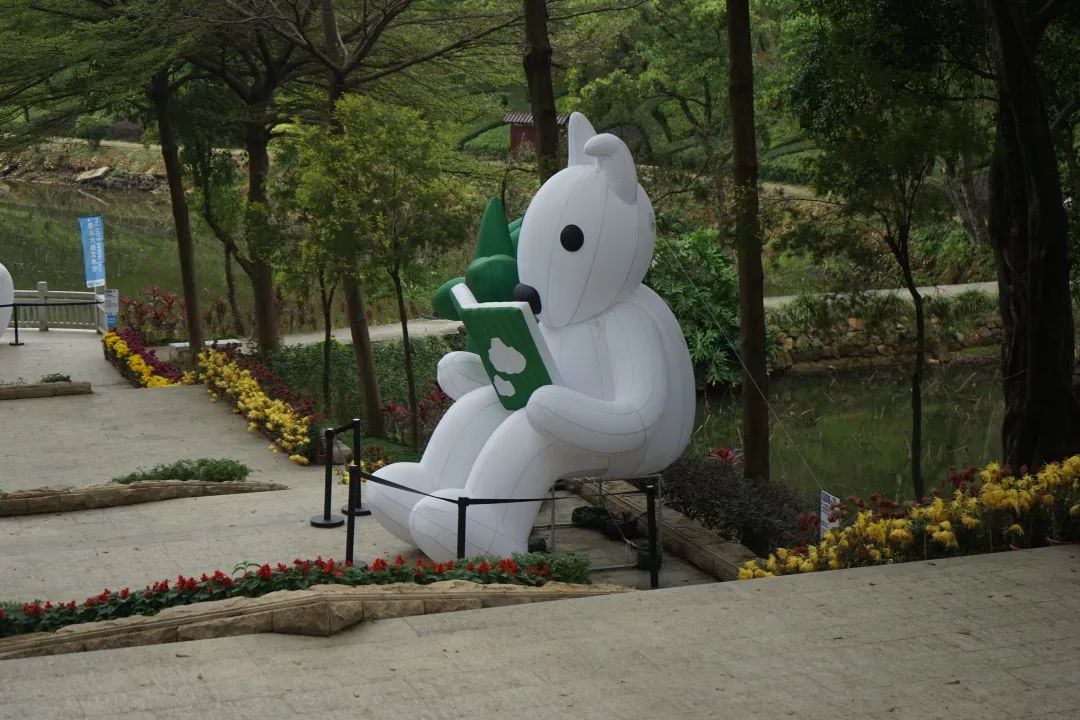
But this particular abstract ironwork piece does leave one feeling rather at sea. It is also a recurring weakness among some of the works this year – borrowed works in borrowed spaces. Some are fit for little more than a social-media check-in, with scant artistic merit to speak of. The quality is wildly uneven, and one can only call it deeply regrettable.

III. Artworks: Whose Meaning?
Because of the highly efficient cycling of matter within the system – mulberries grown on the dykes, mulberry leaves fed to silkworms, silkworm frass fed to fish, fish waste fertilising the ponds, and pond mud returned to nourish the mulberries – it is regarded today as a form of circular agriculture invented by our ancestors.
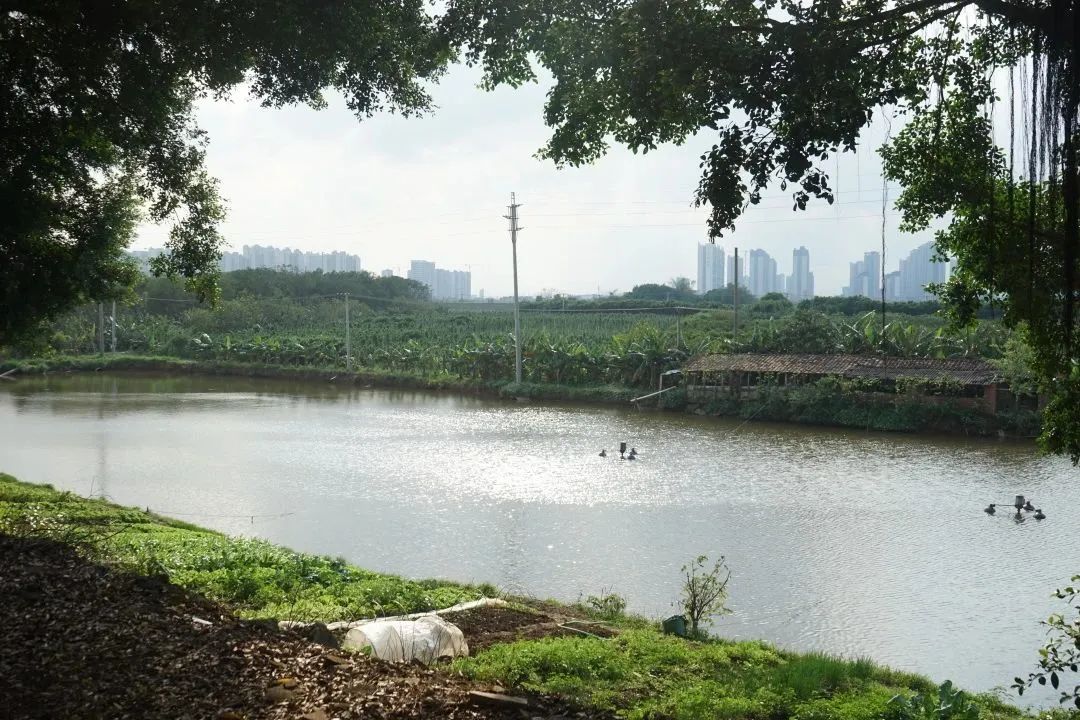
But local people tell us that no one continues to practise this mode of production any longer. The only trace left is this small stretch of fish ponds preserved within the scenic area, kept up for agritourism. And since it is the slack farming season right now, we saw neither fish nor silkworms, and could not use the visit to observe the local agricultural industry either.
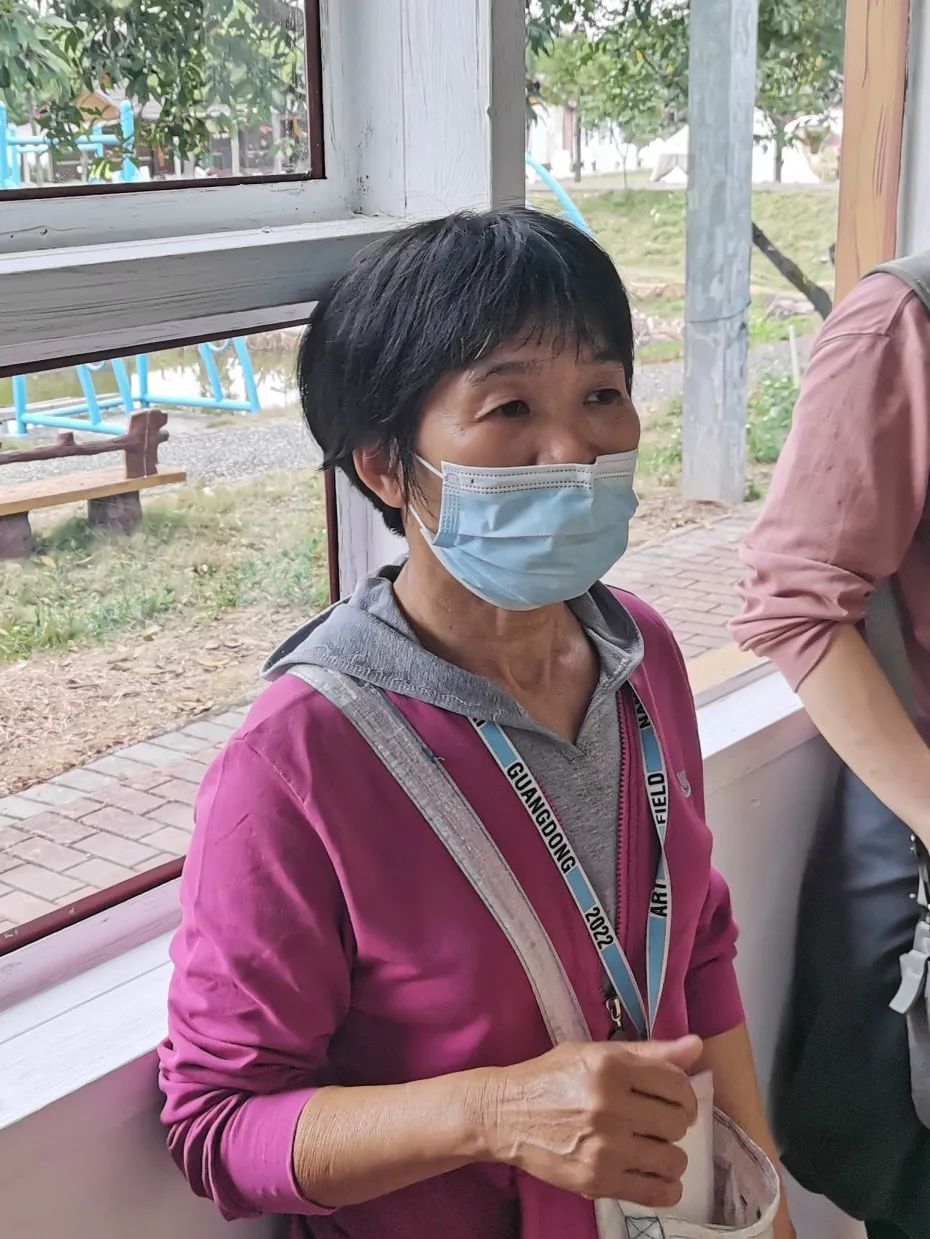
But here we encountered another treasure of a volunteer auntie. She had raised silkworms since childhood, until the local silk-rearing industry gradually died out after the 1990s. She said she liked all the works connected to “silkworms”, especially “The Book of Trays”.
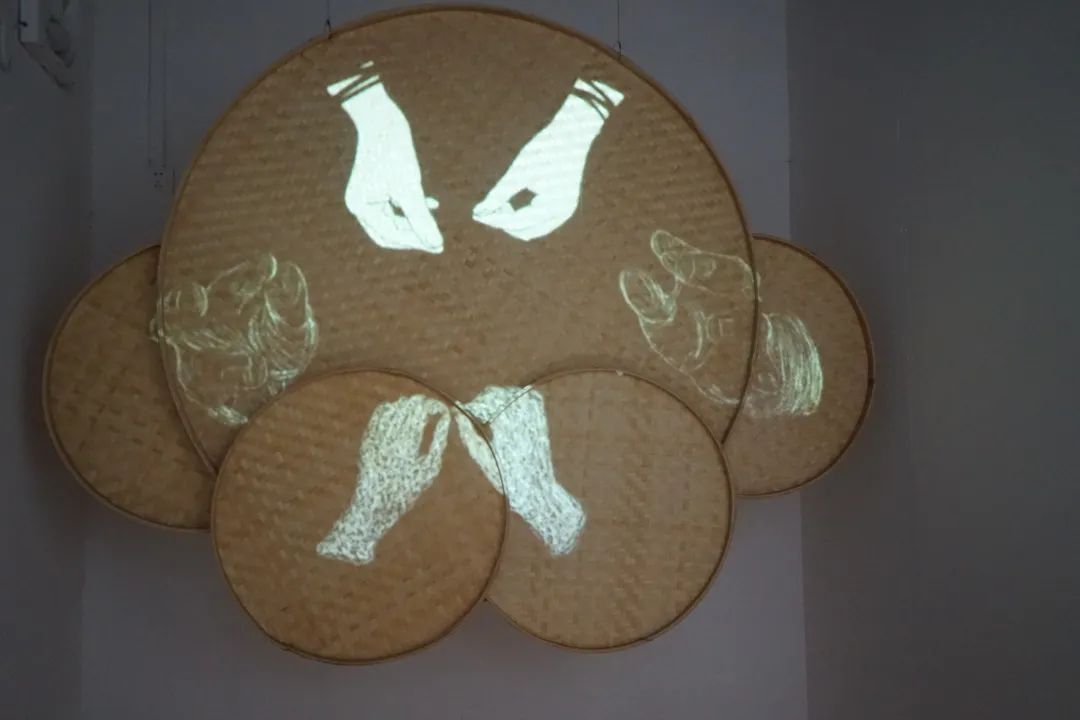
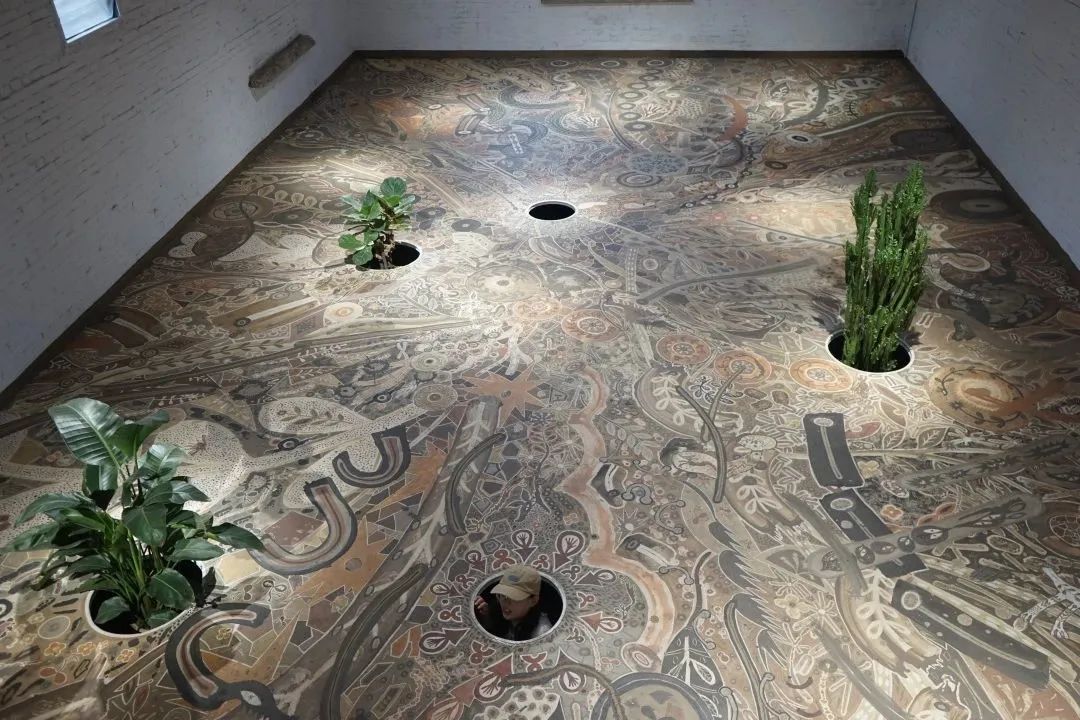
In this work the artist uses silkworm rearing trays – flat trays woven from bamboo strips, the containers in which silkworms are raised before they spin their cocoons. The artist projects hand-drawn animation onto the trays.
The auntie said that in the era of industrialised silk rearing, many steps in the process could be mechanised, but the silkworm rearing tray remained as hard to substitute as it had been in the old days of handcraft.
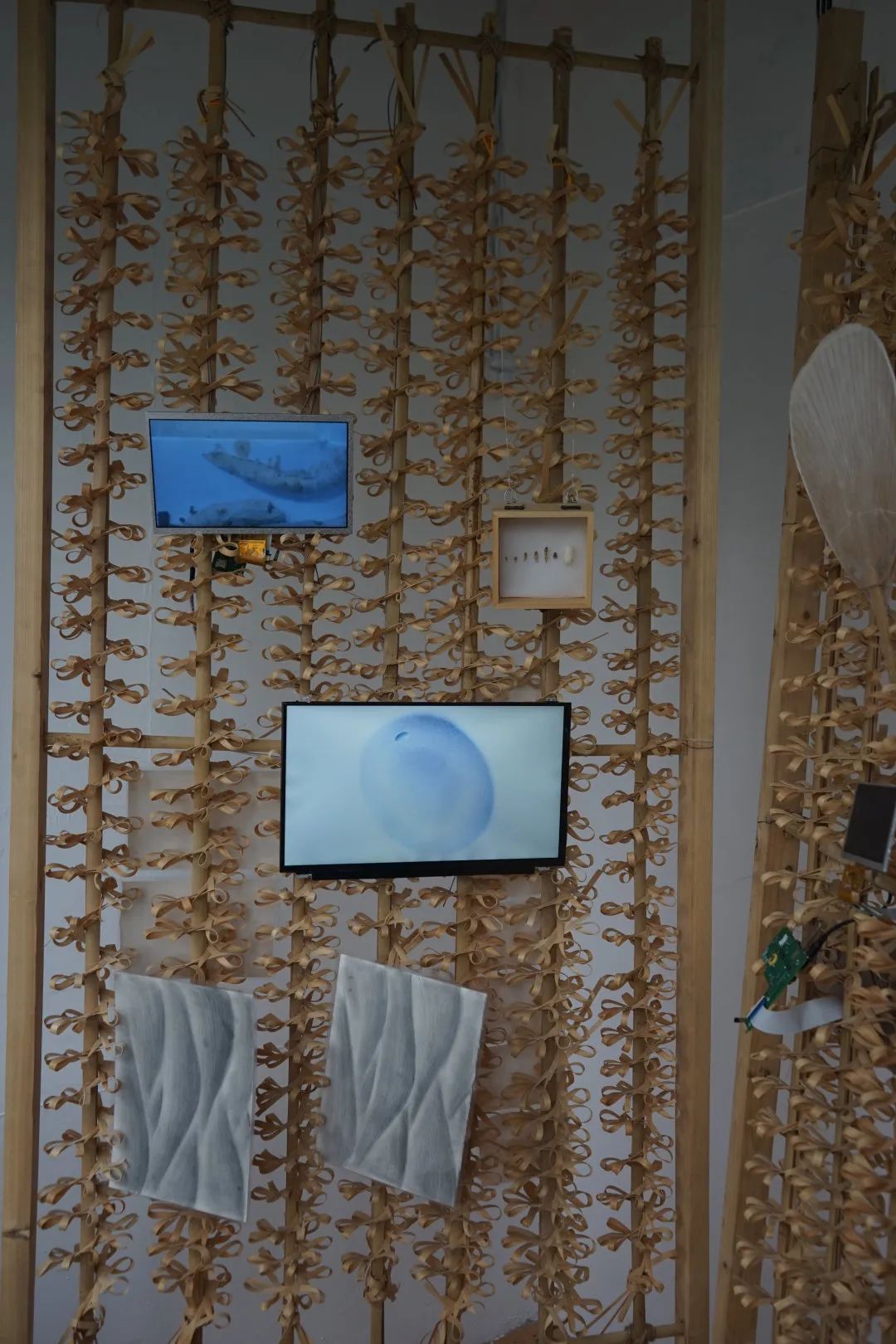
Another work she liked was called “Silkworm Room Project”, in which the artist used cocooning mats – flat bamboo frames on which silkworms spin their cocoons.
The auntie explained that she loved these two works because objects like silkworm rearing trays and cocooning mats were deeply familiar to her. She added that the mats they had used themselves back then were actually finer-meshed than the ones used in the artwork.
We asked whether anyone still raised silkworms now. She replied: “It’s just history. No one does it any more.” A few people in the village still work in agriculture, but only the aquaculture half of the mulberry-dyke fish pond system remains – silkworm rearing has completely vanished. The nearby Nanhai Silk Factory is still in operation, but the silkworm cocoons it requires are now brought in from elsewhere.
Other aunties we spoke to also told us that the environment for raising silkworms must be extremely clean, or the worms easily fall ill. Since industrial development took off in the Pearl River Delta in the 1990s, air pollution has worsened, making it very difficult for today’s farmers to resume silkworm rearing even if they wanted to.
IV. So What After the Criticism?
If art is to document a culture and way of life that has already passed, we want to see genuine reflection and action behind it, rather than hypocritical dancing on a grave.
If art is to contribute to rural revitalisation, we want to see it unearth and nurture the endogenous strength and culture of the countryside, rather than merely manufacturing Instagrammable spectacles to boost tourism.
We believe that the land and the people who labour upon it are art in themselves. If the Earth Art Festival’s curators and artists work divorced from this foundation, not only is site-specificity meaningless, but the Earth Art Festival can hardly distinguish itself from a gallery.
We thank the local volunteers we met at the festival – especially the passionate aunties – who showed us where the countryside’s true vitality and value truly lie, beyond the art itself.
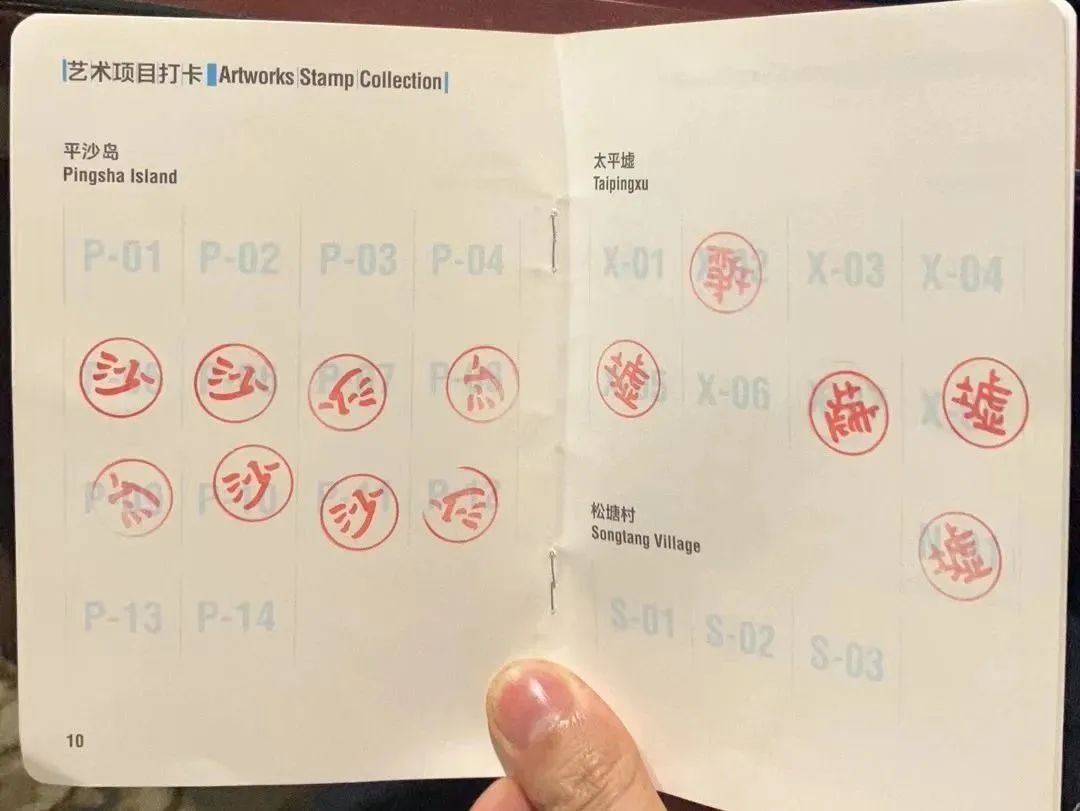
A friendly final reminder to readers planning to visit: please guard your festival “passport” carefully.
Unless otherwise stated, all photographs were taken by Shitong Jun.
Editor: Shitong Jun