Foodthink’s second Ecological Agriculture Internship Programme has connected 21 young people — journalists, programmers, chefs, and university students — with nine ecological farms across the country, where they are rediscovering food and the land through turning soil, raising seedlings, and composting.
The Dutch nitrogen-reduction policy has put farmers in the dock, yet Rabobank and agribusiness giants like Cargill truly drive—and profit from—high-density intensive farming. With over 40% of farmers below the poverty line, cow dung is merely the most conspicuous scapegoat in the nitrogen crisis.
Since returning home in 2011, Yu Jiangang has resumed ecological cultivation of Hangzhou white chrysanthemum in Zhenghebang, Tongxiang. Six years of typhoons, extreme heat and a partner’s total crop failure have left only this one mu still farmed by a villager.
Miyun’s Feiniao yu Mingchong founder Yifang, Xiao Yunsheng of Beijing Organic Farmers’ Market, host Xiao Jing – three mothers on what a farm can give children. A seed planted, a peach ripening naturally, uncertainty of “relying on the heavens for a living”: a sense of reality no desk offers.
More than ten young people in Foodthink’s 2023 cohort in the Ecological Agriculture Placement Programme have given their answers: some to reclaim the childhood taste of vegetables, some to master growing knowledge at the front line, some to understand agriculture and the land anew through their bodies.
Ma Yanwei, a Beijing Normal University ecology master’s graduate, has grown muskmelons in the Tengger Desert for eight years. Lei Tiantian, who left Shanghai, interned on the farm. The three chat under a tree in Alxa about drought, running the farm, and how one melon improves the desert.
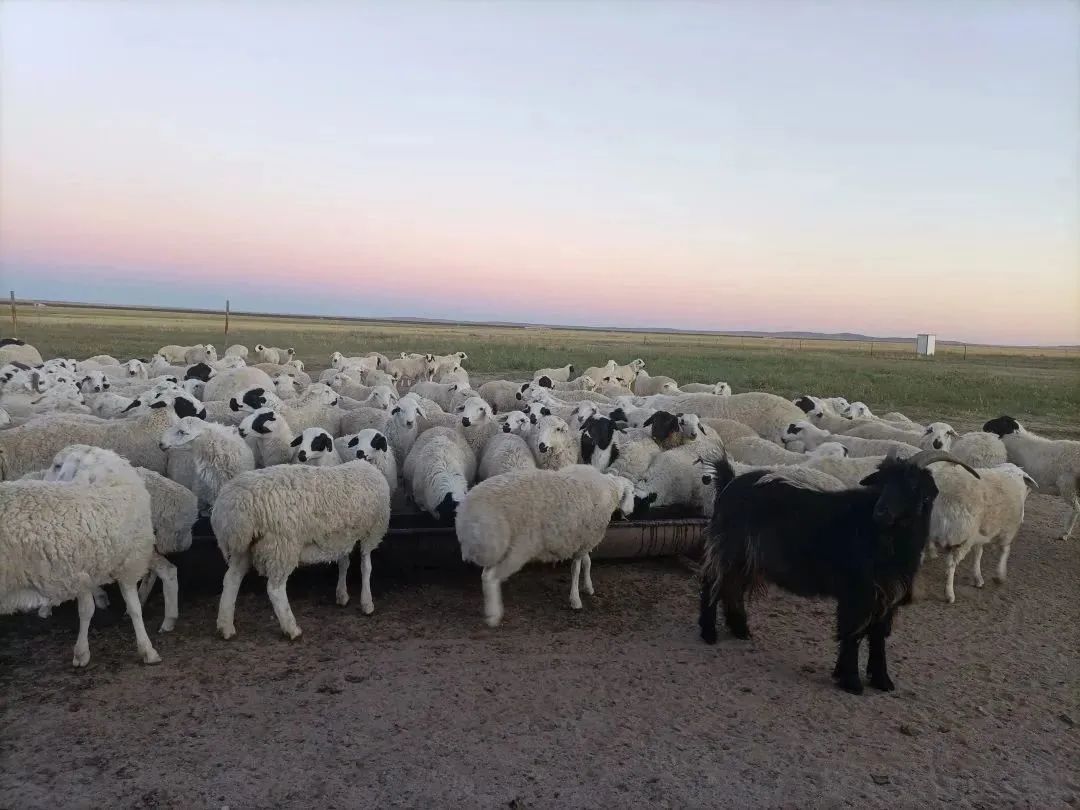
Introduced stud rams like Suffolks and Dorpers are vastly larger in frame than Ordos Fine-wool ewes, so difficult births from uterine torsion are frequent. Vet Dayang in S Banner averages forty to fifty Caesarean sections a day, yet herders often delay calling him while trying traditional remedies.
On a hundred-acre farm beside a creek in the Ohio River valley, Xiaotang and Xiaowen grow shiitake using the sawdust cultivation method to supply about ten local restaurants, while underground, mycelium quietly intertwines tree roots, wildflowers, and everyday life.
Foodthink’s Ecological Agriculture Internship Programme drew nearly a hundred applications. over ten young people with no agricultural background, including Chaoyan, Guojing and Mubai shared why they left IT, finance, academia, catering or pharmaceuticals to learn to farm in the countryside. Fifteen are about to start their farm internships.
Xiaowen clones mycelium on agar plates in a little cabin by the stream; husband Xiaotang hoists ninety-pound oyster mushroom columns bare-handed. While button mushrooms in North American supermarkets haven’t changed their genes in forty years, the couple guards a hand-powered workshop, outside the assembly line.