Two of herder Dalai’s sheep refused food or water; Station Chief De made two days of calls, but the metal detector found nothing. A necropsy finally confirmed the cause: the sick ewes had swallowed wire broken from the fencing — the flock’s pregnant ewes fell ill in turn.
Four interns from Foodthink’s first ecological agriculture internship cohort recall at the Open Day how six months working the land — from Yinlin Farm to Yuefeng Island Organic Farm — changed their views on food, labour intensity, and life choices.
Supported by Friends of Nature’s Linglong Programme and Foodthink, the team visited 30 ecological smallholder farmers across five provinces and municipalities, recording their practices for responding to extreme weather and the external barriers—funding, insurance—they face, filling a research gap on Chinese smallholder farmers’ active climate adaptation.
Between Yangcheng Lake and Kuilei Lake, Kunshan’s Yuefeng Island Farm manages 101 rice and 113 dryland farm varieties through zoned trials and growth-stage records. Extreme weather prevented 25 varieties from producing saved seed; the farm is now turning old seeds into table products to sustain conservation.
Lei Tiantian, who fled Shanghai to intern at Zhiliangtian Farm, chats with founder Ma Yanwei in the Tengger Desert: growing pumpkins, picking shacong (sand leek)—what kind of life do this generation of ‘new farmers’ actually lead?
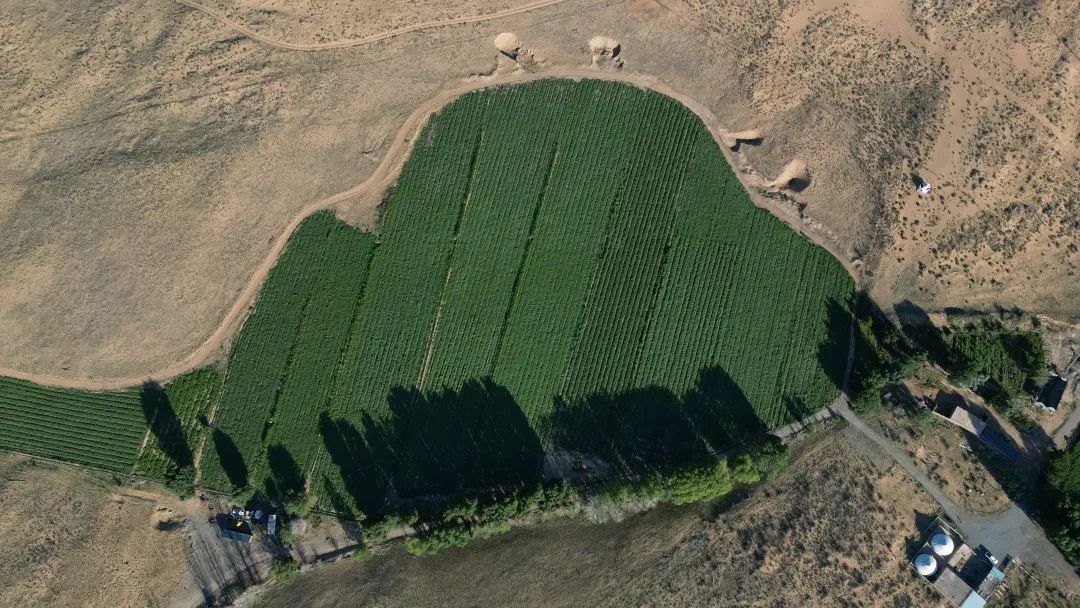
At Zhiliangtian Farm by the Tengger Desert, each vine keeps one melon — a mere twelve hundred jin per mu. Four and a half months working Alxa’s land made me truly grasp farm owner Ma Yanwei’s point: improving soil and keeping groundwater sustainable matters more than producing ingredients.
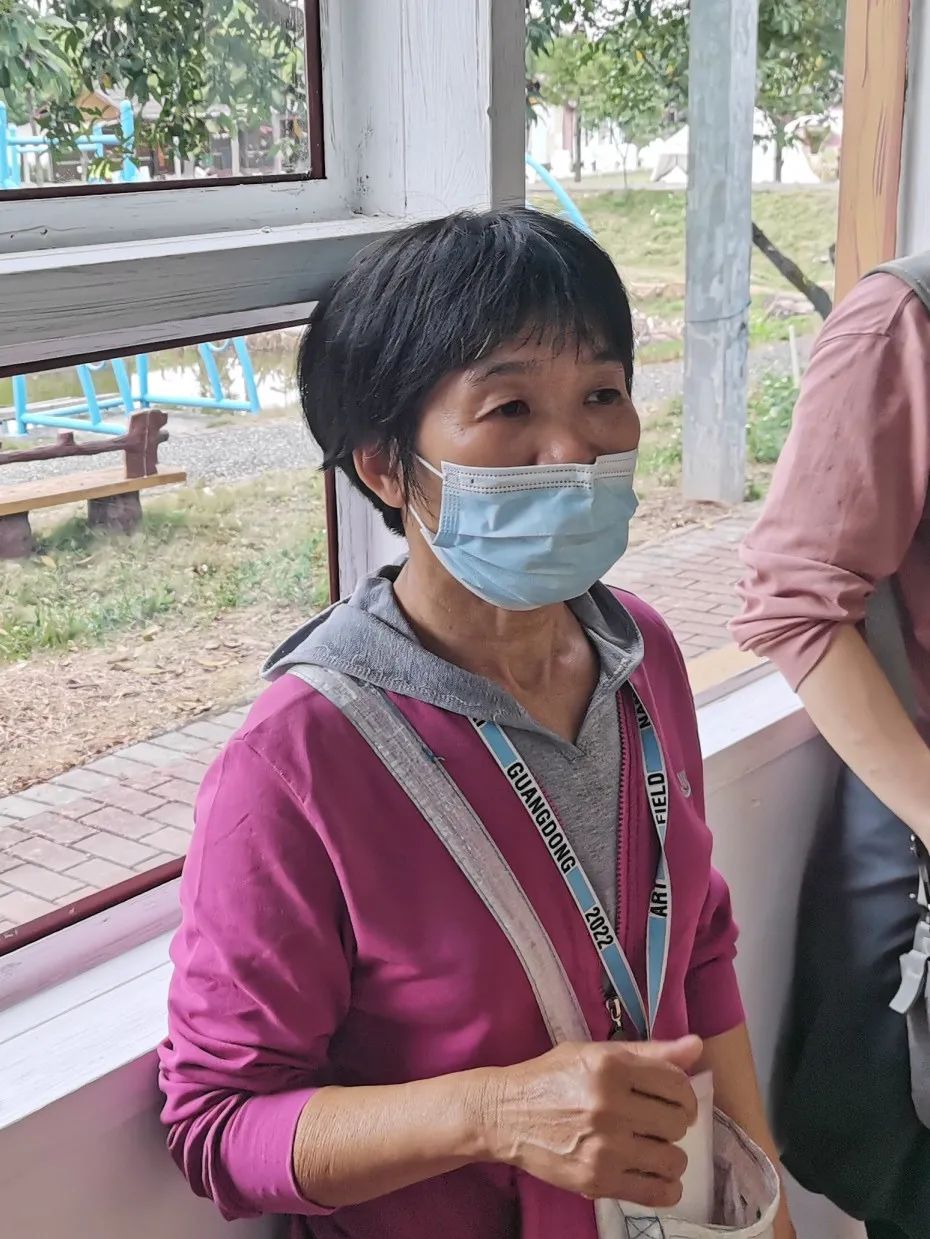
The Nanhai Earth Art Festival in Foshan brought Japanese curators and artworks, but what truly grounds “site-specificity” is the local volunteer aunties who log empty-shell sales in the “Fake Supermarket”, deliver improvised commentary before the ironwork sculptures, and remember the cocooning mats they used being even denser than the exhibits’.
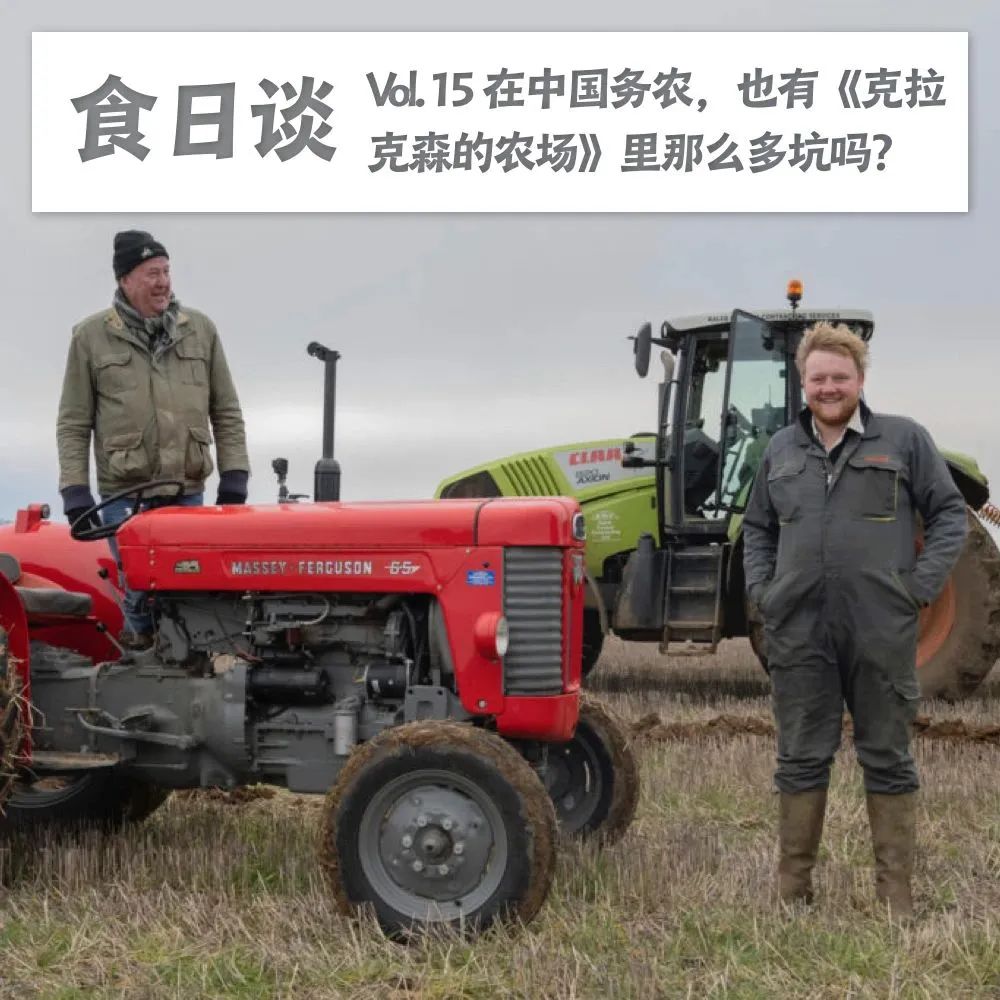
Jeremy Clarkson ploughs with a Lamborghini tractor, herds sheep with drones, yet his annual net profit is just £144 – do the same pitfalls await farming in China? And how does the UK’s social support for agriculture compare with Chinese farmers’ circumstances?
Extreme heat has left strawberries all leaf and celery tough and stringy; continuous rain has flooded Pingren Farm three or four times. At Changping and Lingqiu, farmers sow grass to stabilise slopes, raise natural enemies in polytunnels, and apply biofertiliser after flooding — adapting to increasingly unpredictable weather.
A former programmer interned at two family farms in Pidu and Meishan – tilling soil, making compost, sun-drying pastes, packing vegetable boxes – and glimpsed the true face of returning to the land through the daily labours of Hu Xuemei and Chen Ying.