
The Village’s Last Mu of Hangzhou White Chrysanthemums
“I have an idea, but I don’t know whether it would be any use saying it.”
Her mother-in-law and the former steward both turned to stare at her in unison.
She went on: “In our household, spring is the busiest time, but by autumn we have little to do. Why not use that time for the Hangzhou white chrysanthemum trade? It’s brewed and drunk just the same, and some people even like to drink chrysanthemum in place of tea!”
“It’s not as though we haven’t thought of this before. But Hangzhou chrysanthemums are grown mainly in Tongxiang—who would go and see to it?”
“I have a relative who happens to grow Hangzhou chrysanthemums in Tongxiang. All the arrangements could be left to him.”
— Wang Xufeng
The Tea People Trilogy: Fine Trees of the South

I. Chrysanthemum Township, No Chrysanthemums
The production area for Hangzhou white chrysanthemum, protected under a national geographical indication, is precisely defined: between 30°28′18″ and 30°47′48″ N, 120°17′40″ and 120°39′45″ E, encompassing ten towns, townships and subdistricts within the Tongxiang administrative area of Zhejiang Province, including Tudian Town, where our chrysanthemum garden is located.
When we, those born in the 1980s, were in primary school, there was a textbook called Local Knowledge in which sixteen characters captured the essence of our hometown: “Seat of Silk, Land of Fish and Rice, Realm of a Hundred Flowers, Abode of Culture.” The “Realm of a Hundred Flowers” referred to the magnificent spectacle when Hangzhou white chrysanthemums were in full bloom.
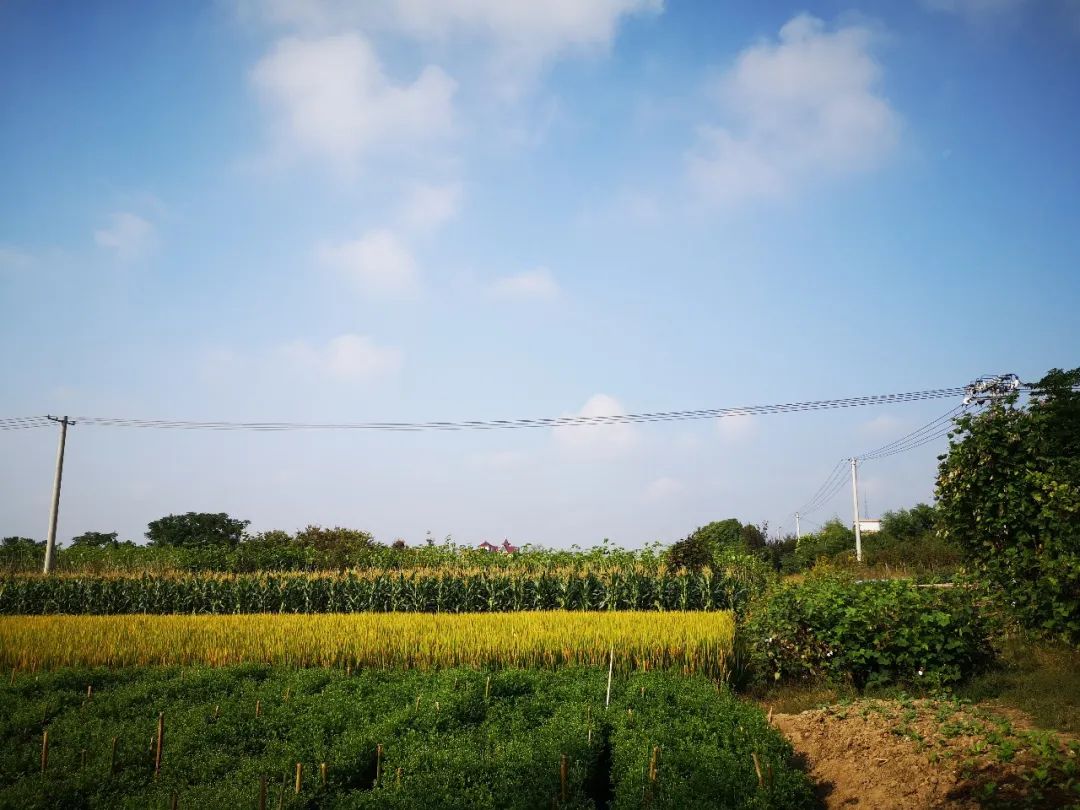
The chrysanthemum roots can weather the bitter cold of the previous winter, down to minus five degrees, and come next spring, vibrant green shoots once again emerge from the withered black stems. And so, year after year, this resilient and beautiful plant has continued to flourish on the land south of the Yangtze for centuries.
The craft and process behind authentic Hangzhou white chrysanthemum are intricate.
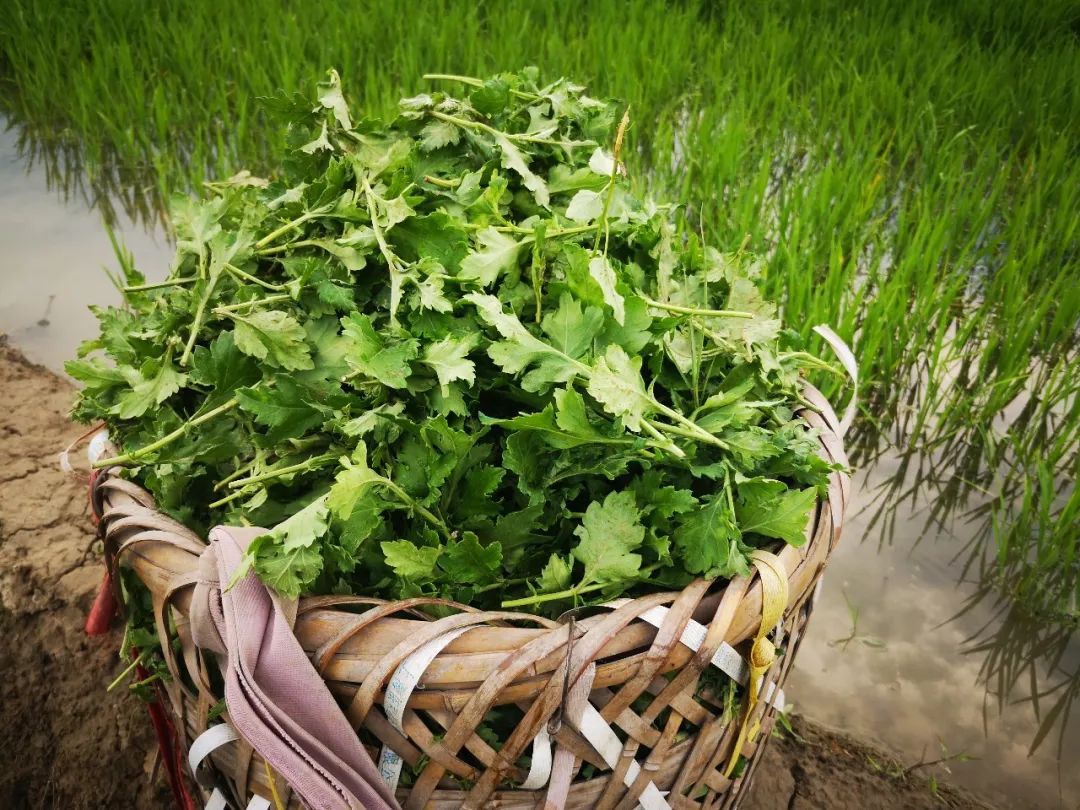
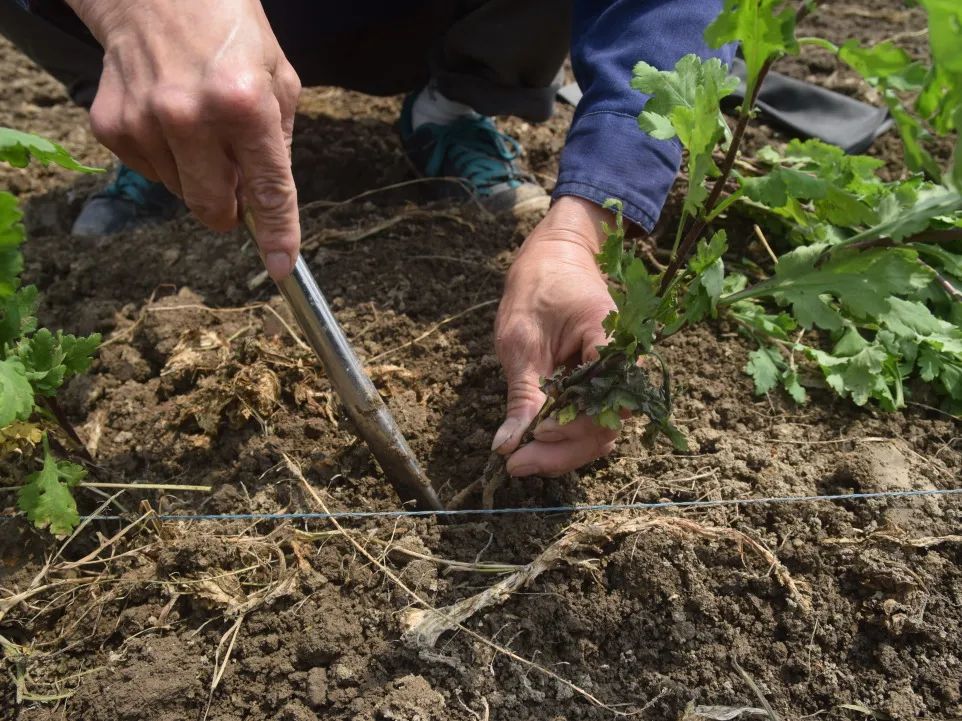
Unlike tea, which is a perennial, Hangzhou white chrysanthemum, as an annual herbaceous plant, must be transplanted and propagated from stem cuttings afresh each year. The labour and management of the chrysanthemum fields, from March to November, span nearly the entire year: March is for tilling the soil, April for taking stem cuttings, May for layering, June and July for topping (pinching off the tips), August and September for weeding, and October and November for picking.
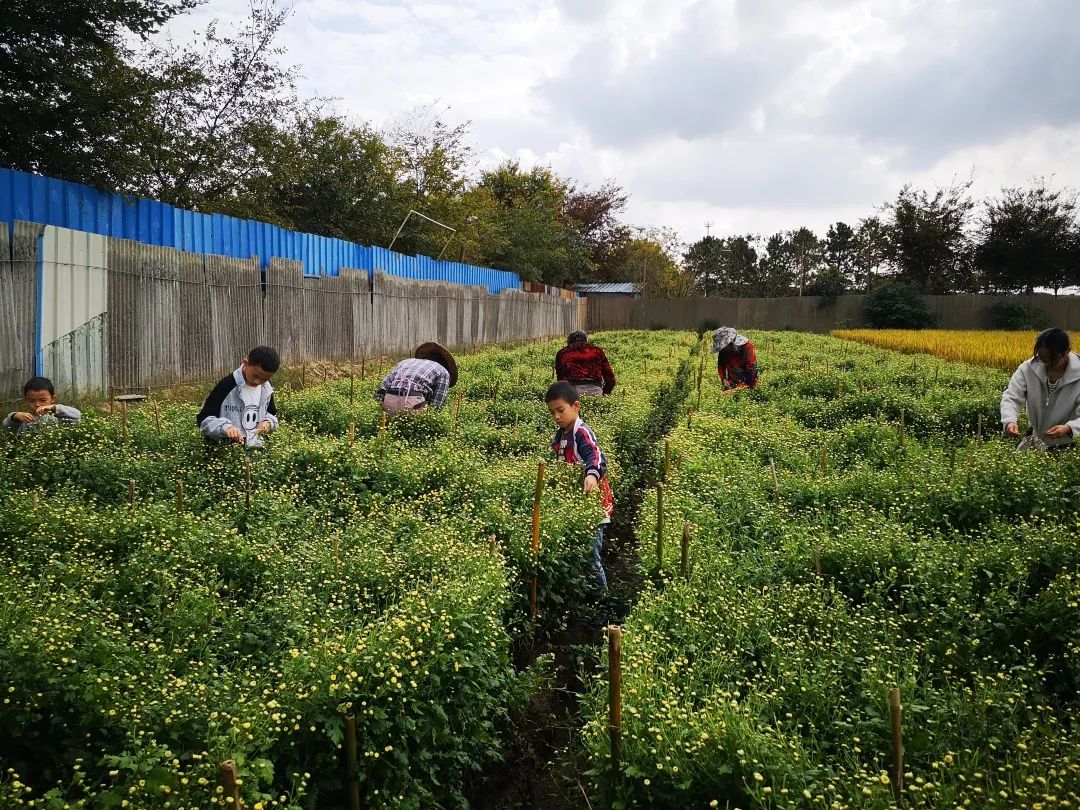
The reality of chrysanthemum picking is far from Tao Yuanming’s carefree ease. One mu of Hangzhou white chrysanthemums requires four or five pickers. Picking by day, processing by night. The making involves firewood, fixing, sun-drying, oven-drying and so on. From dawn to dusk, an entire month of toil.
Tongxiang’s traditional processing techniques for Hangzhou white chrysanthemum were inscribed on the Provincial Representative List of Intangible Cultural Heritage as early as 2012; the cultivation system was also included last year in Zhejiang Province’s first batch of Important Agricultural Cultural Heritage resources.
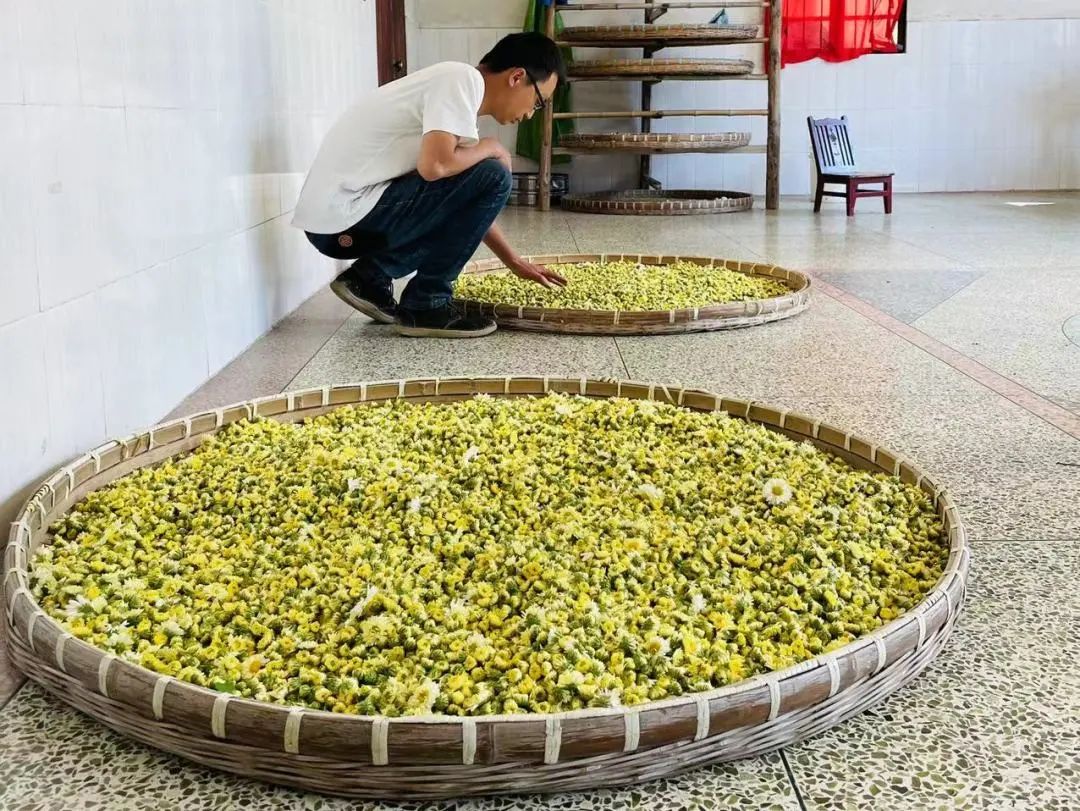
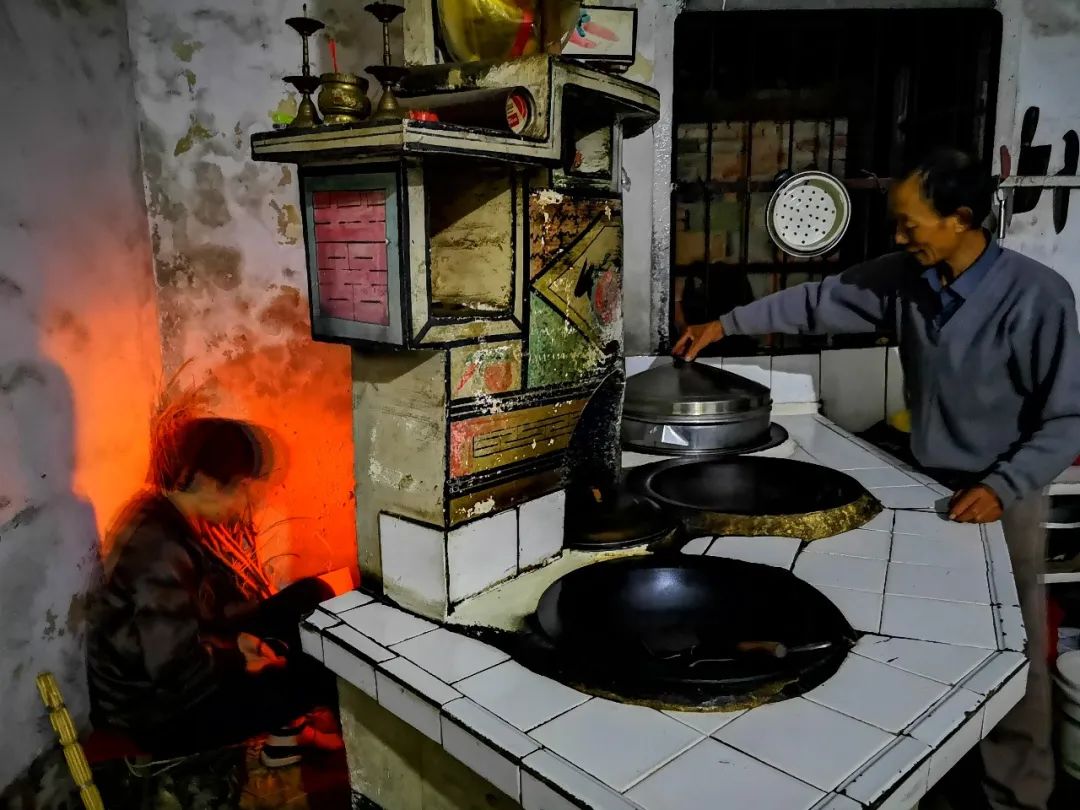
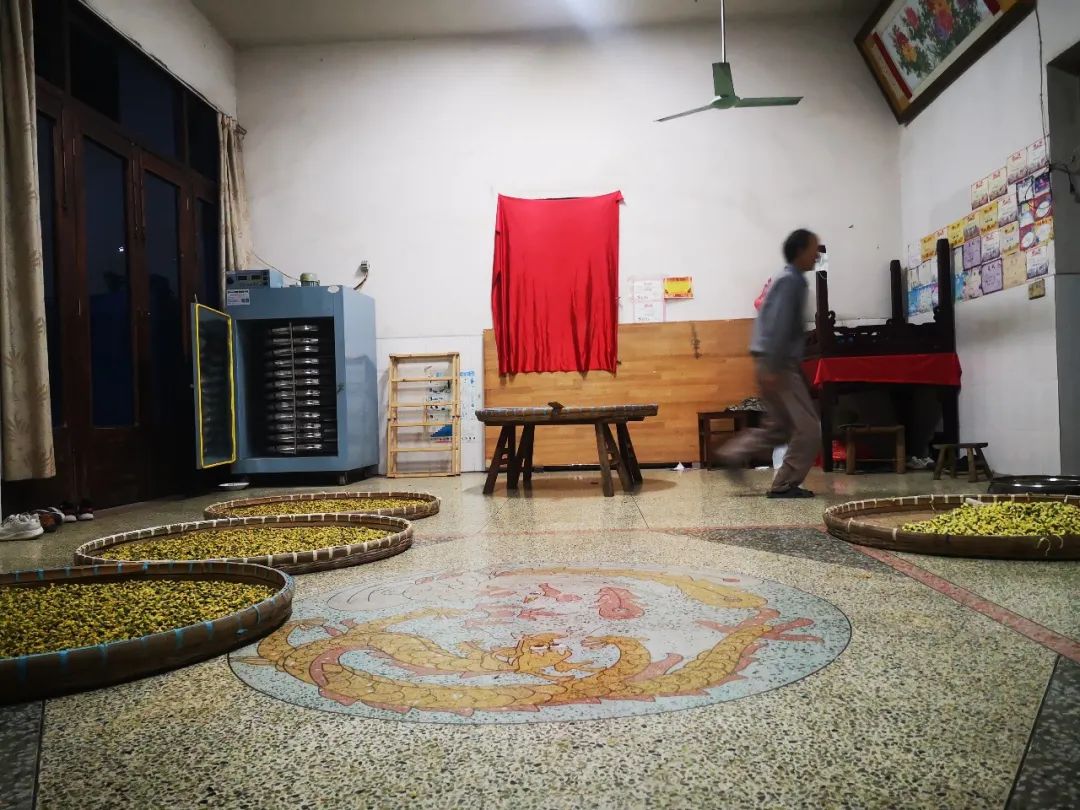
The tea factories were receiving fewer and fewer authentic Hangzhou white chrysanthemums. Just as Yangcheng Lake hairy crabs are given a quick “bath” in the lake, white chrysanthemums from elsewhere are brought into Tongxiang for a one-day visit and sold as authentic Hangzhou chrysanthemums — a practice that has long been open and widespread in the industry.
II. The Disappearance of Culture and the Collapse of the Mulberry-and-Silk System
“What is taken from the farmers is not merely their land — it is their homeland, their past, their roots, even their identity. If you take away the things they have grown accustomed to seeing and expect to see, then in a sense you have taken away their eyes.”
— Isak Dinesen
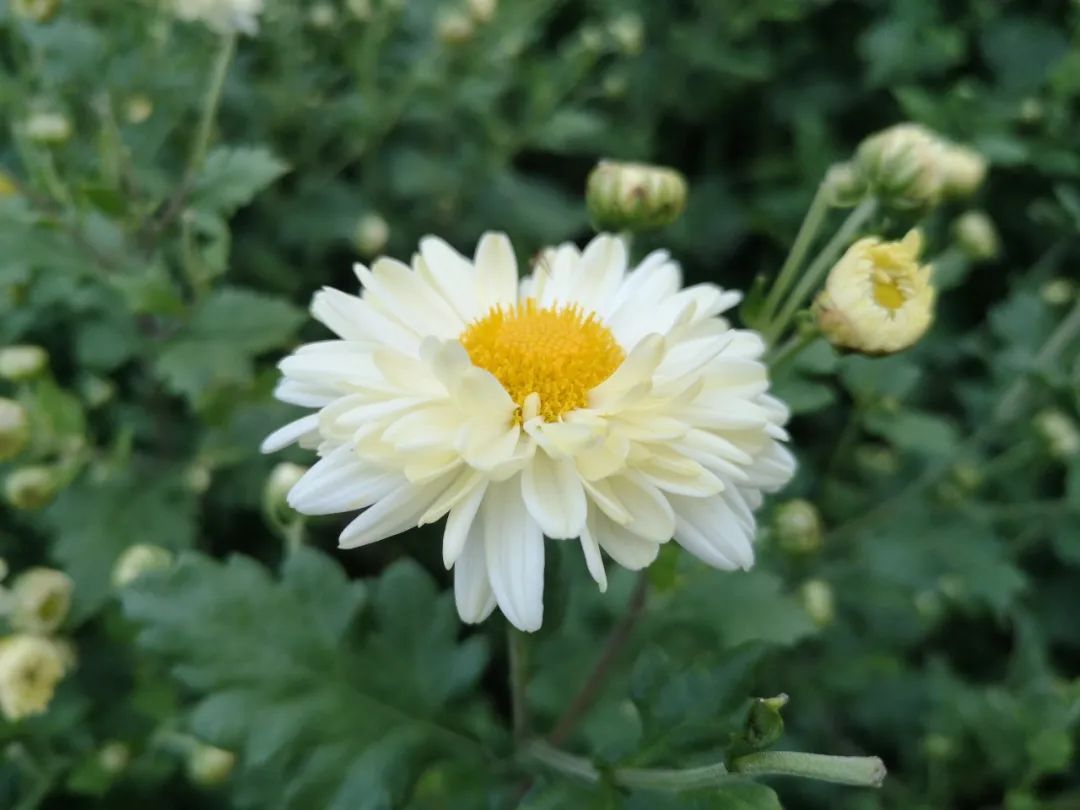
In fact, the Hangzhou white chrysanthemum has never existed in isolation; its disappearance is the disappearance of an entire system and a whole culture.
The diverse range of produce — mulberry and silk, Hangzhou white chrysanthemum, Hu sheep, preserved mustard tuber, rice and pond fish — together with the cycles of energy among them, formed the long-standing and stable agricultural system and way of life of the Hang-Jia-Hu Plain. The pioneering work on ecological agriculture, Farmers of Forty Centuries, discusses this system at considerable length.
Yet over the past twenty years, and especially in recent years, this sustainable agricultural system has been collapsing at an accelerating rate.
The most striking phenomenon is the disappearance of natural villages. Tayubang is a case in point.
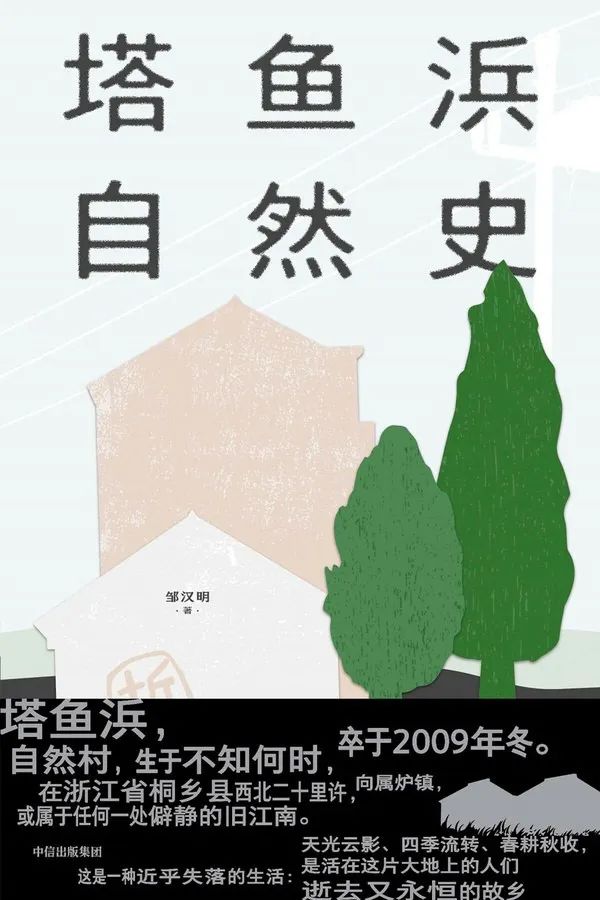
Those familiar houses,
houses that seemed to have sprung from the very earth —
uprooted by an excavator, torn out by the roots.
The land that had sustained generations
was soon levelled again,
sown with oilseed rape —
come the next spring,
still golden and agleam, just as before.
— Written one year, after the villagers’ houses were demolished
III. Six Years of Growing Chrysanthemums
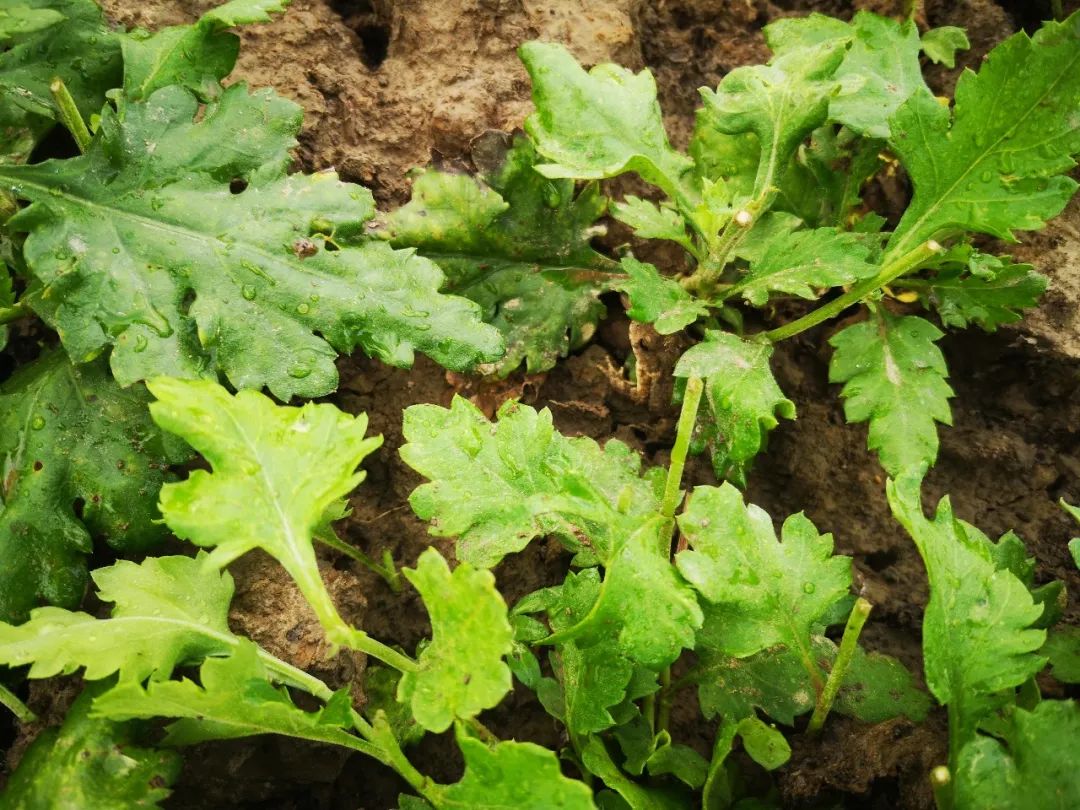
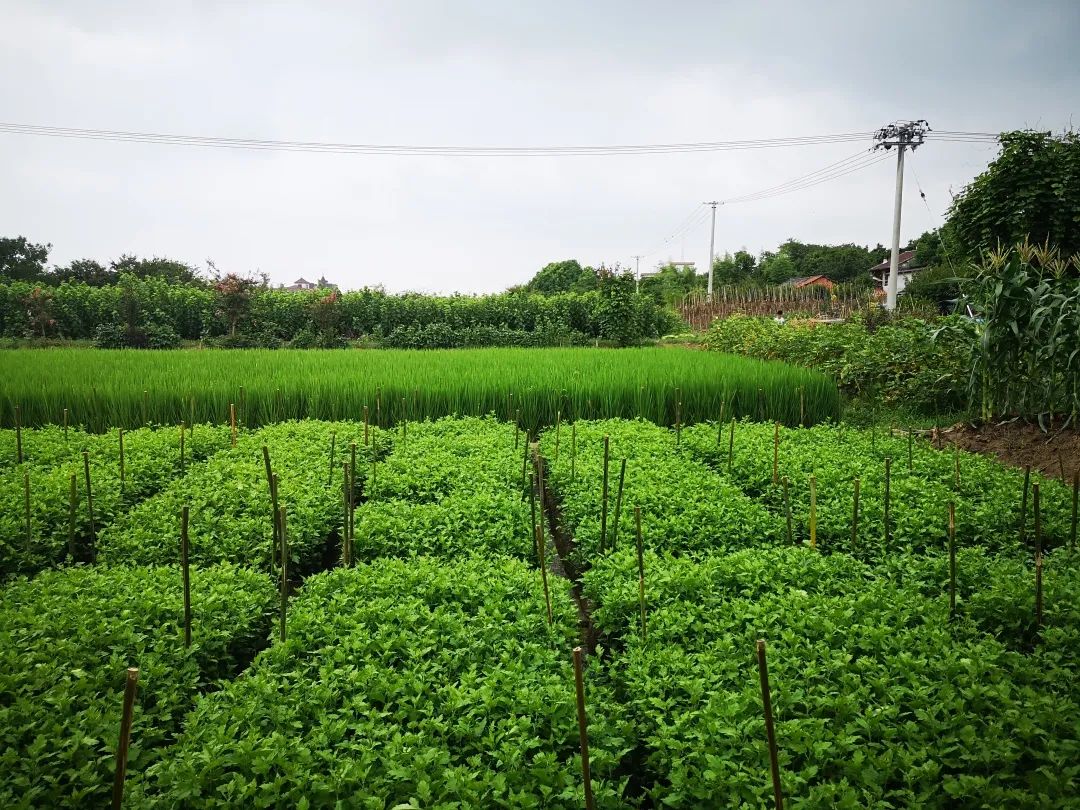
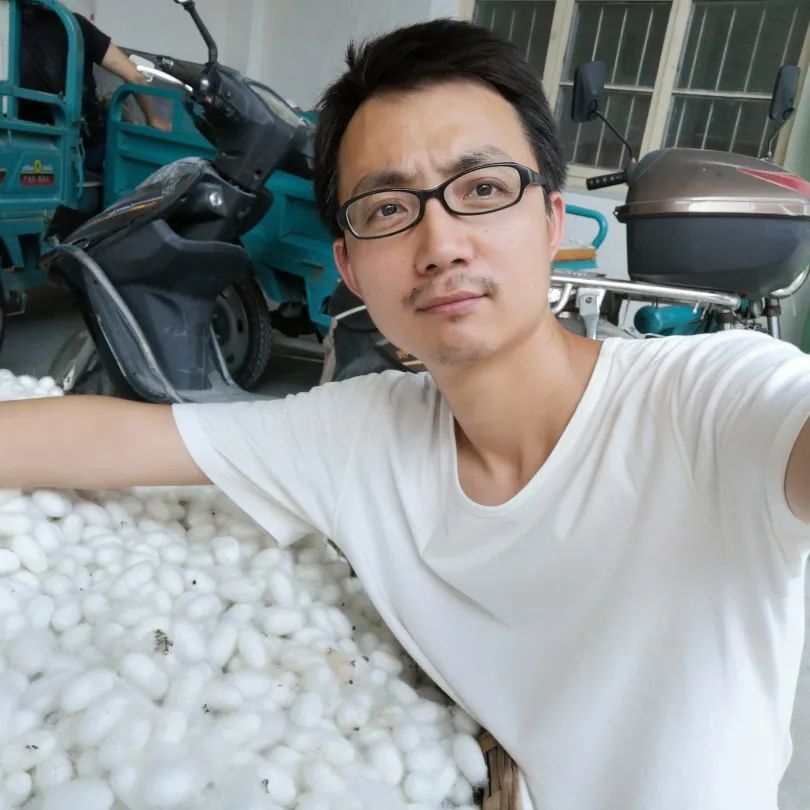
We began with silkworm rearing and making silk quilts, then in 2017 we started ecological cultivation of Hangzhou white chrysanthemum. No one in the village had been growing them for a long time, and at first we could only find a few chrysanthemum seedlings.
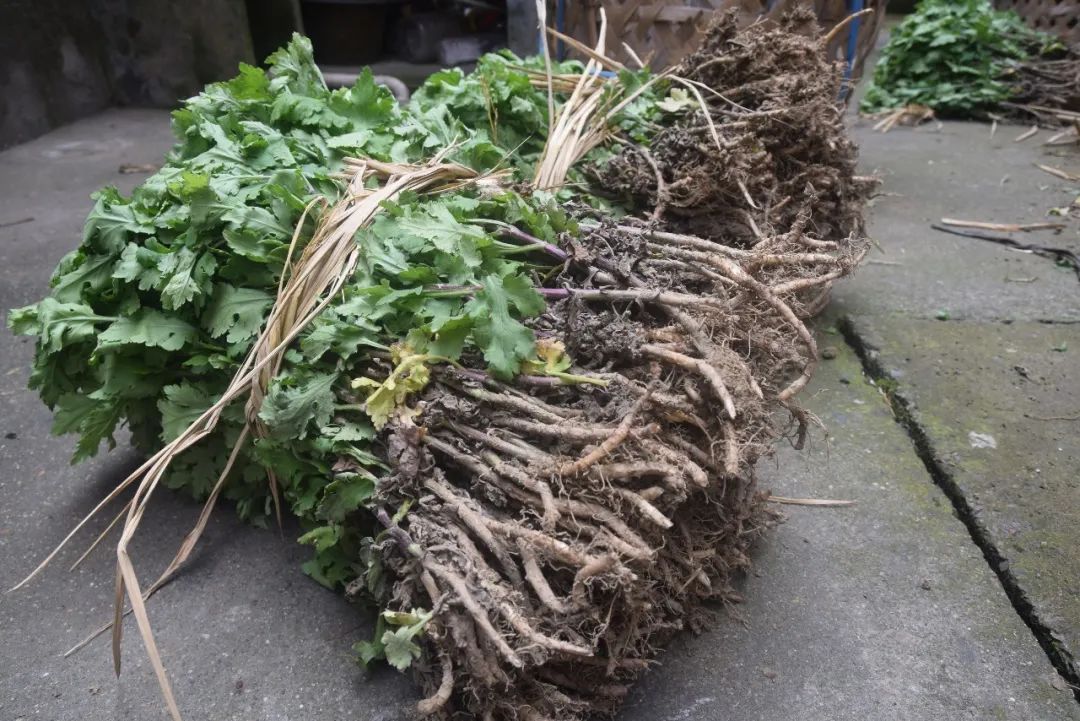
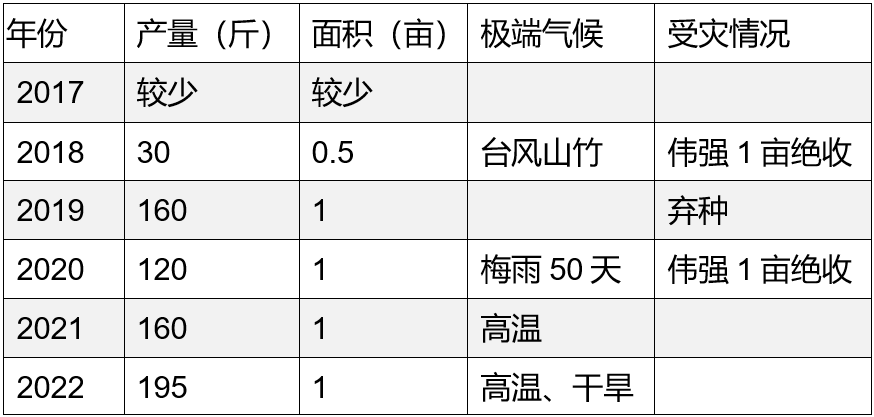
In 2018, I went to the home of Weiqiang, a classmate in a neighbouring town, and introduced a bundle of chrysanthemum seedlings, agreeing to carry out ecological cultivation together. Our family had 0.5 mu; Weiqiang’s family had 1 mu. Then Typhoon Mangkhut struck. Weiqiang’s crop was completely lost to flooding, but ours survived thanks to better elevation and drainage — though we harvested only 30 jin.
In 2019, we expanded from 0.5 mu to 1 mu.
In 2020, the weather in Jiangnan was unusually extreme too. The plum rains lasted over 50 days (normally 30), followed by extreme heat, then a typhoon, then drought. Weiqiang’s 1 mu of Hangzhou chrysanthemum was again completely lost, and he has not grown them since.
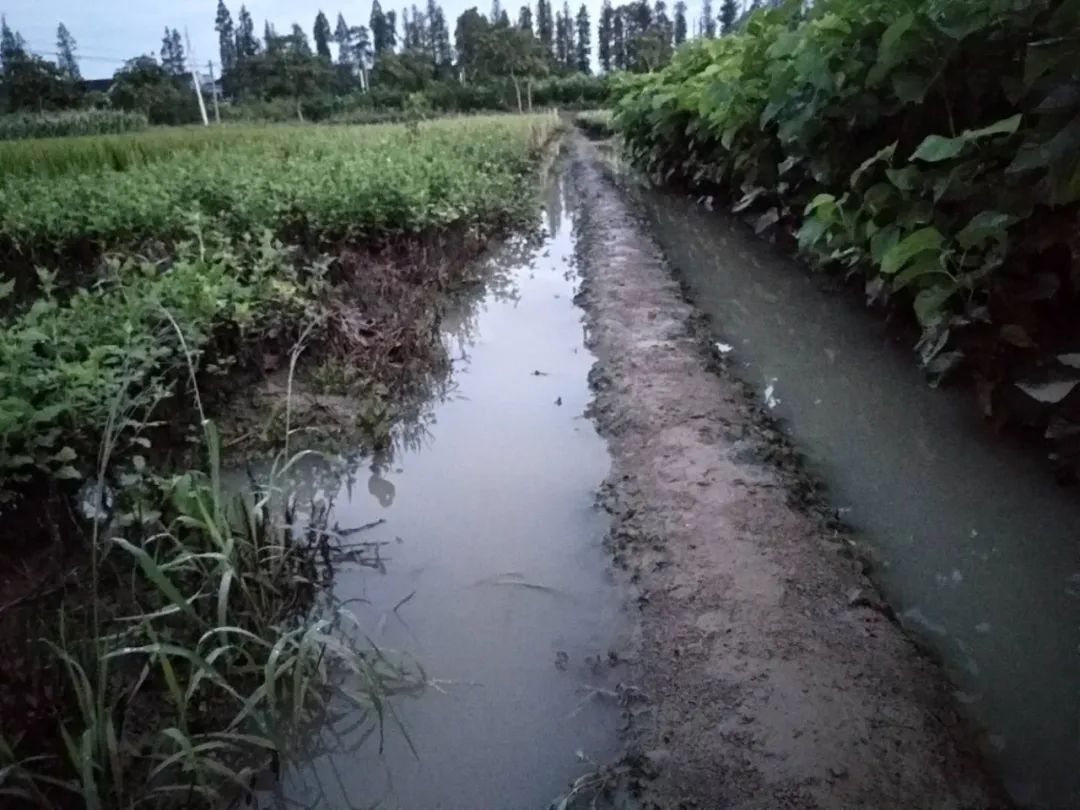
The extreme weather over the past two years has been mainly high heat, yet our Hangzhou white chrysanthemums have performed relatively stably. On analysis, we concluded that this is closely related to the ecological cultivation method.
IV. Establishing the Connection Between People and Nature
For instance, the local waterways carry remarkably precise names: hu (lake), bang, lou, tan (pool), gang, yang… and are never simply lumped together as “he” (river). Behind each name lies a specific definition, referring to a particular form of terrain and calling for a corresponding environmental measure. A bang, for example, is a “dead-end waterway” — typically one end of a river — well suited to village settlement. A gang refers to a major channel, connected to the wider water system and deep enough to carry large vessels.
Traditional farmers lived in close harmony with this land, handling a boat as easily as walking on solid ground. South past the Chang’anba dam to Hangzhou, west to Changxing, overnighting beneath the bridges of Nanxun, north along the shore of Lake Tai to Suzhou — wherever the tentacles of the water network reached, the people knew every inch of the plain.
If this close, detailed observation and understanding of nature constitutes culture, it is the result of the region’s ancestors collaborating with the land over many generations. Then, to revive the intangible cultural heritage of the Hangzhou white chrysanthemum today, we must rebuild the connection between people and nature.
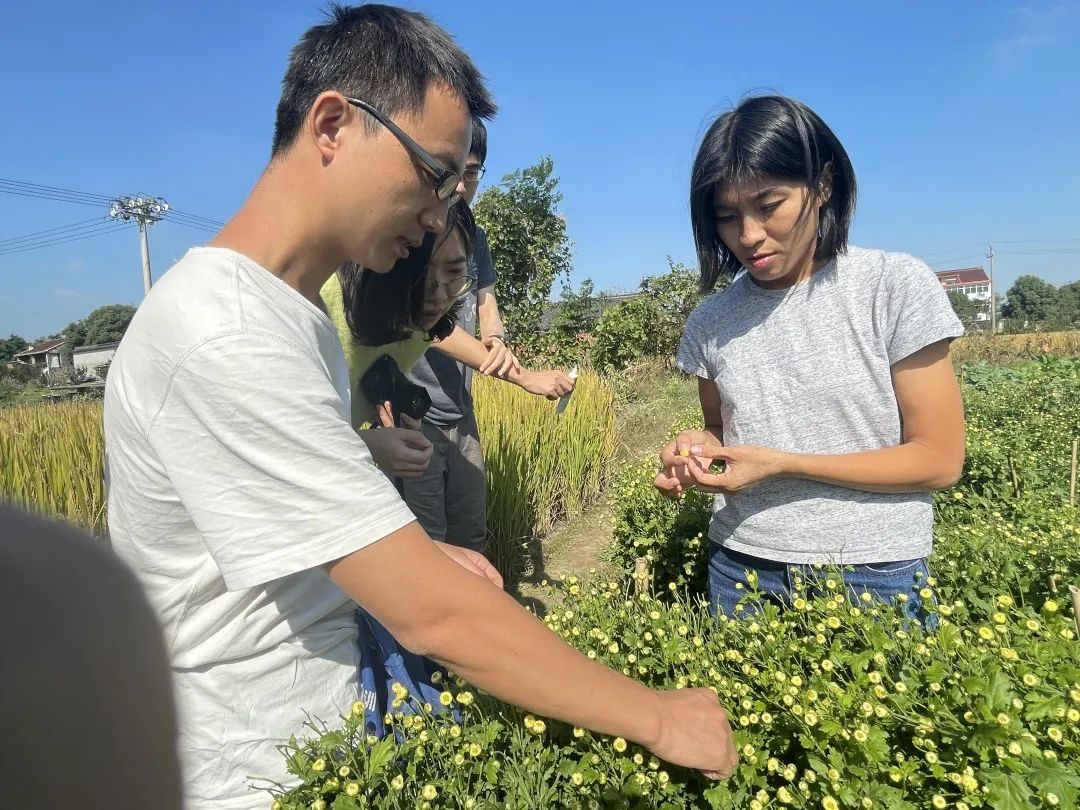
In a sense, this is a response to “Chrysanthemum Township, No Chrysanthemums”, securing a baseline level of production.
But when we return to the ecological essence of agricultural heritage, this kind of industrialised agriculture simply cannot carry the mission of cultural preservation.
To carry on the traditions of Chrysanthemum Township, merely listing them as intangible cultural heritage, setting up protected zones, or resuming conventional cultivation is not enough. What matters more is repairing culture — reconnecting with nature, and reconnecting people.
V. In the Fields, Culture Is a Matter of Fertilising and Weeding
Compared with the vast quantities of “bath” Hangzhou white chrysanthemums flooding the market, our insistence on growing them locally is already an achievement; adopting ecological methods on top of that makes scaling up far more difficult.
Yet we are convinced that the ecological cultivation of Hangzhou white chrysanthemums is the key path to that culture.
Sourcing Organic Fertiliser Locally
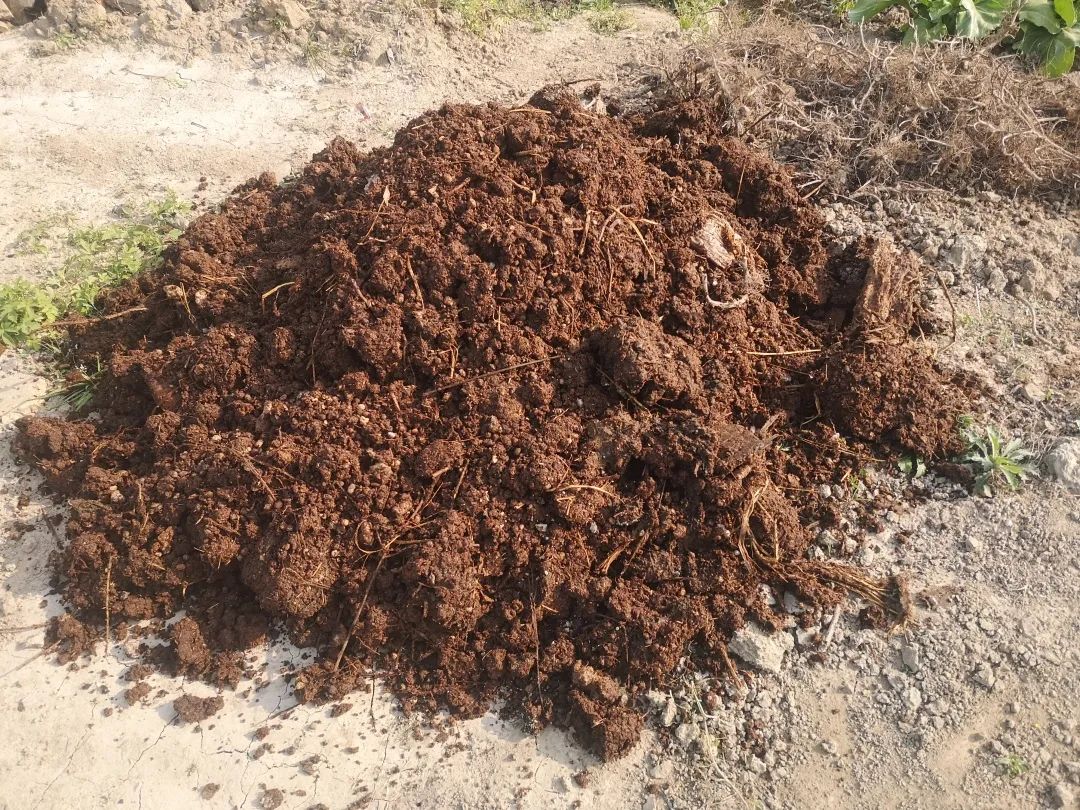
As the traditional mulberry-and-silk way of life fades, local silkworm rearing and traditional Hu sheep farming have sharply declined, making silkworm frass and sheep manure ever harder to come by. The spring farmyard manure previously came from my paternal aunt’s farm in the neighbouring village, but last year they too sold their Hu sheep.
In the end we found a small-scale Hu sheep farmer near my maternal uncle’s home. He keeps twenty Hu sheep, feeds them entirely on grass he cuts himself rather than commercial feed, and the source is reliable.
If the chrysanthemum plot is to expand in the future, sourcing organic fertiliser will be a challenge.
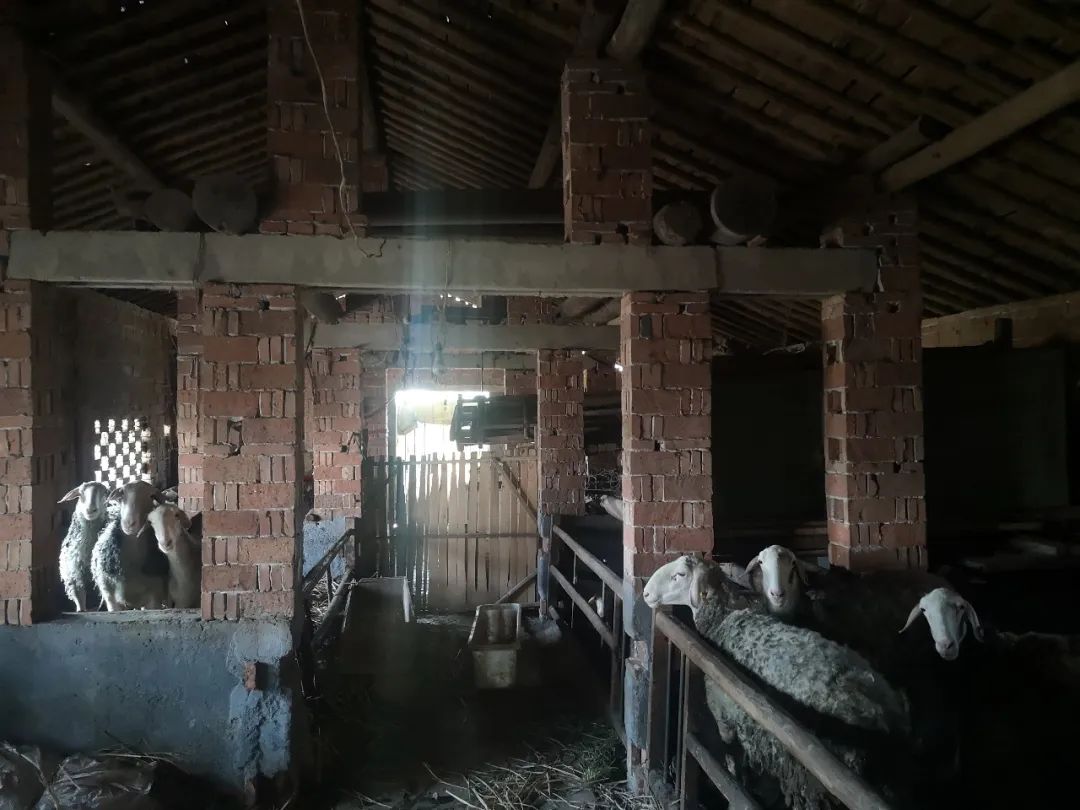
Local chicken manure is available, but the potential for heavy-metal residues from large-scale poultry farming means we cannot use it.
There is also an ecological pig farm nearby whose manure is free of heavy-metal contamination and has already been processed into biochar organic fertiliser, which we can consider using.
In 2019, we also travelled to Huangshan to study modern composting techniques with Professor Ikeda Hideo, then eighty-four years old, hoping to add new composting possibilities on top of our traditional sheep-and-silkworm manure method.
Mulching and Climate Resilience
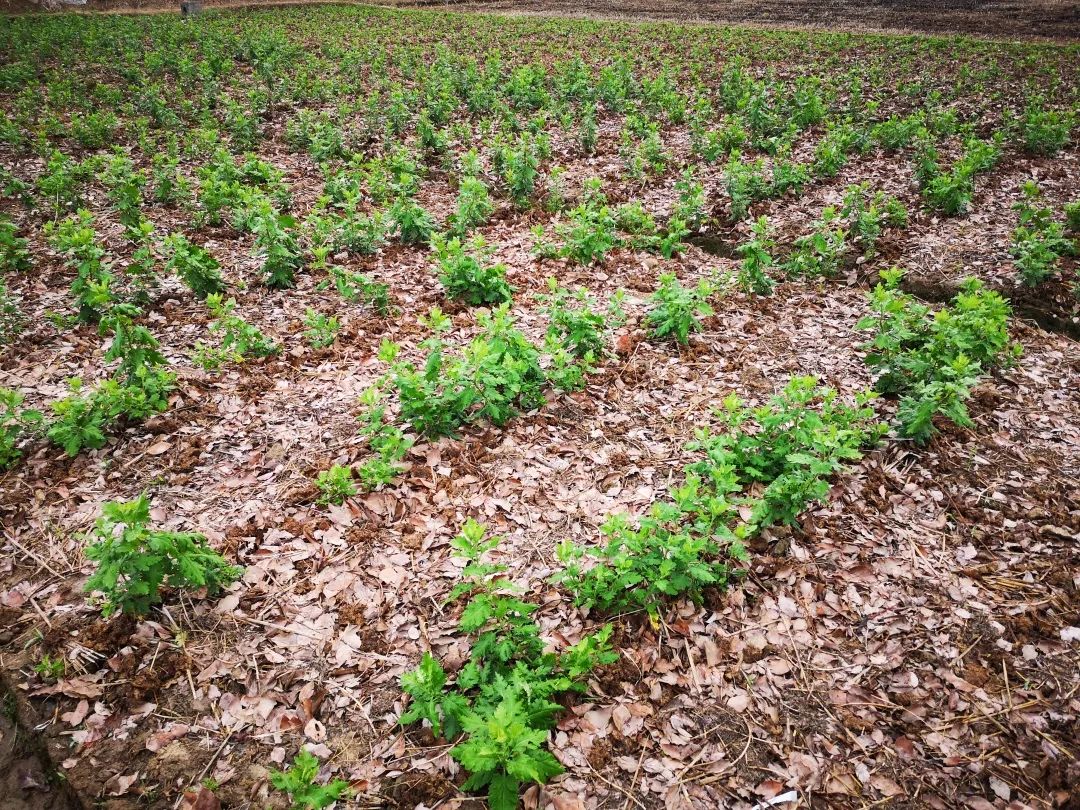
Traditional chrysanthemum cultivation is very particular about layering and pinching: two rounds of layering and three rounds of pinching are required. Besides encouraging flower buds and saving space, I later discovered that this technique also carries a particular ecological value.
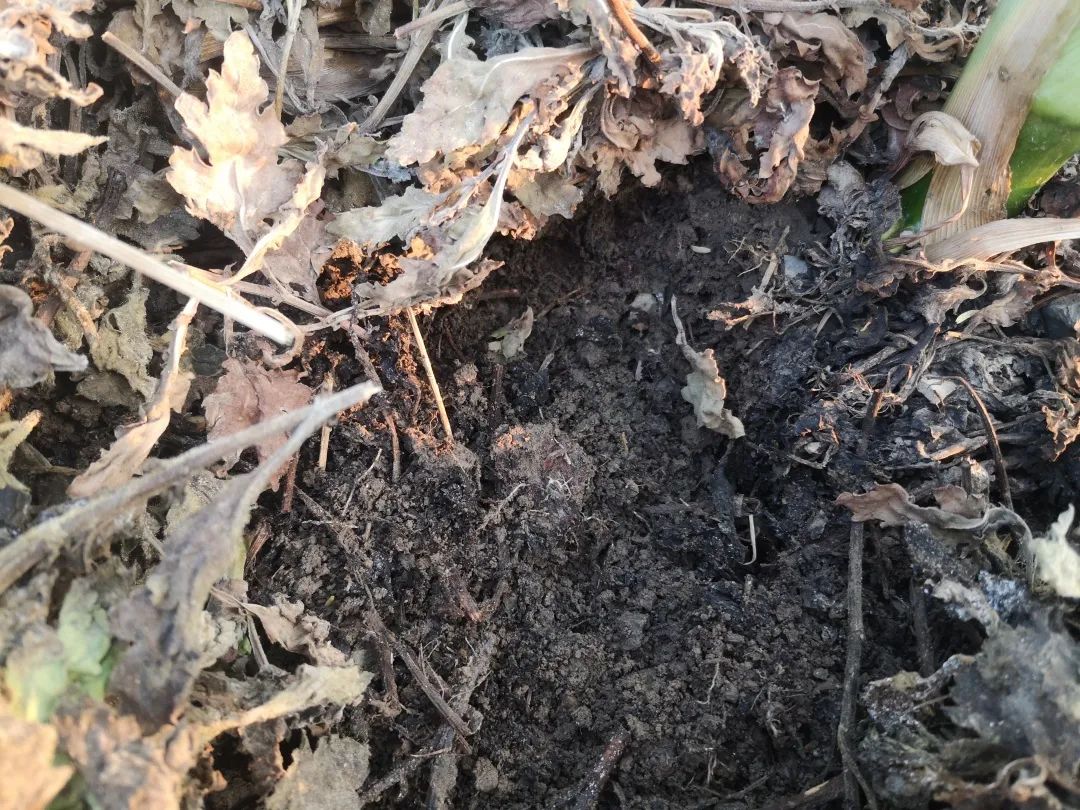
Layering lets the chrysanthemum plants spread across the ground, protecting the soil. The timing of pinching falls right during Jiangnan’s hot, humid rainy season, when the plants are prone to pests and disease. Pinching removes the overly dense upper branches and leaves, improving air circulation. The chrysanthemum leaves cut during pinching can also be spread as mulch over other crops. Lifting the mulch, you can see a network of white mycelium — the soil is rich and fertile.
Once the rainy season ends, autumn tends to be dry. By then pinching has ceased, and the chrysanthemum plants have fully covered the ground. They serve a dual purpose: crop and living mulch simultaneously, so the soil stays moist.
This is why, even through sustained spells of forty-degree heat, our Hangzhou white chrysanthemum beds rarely need watering and demonstrate sound climate resilience.
Wet-Dry Crop Rotation
Biodiversity and Landscape
But traditional farming and sericulture harbour rich biodiversity, and are beautiful even before a single flower blooms.
Thanks to our ecological methods, we even found toads in the chrysanthemum field. Toads seem more sensitive to their environment than frogs. Frog calls arrive as clockwork every year, yet we had not seen a toad in over a decade.
They were preying on millipedes — a many-legged insect resembling a centipede that swarms through the Hangzhou white chrysanthemum beds, gnawing at the seedlings. It turned out that the millipede outbreak had drawn back toads that had vanished for years. Though our chrysanthemum plot is small, ecological cultivation has, remarkably, brought a positive shift in biodiversity.
VI. This Year’s Hangzhou White Chrysanthemums
This vintage of Hangzhou white chrysanthemums was destined to be “unusual”.
While looking through past WeChat Moments posts to check planting records, I felt a quiet surprise — it all happened just a year ago, yet it feels like an age:
Around the time of the stem cuttings in early spring, we ran headlong into the Russia–Ukraine war and Shanghai’s lockdown;
In May and June, while layering the chrysanthemums, the village faced intermittent lockdowns and frequent mass PCR testing — and the plum rain season, which should have lasted the entire month, dropped not a single drop of rain, becoming an “empty plum rain”;
In August, while pinching the chrysanthemums, we were hit by extreme heat of 40 °C;
This was followed by drought through September and October.
Fortunately, having weathered it all, we harvested 97.5 kg in total.
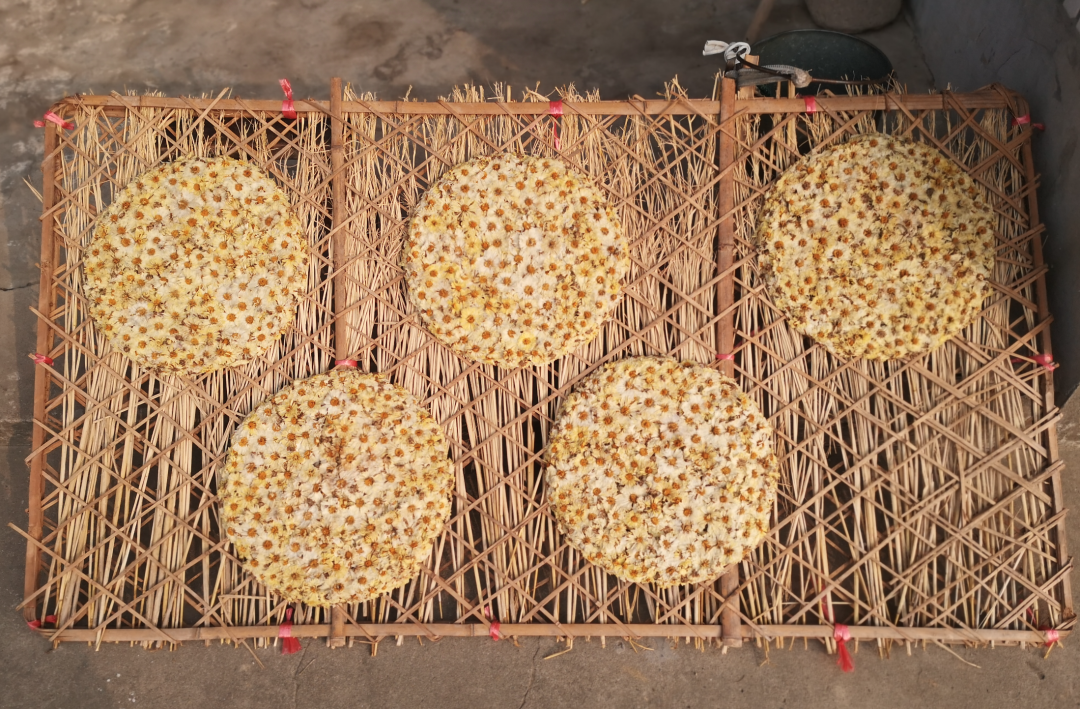
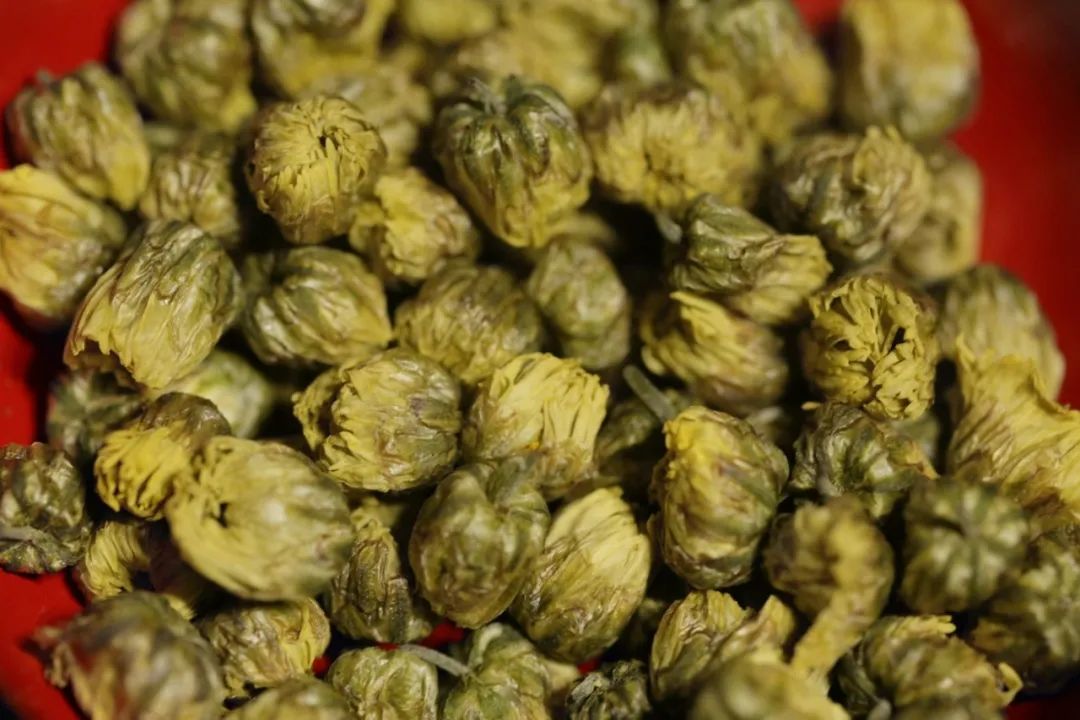
The 2023 Hangzhou white chrysanthemums are expected to be planted by stem cuttings around Qingming Festival. Still just one mu. This one mu is now not only the village’s last remaining plot of Hangzhou white chrysanthemums but also the only land still being farmed by a villager — by the start of the year, every other field in the village had been contracted out to large-scale operators.
Unless otherwise indicated, all images are courtesy of the author
Editor: Tianle