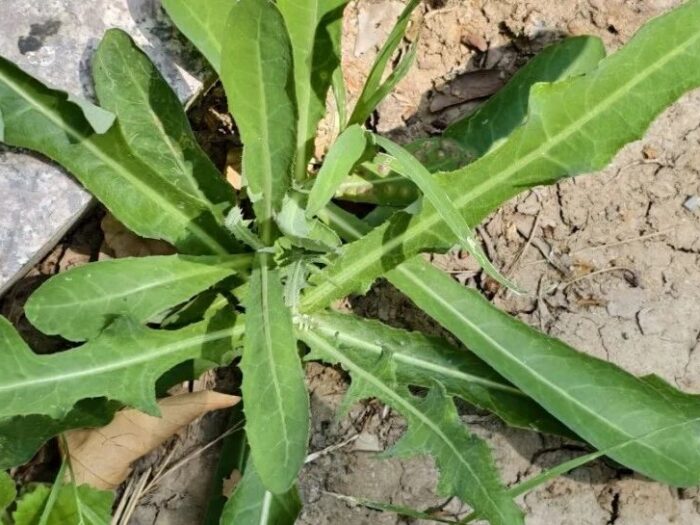
In 1970s Langhao Gou, most sow-thistle we dug fed the pigs; a handful made the family’s summer meal. Now it is wellness tea at several hundred yuan a jin, a stress-relief pastime for city youth. Who still remembers where that clean bitterness, its sweet aftertaste, came from?

Brazil’s smallholder farmers are breaking free from pesticides and chemical fertilisers, moving towards agroecology, while consumers drive change back to the production end. Experienced food and farming practitioner Bia Goll from São Paulo shares twenty-plus years of practice. Saturday, 12 September, afternoon – Beijing in-person + online livestream.
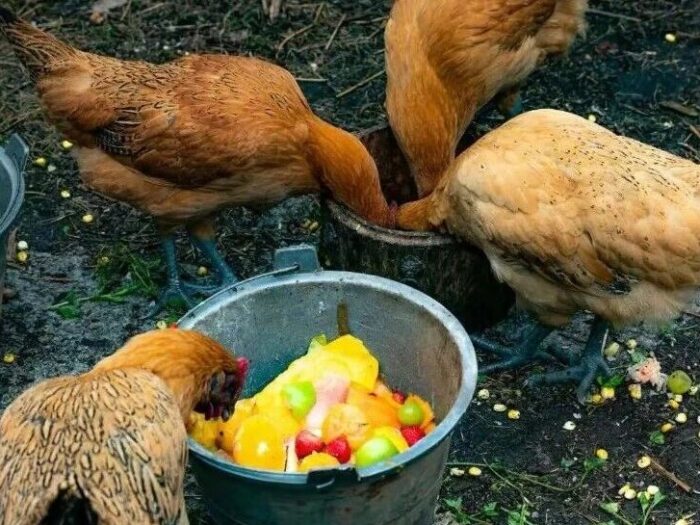
Jin Lipeng, lecturer at the School of Experimental Art, Chongqing’s Sichuan Fine Arts Institute, led students on Huxi Campus in raising chickens and composting through Permaculture. After summer construction workers stole 10 chickens and 2 geese, the school decided to no longer permit poultry on campus, ending its year-and-a-half-old Happy Chickens Raising Cooperative.
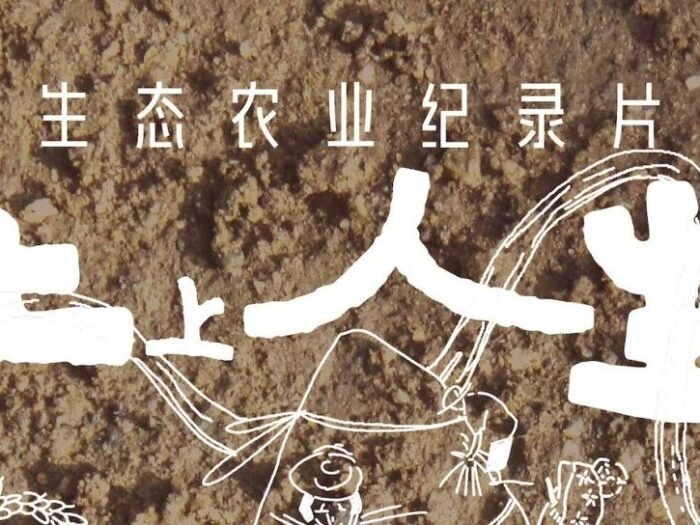
Three young directors with a China–France perspective plunge into rural China, following in six episodes Mum Hu, Chen Xi, Fanli, Dahai and other ecological farmers who left old lives to re-root in the land. The Life on the Land team meets audiences after two Beijing screenings, 12–13 September.
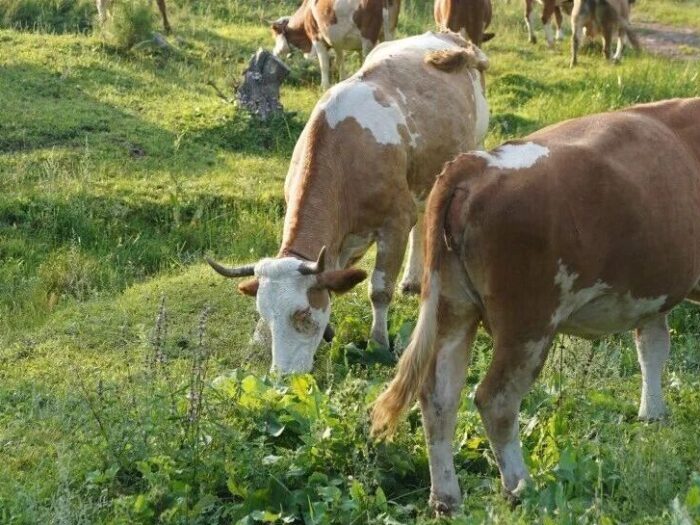
Cattle prices have fallen from thirty thousand to six or seven thousand yuan; cattle-keeping households in Leyi Village, Heshun County, have shrunk from over twenty to three. Gone with the empty cowsheds: hillside dǎo xiē dǎo xiē chatter, walkie-talkie calls, and a newborn calf’s promise.
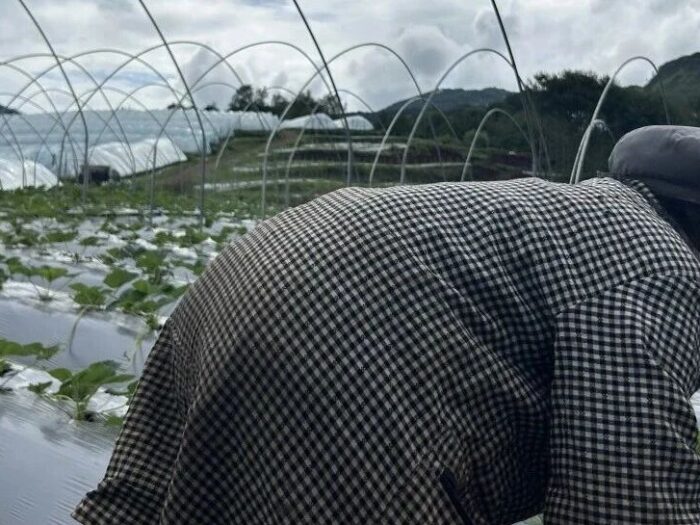
In the polytunnels of Mashu Town, nearly all the workers are women in their fifties and sixties – 27-year-old Lu Yinghong is the exception. She once dreamed of standing at the lectern; in the end, between pinning runners and weeding, she earned a limited autonomy.
Foodthink’s feast stories span over a dozen provinces: baba feasts with freshly slaughtered free-range chickens, a bowl of saozi noodles at dawn, ready-made dishes served before the ice has thawed. Red envelopes, seating and toasting clash with young people’s boundaries as village feasts drift into the cities.
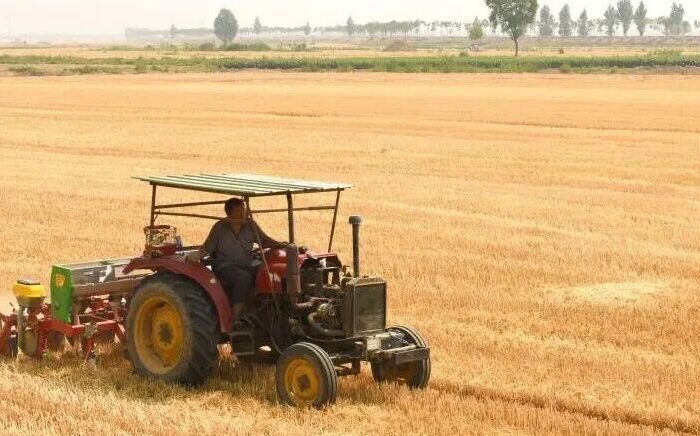
Heilongjiang permits orderly burning, yet Hebei farmers remain unaware: ‘Start a fire and they’ll detain you.’ After over a decade of straw return in Quzhou and Fengfeng Mining District, poor emergence, more pests, rising spray costs draw one shrug: “Not a big deal” — yet they’d far rather burn.
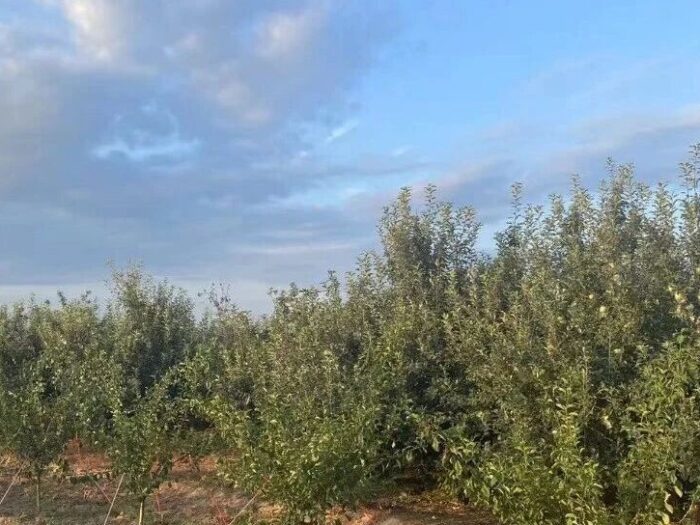
Qinguang gave way to Fuji, Fuji was uprooted for grain, grain brought in no money—peaches and plums went in. Dad, close to seventy, tallies next year’s accounts between the wheat rows, and whether they will still sell in a few years, no one can say.
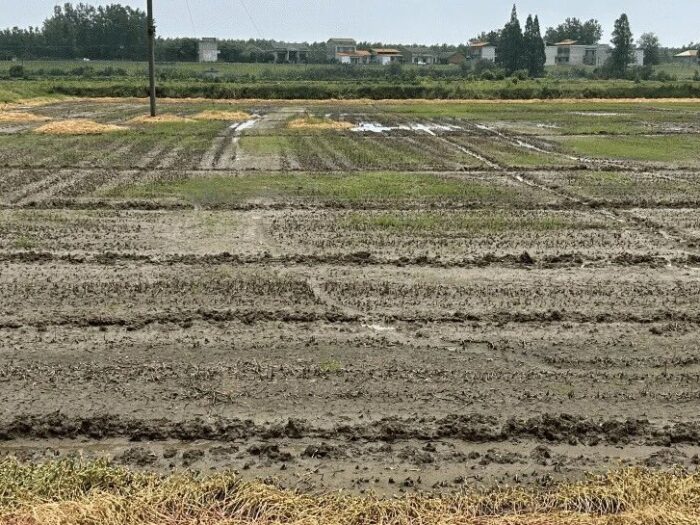
After the straw-burning ban, rice farmers in the Dongting Lake area of Hunan paid an extra 60–80 yuan per mu for straw shredding, rotary tillage and pesticide spraying — yet the rice stem borers overwintering in rice stubble have grown more numerous year on year.