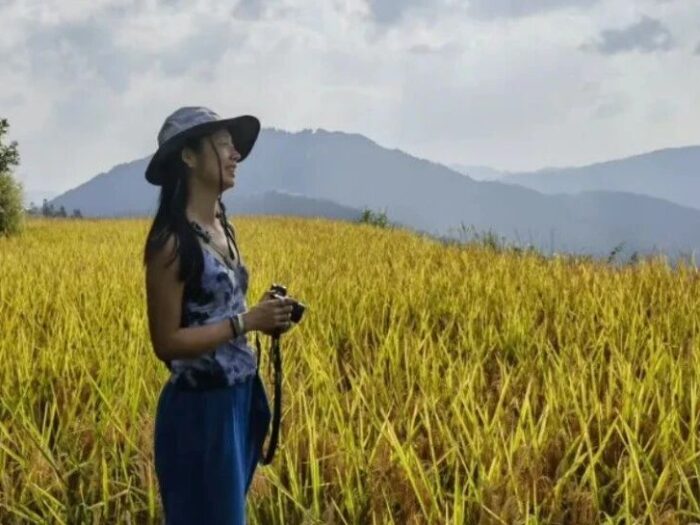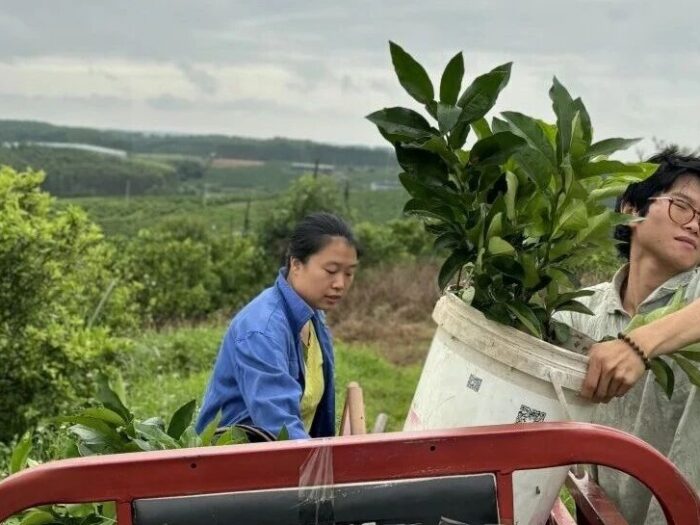
A month of hoeing, carrying water, huddling by the fire through downpours to mountain folk songs at Baicao Garden — Sister Yan Ping’s ecological farm, Guigang, Guangxi — metres from a chemical-fertiliser orchard. The body into the land’s rhythm, until April’s heat sent a nature-hungry graduate back to the city.
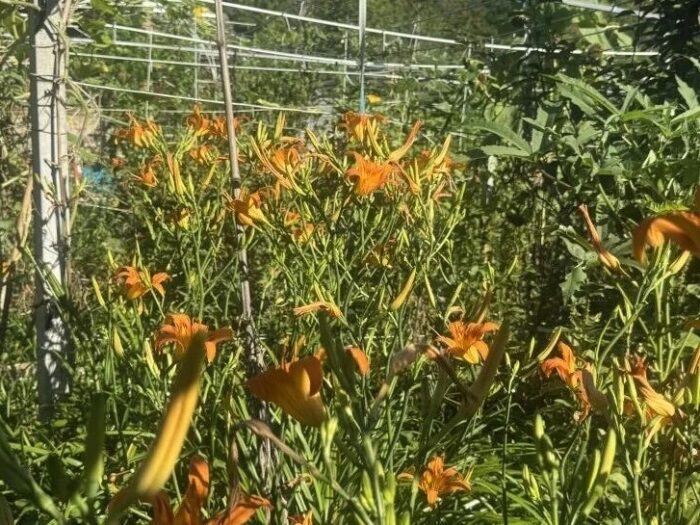
After her immune system collapsed at fifty, Kouzi came to Villains’ Valley and, over five years, built a self-sufficient solo farm entirely by hand – with health indicators now better than they were twenty years ago.
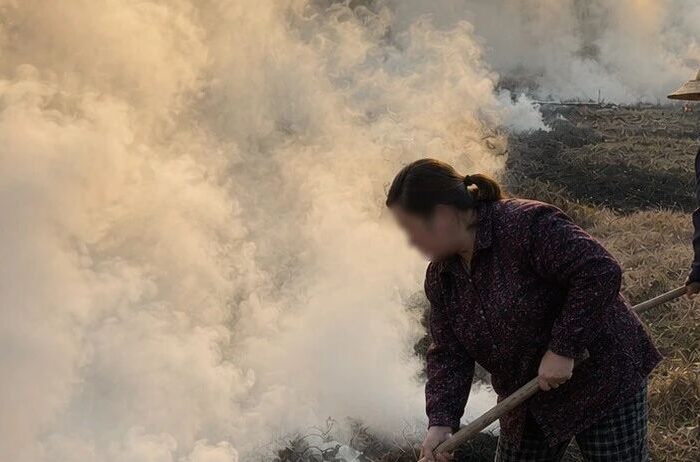
Autumn 2025: a village in Hunan’s Dongting Lake area enforced the strictest burn ban in history. Village cadres patrolled day and night for three months and spent 400,000 yuan — yet villagers still burned away nearly a thousand mu of straw in the blind spots of tower cameras.
After eleven US years, Chen Xi quit Beijing and leapt into a Dong village in Qiandongnan — cabin, rice. Three years: barely a few dozen jin. Seven years on, Zhaoxi She stably grows nine heritage rice varieties. ‘The land taught me to give myself time — seven years, just entering our own summer.’
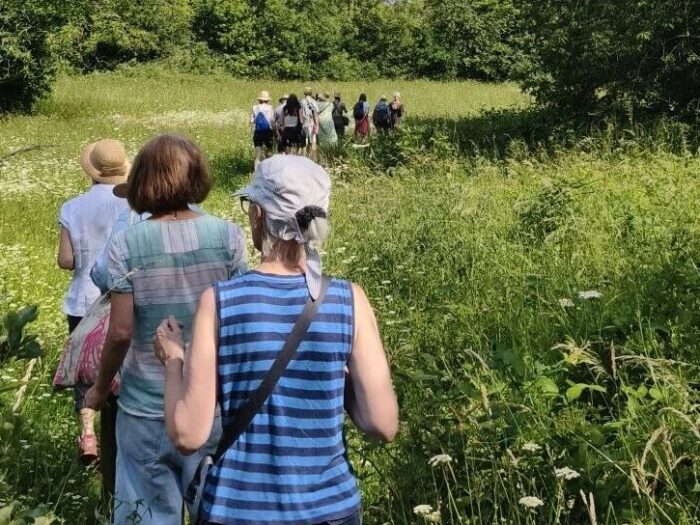
Dutchman Metske began with a vegetarian restaurant in the squatting movement. He farms roughly 6.5 acres of heavy clay in Kent, using wildflower strips to support ecological balance and grow seasonal vegetables – selling at north London’s organic farmers’ market every Saturday.
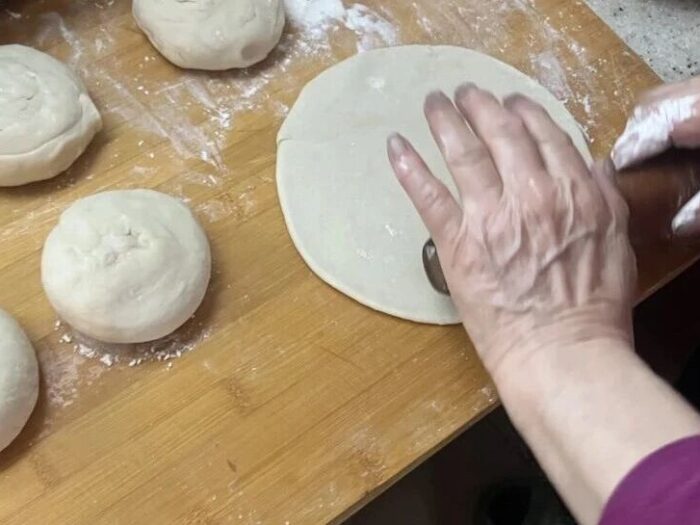
Suying, Huirong, and Qiuhua have spent over a decade in domestic work in Beijing, cooking for others every day yet unable to answer what they themselves love to eat. In a charity kitchen in Wangjing, they sit around together, trying to voice their own preferences.
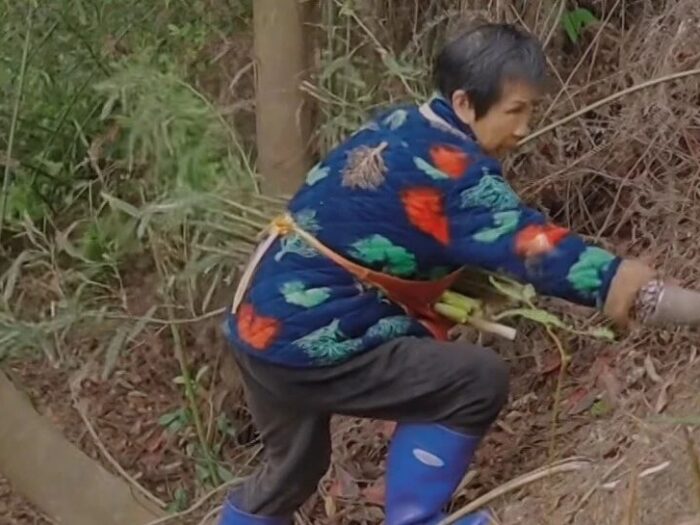
Pension unreliable, weather erratic, only six or seven women in the village left to climb the mountain. Through layer upon layer of loss – peeling, boiling, drying – Yang Xiuying of Hengyang, Hunan spent an entire shoot season earning back the self-assurance of not depending on her children.
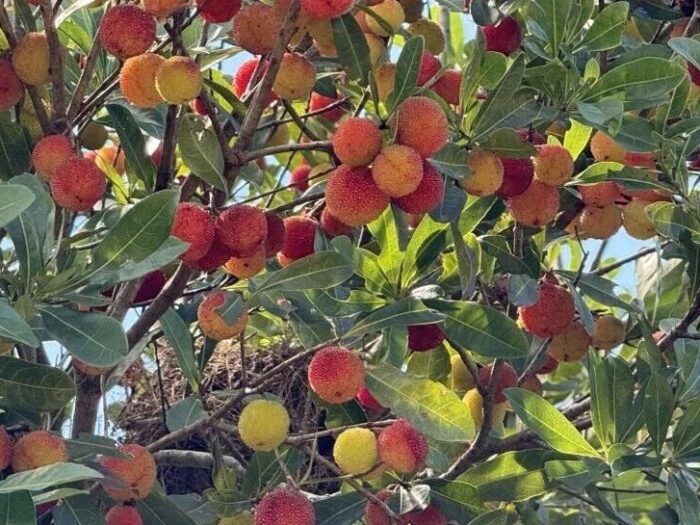
At Villain’s Valley, I grow fruit without spraying chemicals. Two bayberry trees burst with red fruit—”rivers of blood”—only for a parcel to Shenzhen to be dismissed by my son as sour and small. That hands-on season led to a cliff-edge quitting of buying fruit from outside.
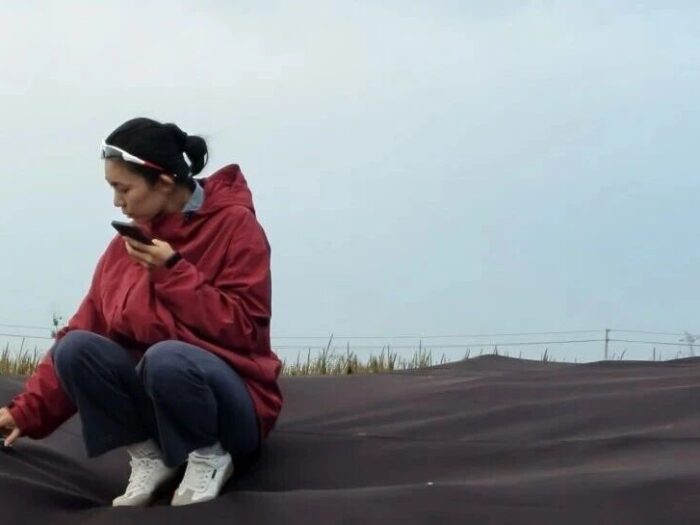
Xian Zi, a post-2000 graduate student at China Agricultural University’s Science and Technology Backyard in Quzhou, built an organic fertiliser plant with villagers to turn chicken manure that livestock keepers pay to clear back into field fertiliser – but found the barrier not technology, only reality’s “input and output” ledger.
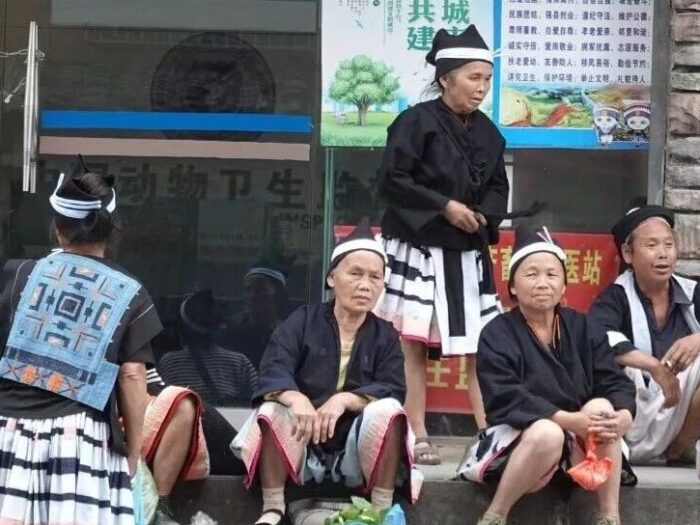
On a xu day in Lihu Yao Ethnic Township, I bought hemp seeds, sour meat and stuffed tofu with the White Pants Yao, then watched pao sha winding and golden silk silkworms spinning at the wall-less Ecomuseum — one market linking farming, weaving and the whole valley’s daily life.