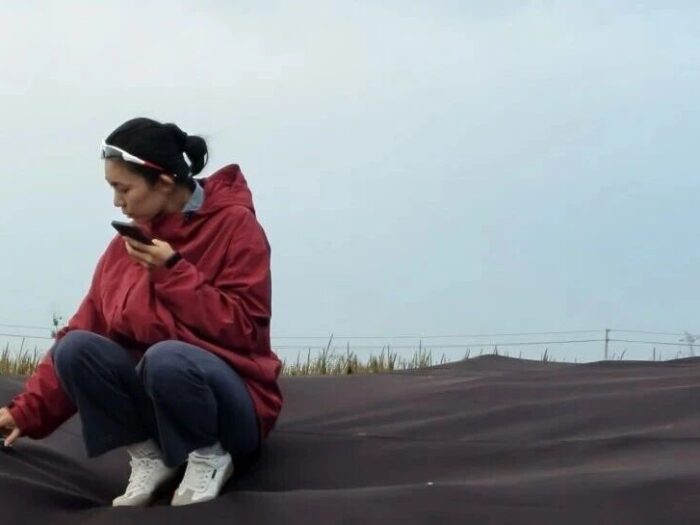
Xian Zi, a post-2000 graduate student at China Agricultural University’s Science and Technology Backyard in Quzhou, built an organic fertiliser plant with villagers to turn chicken manure that livestock keepers pay to clear back into field fertiliser – but found the barrier not technology, only reality’s “input and output” ledger.
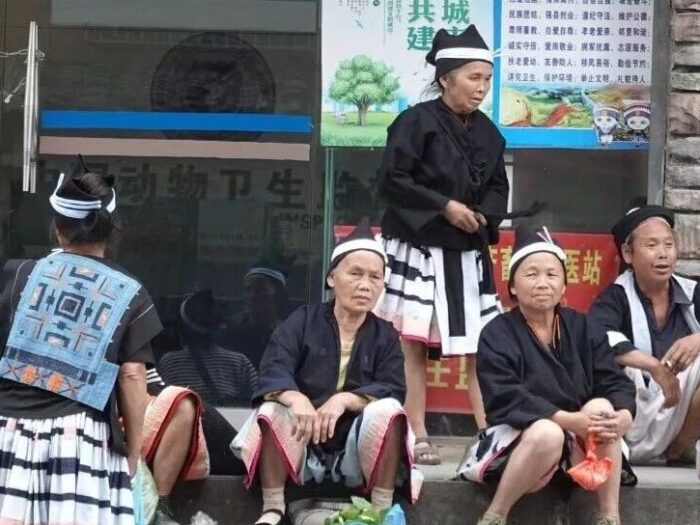
On a xu day in Lihu Yao Ethnic Township, I bought hemp seeds, sour meat and stuffed tofu with the White Pants Yao, then watched pao sha winding and golden silk silkworms spinning at the wall-less Ecomuseum — one market linking farming, weaving and the whole valley’s daily life.
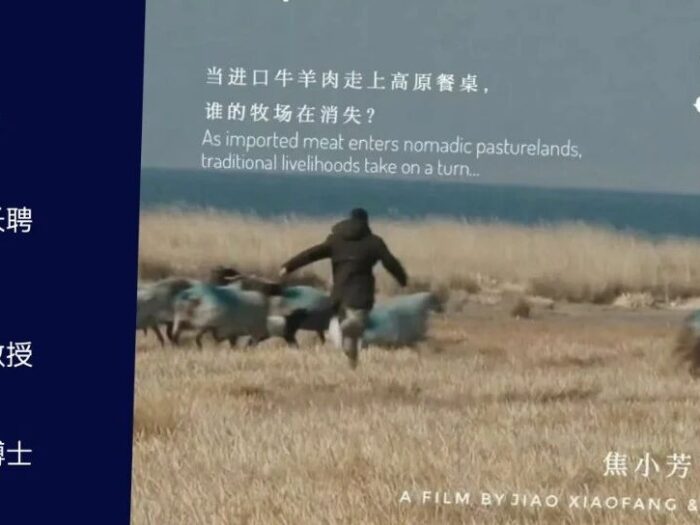
The award-winning documentary Whose Table, Whose Pasture documents the reality of plummeting cattle and sheep purchase prices and damaged livelihoods among herders after imported frozen meat flooded Qinghai’s markets. It will be screened at Zhejiang University on 12 June, followed by a discussion between food systems scholars and the audience.
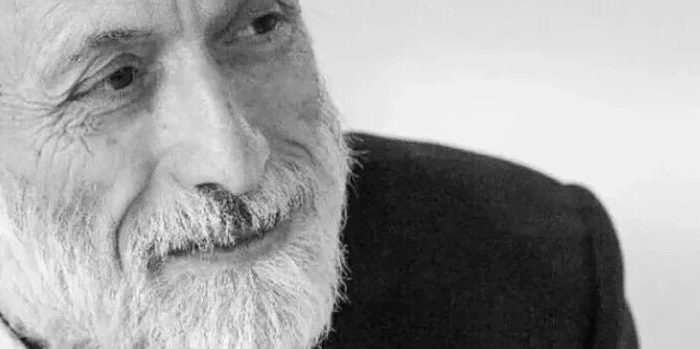
A graduate of the University of Gastronomic Sciences, Pollenzo, recalls the days spent with Petrini in Bra, and the voices in the Slow Food movement yet to be heard.
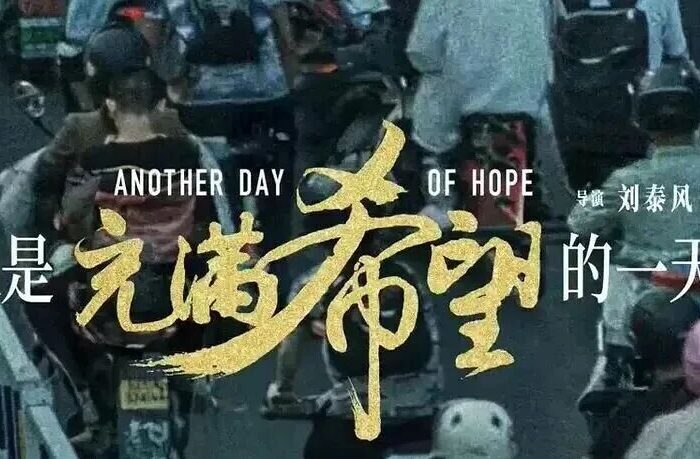
Foodthink screens four films about food and labour back-to-back at Tuanjiehu this June — from food-delivery riders to rice farmers, pastoralists and fermentation artisans. Each screening is followed by an in-person conversation with directors, protagonists and activists, and preceded by a farmers’ market.
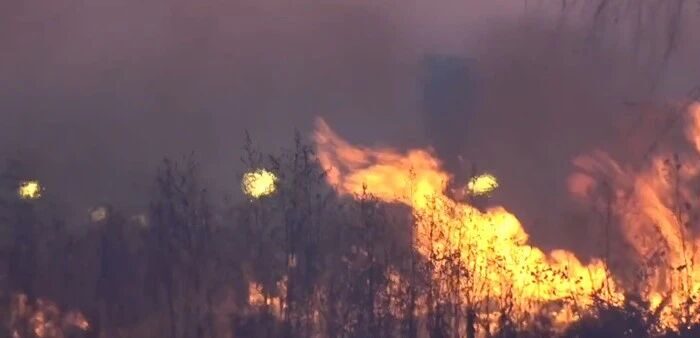
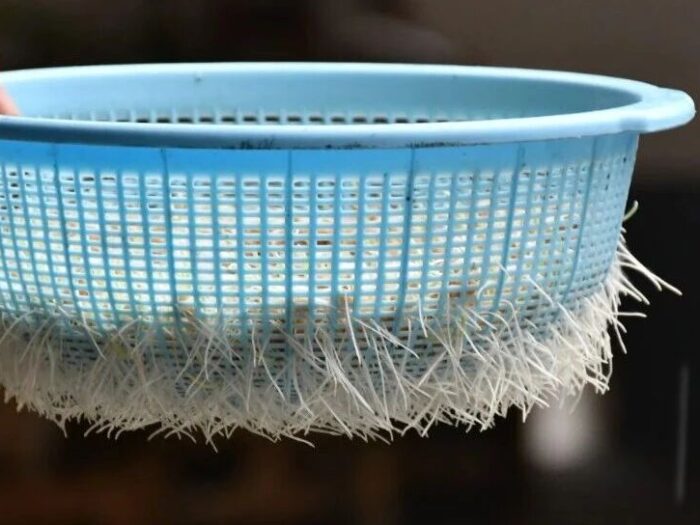
Over a decade since the 2016 straw burning ban became a political priority in the three northeastern provinces, Heilongjiang’s Hulan, Bayan and Bin County farmers and cadres proved: ridges wrecked by outsiders, stubble after baling, rice stalks never fully cleared — all for one burning window before spring planting.
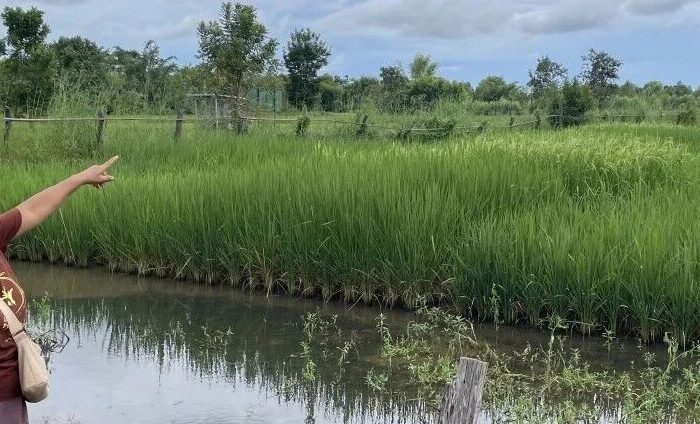
Farmers in Khok Sa-at village, northeastern Thailand, grow no export varieties. Self-breeding heirloom rice, owner-held land, and a credit co-op running for over forty years keep growing, borrowing, and spending within the community — a fall of about 30% in rice prices cannot touch them.
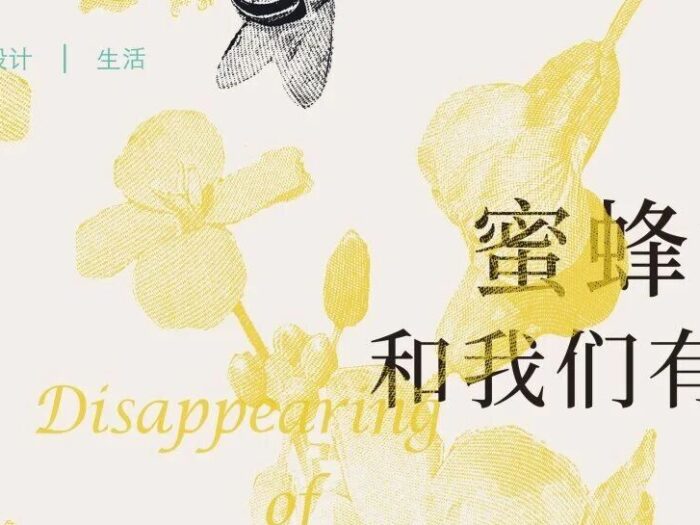
Author of The Vanishing Bees, Professor Lü Chensheng of Southwest University, begins with Colony Collapse Disorder at a Foodthink talk, discussing the ecological and health risks of pesticides entering the food chain from seeds, and seed companies’ influence on agricultural policy. 31 May afternoon, Beijing + online.
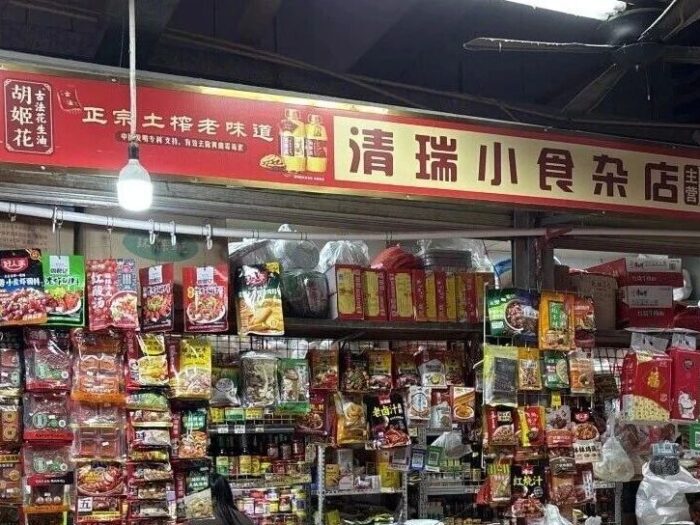
In 1995, my nan set up this sold-by-weight condiment stall at Yijing Market in Wuzhou. Since mum took over, she remembers each regular’s usual soy-sauce brand — and from dawn opening to late-night spice repacking, one busy stretch lasts twelve hours.
Oil-lamp cake, jin baoyin and roasted flour – the harvest festival children in hungry years once longed for all year. Now snacks are drenched in free sugars and refined oil. Back to the kitchen: roselle drink, yoghurt, dried pumpkin, nut toffee and jerky – sweetness and fragrance need no additives.