In Lihu, Guangxi, All Things Belong at the Xu

At eight on the morning of 19 April, I stood on the main street of Lihu Yao Ethnic Township in Nandan County, Guangxi, feeling like a piece of scrap.
I had come to Lihu from the county town, all by myself, to attend the xu. Xu — also written 墟 — is what people in Guangdong and Guangxi call a traditional market. My friend Guan Qi had mentioned that Lihu’s market days fall on dates ending in 3, 6 or 9. The fourth Nandan Music Festival had wrapped up on the 18th, so there was a xu today — I simply had to come and see for myself. But I had been running flat out for five days straight as a music festival staff member, and by now I felt like a bowstring drawn past its breaking point. I had slept fewer than four hours the night before; my vision had gone soft, my mind was scattered, as though my head were wrapped in a layer of fog, and my steps felt unsteady.
I had deliberately taken a taxi to make it for the opening of the market. The driver was fast, covering the winding mountain road in half an hour. Nandan County Town sits in a mountain basin upstream on the Hongshui River, while Lihu lies deep in the karst highlands where Guangxi meets Guizhou. A little over twenty kilometres of mountain road — not far in distance, but it strips the urban landscape away in moments, replaced by the order and rhythms of a Yao way of life passed down through generations.
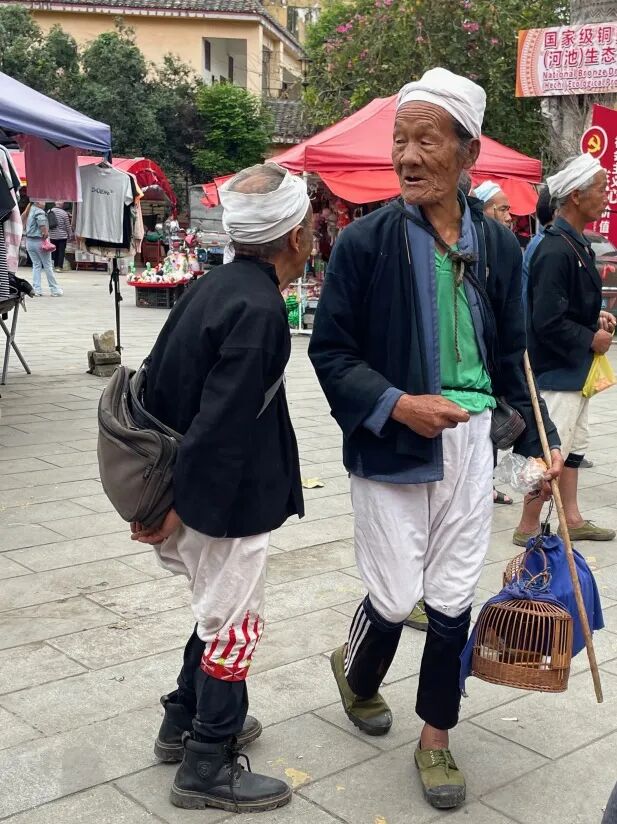
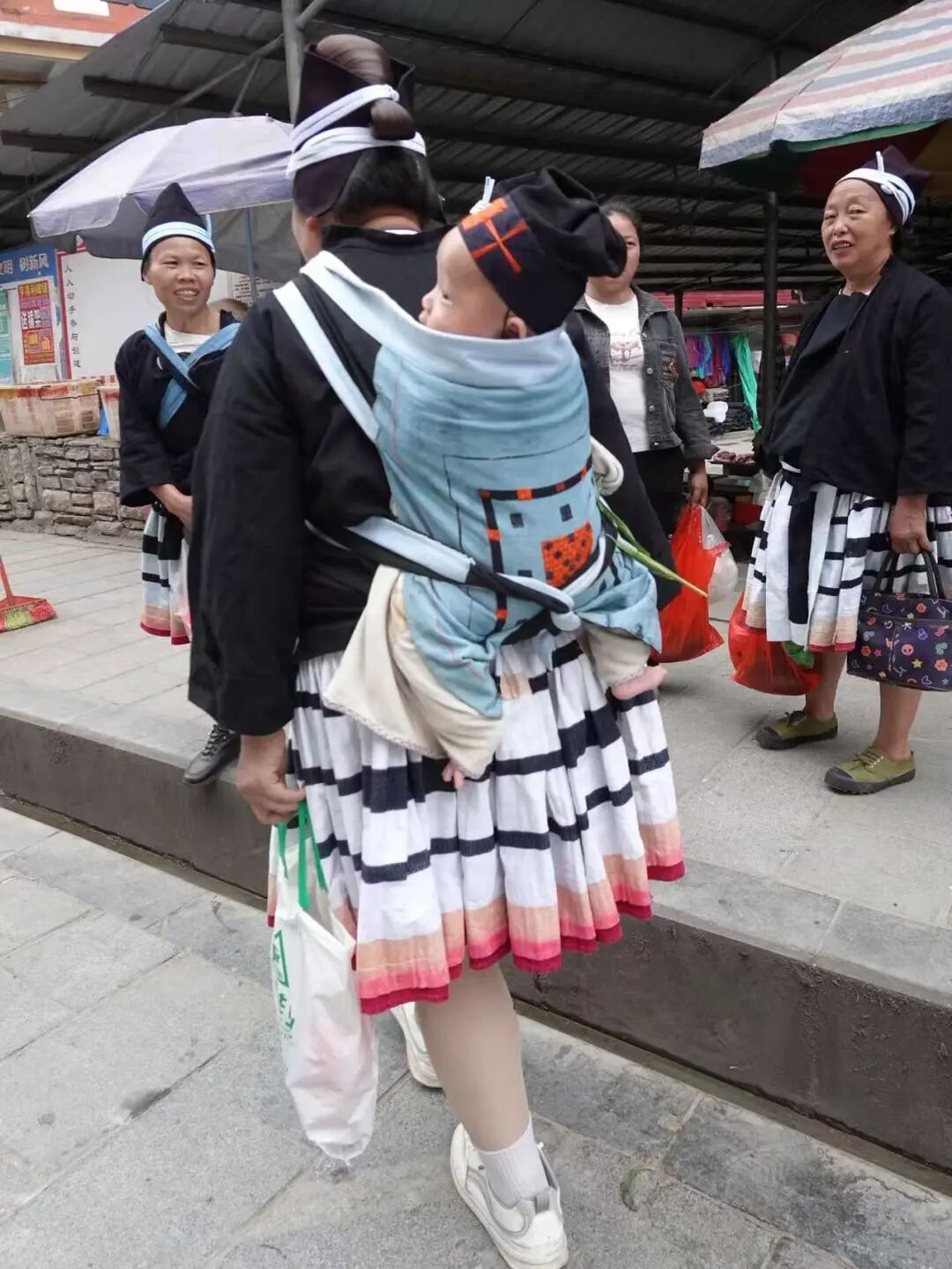
◉The White Pants Yao take their name from the iconic white trousers worn by the men of the community. Right: Locals head to the market dressed in their traditional attire.
This is one of the most concentrated settlements of the White Pants Yao — a name derived from the white, knee-length shorts worn as part of the traditional dress of the community’s men. There are roughly fifty thousand White Pants Yao across China, more than thirty thousand of whom live in Lihu and the neighbouring Baxu. As a branch of the Yao, the White Pants Yao still preserve a relatively intact traditional culture and way of life. Attending the market is part of daily existence here. The Lihu xu is not only an important place for the surrounding villages to exchange goods and meet with family and friends — it is also said to retain a relatively traditional character of a Yao market. On major festivals, the crowds here swell to their peak.
And there I was — a tourist who had come rushing over on the strength of a few casual words from a friend, knowing almost nothing about the White Pants Yao — harbouring a thought that was slightly absurd, rather undignified, and perhaps even a little presumptuous: I wanted to see what Guan Qi had described, the locals turning up at the market dressed in their finest, to look at their garments and attire, and at what they eat, wear, and use from one day to the next.
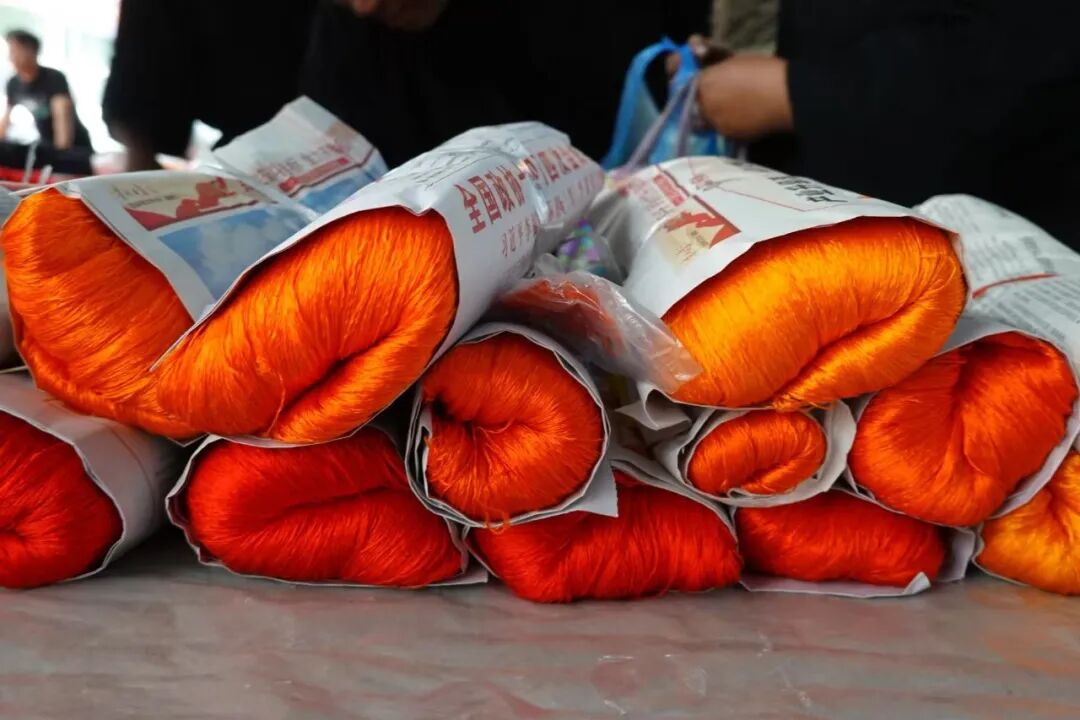
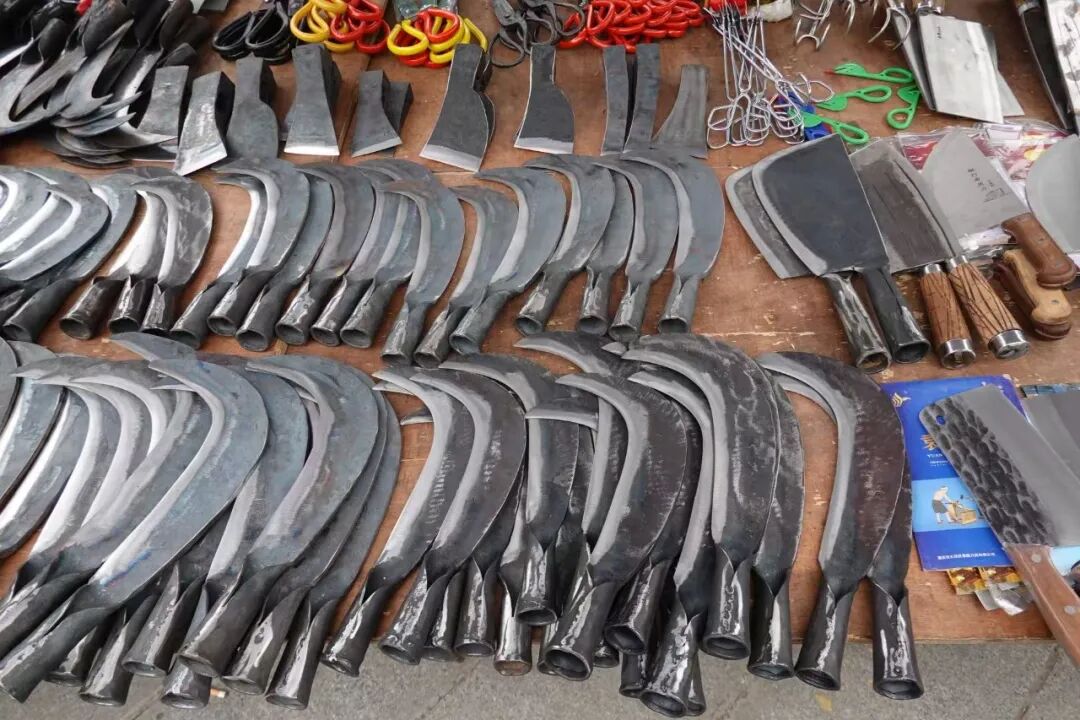
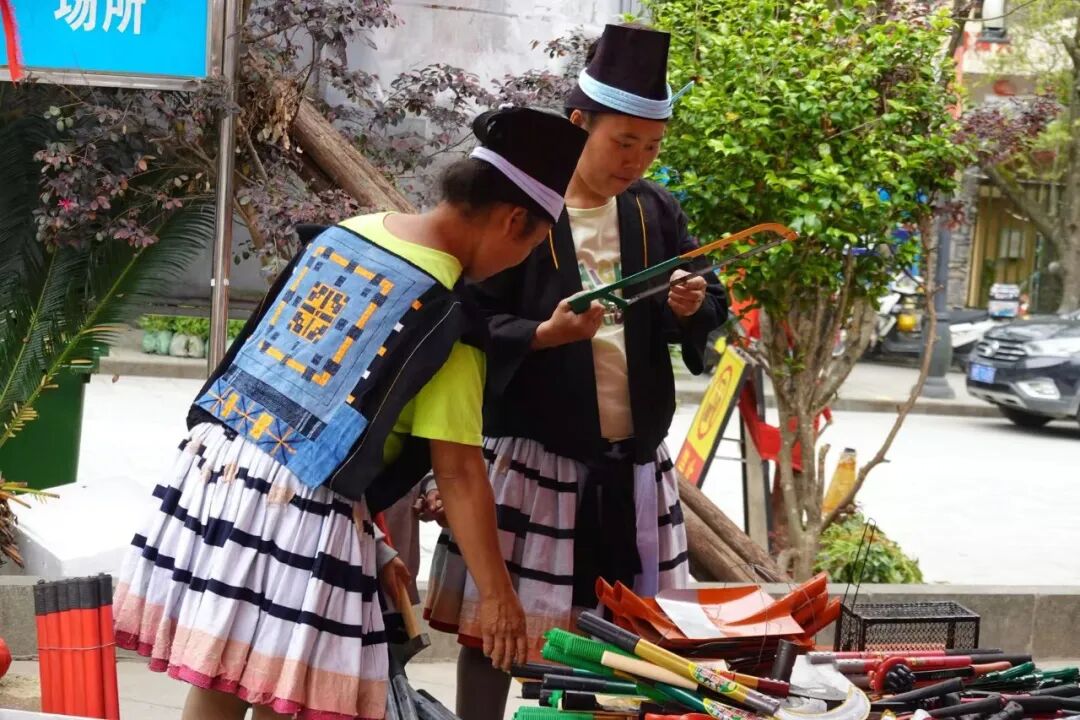
◉The market sells far more than just ingredients — food, clothing and everyday necessities of every kind can all be found here.
All Things Belong at the Xu
By eight in the morning the stalls were already trickling open. A few elderly villagers sat chatting on the steps of the veterinary station, occasionally shooting a sidelong glance at me — a weary outsider in their midst. Opposite the veterinary station lay the heart of the xu: a semi-open-air farmers’ market sheltered beneath a broad roof. From the slightly elevated ground nearby you could take in the entire layout, clearly divided into zones: vegetables, fruit, meat, live poultry and pigs, textiles, sundries… Inside, rows of stalls built from concrete blocks were neatly arranged, with small permanent shops lining the sides, while temporary ground-level stalls dotted the narrow lanes around the edges.
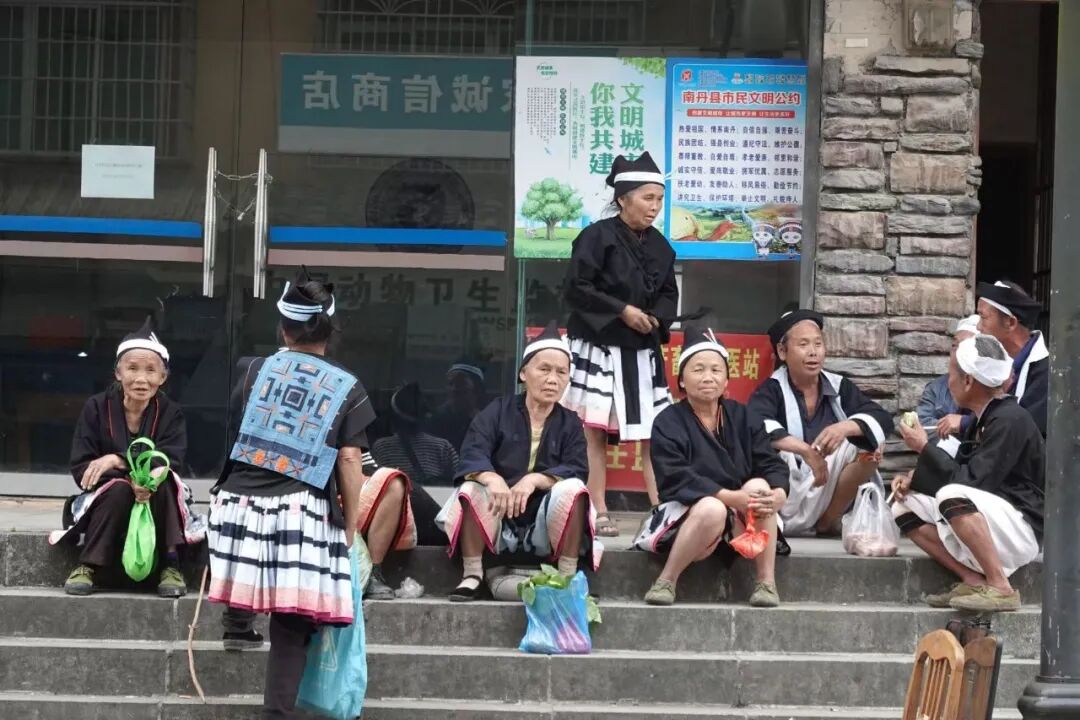
◉On the streets of Lihu: early-morning “Gazes” and “Counter-Gazes”.
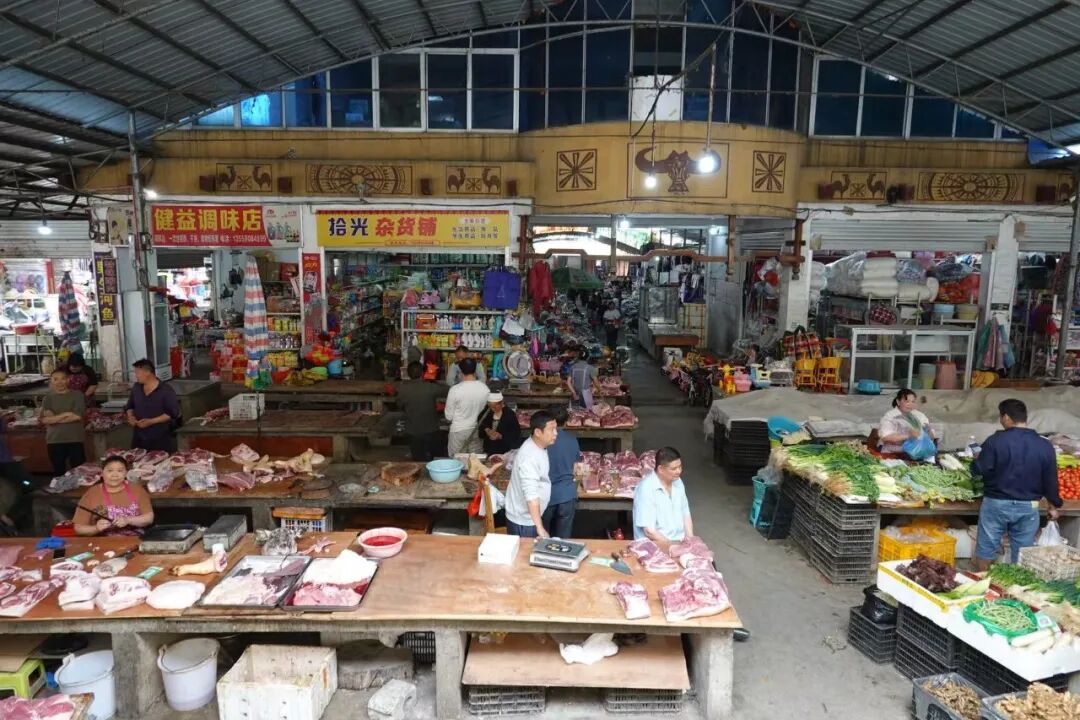
◉The main space of the Lihu xu looks much like a market anywhere else in the country.
Wherever you look, all things belong at the xu. When the eyes don’t know where to settle, they latch onto the most familiar things first. There are perhaps two or three permanent stalls here selling vegetables and fruit — sweetcorn, chillies, green beans, aubergines, cucumbers, celtuce, tomatoes, and all manner of leafy greens: napa cabbage, bok choy, round cabbage… Most of it you’d find in a supermarket back in northern China.
On many of the ground stalls sat bunches of vegetables with their roots wrapped in broad leaves. The leaves looked like lotus leaves, and the wrapped portions were so fresh they could even stand upright on their own. At first I assumed this was a local method for keeping things fresh, but I soon noticed that not all the leafy greens received such treatment. I tried asking a stallholder, but I couldn’t quite follow the heavy accent, so I let it go.
Further along, I spotted bundles of sweet potato vines laid out on the ground. Not entirely sure of myself, I quietly asked again, “Is this for feeding pigs?” The vendor looked at me with a half-smile. “This is for planting.” So it wasn’t food at all. The earlier puzzle cleared in an instant: those carefully leaf-wrapped “vegetables” at their roots (mostly chillies and aubergines), just like these sweet potato vines, were meant to be taken home and planted. Wrapping the roots was to keep in the moisture.
The vegetables sold at the market are not just food — they are seeds and seedlings too.
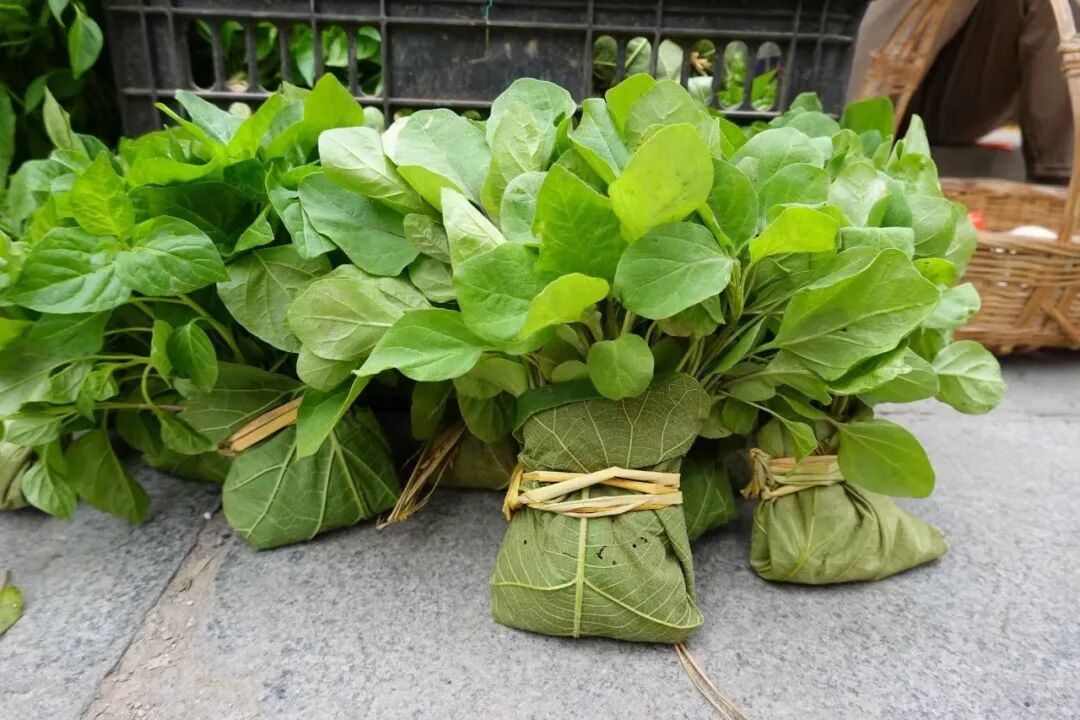
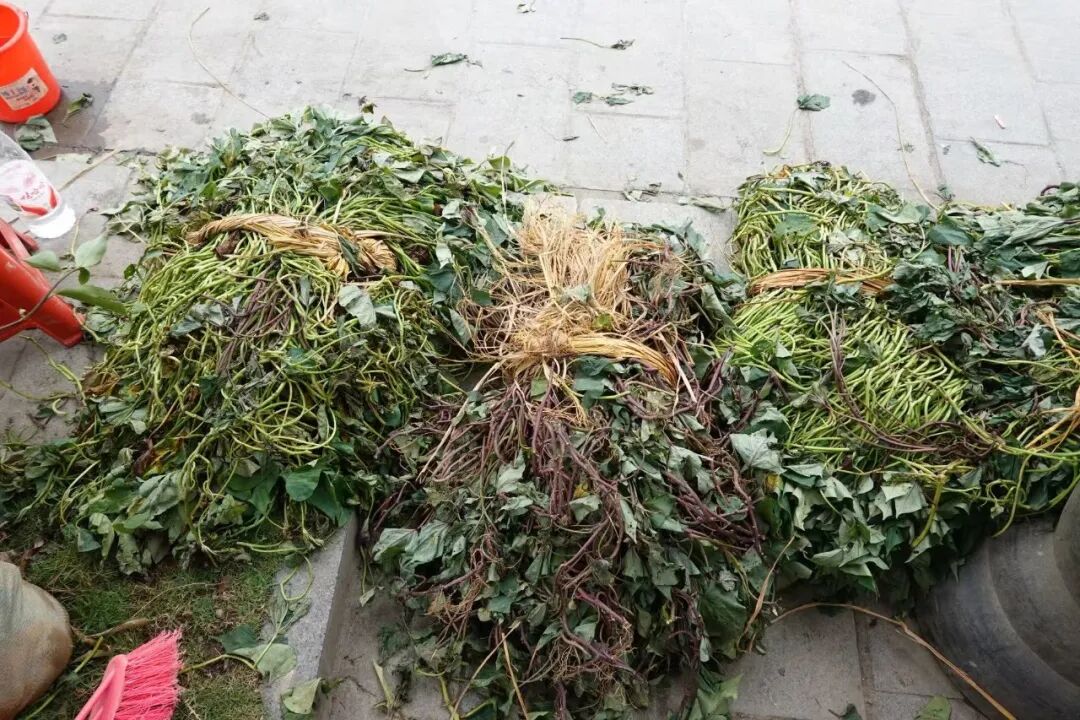
◉The leaf-wrapped roots are seedlings, which local Yao families buy to take home and plant.
Do You Know How Expensive This Dyed Cloth Is?
Live pigs and poultry are something you no longer see in Beijing’s markets, but here there were rows and rows of local black piglets, chickens, Muscovy ducks, and even dogs, all traded in bamboo cages of every shape and size. Armed with what I had just learned, I guessed the piglets were meant to be raised rather than put straight on the table — right next door were the pork stalls, where whole slabs of meat hung for sale, sold by the jin. One butcher’s stall also sold soya products, and the stallholder had set up a griddle, cooking tofu on it. I had half a mind to buy a piece and give it a try, but with raw meat everywhere around me, I shrank back.
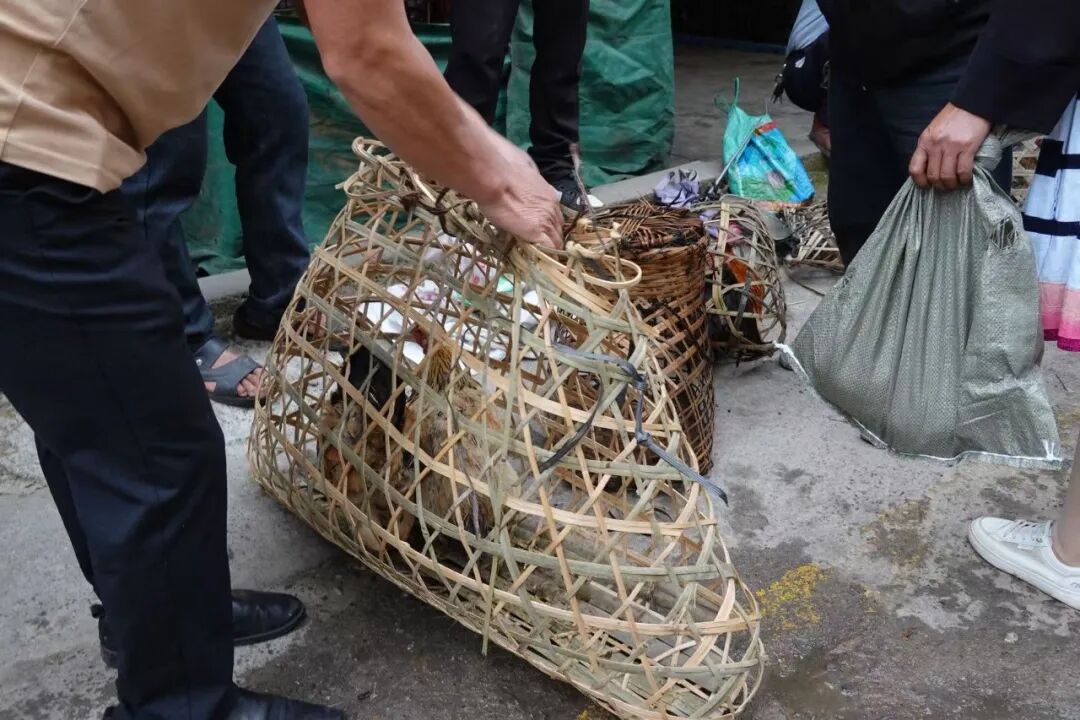
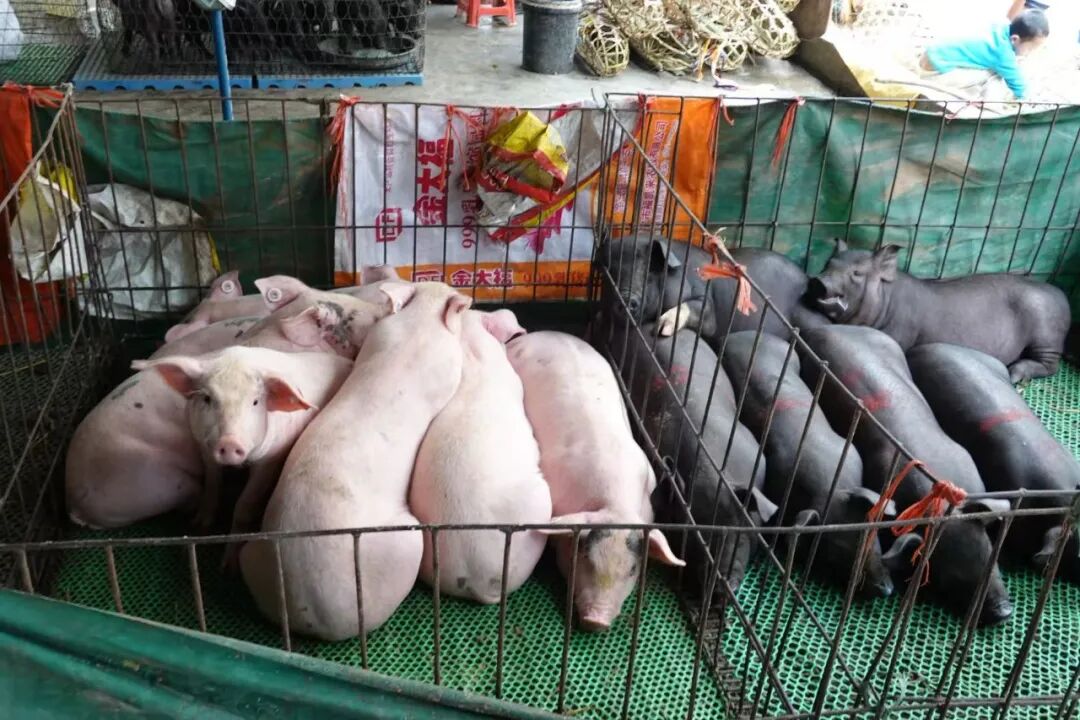
◉At the xu, chickens, pigs, dogs and other livestock each have their own cages.
There were fabric stalls in abundance, too. The White Pants Yao are a mountain people, for whom farming and weaving are the principal means of production; cloth-making and dyeing occupy an extraordinarily important place in daily life. I saw many stalls laid out with cloth — mostly plain white greige, undyed fabric — along with bundles of cotton thread, silk thread, plastic bags filled with white powder, little blue bottles, brushes, beads of every colour… and strands of gold and gold-red silk twisted together. The White Pants Yao golden silk silkworms are famous, and the stalls often displayed sheets of golden silk cloth rolled up like xuan paper — flat silk cloth woven from the threads spun by the golden silk silkworms.
“This is it,” I thought — wasn’t this the silk-rearing culture of the White Pants Yao? I remembered Guan Qi mentioning it once.
White Pants Yao women stood beside the fabric stalls in beautiful dress, browsing and chatting with the ease of seasoned shoppers. Meanwhile, I drifted uncertainly through the piles of greige cloth and balls of thread, unable to speak the local tongue and too shy to ask many questions. At last I spotted a stall displaying bolts of dyed cloth and went over to ask the price. The young woman running the stall hesitated for a moment. “This one’s very expensive — it’s handmade, it’ll cost you over a thousand.” Her tone wasn’t harsh, but the meaning was plain: I was not a local, I didn’t know my way around, and I was not the sort of buyer she had in mind.
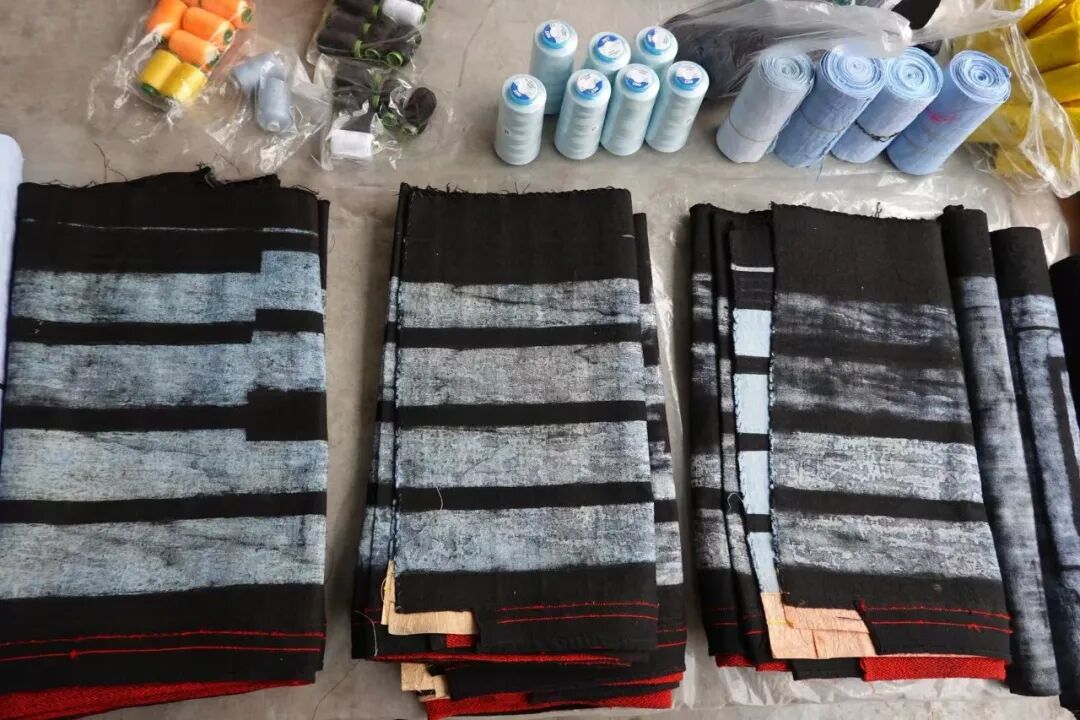
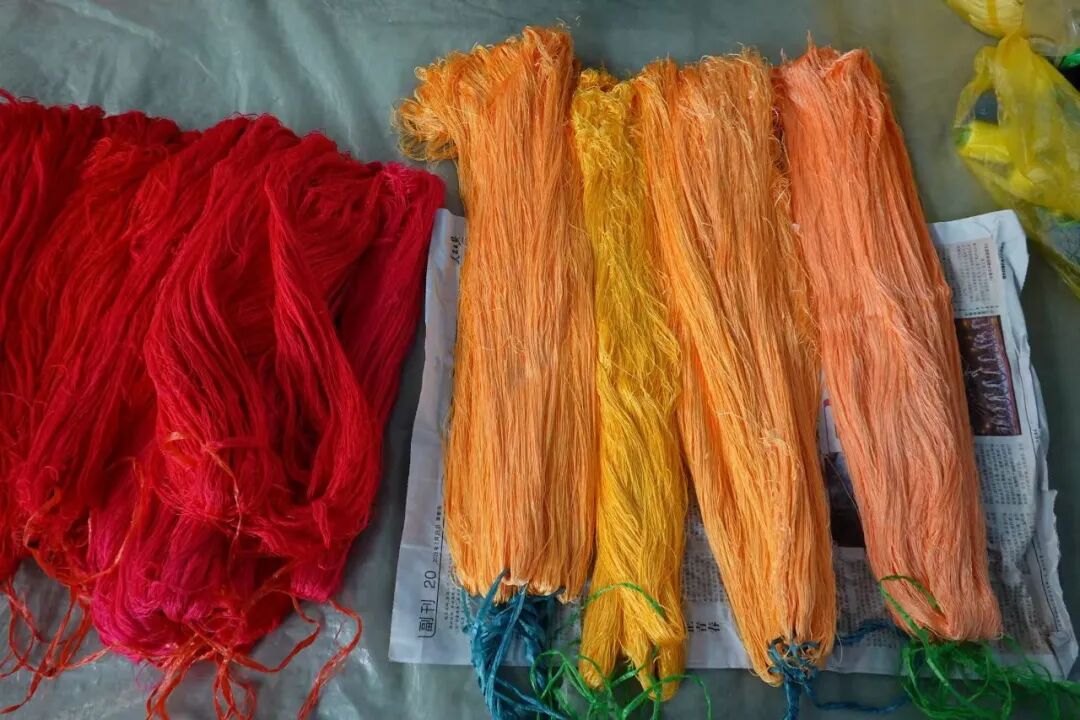
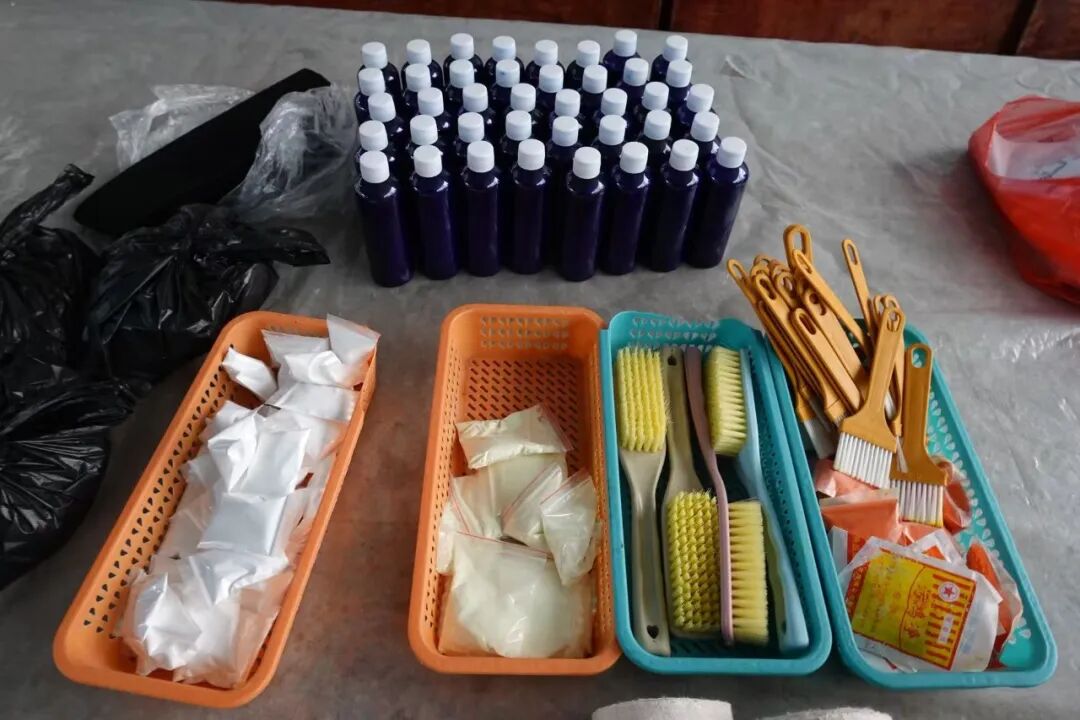
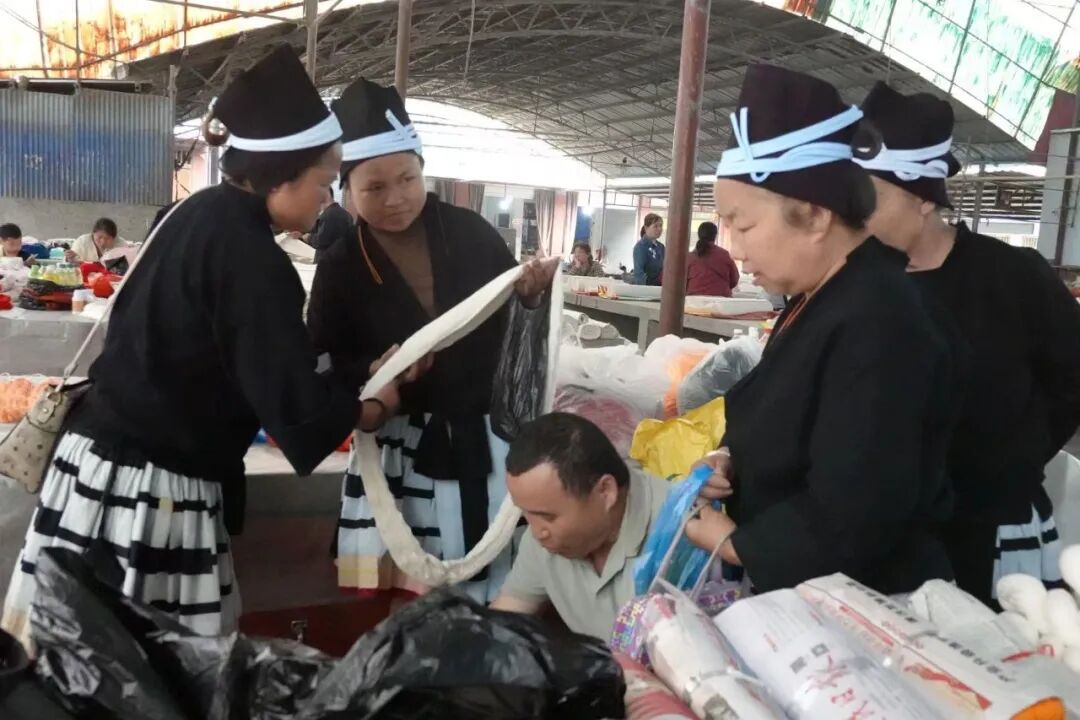
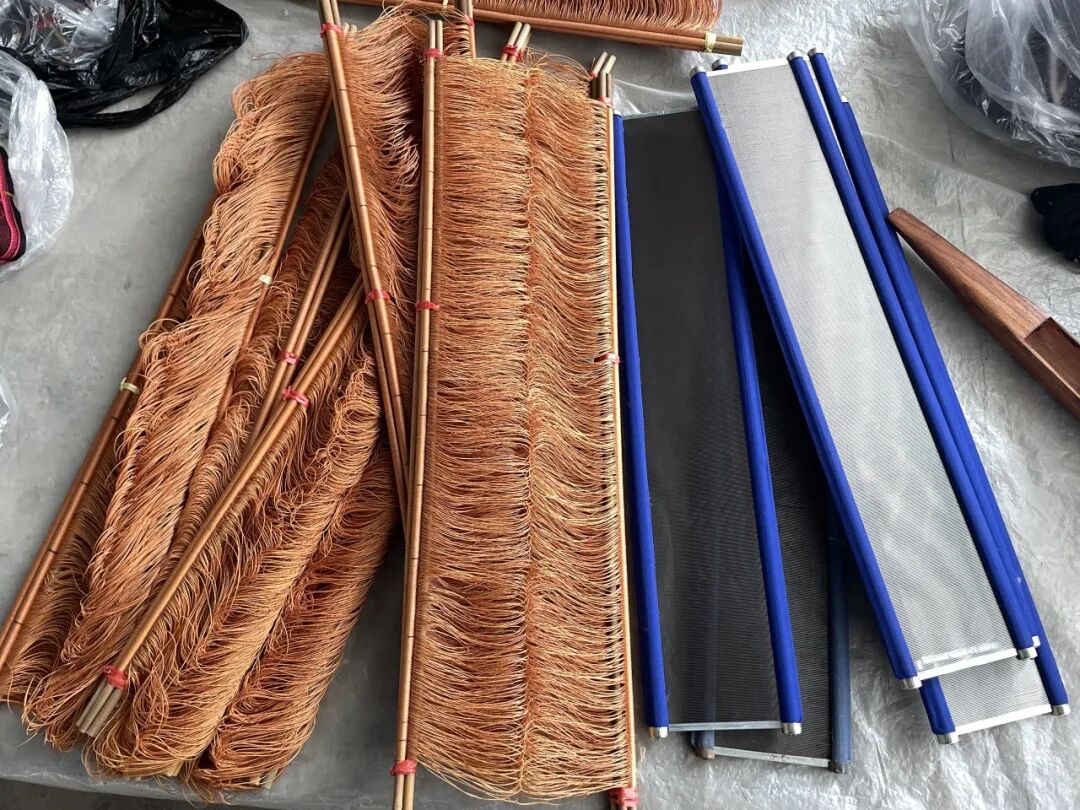
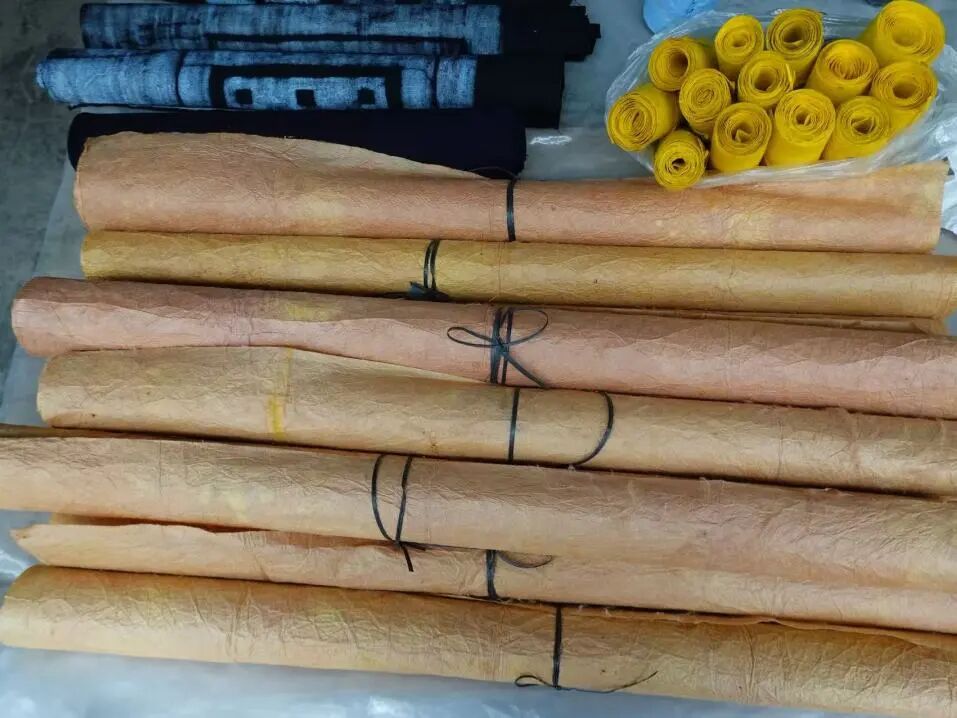
◉The various components the White Pants Yao use for weaving and dyeing. The last photo shows flat silk cloth.
Some fabric stalls had piles of plant roots and tubers I couldn’t identify. And yes, standing there among the shan shao and shu liang used in weaving and dyeing, I did go and pose a truly laughable, grand-in-theory question: “Are those taro?”
I wandered about the market grounds, stealing looks, snapping photos — yet with neither practical knowledge of production nor any on-the-ground familiarity, I genuinely could not say what I had come to do. My curiosity was strong, but I could not get beneath the surface, and wave after wave of quiet, inward exhaustion set in.
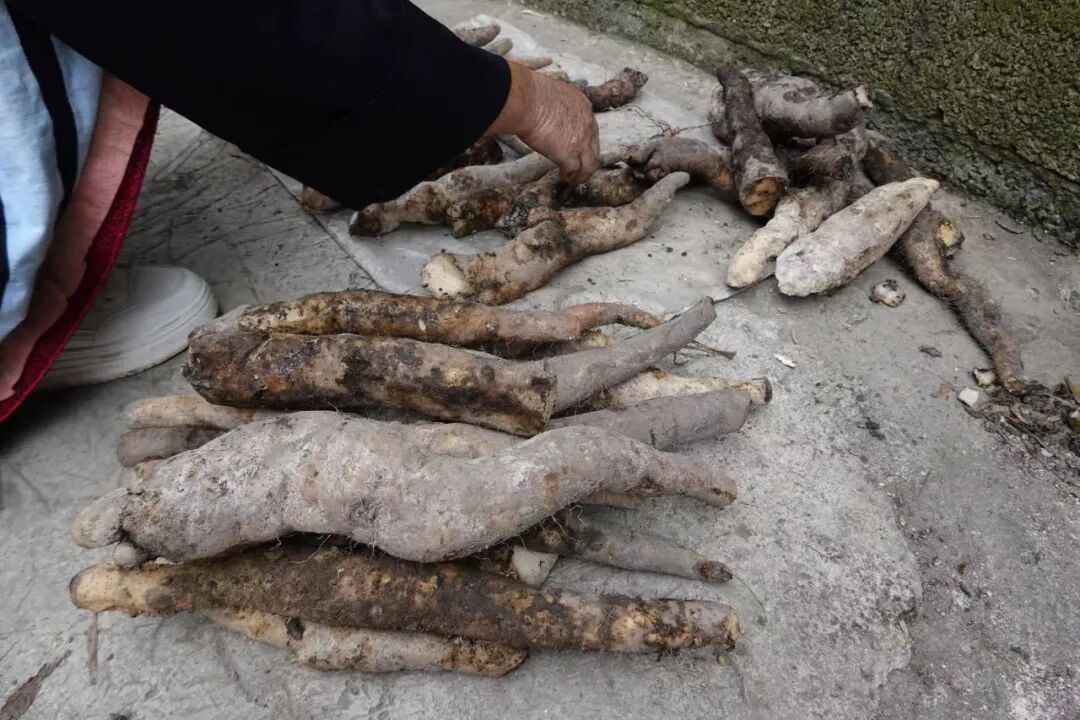
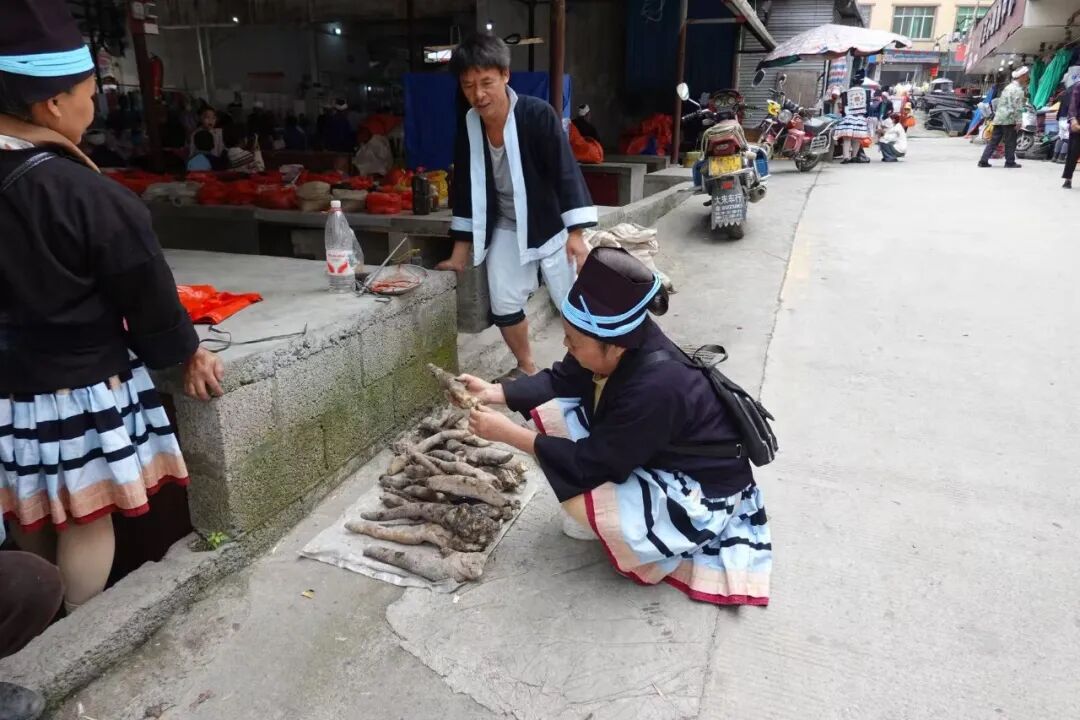
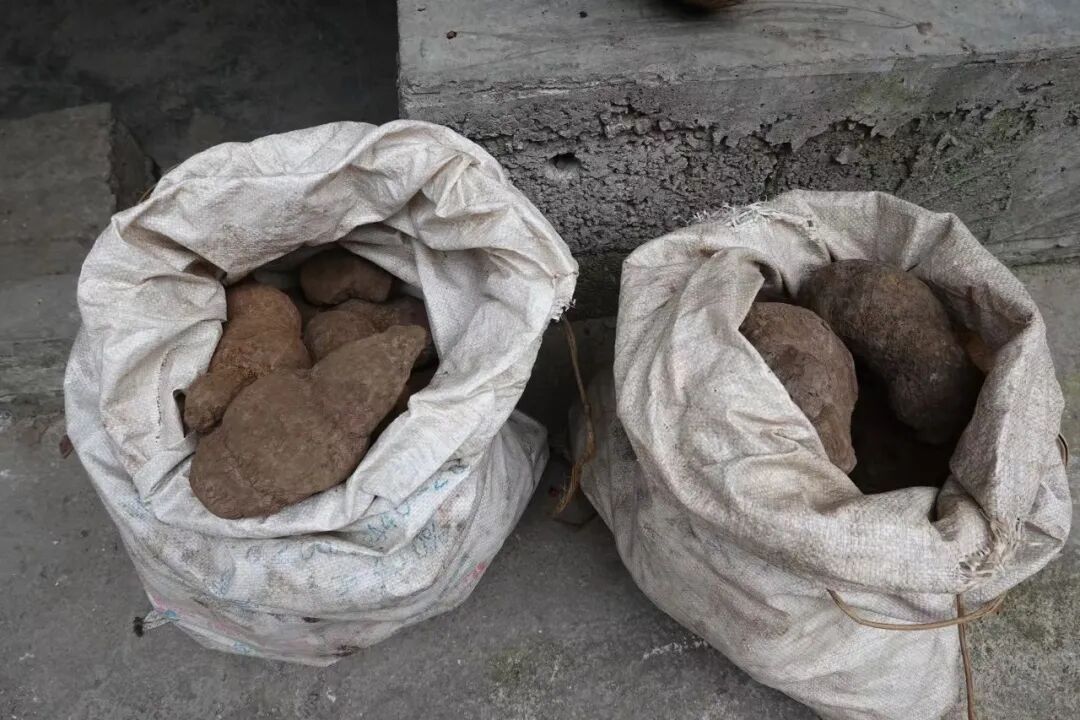
◉Above: shan shao (a type of wild yam), used for sizing yarn — only after the yarn has been boiled in shan shao does it become tougher and less likely to snap. Below: shu liang, used for dyeing cloth. The traditional White Pants Yao fabrics are black with a red undertone; the “red” in them comes from shu liang.
Shopping in the Maze
Then I heard someone call my name from behind — it was Meng Fang, the friend I’d met at the music festival: “Come join us for hemp kernel chicken hotpot!”
As it turned out, she’d brought a group of friends to Lihu for a day at the xu. Meng Fang worked at a social work organisation in Guangxi and was a core volunteer at Nanning’s urban farmers’ market, while also knowing Lihu well. This time they’d come straight from the music festival, planning to pick up some produce at the xu and then head up to the White Pants Yao Ecomuseum to cook a meal. I’d been planning to visit the Ecomuseum too — what a stroke of luck.
Having found my people, browsing the xu instantly opened a new chapter. Walking behind Meng Fang, my aimless wandering and gazing and counter-gazing simply dissolved. She moved swiftly through the market, as though she already knew exactly where everything was.
Her first stop was an unassuming little stall, where she pointed at a bag of grey-brown granules. “You’ve got to buy a bit of these hemp seeds,” she said. The stallholder scooped a bag for her using an old iron bowl and weighed it out. Hemp is the White Pants Yao’s principal oil crop and food ingredient. Meng Fang told me that locals grind the seeds with water, strain out the pulp, and generally use the resulting liquid in soup — while the leftover dregs make fine animal feed.
It put me in mind of the Guangxi oil tea I’d had a few days earlier in Nandan — apparently some versions of the tea are stir-fried with hemp kernel to build up the flavour.
While the stallholder went off to grind the hemp kernels, Meng Fang casually picked up a bottle of “sour meat” from the neighbouring stall — clean pieces of meat packed in a plastic bottle, pinkish in colour and flecked with tiny yellow grains of millet. She explained that this was another classic local preparation: raw pork sealed with salt and millet and left to ferment, so that over time the meat gradually turns sour and cooks through on its own. Sour meat keeps well, so White Pants Yao households always keep some on hand. You can slice it straight onto a plate, steam it, or stir-fry it. Later, when I tried it raw, I found it had a clean, refreshing tang — not a hint of gaminess or greasiness.
After that we wound this way and that through the lanes, and Meng Fang paused at a stall lined with plastic jugs and glass jars to buy two bottles of locally homebrewed liquor. This native spirit, because it’s so often sold in square plastic jugs easy to carry by the handle, earns an affectionate nickname among locals: the “Guangxi Briefcase.” I’d heard it mentioned at the music festival, and now at last I was seeing the real thing at the xu.
At last we circled back to the pork stall that had made me hesitate earlier. The woman running it was turning blocks of tofu on the griddle. I stepped closer to look, and there it was — stuffed tofu, with a meat filling sandwiched inside. No wonder the stall had been set up right beside the butcher’s. Meng Fang bought a big bagful, and as the stallholder tucked the pan-fried tofu blocks into the bag, she chatted and laughed with her.
We headed out, bags in hand, towards our next stop. At the time I was simply tagging along with Meng Fang, buying and buying, without thinking much about it. It wasn’t until I was back in Beijing, putting pen to this article, that I began to see: hemp seeds, sour meat, a bottle of “Guangxi Briefcase” spirit — these sat right at the centre of the White Pants Yao’s everyday table. The Lihu xu belongs to those who truly know its rhythms — only they can zero in on what they need so quickly in a market that sprawls like a maze.
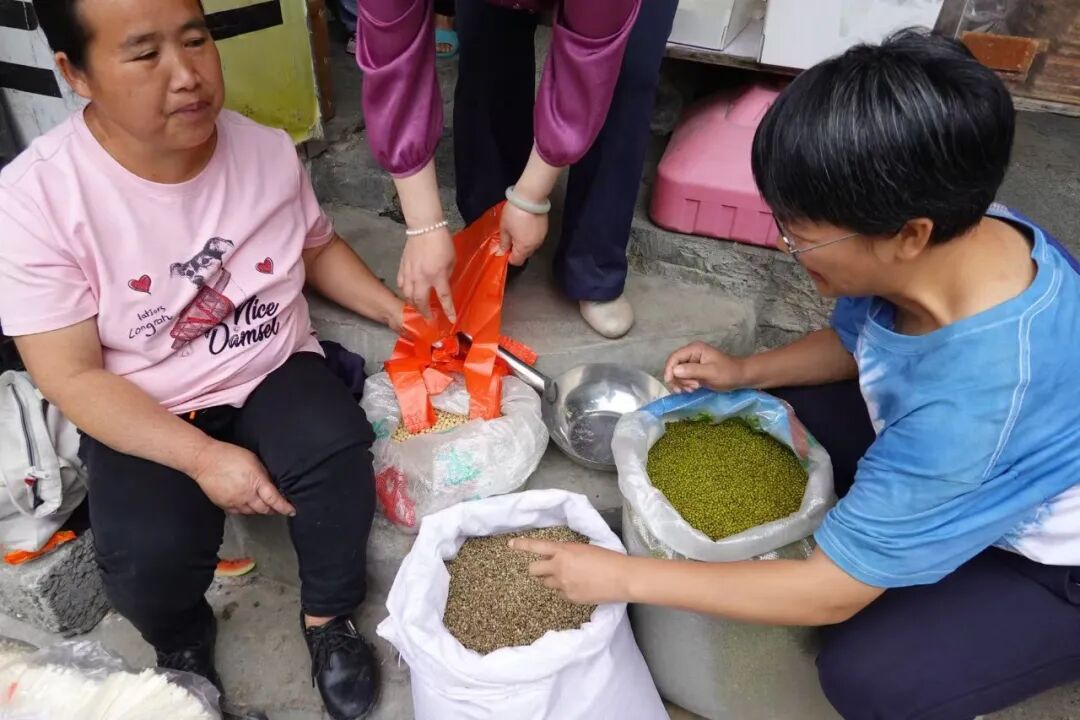
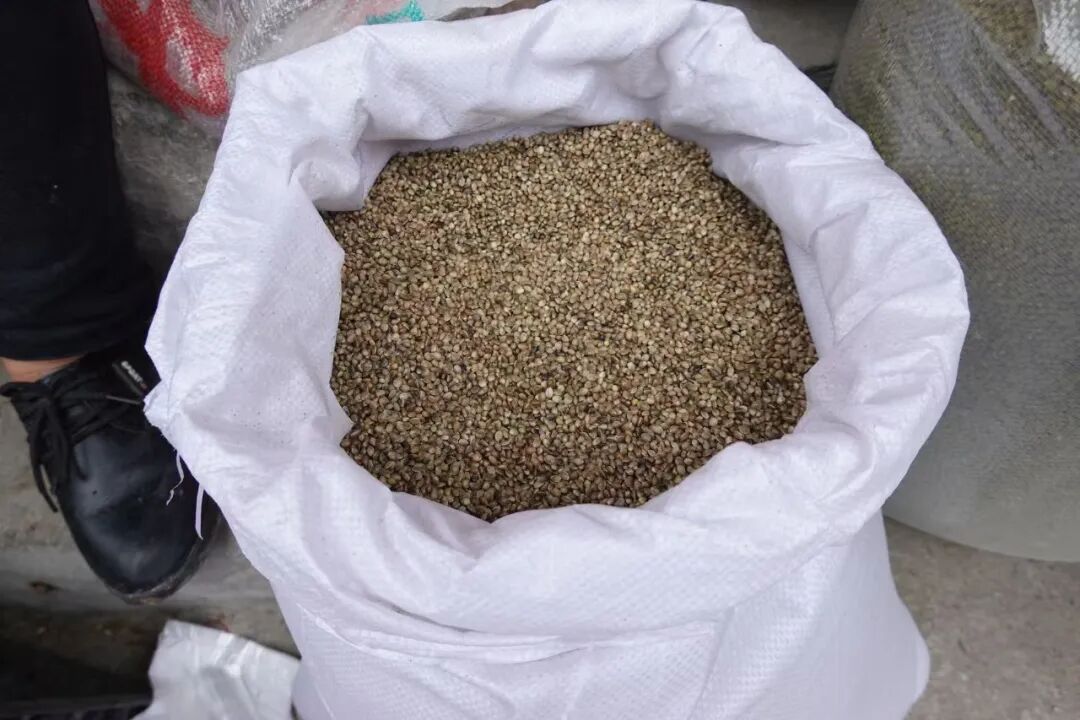
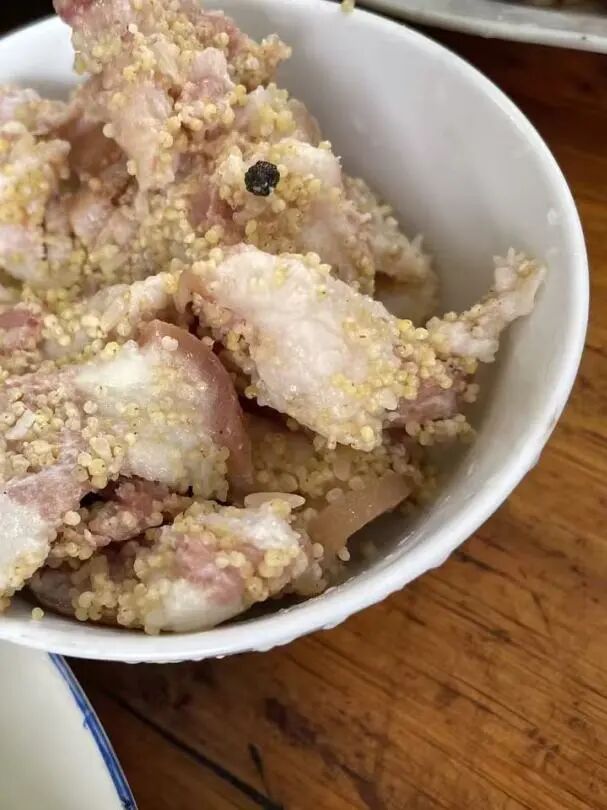
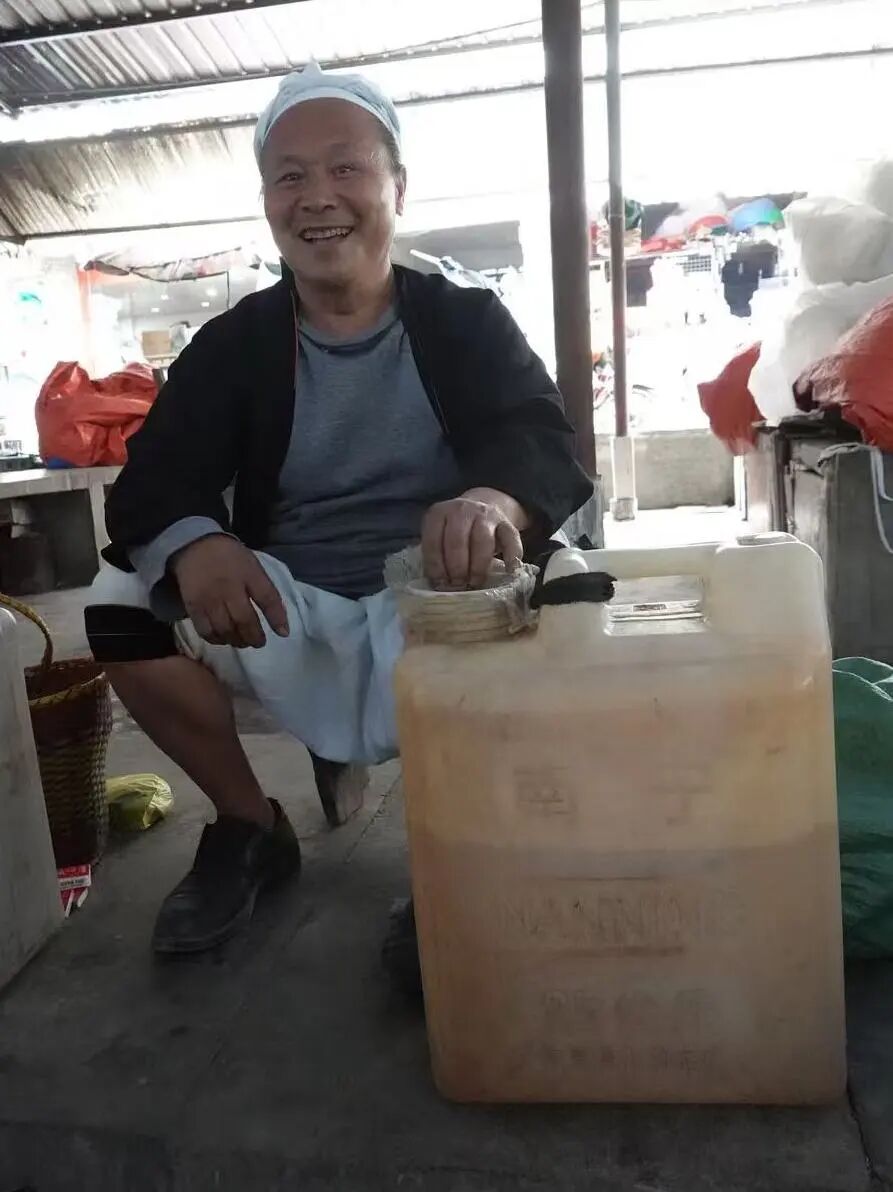
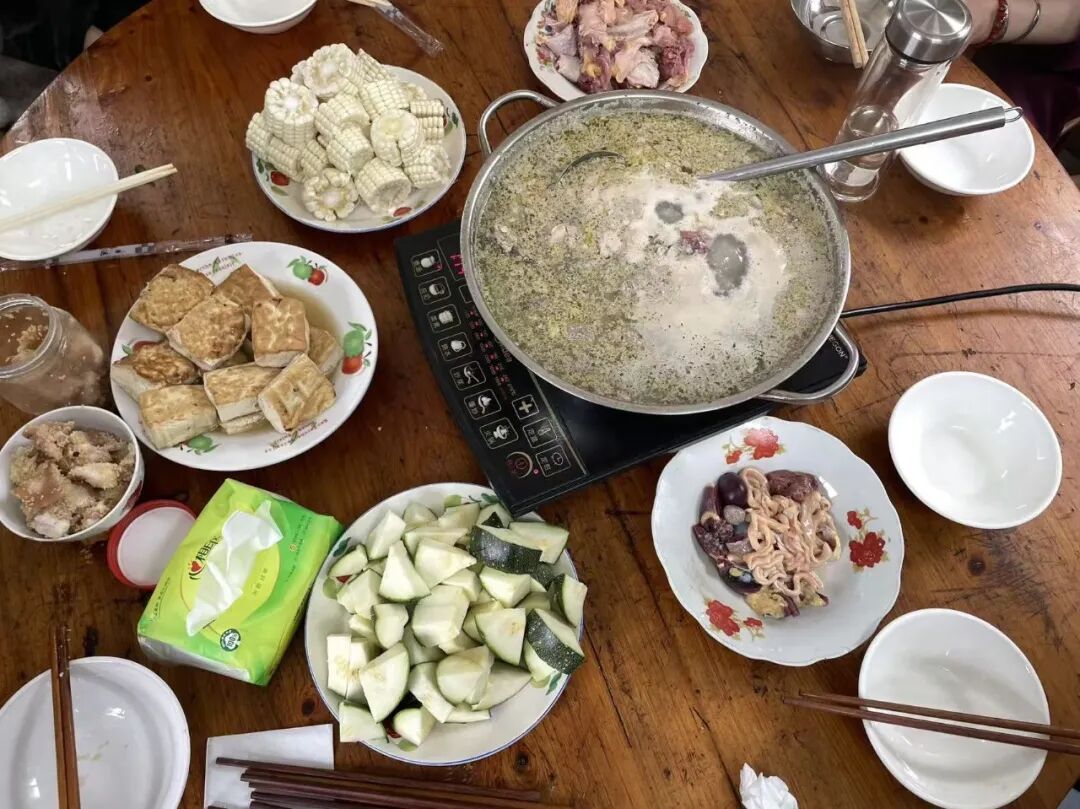
◉Meng Fang choosing hemp kernels, sour meat, “Guangxi Briefcase” liquor — and the Ecomuseum’s hand-cooked feast.
A Museum That Doesn’t Feel Like a Museum
Carrying a pile of ingredients, we caught the bus up the mountain and reached the White Pants Yao Ecomuseum, nestled midway up the slope.
I had originally come to “make up for lost lessons” — after all, who visits a museum not wanting to learn something? But as I trailed along with this group, the main thread suddenly shifted to cooking and eating.
This was more than just an exhibition hall — it was linked to several White Pants Yao natural hamlets in the surrounding area. There were no clear boundaries; the displays and everyday life were woven together. The things we’d bought at the xu were carried into the kitchen, washed, chopped, and thrown into the pot, and before long they had become a feast. I sat off to one side, eating along with everyone, and gradually it became hard to say where “visiting” actually began.
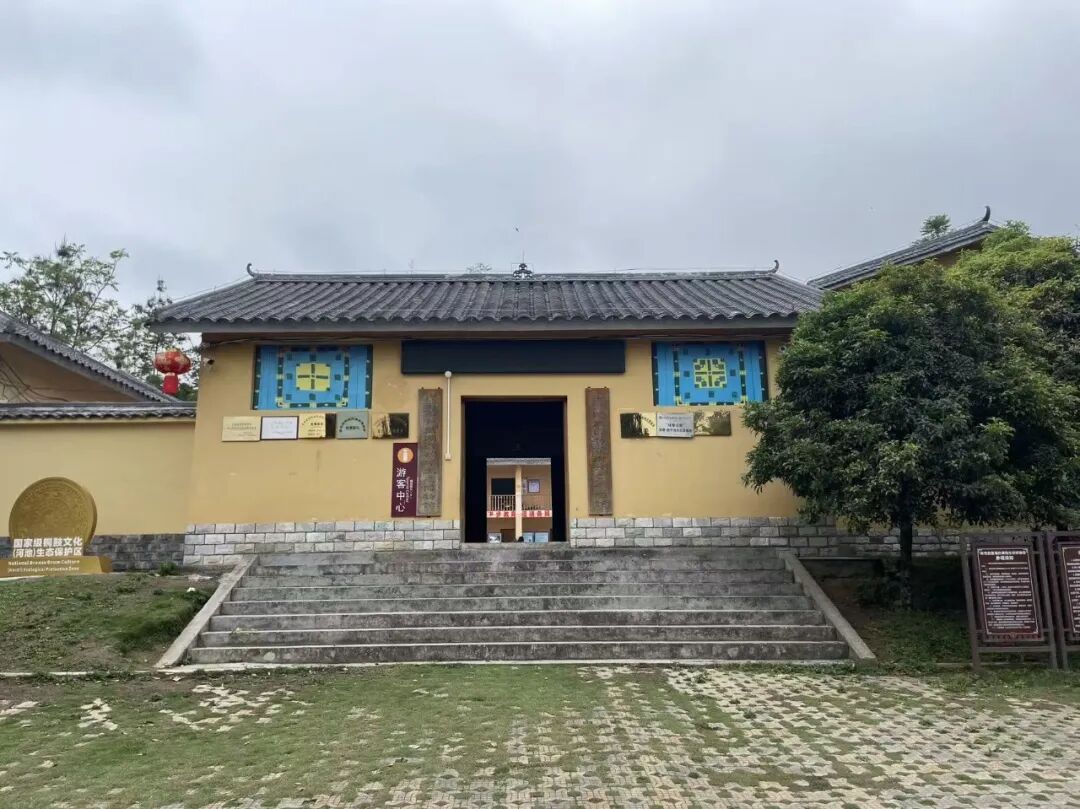
◉The White Pants Yao Ecomuseum looks utterly unremarkable from the outside; step inside and a whole different world opens up.
Outside the kitchen, the open ground in front of the entrance was also a hive of activity.
Several wooden stakes had been driven into the ground, marking off a square patch of earth. Layer upon layer of yarn was stretched taut between them, pulled straight and tight. Three White Pants Yao women stood at different sides, each carrying a frame wound full of yarn, walking slowly along the circuit of thread. The yarn unwound from the frames, running close alongside the existing layer, then drawn out to the next corner. At each turn they paused briefly, redirected in their hands, and the thread flowed on around.
I stood to one side and watched for a while before it dawned on me that this was “pao sha” — the yarn winding process.
The three women barely spoke, yet their rhythm matched. When one reached a corner, the other two would turn to follow; when one slowed, the whole circuit slowed with her. Layer by layer, the ring of thread between them grew thicker and tighter.
I edged forward a couple of steps, wanting a better look. The older woman weaving murmured a quiet word, signalling that I shouldn’t come too close. I stopped.
Afterwards Meng Fang explained that the White Pants Yao observe certain taboos during pao sha — for instance, no one may step directly over the yarn, for fear of disturbing the thread’s “fortune” and “breath.” It was most likely a tacit understanding passed down among the women: if things run smoothly and the yarn doesn’t snag, fortune is on their side; if anything goes awry, they feel their own fortune is at odds with the process.
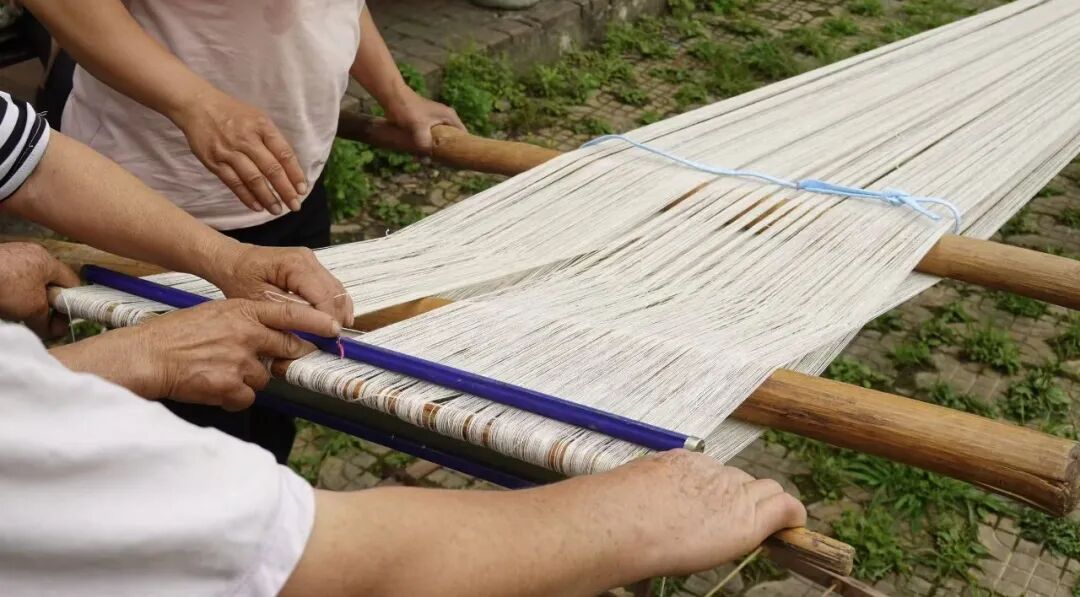
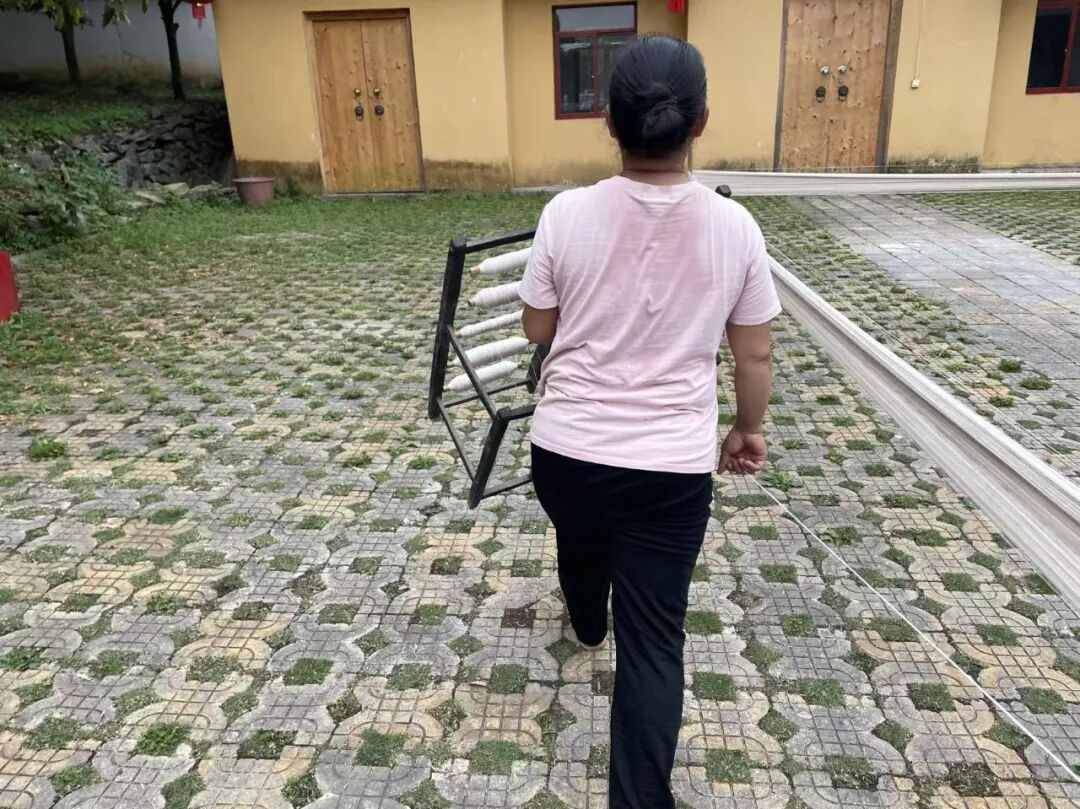
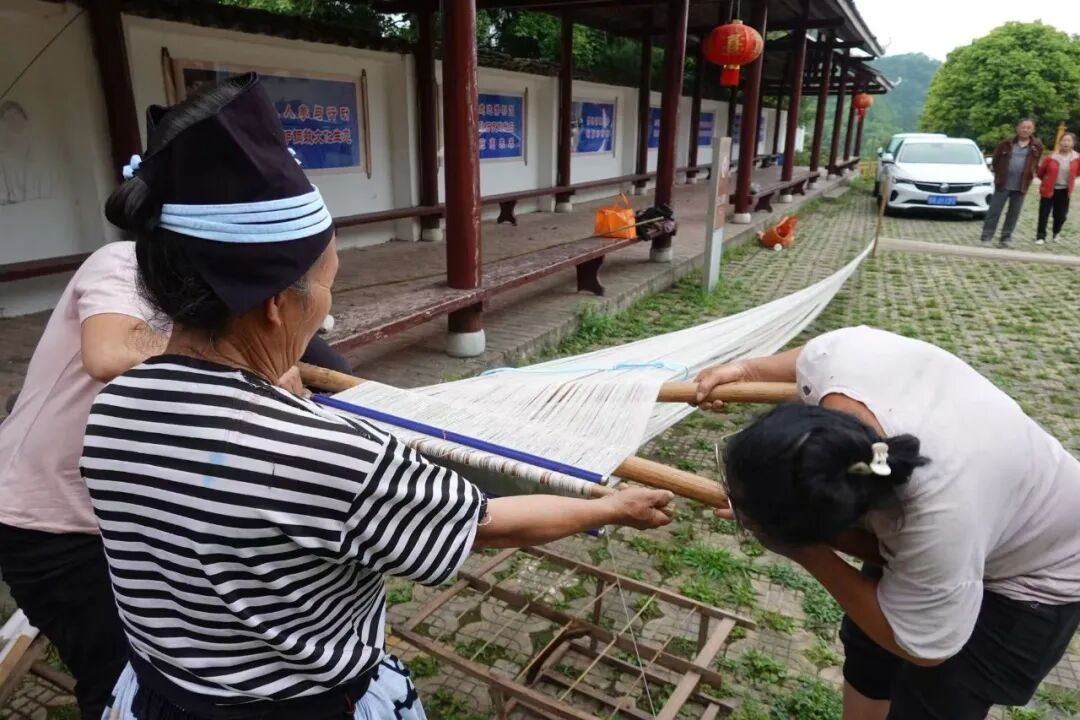
◉The pao sha process demands full coordination and cooperation among the artisans involved.
Upstairs in the Ecomuseum, silkworms were being raised.
An entire roomful of golden silk silkworms spread across flat woven trays, heads down, munching mulberry leaves. Over on the other side, some had already begun to spin. Rather than forming individual cocoons, they spun back and forth across wooden boards, gradually spreading out a whole sheet of silk. The attendants periodically adjusted their direction, exploiting the silkworms’ instinct to shun light during the spinning phase to coax them into a new direction and keep the silk sheet flat and even. Golden silk silkworms in the spinning stage demand close, constant attention; the attendants sometimes tend them day and night, monitoring the worms’ health while promptly clearing away waste so that nothing gets woven into the cloth and ruins it.
I thought of those rolls of silk cloth at the xu, rolled up like paper — so this was how they came to be.
The dyed cloth I’d seen at the fabric stalls, with its golden strip stitched along the edge, surely came from this very precious silk cloth. It was processed fabric, ready to be cut into panels for the pleated skirts that White Pants Yao women wear in everyday life. At the time I couldn’t see the connection between them. Now that I had witnessed these intricate processes with my own eyes, I understood at once the “sky-high” price of the dyed cloth at the stall, and the hesitant, gentle refusal in the young woman’s voice.
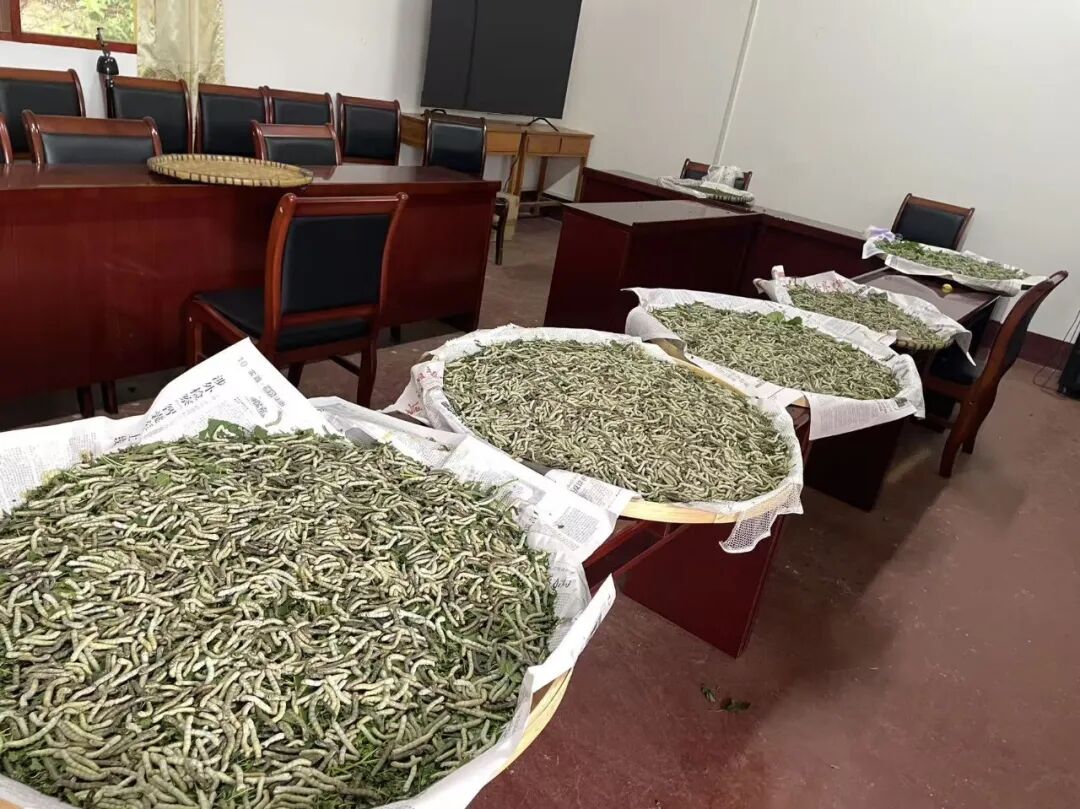
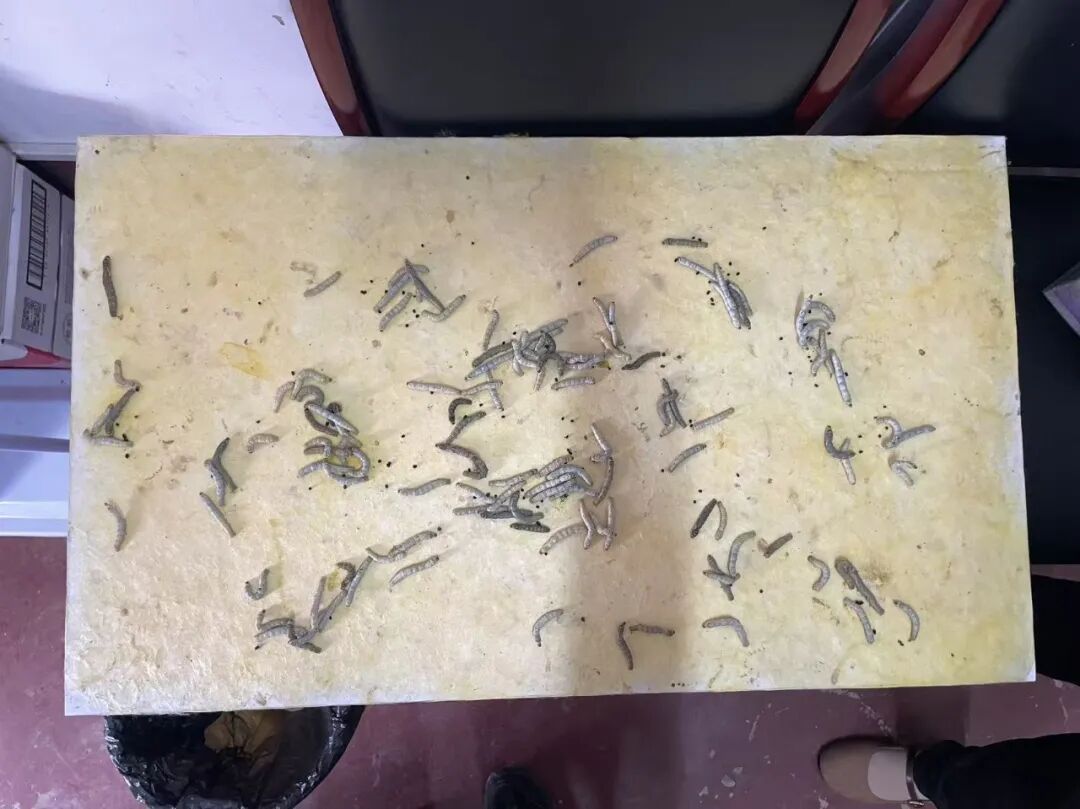
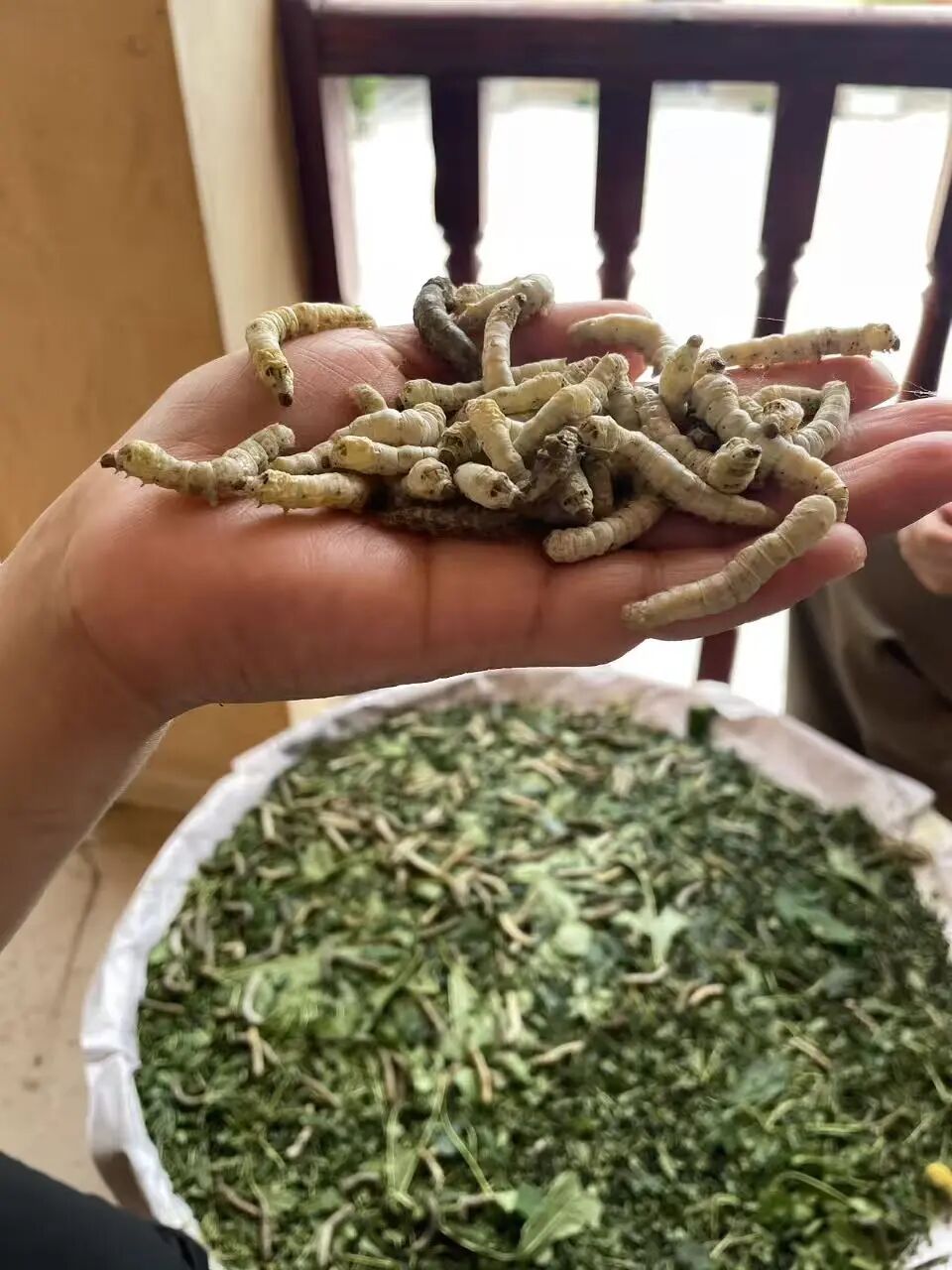
◉The second floor of the White Pants Yao Ecomuseum houses an entire silkworm-rearing room, home to the local Yao silkworms that spin golden silk.
Eating and browsing, taking everything in, it dawned on me that the White Pants Yao Ecomuseum was more than a single museum — it encompassed three surrounding Yao natural hamlets: Manjiang, Huatu, and Huaqiao. This is what an Ecomuseum is: a museum without walls, seamlessly embedded, protecting the surrounding natural and living environment. It makes no attempt to strip culture out of daily life and preserve it under glass — here there are static exhibits alongside real production and everyday living. For the locals, this is first and foremost their home. For an outsider like me, being allowed into a space like this, even briefly, and taking part in it, is itself a kind of good fortune.
Ripples of the Xu
If the early-morning rush to the xu was like dropping a pebble into a still pond, everything that followed felt like ripples spreading ever outward. The Ecomuseum was the first ripple. Leaving the museum’s main exhibition hall, we began walking towards the surrounding ecological hamlets. The villages were small, but the paths intricate — you needed a kind local to lead the way. All along, the dense, vivid southern vegetation caught the eye. At several spots, beneath trees or beside water sources, stood altars and shrines reflecting the White Pants Yao’s animist faith, alongside dyed cloth, waistcoats, and skirt hems hung out to dry by villagers.
There were traces of other forces at work in the hamlets, too: government-funded pavilions and covered walkways built in a tourism-friendly style; traditional granaries no longer in use yet preserved by policy; and several dry toilets — some already in service, others left half-abandoned.
Up to this point, the impression the White Pants Yao left on me was one of firmness and conservatism, paired with a remarkably gentle, untroubled openness to outside influence. I thought of the so-called notion of “direct-transition ethnic groups” — a term that now invites reflection. Within that framework, history seemed like a one-way road all heading towards the same destination: some ahead, others behind. When I pieced together the different scenes I had witnessed in Lihu, I saw a fascinating pattern of evolution: within the same valley, things did not replace one another so much as interweave, blend, and settle in layers. However you look at it, it was certainly not ‘linear.’
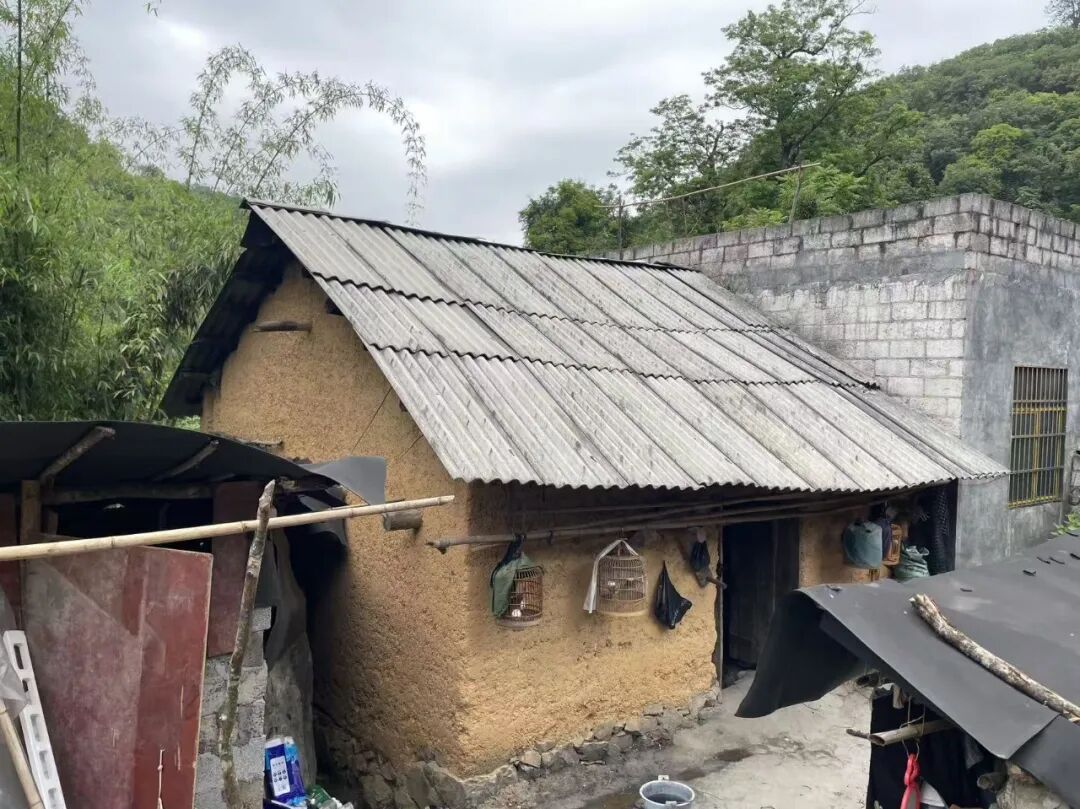
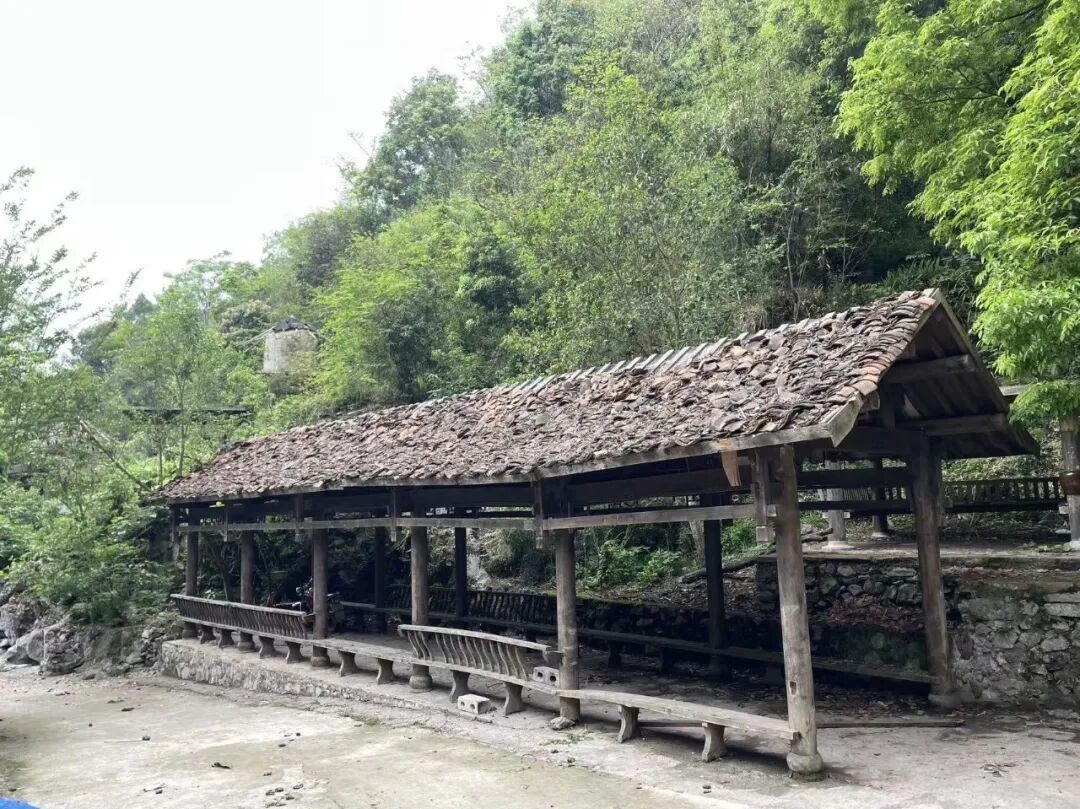
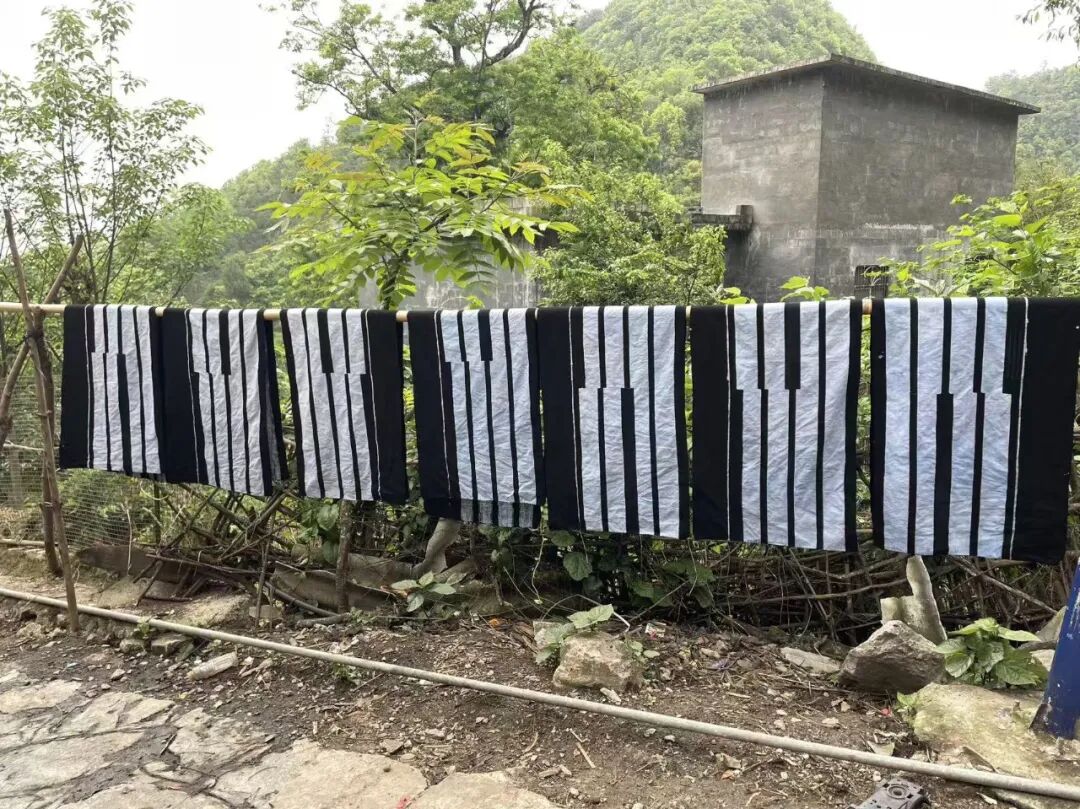
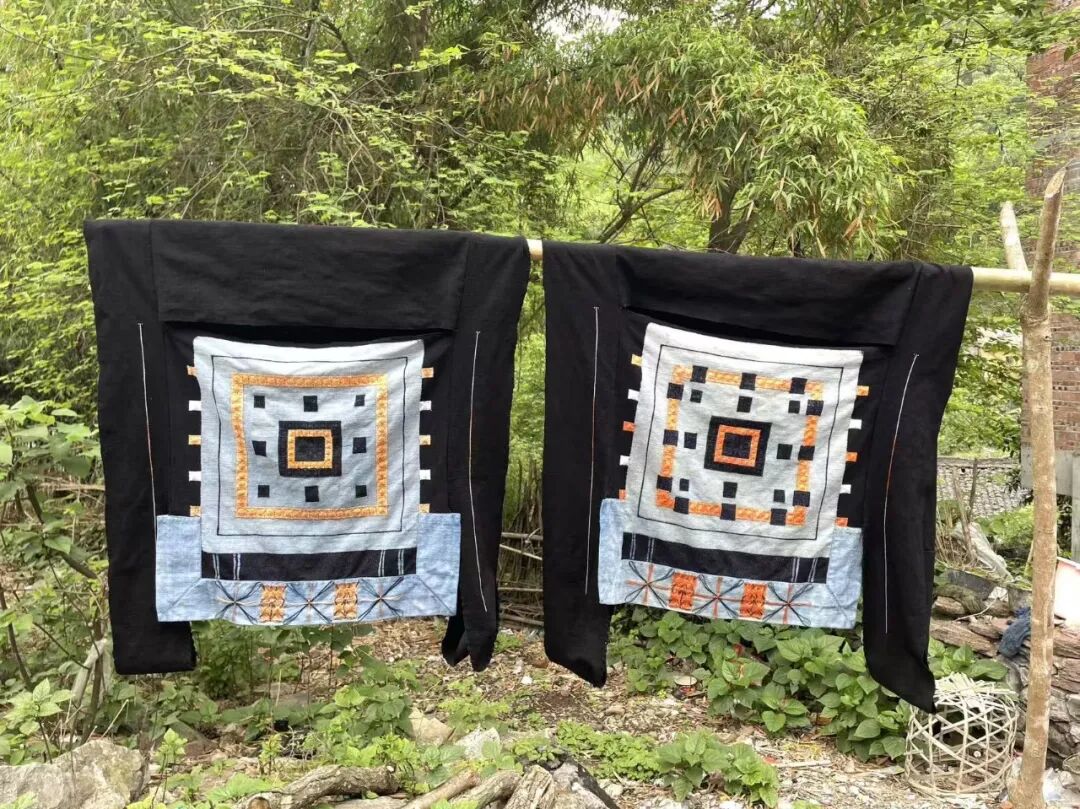
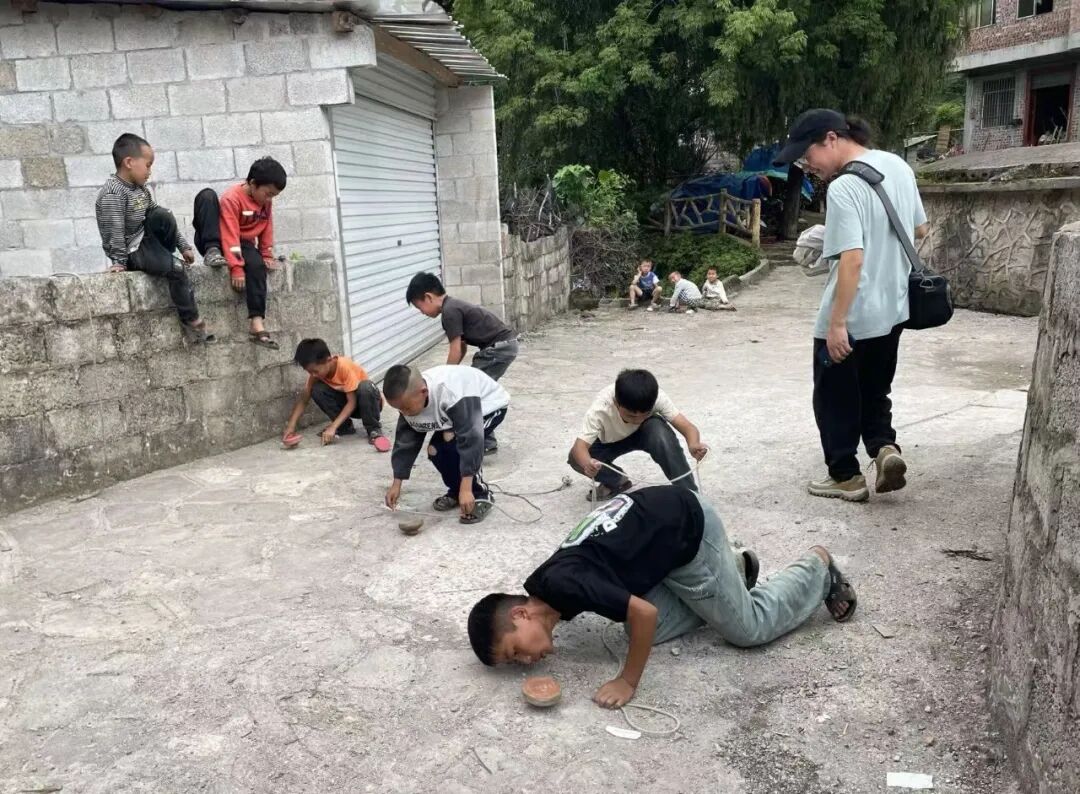
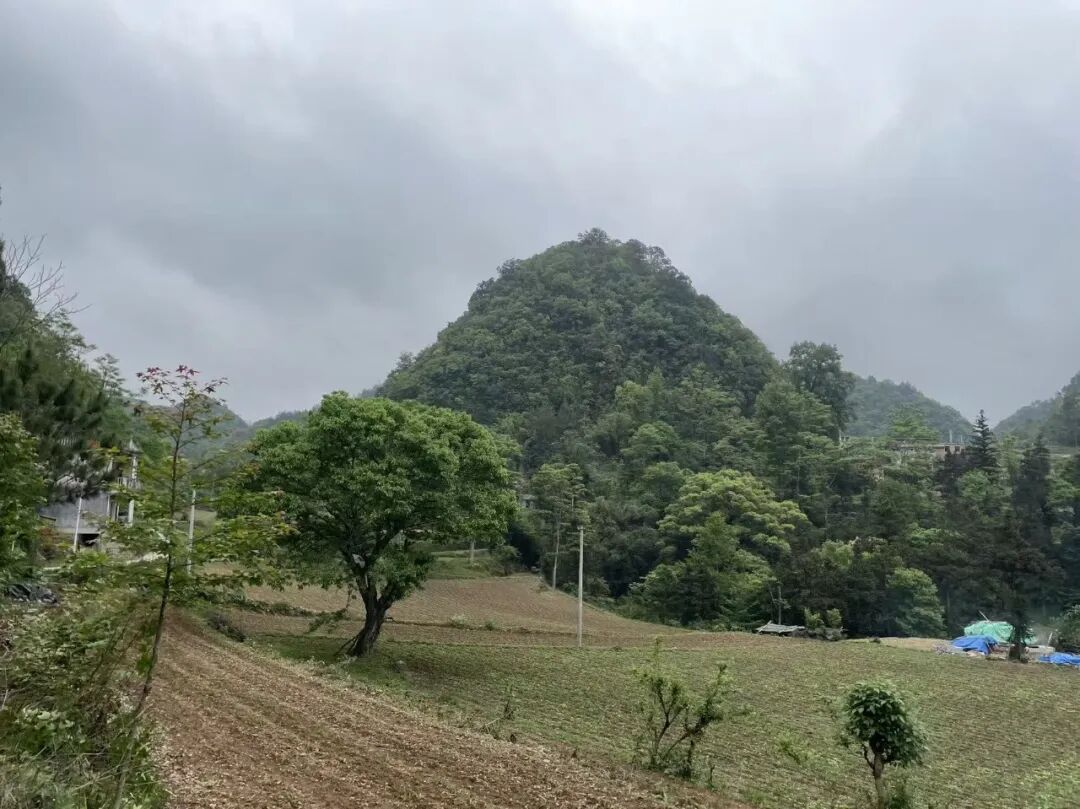
◉The White Pants Yao Ecomuseum encompasses three surrounding natural hamlets — Manjiang, Huatu, and Huaqiao — where the local Yao people live and work.
The ripples of the xu reached their final ring when we ventured further still, to Meoling Hamlet in Yao Li Village. There I saw farmland stretching across a wider valley, and intercropping that followed the White Pants Yao’s traditional farming methods — maize grown in mixed arrangements with beans and other crops. In early spring the seedlings were just sprouting; an evening breeze swept across from the great stone hills, and I thought of those root bundles wrapped in leaves at the xu, already carrying damp earth, quietly taking hold on some hillside. Down off the paddy bunds, we also found village women stripping the sticky resin of the gum-resin tree from dyed cloth — a process requiring alkaline water filtered through rice straw ash to boil-wash the gum away. It looked like even harder work than pao sha.
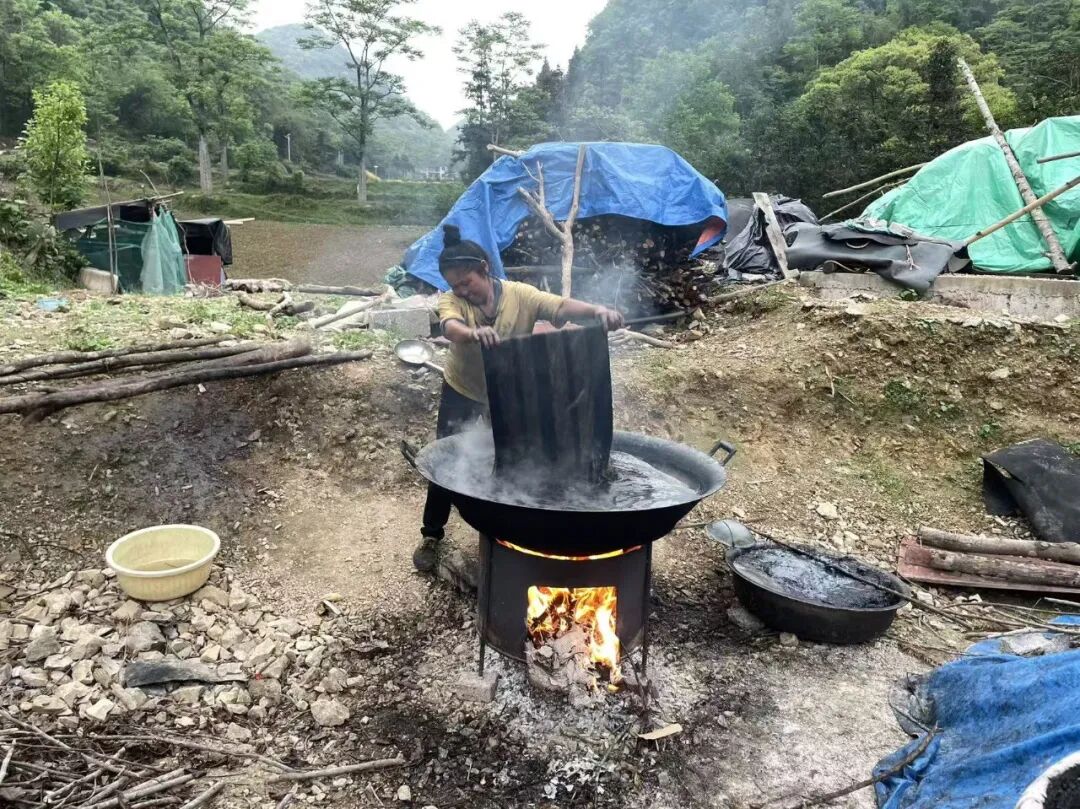
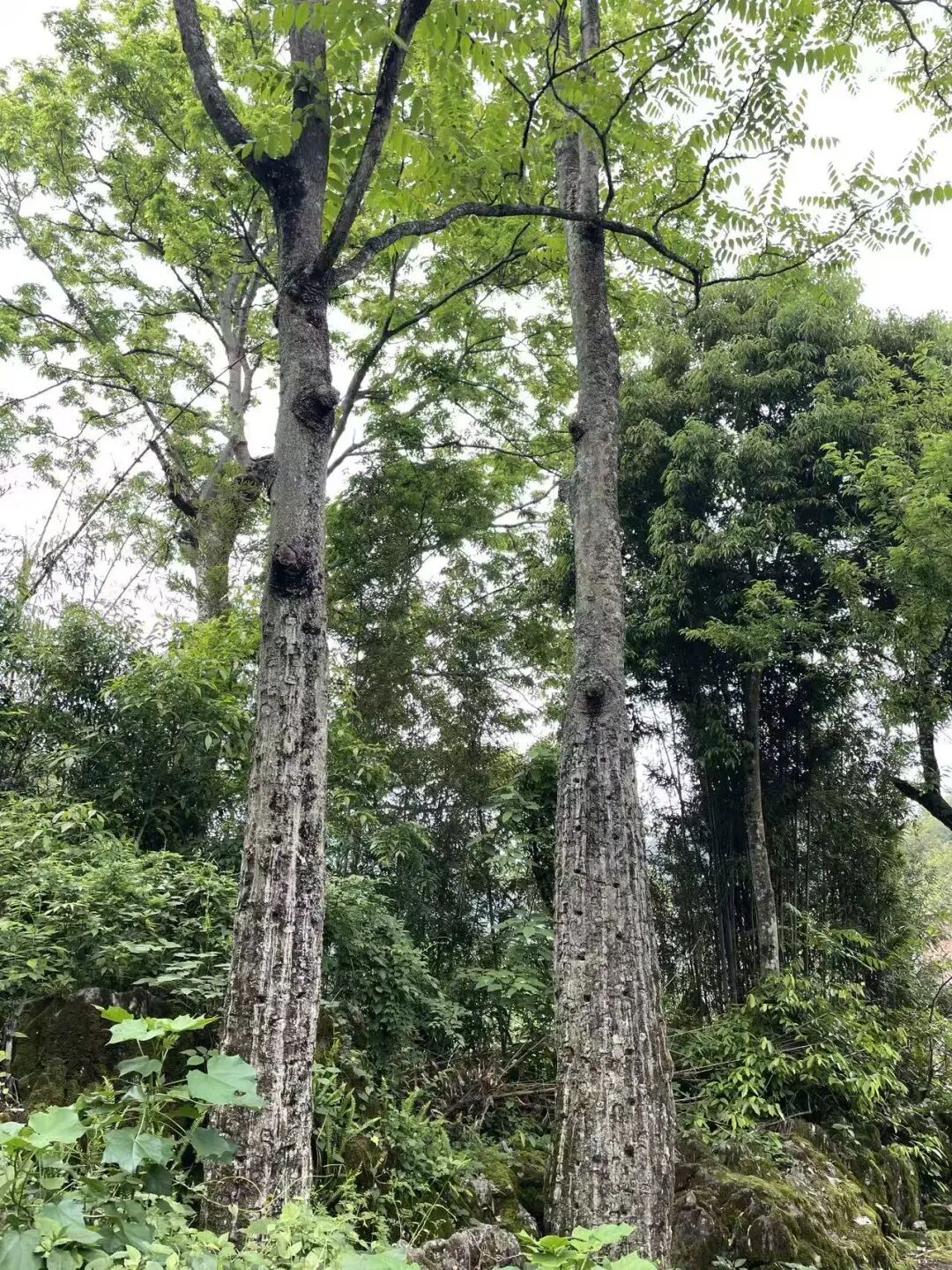
◉This tall gum-resin tree, growing in the valley, is the key to traditional White Pants Yao dress: the golden resin drawn from cuts in the trunk is used for dyeing cloth and painting patterns. The tapping method is sustainable — the trunk heals and thickens, and a single tree often accompanies a family for generations.
By evening, as we left Yao Li, the haze that had clouded my head that morning had completely cleared. I had once tried to capture those ‘spectacles’ with my camera, to scrutinise those ‘oddities,’ but a single day of going to the xu, cooking, and walking — anchored by the plainest hemp-seed soup and the sight of cloth being dyed — told me something simpler: There are no spectacles here — only the Yao people, living hard-won lives within the rhythms of nature.
I thought again of Guan Qi, who had died suddenly not long ago and had once worked on this very land. It was partly for that reason I wanted to see the places he had bustled about in. Guan Qi, Meng Fang, and the several other companions I met on this trip were all, through their work, weaving themselves into the daily fabric of Lihu. What they guard is not one or two scenic spots or a frozen, unchanging ‘tradition,’ but the people’s ability to carry on their lives with dignity. By this point, that hovering, spectator-like sense of distance I had carried as a visitor had dissolved. I understood, with real weight, that what is called “local connection” cannot be picked up from a few days of drifting and looking. It comes from long roots, from sustained understanding, companionship, and shared responsibility. Those who truly change a place are often not those who have passed through it, but those willing to give a genuine stretch of their lives to staying.
*In the course of writing this piece, I received the help of experts at the Guangxi White Pants Yao Ecomuseum and the Nanning Meinong Social Work Service Centre, for which I am deeply grateful. I must also thank the 4th Nandan Music Festival, which gave me the chance to find my way to Lihu.
– This is Foodthink’s 812th original article –
Foodthink
Author
Wang Chunhui
Once a journalist, then an editor, and for many years a worker in the non-profit world. I care about public policy, health, food and farming, and climate change — though my interests always keep crossing the line. A middle-aged person overflowing with curiosity but possessed of no particular practical use; for now I make sense of the world by wandering, and occasionally edit books, write, and take on odds and ends.
Unless otherwise stated, all photographs were taken by the author.
Editor: Tianle
Layout: Xiaoshu
Scan to tip and support original food writing
▼
Click the image to read related articles