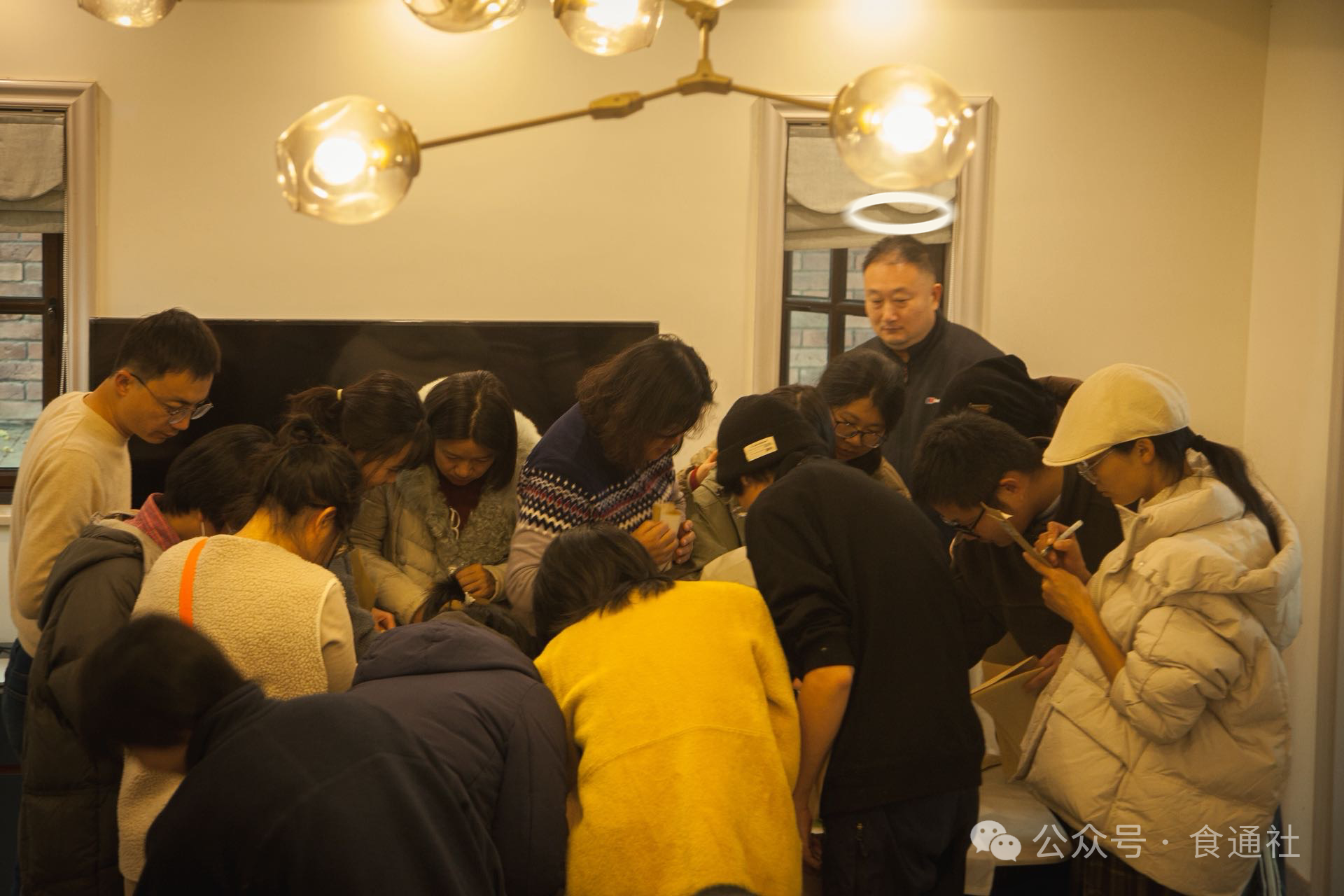
Foodthink’s three-day co-learning camp (4–6 June, Yangqiao Village, Lianhua County, Pingxiang, Jiangxi), featuring two technical advisors with over twenty years in ecological agriculture, threads soil, plants and animals as theoretical lines through hands-on composting and liquid fertiliser, plus market discussion, for 20 small- and medium-scale ecological farmers.
Brazil’s Landless Workers’ Movement (MST) built Concentra in Belo Horizonte, pooling market support work — compliance certification, warehousing, logistics — so dispersed smallholder produce can reach market at scale. Not easily transplanted, the experience points to a key path: turning what no individual can shoulder alone into collective capacity.
Foodthink will screen the documentary Whose Table, Whose Pasture in Ürümqi, documenting the livelihood impact on herders around Qinghai Lake after imported frozen meat flooded the market. After the screening, local Xinjiang organisations and guest speakers will discuss pastoral and herder issues.
In Tongchuan, Shaanxi, Hongxia and her husband farm around 100 mu of hillside plots, having invested some 150,000 yuan in farm machinery. As returning villagers reclaim the land they had rented out, that outlay becomes a sunk cost, and the land is fragmenting from consolidation once more.
In six years rooted in Yangdong Village, Guizhou, former consultant Chen Xi and husband Bangrong preserved over twenty Dong heritage rice and grain varieties, built Qiandongnan’s first non-profit children’s library through Yanzhi Purple Rice sales, and relearned “living” amid rice–fish–duck co-cultivation.
Foodthink’s sixth round of the Lianhe Programme small action grants is open to farmers, cooperatives, community self-organisations and others. Priority goes to local projects helping smallholders on the front lines of climate change. ¥5,000–¥30,000 in funding plus communications resources; applications close on 17 May.
Grandma Kouzi, over sixty, built Valley of Villains – a one-person farm in Yilan – for 500,000 yuan, inspired by Lishan fruit farmer Abao farming alone for over twenty years. In year five, food is fully self-sufficient apart from salt; by seventy she aims for self-sufficient water, electricity and permaculture.
New harvesters with large grain tanks have left Fourth Uncle, the village’s last “bag catcher”, completely out of work. Small-scale farmers have done the sums: one smart machine costs as much as two or three conventional ones, so they still opt for second-hand Dongfanghong diesel tractors.
Guanqi of the Farmer Seed Network died unexpectedly on a work trip in Qinghai. Foodthink’s friends set down who he was: the group’s “study representative”, a craft beer lover, an unsung hero of seed conservation — and the friend who made sure no one was ever alone.
In 2025, Foodthink’s removed articles covered food-delivery rider labour, mouldy grain during North China’s autumn harvest, rural heating in Hebei and high-standard farmland — most were not “sensitive topics”, merely widely known facts. Reader comments are deleted faster and faster; the space for public discussion is narrowing.