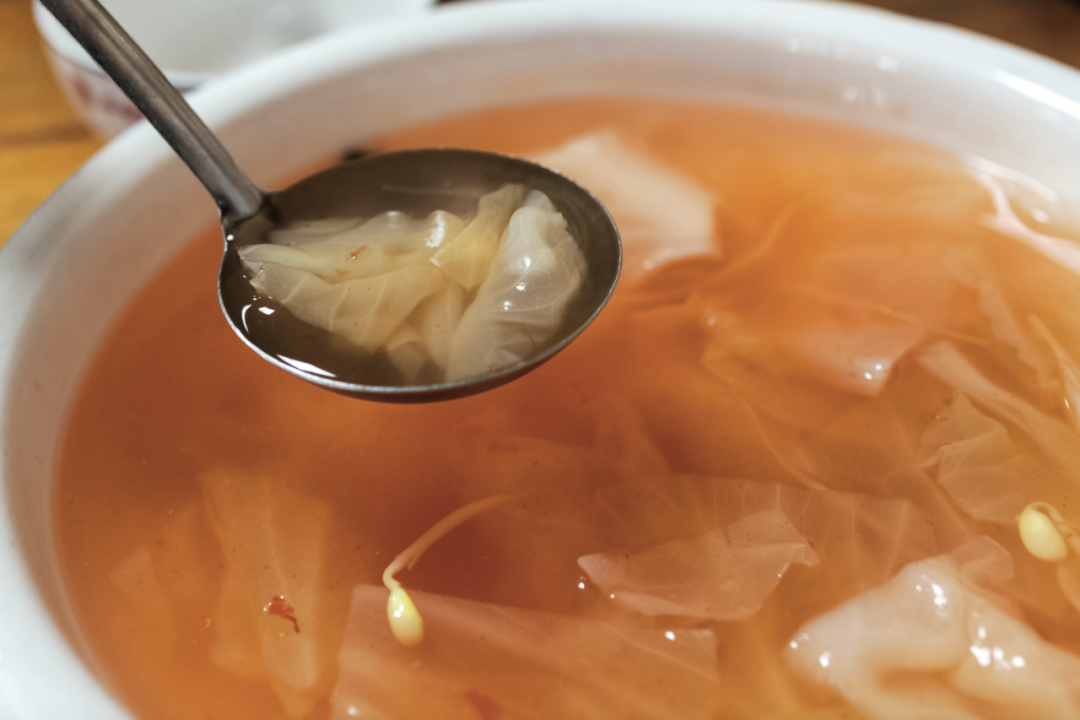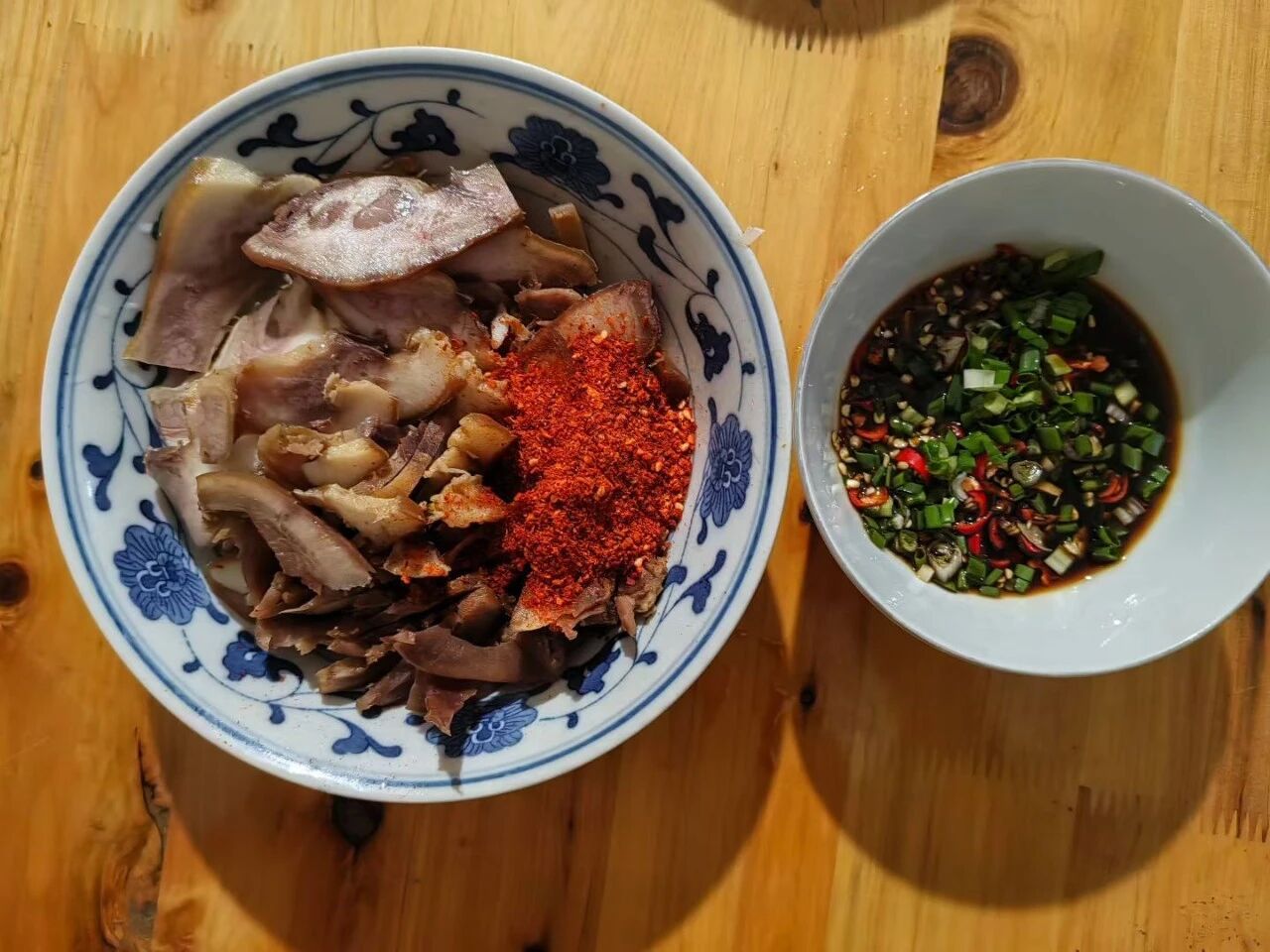
This Chinese New Year, villagers in Wutong Village, Weiyuan, carried bamboo baskets to market before dawn, steamed rice over a wood-fired stove, and spent five hours on a dish of native crucian carp, pinching pea shoots for shao bai and meatball soup. Twenty rural days: humble ingredients, labour-intensive cooking.
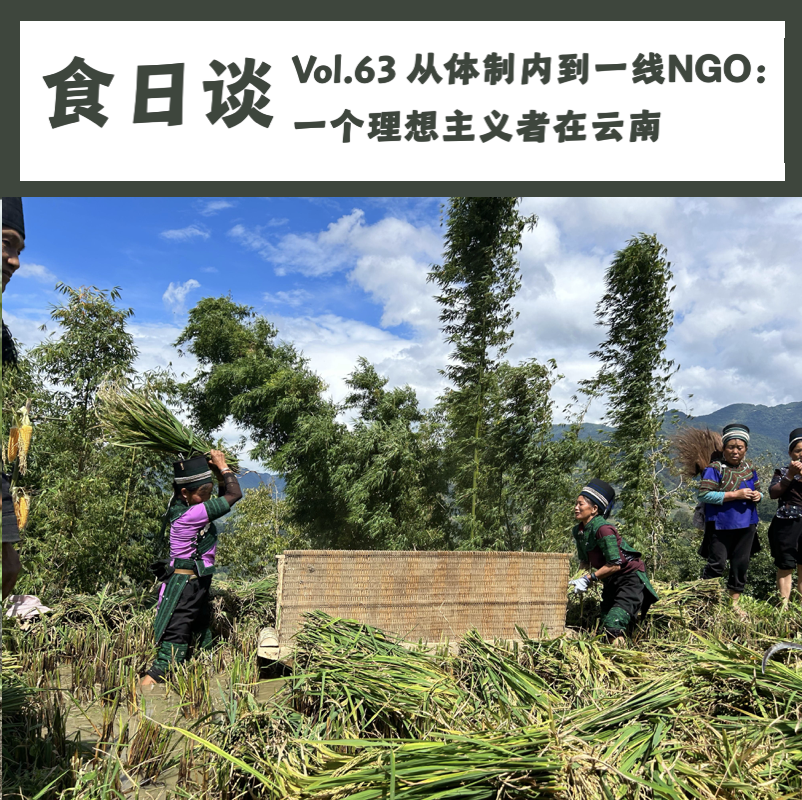
Leaving the public sector, Zuo Zhi, a post-1985 generation member, dove into Yunnan’s villages, teaching farmers to use fewer pesticides and grow heritage rice varieties, trading a cup of liquor for their trust, and building a bridge between government and the fields for climate-friendly agriculture.
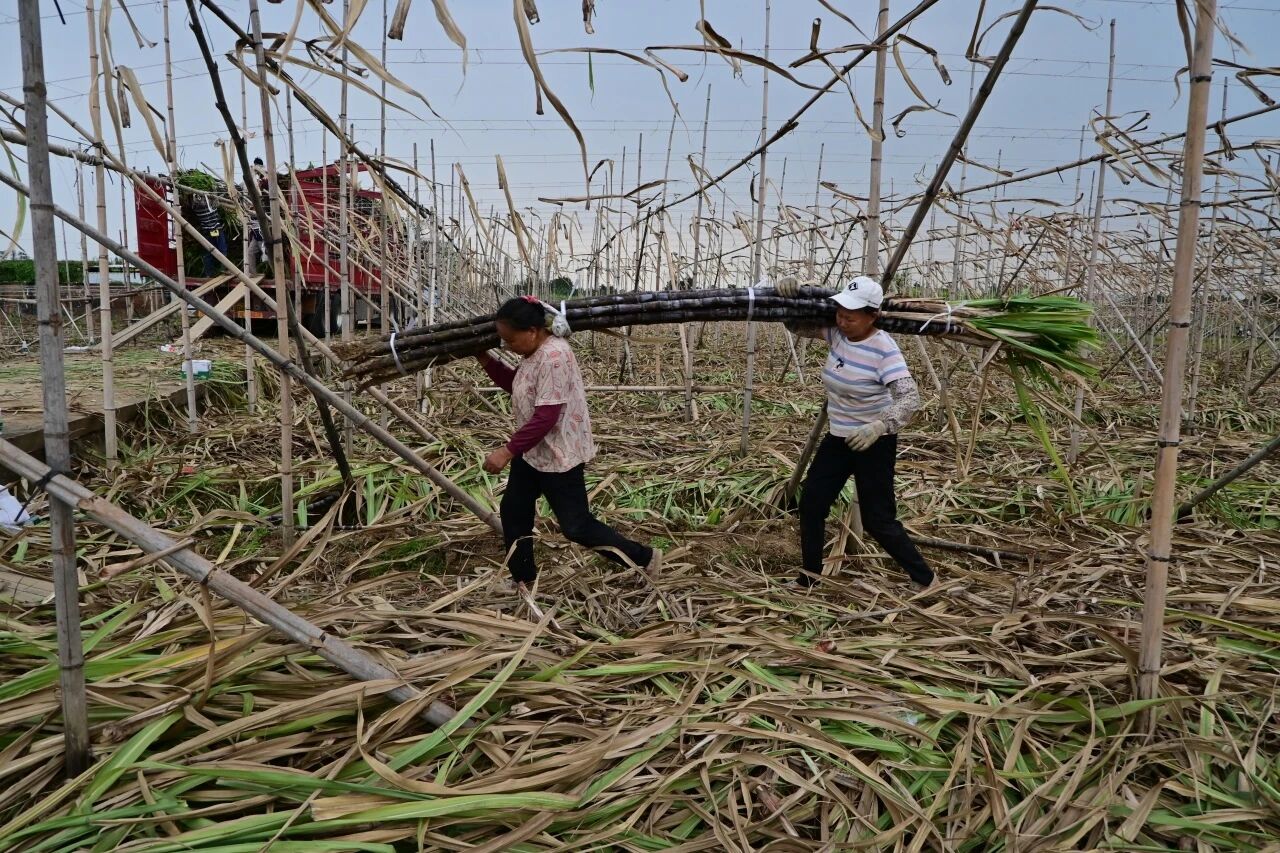
In Lanhe Town, Nansha, Guangzhou, the buying price of black-skinned sugarcane has plunged from nearly 100 yuan to 5 yuan. Farmers over 50 give their cane away for free to clear land before the spring ploughing window, yet farmland policy means they can only keep planting sugarcane.
Mother wept before the sauerkraut crock in the abandoned courtyard of the family home in Heilongjiang. Back in Beijing, this generation dug out Fermented Food and pickled their first-ever crock of sauerkraut.
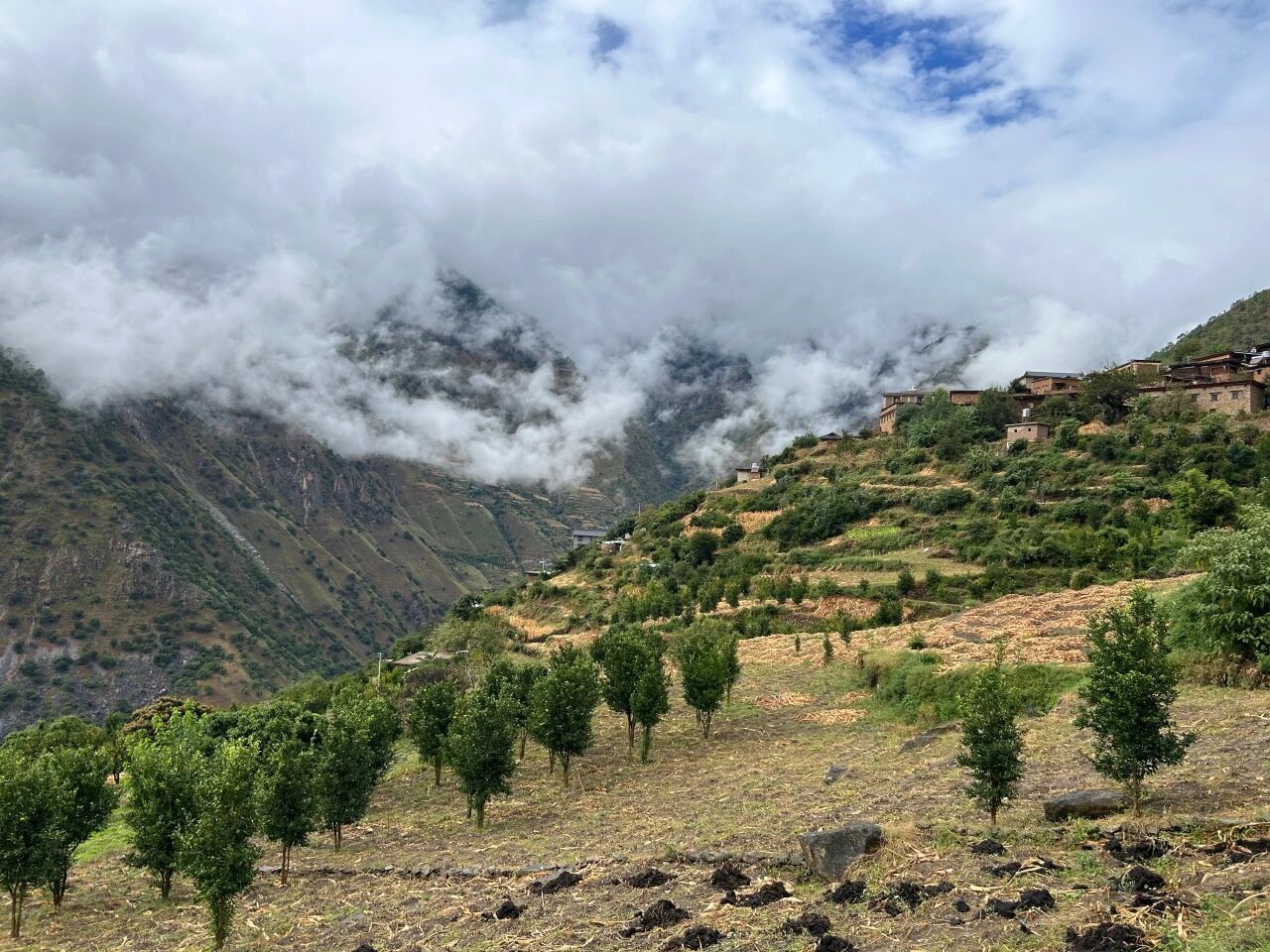
The women who stayed behind in Youmi Village, a Mosuo settlement in Lijiang, are using Sickle-grain rice, an old upland rice variety from the Jino, to grow rice again on hillside slopes growing ever drier—and to keep alive the cultural memory behind rice farming.
Mercosur and the EU formally signed their free trade agreement after nearly ten thousand farmers hurled potatoes at EU headquarters in Brussels. Grain-price trauma, double environmental standards and transition costs stack up—fairly, who bears the cost of green transition? China’s low-carbon agriculture faces the same question.
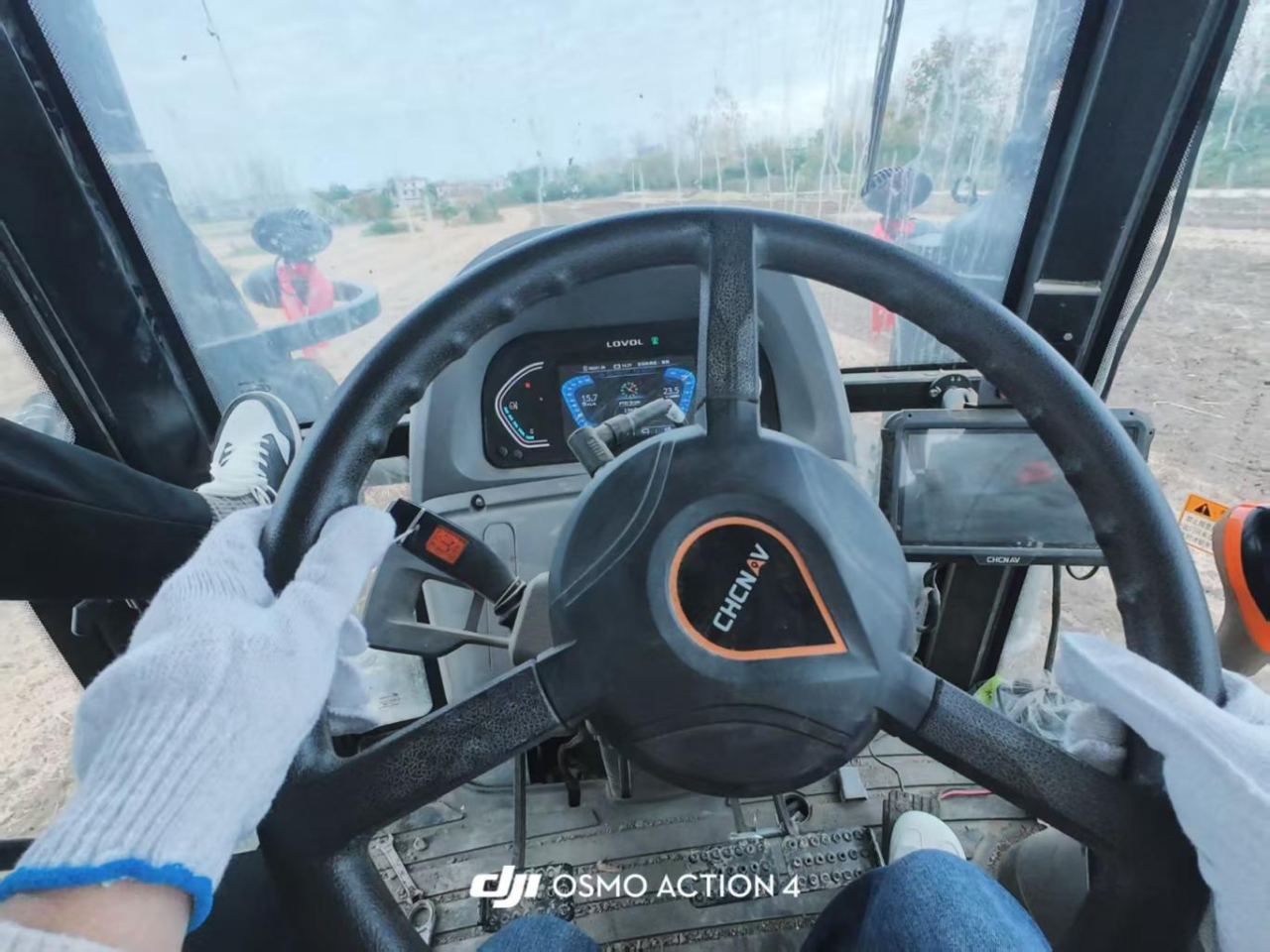
Fuyang’s free farm-machinery course had 50 trainees, just 7 of them women. Wu Ting and her peers hesitated again and again before the combine harvester—until one sister claimed the cab and started off steady, loosening the assumption that “women can’t drive.”
The 2026 Document No. 1 includes “low-carbon agriculture” for the first time. Tracing sixteen years of climate change in Document No. 1, the real challenge lies beneath resource surveys and climate zoning: how to design policies that allow ordinary farmers to participate and benefit.
A small strip of clay by the courtyard wall of our Hangzhou studio: after seven batches of hot compost made from saved kitchen scraps and coffee grounds, the ground, hard as rammed earth, has loosened into black soil that opens with a single spade.
Yu Jiangang and his wife Mei Yuhui made silk duvets in Zhenghebang for over a decade. An osmanthus silkworm poisoning in autumn 2024 led him to lease 14 mu of rice paddies – from seedling to Lidong harvest, four rounds of hand-weeding, a nearly 180-day life cycle complete.