Can’t give up sugar and fat? Make your own healthy snacks | Grandma Kouzi

Heading to the town market, I found two snack stalls within three paces.
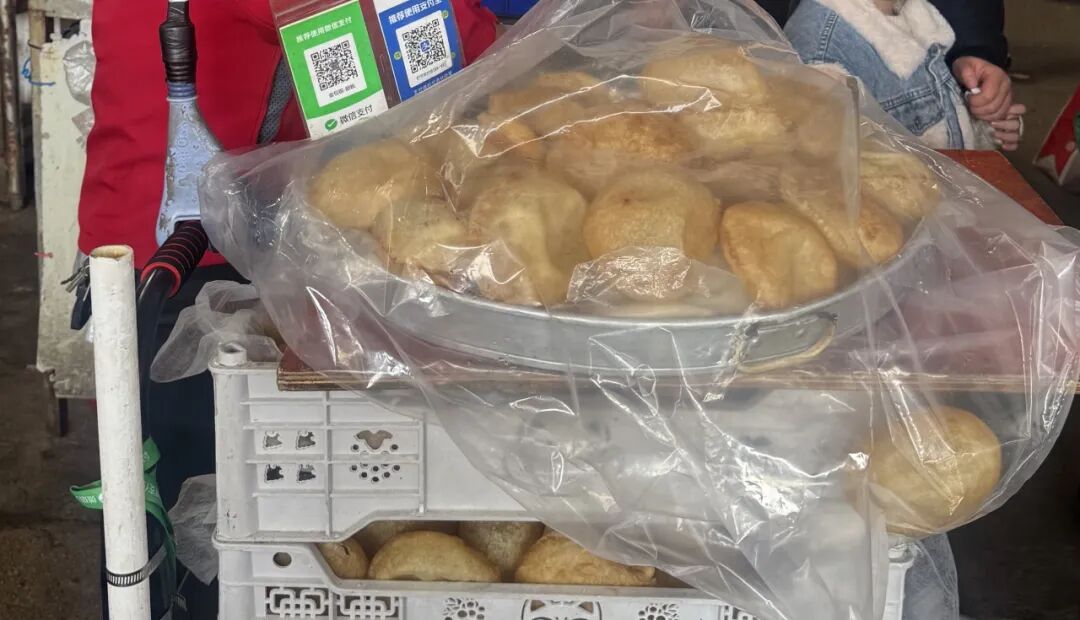
One stall was run by a local elderly woman. She has a permanent spot in the market, sitting on a low stool by a pot of hot oil, frying and selling dengzhangao (traditional Fujian fried batter cakes) fresh. When she saw me raise my phone to take a picture, she asked how many I wanted to buy. I quickly stowed my phone and fled in embarrassment.
Next to the dengzhangao stall stood an itinerant vendor. This middle-aged man travels from market to market, pushing a specially converted trolley to sell ready-made jinbaoyin (fried glutinous rice ‘gold-wraps-silver’ balls). Jinbaoyin consists of a deep-fried, golden glutinous rice crust encasing a sweet filling of sesame and sugar. Wary of another awkward sales pitch, I simply took a photo from a distance.
Leaving the market, the most prominent spot on the corner was taken by a snack shop called ‘Sugar Nest’. You don’t even need to step inside, let alone scrutinise the ingredients list; the name alone tells you exactly how much sugar is lurking within.
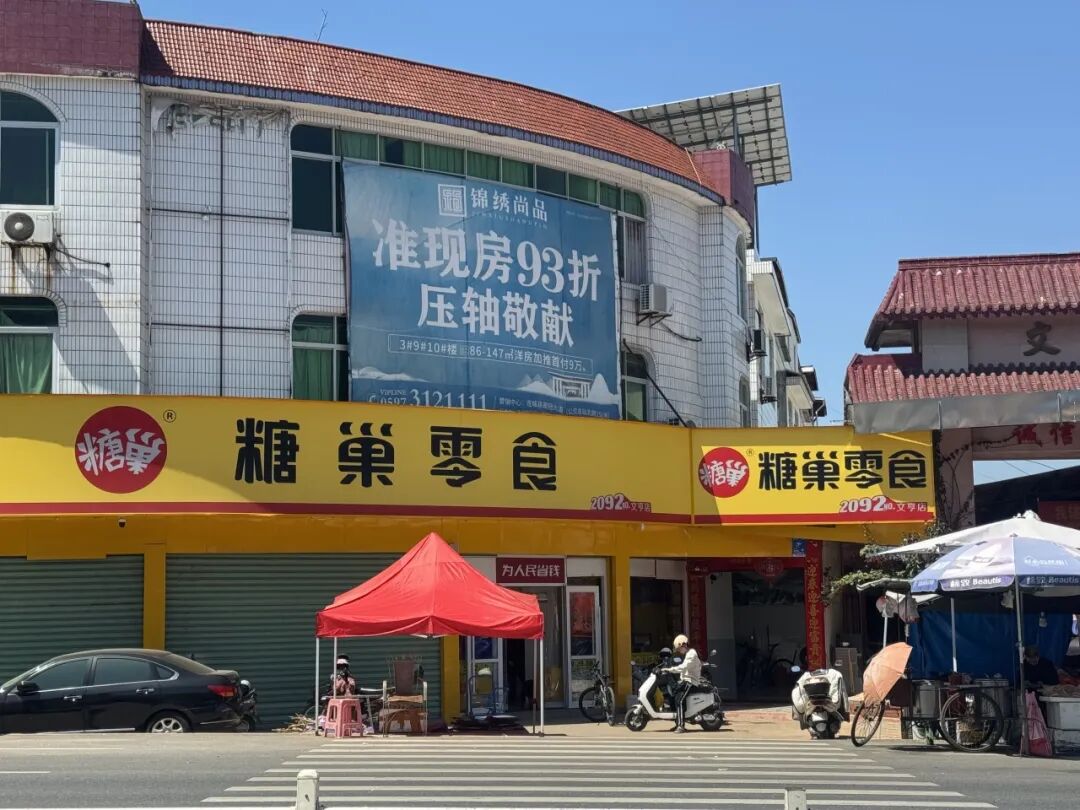
◉ The snack shop in town.
Today’s snacks tend to be high in sugar, high in fat, or, worse, both. For modern adults managing the “three highs” (high blood pressure, blood sugar, and cholesterol), they’re little short of lethal.
What exactly has happened to our snacks?
The Han people’s harvest festival
Yet the two local treats I just went out of my way to avoid are, in fact, traditional delicacies with a rich history.
There are two explanations for the name dengzhangao. Some say the finished snack resembles the ancient soy-oil lamps of the past, while others point to the small iron pan used for frying, which itself looks just like a traditional oil lamp.
A younger Fujian friend tells me that in his childhood, the annual dengzhangao was a treat that kept children dreaming of it all year round. In those days, daily fare was plain and rarely saw a drop of oil. Families would only make dengzhangao once the rapeseed oil had been pressed in spring. Rice and soybeans were soaked the night before in a three-to-one ratio. The following day, they were ground on a stone mill into a fine batter, then seasoned with salt, chopped spring onions, or Chinese chives. The oil was heated, and the small iron pan was lowered in first. Once thoroughly preheated, it was lifted, filled with the batter, and submerged back into the hot oil. Children would stand nearby, watching intently, waiting for the snack to puff up and rise to the surface. Fresh out of the fryer, the dengzhangao were fragrant, beautifully crisp, and piping hot.
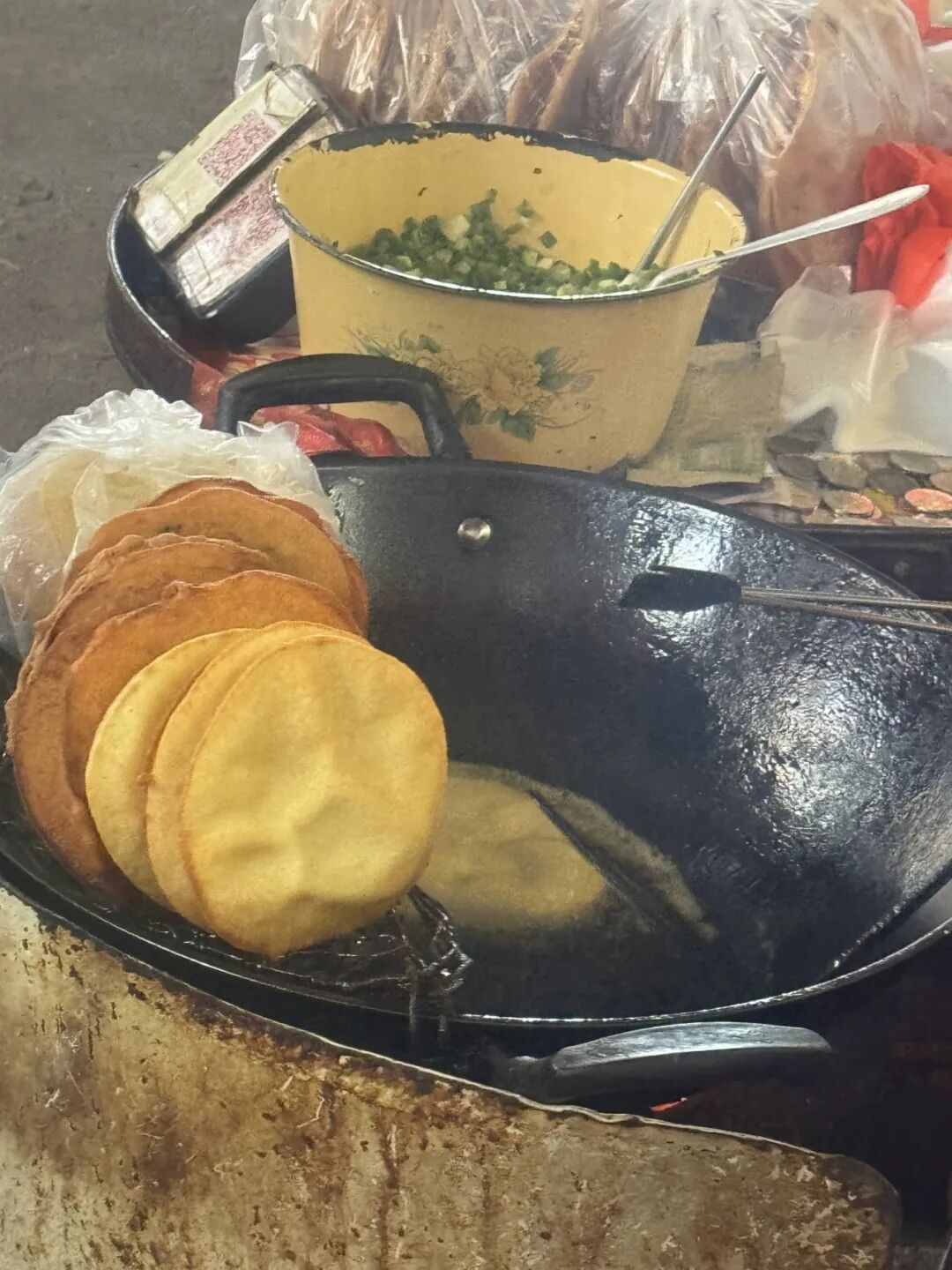
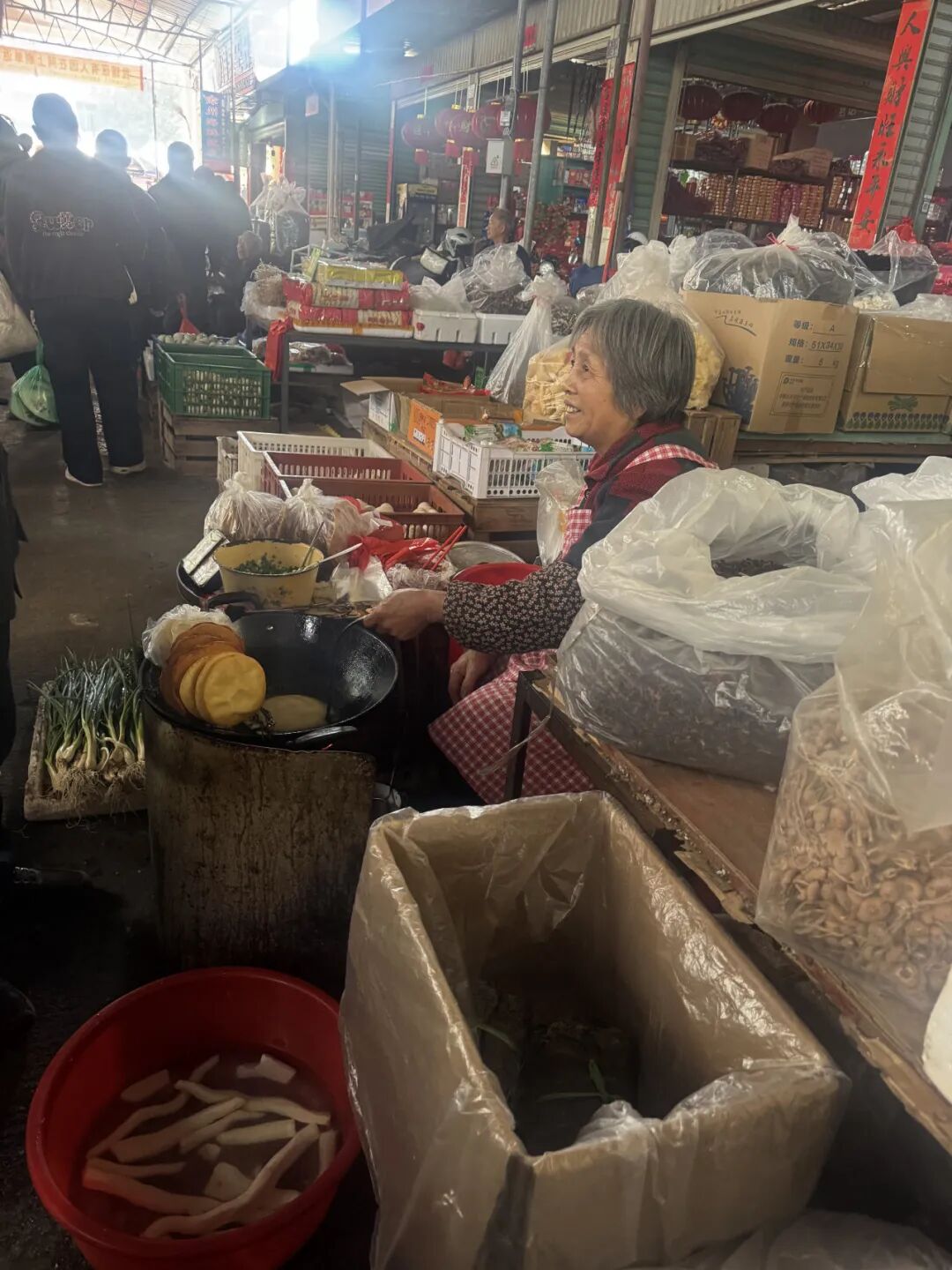
◉Dengzhangao and an elderly woman at her stall, frying and selling them fresh on the spot.
In 2018, jinbaoyin was added to the local register of intangible cultural heritage. Both the ‘gold’ and the ‘silver’ are primarily made from glutinous rice. The ‘gold’ is prepared by mixing glutinous rice flour with either wheat starch or tapioca flour, kneading it until smooth, flattening it into discs, and deep-frying until it puffs into a golden sphere and floats to the surface. The ‘silver’ is made similarly to ciba: whole glutinous rice is steamed, pounded, and worked with sugar. Alternatively, glutinous rice flour can be blended with water and sugar, stirred until combined, and steamed until cooked through. Should you use glutinous rice flour, it must be of exceptionally fine quality, specifically the type known as water-milled flour.
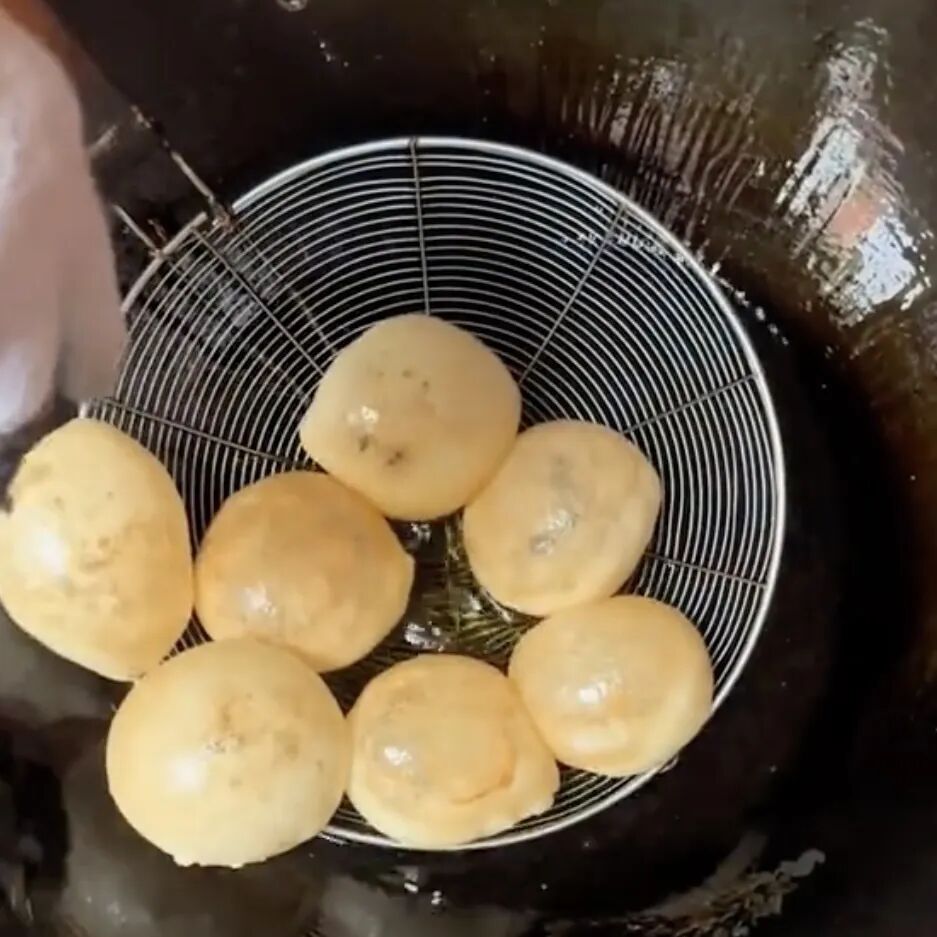
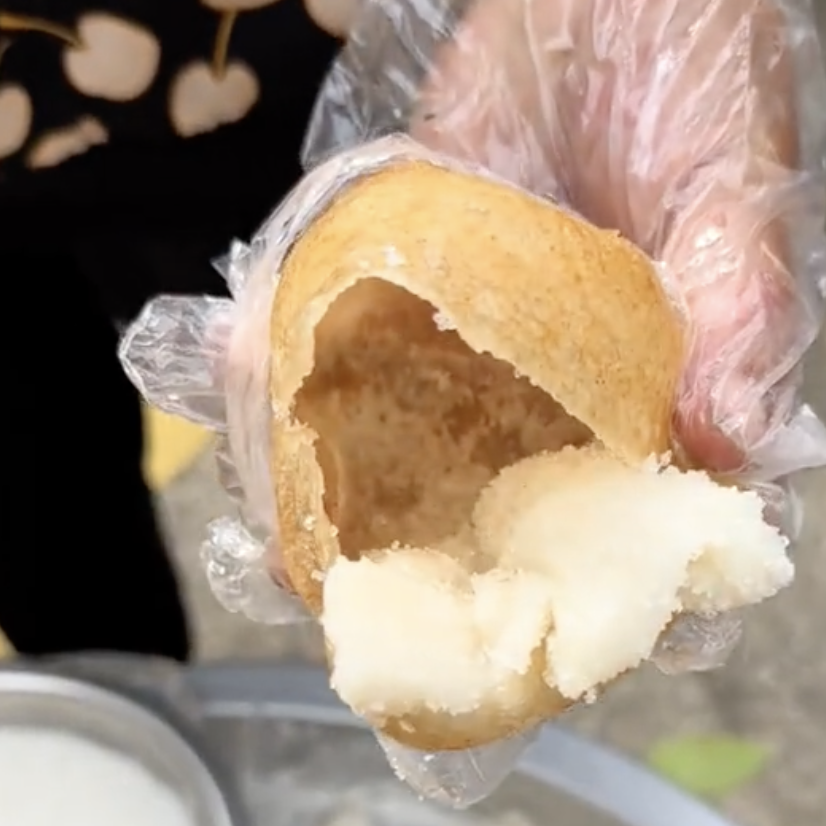
◉Freshly fried ‘gold’, and the ‘silver’ wrapped inside. Photo: Douyin user @黄掌柜吃吃吃 and Grandma Kouzi
Most families knew how to make dengzhangao, but jinbaoyin was more time-consuming, more exhausting, and all the more precious. It is easy to imagine what a wondrous memory dengzhangao and jinbaoyin must have been for children decades ago.
My own childhood holds similar fond memories. The difference lies in the staple: in Fujian it was rice, while in Shandong it was wheat.
Before I started school, I lived with my mother, a teacher, at a rural middle school. Children in the village had virtually no snacks. My most cherished culinary memory comes from after the wheat harvest each year, when my maternal grandmother would roast the fresh wheat in a cast-iron wok. She would then grind it into flour on a traditional millstone, sieve it, and knead it with a touch of brown sugar and cooled boiled water to form a dough. I would hold that egg-sized, russet-coloured ball of dough in the palm of my hand with utmost care, taking only the tiniest bite at a time, letting it dissolve on my tongue for ages before swallowing.
Whenever wheat came of age, I would eagerly anticipate that first taste. From the moment my grandmother began sorting, washing and roasting the grain, I would stick to her side like a shadow. The roasted kernels had to be ground for ages; the finer the meal, the better the sieved roasted flour would taste. Impatient with my craving, I would constantly urge her on. She, moving slowly on her bound feet, would push the millstone round and round, gently telling me to wait my turn. It was the only treat I knew before we moved to the city when I was seven. Those spring days—sweet and beautiful, yet interminable and trying—remain the highlight of my childhood.
Later, while filming a documentary, I had the chance to take part in a few ethnic minority festivals. The Han Chinese rarely celebrate with song and dance, but to me, that sweet ball of roasted flour, fragrant with the scent of wheat, was my own harvest festival.
I imagine that for the woman selling dengzhangao at the market, those cakes mean much the same.
From a symbol of prosperity to a health hazard
I was born into hunger and raised in its shadow. Although the three-year famine had passed, our household was vast. My parents cared for five siblings, both sets of grandparents, and also looked after relatives back in the village. Only four of us held urban household registration and were entitled to state grain rations; day-to-day survival depended on purchasing ‘high-priced grain’ (a planned-economy ration tier). For years, I remember starting every meal with a large bowl of hybrid sorghum gruel to stave off hunger so we could stretch the steamed buns further. Hybrid sorghum was a notoriously unpalatable coarse grain—too gritty for steamed buns or flatbreads—and was typically only eaten by families who had exhausted both their ration coupons and their money.
In those lean years, many everyday items were found to double as both food and folk remedy. As a child, I would treat children with diarrhoea by giving them a roasted flour paste. You dry-roast plain flour in an iron wok over a gentle heat, turning it until it shifts from pale yellow to a deep amber brown—just on the cusp of burning but not quite. You then whisk it with boiling water to form a smooth paste; drinking it helps settle the stomach and stop the diarrhoea. For indigestion, the remedy was different: roll the dough paper-thin and bake it slowly in a flat pan until it is bone-dry, crisp, and lightly scorched on the surface. This was known as a ‘toasted cracker’.
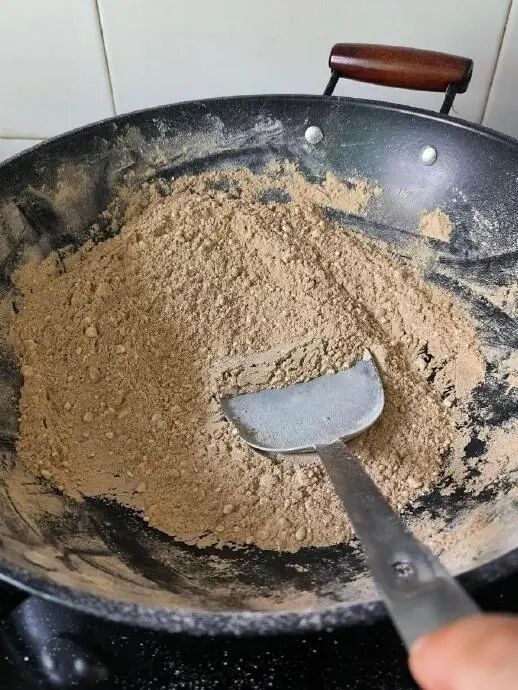
◉Even today, some people still roast flour in an iron wok to soothe the stomach. Image source: Sina
Using charred flour to treat diarrhoea operates on a principle similar to montmorillonite powder. A remedy comparable to the charred flatbread for aiding digestion is soaking slightly scorched steamed buns in water. When I moved south to farm, I discovered that rice fulfils a similar role in the southern diet. Rice tea brewed from toasted brown rice is likewise used to calm and regulate the stomach.
In the agrarian age, rice and wheat were not only the staple crops that kept us alive but also provided rare indulgences and hard-to-find treats. Making snacks by hand required careful rationing; it was never done on a whim. You had to set aside enough grain for the family’s daily meals first. During relatively plentiful harvests, eating a little extra refined, high-calorie food would convert into stored body fat, acting as a vital reserve when the harvests ran low. This is an instinct handed down through millennia. After evolving through long centuries of frequent hunger and scarcity, our surviving ancestors left behind a genetic craving for calorie-dense foods.
By the late 1970s, my family no longer had to make do with sorghum flour porridge. Around that time, my uncle brought back a bowl of “Eight-Treasure Tea Porridge” from Tianjin. Its base was likewise toasted flour and oil-fried flour, but it was packed with mix-ins: sesame seeds, walnut kernels, candied melon strips, osmanthus sugar, raisins, and generous amounts of sugar—it was intensely sweet. Judged by today’s standards, such a drink would undoubtedly be a sugar-and-fat bomb, outright detrimental to health.
Even if my grandmother had stirred plenty of sweet sugar into her homemade roasted flour, it would still be an entirely different thing from the Eight-Treasure Tea Porridge. This marks the divide between “food from the agrarian age” and “food from the commercial era”. That wonderfully rich bowl of tea porridge was the product of nationwide, industrialised food production and logistics. The raisins came from Xinjiang, the sesame seeds and walnuts from the northwest, the osmanthus sugar from the Jiangnan region, the candied melon strips from northern China, the sugar from the south, and the flour from the north.
All of that was still during the planned economy. Today, supermarket shelves are stocked with all manner of cleverly reimagined, high-sugar, high-fat snacks. In an era when chronic hunger was the norm, these delicious, calorie-dense treats would enter the body and be immediately converted into energy to fill the deficit; only whatever remained would be stored as fat. Things are different now. Modern people carry reserves of body fat they simply cannot shift. What were once rare, precious treats have thus become silent health hazards for modern life.
Can we still eat snacks?
So, can we still eat snacks? Yes, we can.
The joy that good food brings is irresistible, and frankly, it doesn’t need to be resisted. I am writing this very article while nibbling on snacks myself: the dried pumpkin is high in sugar, and the roasted peanuts are high in fat.
Out here at Evil Villain Valley, whether it’s a main meal or a snack, we get our food directly from the earth. We eat what we have, and grow what we wish to eat. But you cannot carry the land on your back wherever you go. When my parents were still with us and I returned to my hometown to look after them, I had to go back to the cycle of buying, buying, buying—including snacks.
The act of buying isn’t the problem; not knowing what to buy is. Healthy snacks certainly exist, but you need a discerning eye to find them, spotting the real treats hidden beneath layers and layers of food additives.
Here are my guidelines for buying snacks:
1. Opt mainly for raw, plain nuts and avoid all ready-to-eat, roasted varieties, which are highly likely to contain added sweeteners or free sugars. I avoid buying online altogether. Instead, I visit larger shopping centres and only go for bulk-packed nuts that offer free samples. If I can make it to a farmers’ market, even better—everything there can be sampled before purchase.
Nuts are rich in oils and will generally turn rancid after a year. Manufacturers often take expired or soon-to-expire nuts and heavily flavour them with butter, five-spice, or chilli coatings to mask that telltale rancid smell. For peanuts, walnuts, apricot kernels, almonds, pumpkin seeds, and sunflower seeds, always buy them raw and roast them at home in an air fryer or conventional oven. My go-to setting is 130°C for one hour; if you have the patience, drop it to 125°C and leave them for two hours. Nuts roasted at a low temperature for a long time become perfectly crisp and develop a subtle sweetness. If the heat is too high and they scorch, that natural sweetness is lost.
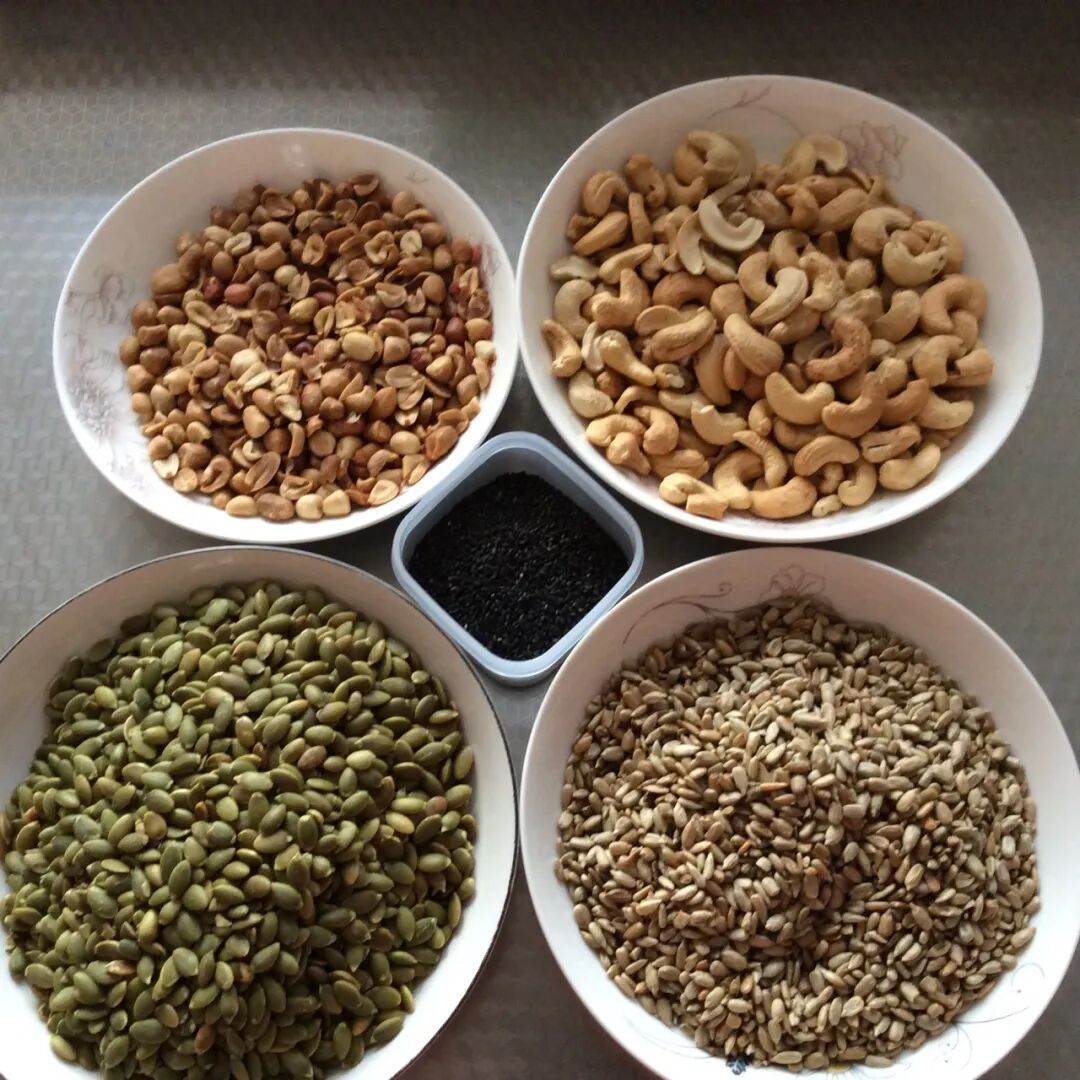
◉ Various nuts.
2. For sweet treats, jujubes take centre stage. Choose dog-head jujubes or grey jujubes with firm flesh, or opt for dried fruits such as raisins or dried blueberries. Many supermarket dried fruits are processed with added sugar, so always check the ingredients list carefully and go for pure dried fruit. The Beijing Organic Farmers’ Market catalogue lists plenty of naturally sweet snacks with no added sugar. Dried figs, dried sweet potato, dried pineapple, and dried apple are all excellent choices.
Pairing jujubes with walnuts or peanuts is my absolute favourite snack combination; the more you chew, the deeper the flavour. Sure, jujubes are sweet, peanuts are rich in fat, and both are relatively high in calories, but 100 calories from this combo has a completely different effect on the body than 100 calories from a glass of cola. The dietary fibre in the jujubes and peanuts boosts satiety, encourages a gradual rise in blood sugar, and slows down the absorption of sugars and fats. This fibre works tirelessly, converting into vitamins in the large intestine, while the remainder sweeps away accumulated waste as it passes through the gut.
Homemade Healthy Snacks
Back at Evil Villain Valley, the snack selection becomes much more diverse. Preparing these treats at home might be a bit fiddly, but the technique itself is straightforward. Give it a go once, and you’ll soon feel free to experiment and let your imagination run wild.
The simplest starter option is a sugar-free sweet drink: roselle and stevia. The preparation difficulty is practically zero.
Roselle (also known as hibiscus) has countless merits, but one notable flaw: it is intensely tart. As a result, many people add sugar or honey to their brew. Unfortunately, adding sugar to roselle completely undermines its natural benefits.
My approach keeps the roselle drink delightfully sweet without the drawbacks of added sugar: I typically use four or five roselle calyces per cup, paired with four stevia leaves. Steeping roselle in boiling water can make it taste astringent, so I prefer to steep it slowly in room-temperature water. This not only eliminates the harshness but allows the roselle’s vivid colour and the stevia’s natural sweetness to infuse gradually. If you have dried rose petals to hand, a few make a lovely addition. The resulting drink is beautifully hued; served in a wine glass, it’s a perfect fit for festive tables. It makes a lovely alternative to sugary drinks for children, and a sensible substitute for red wine for adults. Beyond stevia, monk fruit and mùjiāngyèkē also work well as natural sweeteners.
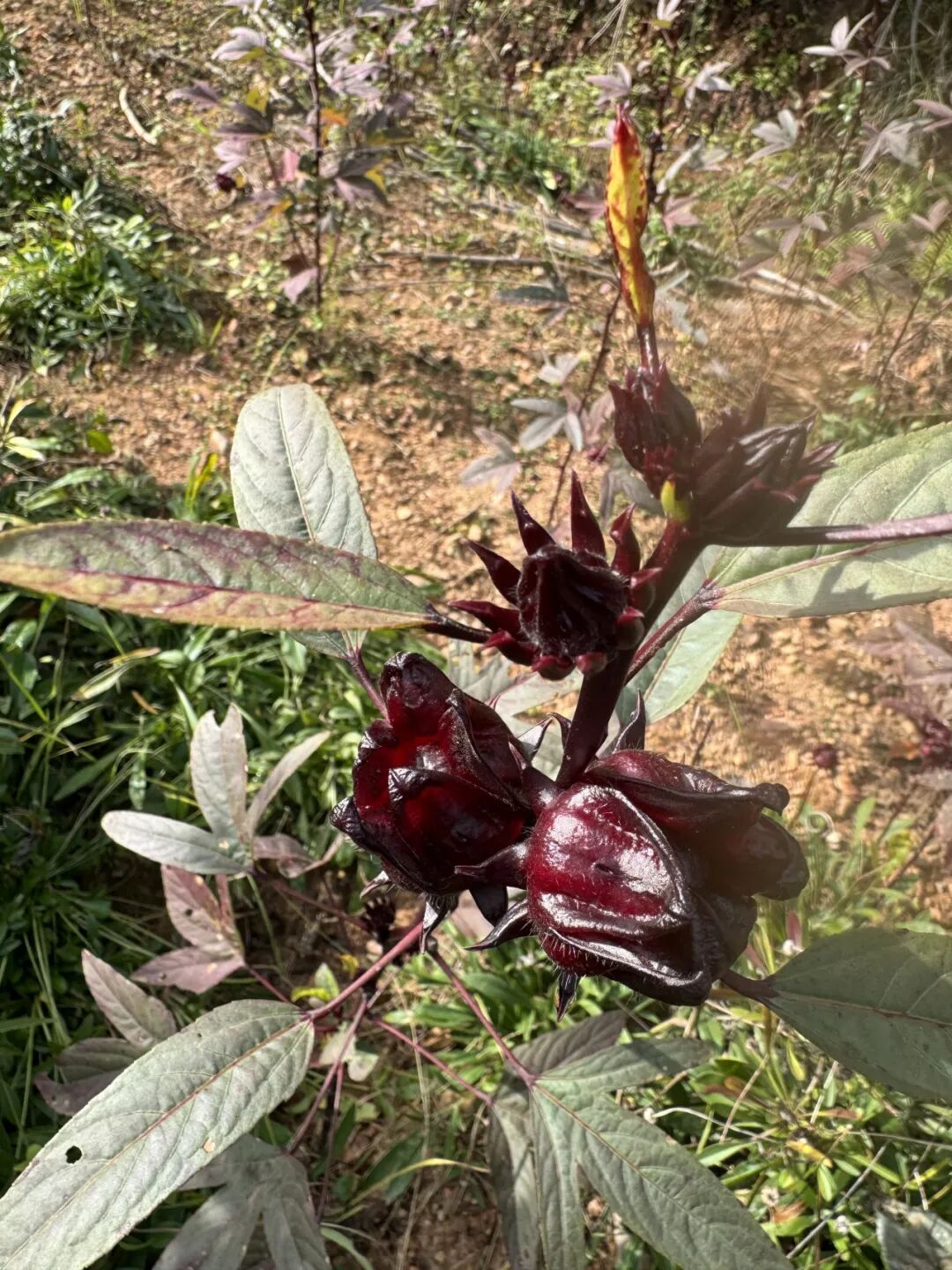
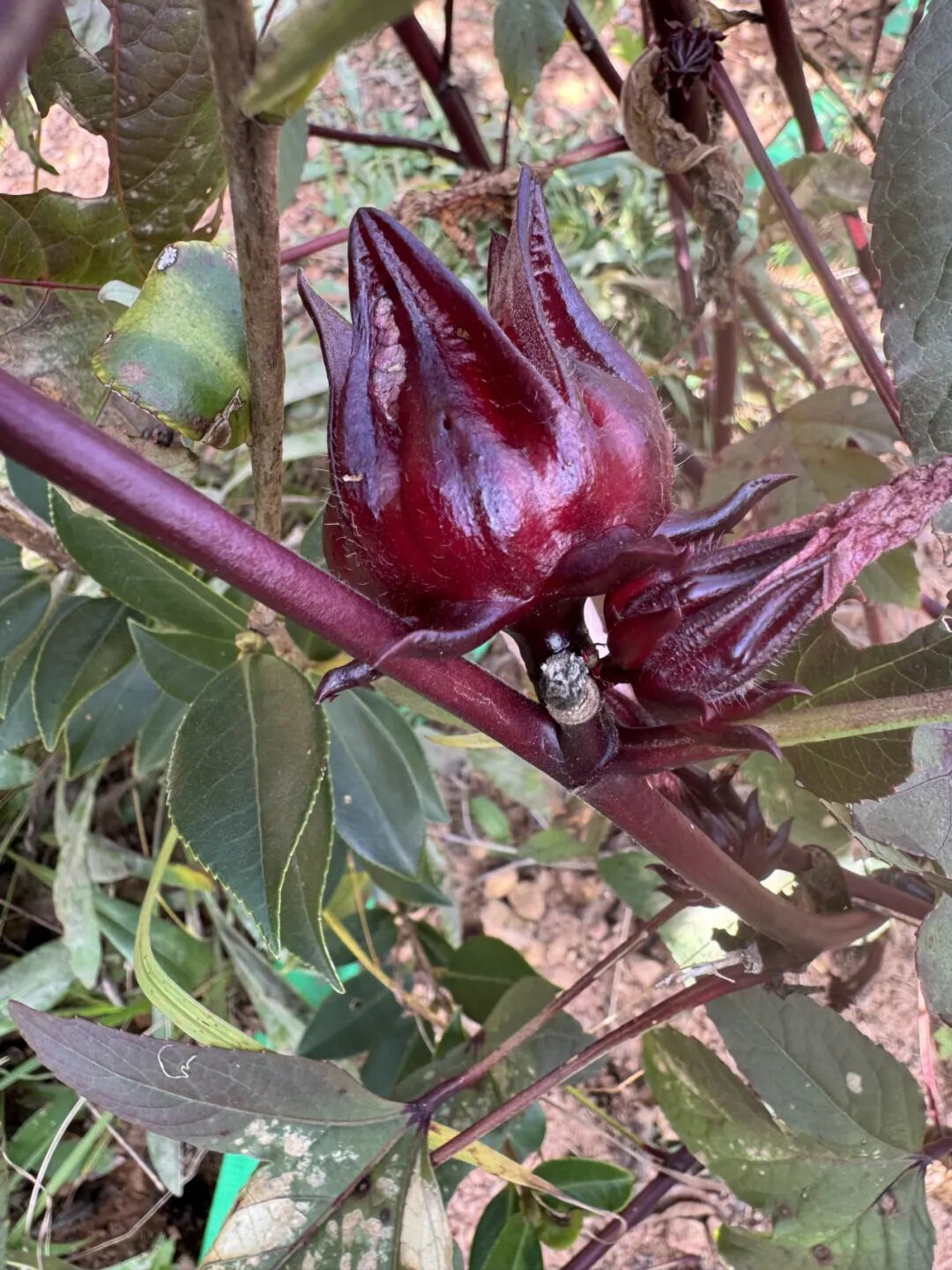
◉Roselle flowers blooming on the branches.
We also make our own yogurt at Evil Villain Valley. Plain yogurt is a wonderful thing, but products labelled “yogurt” or “yogurt drink” that have sugar or sweeteners added are quite another matter—they’re as hard on the liver as any sugary soft drink. While it isn’t impossible to find genuinely sugar-free yogurt in shops, I’ve always been sceptical of my own luck, so I chose not to take the risk and decided to make it myself. Fortunately, I came across a wonderfully simple method for doing so.
My starter culture arrived as an unexpected gift. Four years ago, a friend’s family dropped by and left behind a takeaway tub containing kefir grains. Before that, I’d tried using live-culture yogurt as a base, topping it up with milk each time, but the fermenting power always waned after a few batches. Purchasing sachets of powdered lactic acid bacteria or commercial yogurt starters fared little better. Then my friend’s forgotten tub turned up, and here I am, still using those very same grains today. They’ve even travelled with me on planes and trains: I simply smear the yogurt onto a clean handkerchief, rinse it in water once I land, and the grains are ready to go. I make yogurt wherever my travels take me.
Back at Evil Villain Valley, I keep a dedicated glass jar for the yogurt. I skip liquid milk altogether, opting instead to mix imported full-cream milk powder with water, aiming for a thicker consistency. I simply scoop out what we’re going to eat, leave the grains at the bottom, top it up with another batch of milk powder, and let the cycle continue indefinitely.
Yogurt is wonderfully versatile. Made extra thick, it has a subtle soft-cheese texture with a gentle tang. If you’re not a fan of tartness, there’s no need to push it—a bit of sweetness works a treat. Bananas are its perfect fruit partner, but you can also make your own fruit and nut yogurt. Rinse some raisins or dried blueberries and let them soak for half an hour; they’ll plump up and taste even better. Stir in a scattering of pumpkin seeds, chopped almonds and sunflower seeds, and you’ve instantly taken your yogurt up a notch.
If you’ve little ones at home, try blending the homemade yogurt into fruit smoothies. Just throw your yogurt and fruit into a high-speed blender and run it for 30 to 60 seconds. Thin it with a splash of water if it’s too thick, or toss in a few ice cubes when the weather warms up. You can also load the smoothie with the same nut and seed mix mentioned earlier. It’s equally easy to turn it into a simple ice cream: chop some fruit, freeze it until solid, then blend it with your yogurt in the high-speed blender until smooth. Simply pop any leftovers straight back in the freezer.
As for Evil Villain Valley’s own homemade sweet treats, the undisputed champion is dried pumpkin.
Pumpkins have a high fructose content. Making them into dried pumpkin not only improves the texture but also concentrates the sweetness, making them ideal as a snack with a sweetness to rival candy. I’ve tried several ways to make dried pumpkin, and I’m going straight to the method that tastes the best—though it is also the most fiddly. (For other methods, see this article: The Right Way to Spend a Southern Winter Without Shivering | Grandma Kouzi)
Choose a mature pumpkin with a naturally sweet flavour, and I’d recommend steering clear of higher-starch varieties such as Beibei and chestnut pumpkins. Peel it, cut it into rings, and hang them in a well-ventilated, sunlit spot to dry for about 10 days. After that, you can steam them in a steamer basket for 20 minutes once the water comes to the boil, or simply microwave them for 25 minutes. As stoves and microwaves vary, the key is to cook them just until tender; overcooking will turn them to mush and make them difficult to hold their shape. Finally, air-dry them again. Repeating this steaming and drying process three times yields finished pumpkin chips that are translucent, soft with a pleasant chew, and noticeably sweeter. Bear in mind that fully dehydrated pumpkin chips will be quite hard. If you’re after that soft, chewy bite, don’t dry them completely, or simply steam them briefly before eating until they reach your preferred consistency.
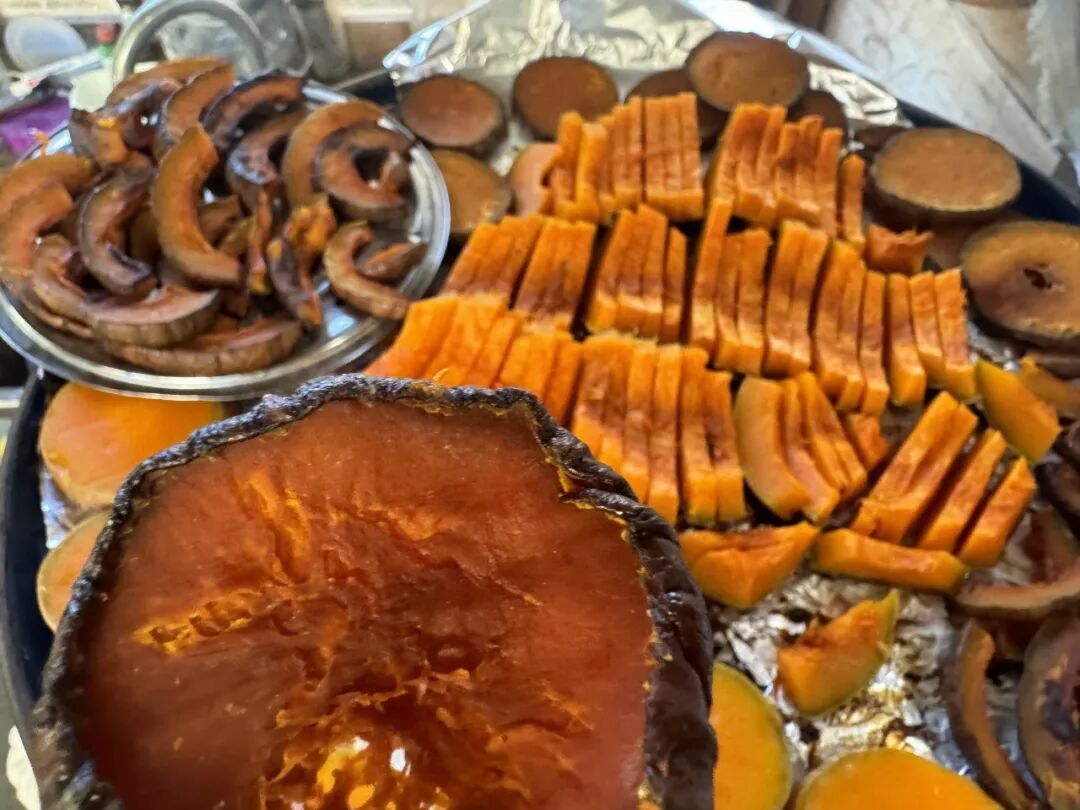
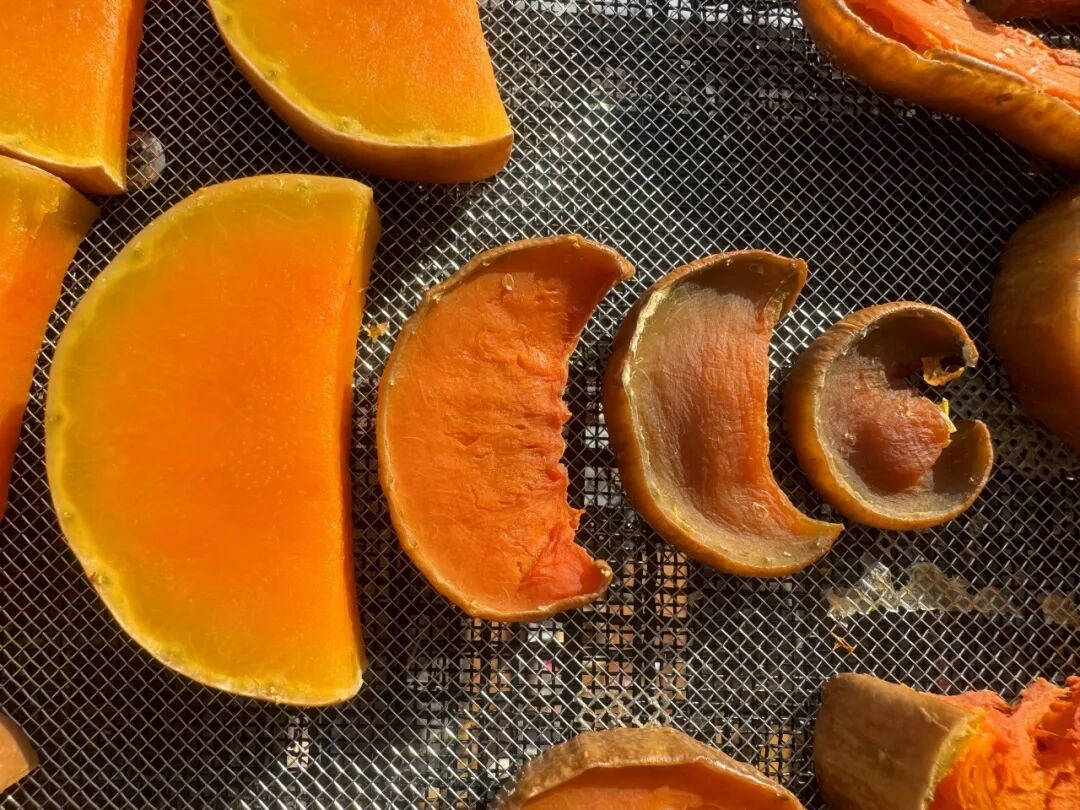
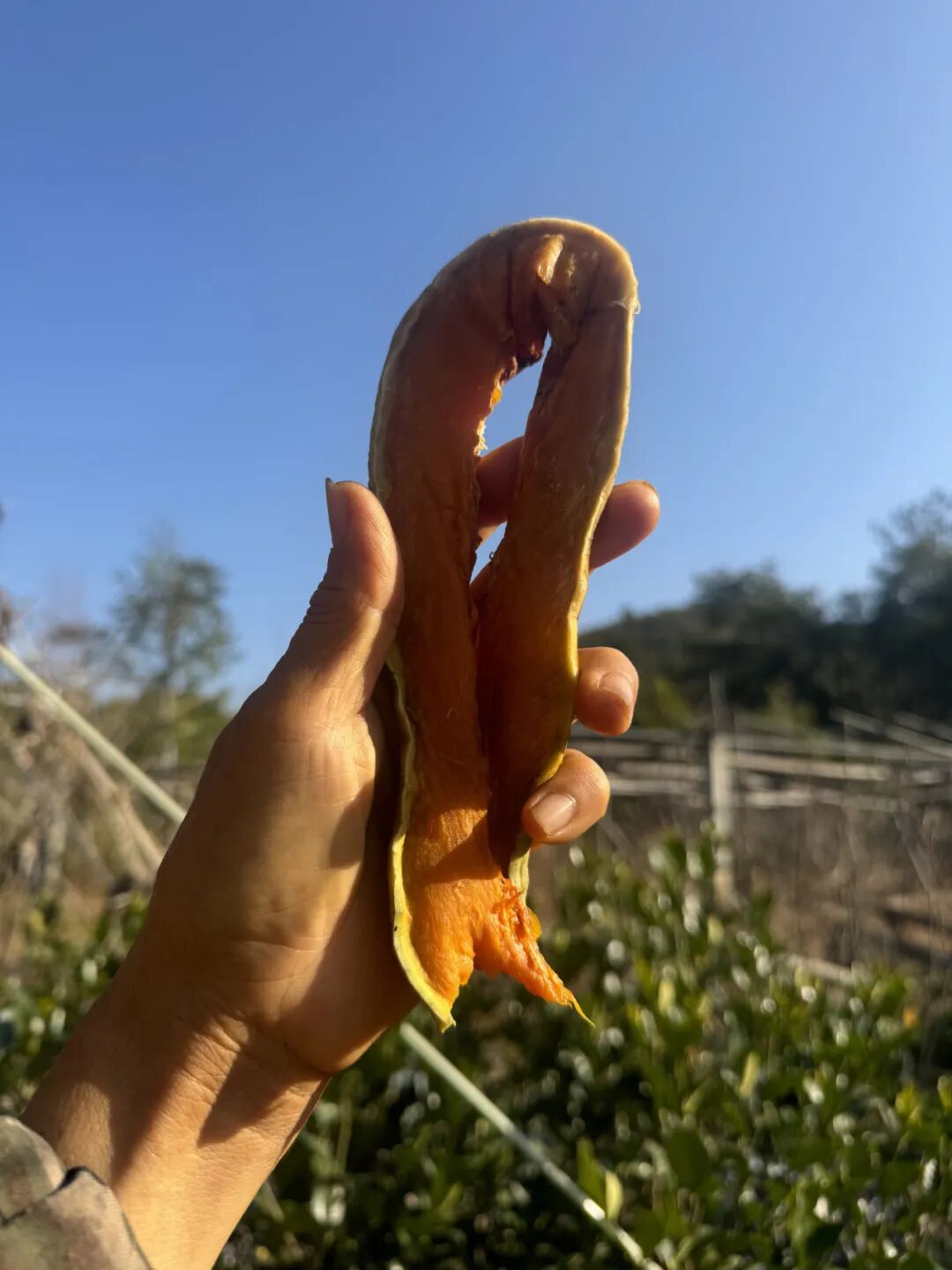
◉ After several rounds of steaming and drying, the finished dried pumpkin is so delicious it’ll make you cry.
I’ve always been firmly against shop-bought sweets, but since the little ones at home love them, my solution is to make them myself.
The ratio of malt sugar to raw peanuts, walnuts, cashews, sunflower seeds, and sesame seeds is 1.5:1:1:1:1:1. The resulting homemade nut sweets are roughly a sixth as sweet as typical shop-bought ones.
Start by roasting the nuts for an hour. When combining them, you can pair just two varieties, mix everything together in one batch, or stir in some finely chopped dried red dates. Finally, melt the malt sugar, add the prepared nuts, and toss until evenly coated. Pour the mixture onto a lightly greased work surface, press it flat, leave it to cool and set, then slice. Your homemade nut sweets are ready.
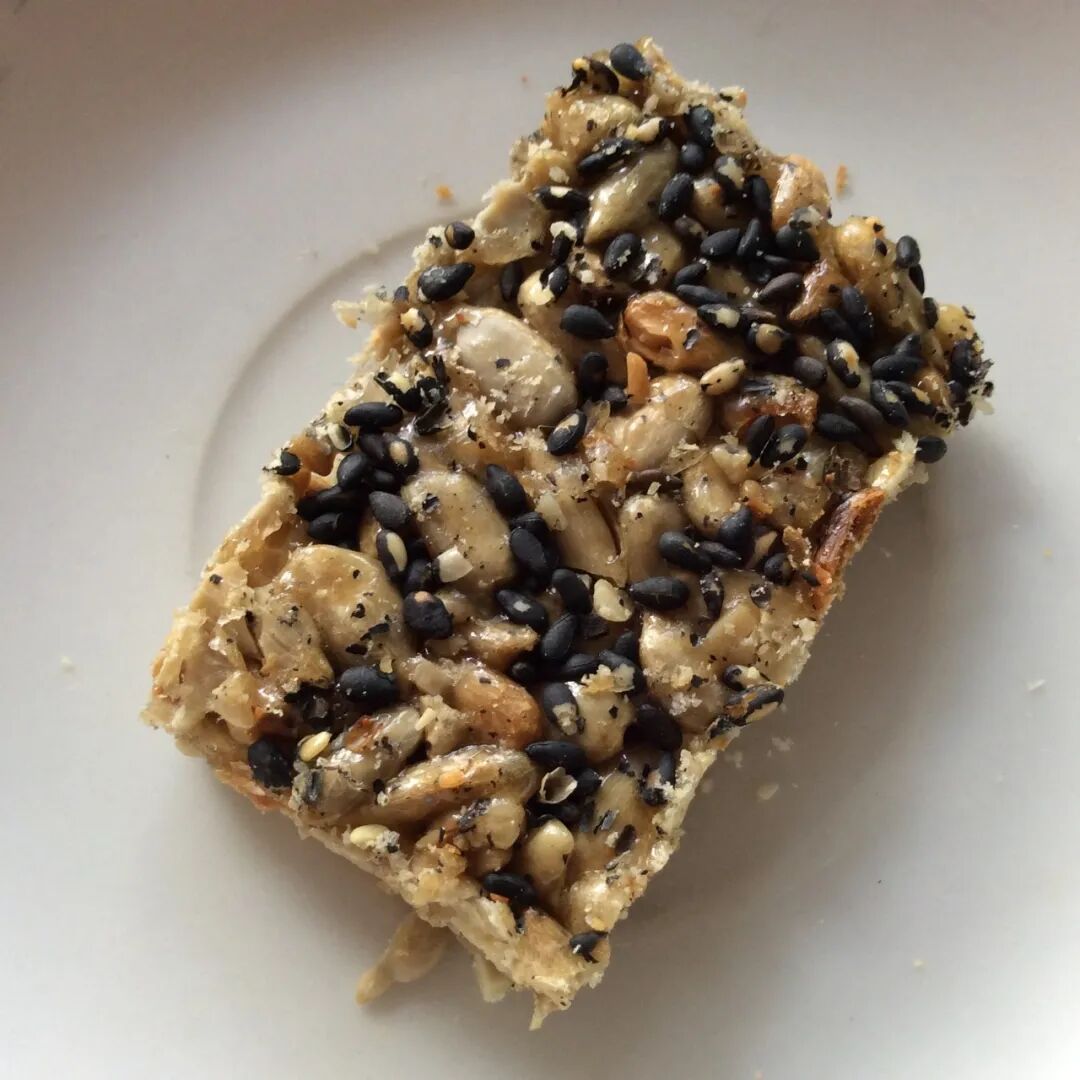
◉The homemade candy is ready.
If you’re looking to burn off a restless child’s excess energy, you could start by making maltose together. The process begins with soaking wheat and sprouting it into malt, then soaking and steaming glutinous rice. Once you crush the malt and mix it into the cooked rice, you filter and let the liquid settle, simmer it down into a syrup, and finally use it to make the nut candies. It’s enough to keep a little one happily occupied for four or five days on end.
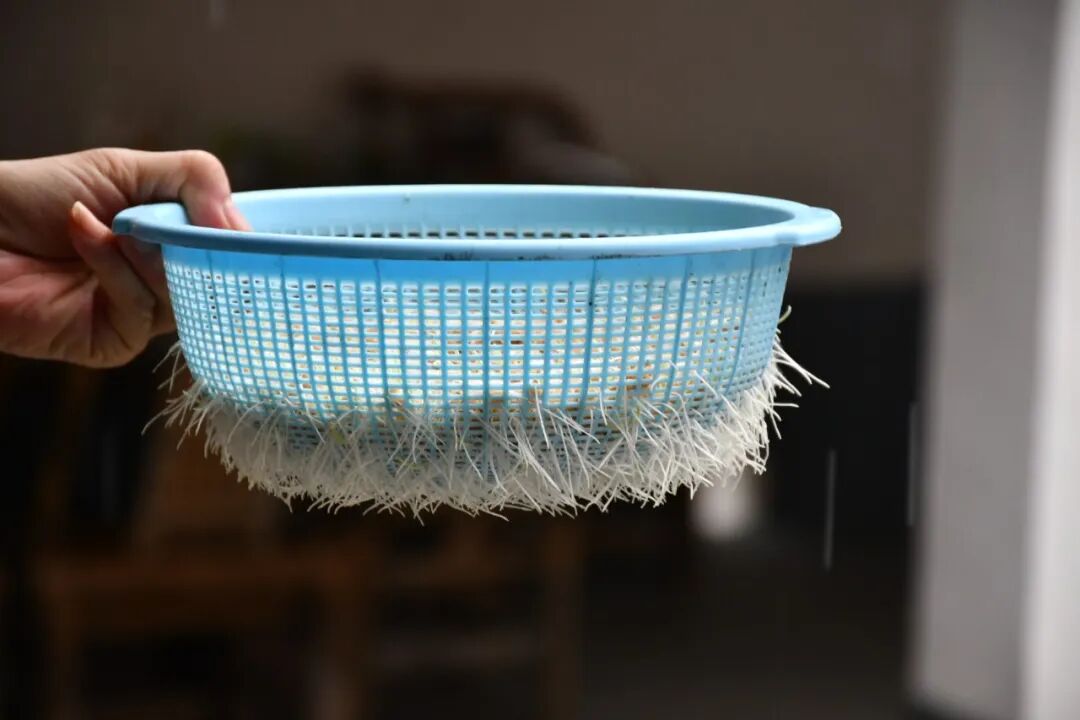
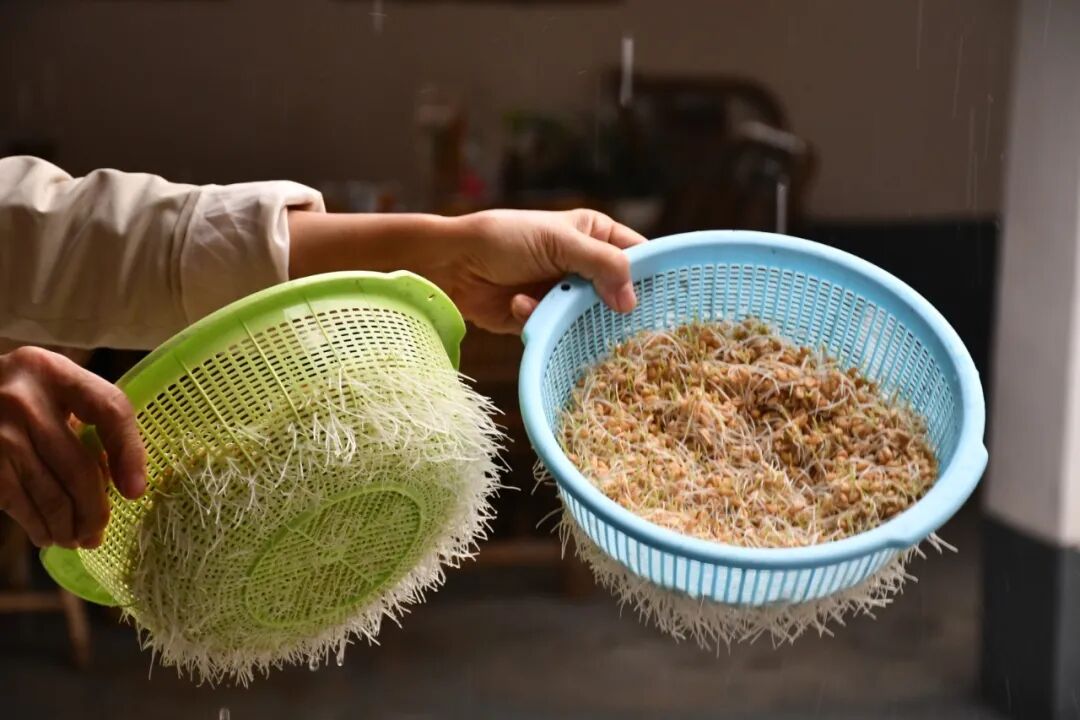
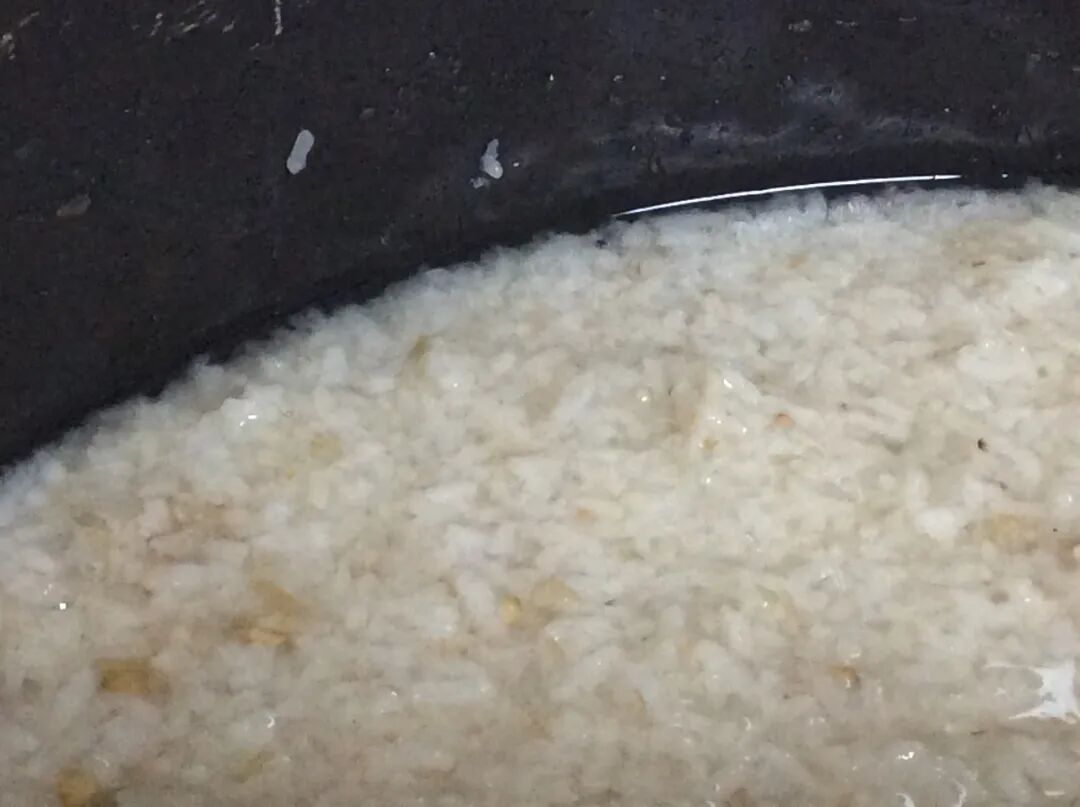
◉ The first step in making homemade maltose is sprouting wheat. Next, crush the sprouts and mix them with steamed glutinous rice to ferment.
For a savoury homemade snack, try making jerky. Pork or beef both work well. Choose a lean cut. Slice with the grain if you prefer a hand-shredded texture, or against the grain for a more tender bite. Aim for slices about 4mm thick. Pick a seasoning blend without added MSG or chicken essence; any brand will do. I use Wang Shouyi Dumpling Seasoning from the supermarket. I’ve checked the ingredients list carefully, and it contains only natural plant-based spices. If you don’t mind the extra effort, you can also grind the spices yourself. Mix the seasoning with salt and cooking wine, rub it thoroughly over the meat, and marinate in the fridge overnight. Lay the slices flat in an air fryer or oven, cook at 120°C for an hour, and they’ll transform into jerky.
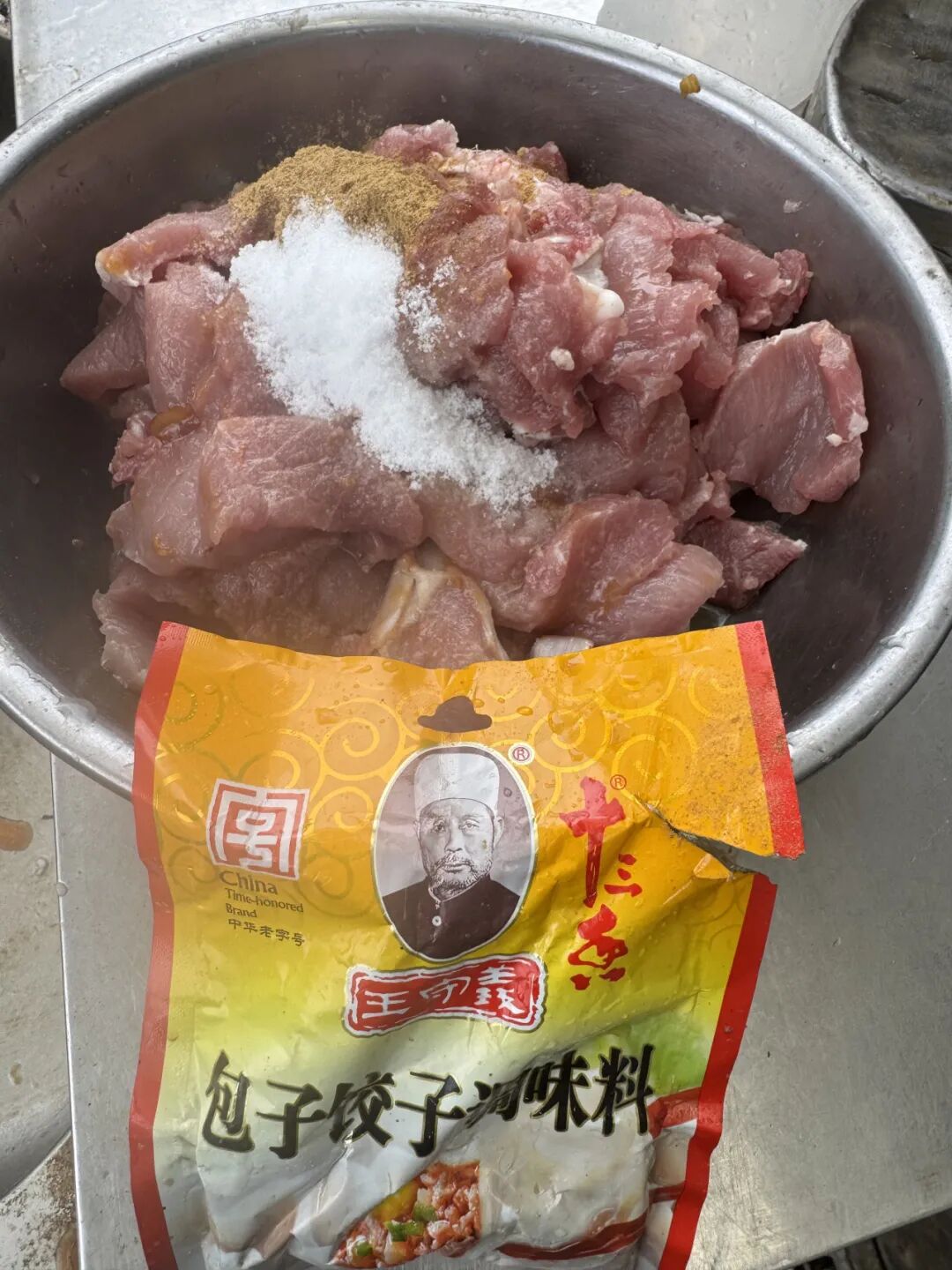
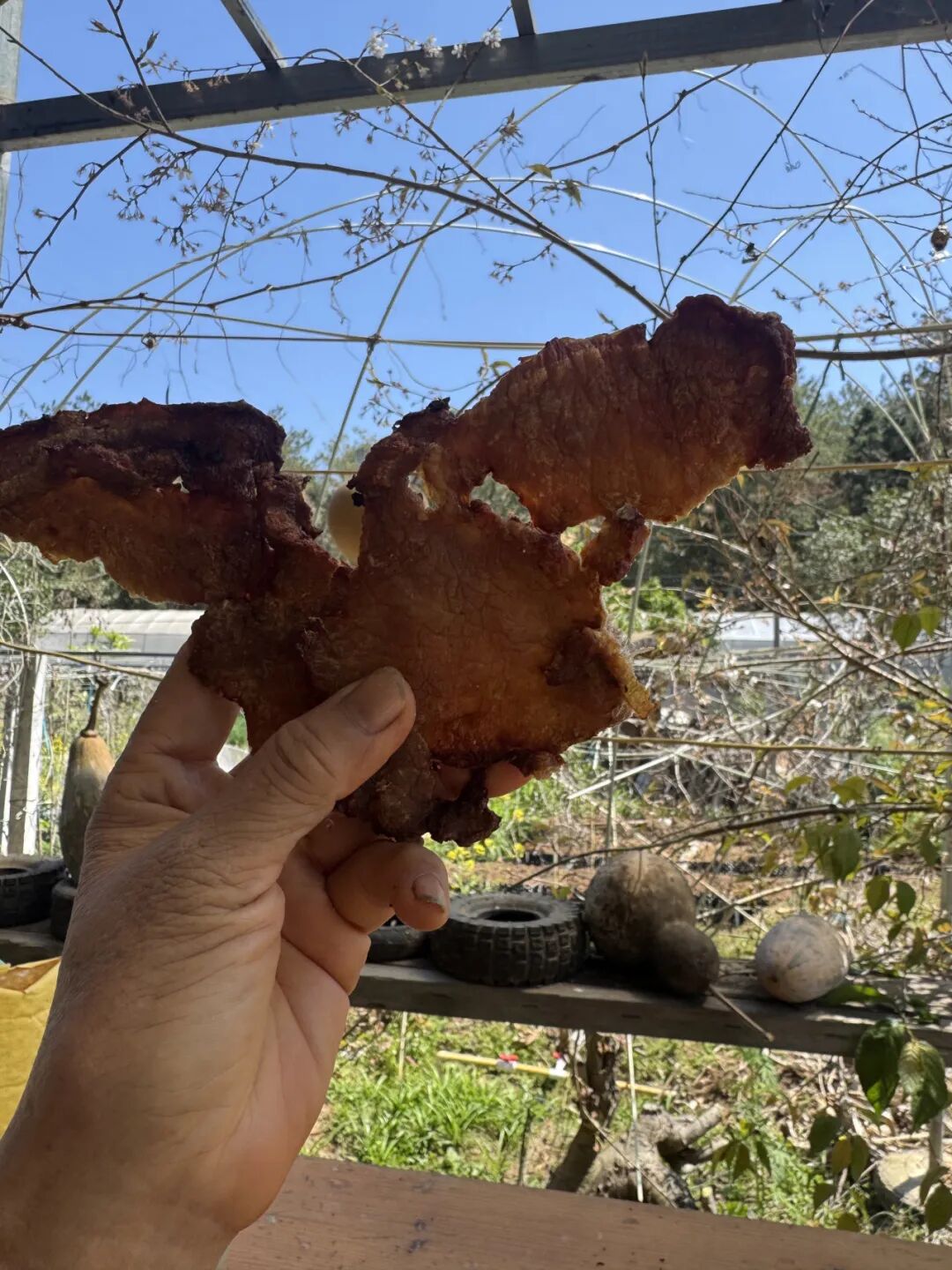
◉From marinated meat to jerky.
If you’d like a better texture and a more complex flavour, you can apply a glaze and continue roasting. Mix a little sugar or honey with water to form a thin starch paste. Flip the jerky over, brush on a light coating, and bake at 170°C for five minutes. The colour will darken slightly. The sugar will add depth to each bite, and the Maillard reaction triggered by the sugar and starch under high heat will make it even more delicious. As a general guideline, for every 500g of jerky, use roughly 2g of sugar and 5g of starch.
At the end of the day, we haven’t suddenly lost our self-discipline, nor have we abruptly developed a craving. The pleasure derived from sugar and fat has been hardwired into our genes by evolution. The real issue is that industrial production and global distribution mean modern snacks are laden with free sugars and refined seed oils that harm our health. Before we realise it, we’ve consumed far more sugar and fat than our bodies can safely process.
That is why I prefer to bring snacking back to the kitchen and back to the soil, using my own hands to enjoy both proper flavour and genuine health.
– This is Foodthink’s 805th original article –

Foodthink
Author
Grandma Kouzi
Wandering farmer, village brewer. Full-time foodie, part-time farmer, amateur writer.
Editor: Xiao Dan
Layout: Ming Lin
▼
Click the image to read related articles