Unable to Return Home, Beijing’s Drifters Bring Their Pickling Crocks to the Capital
This is something I have only recently come to realise. For years, fermentation was nothing more than a curious scientific term in my mind. It was only later that I began to understand that the everyday customs I cherished as a child—fermenting soybean paste, pickling cabbage, and wrapping sticky bean buns—were all part of what could be called fermentation culture.
Pickled cabbage is my absolute favourite food. Yet it wasn’t until last winter that I set about making my very first vat of it. This shift had been simmering for some time, and the direct spark was the book *Fermented Foods*.
I initially set out to write a proper review of the book, but then I realised its greatest significance to me lay in confirming that my own sense of being was indeed tied to fermentation. Dreading that my genuine feelings might be drowned out by sweeping histories and academic jargon, I decided instead to weave my own personal story into it.
I. A Place of No Return
For the locals, the metaphor of the “mother river of the Northeast” falls short of capturing their full impression of, and attachment to, the Songhua. Standing on the embankment on a cloudless day, looking out across the water, you would see a ribbon of gold in summer and a ribbon of silver in winter. Such a view naturally lifts the spirits and draws forth unabashed praise. Yet come the rainy season, under a brooding sky heavy with black clouds, you would feel the river’s fury. Torrential floods would wash everything away—maize and soybeans, poultry and livestock, and even the lives of those fighting the waters. The very embankment that cradles dozens of homes and garden plots was erected to stem these floods, and has been steadily raised and reinforced since 1998.
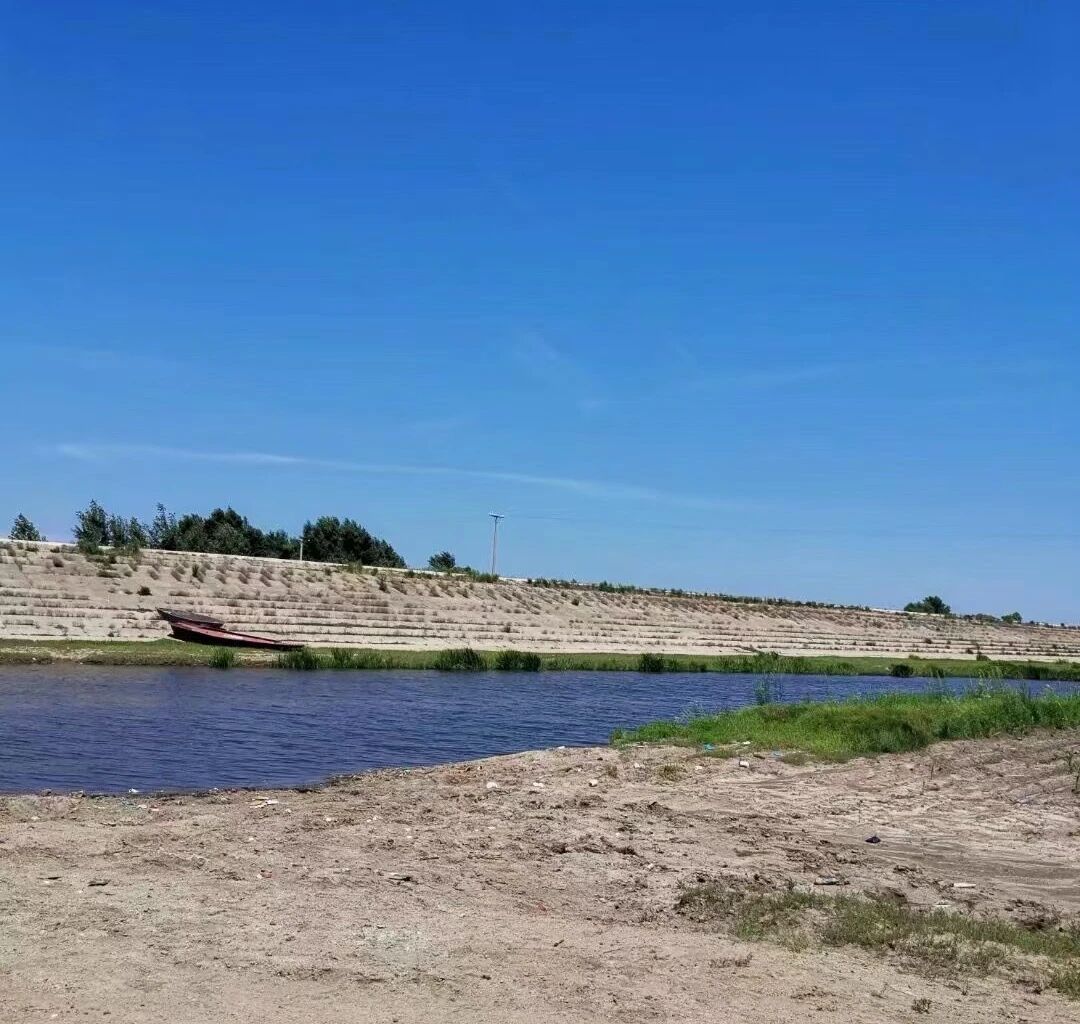
One peculiar virtue of this terrain is that it makes the journey into the village unforgettable. To get there, you had to descend from the embankment down an exceptionally steep incline, swaying and jolting all the way, with the constant dread of your vehicle tipping over. Whether on foot or by car, this steep slope was the sole route in or out. In the opening years of the new century, the village’s soybean and maize crops brought in little profit; the losses were due either to flood damage or to bumper harvests that still fetched pitiful prices. During those years, that steep slope saw a few visitors from afar, but more often it bore witness to the children of the village leaving for distant lands.
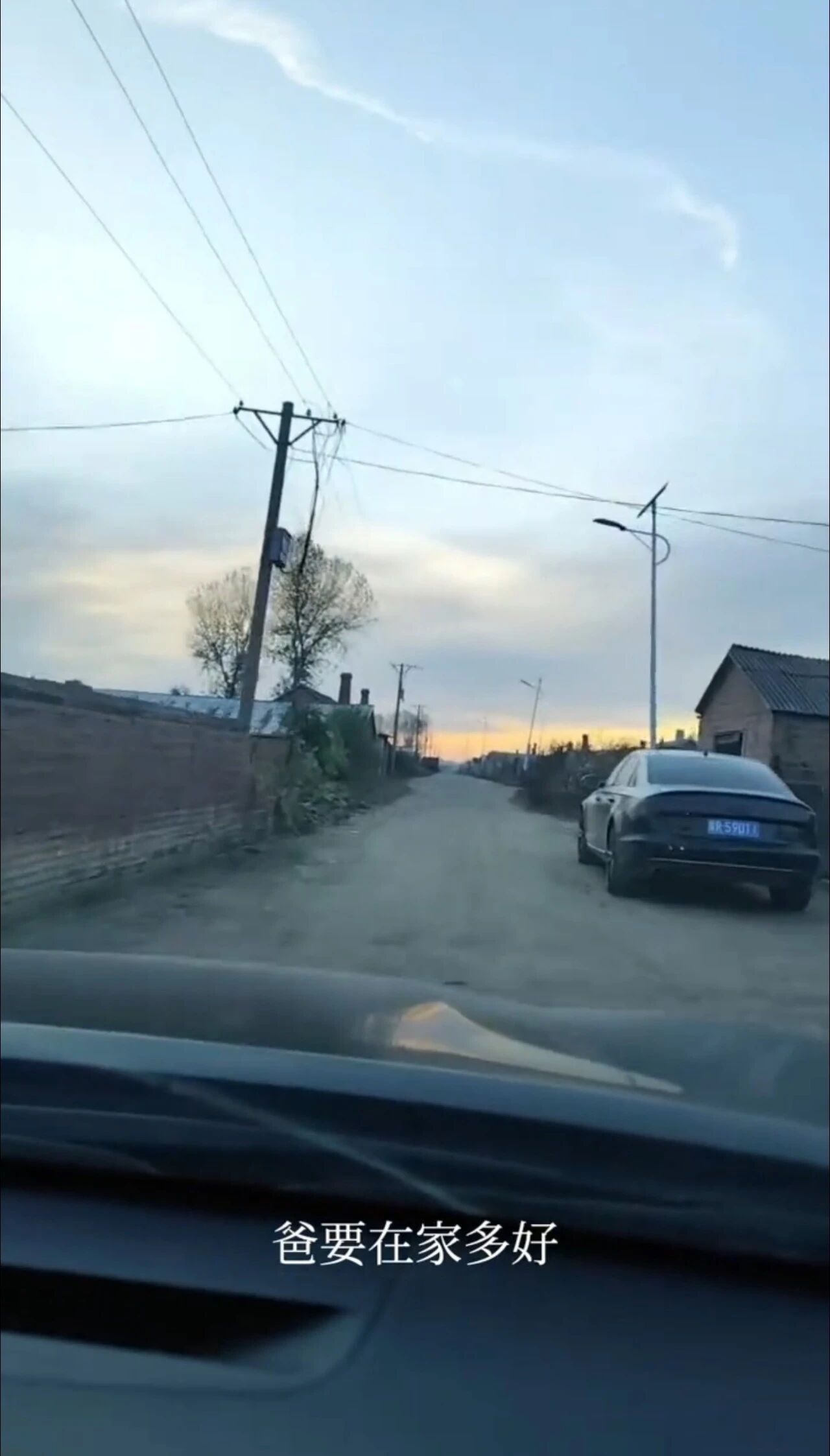
Just last autumn afternoon, a car descended that same steep slope, making its way slowly towards a stone pillar at the eastern edge of the village. For decades, the area around that pillar had been a hub of activity. Whether it was dusk after a day in the fields or early morning before heading out, the spot was invariably filled with villagers of all ages, their voices raised in boisterous laughter and chatter. Once home to over fifty households, the village now holds merely seven or eight families, scattered across the land.
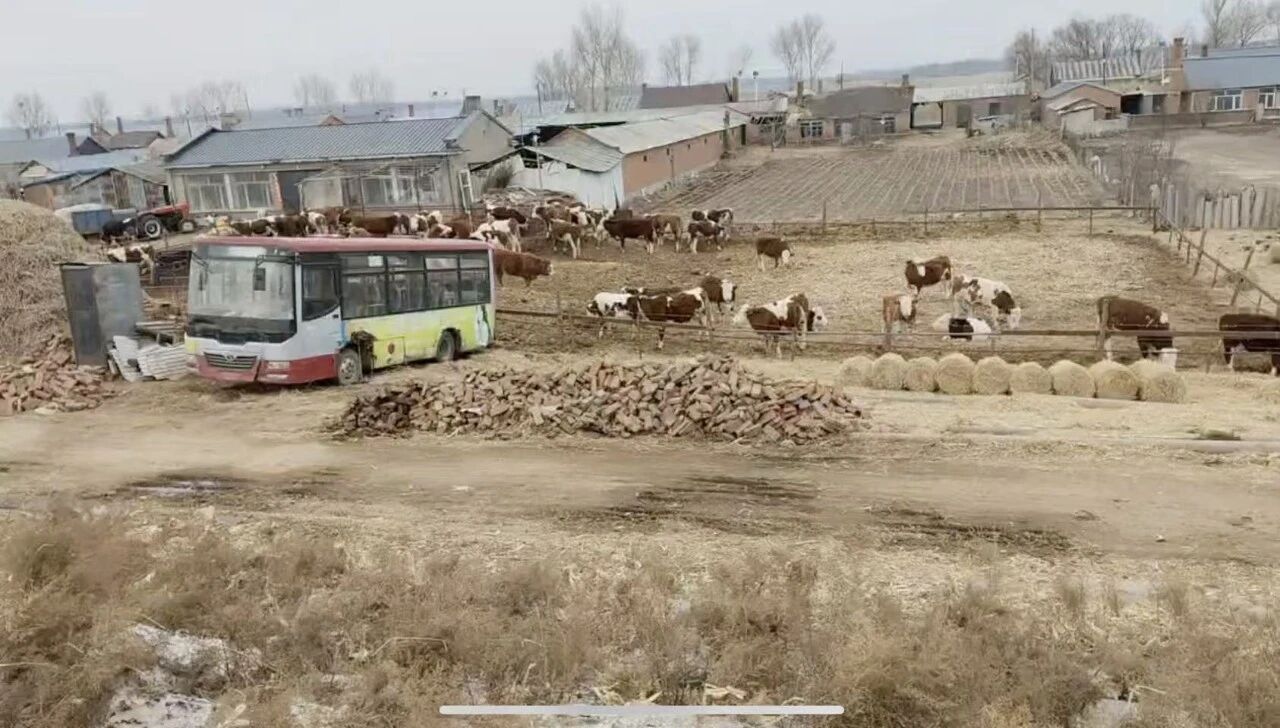
The car rolled steadily onward along what was once a potholed dirt track, now paved with concrete. At first, my mother found the transformation rather novel. But as the vehicle moved forward down the deserted lanes, her chest tightened upon sighting their family’s old iron gate—now overtaken by weeds and crusted with rust. A wave of mingled excitement and sorrow rose in her throat, leaving a dull, aching lump behind.
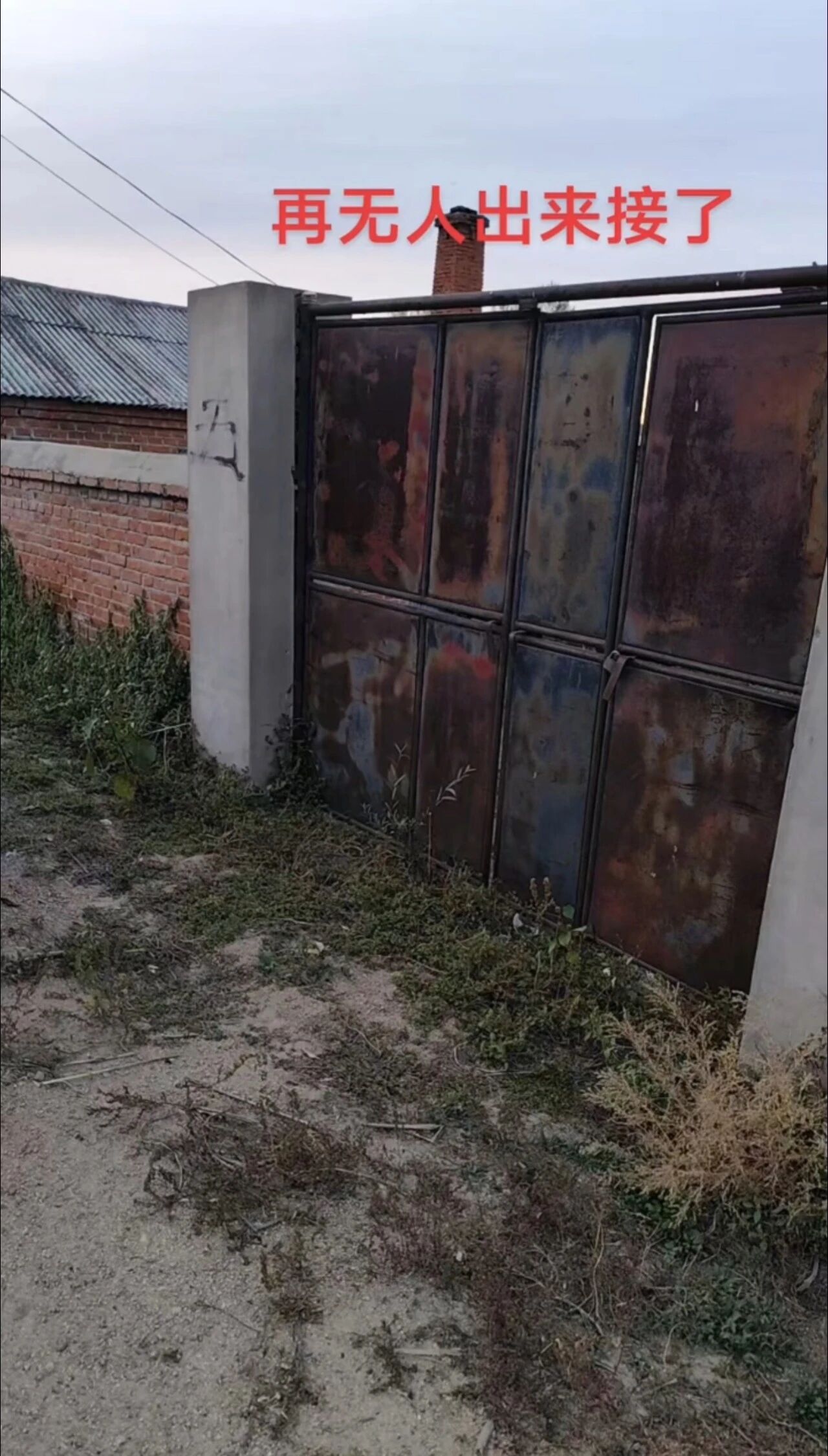
Pushing open the iron gate and stepping into the courtyard, I faced the old house, unoccupied for over a decade. With the back wall caved in, a bleak, dim light seeped inside. My mother leaned towards the window, peering in as if the house were still intact, home to a family going about their daily meals and life, while she was merely a visitor stepping through time. It was only when she spotted the unmistakably familiar blue dish cupboard, along with the well and the fermented cabbage crock beside it, that tears came. The lump in her throat from her earlier choked sobs finally eased.
A wave of loss followed, as she realised she would never again spend a night under the sky where she had grown up. The relatives and neighbours she knew so well had all moved away, just like her: to Harbin, Daqing, to Beijing, and further south to Hubei, Guangzhou, and Shenzhen. In short, they were simply no longer here. During those years of grinding away in the big cities, this quiet fear of never being able to return home had always lingered, faint but persistent. Now, this generation of migrants could no longer pretend not to see the fact: the village was declining.
II. A Portable Sauerkraut Crock
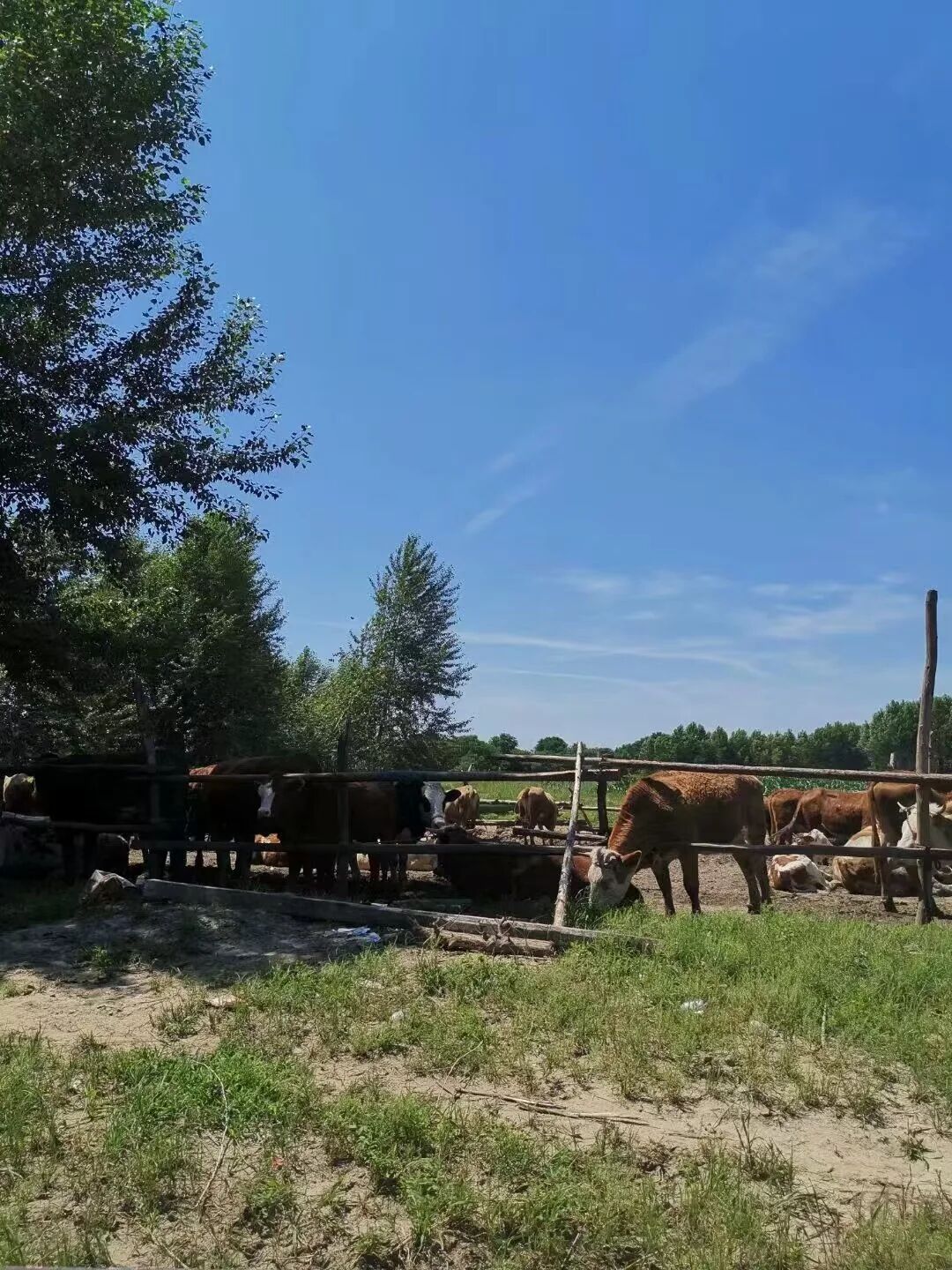
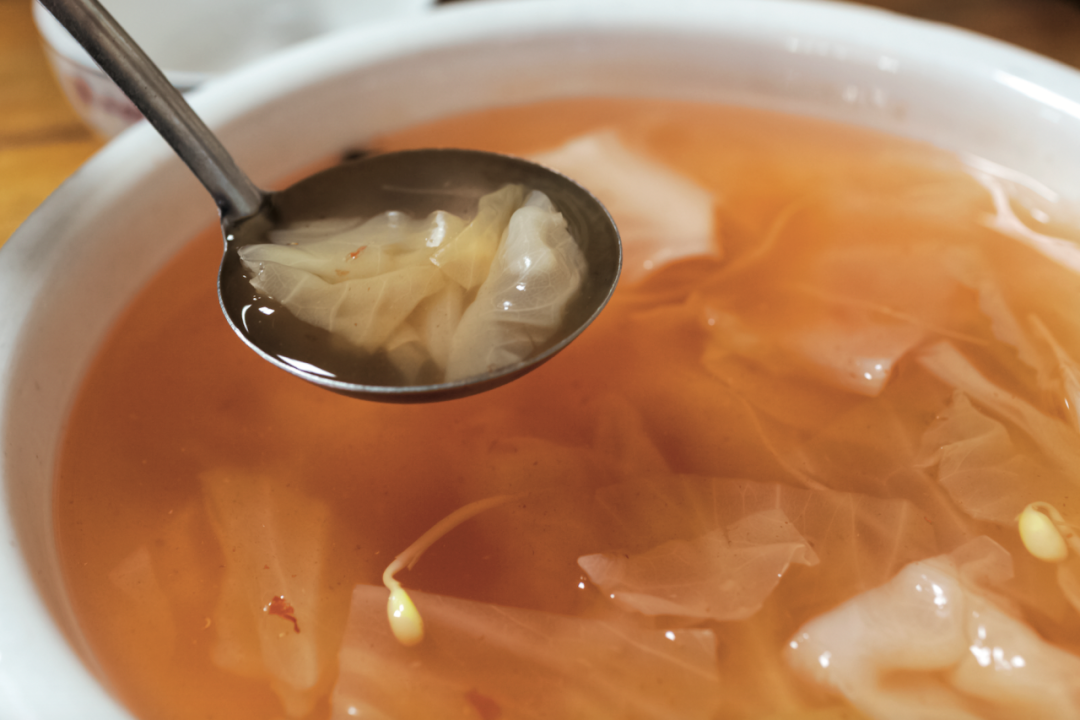
In truth, some of it has not disappeared at all. Take the sauerkraut vat from the old house, for example: it is something that can be “taken along.” Whether at my own place, or at the homes of my grandmother, third aunt, and second aunt, the location may differ, but every household keeps a vat. It is as though winter awakens a dormant instinct within these elder women, compelling them to ferment sauerkraut the moment the season turns. Even when they move into apartment blocks that are hardly suited to the task, the vats inevitably find their way in, springing up of their own accord.
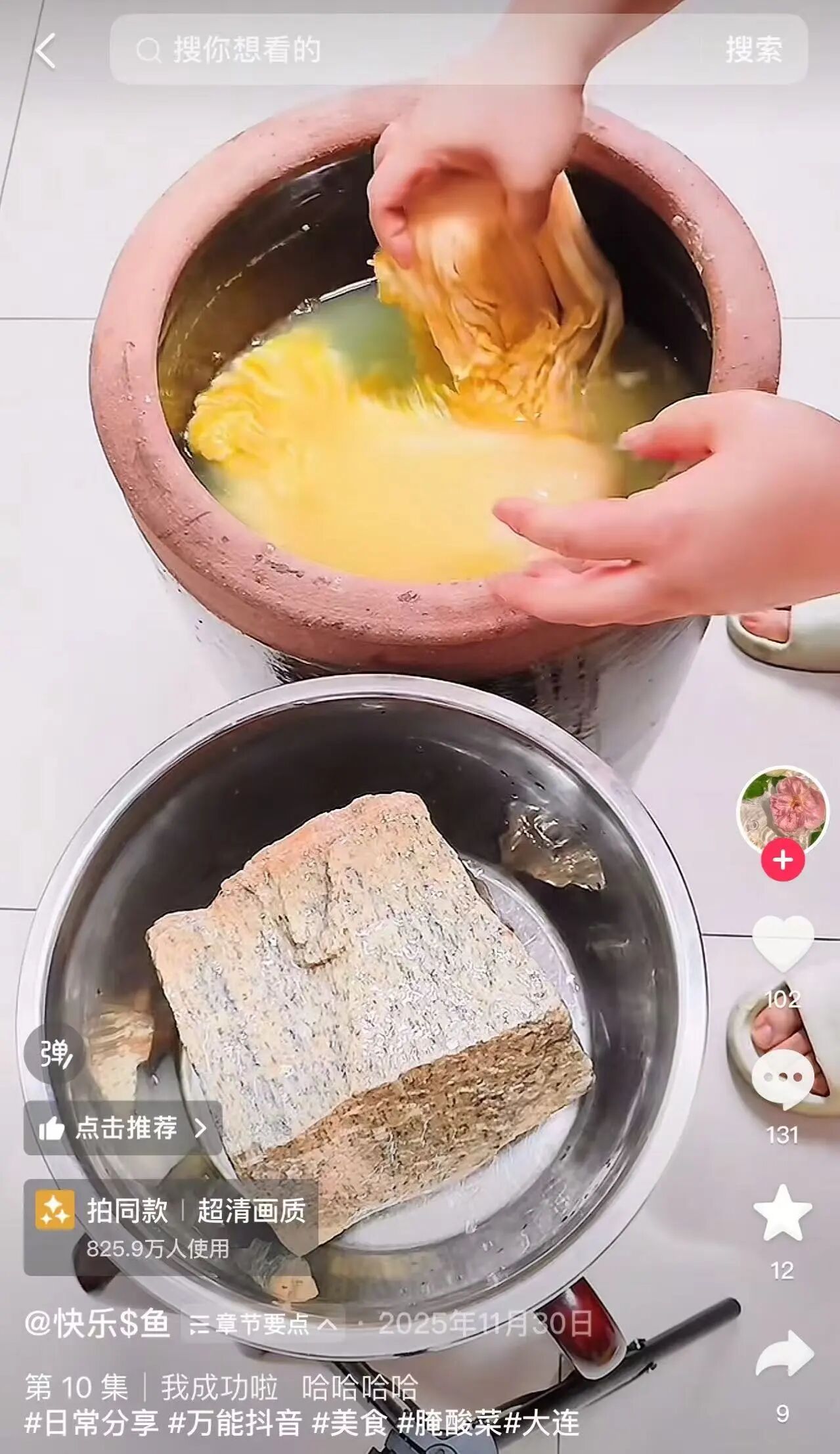
The reasons are numerous, ranging from minor to major. A friend once complained to me that in a clean, tidy city like Beijing, hunting down a suitably large stone to weigh down the sauerkraut is a real headache. For my part, I find the odour of fermentation far too overpowering; urban flats simply do not compare to the spaciousness of rural homes and their courtyards.
Moreover, for quite some time I have relied on food delivery for everyday meals. When that is the case, why bother with such a labour-intensive task as fermenting sauerkraut?
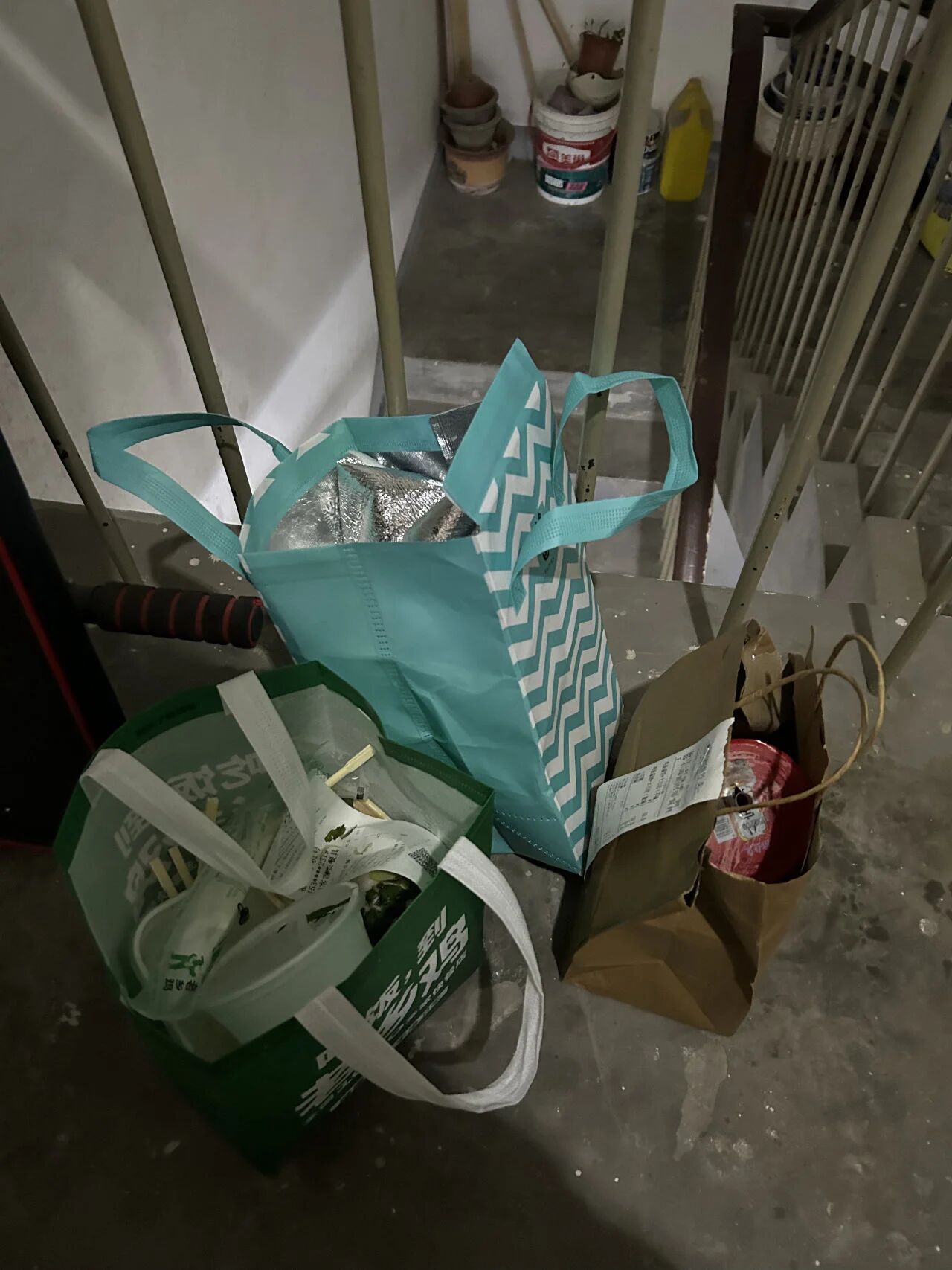
A more pressing reason might be that, amidst the fast-paced, high-pressure rhythm of city life, work has sapped so much of my energy that I’ve grown overly dependent on purchasing goods to meet my daily needs, rather than meeting them through domestic labour as previous generations did.
Since graduating and entering the workforce three years ago, my life has slowly narrowed into a duet of nothing but work and consumption. This existence has dulled my basic sense of material reality and my ability to manage it. I’ve also lost the capacity to bear life’s heavier burdens; I now only wish to focus on the few tasks I genuinely choose to do. What should be warm emotional exchanges—the “interruptions” of family and friends—have instead become a weight I must carry. In these moments, the suffocating tension of this lifestyle leaves me feeling as though I am on the brink of collapse.
III. A Book on the History of Fermentation
But at the time, I hadn’t yet regarded fermentation as a vital part of daily life, until I picked up *Fermented Foods* by Baumgartner. Where Sandor Katz’s *The Art of Fermentation* leans heavily into the foods and techniques themselves, this book delves into the cultural and technological history of fermentation.
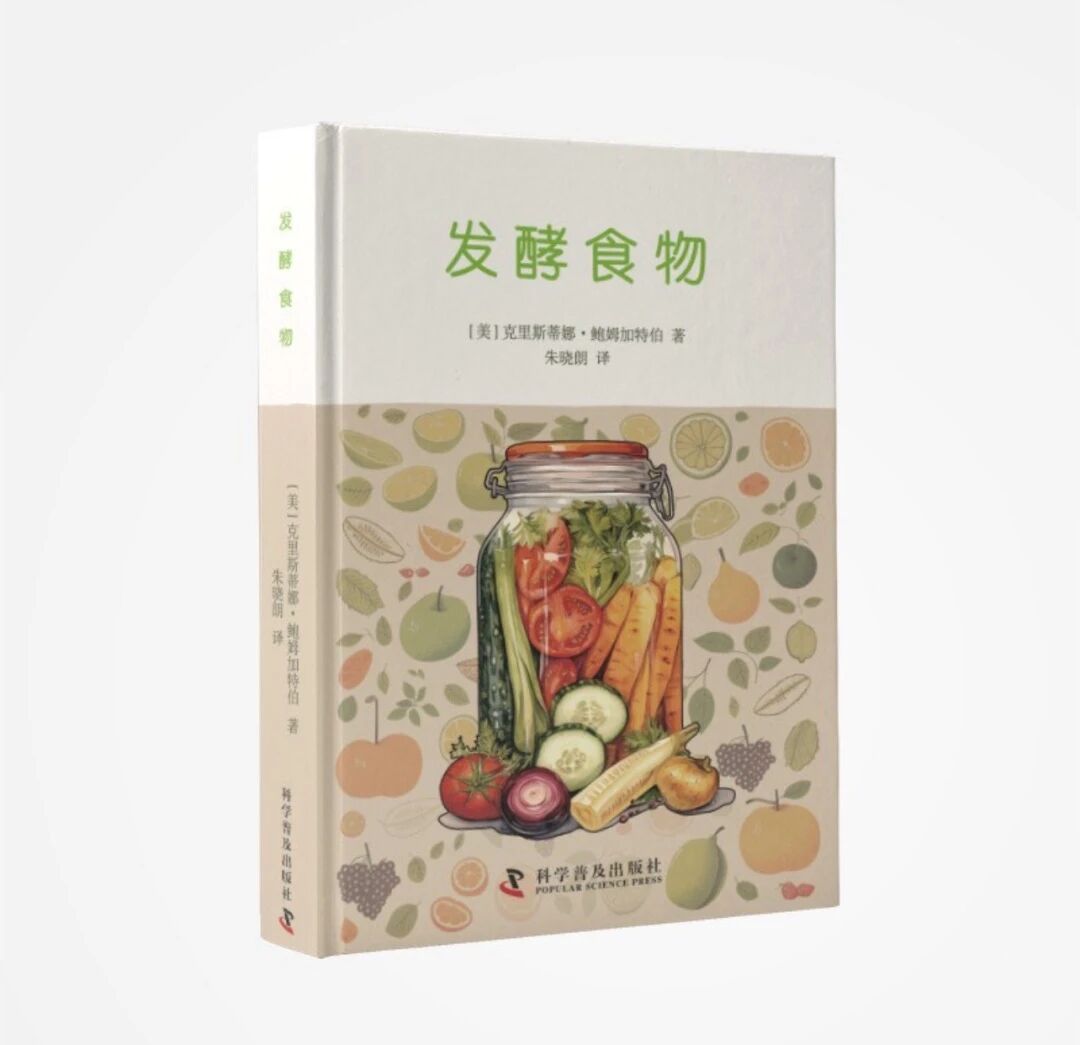
Reading this book reveals that while humanity possesses numerous traditional methods of preparing food, the relationship between fermentation and the modern food system is perhaps the most contradictory and complex of all.
As a child, I often imagined a mysterious world living inside the pickle crocks in the vegetable garden and the sauerkraut jars in the kitchen, because unlike ordinary inanimate objects, they always seemed to be bubbling away on the surface. I could hold my breath and stare at them for ages, until my grandmother would call out from nearby: “Mind where you’re standing, don’t you fall in there!” Only then would I dart away.
We now know that those bubbles are carbon dioxide released by microorganisms like yeast as they undergo aerobic respiration in the early stages of fermentation. Only once that stage passes can the primary agents, lactic acid bacteria, begin their “anaerobic metabolism”.
Long ago, humans transformed fermentation from a mere natural phenomenon into a masterable craft. Yet until the 19th century, its biological mechanisms remained a mystery. Many were inclined to see a barrel of effervescent beer or souring vegetables as a product of decay, imbued with the sense of “death”. Even the chemist Justus von Liebig regarded fermentation as nothing more than a chemical reaction, devoid of any life process.
It was not until the 1860s, while investigating why certain fermented wines would still turn sour, that the scientist Pasteur finally uncovered a ubiquitous world of microorganisms lurking beneath the surface of everyday life.

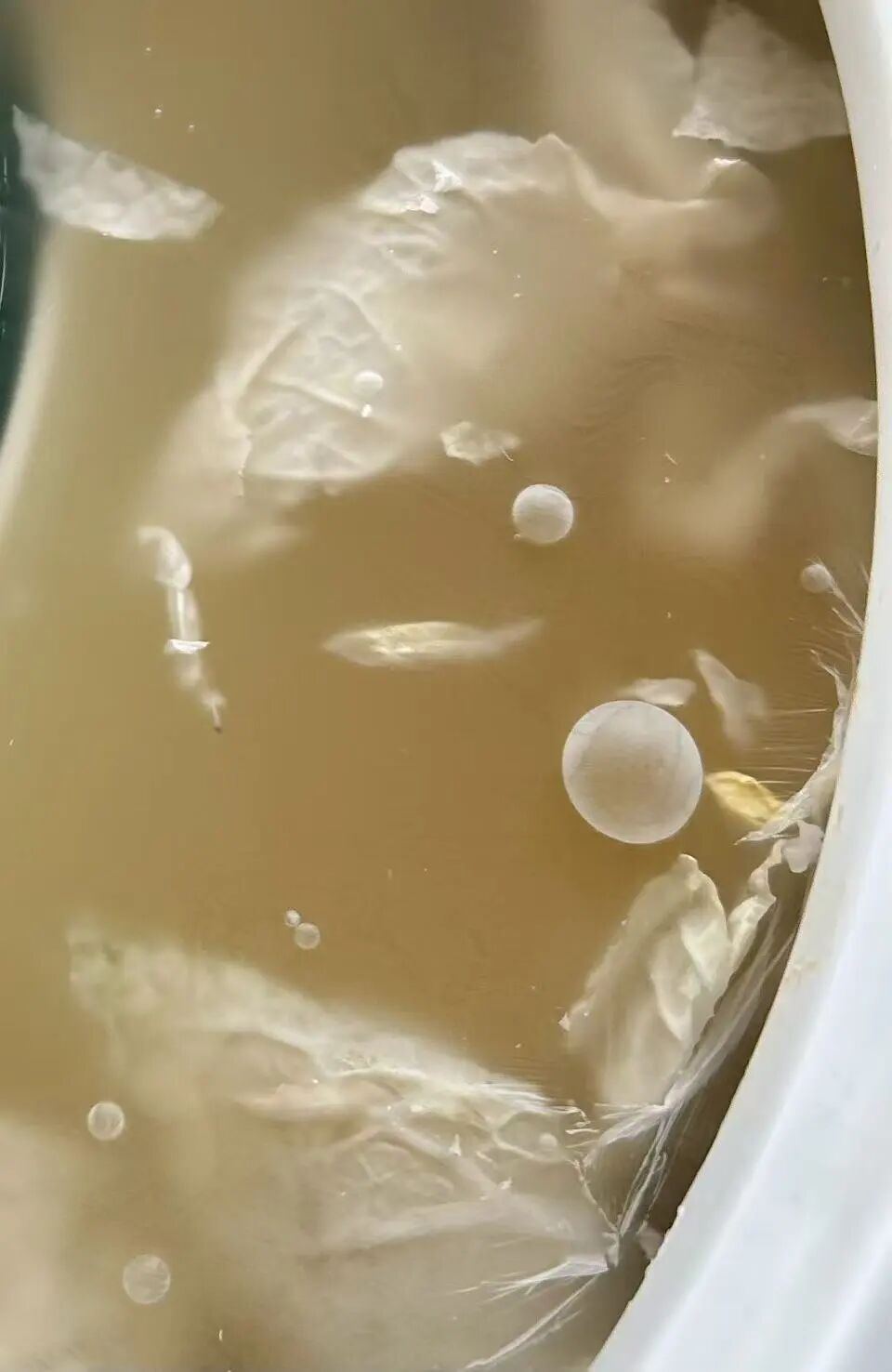
Not long ago, hearing the pickling crock in the house suddenly make a sound left me utterly astonished—someone who is usually rather unobservant of the natural and material world. “So the lactic acid bacteria were right there? Microorganisms really are everywhere!” Each gurgle felt like a fragment of memory, a poem bridging the past and the present, filling me with an unexplained sense of joy and comfort as I worked alone from home. In that moment, scientific research did not blunt my awareness of nature but sharpened it. Fermentation is an interface through which one can interact with invisible microorganisms.
Any modern individual with a basic education in public health is well aware of bacteria. If we trace the lineage of microbiology, it was the public health revolutions in late nineteenth-century Europe and the United States that first brought this science into the public consciousness. Hygiene protocols targeting bacteria and viruses, coupled with the development of related vaccines, equipped humanity with the means to combat diseases such as rabies, anthrax, tuberculosis, and typhoid.
This was undoubtedly a monumental societal advance. Nevertheless, there are other facts that must not be forgotten:
- Our own bodies host approximately 39 trillion microorganisms. Many of these play beneficial roles—boosting the immune system, regulating blood sugar, aiding digestion, and more—ultimately contributing to our health and well-being.
- Bacteria have always been part of our world, but the complex environments characteristic of the industrialised food system—such as overcrowded, unsanitary livestock sheds, meat processing facilities, and cold-chain transport networks—have accelerated the breeding and spread of numerous pathogenic bacteria, including tubercle bacilli, E. coli, and Listeria.
- Another offshoot of germ theory, pasteurisation, reduced the risk of microbial contamination during intricate processing and distribution stages. This cemented the industrialised food system’s dominance in human society, yet novel foodborne pathogens continue to emerge.
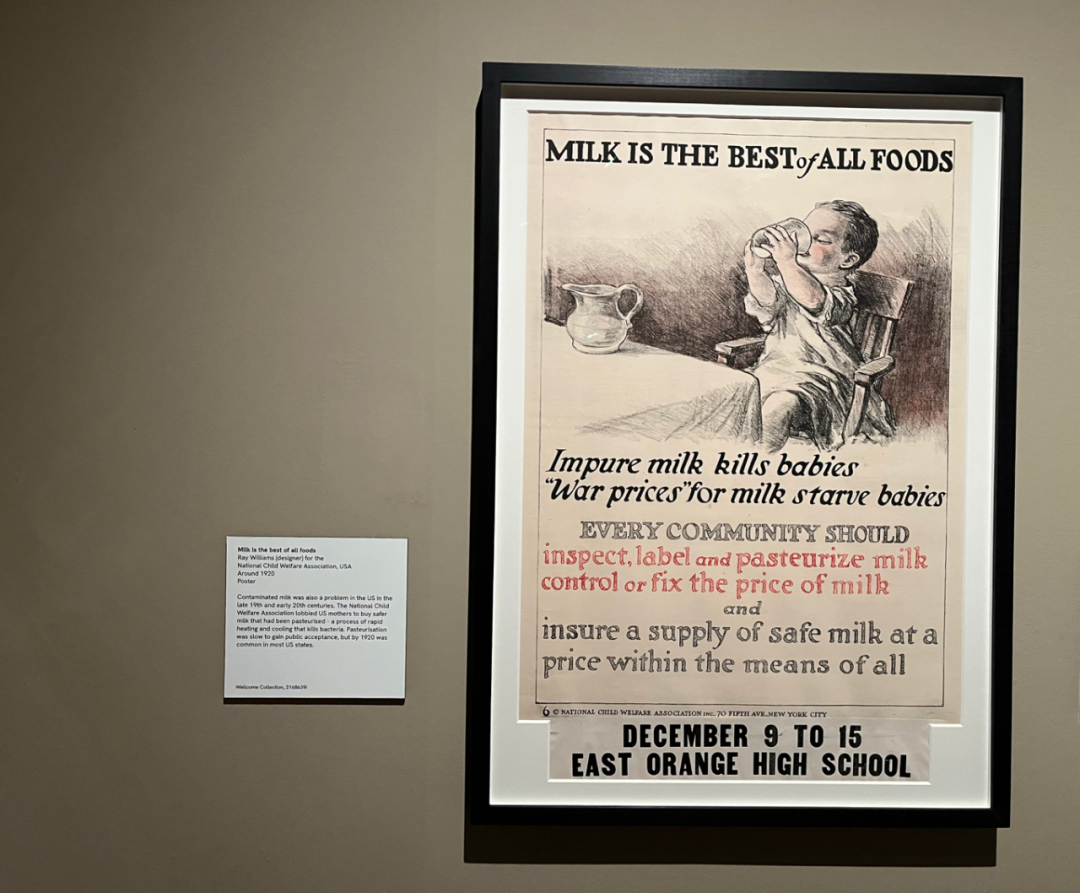
We cannot claim that the triumph of the industrial food system was determined solely by bacteria and hygiene concerns—the actual history is far more complex—but the germ theory of disease and its applications, which originated in the study of fermented foods, did indeed play a pivotal role in allowing the industrial food system to erode traditional home fermentation practices.
IV. A Life Within Grasp
Consider this: had humanity mastered microbial science without the decline of the countryside, with people possessing ample time and passion to cook, and without the need to rely on packaged foods for convenience or speed, how would we have approached fermentation? Would we have a greater variety of sour cabbage, fermented rice, pickled bamboo shoots, bread, and cheese? Would our lives have been warmer and more creative? Answering that might require a work of science fiction.
I often find myself wondering: where do I stand in the arc of history? What direction will all these changes in our material conditions and our sensibilities ultimately lead me?
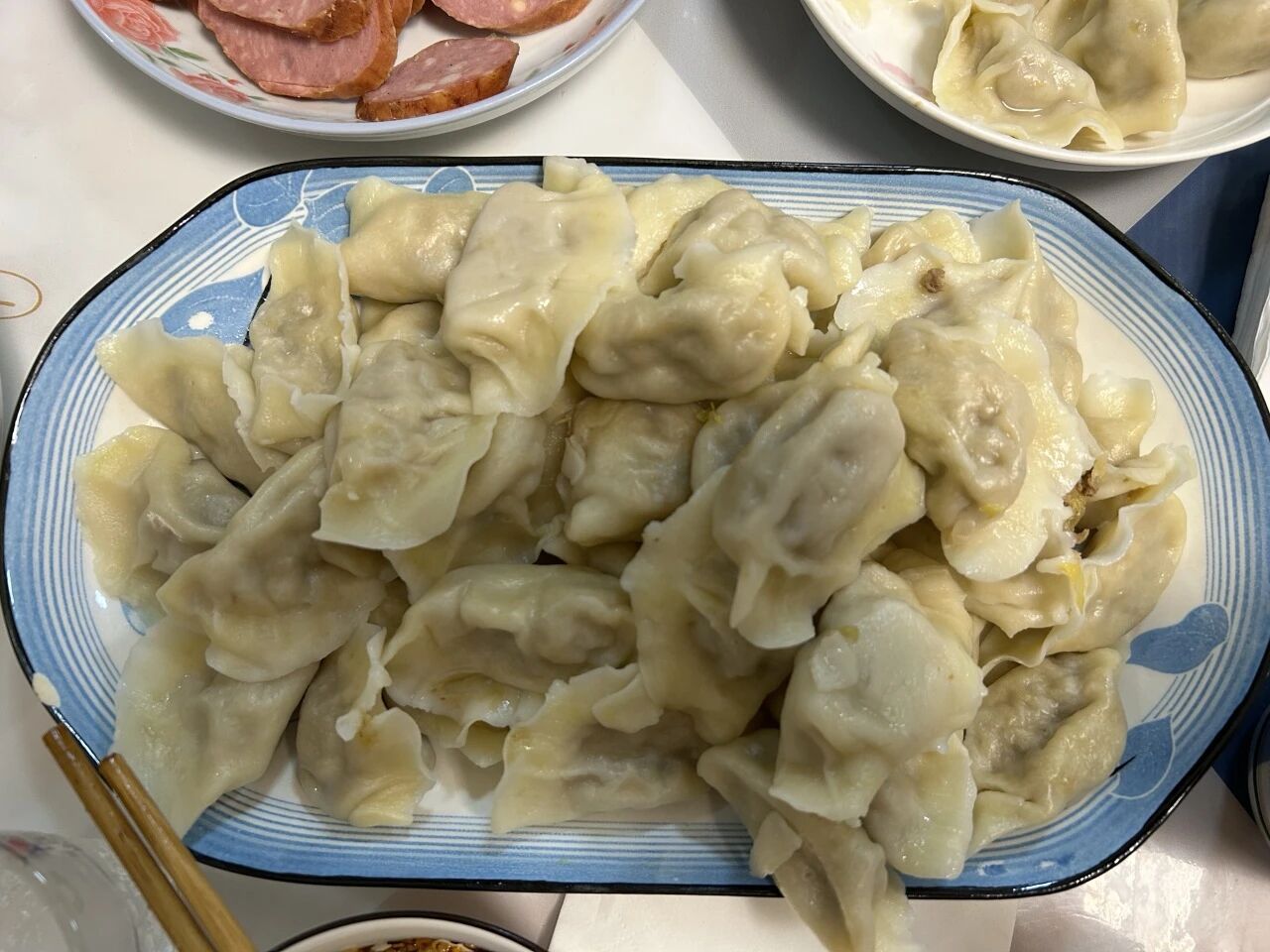
I am certain that, although my family members moved from rural areas to the city during the rapid urbanisation of the late 1990s and early 2000s, the bonds between us remained exceptionally tight, largely because the older generation still retained their own land. As recently as last National Day, I tasted the corn and vegetables for dipping that my aunt brought over hundreds of kilometres, as well as the sour-cabbage dumplings my grandmother made for the Spring Festival.
These are positive, beautiful things that must be remembered. Yet I must also concede that for my generation, the suffocation and alienation bred by city life have truly taken hold. Drifting in a metropolis, I lead a contradictory existence: at times brimming with the vitality that mobility brings, and at others weighed down by the despondency of loneliness.
When my mother, returning to our hometown, said that “everything is an illusion,” she was not merely nostalgic for the past. She was also lamenting how life today has become less reliable, less trustworthy, less knowable, and harder to grasp—myself, as I once was, being one of those elusive factors.
To her, the past is worth cherishing precisely because the embankments, mulberry trees, old houses, cupboards, and sour cabbage jars of her hometown, along with the people and affections woven around these physical objects, were things she could once be absolutely certain of owning and claiming as her own. They stand as the clearest proof in the world that she has lived a singular life—something that can never be taken from her or bought away by anyone else.
Even when reading *Jude the Obscure* and *Sons and Lovers*, she found less joy in the main plot than in the detailed descriptions of Britain’s countryside and cultural customs, which always touched her deeply.
I gradually realised that rebuilding a life she could feel secure in was, of course, reliant on trustworthy emotional bonds, but it was equally tied to the material world and to nature. Before I began fermenting cabbage myself, I asked my grandmother for advice on the process, which later sparked a debate in our family group chat about why the cabbage made in Beijing always turned out so watery. These casual chats became a new common language and a new shared rhythm between us. Our emotional exchange was bound together by material things and nature, functioning like a small stove; I sat beside it, wrapped in warmth.
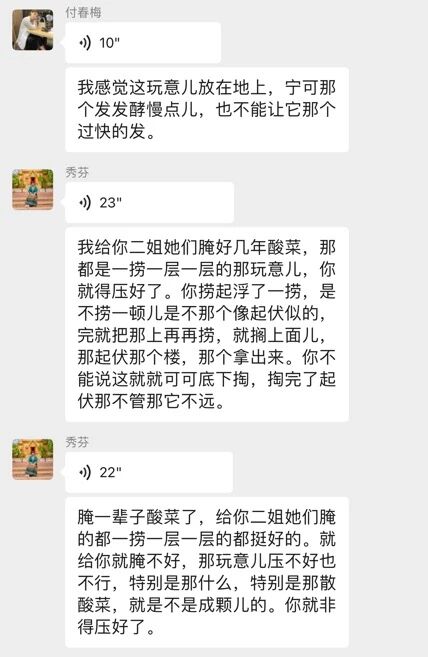
I wonder if joy turns to sorrow: although returning home for last year’s Spring Festival was a delight, just two weeks after heading back, my very first batch of pickled cabbage went mouldy. The sight was like raising poisonous insects—a veritable petri dish of horrors. It broke my heart; I would spend every spare moment staring at the mouldy barrel and sighing in dismay. A friend experienced in fermentation pointed out that the plastic container had harboured hidden grime, which bred the mould. I, on the other hand, suspected I hadn’t weighed the cabbage down properly, leaving the exposed portion above the brine to serve as a perfect breeding ground.
Having taken the advice on board, I’ve since swapped it for a ceramic jar. With spring now in Beijing, it’s no longer the right season for pickling cabbage, so I plan to use the jar for something else in the meantime. When winter arrives again this year, I’ll be sure to find a more suitable stone to weigh it down.