
Living by the Sea: Discovering a New Business Model
Foodthink Says
By establishing these conservation zones, Thai fishermen have gained a voice, allowing them to decide how their seas and mangroves are used. They have even embedded co-management principles into higher-tier national park legislation. But what comes next? This article introduces the various sustainable fishing strategies devised by local fishermen.
I. A Larder at Your Doorstep
For those of us who have spent our lives on dry land, it was initially hard to believe that fishermen simply walk straight into the mangroves to harvest shellfish. Even from a boat at sea, gazing out at the mangroves, those arched roots plunging into the water made the forest seem completely impassable. We kept asking ourselves: do they really just ‘walk’ in to collect crabs and shellfish?
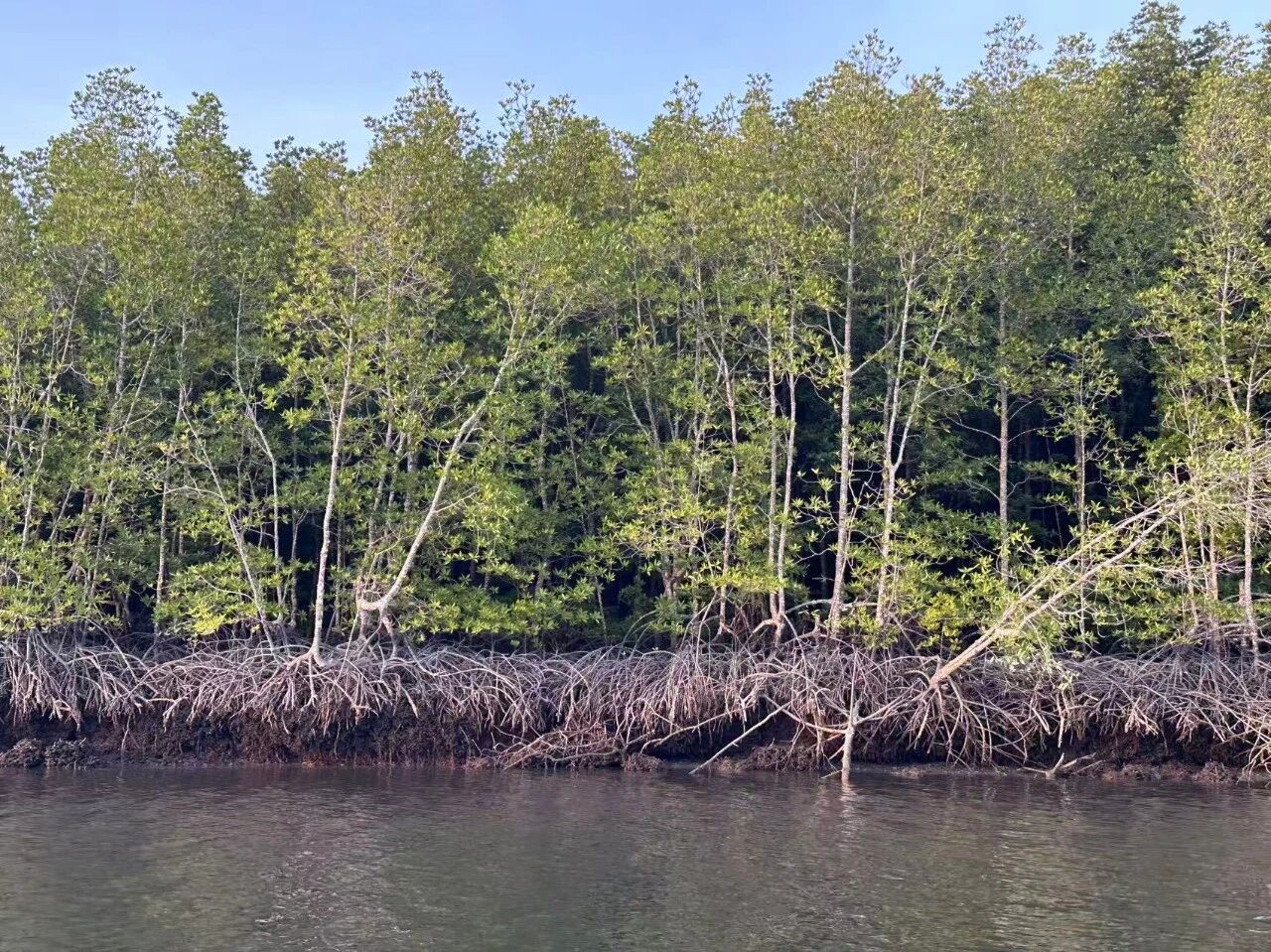
Bending down to inspect the muddy path, I noticed countless small holes—crab burrows. Leaning closer, with my face almost touching the ground, I could see neat rows of tiny spheres: the pellet-like droppings left after crabs have fed… While fishermen casually pointed out various trees, explaining what each could be used for, I was still busy navigating the undulating roots beneath my feet to avoid tripping.
Perhaps this is the most fundamental reason why local communities must be ‘developed’ by their own people: to their eyes, the mangroves are orderly and function as an inexhaustible natural larder; to mine, it was a tangled, chaotic, muddy mess. Their ‘ATM’ is incredibly plentiful, but I lack the PIN. It would take considerable deliberate practice before my eyes could adjust to it all.
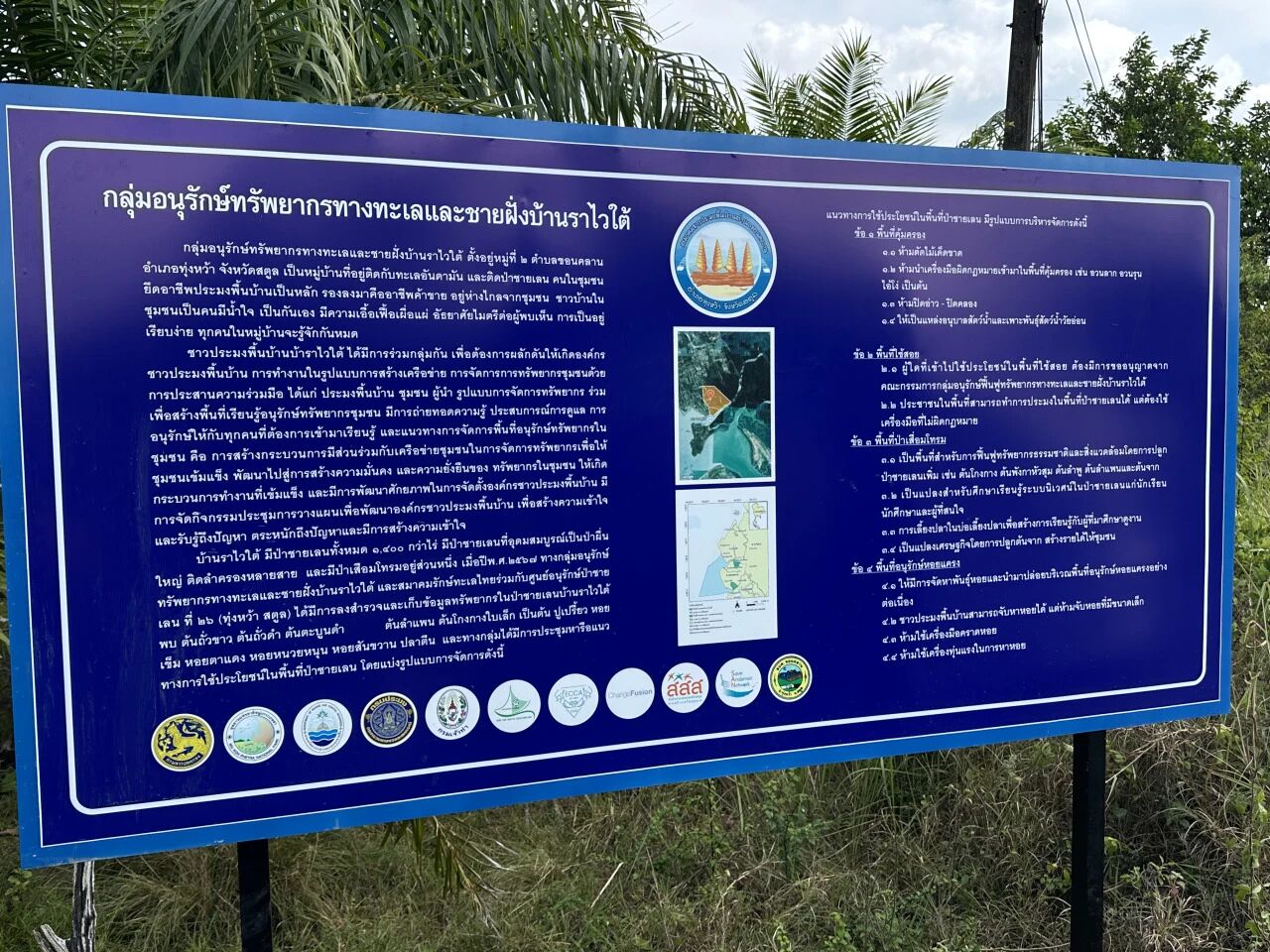
Beside the community centre stood a brand-new blue signboard displaying a community charter. It clearly outlines what members may and may not do within the zone: tree felling, blocking waterways, and the use of destructive fishing gear such as trawl nets, push nets, collapsible traps, or motorised equipment are strictly prohibited. Local residents may only fish for legally sized shellfish and catch fish using approved, non-mechanised traditional tools, and only with permission from the Community Conservation Area Committee. Furthermore, income will be generated through Nypa palm cultivation and pilot aquaculture projects, while also providing students and interested parties with opportunities for study and research.
From a bamboo raft, visitors can observe the intricate details of the mangroves up close. In the Suso community of Trang Province, these mangrove forests were clear-cut by a company for more than two decades under a land concession. According to the villagers, once the concession was revoked and local conservation efforts began, the mangroves slowly bounced back. The community has its own tangible measures of recovery: the monkeys have returned. As we drifted by, we even spotted otters darting from the water onto the shore, slipping through the air like sleek bolts of lightning.

The community successfully lobbied the Department of Marine and Coastal Resources (DMCR) for funding to carry out mangrove species monitoring twice a month. They have also deployed nets at the channels where the waterways meet the open sea, allowing them to catch debris swept in on the incoming tide and flushed out on the ebb. The most routine task, however, is planting mangroves. While villagers are permitted to fell trees for construction and other needs, a strict rule applies: for every tree cut down, ten saplings must be planted in its place.
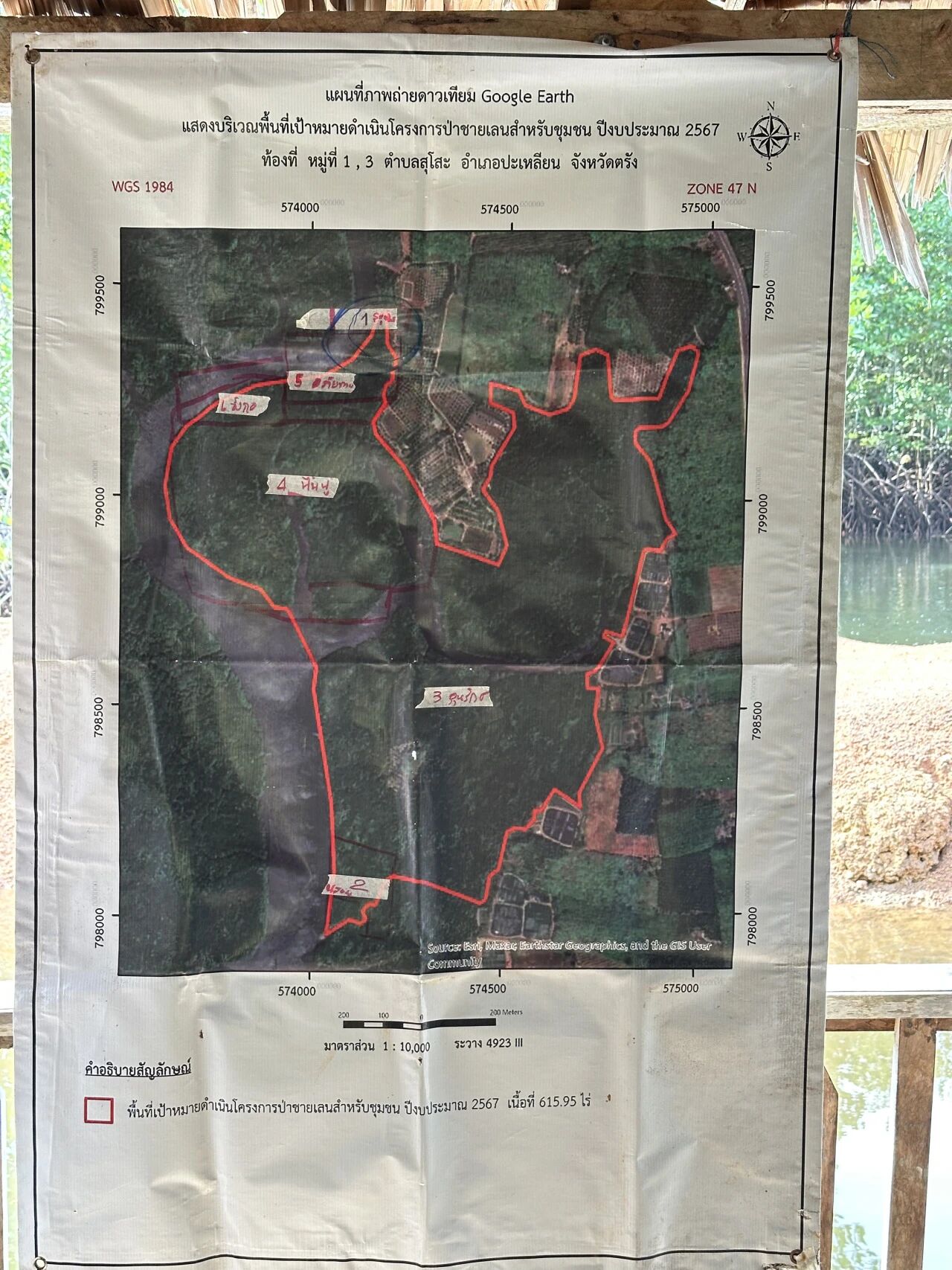
Much like state-run nature reserves, the community divides its conservation area into distinct zones. On the map, Zone 3 is strictly protected and off-limits to development. In their local dialect, villagers describe its purpose as the land set aside for wildlife—a concept that, in religious terms, translates to “leave life alone”. Zone 4 is designated for ecological restoration.
Even activities such as the guided bamboo raft tour we experienced are part of a commercial eco-tourism initiative managed by a dedicated villager group. This model not only shares their conservation efforts with visitors but also generates a steady income.
The villagers also believe the local fishery resources have rebounded. Where fishing trips once came up empty, they can now simply walk into the mangroves or forage for shellfish along the beach. Some have even taken to raising chickens in coop enclosures within the mangrove stands to supplement their household income.
The primary catch includes white seabass, Pacific whiteleg shrimp, black tiger prawns and mud crabs. The community prioritises consuming their own catch, only bringing surpluses to market. Buyers regularly visit the pier to purchase directly, sparing the fishermen the trip to town. Veteran fishers note that these waters also harbour a slender, highly prized fish that is frequently exported to China.
During the post-sunset low tide, when the water level drops to just below the knee, finger-sized white prawns can be hand-caught. On some days, it is common to see more than a hundred people bent over the sand, foraging en masse. Outsiders also flock to the beach to try their luck. While local fishers admit they cannot strictly control who comes, their stance is pragmatic: “As long as nobody uses destructive gear, we’re fine with it.”
Foraging and fishing form the backbone of the villagers’ income. A half-day spent collecting shellfish or crustaceans can net around 500 baht (approximately 100 RMB). When fishing at sea, a single-handed day boat returning the same day typically hauls in catch worth between 2,000 and 5,000 baht (400 to 1,000 RMB). Larger vessels, crewed by two or three people and often spending the night offshore, can bring in between 5,000 and 10,000 baht (1,000 to 2,000 RMB), though these trips still operate within coastal waters.
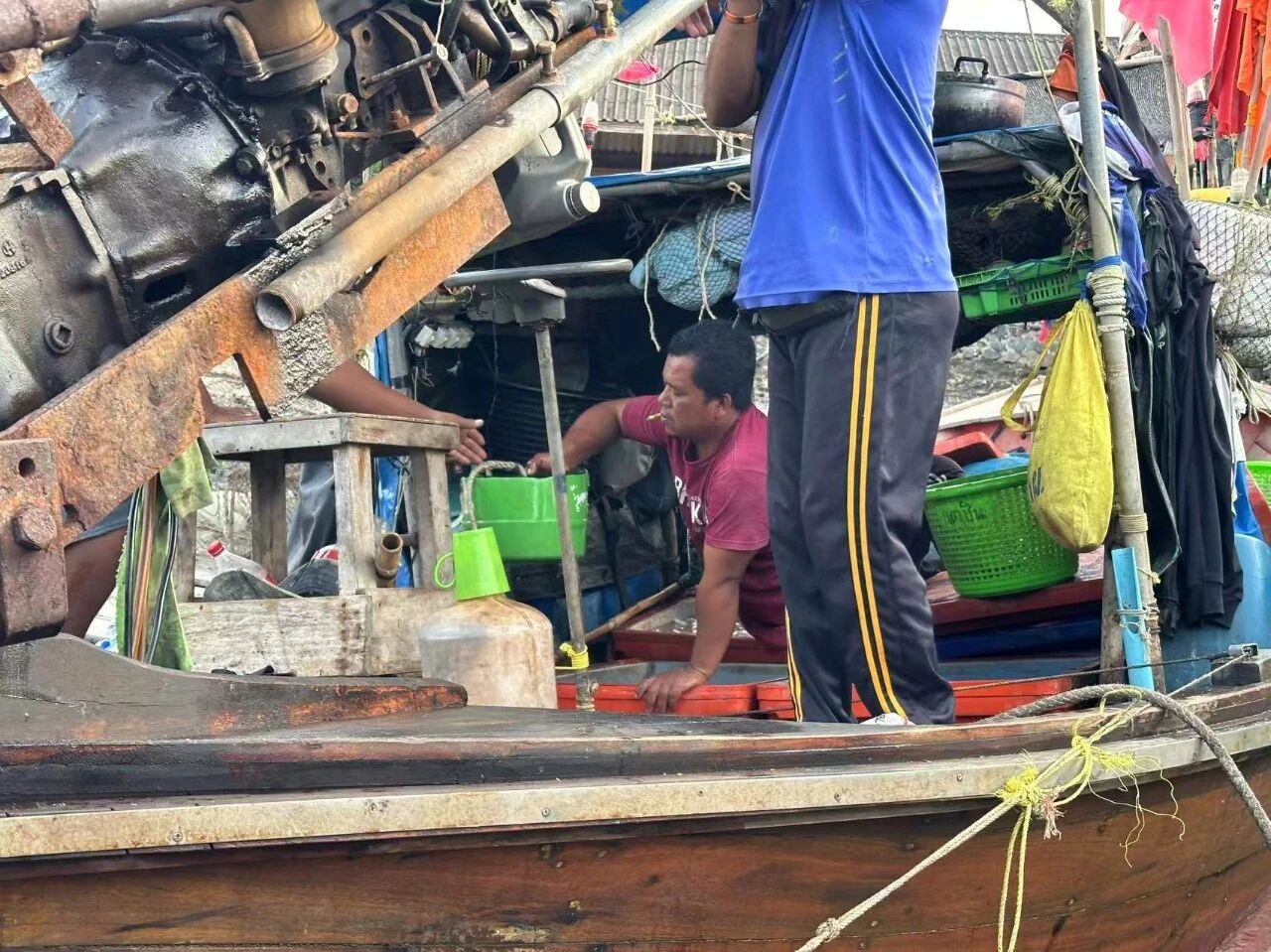
Compared to their current livelihood, would fishing far out at sea be more profitable? When we asked this, they looked puzzled. They weren’t sure what the catch would be like in distant waters, but the costs for diesel, labour, and machinery would undoubtedly be much higher. In their view, this mangrove forest already supplies all they need to eat and drink, and they are quite content. Why venture far afield when everything is right here?
2. How Fishermen Are Rebuilding Their Food Systems
In October 2013, in protest against the Landbridge project in southern Thailand, community leader Tab—who heads the Thai Sea Watch Association (hereafter Sea Watch)—led activists on a 200-kilometre march lasting a week. Sea Watch also played a pivotal role in guiding several fishing communities to establish community-managed conservation areas within a national park (For more on Tab, see the first article).
The project was designed to create a logistics corridor linking the Andaman Sea and the Gulf of Thailand. This would enable cargo to be transported across the southern Thai peninsula by land, bypassing the congested and lengthy route through the Strait of Malacca to cut transit times. The accompanying eastern and western ports are situated in Songkhla and Satun, respectively.
The proposal ignited intense social unrest across Thailand, facing fierce opposition from local communities, fishers’ groups, and environmental organisations. Critics warned that the project would inflict severe, irreversible damage on the marine ecosystems of both seas, jeopardising the livelihoods of small-scale coastal fishers.
Satun is Tab’s birthplace, and he returned there more than a decade ago specifically to oppose the scheme. He explained that the project would impact more than 200 villages, forcing many residents to relocate.
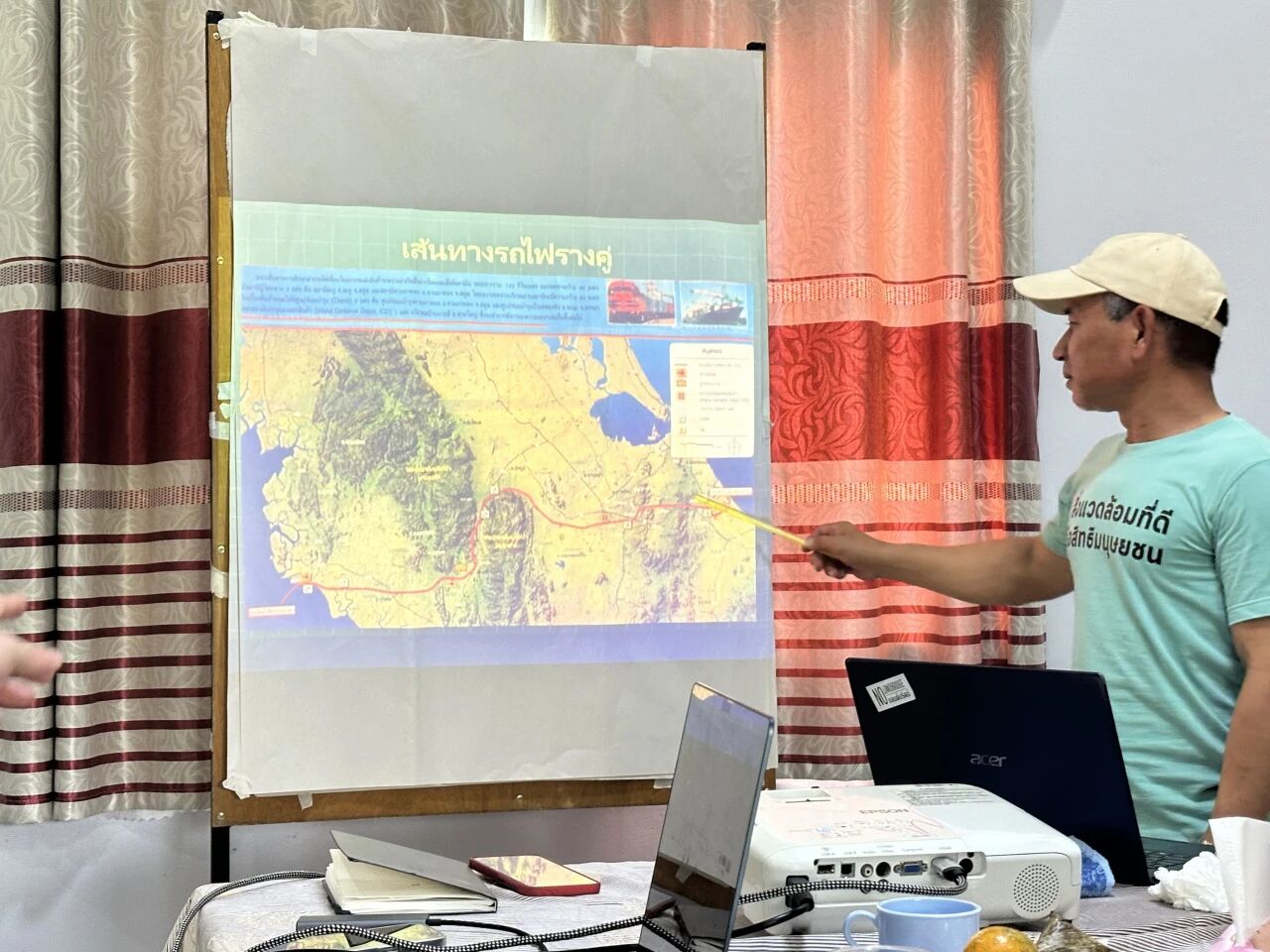
Nine protesters were arrested. For a variety of reasons, the government ultimately suspended the mega-project.
Opinions among the fishing community were divided over the large-scale development. One NGO leader’s perspective echoed the sentiments of many local fishers: “We have a fine climate, productive seas, and beautiful beaches. We own these resources and know how to manage them; we don’t need outside development schemes.”
Yet, once the project was temporarily shelved, some fishers turned to Tab and her team with a pressing question: If major infrastructure projects are stalled, what other development options do we have?
This moment made Tab realise just how crucial the sea they had long fought to protect truly was. How could they sustainably utilise the ocean to secure a decent standard of living for the fishing communities?
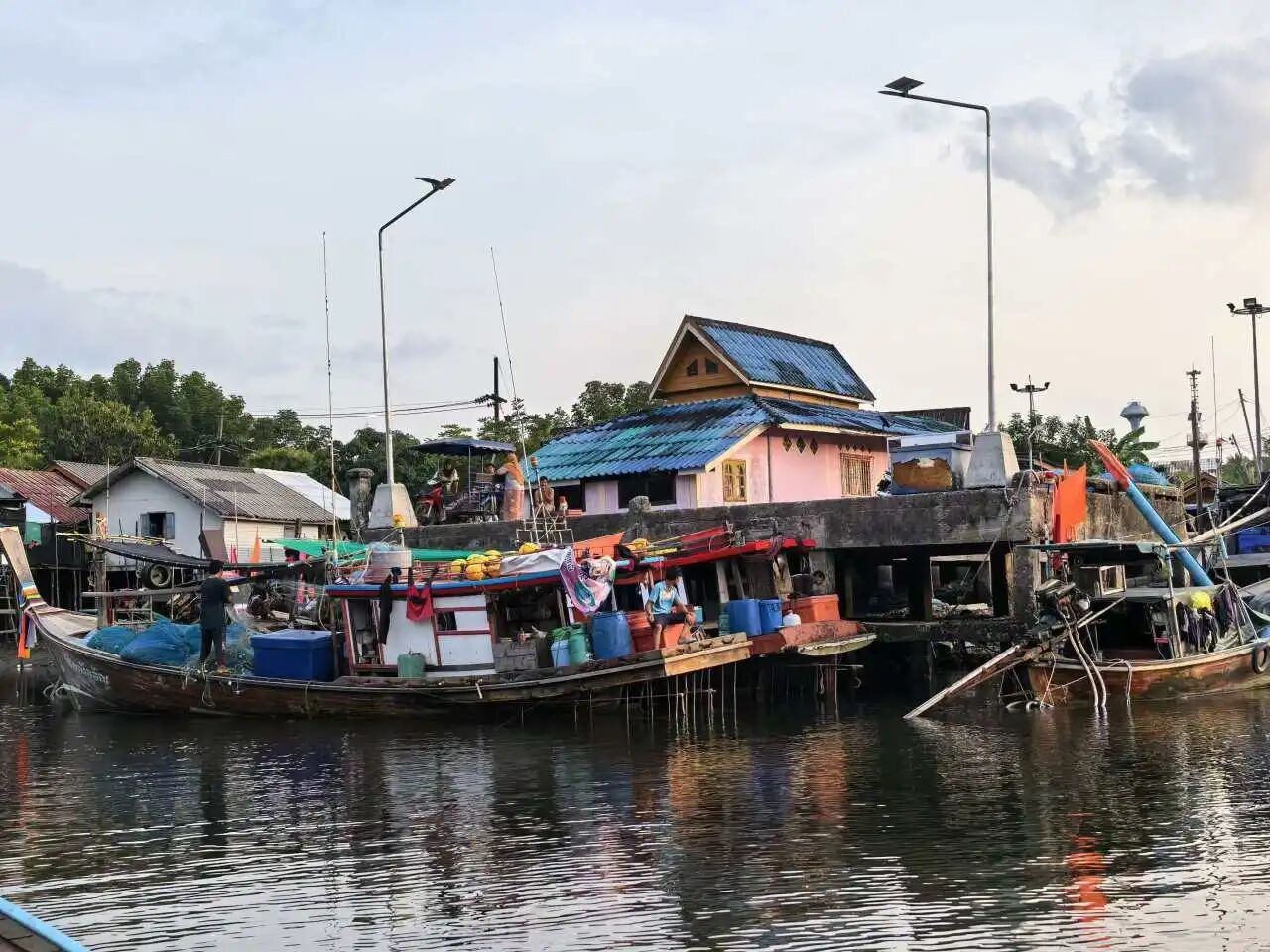
As an NGO, Ocean Observation maintains that small-scale fishers have the strongest incentive to protect marine resources, as they rely most heavily on healthy oceans for sustainable catches. By contrast, industrial fishing entails a destructive, indiscriminate approach.
Therefore, Ocean Observation seeks to advance conservation by nurturing consumer markets that secure a decent livelihood for small-scale fishers. Listening to him speak about this, I was struck by how closely it aligns with the fundamental ethos of the ecological agriculture value chains championed by Foodthink. The two sectors are essentially mirrors of one another: when we choose to back a particular conservation pathway, we are inherently supporting the food producers who operate within it.
Ecological smallholders, too, require healthy soils and agricultural biodiversity to maintain a regenerative farm cycle, whereas decades of industrial farming have proven to be a short-sighted model that exhausts the land, taking far more than it returns. This dynamic closely mirrors the tension between small-scale fishers and industrial trawling.
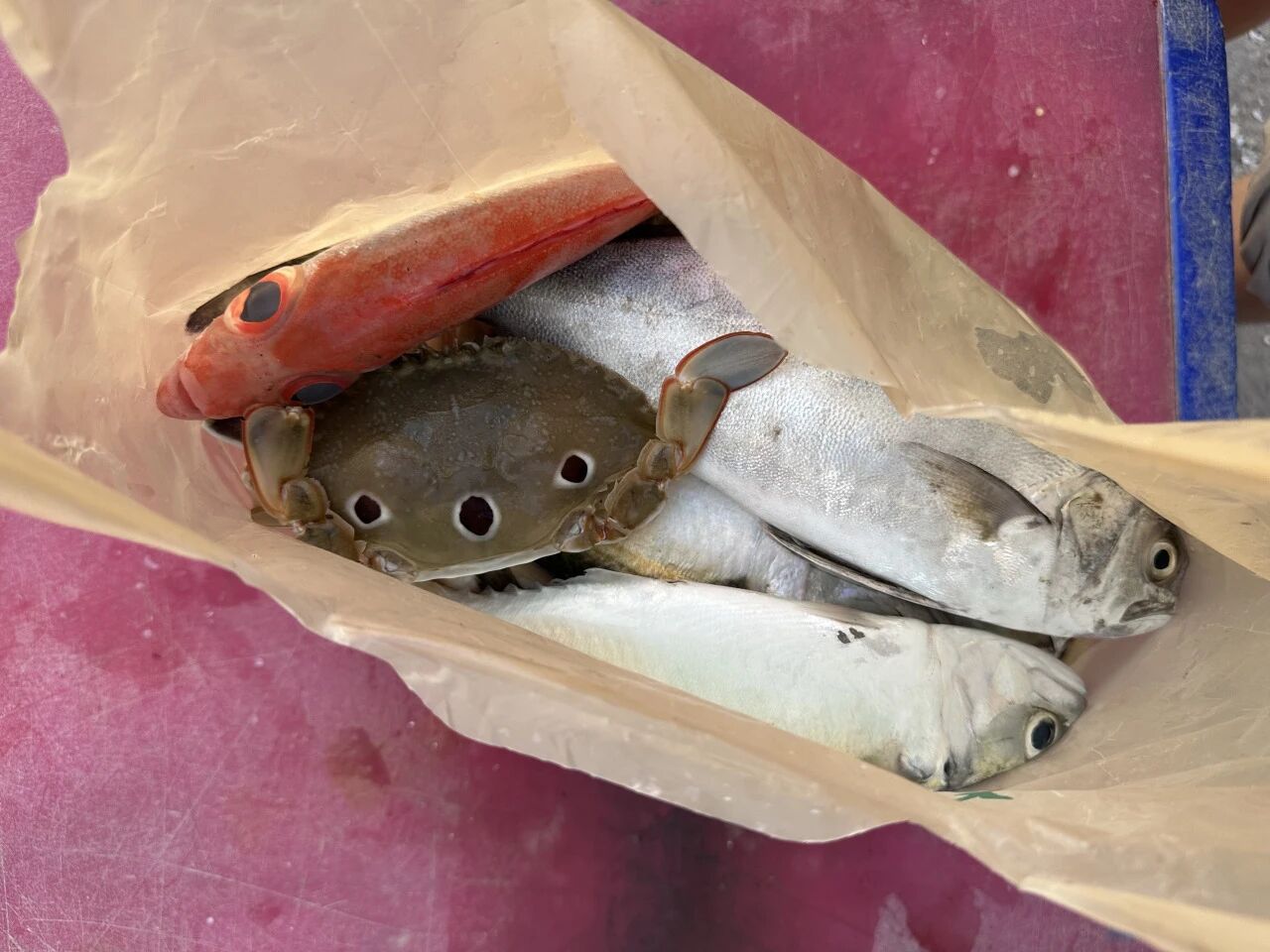
While hand-harvesting by small fishers may not match large commercial vessels in terms of yield or efficiency, they bring distinct advantages to the table: mature fish, superior freshness, and, when supplied locally, no reliance on chemical preservatives. Discerning diners are certainly willing to pay a fair price for such high-quality seafood, but how can we ensure the fishers actually capture that value?
The key, therefore, lies in cultivating new retail markets and empowering fishers with a genuine say in the supply chain.
III. Healthier Oceans, Healthier Seafood
“Employing traditional gear for sustainable catches with fully traceable origins. Consumers know exactly which bay their food comes from, and fishermen take pride in their trade.” This was the wording in the award citation for Tab, an Ashoka Fellow. He also collaborated with organic certification experts to design a quality assurance scheme for sustainably caught seafood. The certification committee comprises small-scale fishermen, consumer representatives, academics, and civil society organisations working in coastal communities.
As noted at the outset of our first field note, we dined at a fishermen-run restaurant during our visit in late January 2026. Yet when it comes to helping fishermen navigate the commercial side of things, Tab clearly has his fair share of hard-won lessons, and readily laid out the steep learning curve—
Straddling the dual roles of food producer and merchant is a path they were keen to explore, but practical experience quickly reveals just how daunting it is. After years of trial and error, they realised that fishermen are not naturally suited to sales, and with profit margins so slim, the cooperative eventually saw its membership dwindle.
Which is why Tab emphasises: this is not a volunteer endeavour; it requires revenue to keep the business afloat. The restaurant we visited was kickstarted by a modest 3,000-baht grant (roughly 650 yuan) from the local fishermen’s association. They issued 1,800 shares at 100 baht each. Membership requires purchasing shares, though no individual may hold more than 100. The group now counts 98 members (and shareholders).
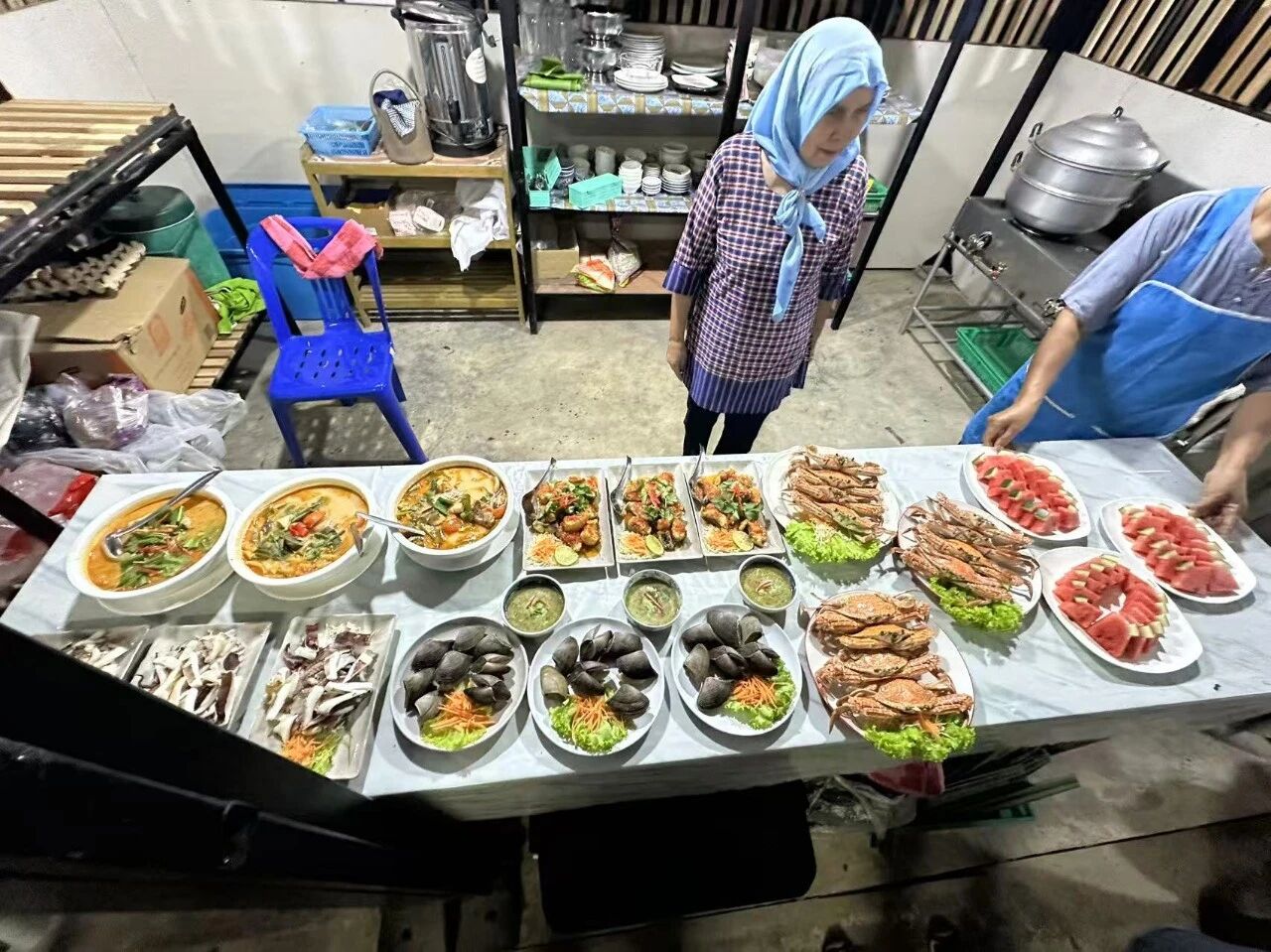
The restaurant only opened last year, yet it has already accumulated 500,000 Thai baht in capital. This sum comprises both retained profits and the share capital contributed by 98 investors. They have decided to reinvest 50% of the profits back into the restaurant’s operations, allocate 30% as dividends for shareholders, and dedicate the remaining 20% to local marine conservation efforts and donations to the community temple.
I hope that on my next trip to Satun, I’ll get the chance to return for a meal at a restaurant that truly belongs to the local fishermen.
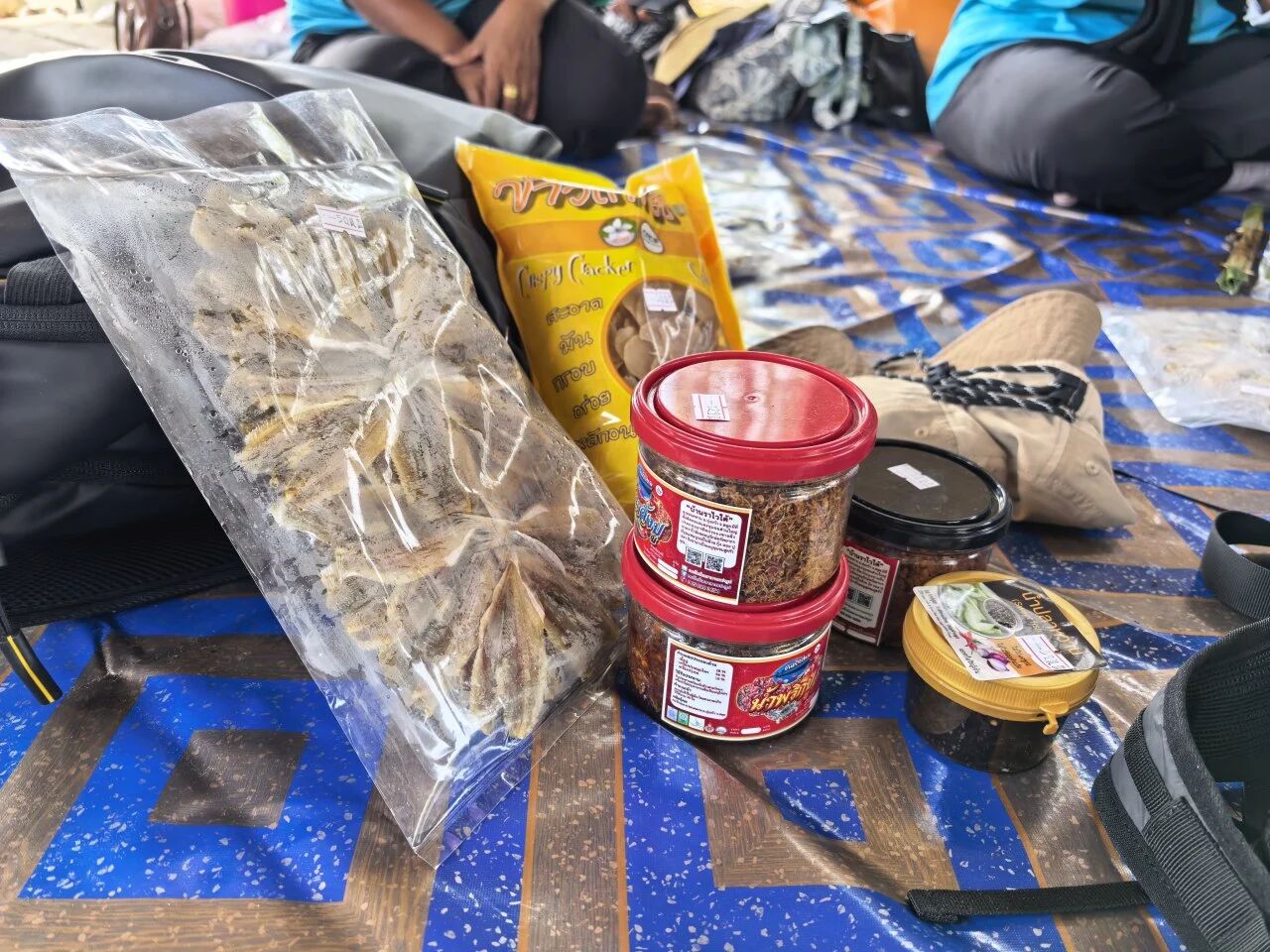
In a bid to diversify their income, female fishermen from Lao Yai Nam village in Satun have also formed a processing collective. They produce items such as chilli sauce and dried crab slices, aiming to add value to their catch while solving the problem of seafood preservation. Having registered as a social enterprise, they secured a 5,000-baht grant (just over 1,000 RMB) from Ocean Watch, along with solar panels donated by the government’s energy department to power their food dehydrators. This represents the only external support they have received. The group currently counts 32 members, but it remains in its early stages and has not yet achieved consistent profitability.
IV. From Volunteer Conservation to Sustainable Livelihoods
As Tab long recognised, Duck and his generation of community activists share a firm conviction: conservation efforts that do not translate into tangible livelihood benefits for fishermen simply cannot be sustained. Departing from the volunteer model that “focuses solely on protection, disregarding economic returns,” Duck and those around him have spent the past ten years exploring practical pathways to generate sustainable revenue.
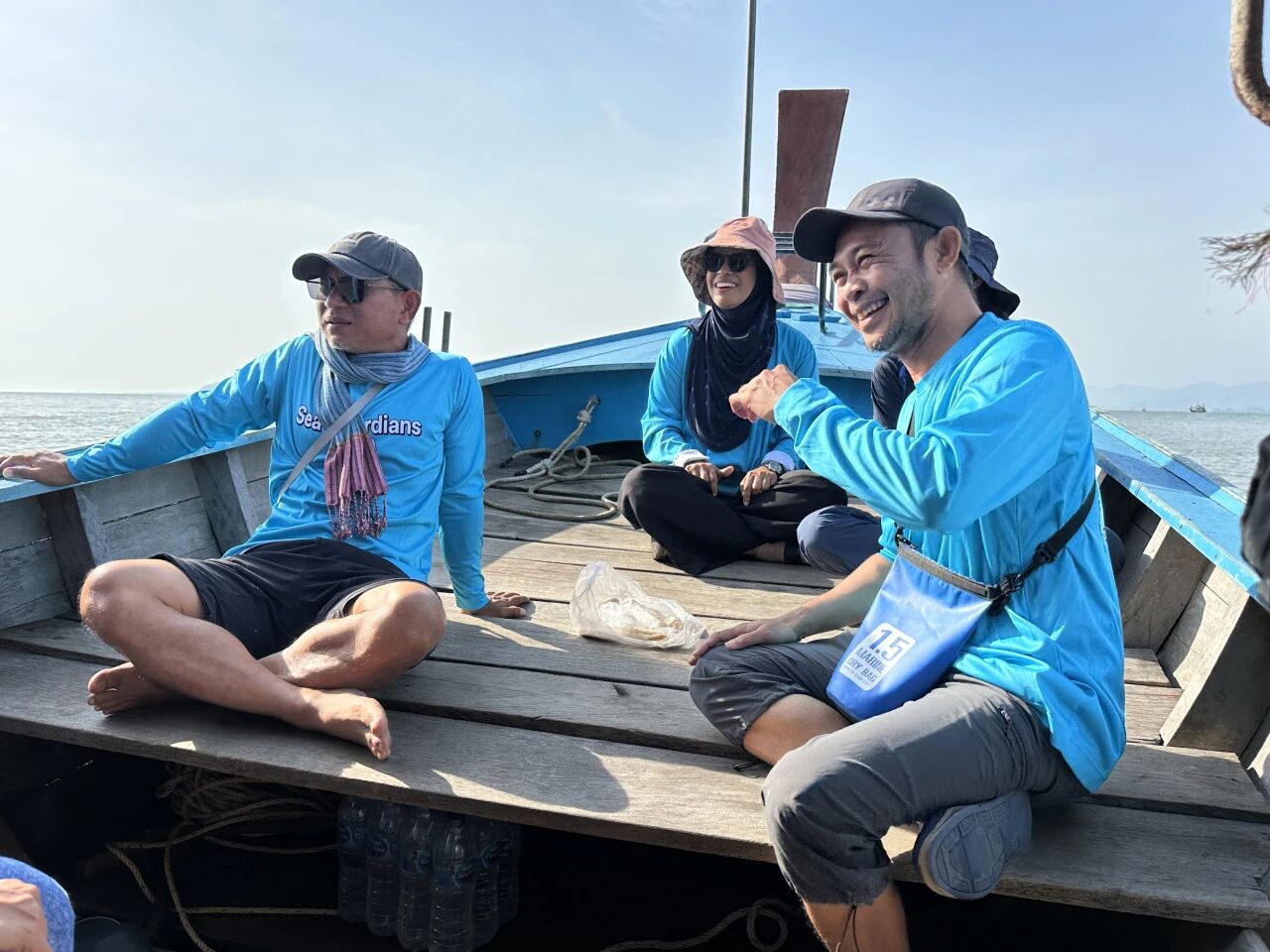
You may recall from our second journal entry the seemingly Sisyphean efforts of local fishermen releasing crab seedlings and restoring seagrass beds to safeguard the dugong. Yet the story has another dimension – “making a living from the sea” by harnessing tourism for revenue. At Mu Ko Phetra, a celebrated national park in Satun Province, thick meadows of seagrass ring the small islands. A boardwalk stretches from the jetty to the shore, offering visitors a chance to explore geological marvels such as ancient fossils and striking rock formations. The fishermen are quick to mention the presence of clownfish like “Nemo,” too. To the local community, each of these features is a proven draw for visitors.
Within the park, fishermen from the eco-tourism group are permitted to work as guides without incurring additional fees to the national park authority, effectively granting them free access to utilise these natural resources for tourism. Furthermore, the park administration has authorised ten fishermen to operate a ferry service, while allowing them to maintain their own traditional pier.
Under Duck’s guidance, we spent a half-day experiencing eco-tourism in the national park.
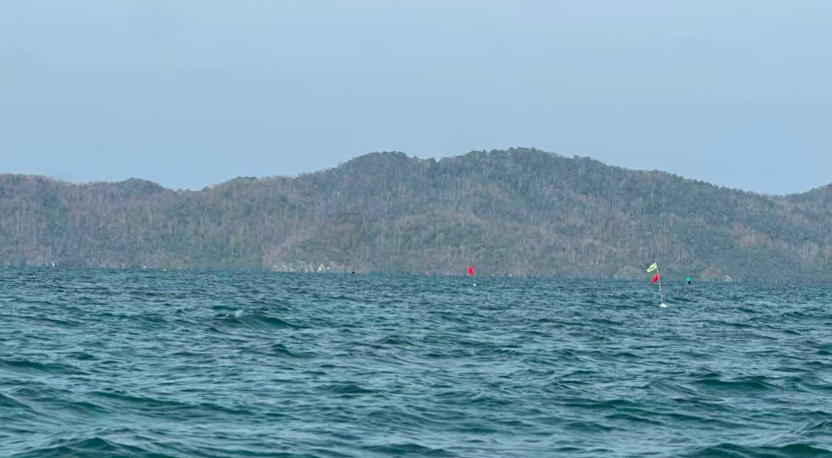
Had it not been for his commentary beside us, we would have had no idea of the rich tapestry of life unfolding beneath the surface. Take, for instance, the cluster of plastic barrels bobbing on the water, each adorned with brightly coloured flags. Duck explains that beneath every barrel lies a net designed to catch prawns and crabs. These are individual setups belonging to local fishermen, easily identified by the colour of their respective flags. The reason fishermen are able to harvest seafood so “openly” within a national park is precisely because they have successfully established a community-managed marine protected area here (detailed further in our second journal entry).
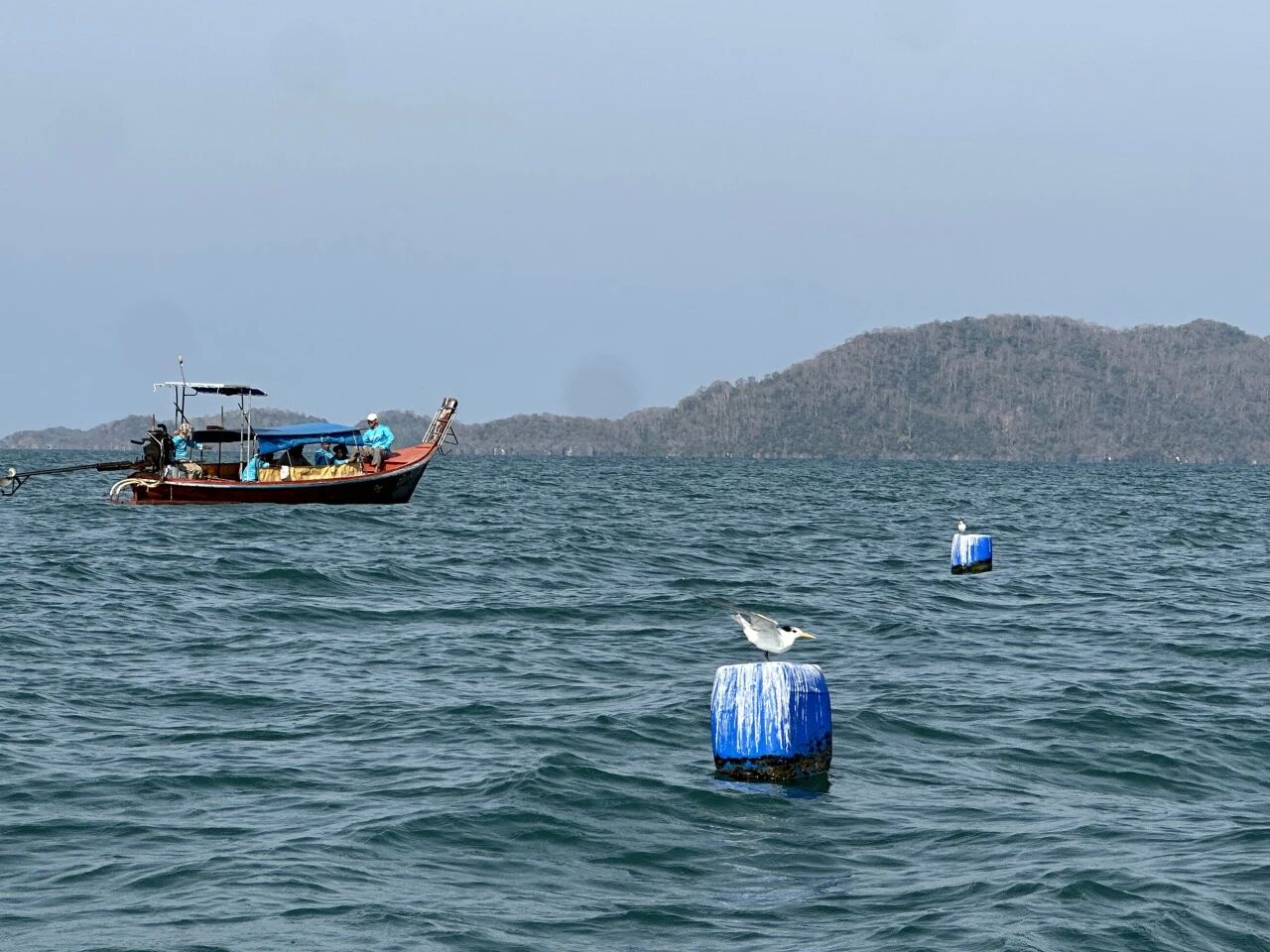
Further along the route, we came across another cluster of blue plastic barrels drifting on the surface, their upper halves chalked white by gull droppings. These are artificial fish habitats constructed by the fishermen themselves, affectionately known as “Fish Homes.” As the boat engine cut out, the surrounding world instantly fell silent. Duck resumed his practiced commentary, explaining that they have been constructing Fish Homes for a decade. The concept originated with the fishermen themselves, who had observed how submerged crab and fish traps naturally attracted marine life to shelter within their structures. They reasoned: why not replicate this design to create a sanctuary for fish? Securing buy-in from government departments and external stakeholders, however, proved a lengthy process.
Known as Fish Houses, these structures are created by fastening numerous coconut leaves to the seabed with bamboo poles. They effectively act as artificial coral reefs, offering shelter for fish. “They feel safe when they’re among them,” Duck says. The leaves decay after six or seven months in seawater and must be replaced.
At first, some fishermen did not understand the initiative; they were only concerned with how to catch more fish. But by the fifth year, with coordination from Ocean Watch, the fishermen began monitoring the area and found that fish stocks were indeed increasing. The data not only helped them better understand the progress and significance of their work, but also made it easier to communicate with outsiders.“While the fishermen feel the Fish Houses help restore fish stocks, their personal accounts aren’t enough to convince the wider public. Scientific research is needed to prove it,” Tab says. They have only recently started collecting data, with fishermen diving to record species in an effort to compile a fish catalogue. However, the frequency of monitoring remains limited by their budget.
He hopes to invite scientists to provide guidance and establish baseline data. But all of this, naturally, means greater funding requirements.
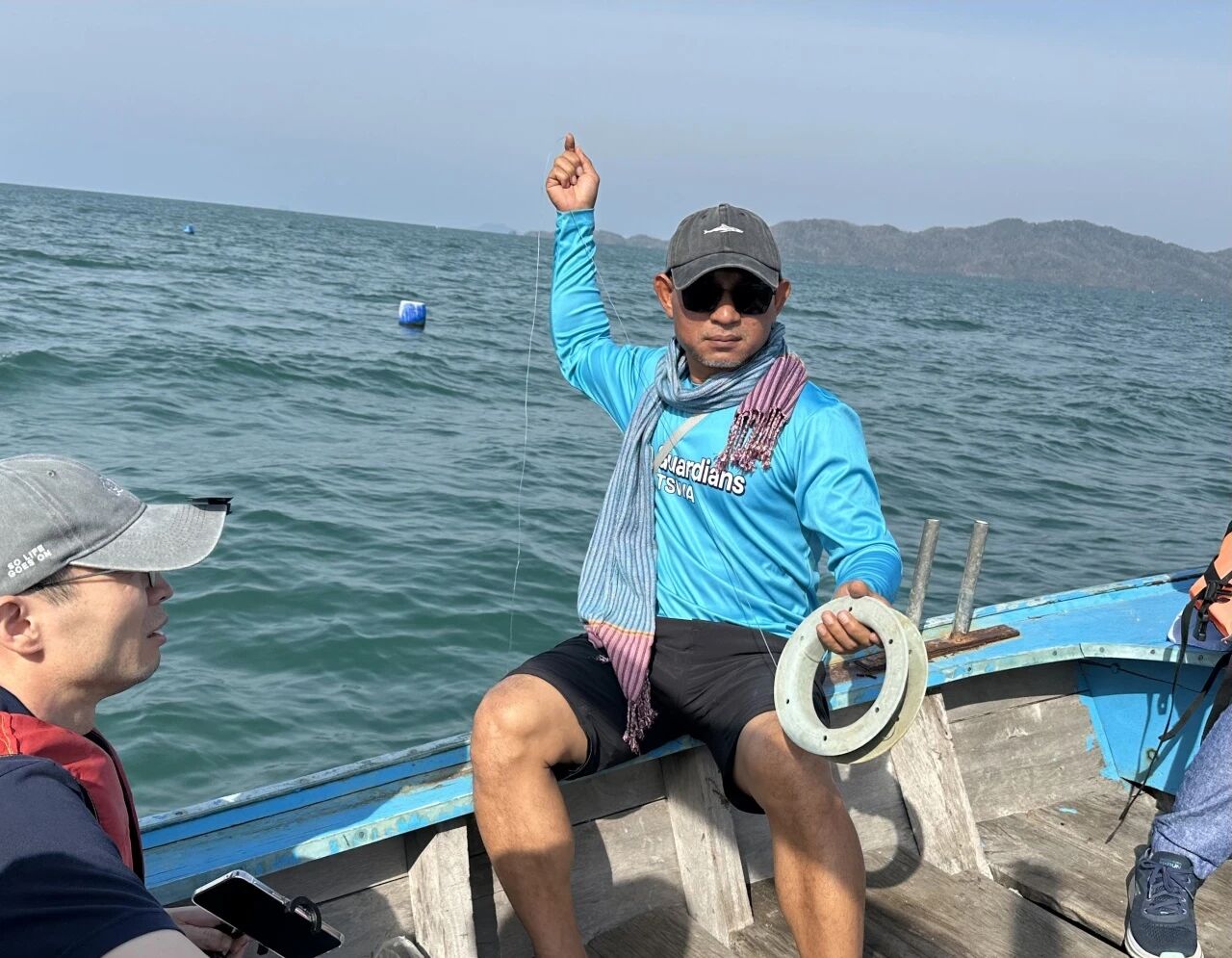
On the journey back to the mainland from the island, we came across another fish sanctuary, marked by a small cluster of bamboo poles jutting from the water. Had Duck not pointed it out, we would almost certainly have missed it amidst the vast, glaring swell.
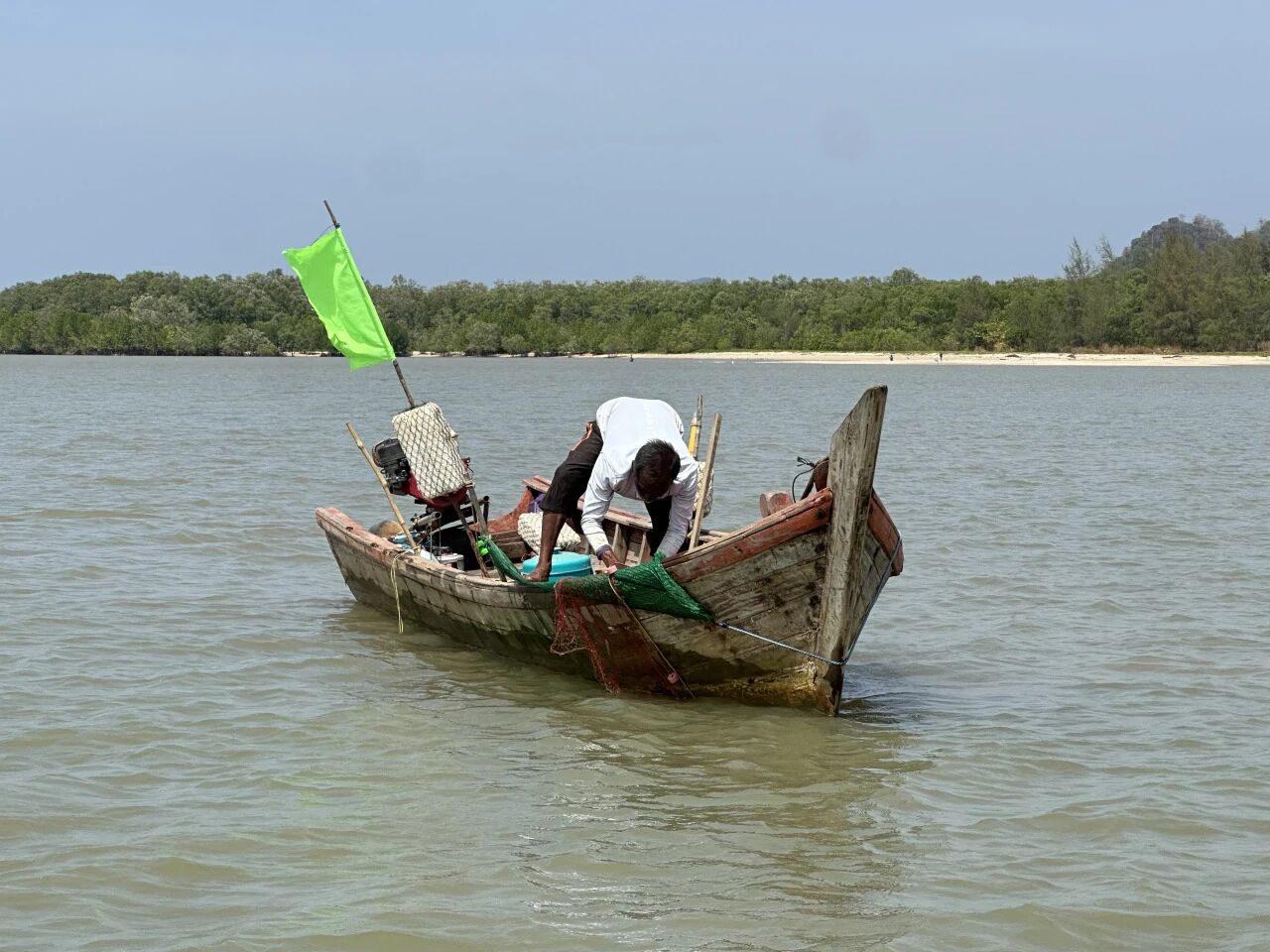
As we neared the jetty, an elderly man came into view steering a small boat, fishing with a gillnet. The fishermen suddenly burst into laughter and steered their vessel over to greet him. It was Duck’s father, who was in the prime of his life thirty years ago when he first threw himself into the marine conservation movement. His lifetime has witnessed the rise of industrial trawling, the drastic depletion of fish stocks, the expulsion of local fishermen by national park authorities, the community’s defiant resistance against commercial trawlers, and the hard-won establishment of a community-managed conservation zone within the park’s boundaries… Now in his twilight years, watching those earlier struggles bear fruit and seeing a group of Chinese visitors journey thousands of miles to witness it, what could be running through his mind?

Unless otherwise stated, all images are by the author.
Editor: 裴丹