
Three Generations of Women Wet-Market Grocers
For ordinary people living to the natural rhythm of three meals a day, it is simply a place to buy provisions, an unremarkable part of everyday life. Yet with the rise of supermarkets and online grocery platforms, views on wet markets vary greatly. At first, supermarkets were said to be cleaner, more orderly, and transparently priced, sparing shoppers the fear of being “ripped off.” Then the cultural zeitgeist shifted; people began to champion the wet market’s down-t-earth, everyday charm, even becoming social media photo hotspots.
Far from these sharply binary perceptions, the wet markets I hold in my mind are far more vivid and layered.
1. An office worker’s nostalgia for the wet market
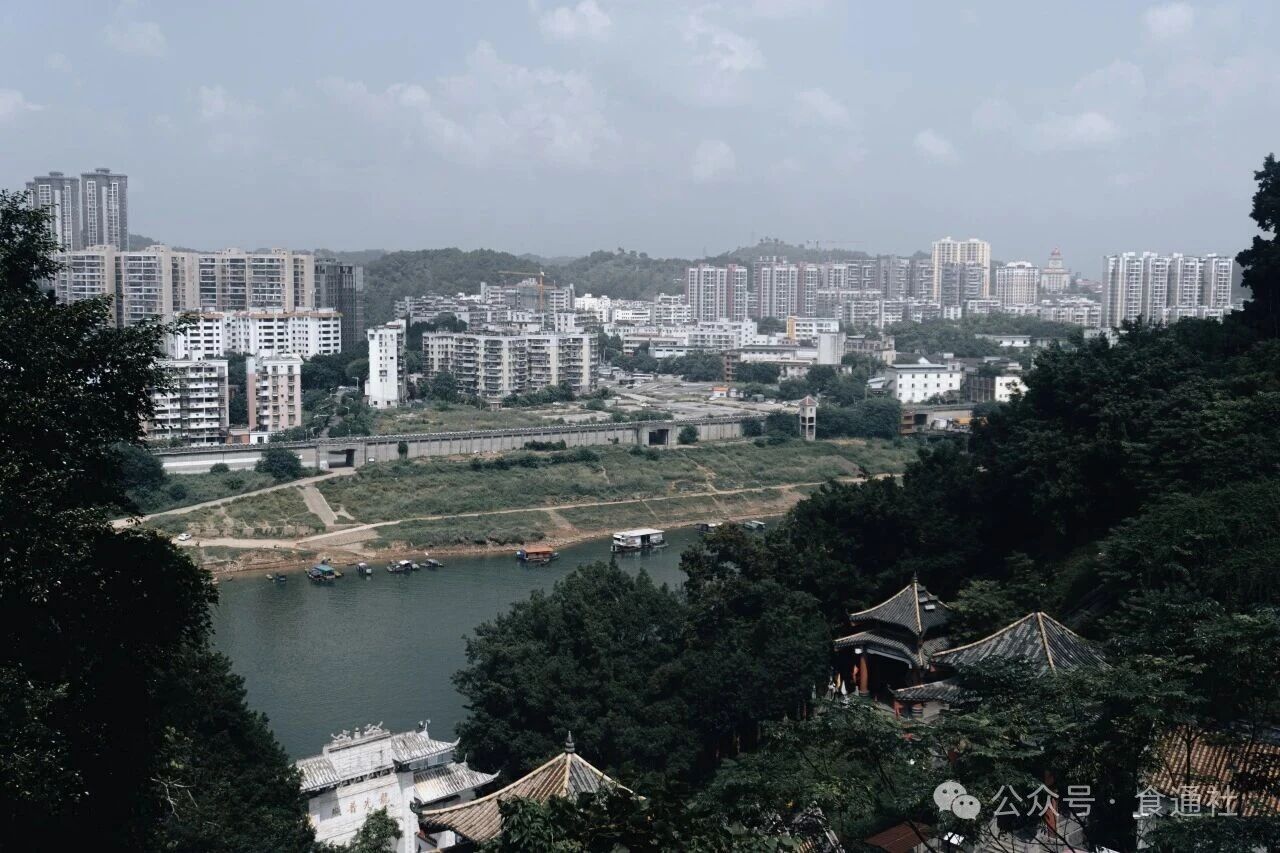
I love my hometown, but it did not have career opportunities that aligned with my degree. So after graduating in 2022, I chose to move to Wuxi, 1,600 kilometres away, to begin life in a big city with my partner.
For a typical office worker finishing the day at six or later, evening downtime is precious. The nearest wet market to our apartment was a few metro stops away. Being utterly drained after work, we simply lack the energy to wander its stalls.
This urban space is worlds apart from my hometown.
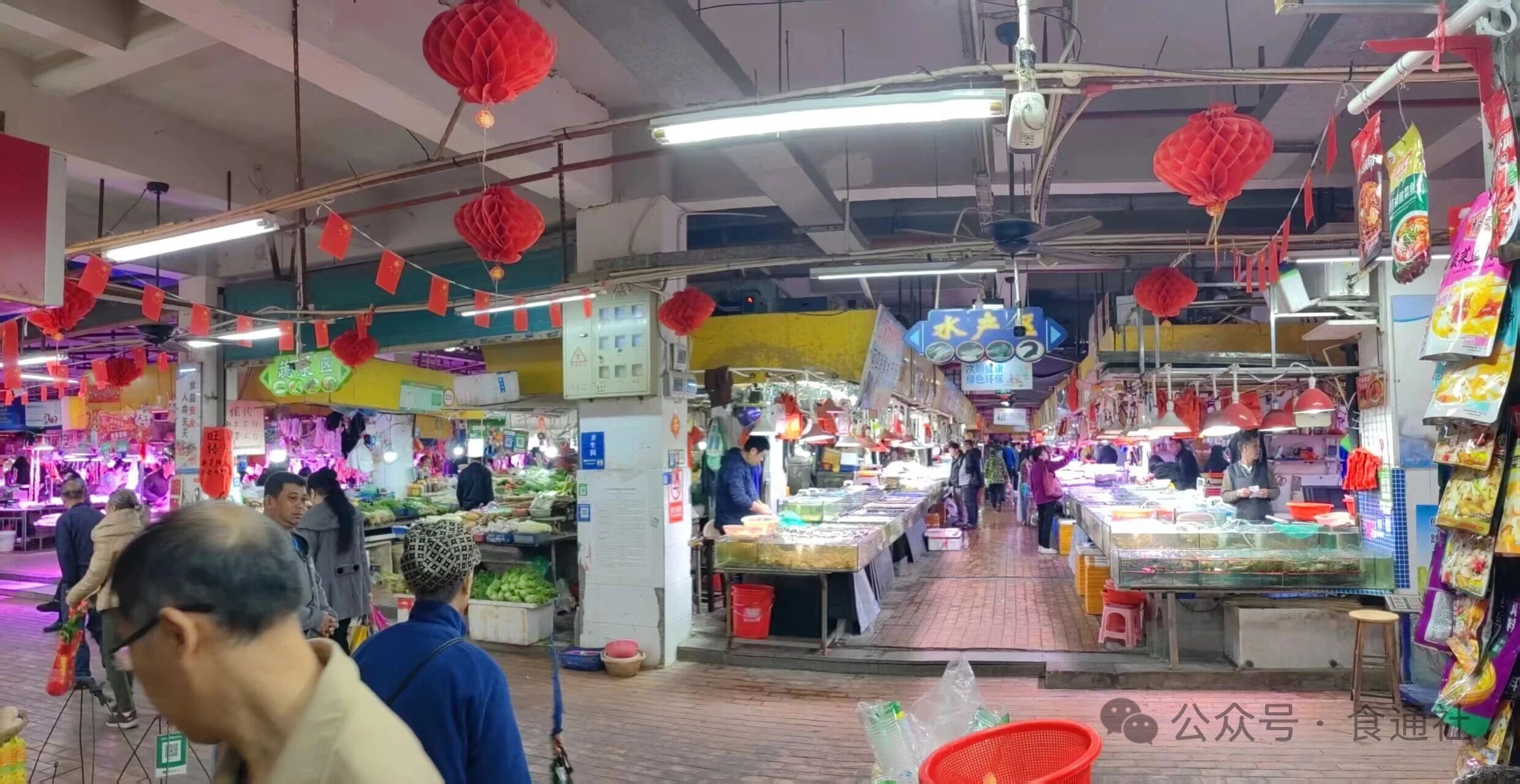
Wuzhou has a compact city core. Its old town covers a relatively small area with a concentrated population. To keep daily life convenient, wet markets are found across every street and neighbourhood.
Deeply influenced by Cantonese culinary culture, locals place a premium on ingredients that are “fresh” and “slaughtered to order.” Peasant farmers from the nearby rural areas ride trikes into the city every day to sell fresh produce, this cultural has generated a need for multiple wet markets to accomadate the supply.
The wet markets in Wuzhou’s old town are particularly bustling at dawn. Though most of the younger generation have migrated to Guangdong for work, the older residents who remain are still accustomed to rising early to stock up on fresh ingredients.
2. Three generations of grocers
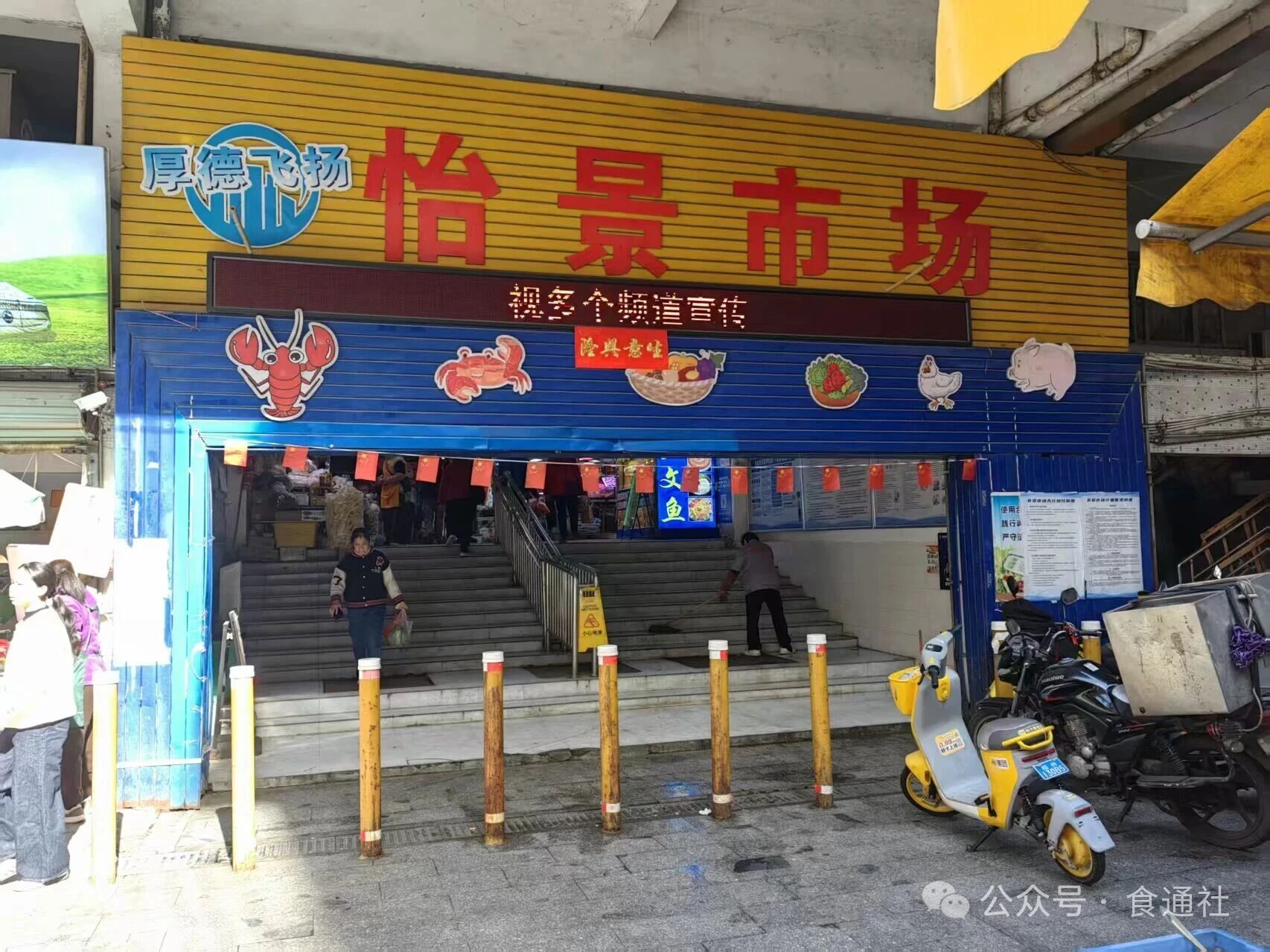
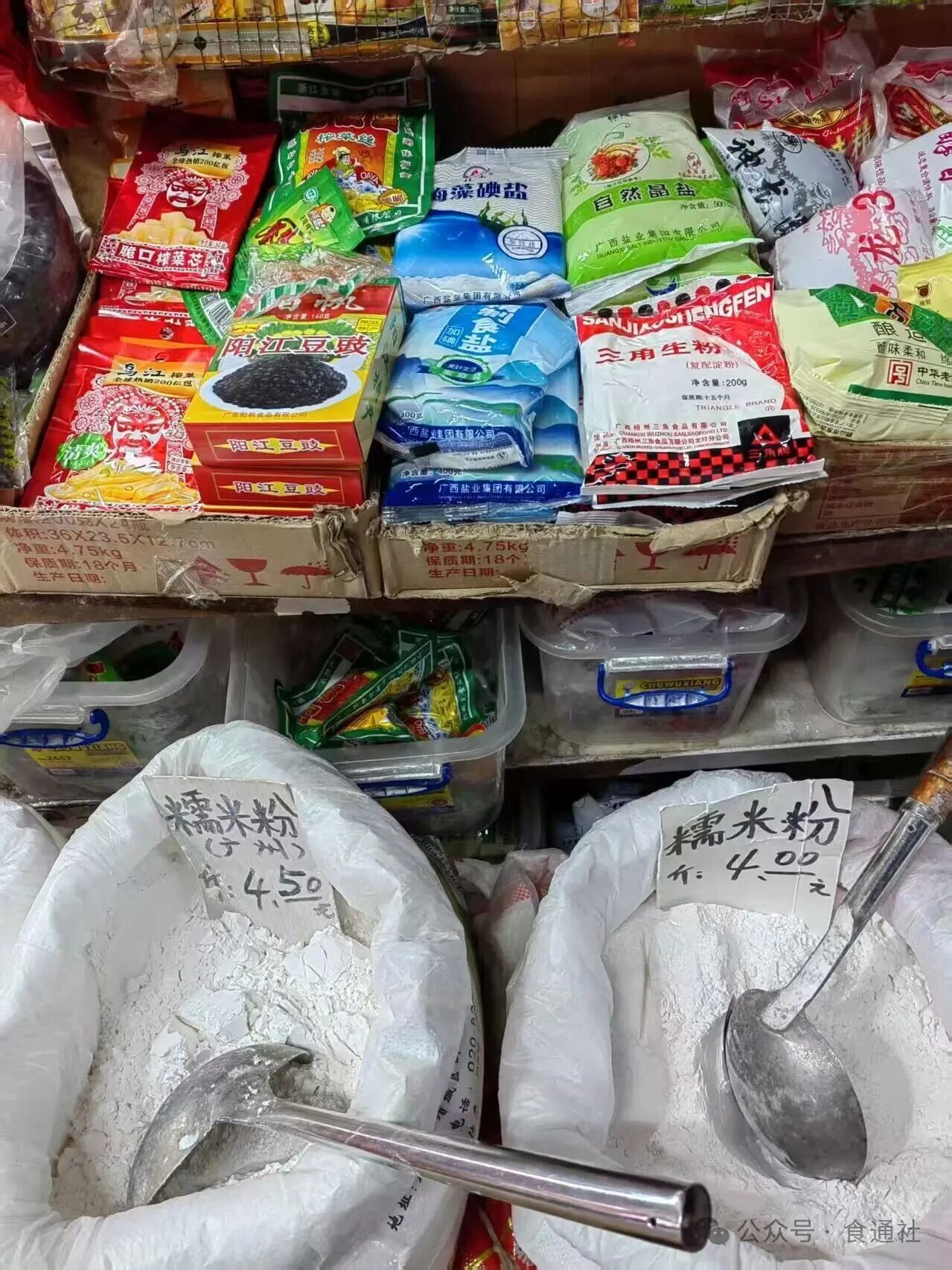
I’ve been helping my mother look after the shop in the market since I was a child. The stock was wonderfully eclectic. Alongside the everyday staples like oil, salt, soy sauce, and vinegar, we sold all manner of loose goods. Every category came in multiple brands—you really could find anything. I once tried to count the inventory and couldn’t finish in a whole day. As a result, the little shop was always bustling. Shoppers would typically buy their fresh produce first, then return laden with large and small bags to pick up cooking ingredients and seasonings.
Stallholders in the market were regulars at our shop, too. Some would head home for a midday rest, while others cooked right at their stalls. Whenever they were short of a particular condiment, they’d drop by to buy what they needed. Around noon, the market would always be thick with the aroma of home-cooked meals.
As I grew up, I’d always return to help run the shop during the Chinese New Year. By day I was an office worker stuck in a cubicle, but back home for the festival, I’d seamlessly step into the role of the market grocery shop’s ‘second-in-command’.
Food is taken seriously here, and getting the seasoning right is half the battle in cooking a decent meal. Since everyone has their own preferences when it comes to ingredients and condiments, shoppers don’t simply buy what they need and head off; they’ll stop to quiz you on all sorts of things: “Which flour do I need for this kind of bun?” “What can I actually cook with soybean paste?” and questions like that.
“Are your preserved eggs any good? Have you ever tasted them yourself?”
I mustered the courage to reply, “Our preserved eggs are definitely brilliant!”
The elderly woman pushed back. “Tch, of course you’d say yours are good. Have you actually tasted them, or are you just saying that?”
“I… my mum has…,” I stammered. I’m not exactly quick on my feet, so my mum eventually had to step in and rescue me.
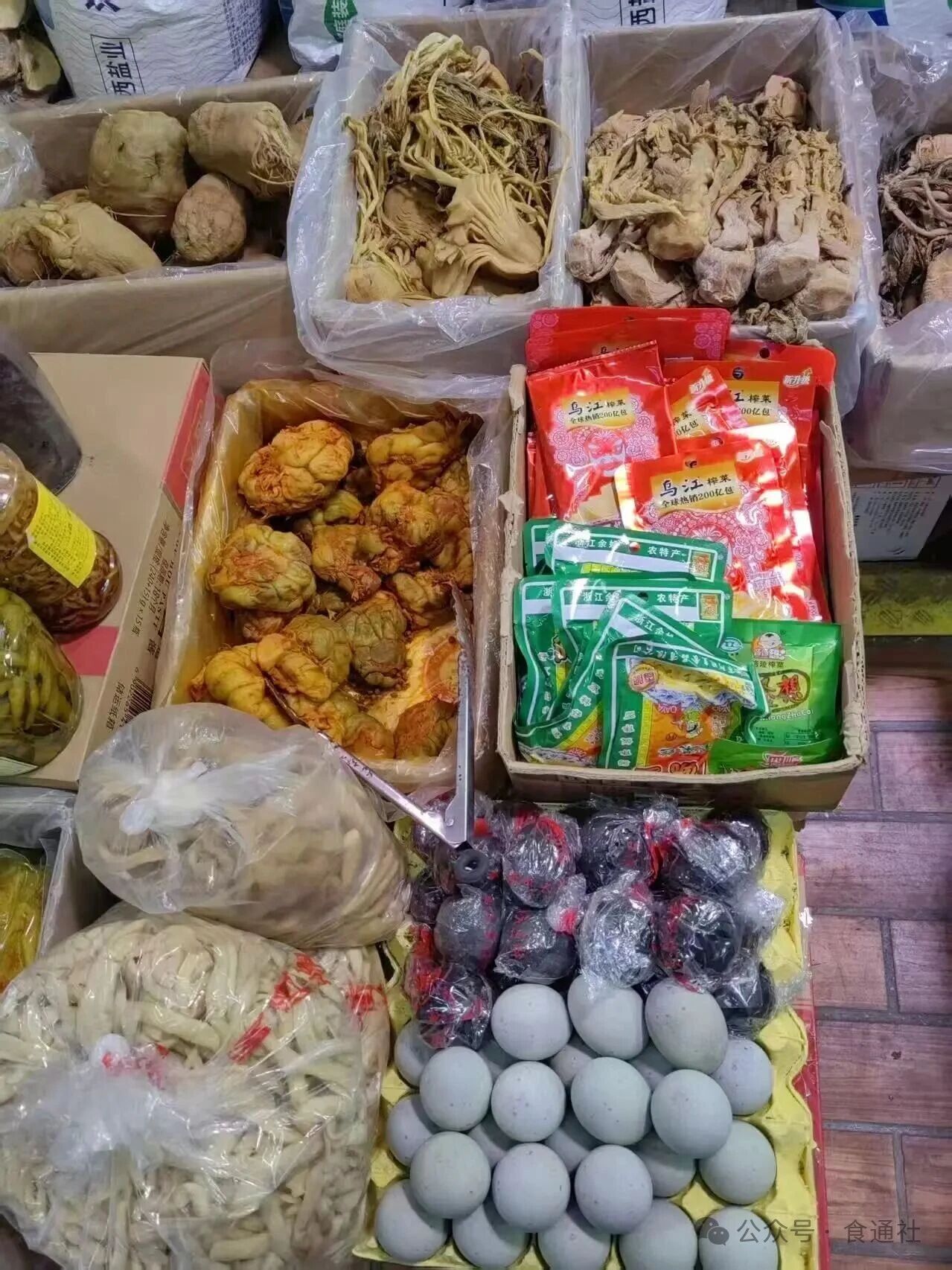
As the condiment market evolved, people no longer needed to buy soy sauce loose. The market itself has seen several rounds of upgrades and shop relocations. Our premises were downsized to barely a third of their original footprint, and with my grandmother reaching retirement age, my mother stepped up to take the reins of running the small grocer.
III. Labour: From Dawn to Dusk
From eight to eleven in the morning is typically the market’s busiest stretch, drawing mostly middle-aged and older residents out to do their shopping. The market also sets aside a dedicated open area for itinerant vendors. They only operate in the morning and sell their produce very cheaply; snow peas, for instance, can fetch as little as one yuan a jin.
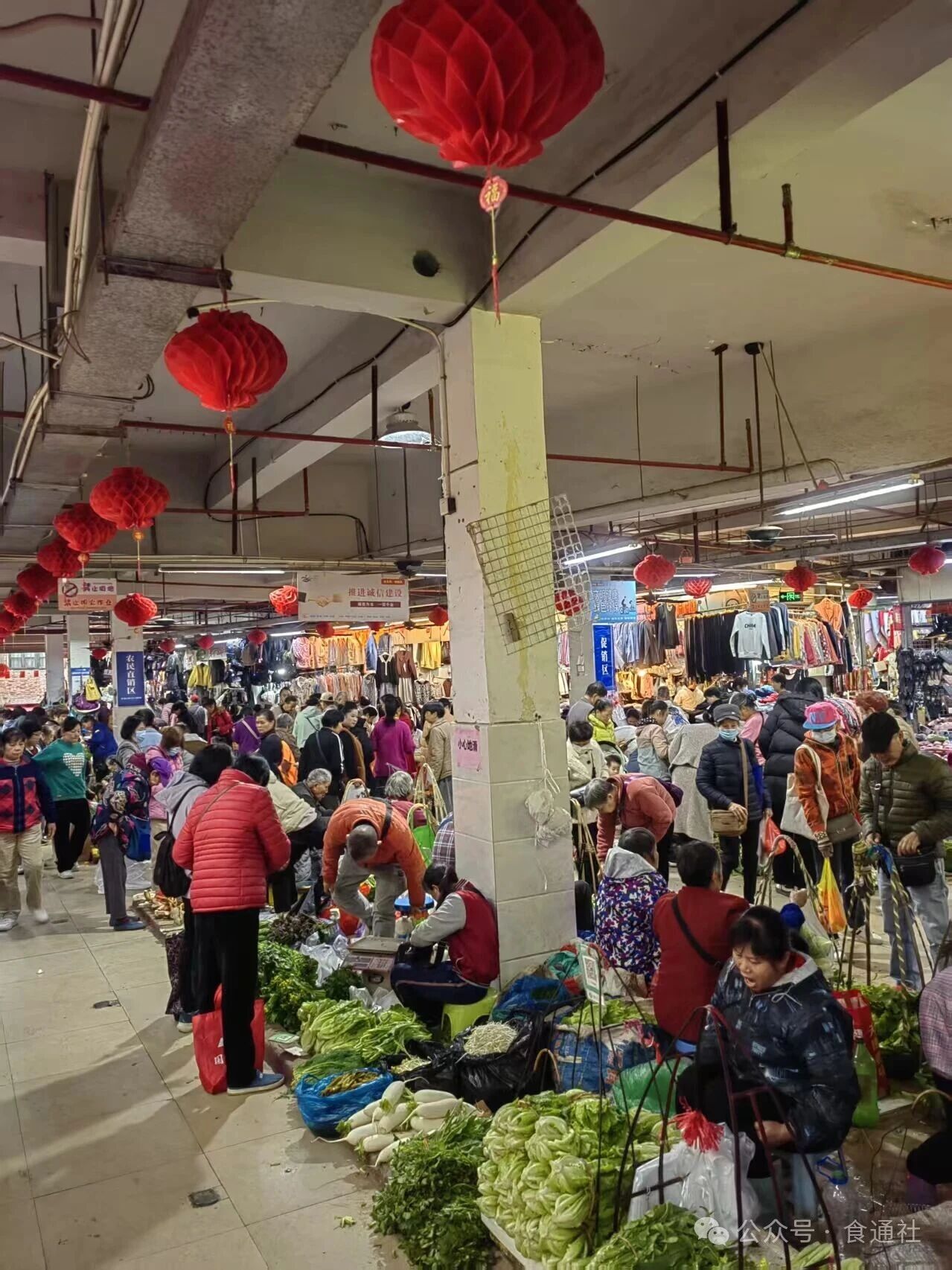
The market is at its quietest just after midday, as most people head home to prepare lunch and take an afternoon rest. Some stallholders take this downtime too; the cooked-food stalls typically close up and don’t reopen until four o’clock. Even though footfall is light at midday, we don’t get a break ourselves – it’s time to take stock.
With the shop floor so cramped that there’s simply no room for storage, we don’t stick to a fixed restocking schedule. Whether we’re running low on cooking oil, salt, soy sauce, or a 25-kilo sack of flour, we simply ring the relevant brand representative to arrange delivery. The city is compact, so deliveries usually arrive quickly. The reps also make frequent visits to survey the local market, see which rival products we’re carrying, or pitch their latest stock to us.
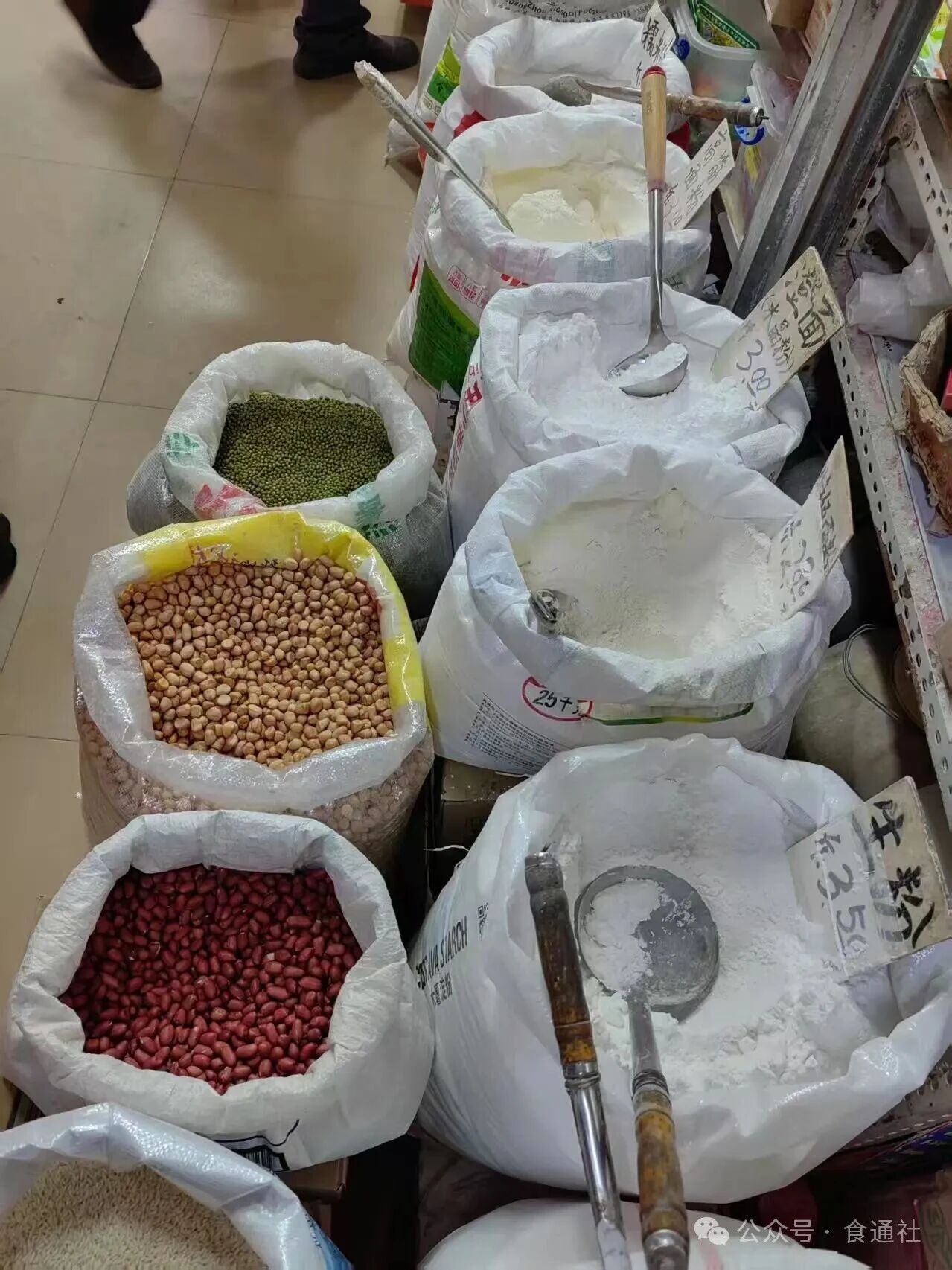
Around 4 in the afternoon, there another rush of customers, which lasts till 6. Only then do we finally find a moment to slowly start packing up and preparing to close. Even during the closing process, shoppers keep coming. It’s invariably someone rushing in just as we’re closing, hunting for that one scarce seasoning. My mother always handles it with patience, happy to unpack what she’s already stowed away just to serve them. Once the dinner rush winds down—usually around 7 or 8—we can finally close up and head home.
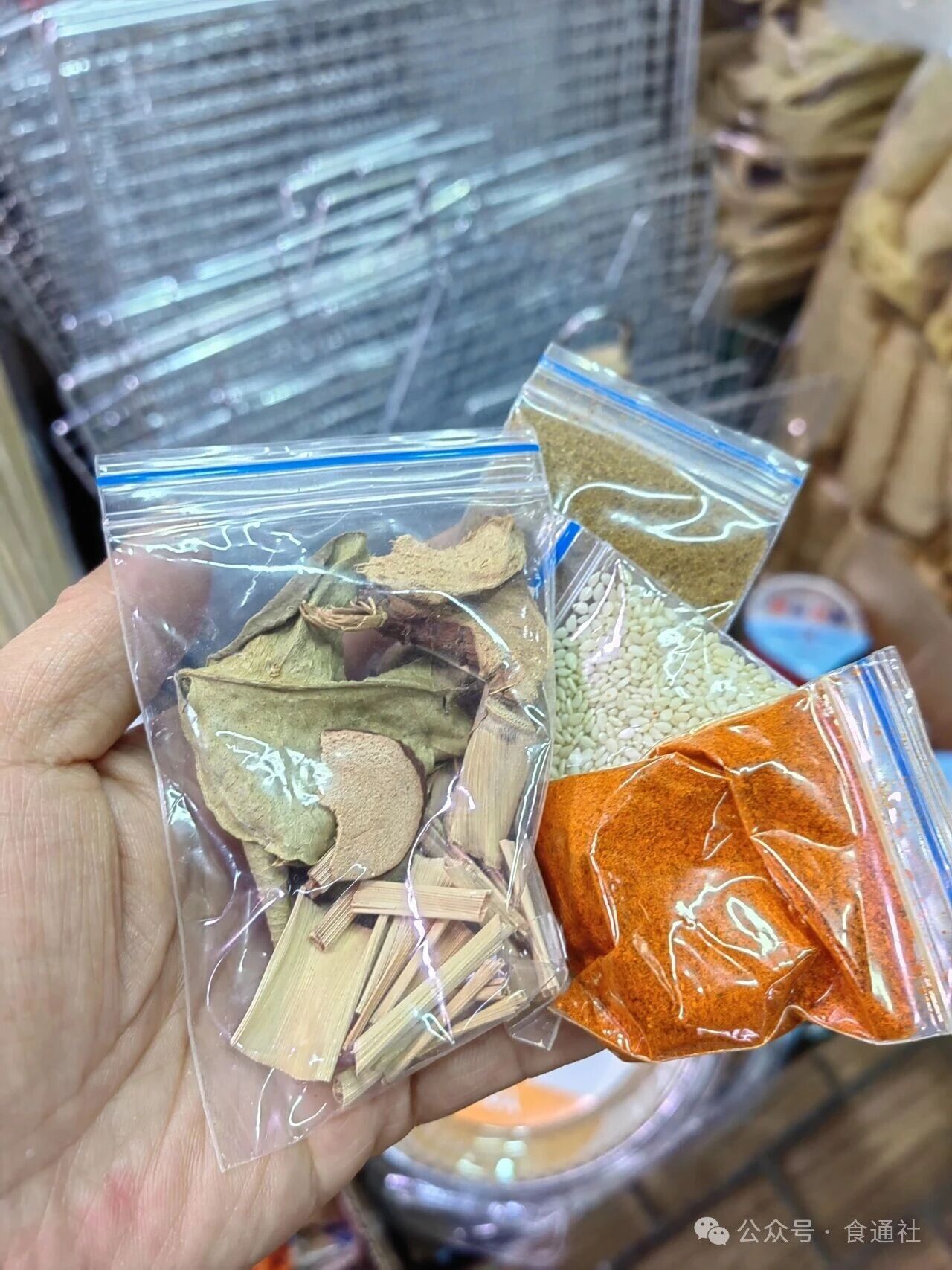
But don’t assume the work stops when we get back. In our provisions shop, practically everything is broken down and sold in the smallest possible measures. Tonight we might portion out white sesame seeds; tomorrow, Tom Yum spices; the night after, cheese powder. So, after twelve hours of labour, we still need to continue prepping stock at home. We typically don’t get a proper rest until well past ten, only to rise again at half past seven the next morning, ready to begin another busy day.
IV.“Let me Guess”: Manual Algorithms
She remembers what regular customers usually buy. Before they even have to ask, she has already passed them the items.
“Still picking up this brand of soy sauce, right?”
“Yes, yes! I prefer using it for cooking. You really do remember everything.”
Who wouldn’t appreciate that feeling of being remembered? That sense of being seen and thought of is something no algorithm’s ‘Guess You Might Like’ feature can ever provide.
She is also well-versed in making traditional pastries. If you buy peeled mung beans, she knows you’re making large pork zongzi, and will tell you the shop also stocks five-spice powder, reed leaves, and glutinous rice. If you buy glutinous rice flour to make tangyuan, she’ll let you know there’s sesame, red bean paste, and lotus seed paste available, and will casually mention that adding a touch of rice flour gives them a firmer bite.
V.Staying True to the Wet Market and the Grocery Shop
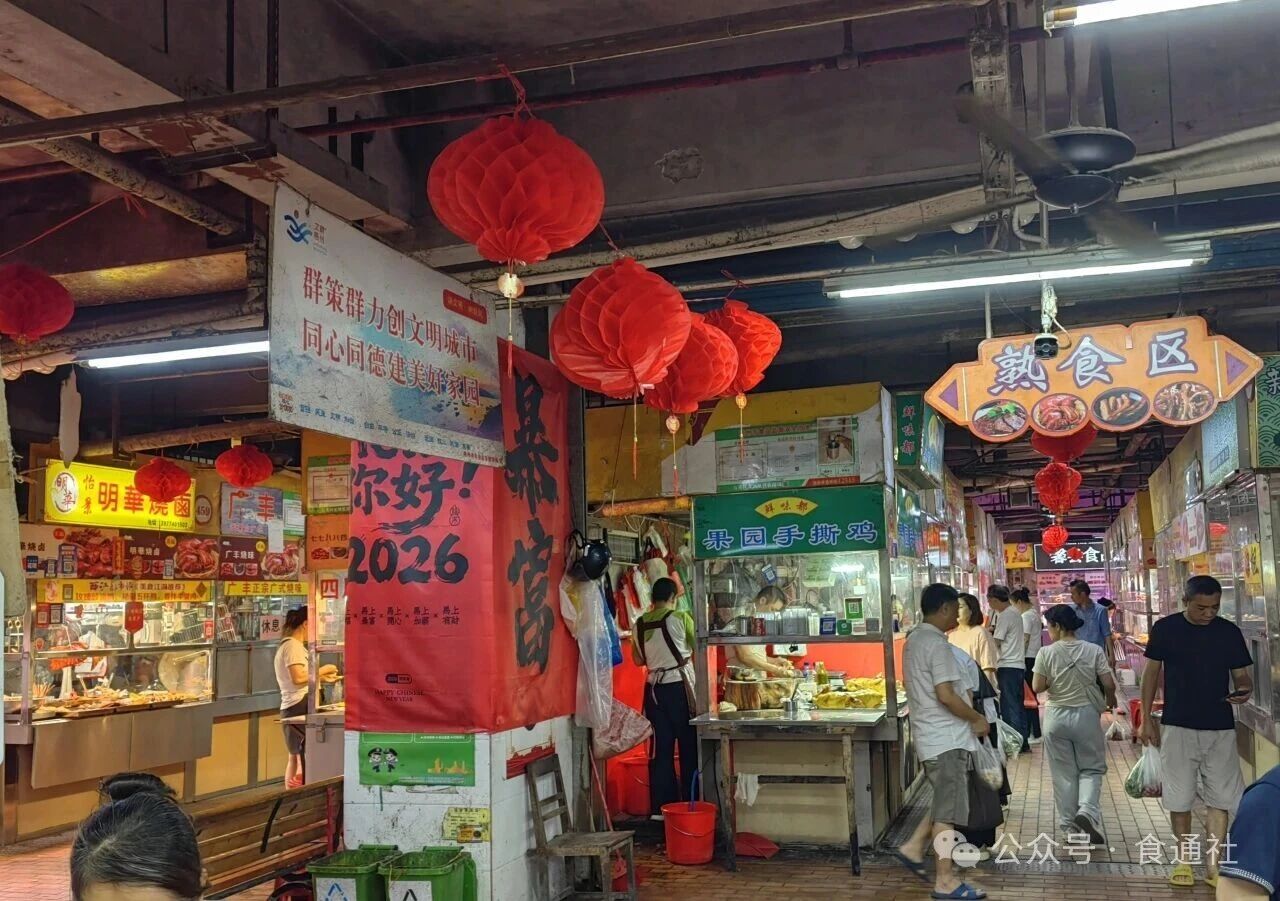
They no longer recognised me, of course. It was only when I showed up to help behind the counter that they’d realise, “Oh, is there a new face in the shop?” or “Is that your daughter?”. I’d heard variations of those questions countless times. Afterwards, they’d always exchange remarks, marvelling at how many of us had stuck around in this market for so long.
By my count, from my grandmother starting the business to my occasional shifts today, this grocery shop that has woven through the lives of three generations of women in our family is now thirty-one years old. But what of its future? We haven’t discussed it in any real depth. Going forward, though I plan to return to the Guangdong and Guangxi region to live, I am unlikely to go back to my hometown to take over the shop.Once my mother grows older, the shop will likely have fulfilled its purpose and close its doors for good.
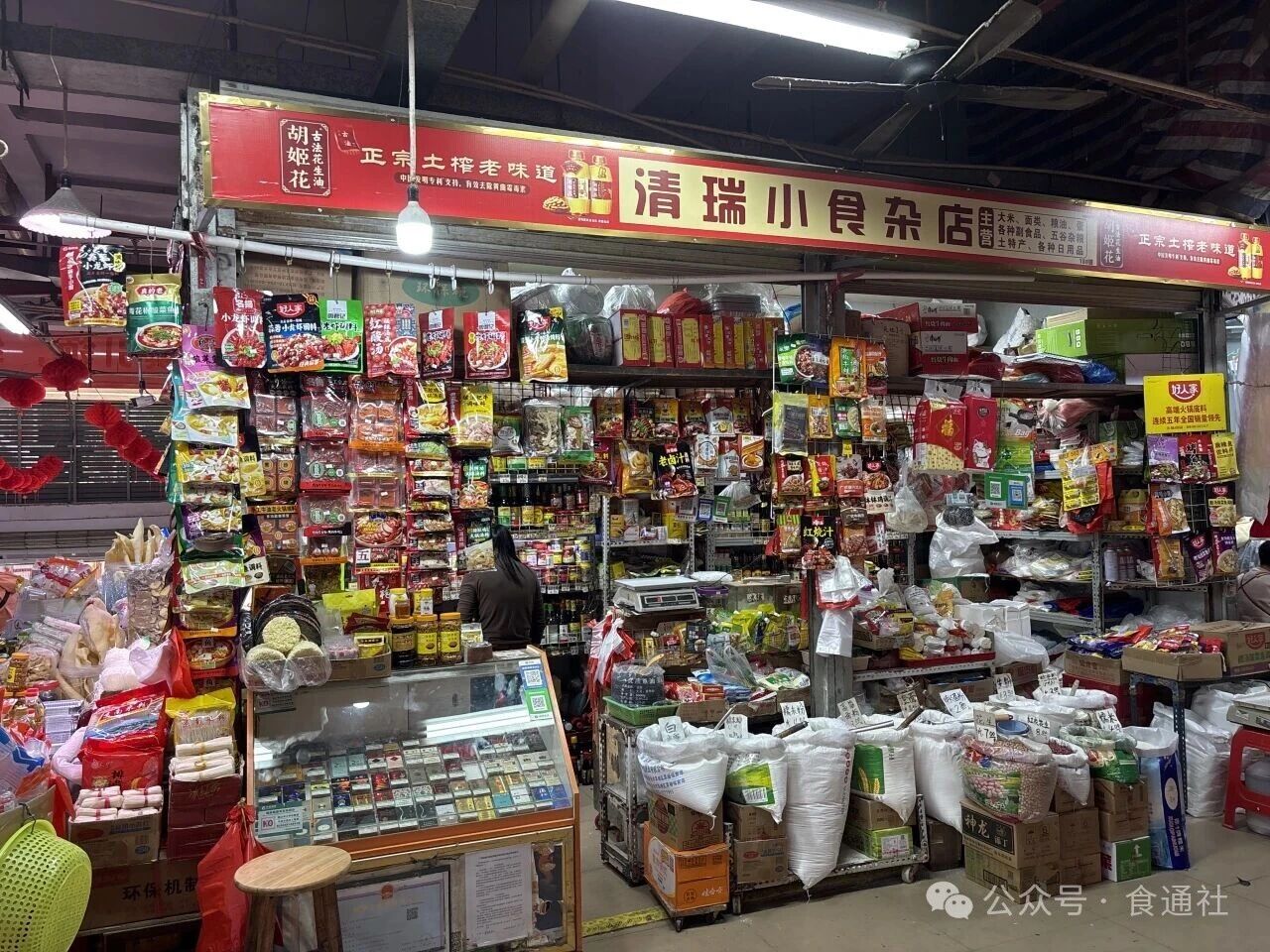
In truth, trade across Wuzhou’s wet markets as a whole has declined significantly.
One market, situated beside a residential district that was subsequently redeveloped into a tourist attraction, saw a major population exodus. As a result, the market has steadily shrunk; its seafood section was demolished and has remained vacant ever since, while several independent stallholders have relocated to busier markets elsewhere.
With fewer vendors remaining, the variety of produce on offer has dwindled, prompting local residents to drive to larger, more comprehensive markets further afield.

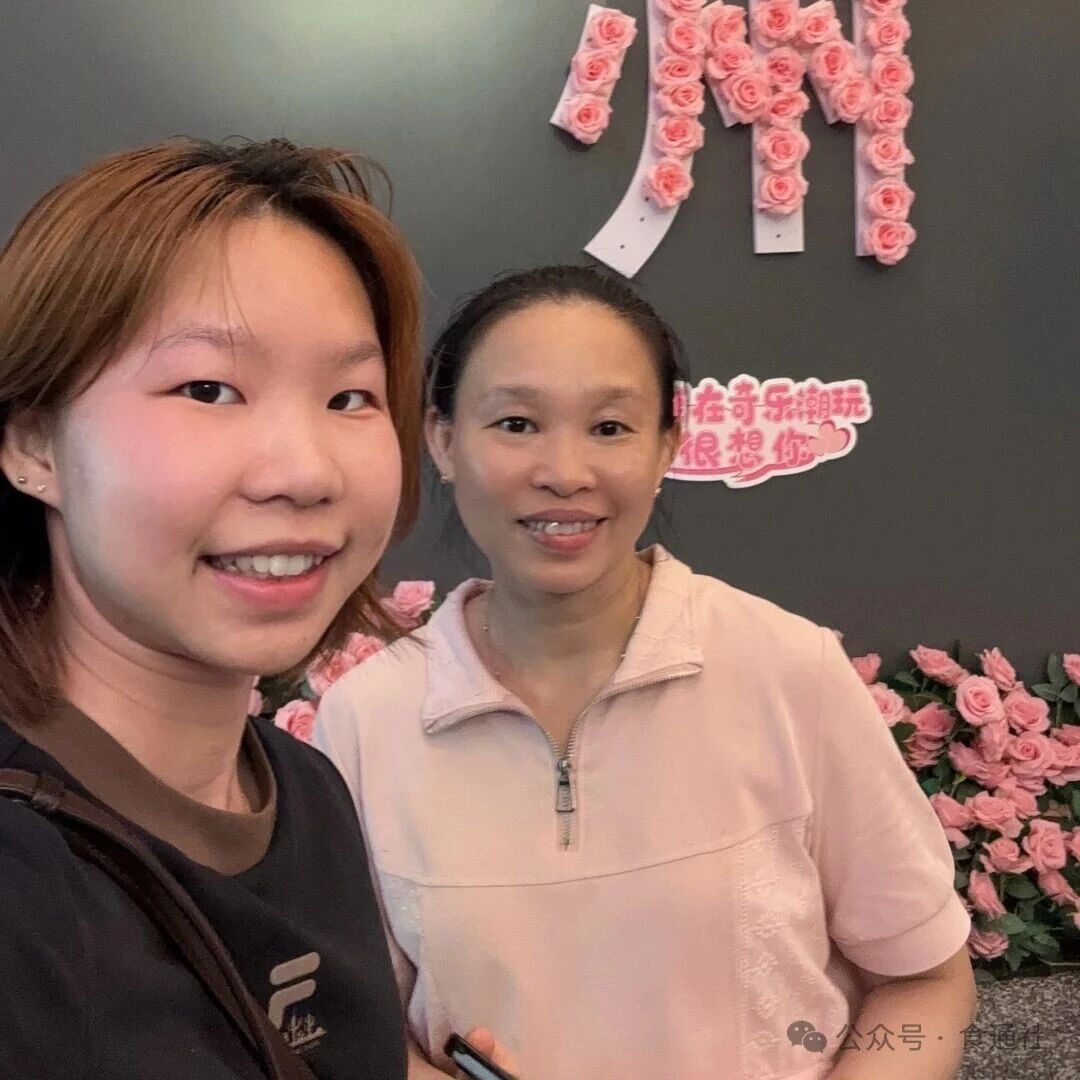
All images in this article are provided by the author.
Editor: Yuyang