
The year grandmother opened the shop, customers still brought empty drink bottles to fill with loose soy sauce; now mother hands regulars their usual brand from memory, while the daughter far off in Wuxi returns each Chinese New Year for a few days as the stall’s “second-in-command”.
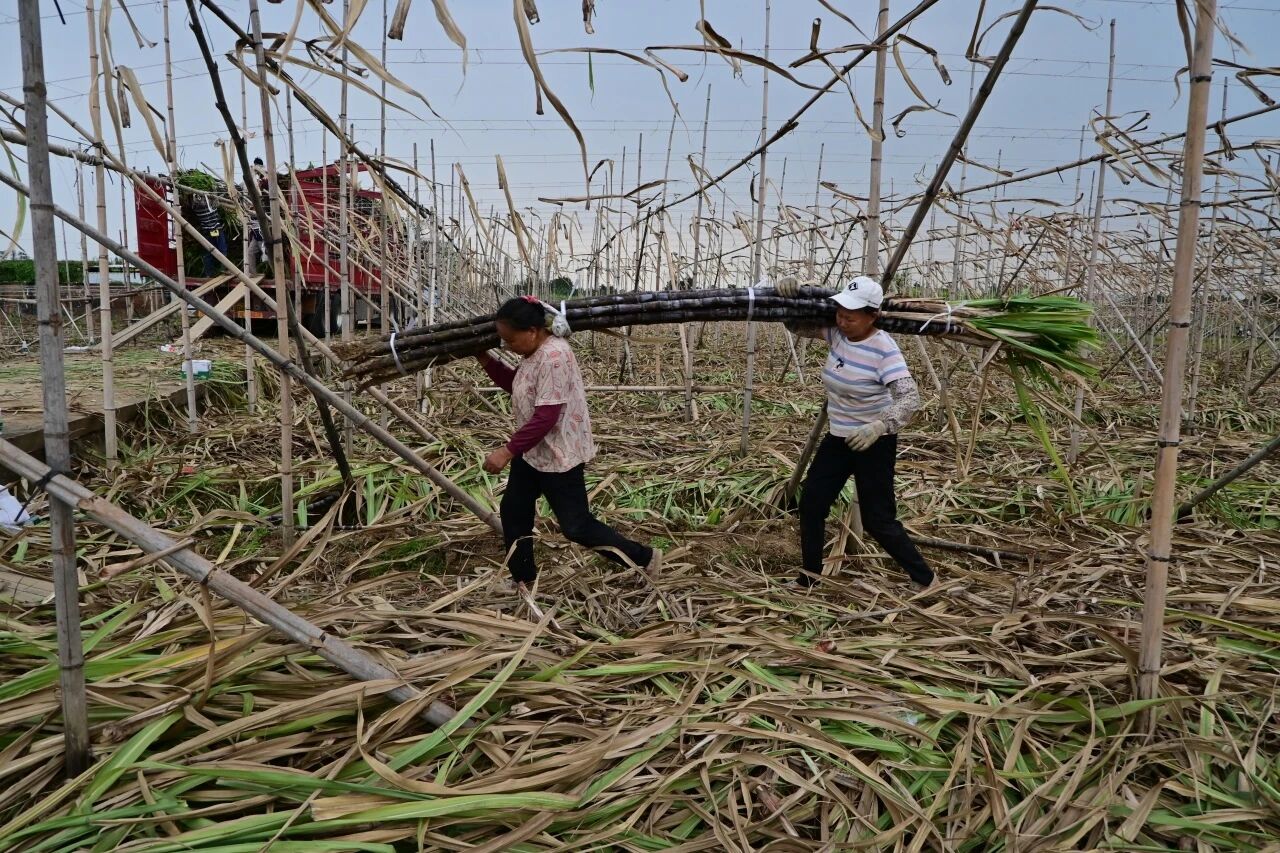
In Lanhe Town, Nansha, Guangzhou, the buying price of black-skinned sugarcane has plunged from nearly 100 yuan to 5 yuan. Farmers over 50 give their cane away for free to clear land before the spring ploughing window, yet farmland policy means they can only keep planting sugarcane.
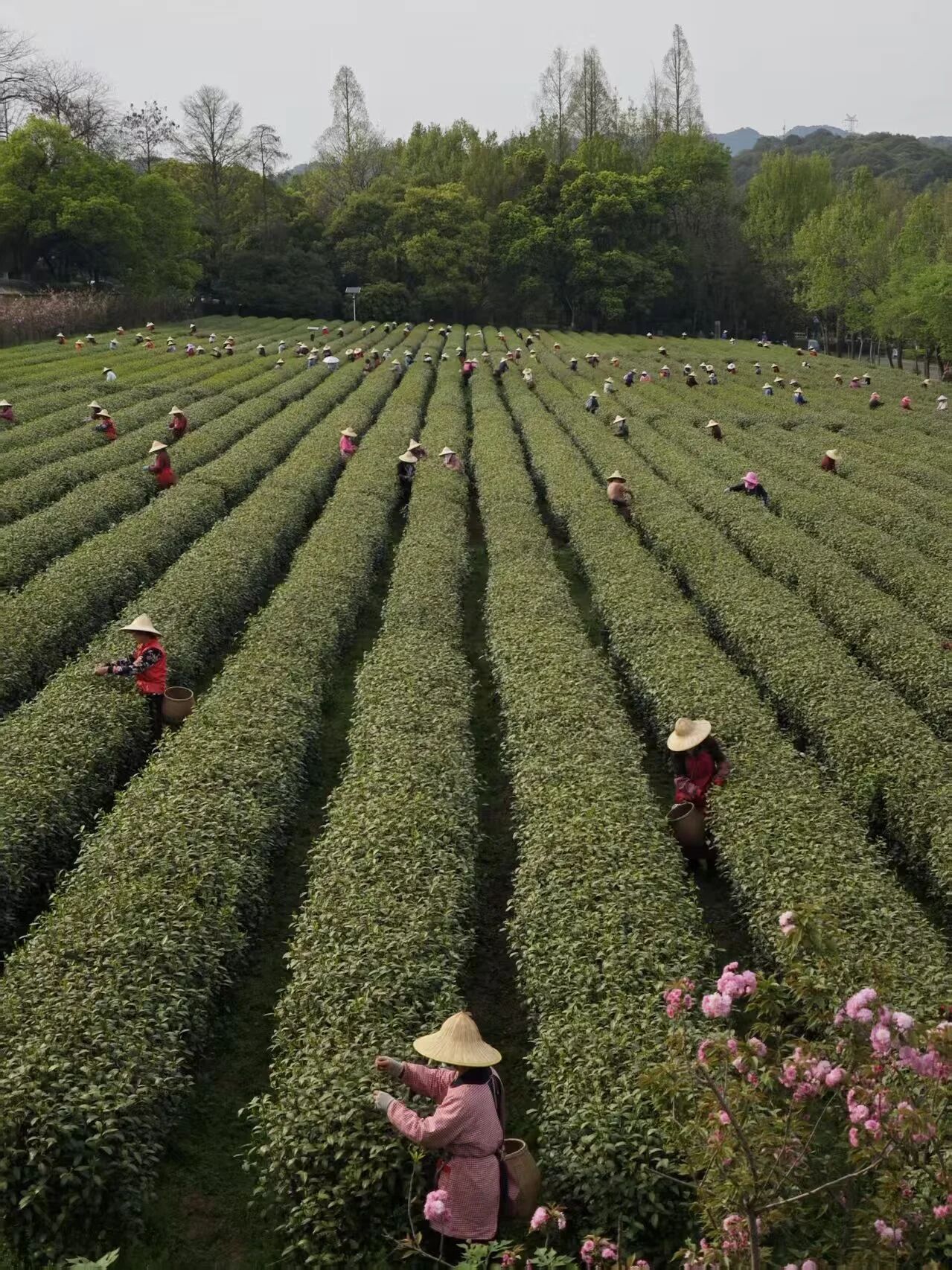
A northern girl grows sugarcane in buckets; a PhD student dissects brown planthoppers in the lab. Four agronomy students leave school brimming with passion for the land – only to face career hesitation and the industry–academia–research disconnect.
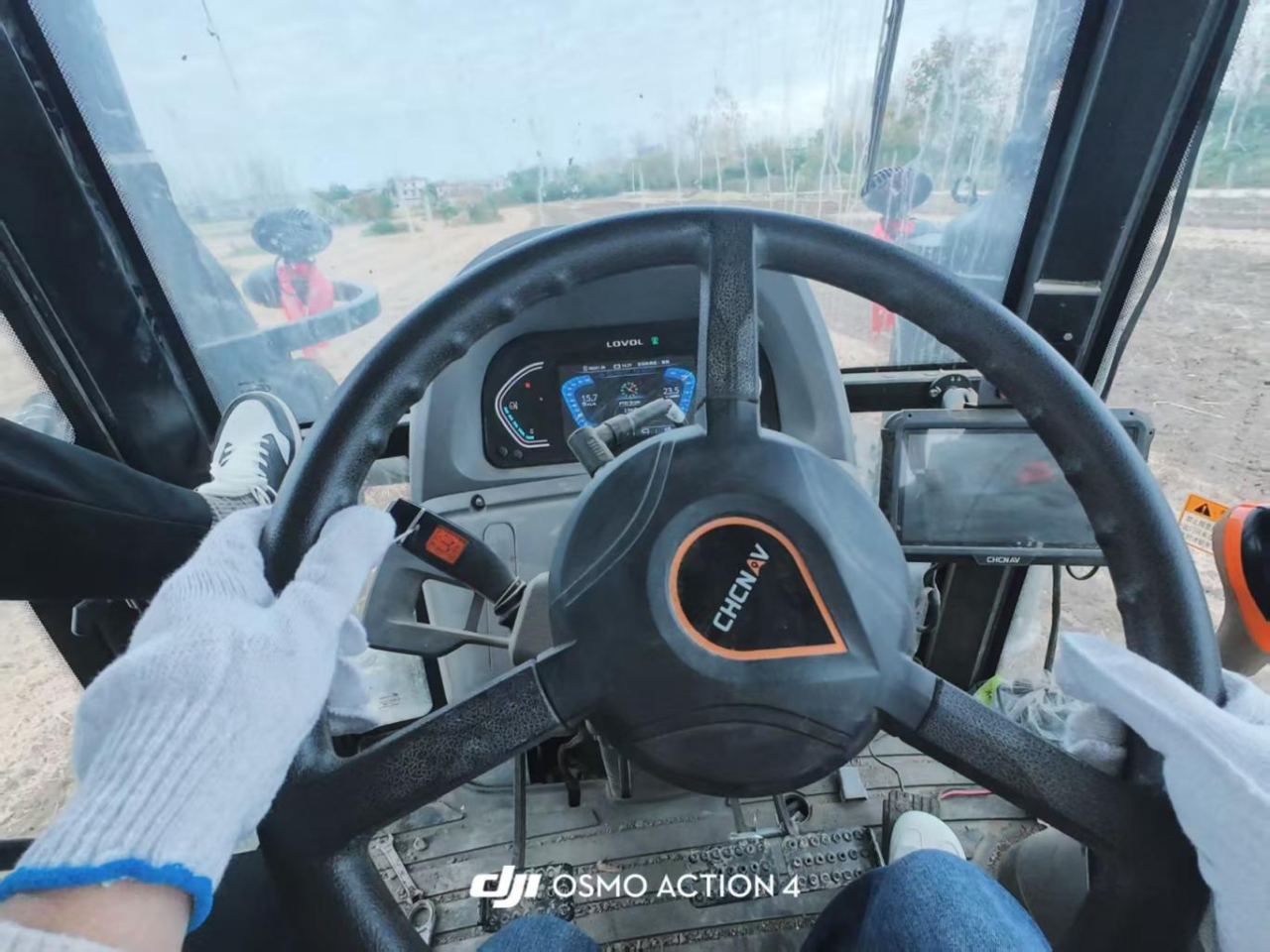
Fuyang’s free farm-machinery course had 50 trainees, just 7 of them women. Wu Ting and her peers hesitated again and again before the combine harvester—until one sister claimed the cab and started off steady, loosening the assumption that “women can’t drive.”

Jiang Ke, who served seven months as a Shift Manager at McDonald’s, discovered that the precise order-fulfilment system is both advanced and fragile—behind the beeps and countdowns lies the staff’s real experience of “human-machine unity” in a cramped kitchen.
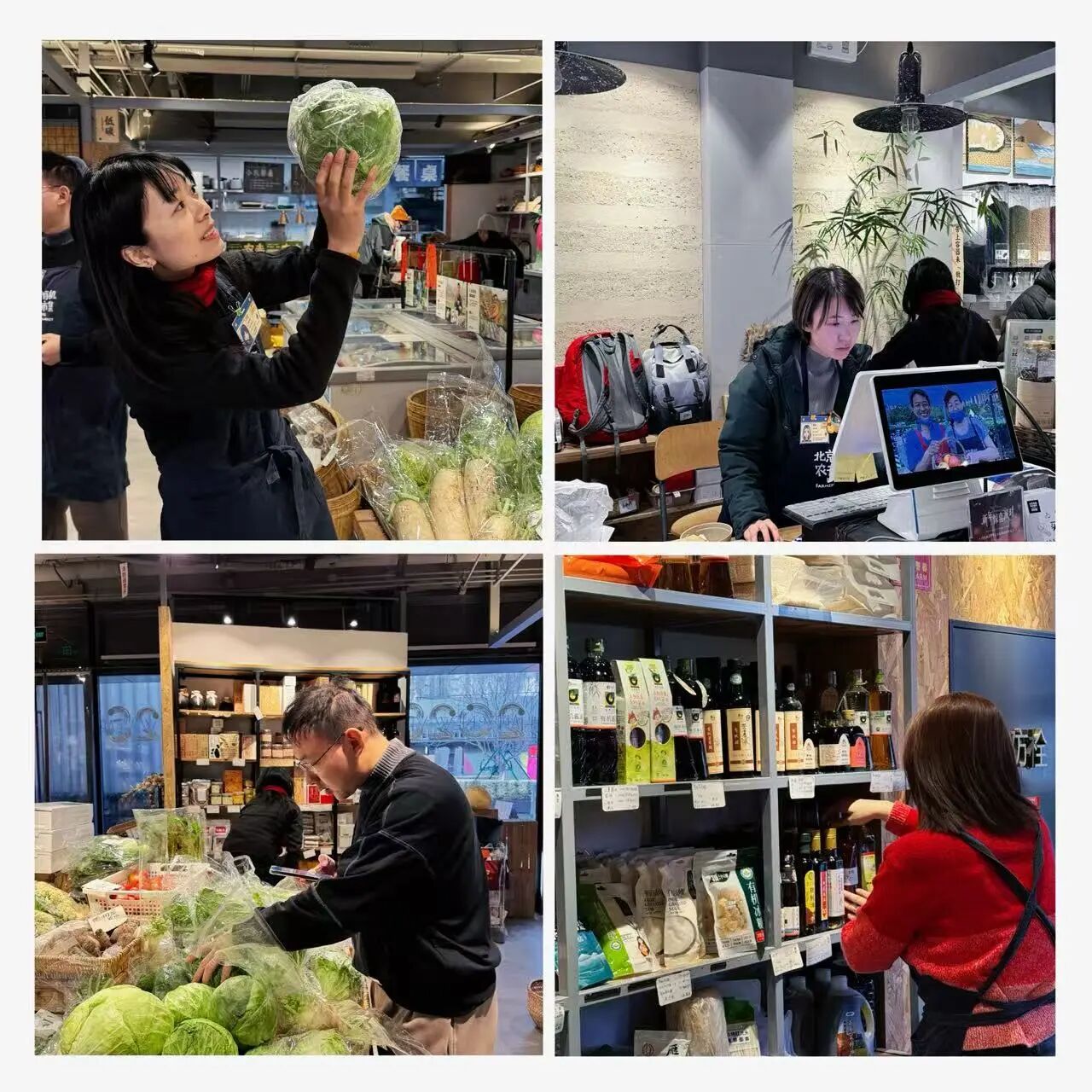
Eight Foodthink colleagues worked a 12-hour non-stop shift at Jishi—from veg identification and stock intake to live-stream shopping to communal dish-washing after the lamb soup screening—and encountered the unseen labour and carbon behind cold-chain energy consumption and an annual lease.

The large-scale monoculture of the Plantationocene has dismantled ecosystems and rural communities, yet the traditions of care in the Qimin Yaoshu and Xu Guangqi’s Nongzheng Quanshu suggest that “non-plantation” farming can still become imaginable once more.

Three Foodthink colleagues left their screens for Jishi, the ecological greengrocer in Sanyuanqiao — stacking stock, sorting produce, negotiating with customers over switching to another farm’s tomatoes — and in concrete physical labour rediscovered a tangible feel for life.

Forty years after dual contracting of grassland and livestock, J village in Qinghe County still has only 92 grassland certificates while pastoral households exceed 200. They sow lucerne on their hay meadows, pay irrigation charges, and buy fodder from farming areas at twice their own harvest before winter.

Forty thousand delivery riders faced 700,000 active peers; the platforms raised per-order prices and simply defused the strike. Lacking employment contracts and strike protections, riders continue to take risks in a cycle of ever-shrinking algorithmic delivery deadlines.