Meishan farmer Zhao Lishun watched rice paddies transferred to outside large-scale lessees go mouldy and be left unharvested. Across villages in Sichuan, Guizhou and Henan, high-standard conversion has stripped away topsoil, water-conservancy facilities are empty shells, and the “large-field” model is pulling villagers further from their land.
In a sixteenth-century manor in western France, a 1970s hippie couple sustains self-sufficiency through work-exchange volunteers. A month with a Colombian brother and sister—undocumented workers—picking strawberries, smashing walls, making cheese: the “return to the countryside” romantic imaginings shattered by day after day of unpaid manual labour.
Zha Shiyire, a Huayao Yi, grew up in a mountain village in Shiping County, Yunnan. Her mother whistled from the bund, calling the wind; the family bent, planting tobacco, reaping rice, shredding radish strips. Farm work is never finished — she never loved it, nor could she loathe it.
Former JD 7Fresh warehouse picker He Siqi spent 31 days in the warehouse: 9 minutes per order, 30 fen per item, 30,000 steps a day, supervisors shouting at any moment, and even on your period, no escape from the freezer.
Social worker He Siqi spent a month as a Forward warehouse picker at JD 7FRESH, experiencing PDA countdowns, surveillance-driven pressure and per-order fines—and seeing how the people behind “30-minute delivery” are squeezed dry bit by bit by algorithmic rhythm.
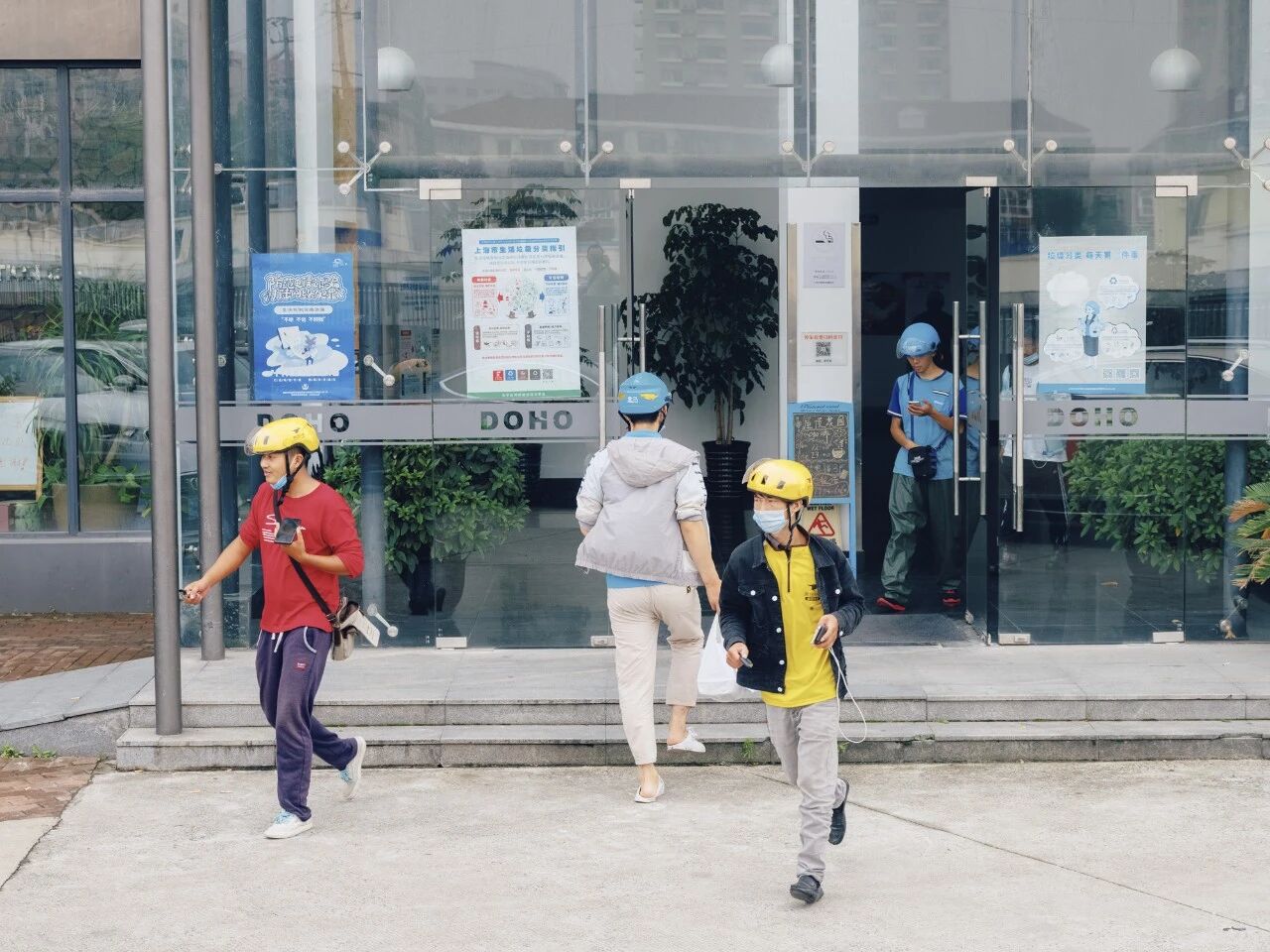
In the rain, riders have no weather allowance – just fines for not showing up, no sick leave, no circuit breaker. Former rider and Foodthink editor Yuyang, with host Xiaojing, discuss the risks shifted behind convenience, and how costs boomerang on everyone as wet markets and family-run shops vanish.
In summer 2024, agricultural drone pilots in Heilongjiang faced a harsh reality: pesticide drift compensation disputes, health damage amid a lack of labour protection, and per-mu service fees sliding from ten-odd yuan to 2.5 yuan.
Beyond the Xibei pre-made meals controversy, small shops that stir-fry to order are being squeezed by central kitchens, local food memories are fading, and exhausted parents and international students may well have long since become unable to do without pre-made meals.
Foodthink collated reader comments under articles on delivery riders’ struggles in severe weather. The debate far exceeds the “order or don’t” binary: do riders want earnings or dignity, how responsibility splits between consumers and platforms, and whether Platform gig workers remain an escape route for ordinary people.
Amid Beijing’s torrential rains and heatwaves this summer, Meituan, Ele.me and JD riders had feet soaked raw, suffered heat stroke and rear-end collisions – yet attendance bonus and late-delivery penalties still forced them to run orders in the rain.