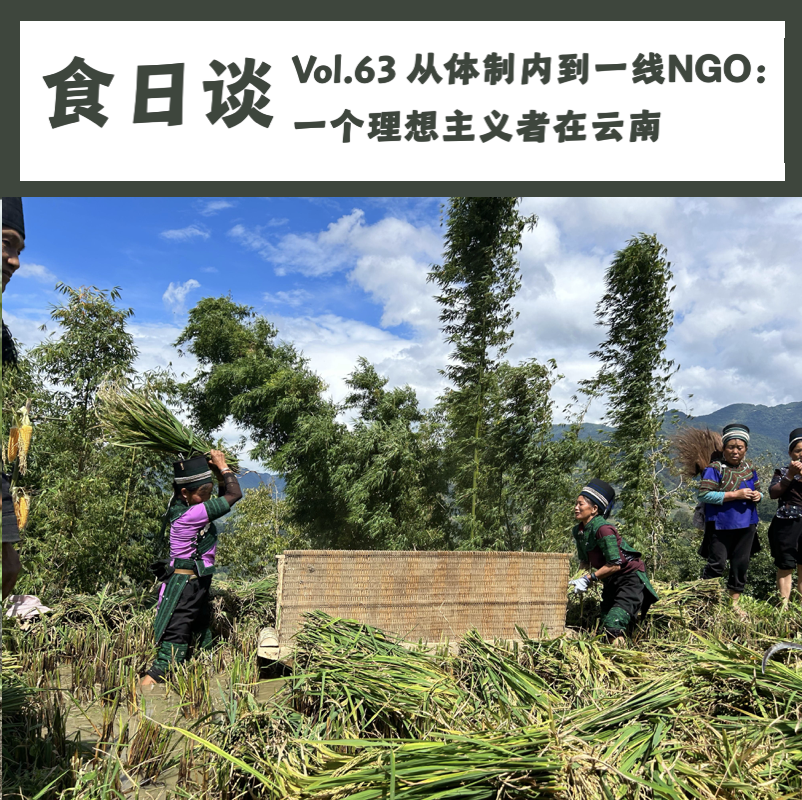
Leaving the public sector, Zuo Zhi, a post-1985 generation member, dove into Yunnan’s villages, teaching farmers to use fewer pesticides and grow heritage rice varieties, trading a cup of liquor for their trust, and building a bridge between government and the fields for climate-friendly agriculture.
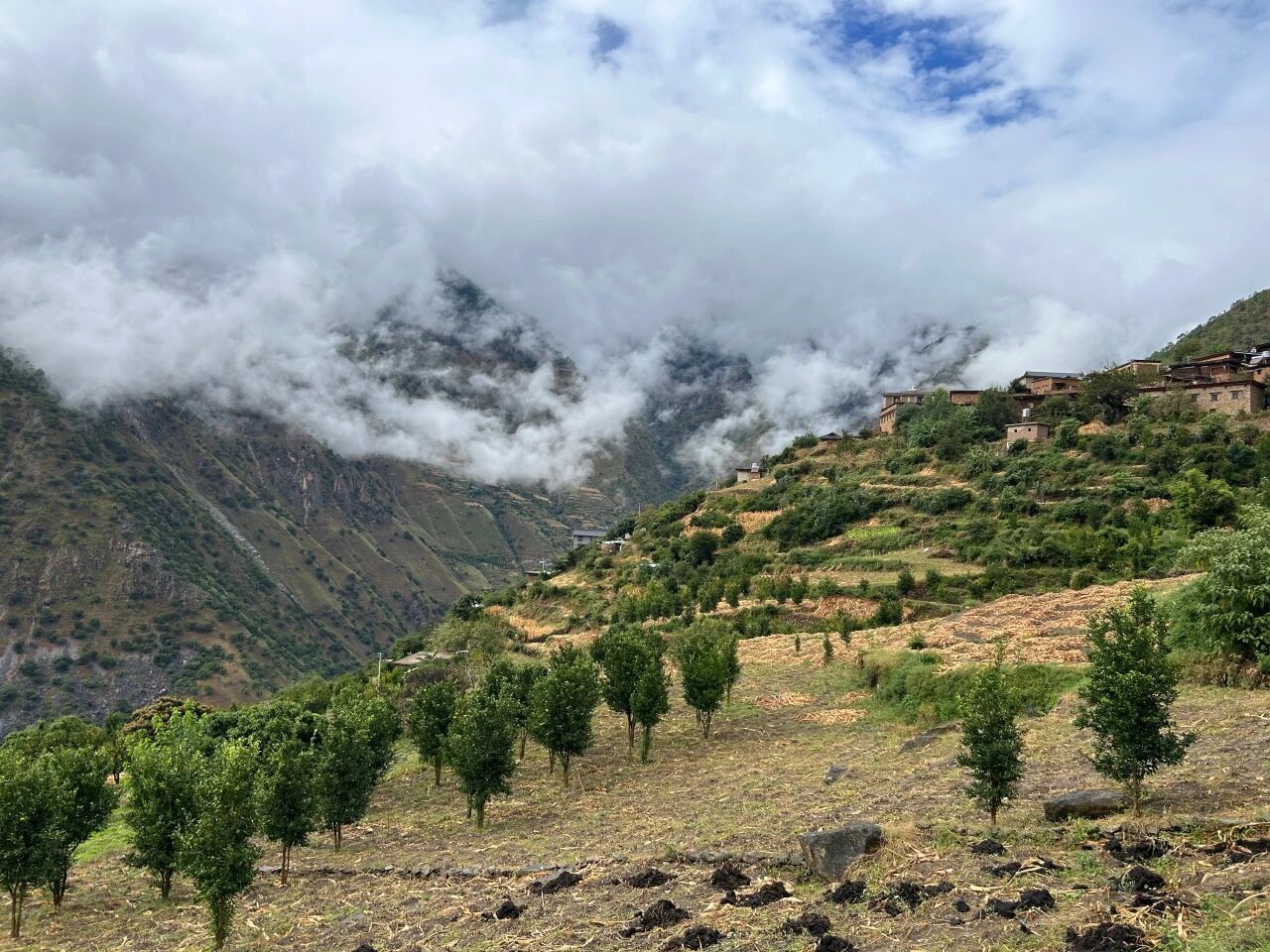
The women who stayed behind in Youmi Village, a Mosuo settlement in Lijiang, are using Sickle-grain rice, an old upland rice variety from the Jino, to grow rice again on hillside slopes growing ever drier—and to keep alive the cultural memory behind rice farming.
The 2026 Document No. 1 includes “low-carbon agriculture” for the first time. Tracing sixteen years of climate change in Document No. 1, the real challenge lies beneath resource surveys and climate zoning: how to design policies that allow ordinary farmers to participate and benefit.
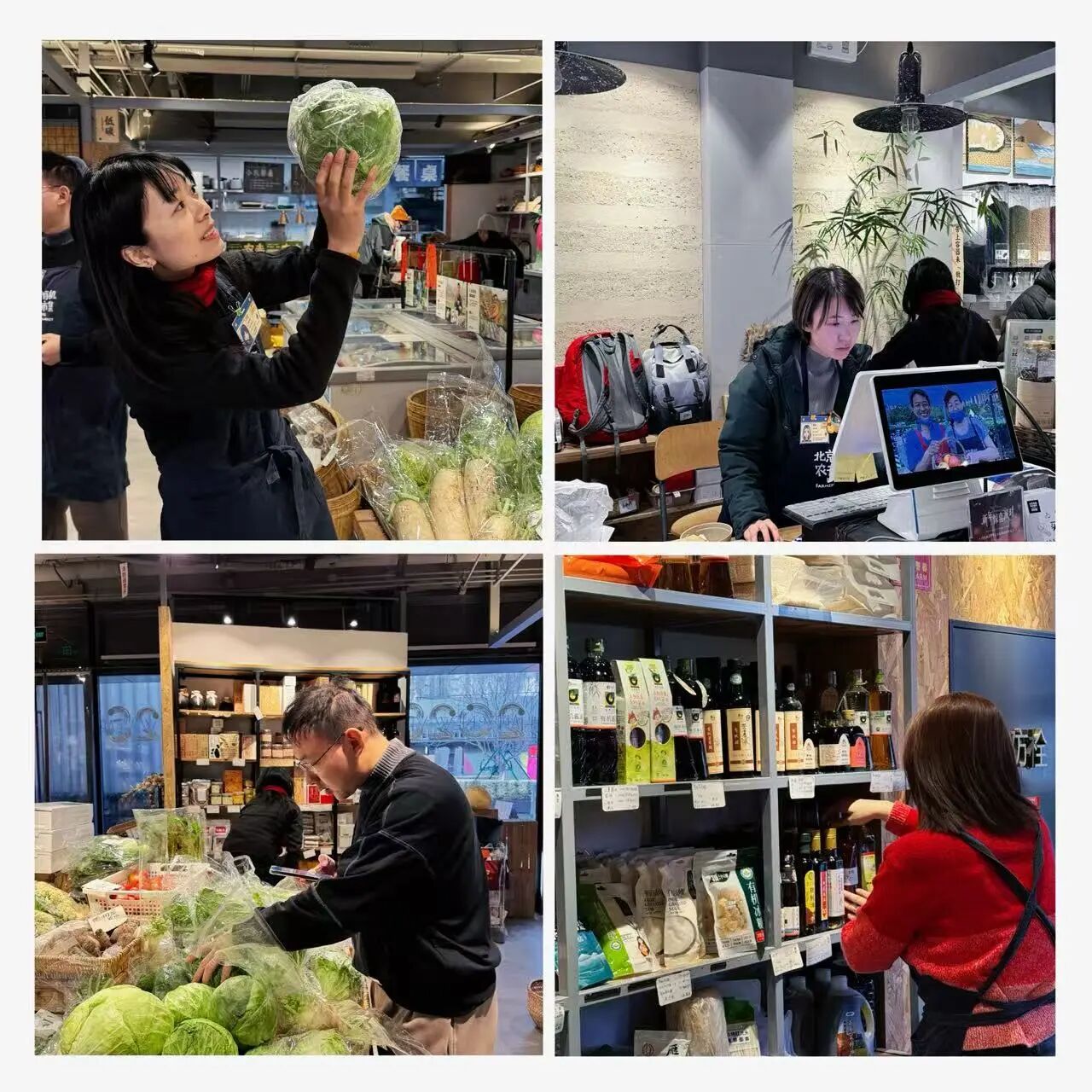
Eight Foodthink colleagues worked a 12-hour non-stop shift at Jishi—from veg identification and stock intake to live-stream shopping to communal dish-washing after the lamb soup screening—and encountered the unseen labour and carbon behind cold-chain energy consumption and an annual lease.
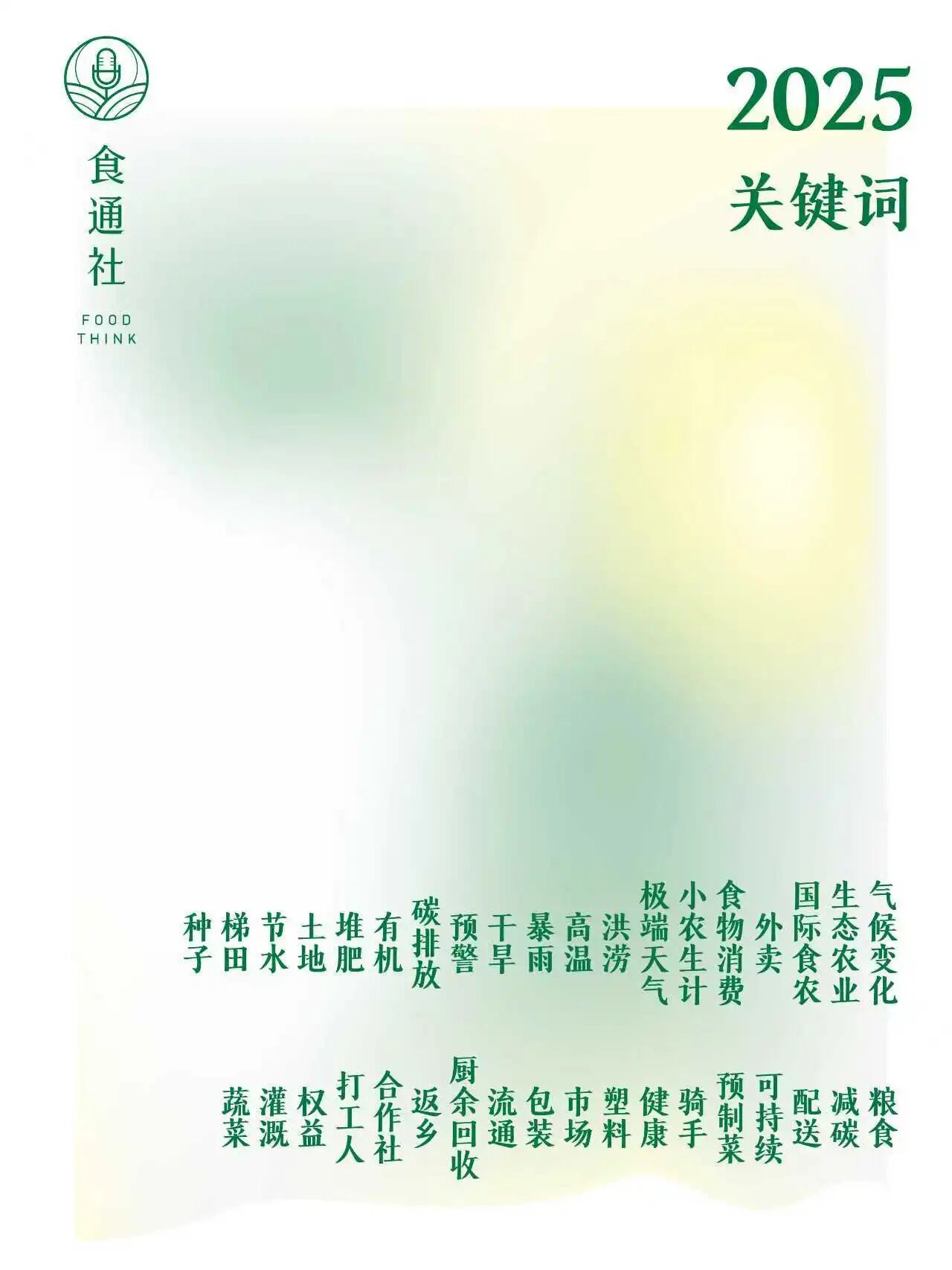
Extreme weather upends farmers’ planting rhythms, the food-delivery wars compress a meal into a 30-minute order, and imported meat reaches the highland pastoral areas directly – Foodthink’s 2025 field records hold on to the traces of the land and its labourers.
Ÿnsect, the European insect-protein unicorn that raised USD 625 million, has been wound up by a French court. A UK Government-commissioned life cycle assessment also shows insect meal’s carbon emissions far exceed soybean meal’s — the capital narrative of “eating bugs equals eco-friendliness” is being punctured by full-chain data.
At Guangzhou’s Harvest Festival, Foodthink had nearly a hundred readers relay-write eight climate fiction (cli-fi) stories from article titles, screen a documentary on imported beef and lamb hitting the Qinghai pastoral area, and discuss fields and dining tables under extreme weather with fellow growers and documentary filmmakers.
In 30 mu of foothill fields, hail wipes out apricots and rain washes away autumn crops. Wenzizi and Changjiaoling learn the craft from old farmers, sow more seeds, and over ten years have gathered two books and a way of living alongside the sky.
Zhen Rui’s 450-mu farm in Miyun, farmed for thirteen years, lost all topsoil to flash floods; resuming cultivation in the short term looks hopeless. He temporarily grafted his operation onto a neighbouring farm, while northern farmers still lack systematic insurance and land-planning support against extreme rainfall.
From harvesting and drying to storing and selling, growers and buyers have exhausted every strategy they can think of—yet nearly every corn grower still has no choice but to accept reduced yields, falling prices and mould. Consecutive years of natural disasters are rapidly rendering the farming experience farmers have built up obsolete.