A shop manager demoted by a single system message; shop assistants grinding non-stop under the commands of 70-odd tasks and 30-odd cameras. Bianlifeng, which handed all decision-making to algorithms, has shrunk from nearly 3,000 stores to just over 1,000.
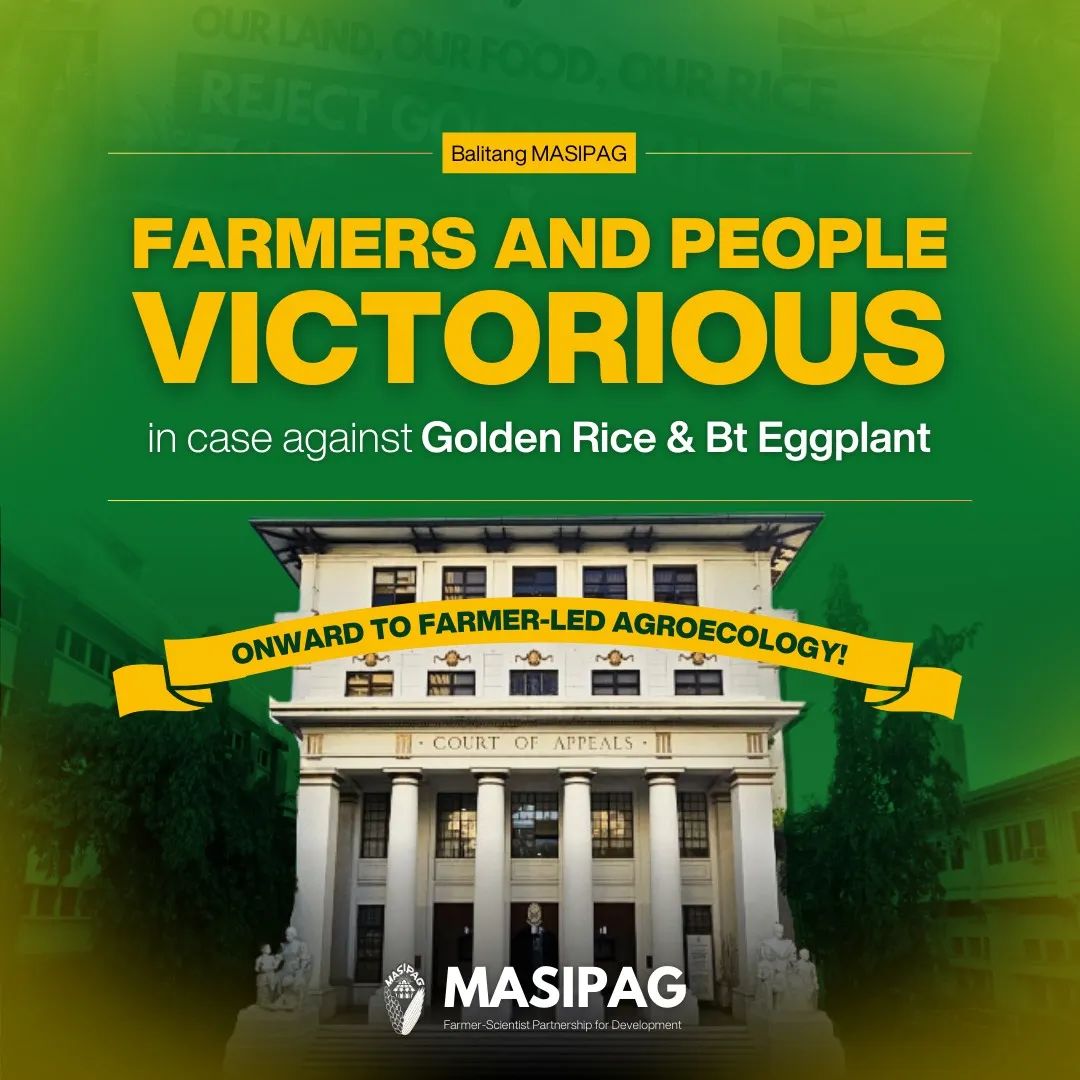
The Supreme Court of the Philippines has ruled Golden Rice commercialisation unconstitutional, revoking all Biosafety Permits. Farmers and scientists led by MASIPAG have fought for over twenty years: from table safety to tenant farmers’ freedom to breed their own rice seeds, free from seed company control.
From the Green Revolution to carbon credits, Bayer and IRRI’s schemes have consistently placed hidden costs on smallholders. Yet farmer networks such as MASIPAG in the Philippines and DDS in India are rebuilding a different emissions-reduction foundation through local varieties and agroecology.
From a Berlin hydroponic workshop to the successive closures or bankruptcies of infarm, AeroFarms and others, vertical farming’s fundamental flaws in crop variety and energy consumption are impossible to ignore. Industrial designer A Liang also charts a path for low-tech hydroponics back to communities.
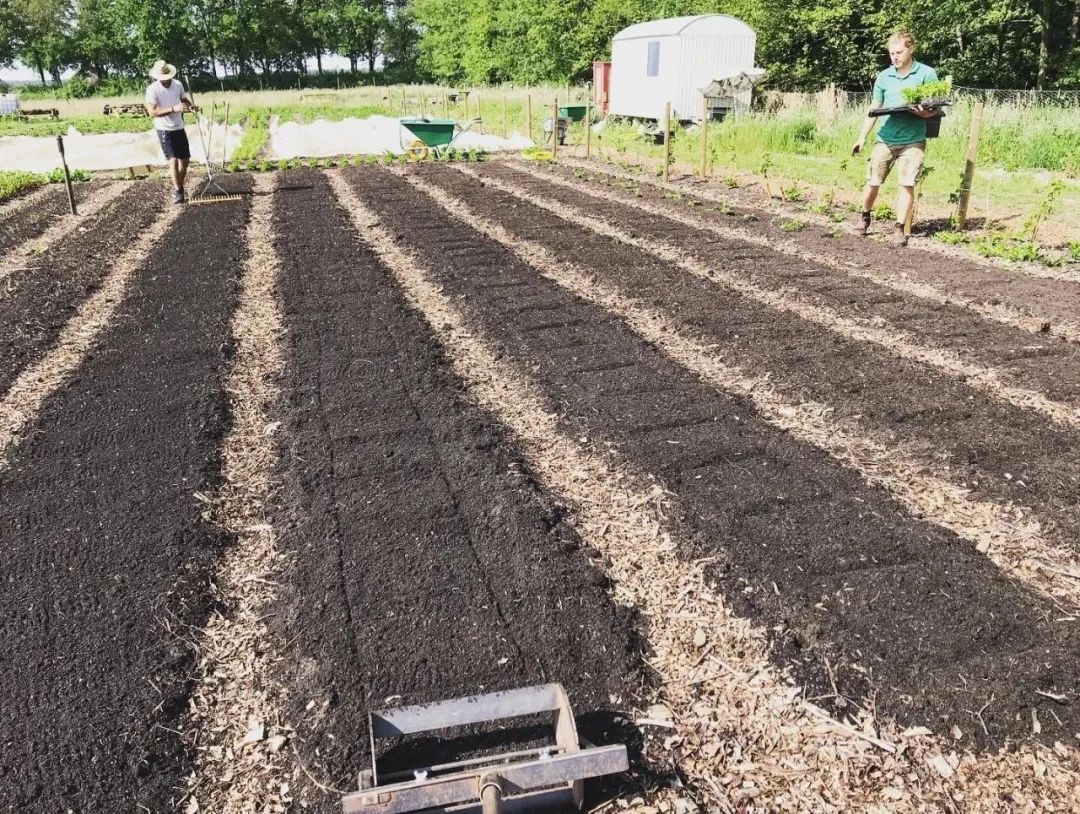
Founded by young Dutchmen Sam and Martin, the “Happy Vegetables” farm uses standardised seedbeds, paper-pot propagation, a hand seeder, subsurface sprinkler irrigation and no-till to make ecological vegetable growing a nine-to-five job, earning a decent income through community subscriptions.
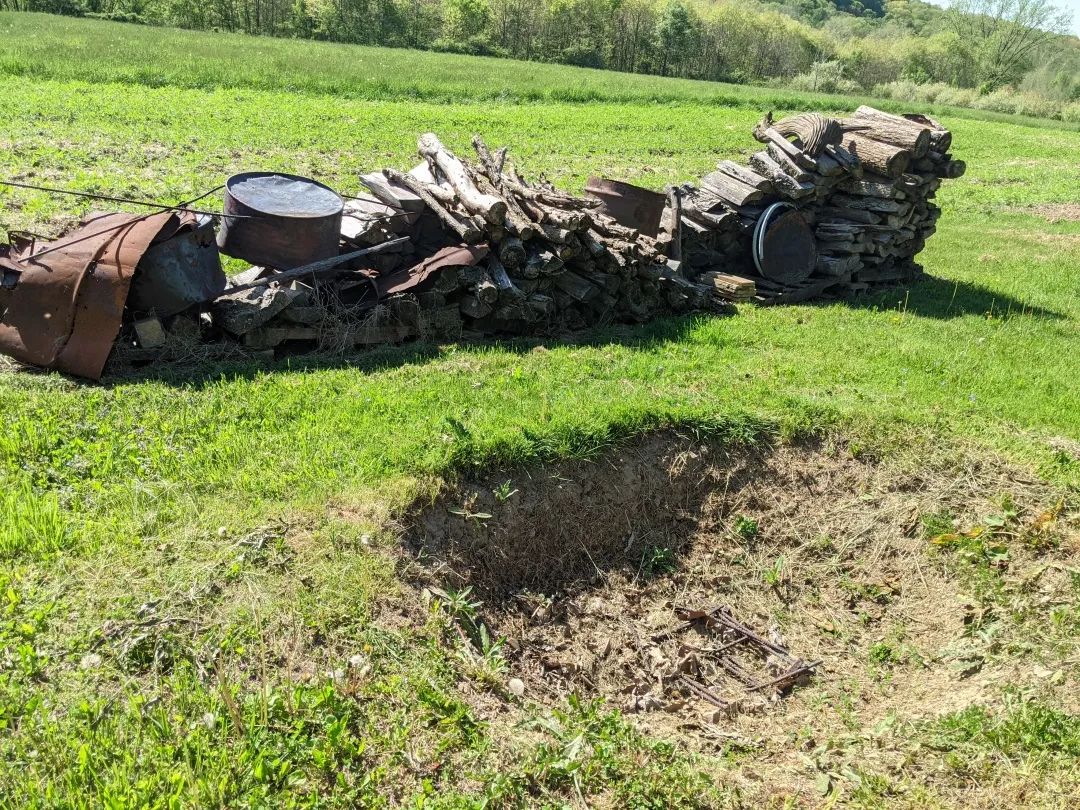
On a hundred-acre farm beside a creek in the Ohio River valley, Xiaotang and Xiaowen grow shiitake using the sawdust cultivation method to supply about ten local restaurants, while underground, mycelium quietly intertwines tree roots, wildflowers, and everyday life.
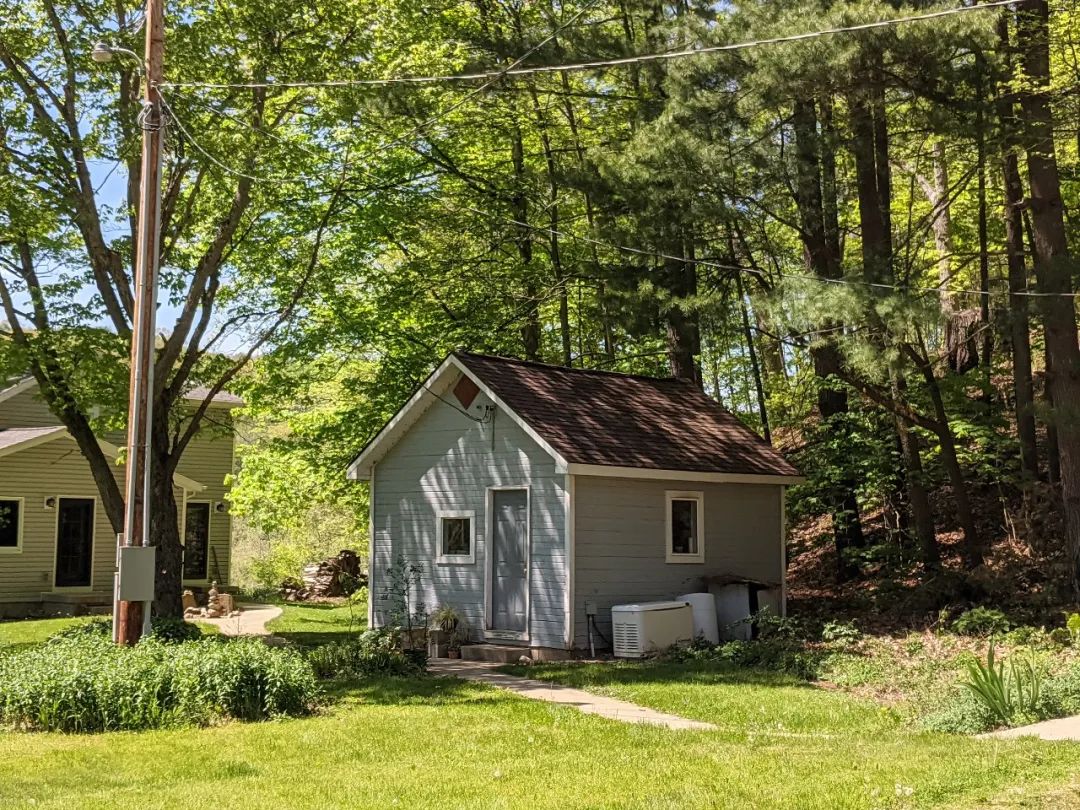
Xiaowen clones mycelium on agar plates in a little cabin by the stream; husband Xiaotang hoists ninety-pound oyster mushroom columns bare-handed. While button mushrooms in North American supermarkets haven’t changed their genes in forty years, the couple guards a hand-powered workshop, outside the assembly line.