
Sweet but Deadly: Watch Your Liver | Grandma Kouzi
In 1972, British scientist John Yudkin published a book titled Pure, White and Deadly. The protagonist of that book was sugar—pure, white sugar. The protagonist of this short piece is sugar too, but the sweet kind.
Here, ‘sugar’ refers to sugar itself, sweets, and added sugars in food. On an ingredients list, it may appear under aliases such as sucrose, white sugar, high-fructose corn syrup, honey, malt sugar, glucose syrup, and so on.
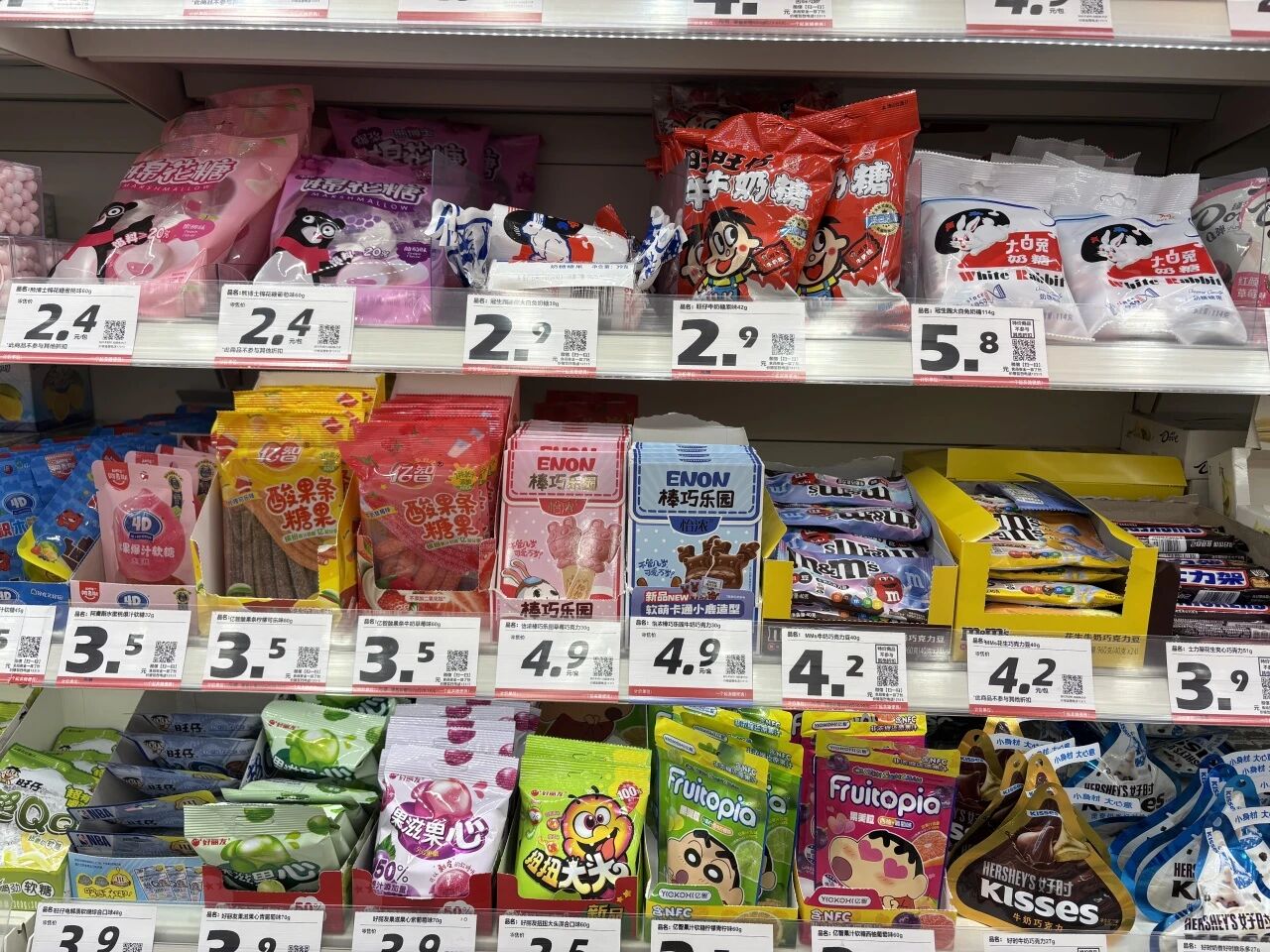
Yet sugar is no health food. Yudkin’s assessment of sugar was blunt: “Sugar is a white, pure, deadly poison.”
The revised US Dietary Guidelines, published in January 2026, emphasise that “sugar is not considered part of a healthy or nutritious diet”. I readily agree, though I question how practical that is in reality.
1. Why we need sugar, and why we don’t
Glucose in the bloodstream is the body’s primary energy source, much like petrol in an engine. Engines run on fuel; human life runs on sugar. I have taken part in the Hong Kong 100-mile endurance walk and the 66-kilometre Mount Tai Marathon, where sports drinks containing sugar and electrolytes are a staple at every checkpoint. This, however, easily breeds a misconception: that sugar is essential, and therefore eating sugar is equally vital. Far from it.
“Have you eaten?” is a standard greeting in China. A cooked meal serves as our most everyday source of energy, consisting chiefly of starchy foods. Starch, however, is a complex carbohydrate formed when multiple monosaccharide molecules are linked by glycosidic bonds. It is a form of sugar, but not a sweet one. Polymerised from hundreds or thousands of glucose units, its molecules are simply too large to bind effectively with the sweet receptors on the tongue, meaning the taste buds cannot perceive it as “sweet”.
So, steamed rice and mantou (steamed buns) are sugar, and so are potatoes and taro. This type of sugar, however, belongs to the polysaccharide family (such as starch and cellulose), alongside monosaccharides (like glucose and fructose) and disaccharides (like sucrose and maltose).
The process of eating and digestion is essentially a sequence of chemical reactions within the body that hydrolyse polysaccharides into the monosaccharides we require. The body employs enzymes as a pair of scissors to hydrolyse the “sugar chain” of starch. Before reaching the stomach, these scissors are “salivary amylase”; once passed into the small intestine, they become “pancreatic amylase”. Ultimately, they snip the polysaccharides down to their smallest units, turning them into non-hydrolysable monosaccharides that enter the bloodstream. Sugar, therefore, is a vital substance that the body generates independently, without us needing to consume it directly.
While blood sugar is indispensable to life, we do not need to eat sweetened sugar.
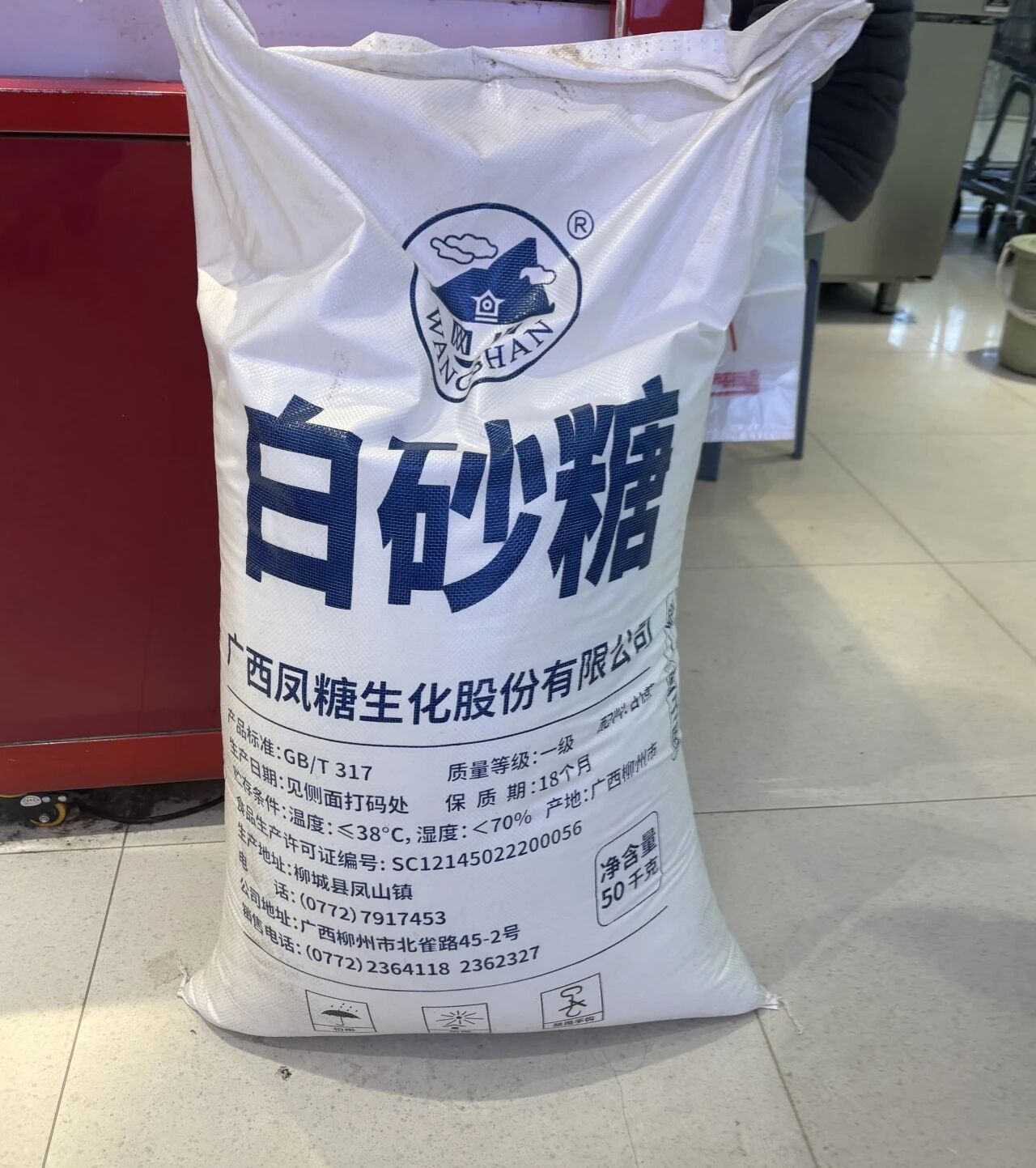
II. Sugar Is Everywhere
A few years ago, while in Taiwan, someone surveyed supermarket shelves and found that if you removed all plain sugar and products containing added sugar, fewer than 20% of items would remain.
Sugar has become deeply entrenched in everyday life.
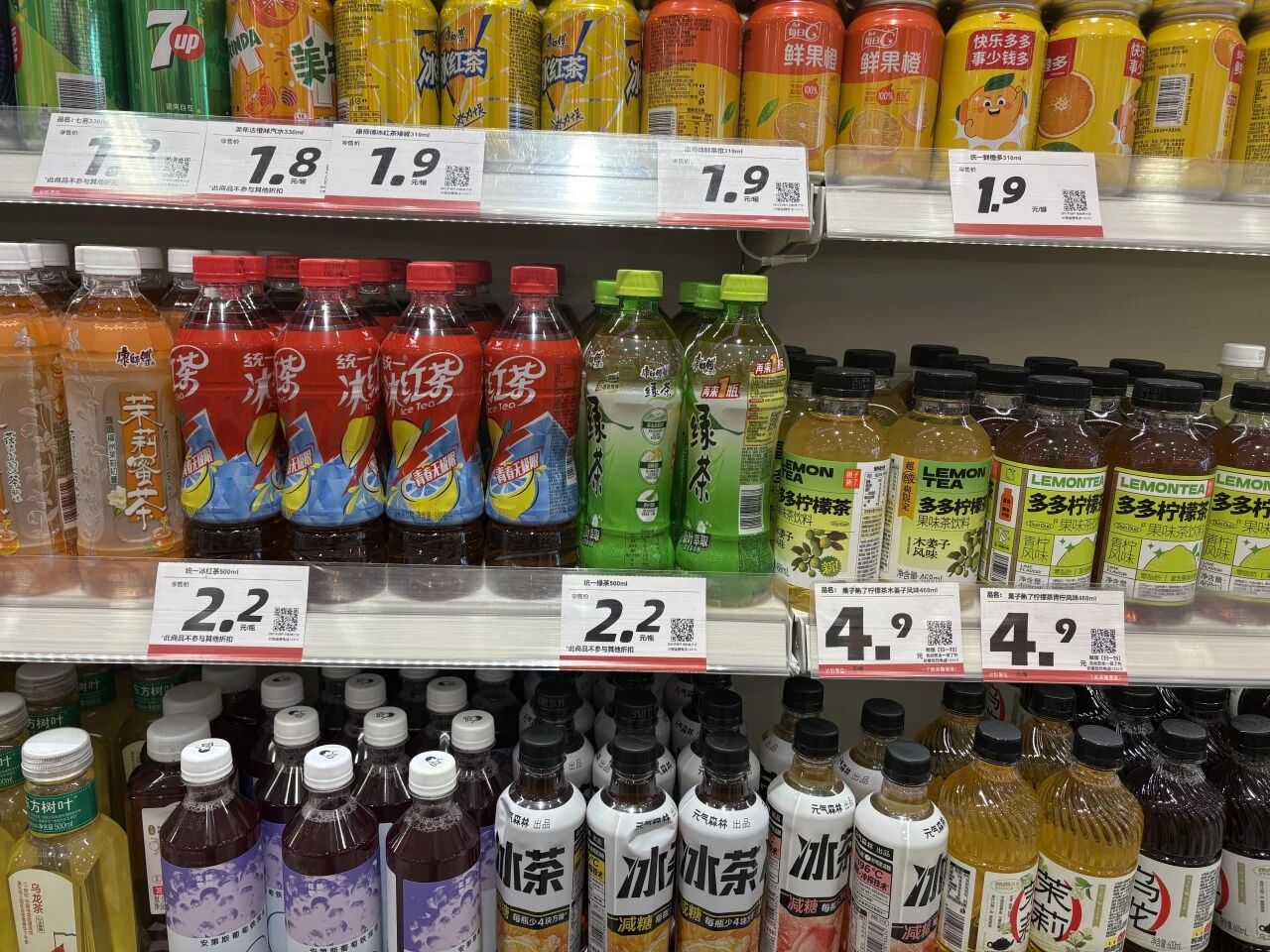
All sweetened drinks, filled sweets, chocolates, and pastries are packed with sugar. Ice lollies and ice cream are outright “sugar and fat bombs”. Instant puddings, sweetened tofu pudding, and instant milk tea are equally startling in their sugar content. Ready-to-eat cereals like instant oats and granola bars may look healthy, but they are also high in sugar. Then there are the major sources of hidden sugar: savoury snacks such as crisps, prawn crackers, and rice cakes often contain added sugar, while flavoured nuts and most ready-to-eat meat products also have sugar added to enhance their taste.
Even some products boldly proclaim “Sugar-Free” or “No Added Sugar”, yet a quick glance at the ingredients list reveals the catch: they simply contain “no added cane sugar”, substituting it with high-fructose corn syrup, honey, maltose, or glucose syrup – all of which are still sugar.
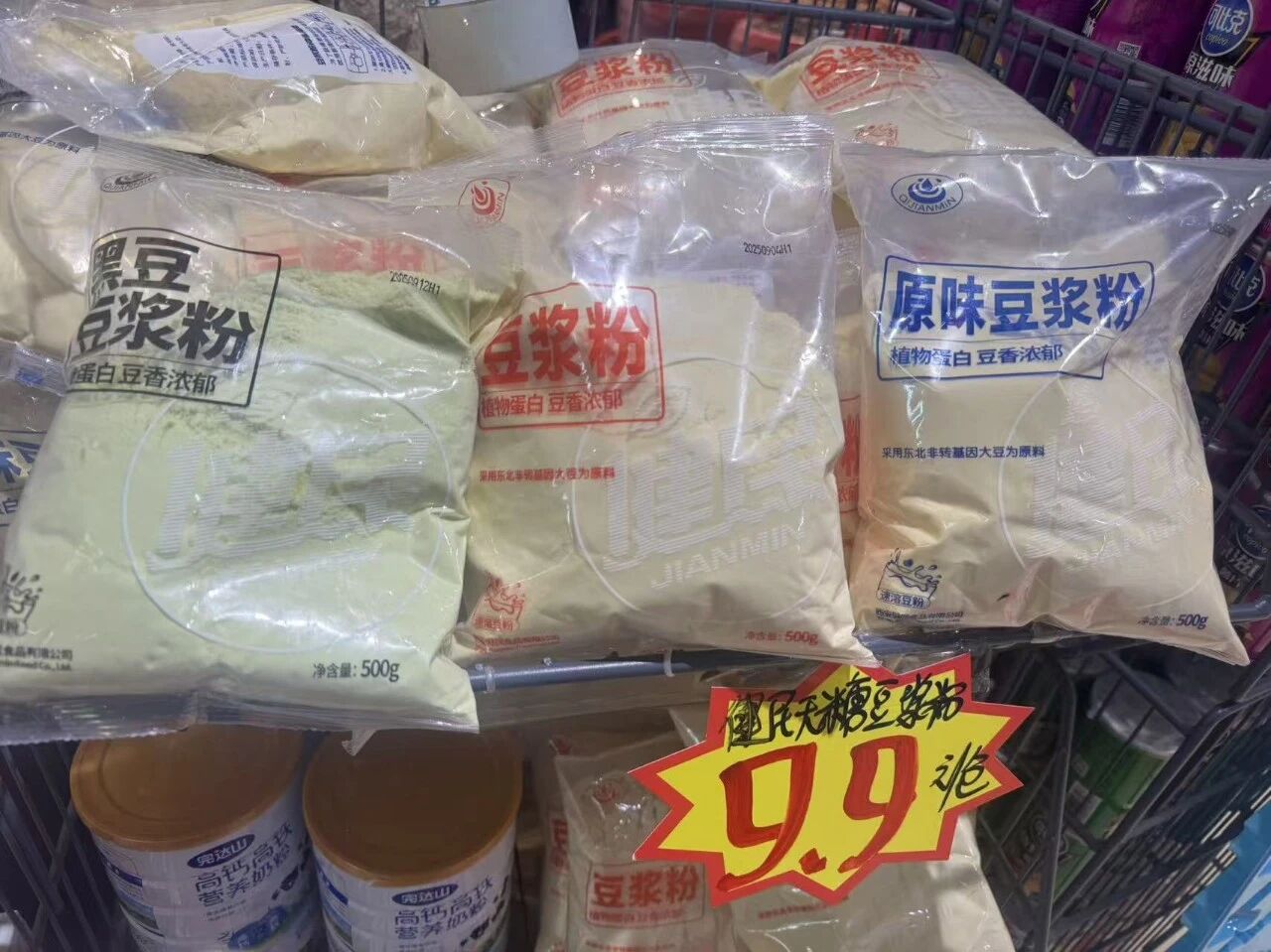
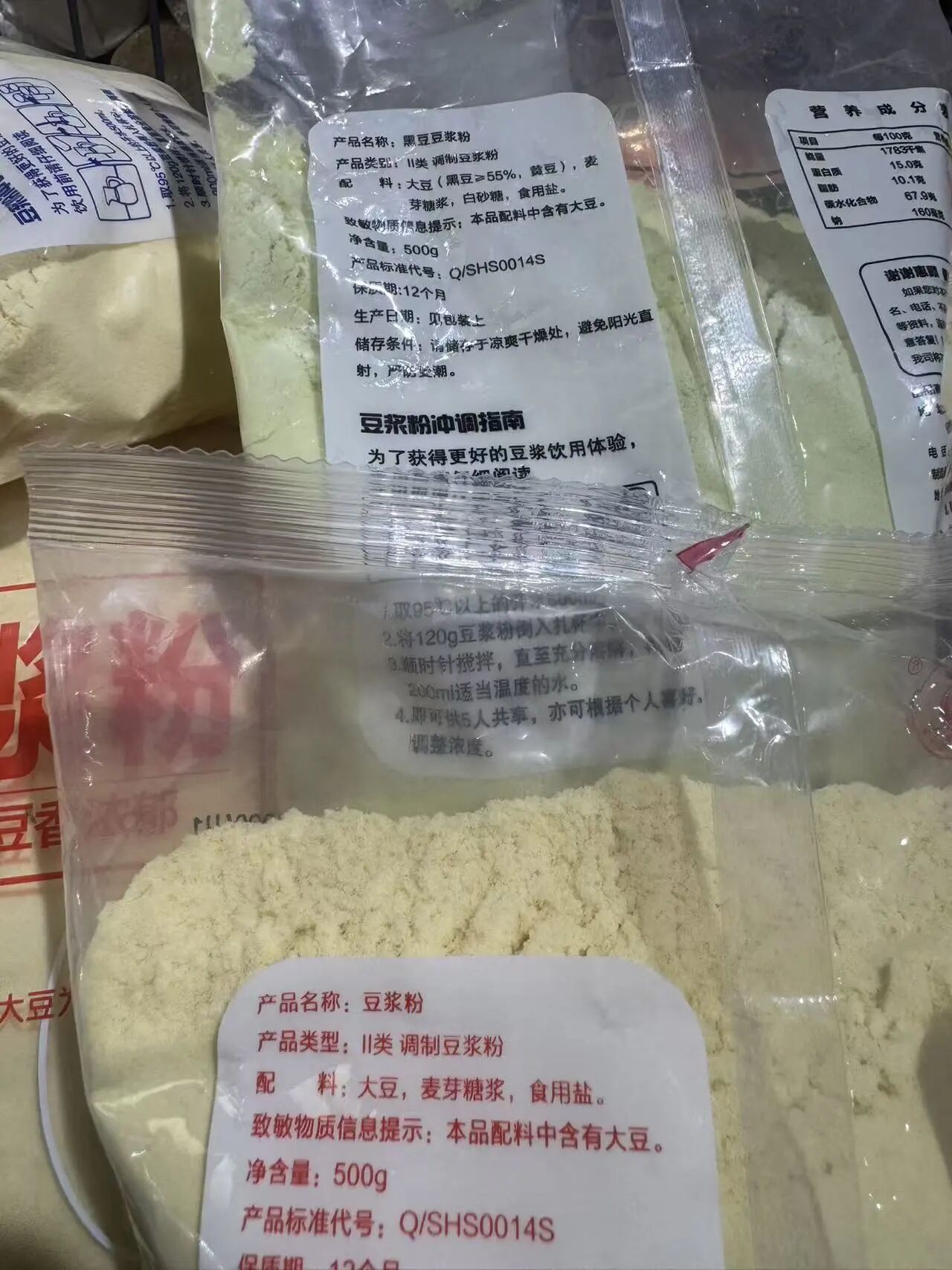
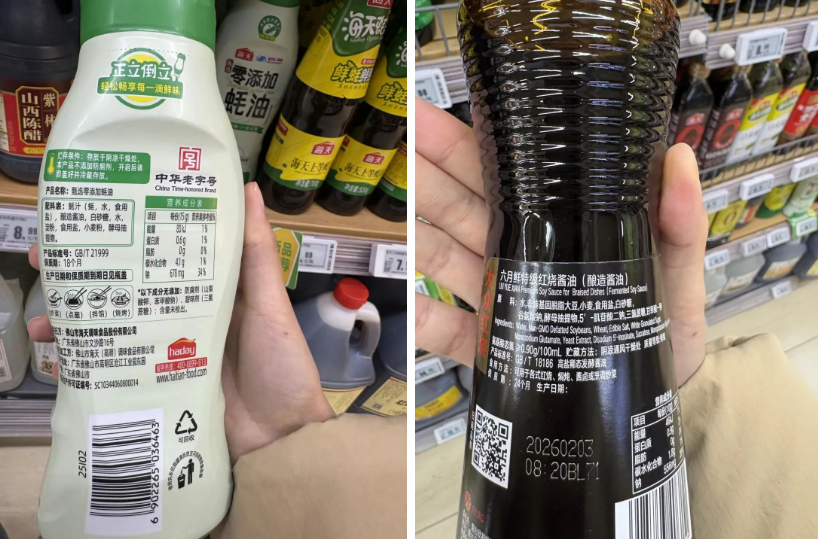
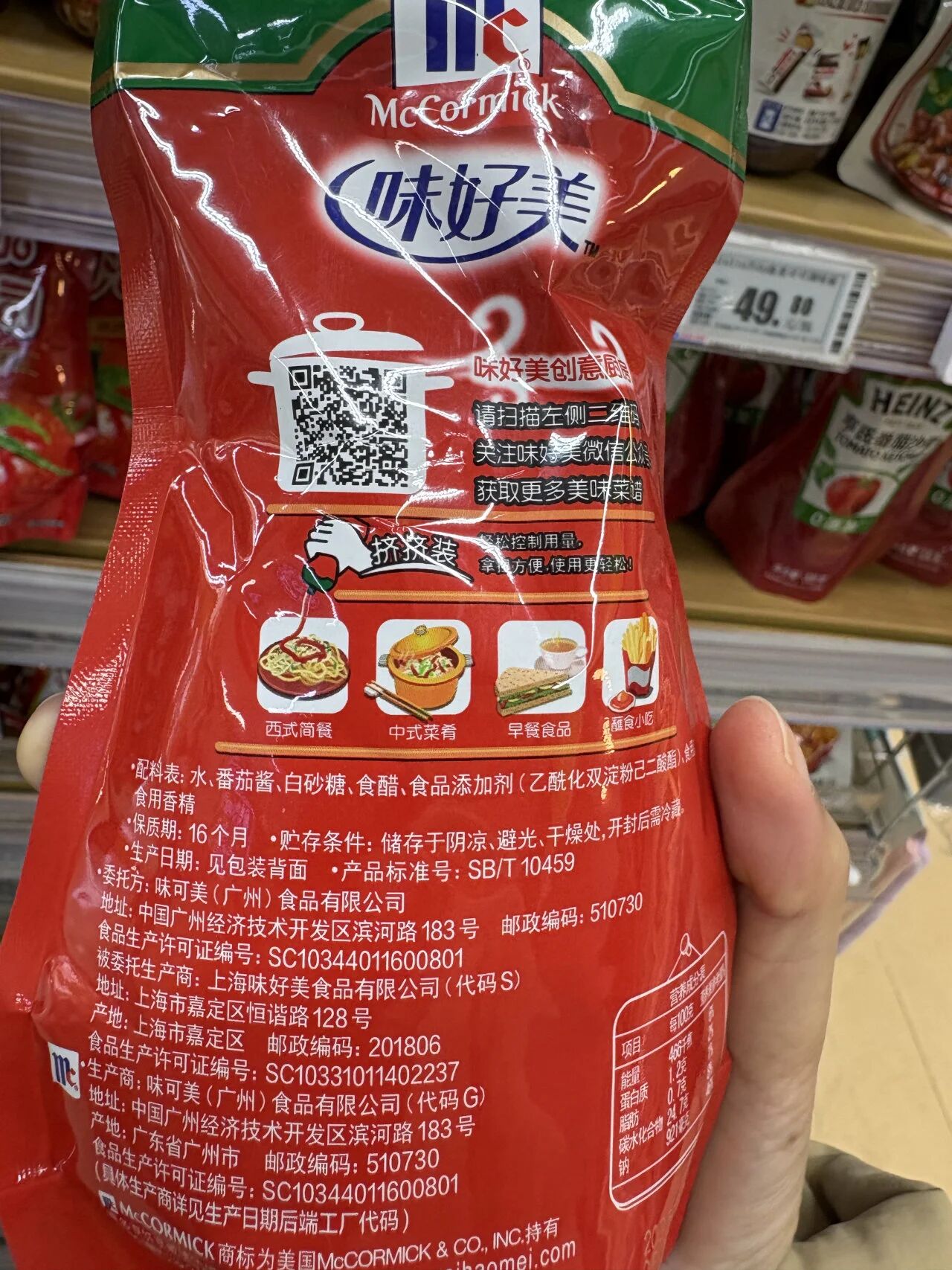
On top of that, condiments and sauces are another major culprit. Salad dressings are often high in both sugar and fat, making them genuine hidden sugar bombs. Ketchup, sweet chilli sauce, barbecue sauce, instant noodle seasoning packets, and ready soup mixes all routinely contain sugar. Oyster sauce may not contain any oysters, but it will definitely contain sugar. Even seasoned vinegars and dark soy sauce contain sugar – the darker the colour, the more sugar added…
Three, The Burnout Lifestyle
The most common monosaccharides are glucose and fructose, the two components of sucrose. Though they frequently travel together, they are fundamentally different sugars, possessing entirely distinct chemical structures and metabolic pathways.
Glucose, an aldose sugar, is derived from starchy foods such as grains and potatoes. It can be utilised directly by cells throughout the body. When we refer to ‘blood sugar’, we are talking about blood glucose. Its metabolism requires insulin, it carries a high glycaemic index, and excessive consumption can lead to diabetes.
Fructose, a ketose sugar, is commonly found in fruit, honey, and corn syrup, boasting a sweetness roughly 1.2 to 1.7 times that of sucrose. It is primarily metabolised in the liver and does not require insulin. However, excessive intake is readily converted into fat, accumulating in the liver and leading to non-alcoholic fatty liver disease.
Although the human liver can metabolise up to 100 grams of sugar daily, the World Health Organisation recommends that adults keep their daily intake of free sugars below 5% of total energy consumption (approximately 25 grams). Free sugars encompass monosaccharides (such as glucose and fructose) and disaccharides (such as sucrose or table sugar) added by manufacturers, cooks, or consumers to foods and beverages, as well as sugars naturally present in honey, syrups, fruit juices, and concentrated fruit juices.
The liver is one of the body’s most vital organs, responsible for a myriad of life-sustaining functions: metabolism, detoxification, bile production and excretion, synthesis, immune defence, nutrient storage, and blood regulation. It is not designed merely to process sugar. Each of these roles branches into numerous sub-functions; metabolism alone encompasses the processing of carbohydrates, fats, and proteins. We are born with just one liver to last a lifetime, so it must be treated with care. We cannot afford to reduce this remarkable organ to a one-way conduit for sugar.
Yet, many of us are pushing our livers to their limits on a daily basis. A 500 ml bottle of cola or similar sweetened drink contains roughly 50 grams of sugar. Add to that the sugary bubble tea, the myriad of ‘hidden sugars’ lurking in ready-to-eat supermarket snacks, the added sugars in restaurant meals, and perhaps a glass or two of wine… and we are effectively running our livers into the ground every single day.
The damage inflicted by sugar does not stop at the liver. A chronic high-sugar diet causes repeated blood sugar spikes, forcing the pancreas to continuously pump out large amounts of insulin. Over time, this relentless strain ultimately leads to type 2 diabetes.
Excessive sugar consumption also drives dyslipidaemia, elevated blood pressure, vascular inflammation, and atherosclerosis, significantly increasing the risk of coronary heart disease, myocardial infarction, and stroke. In short, sugar is a key driver behind the progression from fatty liver to diabetes, and ultimately, to heart disease.
IV. Why Is It So Hard to Break Free from Sugar?
Because in modern society, children are essentially drinking a “non-intoxicating alcohol” almost every day: fructose.
Non-alcoholic fatty liver disease is becoming increasingly common, and the patients are getting younger. This is because the ubiquitous availability of sweets, pastries, and sugary drinks means children’s livers are steeped in sugar syrup from a very young age.
The 2026 edition of the US Dietary Guidelines emphasises that sugar is not considered part of a healthy or nutritious diet, stating that “the intake of any amount of added sugars or non-nutritive sweeteners is not recommended, as they do not form part of a healthy or nutritious diet.” It further advises completely avoiding added sugars during infancy and toddlerhood, and recommends that children aged 5–10 consume no added sugars at all.
I agree with the stance, though I harbour doubts about its feasibility. Beyond what has already been mentioned—that added sugar appears in roughly eighty per cent of supermarket products—there is also the fact that today’s children have, since childhood, had their dependence on sugar hardwired into their very biology by the Bliss Point of sugary foods.
“People are not choosing nutrition; they are choosing sensory experience. Sweetness is the quickest route to pleasure.”
These words come from the renowned Howard Moskowitz. A doctoral graduate in experimental psychology from Harvard University, he excels at precisely applying mathematical models and statistical methods to measure and analyse human sensory responses. His most famous achievement was the discovery in the 1970s of the “Bliss Point”—the perfect balance of sweetness, saltiness, and fat content (or crunchiness) in food. When the flavour stimulation hits just the right note, it triggers pleasure centres in the brain, often leaving people wanting more and unable to stop eating.
Moskowitz once explained that the Bliss Point refers to “your favourite sensory experience with food, which is primarily linked to sweetness.” Sugar and sweet foods trigger the release of endorphin-like compounds in the brain, creating feelings of pleasure and satisfaction. When sugar levels reach a certain threshold, they activate the Bliss Point—which, put simply, is addiction.
Since the 1970s, the sweetness that has increasingly been triggering the human Bliss Point has been less about conventional “sucrose” and more about “fructose”.
The fructose used in processed products comes from industrially produced corn syrup. The process begins by using amylase to hydrolyse starch into glucose syrup, followed by glucose isomerase to convert a portion of the glucose into fructose. The world’s largest and cheapest source of starch is American genetically modified corn starch. The resulting corn syrup is so inexpensive it is almost unimaginable.
Fructose follows a metabolic pathway similar to alcohol, primarily processed in the liver. Excessive consumption leads to fat accumulation, insulin resistance, and metabolic syndrome, prompting some to classify it as a chronic, dose-dependent hepatotoxin.
Moskowitz also remarked: “Sugar is not the enemy; it is a tool. The problem does not lie with sugar itself, but with the system that abuses it.” Companies like Marlboro, Coca-Cola, Pepsi, Nestlé, and Kraft have raced to launch an array of intensely sweet products, overwhelmingly targeting children, thereby carving a dependence on sweetness into the lives of generation after generation.
V. How to Break Free from Sugar?
A growing number of people are now calling for strictly cutting out sugar. Sugar is hardly an essential nutrient, yet it proves as harmful and addictive as a drug. This is particularly true of the fructose heavily used in sweetened beverages, which is especially damaging to children. Having been woven into the fabric of each generation from childhood, breaking free from sugar is no easy feat.
To wean yourself off sugar, first, turn down sugary drinks. Second, avoid buying confectionery and pastries for yourself, and refrain from offering them to others. Third, choose your snacks wisely. Opt fortruly sugar-free items: plain sunflower seeds, peanuts, walnuts, cashews and pistachios are all excellent choices. Whenever possible, eat whole fruit rather than processed fruit products.
Ingredient lists are full of pitfalls. Beyond the culprits already mentioned, keep a sharp eye out for disguised sugars such as trehalose, inverted sugar, maple syrup, agave nectar and concentrated fruit juice. Be equally wary of hidden sugars like maltodextrin and dextrin, which carry a higher glycaemic index than refined white sugar.
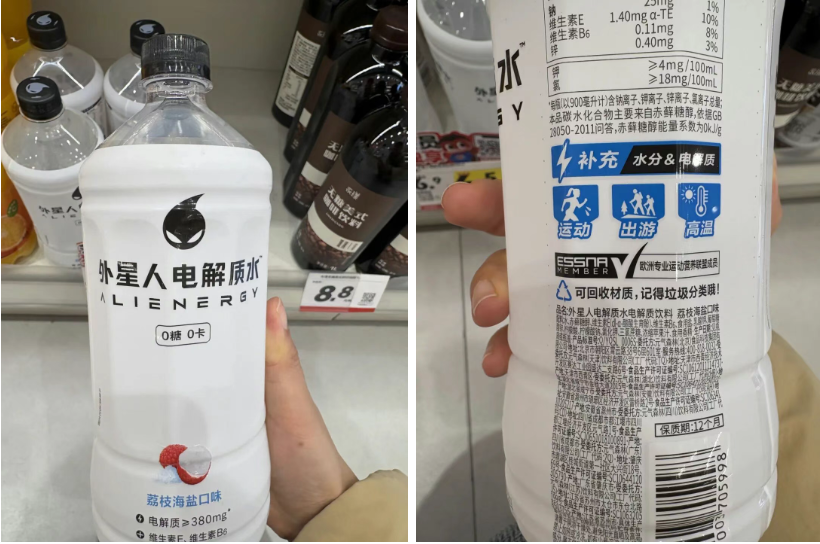
Artificial sweeteners such as aspartame, sucralose, acesulfame potassium, erythritol, steviol glycosides and monk fruit extract are technically sugar-free, yet I steer clear of them. I prefer to err on the side of caution when it comes to uncertain health risks: when in doubt, I avoid them entirely. Moreover, sweeteners may stimulate the appetite, indirectly prompting greater calorie consumption. A crucial caveat: ‘zero sugar’ does not mean completely sugar-free. Under national labelling standards, a product may still contain up to 0.5g of sugar per 100ml and be marketed as ‘zero sugar’.
In my next post, I will share a few recipes for sugar-free and low-sugar snacks. Using everyday ingredients readily available at the supermarket, you can prepare wholesome, sweet treats at home alongside your children. By taking matters into your own hands, you can better navigate a sugar-saturated world and safeguard your own well-being.

Unless otherwise stated, all images in this article are provided by the author.
Editor: Xiaodan