When Imported Meat Reaches Urumqi—Hear What They Have to Say

Foodthink Says
On 23 May, the documentary Whose Table, Whose Pasture was screened in Urumqi. After the screening, audiences from local Xinjiang organisations, universities, livestock experts, and various sectors of society shared and discussed the conditions in Xinjiang’s pastoral areas in relation to the film.
The film was directed by Jiao Xiaofang and Qiongwu Danzeng, and was supported by the Foodthink Lianhe Creative Programme. The two directors conducted fieldwork in pastoral areas around Qinghai Lake, documenting the impact on herders’ livelihoods and ways of life as cattle and sheep prices continued to fall and large volumes of imported frozen meat flooded the market.
This article records the responses and reflections of the Xinjiang audience after the screening. This year marks the United Nations’ “International Year of Rangelands and Pastoralists”, and Whose Table, Whose Pasture is continuing to screen and spark discussion across the country. We look forward to welcoming more audiences into this conversation about pastoral areas, herders and food systems, so that more people can witness the changes taking place in the rangelands.
We thank Yonghe Lane Community, Jiefang South Road Subdistrict, Tianshan District, Urumqi, for providing the venue for this event.
Pastoral Livestock Farming Must Develop Sustainably
“Through this documentary, I followed the camera on a journey to trace beef and lamb from the table back to the rangelands. It gave me a clear understanding of the differences between feed-raised and naturally grass-fed cattle and sheep, while also drawing my attention to the difficult reality of balancing livestock inventory with rangeland carrying capacity.”— Tian Miao, Master’s student in Ecological Social Work, School of Political Science and Public Administration, Xinjiang University
“I watched this film once in Beijing, and today was the second time—discussing it alongside a group of people from my home region, which made for a very different experience from the screenings and discussions in Beijing. Everyone shared their thoughts from different angles. I had not expected so many people from home to be paying attention to the pastoral areas; it feels as though our organisation’s work in the rangelands is not a solitary journey. In the pastoral areas today, rangeland degradation is the result of multiple factors—climate, society, and the economy among them. Herders’ traditional experience gives them their own judgement of rangeland carrying capacity, and they have a tradition of protecting their pastures.”— Xie Hongmei, Xinjiang Shanshui Centre for Environmental Protection and Sustainable Development
“The raising of cattle and sheep involves a combination of grass-fed and grain-fed approaches. When we assess the sustainable development of pastoral livestock farming, we must take into account the impact of grain-feeding as well.
The sheep industry is relatively niche and distinctive in our country, unlike pork and poultry production. The international market is dominated mainly by beef, with mutton playing a smaller role, so mutton is affected to a comparatively lesser extent by international market forces.
Sustainable development in pastoral livestock farming is a comprehensive issue shaped by economic, social, and environmental factors. Rangeland degradation in particular takes decades or even longer to recover from. Once the damage is done, reversing it comes at an exceptionally high cost.
Because per capita resources are limited and costs across all production inputs are rising, grain-fed livestock farming holds a clear comparative advantage. It is therefore necessary to reduce production scale and ease the grazing pressure on rangelands, giving the grassland time to recover.
Development should centre on distinctive qualities, drawing on the native breeds of the local area. The cooking need be no more than water and salt, highlighting natural flavour, suited to small-scale herding households, and without competing with intensive processing industries.
The focus of pastoral livestock farming should be small-scale but exceptional—delivering product quality, distinctiveness, and cultural value. The cultural value of pastoral livestock farming is immense: it embodies a closeness between people and nature that modern livestock farming simply does not possess. Education in sustainable livestock farming is vital, and so too is the question of organising herders.”— Hu Jun, sustainable agriculture (livestock) project specialist
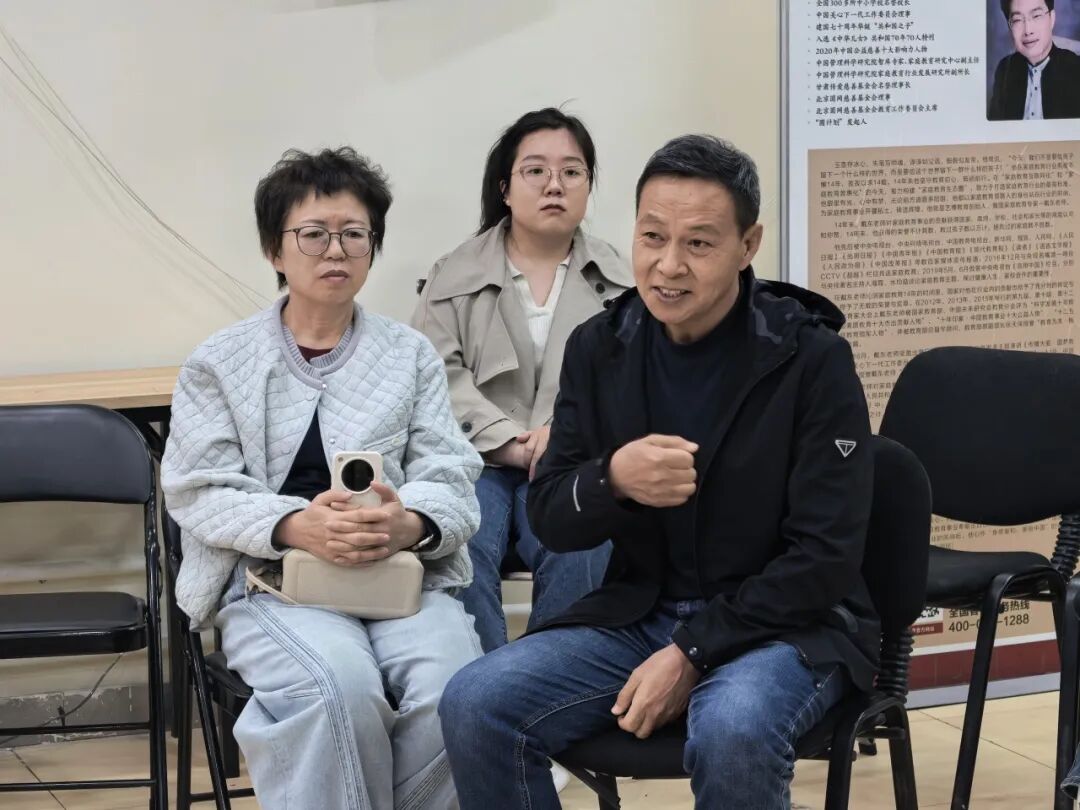
◉ Hu Jun, sustainable agriculture (livestock) project specialist, speaking after the screening.
“At present, cattle and sheep raised on pasture and those brought up for finishing are all sold at the same market price, when they should command different prices, clearly labelled as such. There are management issues, including market governance. Every county should have a live livestock trading market so that herders can sell their animals at a fair price.
Nowadays, extreme weather events have become more frequent. The gentle, steady drizzle of the past is growing rarer; now it is drought, with low humidity and frequent winds.
Livestock numbers in farming areas are growing, and hired herding up to the mountain pastures is beyond control. There should be encouragement for those who keep fewer animals, so that livestock numbers can be brought under reasonable control. I once asked herders about the grass-livestock balance subsidy: the payments are based on rangeland area, not on head of livestock, so households with more cattle and sheep actually receive larger subsidies. Policy guidance must be correct, and policies must be properly researched.”— Altay, retired cadre from the forestry and grassland system
“The lower prices of imported beef and lamb stem fundamentally from the cost advantage of scaled, systematic production. Beyond extremely low bulk logistics costs, overseas main production regions rely on natural rangelands, mechanised farming, government subsidies, and tariff advantages, giving them overall production costs far below domestic levels—this is the key to their price advantage.
What we commonly call grain-fed farming is not merely a way of making up for insufficient forage. It is an efficient, precision-based farming approach: grain-based feed improves production efficiency, enhances meat quality, addresses the seasonal shortcomings of rangeland supply, and adapts to the farming conditions of different regions. It is a globally recognised method for optimising modern livestock production.
The most efficient livestock farming approach will always be one that works with native breeds. Livestock and poultry breeds suited to the local environment achieve a higher feed conversion ratio, greater resilience against risk, and the least possible farming losses, reducing costs and improving efficiency to the greatest extent.
On the whole, the cost advantage of international livestock farming rests on a combination of resource, technology, and model advantages. For us, the core takeaway is to select breeds suited to local conditions, match feeding approaches scientifically, and harness technology to achieve efficient and sustainable development in the livestock industry.”— Lin Pengchubin, lead coordinator for the Chinese-language communication of the “International Year of Rangelands and Pastoralists”
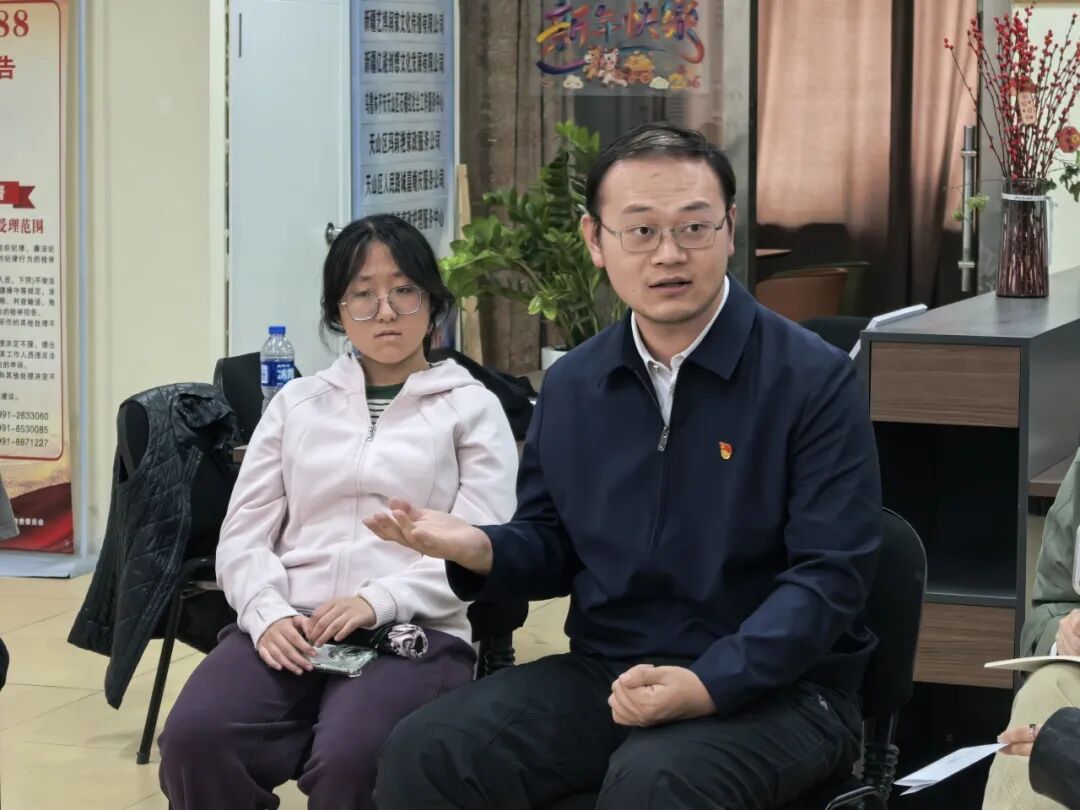
◉ Lin Pengchubin speaking.
Herders’ Livelihood Paths Amid Social Change
“Perhaps because I have only been in the workforce for a few years and am myself a wage worker, watching the herder in the film say that all he can do is tend sheep—he cannot find any other work—made me feel profoundly sad. Workers at the bottom are pushed to such extremes. They have no right of access to the market and have been stripped of their human dignity.”—Audience member
“I took a sociology elective at university, and after watching the film I felt as though the herders had been left behind by the times. They lack the means to move to cities and build a life there. In the course of economic development, some people feel they have fallen off the pace—there is an imbalance between urban and rural development, and a tension between economic growth and environmental protection.”—Audience member
“I have found that everyone sees the issue from a different angle. Consumers, for instance, are more concerned about hormones in the beef and lamb on the market and the threats they pose to health and safety.
As a Master’s student in social work, what I see is the vulnerability of herders—communities who have lived on this land generation after generation, sustaining themselves through pastoralism. Faced with ecological degradation, the collapse of the beef and lamb market, and a whole cascade of problems, their lives have grown even harder, and even the most basic subsistence is no longer guaranteed. There is an urgent need to provide them with support across every dimension: policy advocacy and subsidies at the national level, greater public attention, care and understanding from society at large, community-level cooperation between urban and rural areas to ensure fair trade, and at the individual level, technical and vocational training and awareness-raising for these vulnerable groups so that they can find more pathways forward.”—Rexidaim, Master’s student in Ecological Social Work, School of Political Science and Public Administration, Xinjiang University
What struck me most deeply in the film, and what made my heart ache a little, was a middle-aged herder who described his life as “a great failure.” If he goes to work in the market, he is looked down upon because he never had schooling; if he sticks to herding, he cannot meet the household’s expenses. He is surely someone who works hard to provide for his family, yet under the yardstick of mainstream values he has come to believe he is a failure. It is clear just how powerful society’s dominant norms are in shaping the individual—not only in terms of income, but also in how one measures one’s self-confidence and sense of self-worth.
At the same time, with the growth of tourism, pastoral land and open rangeland have been reimagined by some urban dwellers as an ideal sense of belonging—but this, too, may not be real. For herders themselves, “wage work = status” and “modernity = status” may likewise not be real. In this context, how can we help young people make clearer choices for themselves? Whether they choose to return to herding, pursue education, start a business, seek employment, or do something else entirely—it is all valid.
My hometown is a small county town. A while ago I brought some lamb from home to share with a friend here in Urumqi for a barbecue, and they said, “It feels like a whole sheep is galloping in my mouth!” What a vivid image. It made me wonder: cities are supposed to have more abundant provisions, yet here we are both from Xinjiang, and this friend had never tasted lamb that fresh. Isn’t the city supposed to be closer to the “centre” of resources? Why has it ended up more removed from good food?
This brings us back to the film’s title—Whose Table, Whose Pasture. The distant rangelands supply the table. In my understanding, the countryside is the pasture and the city is the table, and the distance between them is in truth vast. Supply lies at one end, consumption at the other, and when the process connecting the two is severed, a great deal of truth disappears with it. If we cannot see how a piece of meat came to be, who raised it, or what it cost, we are easily swept up by the economy, by consumerism, by advertising.
As a community placemaker, I hope that through public discussions in public spaces, individuals can learn a little more about what is happening in their neighbourhood, see a little more of the truth, and then make their choices from a place of understanding.”—Wang Bingying, Wugui Placemaking Community Development Centre, Shimogou District, Urumqi
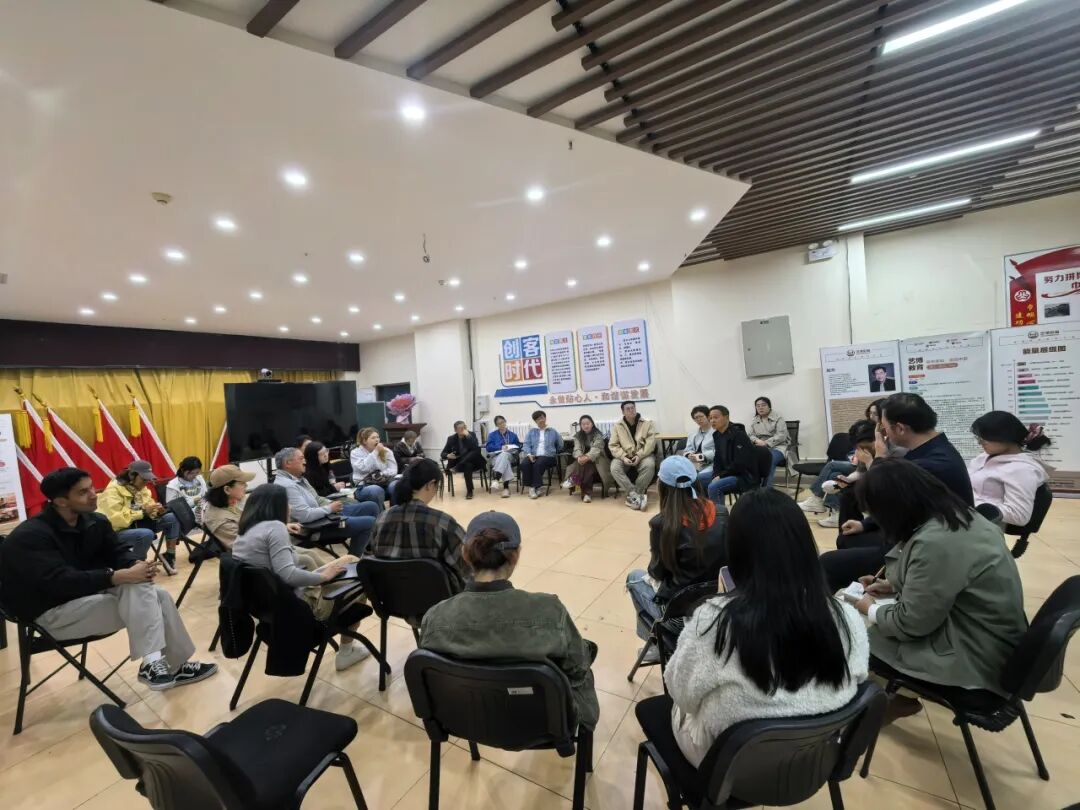
◉ Discussion at the event.
“Before today, the topic of pastoral areas and beef and lamb was completely unfamiliar to me. After watching the film and hearing everyone’s reflections, I began to understand. Before, I simply bought meat and ate it, and probably never thought about what lay behind it. Now I know that behind technological progress there are also questions of human survival.”—Audience member
“What moved me most in the film was the herder saying there are simply too many things to buy—a house, a car… before, there were not so many places that demanded money.”—Audience member
“Each of us needs to reflect on the ever-expanding desires within.”—Audience member
Meat—More Than Meat
“This was the first time I had watched an investigative documentary of this kind. Following the director’s perspective, I peeled back the layers one by one in search of answers. What appears to be a question of beef and lamb prices has led me to think about the prices we encounter daily for the meat on our plates—and about the pastoral areas and related industries behind them. I am very curious why overseas beef and lamb are so much more competitive, and the post-screening discussion gave me at least part of the answer. I have also begun to reflect on our relationship with food.”—Hewang, Wugui Placemaking Community Development Centre, Shimogou District, Urumqi
“As consumers, we have no idea where the meat comes from.”—Audience member
“Before, I simply thought of beef and lamb as part of the table. After watching the film, I realised it is about far more than the table.”—Audience member
“I am a Mongolian from Hefeng, Xinjiang. I have settled in Beijing for many years, and my long experience of city life has shown me just how profoundly diet affects the growth and development of young people.
When it comes to food, our family has always been exceptionally careful. We insist on cooking at home, rarely eat out, and never order takeaway. The beef and lamb we eat day to day is all sourced from our hometown of Hefeng, transported regularly as pristine, local produce.
Many friends and family members who have tasted the beef and lamb from my hometown have fallen in love with its texture and quality, often asking me to help them source some. That is what planted the idea: why not share the natural, wholesome, premium beef and lamb from Xinjiang’s pastures with more people across inland China? So I resolved to return home and start my own business, hoping to bring this healthy, grassland-grown produce to family tables up and down the country. Drawing on the exceptional natural advantages of my hometown, I want to bring pristine, safe, and healthy beef and lamb to the inland market, so that more people can taste the wholesome flavours of the open steppe.”—Dai Rui, return-to-Xinjiang entrepreneur
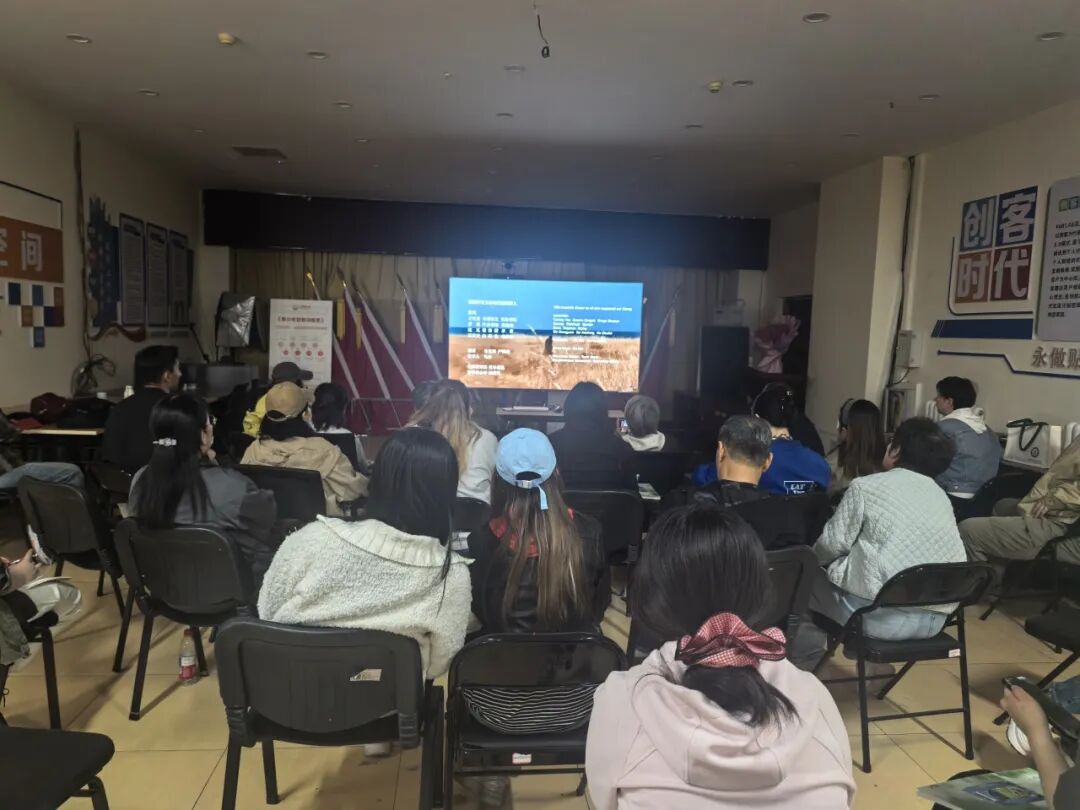
◉ The audience watching Whose Table, Whose Pasture together at the event.
“In inland China, we use loads of spices when cooking meat—star anise, cassia bark, bay leaf, Sichuan peppercorn—layered one on top of the next, as though without them we could not mask that hard-to-describe gaminess. But meat from Xinjiang is a different experience altogether. Boiled in plain water with a pinch of salt, or even with nothing at all, you take a bite and taste the grasslands—the wind, the sunlight.
I had never heard of pastoral areas before, never given a thought to where cattle and sheep come from. After watching the film and hearing so many voices, I realised that behind every cut of meat stands a herder, a stretch of rangeland, and a precarious livelihood. Have the herders been left behind by the times? The grasslands are degrading, modern industrial farming is surging forward—yet that closeness between people and nature, that flavour which needs no seasoning to reveal itself, is something modern farming simply cannot provide.
Yet meat from outside is pouring in. Overseas frozen meat arrives at ports container by container, then flows into supermarkets, restaurants, and the refrigerators of ordinary homes. The price is low, the supply steady, the packaging neat. Consumers never stop to ask where a piece of meat came from, how it was raised, whether behind it lies a degrading rangeland or a worried herder. The market only wants cheaper, more convenient. And so cattle and sheep from the pastoral areas can no longer be sold, and herders’ livelihoods grow ever harder.
We long for lamb that needs no seasoning, yet we reach for the cheaper frozen meat on the shelf. Desires are growing, grasslands are shrinking, and the herders wait. Every one of us needs to look inward.”—Cheng Guojingmei, first-year undergraduate in Chinese Language and Literature, College of Liberal Arts, Xinjiang University
The Grasslands: More Than Pasture—A Unique Culture and Way of Life
When I buy beef at the supermarket, I don’t give a second thought to the price of 90 yuan a kilogram. But after watching the documentary today, learning just how low the prices are that herders receive for their lamb and how convoluted the trading process is, I am deeply struck by the hardship of their lives, and my heart aches.
Another profound reflection concerns ecology: cattle and sheep are, after all, part of the rangeland ecosystem. If herders abandon grazing because beef and lamb prices fall too low, the impact on the grasslands could be unpredictable. In my view, herders are not merely users of the grasslands but guardians of the pastoral ecosystem. Returning to the question the documentary poses—Whose Table, Whose Pasture?—my answer is: our table, our pasture.”—Xiaomai, Xinjiang Ecological and Environmental Protection Project Management Committee, SEE Foundation
When I was doing my placement, I spent some time in a pastoral area, and the meat I ate at herders’ homes truly tasted different from what I get in Urumqi. The meat from herders’ homes has no gaminess; the beef carries a milky aroma—you can still smell it on your fingers after you’ve finished eating. I absolutely love the boiled beef and lamb prepared at herders’ homes. No unnecessary seasonings—just two pinches of salt—and you taste the very essence of the food itself. It was the first time I had ever eaten meat like that.
The elderly herders told me that once, one meal of meat, a bowl of tea, and some naan would keep you going a whole day without feeling tired. Now, even after eating meat and naan, you are hungry again in no time. Today’s cattle and sheep get so many injections—I dare not buy beef or lamb sold outside; I only eat what comes from our own home. The old people’s words are really a reminder to us: times are changing, the food we eat is changing, and the power of food is far more than simply calories.”—Huang Qianqian, Master’s student in Ecological Social Work, School of Political Science and Public Administration, Xinjiang University
“Us young people, for some reason, simply assume that things from abroad are better—we buy European cosmetics, Japanese and Korean clothes… Now everything is developing so fast, tower blocks everywhere. The arrival of tourist resorts will only hasten the disappearance of nomadic culture. In ten years, in thirty years—will nomadic culture still exist?” —Audience member
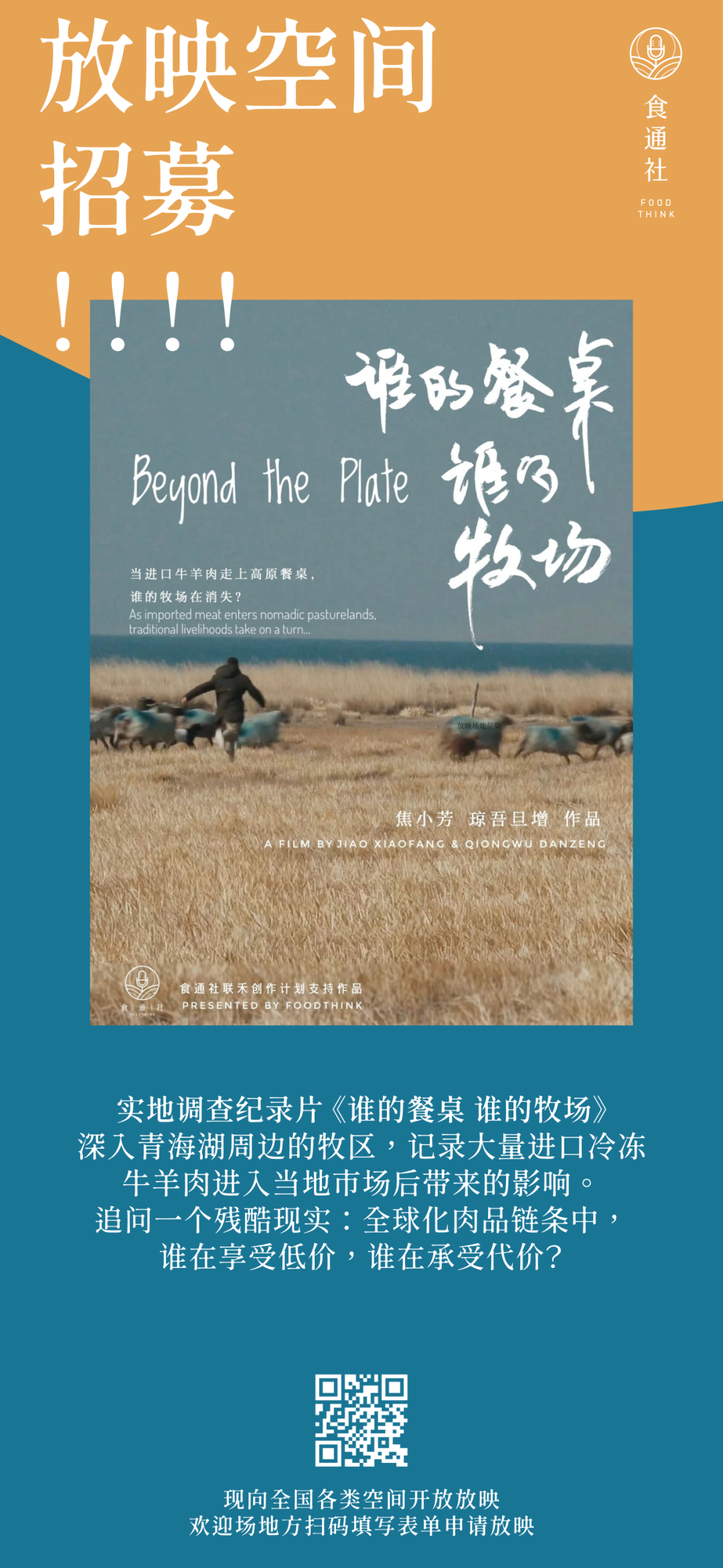
Film Introduction
Whose Table, Whose Pasture is a field-research documentary. The director delved deep into the pastoral areas around Qinghai Lake, documenting the impact of vast quantities of imported frozen beef and lamb flooding into local markets. Through visits to frozen wholesale markets and cold-chain warehouses in Xining, and by filming at herder households, butchers’ shops, and feedlots, the film gives a truthful account of the shock that cheap imported meat delivers to local beef and lamb. This has directly driven down the purchase prices herders receive for their cattle and sheep, slashed their incomes, made loan repayments a struggle, and left local butchers with razor-thin margins struggling to stay afloat. The lens moves through Qinghai Lake’s imported beef and lamb market—pressing a brutal question: within the globalised chain of meat, who enjoys the low prices, and who bears the cost?
Director Biography
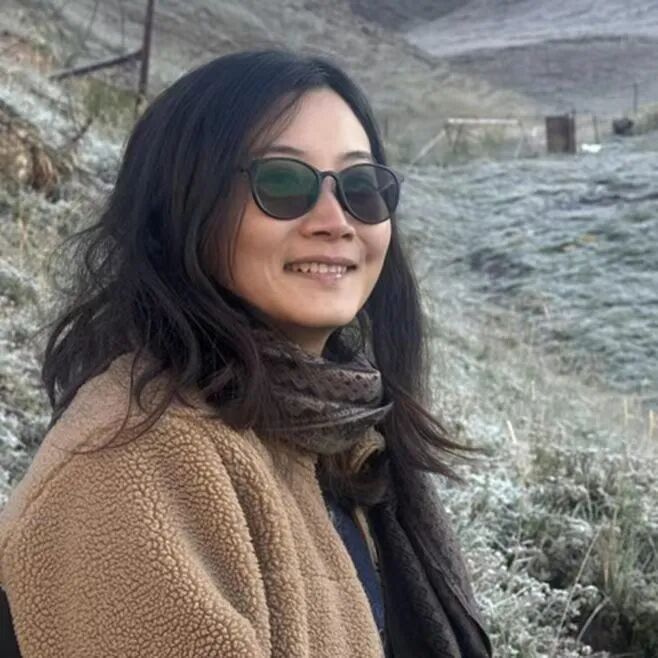
Jiao Xiaofang | Documentary filmmaker and visual anthropology researcher, long engaged with local knowledge, ecological ethics, and women’s experiences in western China and Southeast Asia’s coastal regions. Her work weaves ethnographic observation with poetic expression, exploring the relationship between people and nature and the emotional landscapes of everyday life. Her documentary Whose Table, Whose Pasture (2025) was selected for the 5th World Nomadic Film Festival and the 6th China Ethnographic Documentary Film Festival.
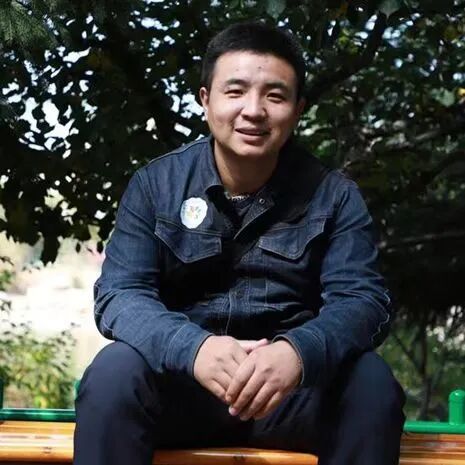
Qiong Wu Danzen | Tibetan documentary maker and community activist, long committed to ecological conservation and visual education on the Tibetan Plateau. He formerly served as coordinator of the Tibetan areas programme at “Rural Eye” in Yunnan and as regional representative for the Alxa SEE Sanjiangyuan Project Centre. He currently heads the Human-Bear Conflict Project at the Qinghai Snow Realm Centre for Ecological Communication, Education and Research. Over the past decade, he has promoted herder film training and community ecology projects in Yushu, Aba and beyond, supporting herders in documenting their own environment and culture. His work bridges film, ecology, and public education, dedicated to building understanding and coexistence between people and nature.
Event Planning
Foodthink
Chinese-language Communications Working Group of the International Year of Rangelands and Pastoralists (abbreviated IYRP Chinese Group)
Xinjiang Ecological and Environmental Protection Project Management Committee, SEE Foundation
Shenzhen One Foundation for Public Good
Xinjiang Shanshui Centre for Environmental Protection and Sustainable Development
Candle Rescue Team
Venue Support
Yonghe Alley Community, Jiefang South Road Sub-district, Tianshan District, Urumqi
*Unless otherwise noted, all images are courtesy of the Xinjiang Shanshui Centre for Environmental Protection and Sustainable Development
*Due to limited on-site documentation, some speakers’ names and identities could not be fully recorded. Those whose names and affiliations have been confirmed are credited individually; the rest are listed as “Audience member”.
Compiled by
Xinjiang Shanshui Centre for Environmental Protection and Sustainable Development
Layout: Xiaoshu
▼
Click on the images to read related articles