After More Than a Decade Cooking for Others, They Forgot What They Themselves Like to Eat

Foodthink says
There are 75.6 million domestic workers worldwide, 76.2 per cent of them women. Only 6 per cent of domestic workers enjoy comprehensive social security. In China, those who have mastered the bible of cooking, cleaning and caregiving are called “ayi” (auntie) or “baomu” (housekeeper). In the big cities, they shoulder the gendered roles of working mothers and smooth away young people’s hunger and rumpled beds. But how are these women faring, having left the countryside and the land? Are they managing to eat well themselves?
Selling the Hands That Cook
They Struggle to Eat Properly
Suying, a 66-year-old migrant domestic worker in Beijing, has one thing weighing on her mind—she never has time to eat. And yet she longs to sit down to a proper meal, knowing full well what to cook and how to make it.
Suying is from Chifeng, Inner Mongolia. In 2008 she came to Beijing to work as an hourly domestic worker. At the end of last year she decided to start living on her own and moved into a shared workers’ rental flat in Wangjing—her room was a converted storage cupboard, just 7 square metres. Apart from a 1.2-metre-wide bed, a shelving unit, a single-door wardrobe stuffed to the brim with clothes and bedding, and two wooden chairs, there was simply no room for anything else.
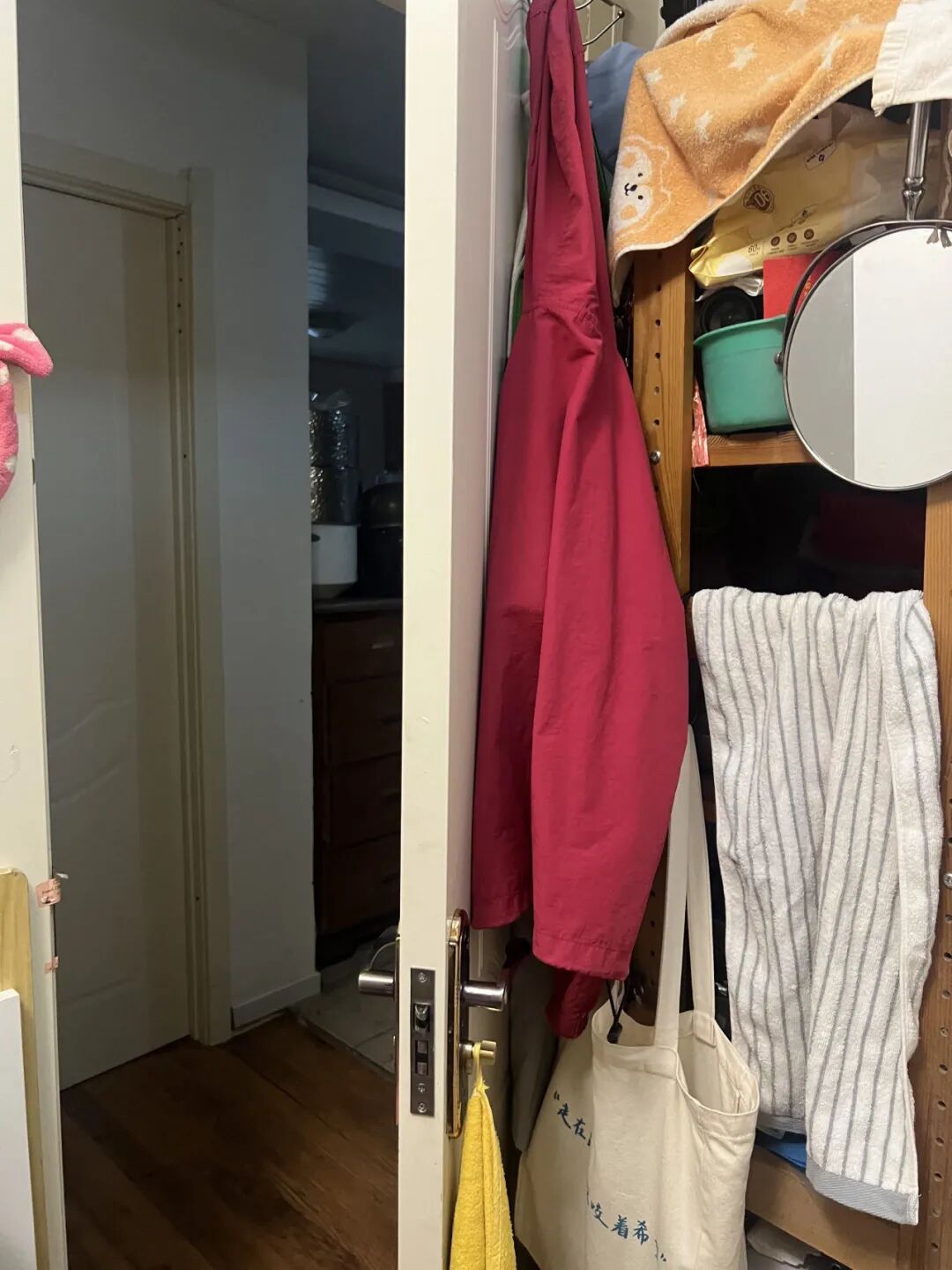
◉ Suying’s room; the vantage point from which this was taken is the only spot with room to stand, her bed just behind.
Step into this first-floor flat and a long, pitch-dark corridor greets you, closed doors on either side. There is no sitting room, but a large kitchen commands attention—and it was the reason Suying signed the tenancy regardless of how cramped her room would be. Suying loves to cook, wheat-based foods most of all; even after five or six moves in over a decade, she has always carried her electric griddle and large kneading board. On her rest days she makes a big batch of vegetable-filled buns, steamed dumplings and steamed buns, freezes them, and takes them out for breakfast on workdays.
But before she moved in, four households totalling six people had already packed the flat full. The open-plan kitchen had no storage space left for Suying. She could only stand her kneading board upright in the gap between the washing machine and the wall, rest her pots on top of the fridge, and scatter her other utensils and seasonings in every available corner.
The flat is at its busiest only in the morning. Just past six, the tenants begin to stir; these sole traders and office workers all need to be at their posts by eight. Four households queue for one bathroom, six pairs of eyes fixed on the microwave and the two-burner hob in the kitchen—only this way can they be sure of catching the bus and metro lines on time.
Suying cannot get a turn at the kitchen. The couple in the master bedroom cook there most often; at other times it is a middle-aged woman who lives in a room of her own and works on her feet all day. Suying has no wish to compete for space, afraid of intruding on the other, and always worried that taking up room might annoy her flatmates.
Only when she has a spare moment does she boil some water in her room, stir a cup of the milk powder her daughter bought her, and eat some biscuits with it—her daughter has stressed time and again that breakfast needs protein to be nourishing. Now she has taken it to heart.
The bathroom, too, must be fought for. Wait any longer and there will not be enough time left for the commute. In that case she takes a steamed bun or vegetable bun from the freezer, pairs it with a packet of pickled vegetables, and eats as she walks to the bus stop—she never eats these foods in her room, afraid that oily scraps from cooked food might fall on the floor and attract cockroaches.
She must arrive at the first household before eight to do the cleaning; reach the second by ten and stay until one o’clock. Luckily, she can have her own lunch at the second employer’s. She arrives at the third household at half past three, finishes at half past six, and has dinner there too.
Eating at the employer’s home seems the better option, yet Suying usually eats very quickly, sticking mostly to the staples. She still worries about imposing: “Sitting at someone else’s table and chairs doesn’t feel quite right.” She brings her own bowl and chopsticks, too.
Huirong, from Jiaozuo, Henan, came to Beijing a year before Suying. Now 58, she shares a flat with her husband in a tube-shaped apartment block in a village on the city’s eastern fringe. The flat is tiny. Every morning at five, her husband, who works as a security guard, gets up to queue for a seven o’clock clock-in, and she rises with him. Breakfast is flatbread or steamed buns she made the previous evening; then she heads off to her hourly domestic work. The employer does not keep her for lunch; once the meal hour passes, she finds something for herself, eats hurriedly, and makes sure she is not late for the next household.
In a tube-shaped apartment block, the only option is to prop up a gas hob in the stairwell, yet Huirong insisted on arranging herself a proper “kitchen”—with a layout, a workflow, a spice rack with flowers she picked from her plot (we will return later to the story of these women growing their own food). Before her children left for boarding high school, this little corner had been her important battlefield.
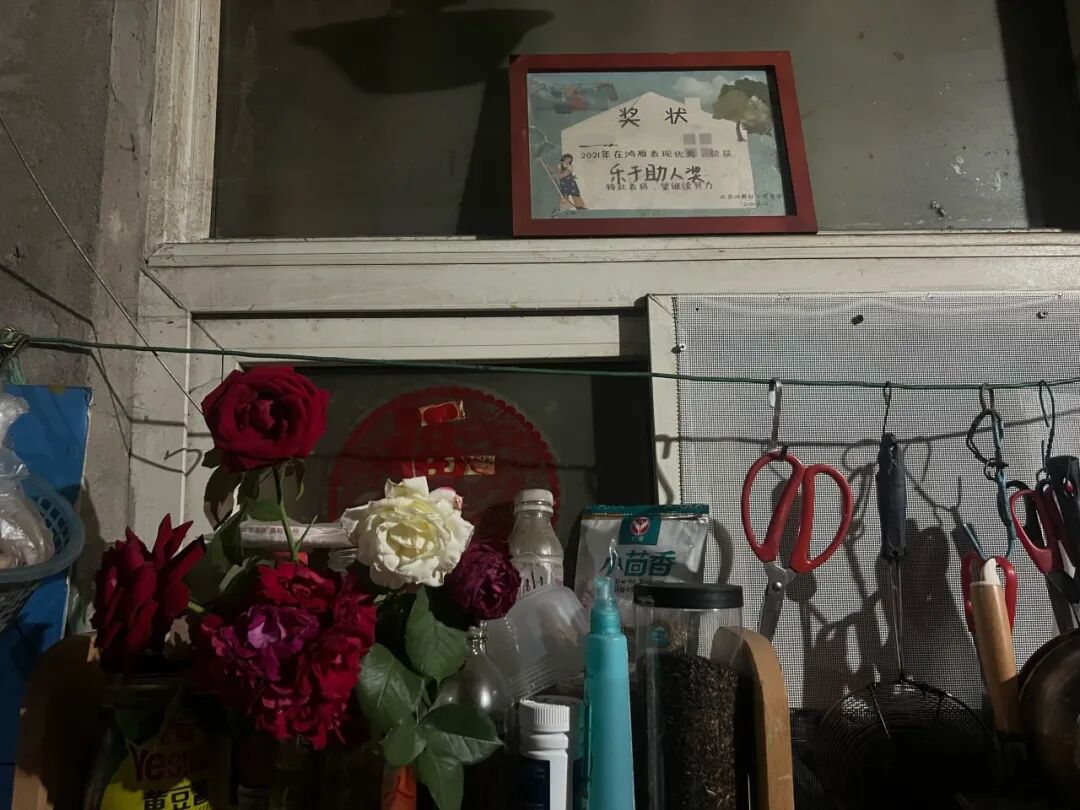
◉ Huirong’s kitchen; on the wall hangs the “Willingness to Help Award” presented to her by Hongyan Home in 2021
Only then did things ease a little: she need only have dinner ready for the two of them before her husband comes home at seven—these days, with his unpredictable shifts, he eats even more irregularly than she does, having breakfast at ten and lunch at three.
At this pace of work, stomach trouble has become the norm for many domestic workers. In recent years Suying has found she cannot eat much any more, and anything hard to digest leaves her bloated. Huirong, too, feels bloated by evening—both she and her husband have poor stomachs.
The Beijing Hongyan Social Work Service Centre distributed questionnaires to 325 domestic workers employed in Beijing. The findings revealed that more than 14 per cent of respondents reported chronically performing heavy manual labour beyond their capacity and suffering long-term poor nutrition from inadequate meals. In addition, 54.7 per cent of domestic workers suffered long-term sleep deprivation, and 44.6 per cent endured the physical toll of cleaning agents, cooking fumes and the like.
Suying also blames her stomach troubles on the pesticide residue in Beijing’s leafy greens—back home in Chifeng she grew vegetables and knows that many leafy greens carry pesticide residues to varying degrees. Before taking on these two employers’ households, she, like Huirong, had no fixed mealtimes; always trying to save time, she ate food frozen and then reheated, often eating as she walked. These are key factors that trigger stomach illness.
But What Do I Myself Like to Eat?
Having rented a tiny room in a flat with a large kitchen, Suying still cannot bring herself to say what she “likes to eat”. She would far rather use the kitchen to host friends who are fellow migrant domestic workers in Beijing.
Even on her one rest day a week, Qiuhua cannot face cooking for herself. From Weinan, Shaanxi, she loves to laugh and loves to tell stories. Since arriving in Beijing in 2017, she has worked almost continuously as a live-in ayi for the same household—cleaning, watering the plants, doing the laundry, and cooking. She is a master at braised delicacies, wheat-based dishes, and stir-fries, yet on her rest days she only wants to get out of bed and wander around the park. She carries a little water and some snacks to see her through lunch; back at the employer’s in the evening, she simply boils some frozen dumplings. Qiuhua never eats out—she finds outside food neither tasty nor cheap. Biscuits and bread are a lighter load on both her stomach and her purse.
In truth, these domestic workers do have their own ideas of what is “delicious” and what is “healthy”. But over seven or eight years of working inside other people’s homes, those ideas have been slowly worn down by another set of standards entirely: those of employer satisfaction.
Qiuhua has noticed that her employer cares a great deal about whether food is past its use-by date or comes from a well-known brand, yet pays no attention to ingredient lists or pesticide residues. Qiuhua excels at braising meat and steaming wheat-based buns, yet her employer prefers the braised delicacies from chain supermarkets and the steamed buns from Daoxiangcun. Having sat at the same dining table for eight years, she knows which member of the family likes a little more soy sauce and which one prefers things lighter—making the weekly meal plan an exercise in precise calculation.
But when I asked her, “What do you yourself like to eat?”, Qiuhua realised she had grown unaccustomed to voicing her own preferences. “I eat everything—I’m not fussy. It’s just that sometimes I cook something a little different, and they don’t like it. I don’t want to put them to that sort of bother.”
As the conversation deepened, Qiuhua let slip, almost casually, that she actually loves spicy food. It is a staple seasoning back home in Weinan, Shaanxi; when boiling noodles, nothing beats a spoonful of youpo lazi—hot oil sizzled over dried chilli—and the easy comfort it brings. But since going to work in an employer’s home, she has seldom cooked with chilli.
She also keeps a sharp eye on which ingredients are the pricier ones. Unless the employer warmly invites her to join the meal, she will not so much as pick up her chopsticks.
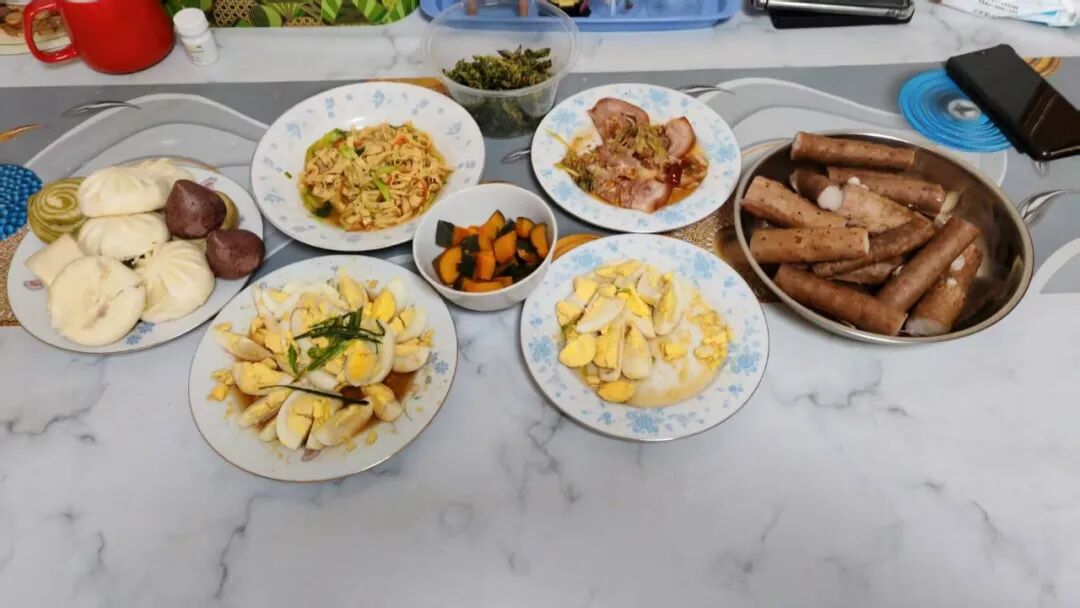
◉ The dish Qiuhua cooks most often in her employer’s kitchen.
Suying, too, holds firm convictions about the health of her ingredients: they must be natural and lightly seasoned. Around noon the temperature is already climbing as we set off on foot from her flat to a basement supermarket a kilometre away. She has found that the produce there is relatively fresh and frequently discounted.
We bought cucumbers with their flower tips still closed, free-range eggs, and celery. Suying, who has worked the soil herself, reckons that produce grown in such ways carries fewer pesticide residues.
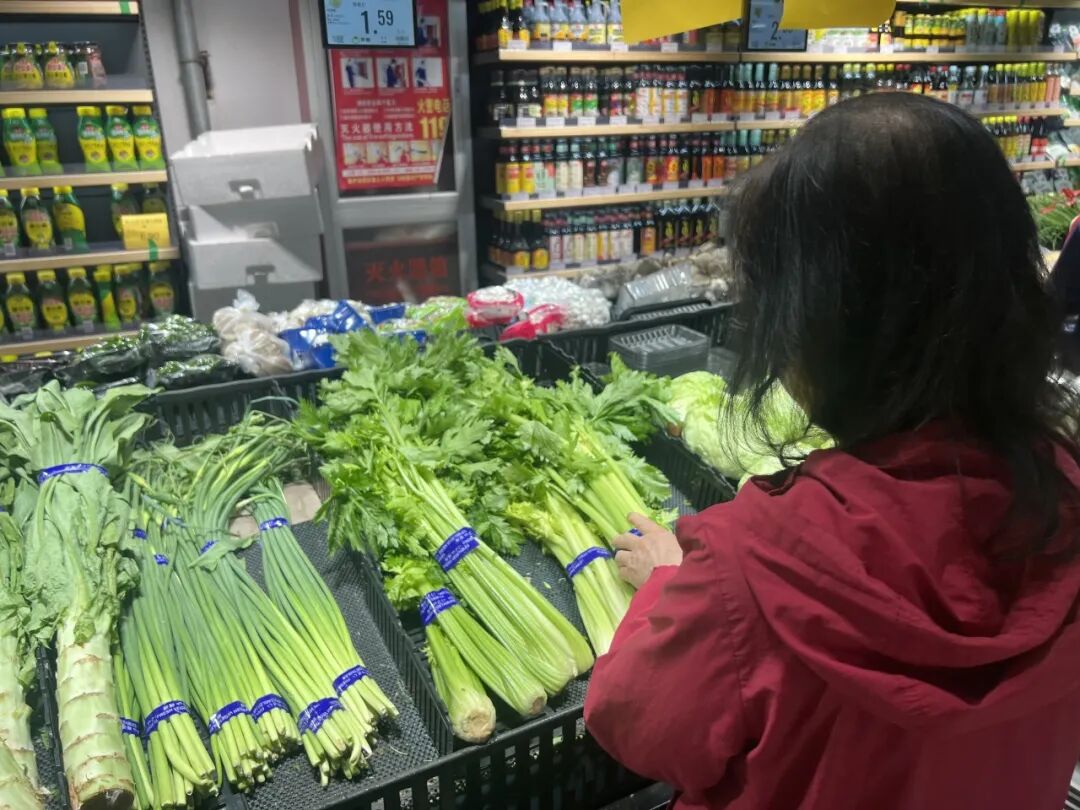
◉ Suying picking out celery at the supermarket. Getting there means hauling her less-than-steady legs nearly twenty minutes on foot, yet she still chooses this place because the vegetables are fresher and often on offer.
The cucumbers, celery, and free-range eggs came to less than nine yuan altogether. Another bright star on the table is organic yuba—dried tofu skin gifted to her by fellow domestic worker sisters she met at Hongyan Social Work Service Centre, the community organisation.
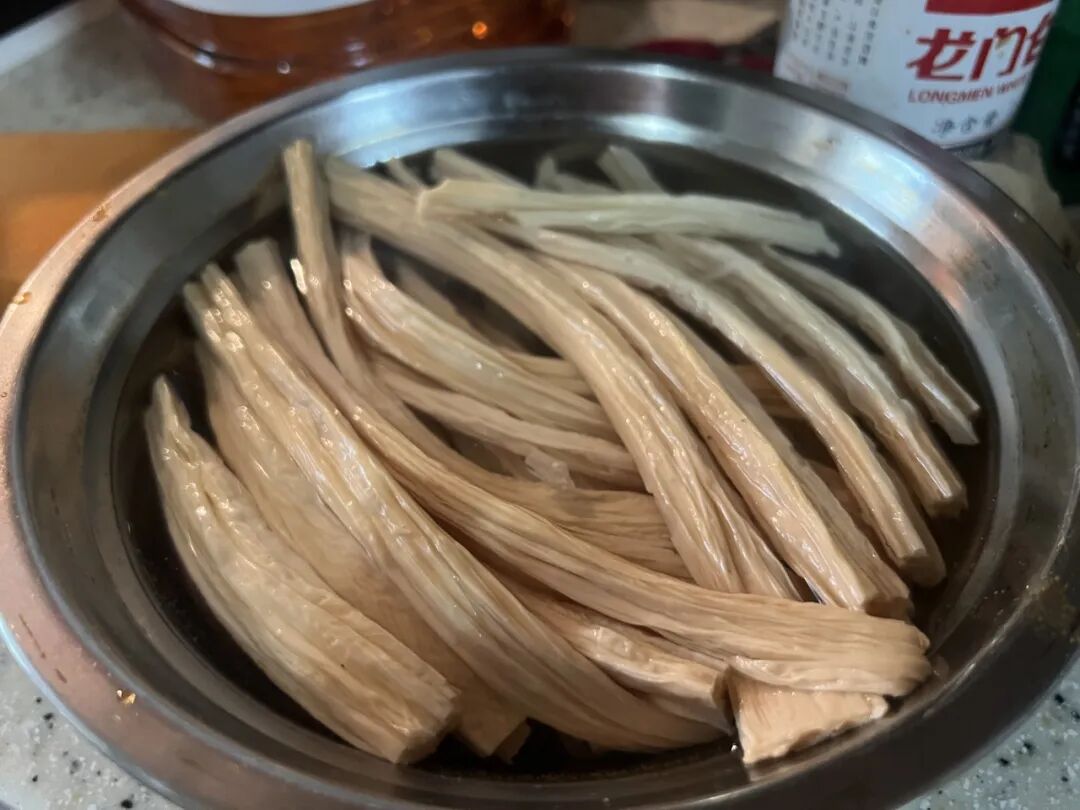
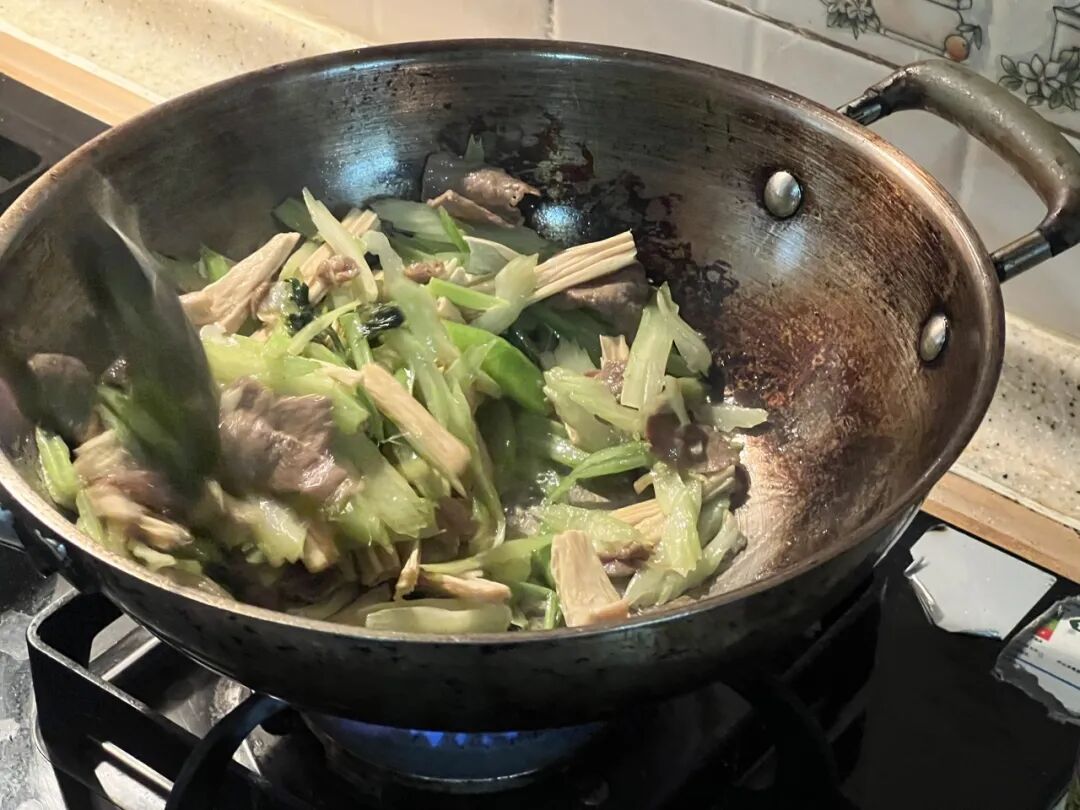
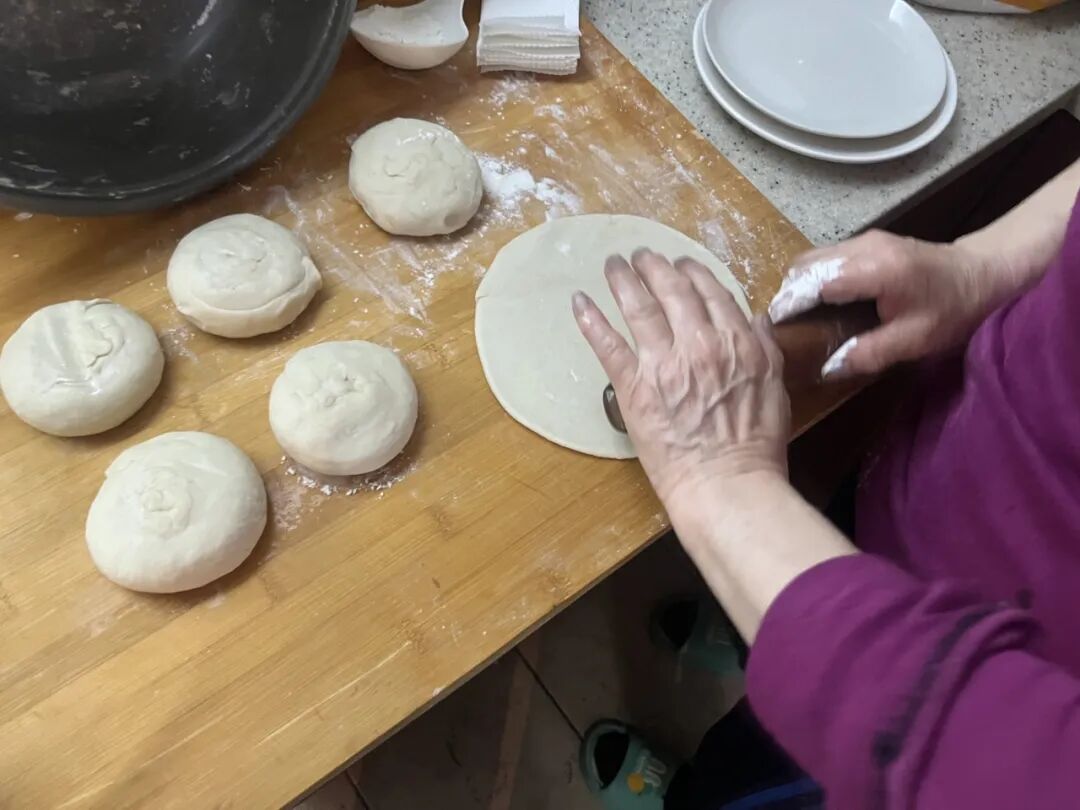
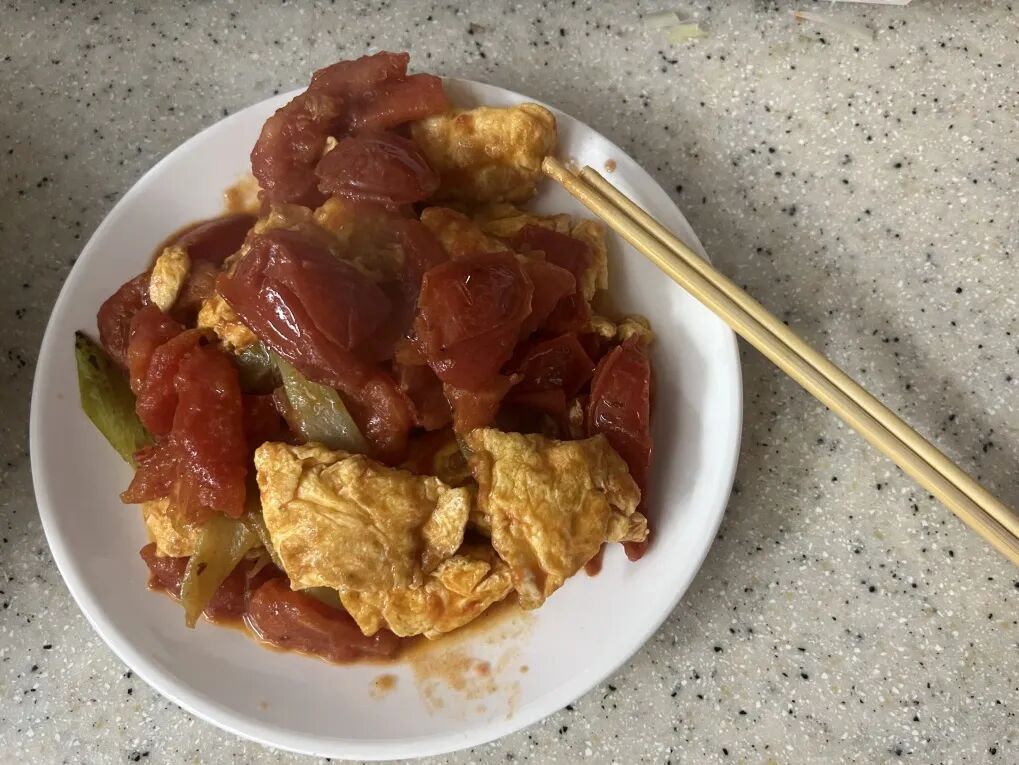
◉ Tomato and egg stir-fry, wok-tossed over high heat, alongside flatbread Suying kneaded and griddled herself.
A generous spread is ready. But I know it is generous because I am here. Cooking a meal purely for herself is a luxury for Suying.
On that one rest day each week when she can actually sit down to a meal, Suying simply stir-fries one dish and boils noodles. She always leaves some over—freeze it, then eat it later, which is less bother than cooking two separate meals. Once the vegetables are cut and the kneading board rinsed clean, she props it between two stools, and that becomes her dining table. She eats quickly and quietly, then checks whether her flatmates are home—only when they are not does she scroll through short videos.
Cooking, it seems, is always about others and never about oneself. Domestic workers rarely think about what they themselves need; and even more pressingly, they have no time left to think about it at all.
In 2008, Huirong brought her husband and their child, who was in the second grade of primary school, up to Beijing. The settled routine of a three-person household did not streamline meals—it simply piled every last one of them onto Huirong: rising early to cook, keeping hot water ready in the kettle for the child’s instant noodles (she dared not let a mere second-grader handle the gas hob)—the child now refuses to so much as catch a whiff of instant noodles. In the gap between two hourly stints in the afternoon, she buys groceries, brings them home, cooks the child’s dinner, tidies the flat, and prepares breakfast for the whole family for the next day.
According to figures published by the National Bureau of Statistics in 2008, women spend far more time on unpaid care work (27.3 hours per week) than men (10.6 hours per week); these are data from residents of ten provinces and municipalities, including Beijing.
Back home it had always been this way, so Huirong had grown used to it—farming, cooking, cleaning, all done by her hands. Her husband’s role was to “look good”. “Next life, I’m not marrying a good-looking man!” Huirong laughed out loud.
Huirong feels that if it is just herself eating, a bit of muddling through is fine. Sitting with her in the stairwell of the tube-shaped apartment block where she rents, we chat back and forth for a long while. Her eyes stay crinkled in a smile throughout, yet she never once manages to name what she actually likes to eat.
A week later, I finally found a different way into the question: Is there a taste of home in your memories—something you have longed for ever since leaving to work, something you can barely ever eat again?
The question set Suying off at once—clear, vivid, and unstoppable. Her absolute favourite is a dish her home dialect calls “xiaomifan dabao” (millet rice wrapped up): wash cabbage leaves clean, soak them thoroughly in salt water, then wrap them around stir-fried egg sauce, scallions, coriander, and rice. Both the rice and the egg sauce are cooked over a wood-fire stove in a big iron wok back in the village. Every autumn, the villagers cannot get enough of it—it warms you from the inside. When He Jie first arrived in Beijing, xiaomifan dabao was what she missed most of all, but a gas ring and a small iron wok in a rented room could hardly recreate that piping-hot, soul-warming flavour.
Qiuhua, too, recalled the roasted sweet potatoes she ate as a child in the village outside Weinan—push aside the still-warm coals from the kang stove after cooking the last meal, tuck in a few sweet potatoes, dig them out when you start the next pot of food, and there they are, ready to eat. That was the taste of her mother, held in her memory. Without planning it, Huirong brought up frozen sweet potatoes from her hometown of Jiaozuo: steam sweet potatoes from your own field, leave them outside overnight to freeze, then set them in the sun to dry by day—roast them after this treatment and they are incredibly sweet and fragrant. Afterwards, you can even drink a soup made from sweet-potato leaves. Sometimes, when her stomach troubles flare up at night, all she wants is a little sweet-potato-leaf soup.
No More Chewing Biscuits Alone / At Last, a Kitchen Roomy Enough for Two
“An employer’s home is the employer’s home; not even the shopping malls or parks hold a view that belongs to us.” So the domestic workers say. Is there anywhere that lets them speak freely in their village accent and eat the food they truly love?
Every Saturday, a small room in a residential block in Wangjing buzzes the loudest—it is the one day off the week for most domestic workers. By mid-morning the space is already full. On the table sit red sausages brought from home, fresh eggs from the morning market, mung bean vermicelli that employers won’t touch… At last, here is a kitchen roomy enough for two and a cupboard stocked with bowls, plates, spoons and chopsticks.
Come lunchtime, the women best at cooking in all of Beijing fall into an orderly rhythm of their own. Signature dish after signature dish comes off the hob and, through hands long used to manual work, is briskly laid out on the table. They chat, they eat; someone begins, full-throated, to sing a song she wrote herself. In the lyrics, they are sisters from all four corners of the land. Some dance, others massage each other’s tense muscles, and old things and ingredients change hands.
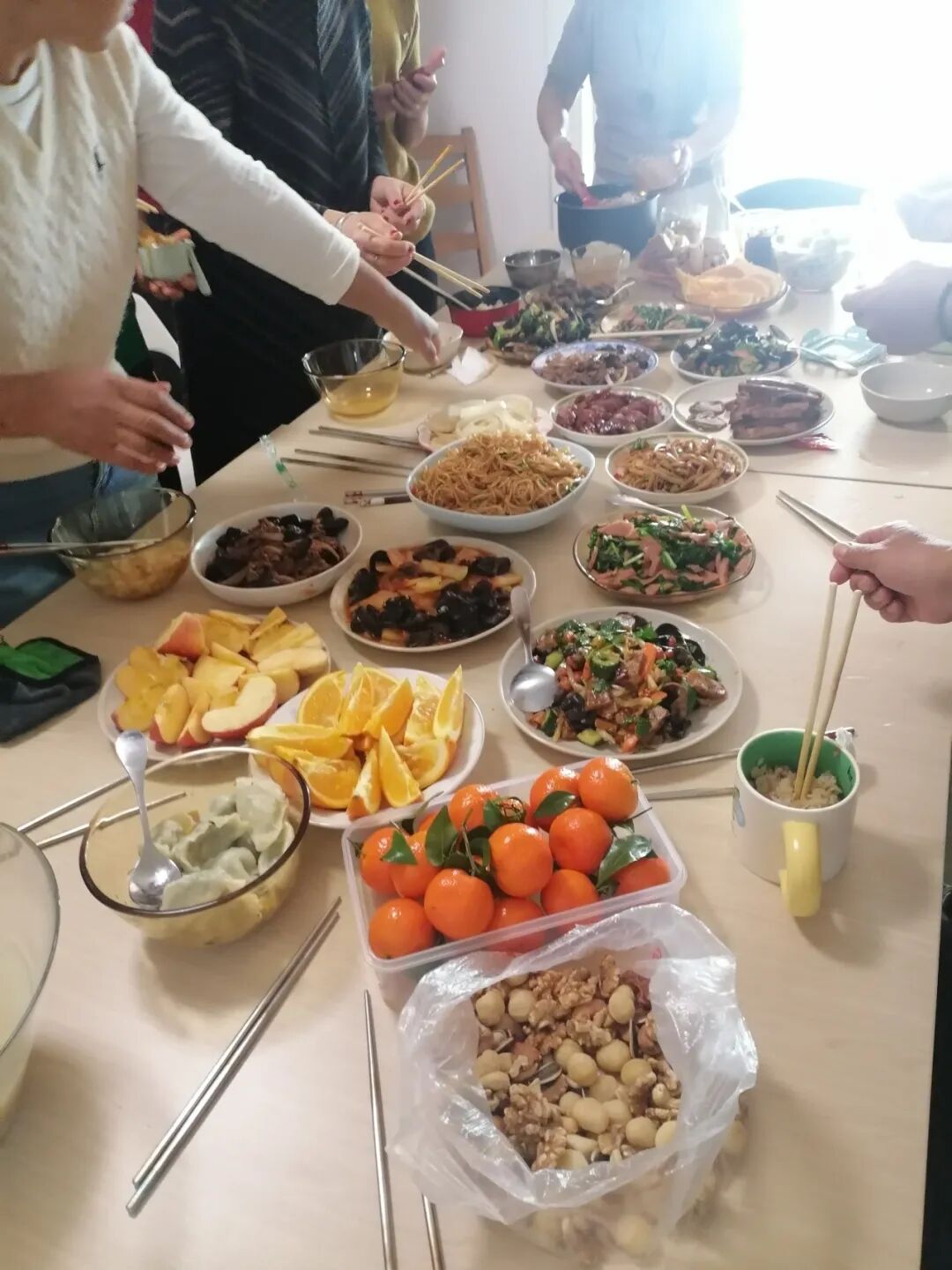
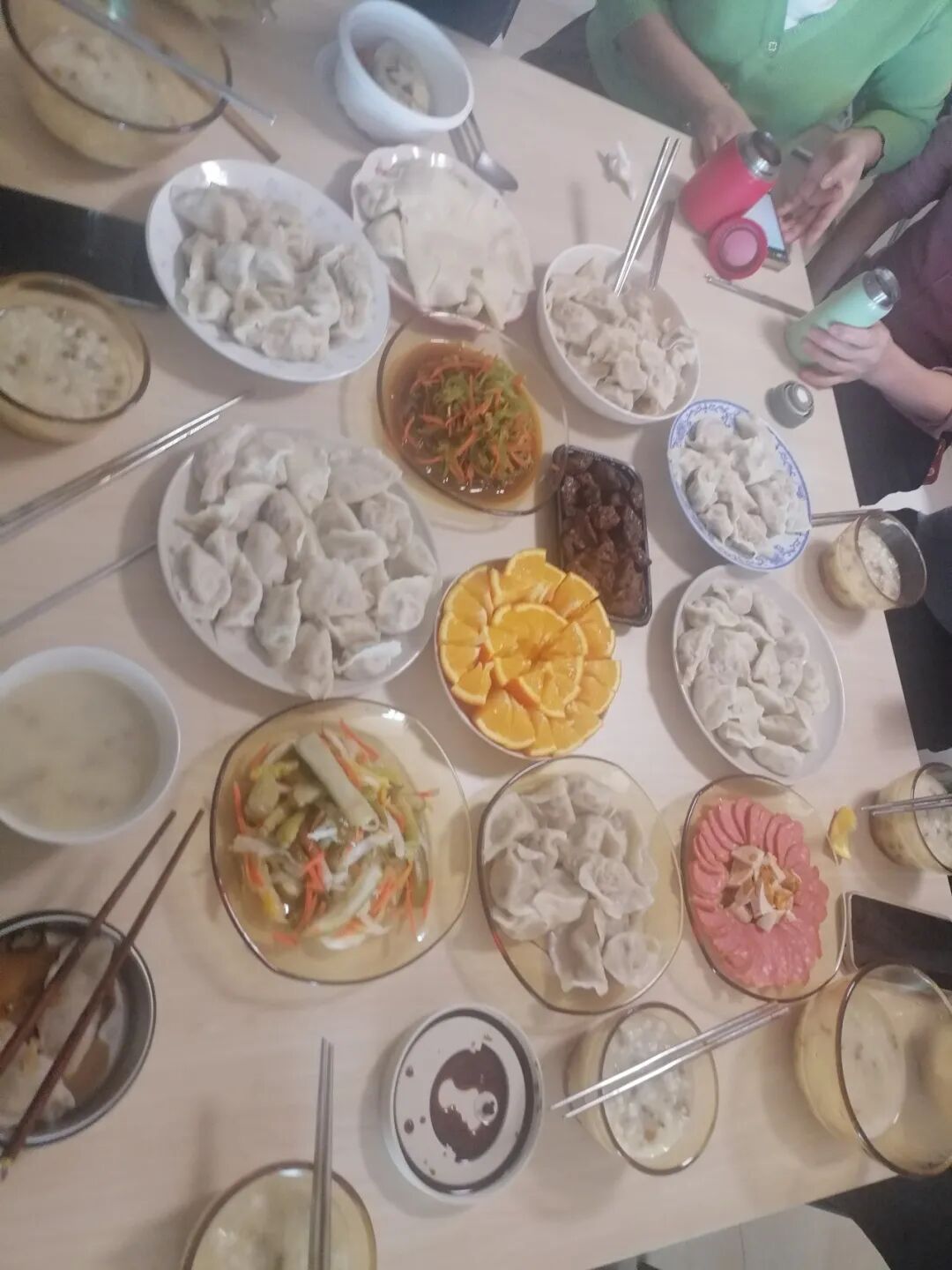
◉ Photo from the New Year’s Day gathering. Photo: Awei
This is where the charity Beijing Hongyan Social Work Service Centre is based. On the rare weekend rest day, Hongyan charges nothing, there are familiar faces from back home, activities to attend, and new friends to meet. In 2023, after learning about Hongyan, Qiuhua finally stopped wandering the park alone, chewing biscuits.
The kitchen connects people from the farthest reaches of the country, all manner of personalities. In just over a decade, Hongyan has moved seven times. Every move has meant throwing things away for lack of space, but the pots, pans, bowls and chopsticks are never parted with. Whenever the premises have a kitchen, the number of sisters turning up on weekends swells visibly.
There was a time when the basement room tucked between storeys had no way to cook. They still found a way to eat together: one woman griddled flatbread at home and brought it along; another taught herself to use Pin Hao Fan, the group-meal app, bringing two sisters so all three could eat a meal for a yuan apiece. And one big sister from Inner Mongolia hauled in a leg of lamb her son had sent and a tiny electric steamer—her only piece of kitchenware in a rented room—to teach everyone how to make lamb siumai.
In the spring of 2025, to prepare for her own domestic worker stand-up at Hongyan, Qiuhua rushed to Wangjing every weekend—her employer’s home is in Shunyi, the length of all of Beijing. Lunch grew steamy and generous. At festivals and holidays she lugged bags of dried chillies and fruit from home, brand-new ingredients the employer would never touch…
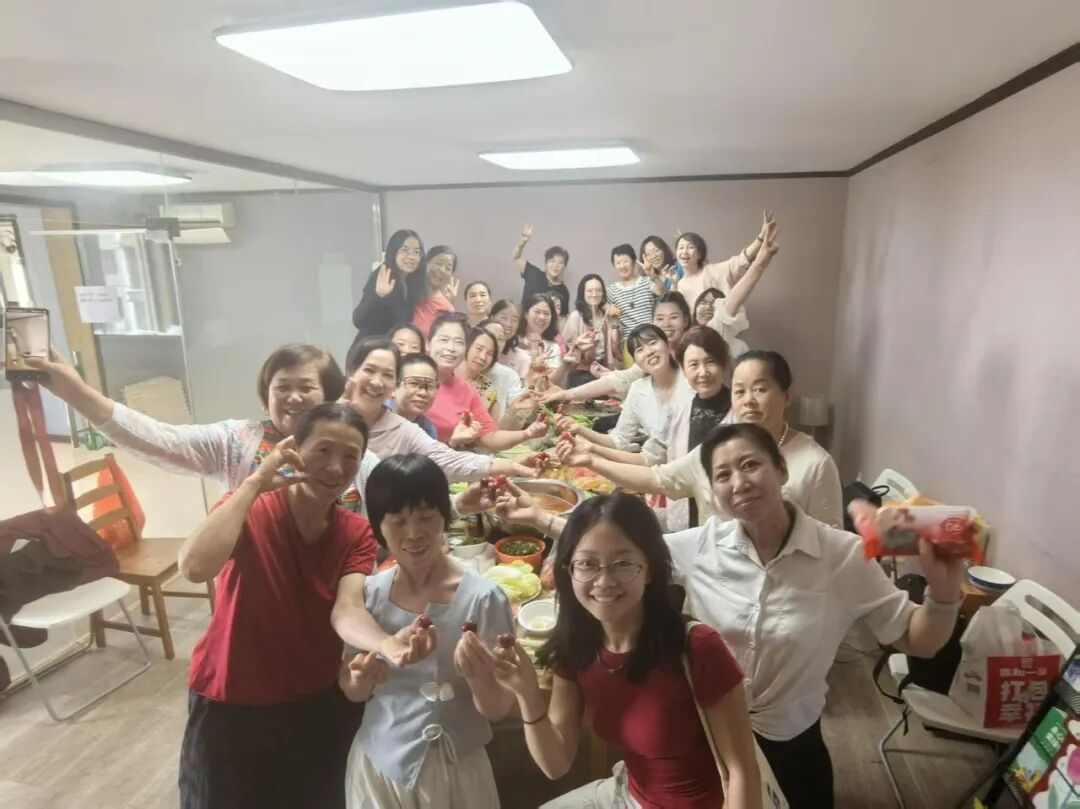
◉ In the first half of 2026, Hongyan moved again, and the sisters endured four months without an office. When they reopened, Meiruo and the intern Qingqiu suggested everyone eat Guizhou sour-soup hotpot together—the Hongyan reading circle had just finished an autobiography by an amateur author from Guizhou.
Meiruo, Hongyan’s founder, believes that food carries the attributes of home in these women’s lives as Beijing drifters. Food can link them to their hometowns and give each person leave to speak of home without constraint. “When you eat food from home, it’s so much easier not to be homesick, you know. I think there’s a healing quality in it.”
A Worn-Down Body
Holding Fast to a Patch of Land
But I am still curious: after so long in the city—after all the negotiating and compromising of going to work in employers’ homes, commuting, and living under someone else’s roof—do they want to return to the soil they came from? Or can they, through effort, build some life order that gives them a sense of settled belonging amid the flux?
I discovered that another way domestic workers keep their bond to their homeland is to grow vegetables themselves.
In Suying’s memory, the spring air in her home village always smelled of pesticide. She once grew just under two mu of round cabbages and aubergines back in Chifeng. Every spring, to ward off worm damage and ensure the outer leaves would neatly close over the heart, she had to spray the cabbages. That smell has never faded from her memory; even after all these years, she cannot bring herself to eat cabbage.
After years away working, she learned that her husband had leased out her land—along with the more than twenty trees on it—but last year she received only 500 yuan in rent. She had not agreed to the arrangement. Even now, she still frets about her land—for over a decade, legal and policy advocacy around the land rights of women who married into rural households, alongside public attention, has surged wave after wave. But reaching each woman’s own village and her husband’s village, shaking up village by-rules and tradition, needs more time.
Huirong, meanwhile, started farming in Beijing herself. After moving into Village C on the city’s eastern outskirts, she noticed all her neighbours had vegetable plots: there was a stretch of municipal green-belt land along the border with the neighbouring village that had sat idle. Some scooped soil into polystyrene boxes and planted a little; others cleared wasteland from rubble with their bare hands.
Until 2024, when the two villages fell into a dispute over the land’s use and upkeep. In the end, the neighbouring village reclaimed it. Huirong had to find another idle plot within her own village and plant in secret. She became the only one still growing anything.
Huirong buys vegetable seeds online—if the name and picture suggest it’s edible, she buys it and gives it a try. Most experiments succeed: Peacock lettuce and Beibei pumpkins need no pesticide and yield the most and the finest of all. The former she stir-fries plain; the latter she steams—both are table regulars now. There is also Chinese chives, coriander, mugwort, perilla, scallion, hollyhock, mint…
She has been taken in, too: she bought coriander that supposedly grew to a “perfect length” and then stopped, and Mediterranean celery with leaves so tender you could tear them off and eat them straight. In the event, the coriander grew lank and bolted into flower, and the leaves of the so-called “Mediterranean” celery grew enormous in no time at all, so thick she could not snap them off. Although she long ago realised none of it was edible, Huirong still tends them, watering them regularly just like the rest of her vegetables.
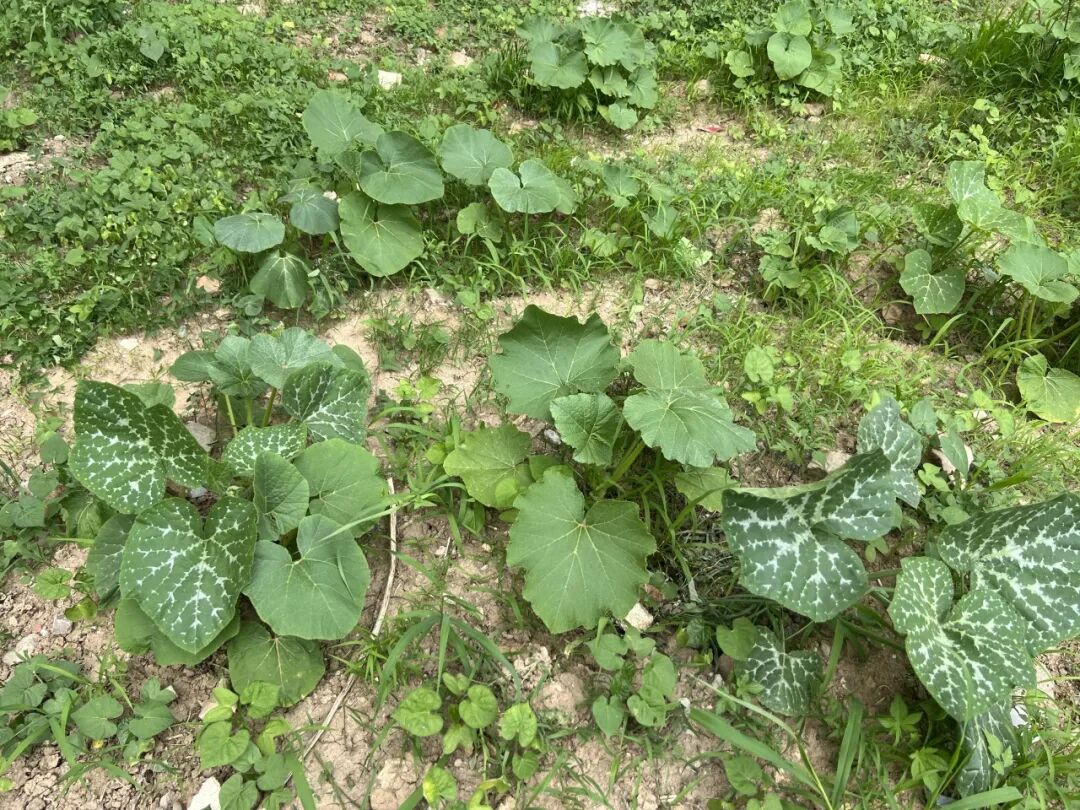
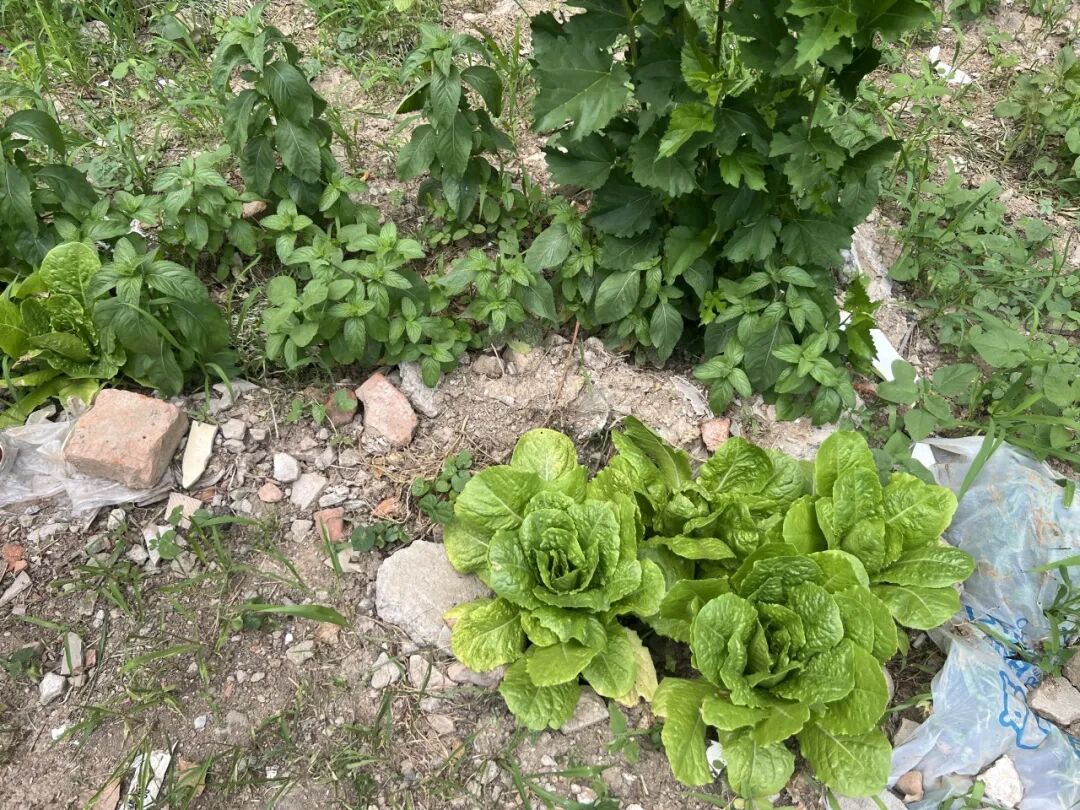
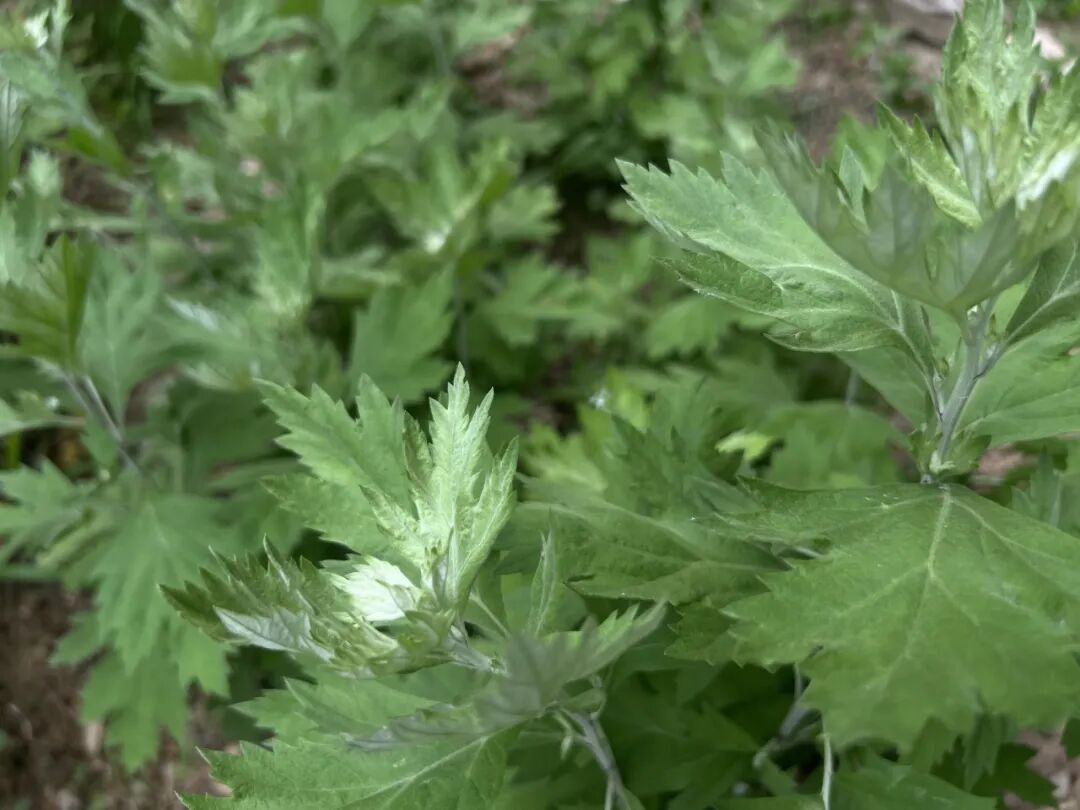
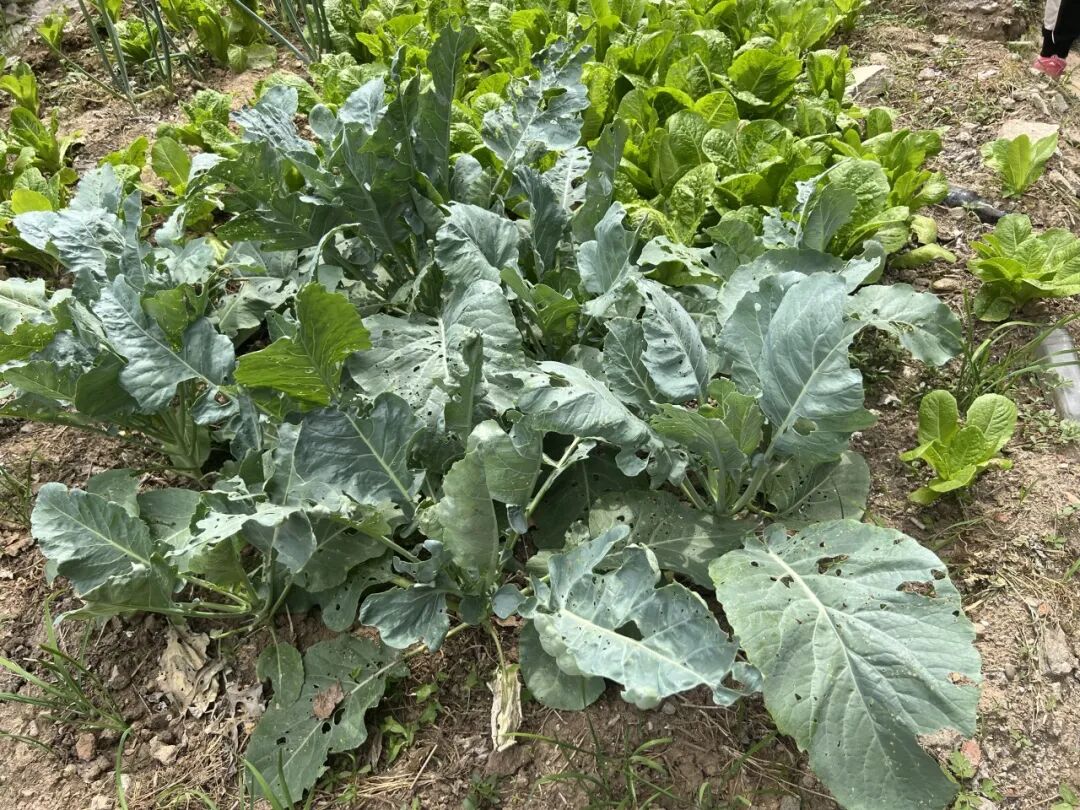
◉ Huirong’s plot. Bottom right: the so-called “Mediterranean” celery (can anyone identify what this actually is?)
Huirong reckons that sticking to growing vegetables is simply what makes farming folk “unable to sit still”. She jokes that compared to farming, domestic work is positively easy. “I do four or five houses a day on hourly jobs, and everyone’s astounded—they say, how do you manage that, aren’t you exhausted? I say, what’s that even compared to a day’s work!”
Her passion for growing spread to the neighbours down the same stairwell. She shared seeds with one of them (unfortunately, the ill-fated lanky coriander was among them), and he began finding polystyrene boxes and flower pots to plant as well. These days the coriander stands out like a sore thumb among the rest.
Qiuhua, for her part, grows vegetables at her employer’s home. Her employer loves Chinese chives, but supermarket quantities are too large—they go off before they can be used up. Last summer, her employer bought chive roots, pak choi and scallion seeds, and suggested she plant them.
This plot is far more miniature than Huirong’s. What gets planted is decided mainly by the employer’s needs, but Qiuhua does not mind. She enjoys it. “Growing your own—you can just pop out and pick, it’s fresh, and it gives you something to do.” Back home there were pak choi and scallions too, so she knows how to raise them from seed. She has also grown radishes, cabbage, aubergines, chillies, cucumbers, loofah, pumpkins, wax gourds, and courgette from a neighbour. The flavours are all different from what you get in the shops.
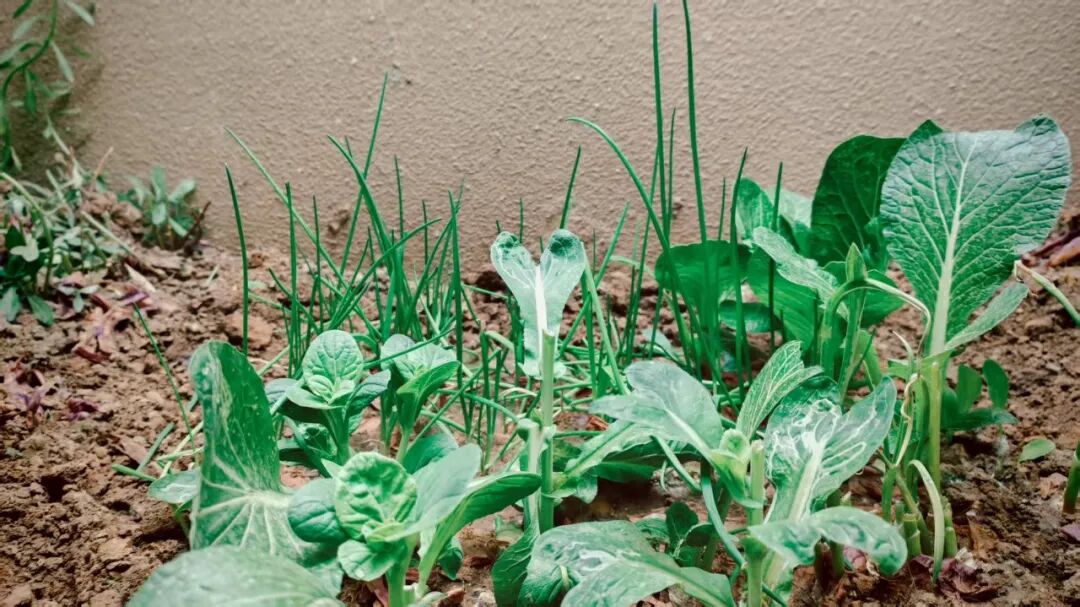
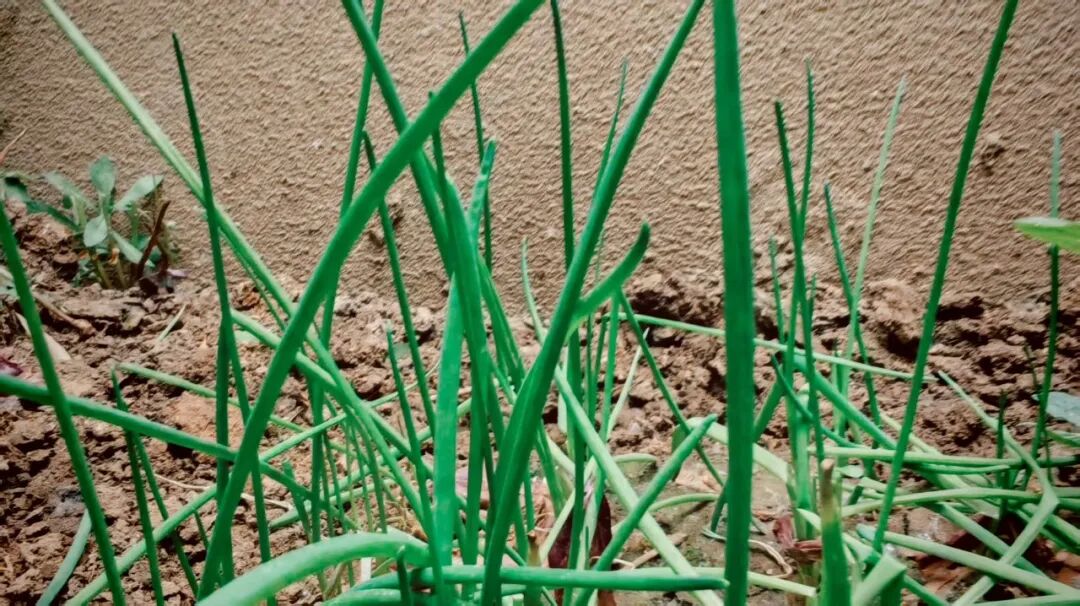
◉ Pak choi and spring onions Qiuhua has grown
For Huirong, weathering wind and rain alike, the vegetable plot was for a time a steady thing to look forward to. By then the child had finally reached senior high school, and she had a little spare time.
When she first came to Beijing, she had also worked at a frozen-food factory in the suburbs. It was so cold inside that even in a padded coat her joints ached; thinking of the toll on her body, she moved back to the inner city and returned to domestic work.
But in 2025, after a traffic accident, Huirong was injured. She left domestic work for good.
Crossing the road in the village, a car turning a corner struck her down; her legs suffered nerve damage. Day after day she keeps to the tube-shaped apartment block, finding things to do. She eats far less now—partly because she moves about so much less and her appetite has shrunk, partly because she hopes to save money. But she still tends her plot, even though hauling water to irrigate, loosening soil and pulling weeds have become far harder.
When we came back from the plot, Huirong picked the Chinese chives she had grown herself, soaked the tofu skin and glass noodles she had prepared in advance, greased the wok with lard she had rendered herself, and stir-fried. She taught me to make jiucai hezi—chive-and-egg pancakes—each one the size of a wok. It was a flavour I had never tasted before.
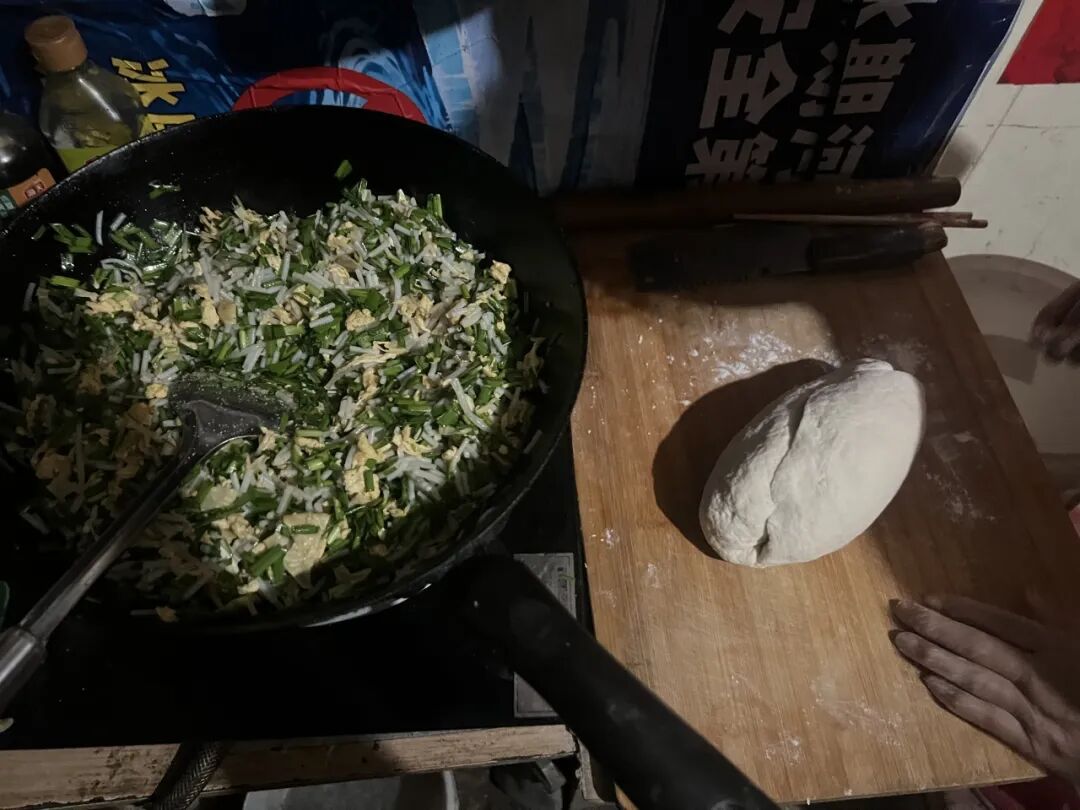
◉ Jiucai hezi made by Huirong.
At sixty-six, Suying’s back and legs are not well either. The just-over-a-kilometre walk to the supermarket took several stops: Suying’s knee aches, and her right foot, prone to swelling, needs rest. Even while kneading dough and griddling flatbread, she must sit down from time to time. And yet—she who was always described by old friends as a whirlwind, brisk and swift at everything. She still tries to handle it all crisply, and has already hosted several rounds of friends in the big kitchen.
A 2024 paper by Han Wei of the China Academy of Labour and Social Security noted that among domestic service workers, those doing cleaning duties and live-in work in particular face the most sources of occupational injury—they are prone to falls, knocks and bumps—and that on top of this lie risks of occupational disease such as herniated discs and arthritis, along with cumulative strain from overwork. Yet for reasons ranging from not wanting to jeopardise a job to not knowing the legal provisions, many domestic workers never report an injury sustained on the job. A Brazilian study added: 51% of domestic workers take painkillers, 34% have spinal problems, and 47% report high blood pressure.
Suying hopes one day she can move back to the suburbs, have a small courtyard of her own, and ideally open a noodle shop. It needn’t be large, nor in a bustling commercial strip—just enough room to make buckwheat noodles, steamed buns, and dough-drop soup. She is confident these are the tastiest and healthiest foods of all. “If only someone could help me—my legs can’t stand for long.”
Seeing Ourselves Through Each Other
During my internship at Hongyan, I watched the organisation encouraging the sisters, by every means at its disposal, to see and care for their own bodies. Today, one of its workstreams is “physical and mental wellbeing”. In shared learning sessions, the sisters begin to recognise each other’s needs, and in the process of caring for one another they gradually come to understand the importance of looking after themselves.
But this shift is no easy thing. At first, the very idea of “looking after yourself” seemed almost non-existent. For these rural women who have drifted north to work in Beijing, endurance has always been the habit they know best—the way they cope with pain and hunger alike.
Suying once told her story at Hongyan. In 2015, she turned fifty-five—the age threshold in Beijing’s domestic work market at the time. Finding work was already harder after fifty; past fifty-five, one could mostly only take on hourly gigs and other odd jobs. Back then she had to leave her home on Beijing’s outskirts at four in the morning, queue at the bus stop for the first bus into the city, and sometimes shuttle between five or six households in a single day. It was then that she started eating on the go, and her feet began swelling and aching.
But I also noticed another woman at Hongyan—an older sister doing hourly work, five jobs a day, yet still carving out two hours between 11 a.m. and 1 p.m. to cook for herself and rest. A Northerner with a bright, easy-going temperament, she loved telling stories and was always the first to lend a hand. More and more sisters began to take their cue from her, squeezing out a little time between jobs to look after themselves too.
I came to see that the first step in any change is stepping out of the roles of domestic worker and wife, and returning, however briefly, to one’s natal home—gathering again with sisters who share similar journeys of leaving home, starting a new household placement, and hunting for work; who are different in temperament, yet bound together by the same exhaustion and pain.
On New Year’s Day 2026, sisters who had not seen each other in a long time finally reunited around the table again. Qiuhua came and led everyone in singing “A Dashing Walk Through Life”—her bold voice ringing out, shaking the rafters. Huirong had hurt her foot and could not make it. She and Suying have been close friends for years, so Suying filmed several clips and posted them in the Hongyan group, tagging @Huirong. “I’ll watch the livestream from my bed!” Huirong replied with a laugh.
*Author’s note: Terms such as “baomu” (nanny) and “ayi” (auntie) can be treated as trade names in the domestic services industry. “Baomu” carries a heavier historical weight—it encodes feudal society’s understanding of care labour. While some academic research and employment agencies still use “baomu” to refer to live-in domestic workers who cook, do laundry, and mind children, its everyday use has declined considerably. “Ayi”—the word small children use for a childcare nanny—has become far more widespread, driven by rising childcare demand since the 1990s and the growing platform economy in recent years. The older women interviewed for this piece do refer to themselves as “ayi” when addressing clients, but among themselves, or when giving an introduction, they prefer to call themselves domestic workers.
*This article draws on the 2021 report “Green Domestic Workers: From Household Care to Leading Green Lifestyles—An Exploratory Study Based on Social Work Practice”, published by Beijing Hongyan Social Work Service Centre. The report was written by Ms Li Wenfen.
*To protect the privacy of the interviewees, Suying, Huirong, and Qiuhua are pseudonyms used in this article.
– Foodthink’s 816th original article –
Foodthink
By
Xiao Chen
Writer, observer, and fanciful dancer. Has stubbornly stayed as innocent and brave as a five-year-old—for twenty years now.
About the “She and the Land” Column
This year, the United Nations has designated the International Year of Women Farmers. Foodthink is launching the “She and the Land” content column to spotlight women in agriculture and food systems. We will step into the fields, the markets, the fishing harbours, the pastures, the kitchens, the laboratories, and the city streets—to see those women who are so often overlooked yet always present: women engaged in production, research, cooking, distribution, and care, whose labour, experience, and wisdom sustain our everyday lives. They are not only tillers of the soil but essential builders of rural communities and food systems. Through interviews, writing, and workshops, we hope to tell their stories, to understand how women’s participation shapes our food systems, and to invite you all to explore together: how can a fairer, more dignified future come into being for women who labour in food and agriculture?
Unless otherwise noted, all images are provided by the author.
Editor: Pei Dan
Layout: Xiaoshu
▼
Click the image to read related articles.