Another Screening in Chengdu on 4 October: When Meat from Afar Reaches Your Table

Have you ever wondered how the beef and lamb you eat arrives on your table? In 2024, with support from the Foodthink “Lianhe Creative Programme”, Jiao Xiaofang and Qiongwu Danzeng followed the trails of imported beef and mutton alongside local yak and Tibetan sheep, setting out from wholesale and retail markets in Xining to street trading markets, fattening farms and slaughterhouses in Gonghe County. They then followed cattle traders to Qinghai Lake, circling the entire lake and interviewing herders from different ethnic communities in the surrounding pastoral areas.
Qinghai is the province with the highest volume of yak and Tibetan sheep sent to market nationwide, and herders in the pastoral areas around Qinghai Lake earn more than half their income from the Tibetan sheep industry. Fluctuations in cattle and sheep prices are the most direct and visible part of this change. Only as the camera moves deeper into herders’ homes does it gradually become clear that what lies behind the prices is not merely a shift in trade relationships, but a transformation of herders’ livelihoods and way of life.
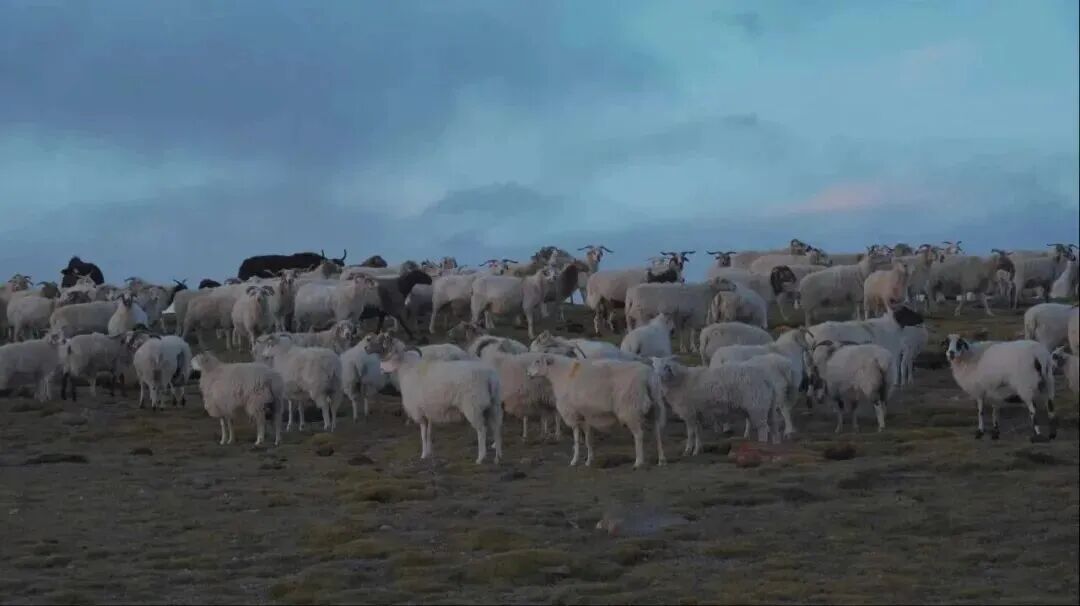
◉ The flock belonging to Niang’eja, one of the protagonists of Whose Table, Whose Pasture. Photo: Jiao Xiaofang
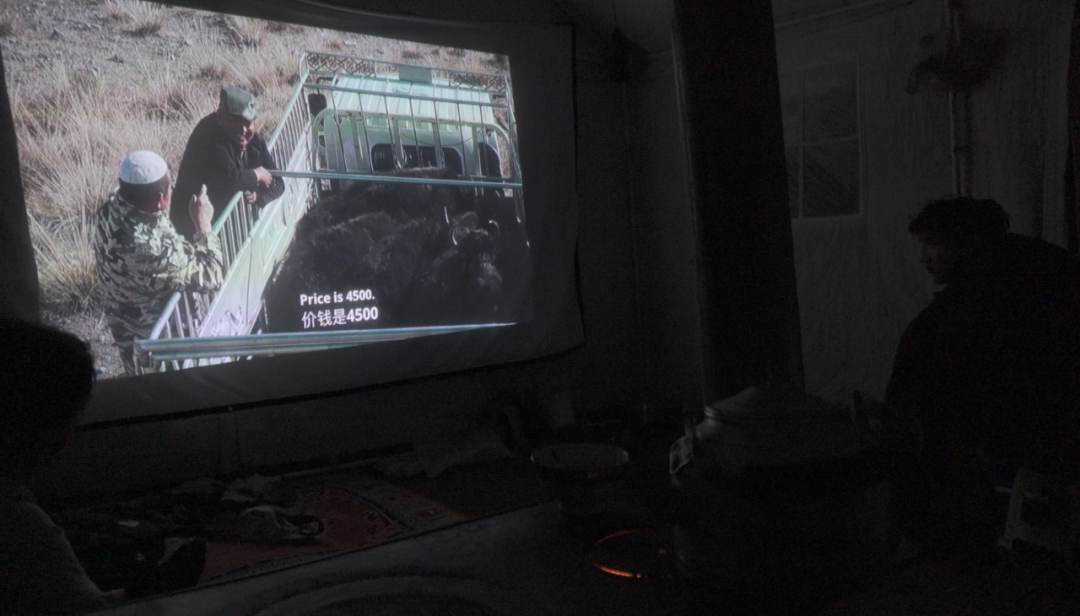
◉ Revisiting is an important part of community video practice. In 2025, Jiao Xiaofang returned to the filming locations to screen the documentary Whose Table, Whose Pasture for the shepherds. Photo: Jiao Xiaofang
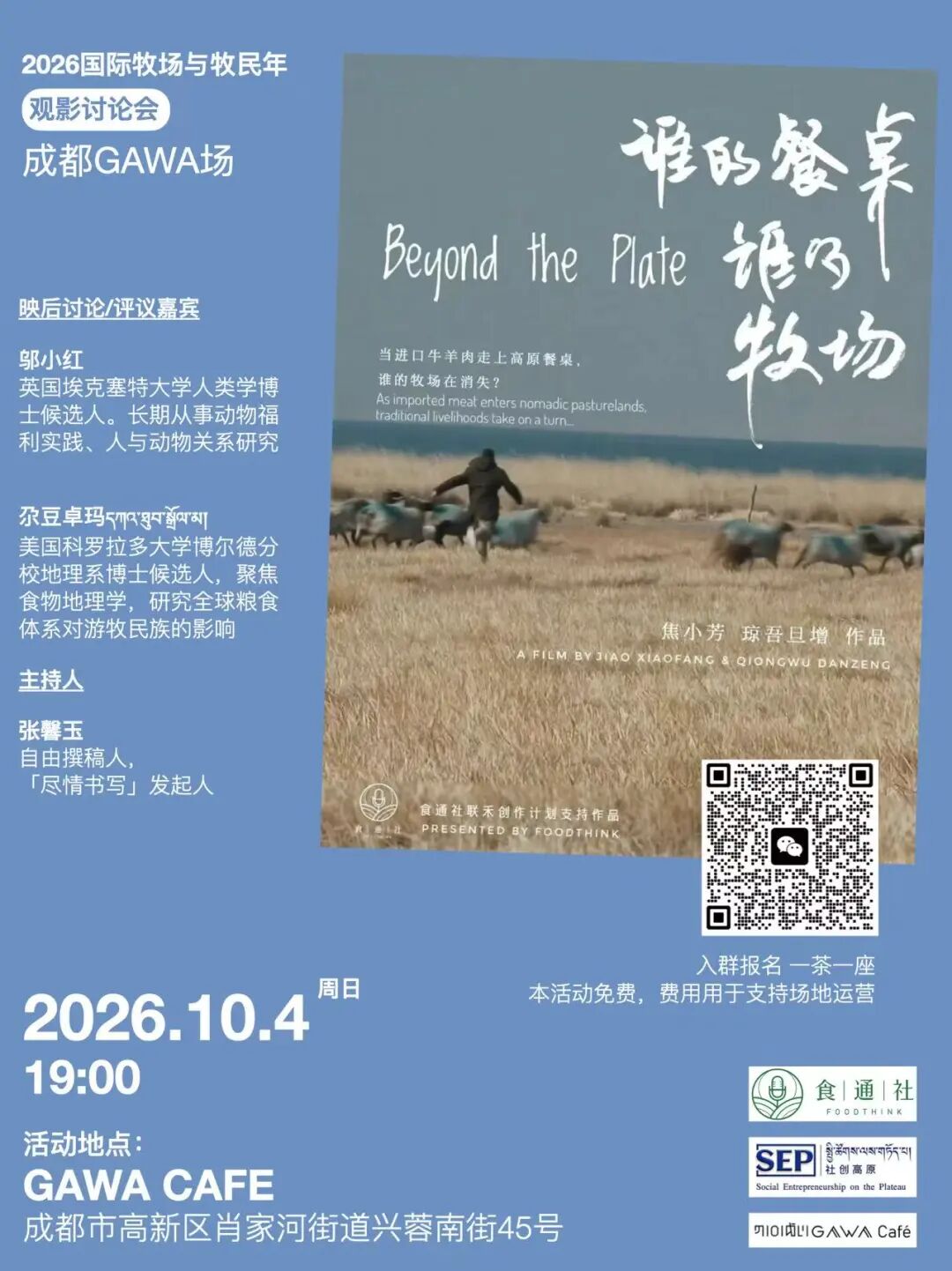
On 4 October, a screening will be held in Chengdu. After the film, we have invited experts and scholars familiar with the issues to join us in a conversation:
-
When herders on the Qinghai-Tibet Plateau also feel the impact of agricultural products from distant Brazil, Uruguay, Australia and New Zealand, how should we understand the food on our tables?
-
From pasture to plate, what stages and factors affect food quality, prices, and the environmental and social costs along the way?
-
As ordinary consumers, can we really influence the other end of food production?
-
If local beef and lamb become harder and harder to sell, what changes will we see on our tables?
-
Why should we care about local pastoral areas and imported meat from far away?
– Film Introduction –
Whose Table, Whose Pasture is a fieldwork documentary. With support from Foodthink’s Lianhe Creative Programme, the director immersed herself in the pastoral areas around Qinghai Lake, documenting the impact of large volumes of imported frozen beef and mutton entering local markets.
The film visits Xining’s frozen meat wholesale markets and cold chain warehouses, and films local herder families, butcher shops and fattening farms, presenting a stark picture of the shock that imported meat delivers to local beef and mutton through its low-price advantage. This has directly caused a sharp drop in the purchase prices herders receive for their cattle and sheep, reduced incomes, difficulty repaying loans, and razor-thin margins for local meat traders struggling to stay in business.
The camera delves into Qinghai Lake’s imported beef and mutton market, questioning a brutal reality: in the global meat supply chain, who enjoys the low prices, and who bears the cost?
– Director Introduction –
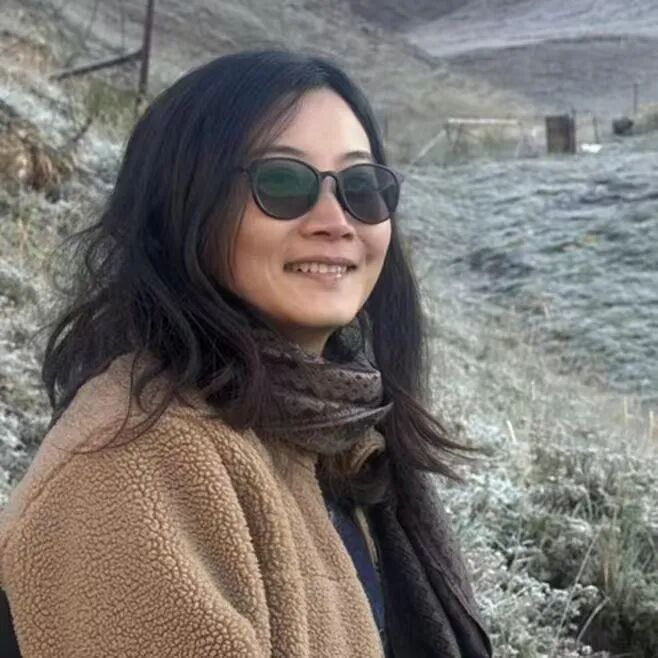
Jiao Xiaofang | Documentary director and visual anthropology researcher, with a long-standing interest in local knowledge, ecological ethics and women’s experiences in western China and coastal Southeast Asia. Her work combines ethnographic observation with poetic expression, focusing on the relationship between people and nature and the emotional landscapes of everyday life. Her documentary Whose Table, Whose Pasture (2025) was selected for the 5th World Nomadic Film Festival and the 6th China Ethnographic Documentary Film Festival.
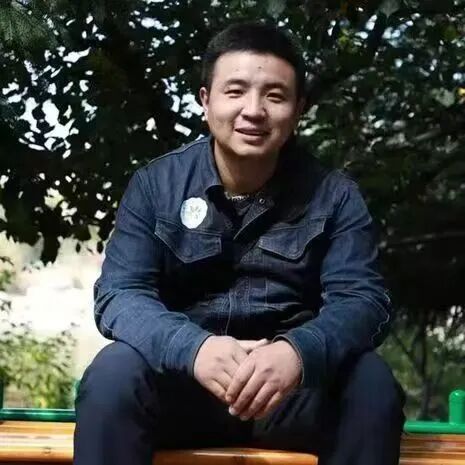
Qiongwu Danzeng | A Tibetan documentary maker and community activist, long committed to ecological conservation and visual education on the Qinghai-Tibet Plateau. He previously served as coordinator of the “Village Eye” Tibetan-area projects in Yunnan and as regional representative of the Alxa SEE Sanjiangyuan Project Centre. He currently leads the Human-Bear Conflict Programme at the Xuejing Ecological Public Education and Research Centre in Qinghai Province. Over the past decade, he has promoted herder video training and community ecology projects in Yushu, Aba and other areas, supporting herders in documenting their own environment and culture through film. His work spans video, ecology and public education, dedicated to building understanding and coexistence between people and the natural world.
– Screening Information –
[Time]
Sunday, 4 October
19:00-21:00
[Venue]
GAWA CAFE
45 Xingrong South Street, Xiaohe Sub-district, High-Tech Zone, Chengdu
[Panellists]
Wu Xiaohong | PhD candidate in anthropology at the University of Exeter, UK. Long engaged in animal welfare practice and research into human–animal relationships.
Gadu Zhuoma དཀའ་ཐུབ་སྒྲོལ་མ། | PhD candidate in the Department of Geography at the University of Colorado Boulder, USA. Focused on food geography, researching the impact of global food systems on nomadic peoples.
[Chair]
Zhang Xinyu | Freelance writer and founder of Write Freely
[Registration]
Scan the QR code on the poster to register

You are also welcome to join the Foodthink discussion group
Scan the QR code below to add Foodthink’s assistant
Note “分享会” (Sharing Session) to join the discussion group

Related Reading
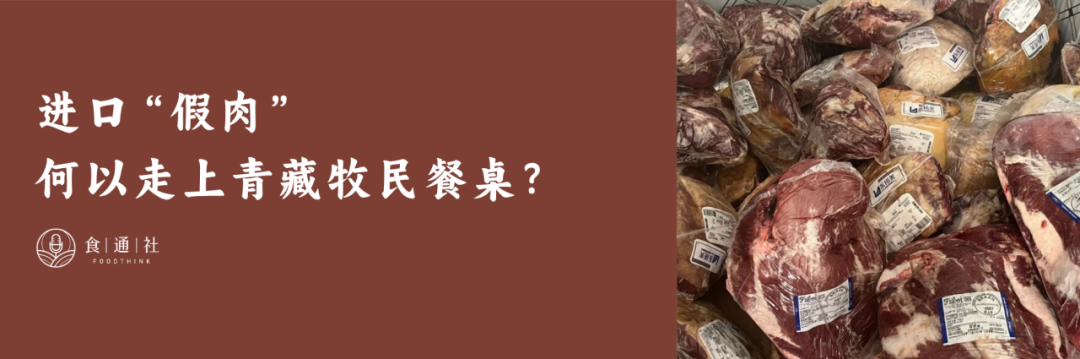
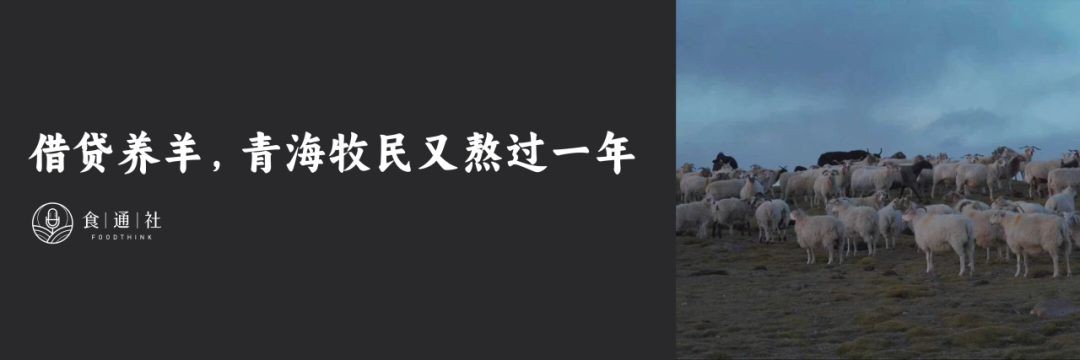
Editor: Xiaodan
Poster: Z X
Layout: Xiaoshu
Scan the QR code to tip and support original food writing
▼

▼
Tap a keyword to explore more article collections
Seeds | Farm Techniques | Policy | Fermentation | Nutrition | Fruit | Fisheries | Events | Recruitment | Takeaway | Markets | Animal Husbandry | Food Talk | Sharing Session | Reading Group | Harvest Festival | Smallholder Stories | Climate Change | Rural Development | Cooperative Economy | Urban Farmers | Food Safety | Digital Technology | Biodiversity | Pandemics and Food | False Solutions | Ecological Agriculture Internship Programme
Beijing | Hebei | Shanghai | Guangdong | Guangxi | Henan | Sichuan | Jiangxi | Xinjiang | Shaanxi | Hong Kong | Chongqing | Zhejiang | Jiangsu | Guizhou | Taiwan | Inner Mongolia | the Philippines | Canada | Russia | Mexico | Italy | USA | UK | Germany | the Netherlands | Thailand | Sweden | Japan