
Refusing Glyphosate, I Turned My Big Lawn into a Permaculture Vegetable Garden
When I first met Nichole, I began to realise just how terrible the food and living environment have become for people today.
In the United States, the neatly trimmed front lawn is an environmental disaster. According to the environmental organisation Friends of the Earth, Americans spray eighty million pounds of pesticides on their lawns every year.
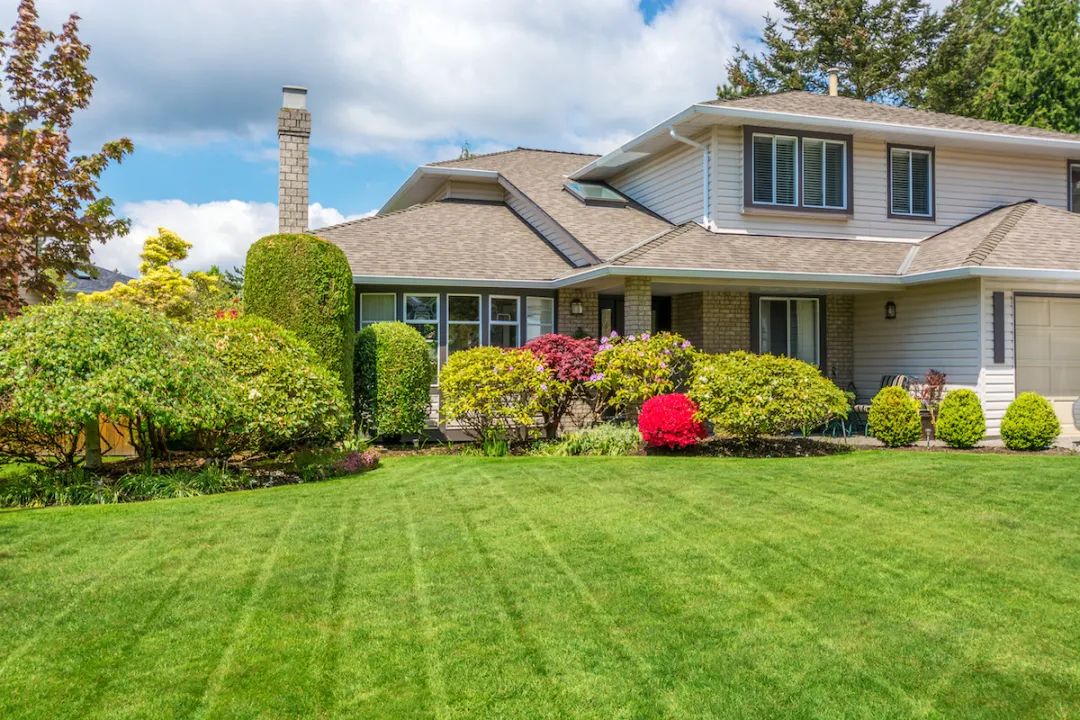
When I moved to Texas four years ago, I was determined not to use herbicides in either the front or back yard, and to fill as much of our modest plot as possible with food crops. As it happened, I stumbled upon Nichole’s social media account and was immediately captivated by her front and back gardens.
I. The Freedom of Organic Produce
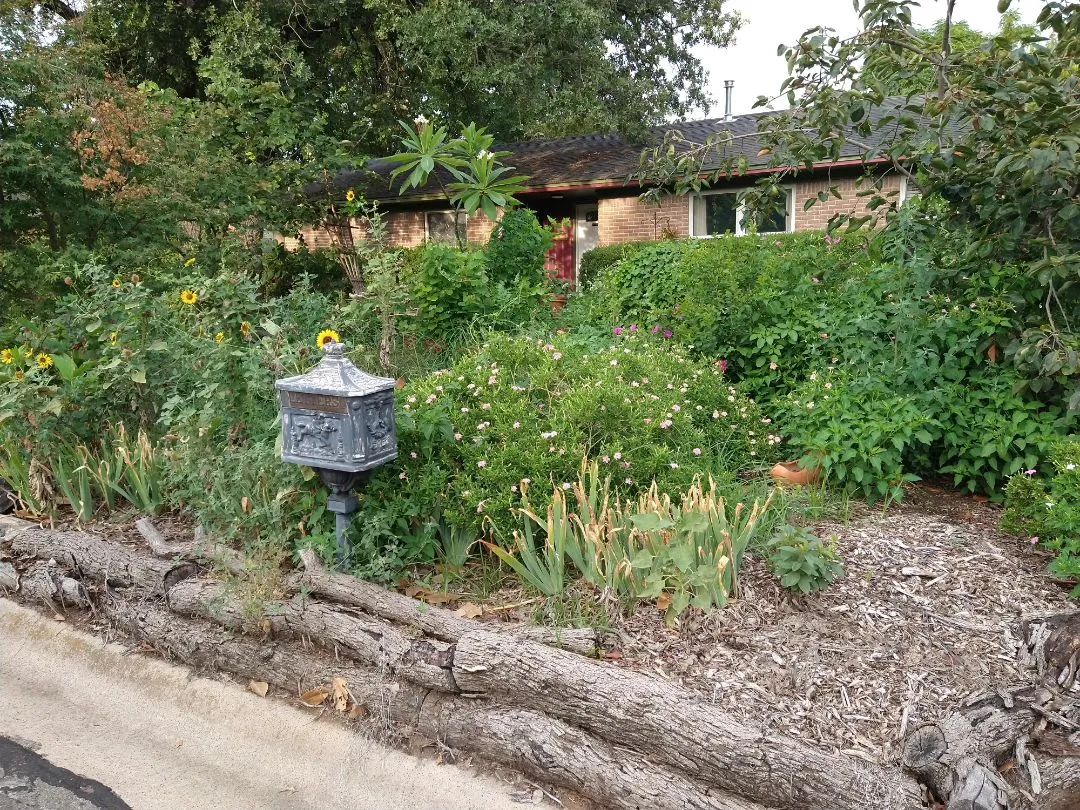
Unlike the tidy, uninteresting front and back yards of most American suburbs, her home is encircled by a mini-jungle of food and herbs — as far as the eye can reach, there are fruit, vegetables, and medicinal plants:
A large head of broccoli grows beside the irises; a row of onions is planted in the flower bed next to the persimmon tree; medicinal elderberries hang in heavy, drooping clusters above a lush carpet of purple sweet potato leaves; beside the tomatoes, pest-repelling marigolds bloom in full glory, and the golden onion bulbs set off the zinnias in a charming contrast……
In Texas, where winters are relatively short and crops yield two harvests a year, Nichole’s family has essentially achieved freedom in organic fruit and vegetables.
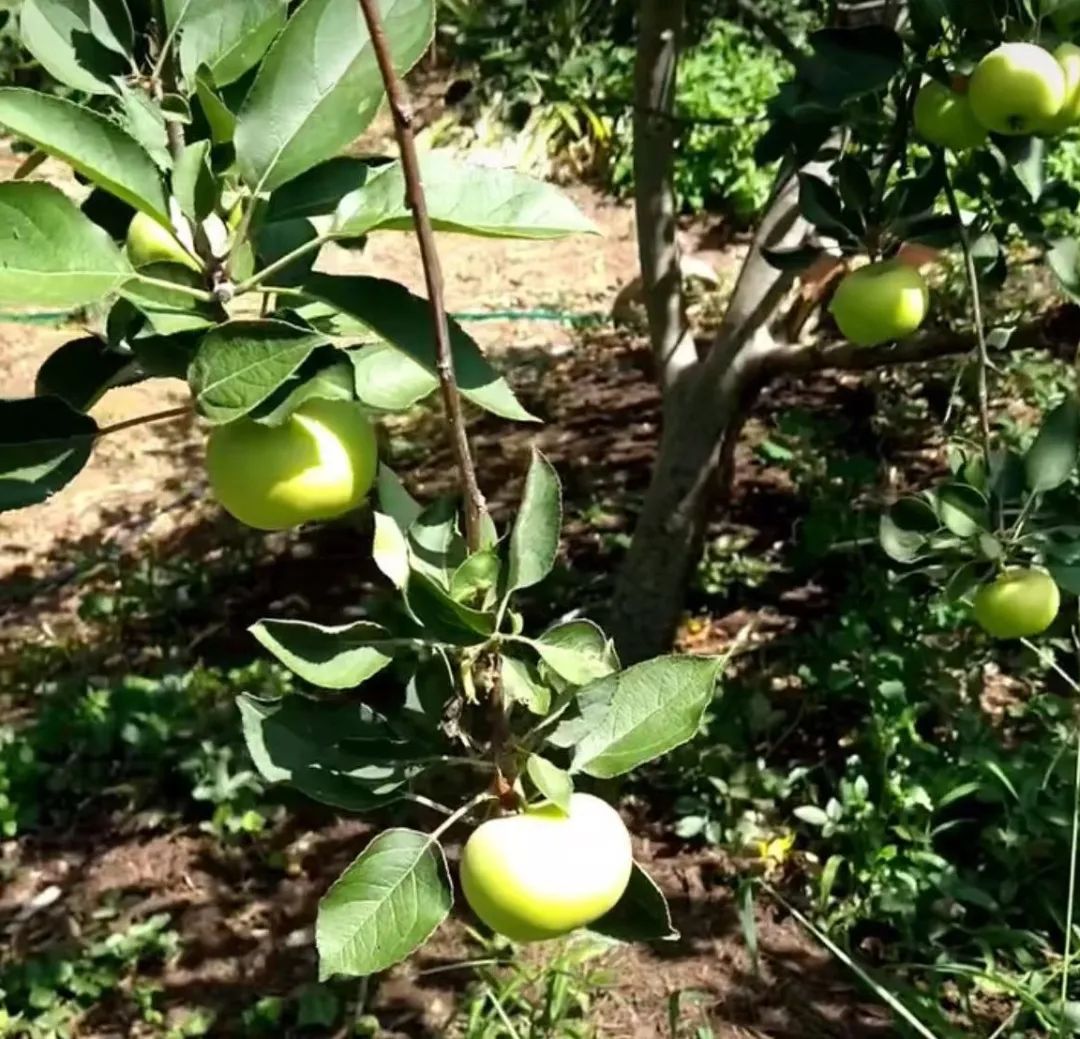
One day, Nichole posted a photo of the apple tree in her back garden, and I leapt up with excitement. The apples on her tree were green and small, much like the local apples I used to eat as a child in Xuanwei, my hometown in Yunnan.
Those apples were sweet with a sharp, tart edge — rich and complex in flavour, entirely different from the large, cloyingly sweet but one-dimensional varieties that later swept the country.
Since coming to the United States, I have bought the most popular varieties in organic supermarkets and gone apple-picking at orchards — every single one, without exception, has been bred to cater to modern palates growing ever sweeter-toothed, and none could compare with what I ate as a child.
I rushed to ask Nichole: what variety of apple is this, and where did you get the tree?
She told me it was an heirloom variety. In the West, “heirloom” varieties typically refer to old cultivars that have been collected, preserved, and propagated by generations of gardeners or family farms since before the Second World War — mostly open-pollinated, rather than the high-yielding varieties bred by industrial agriculture.

I jotted down the variety name and where to buy one, determined to plant this unforgettable fruit in my own patch of earth.
II. Permaculture
Over the past ten years, Nichole has been studying and practising permaculture. She also runs classes in her community, using her own front and back gardens as a living demonstration to introduce people to permaculture principles and practices.
Permaculture is a regenerative agricultural system based on a holistic worldview, designed and operated by mimicking natural ecosystems, with no chemical inputs such as fertilisers or pesticides. It seeks to minimise agriculture’s dependence on petroleum products and to help restore organic matter to the soil.
The concept of permaculture is broad, and its scope can be as large or as small as you like. Many Americans who live in ordinary residential neighbourhoods without acres of farmland — like Nichole — design the land around their homes according to permaculture principles.
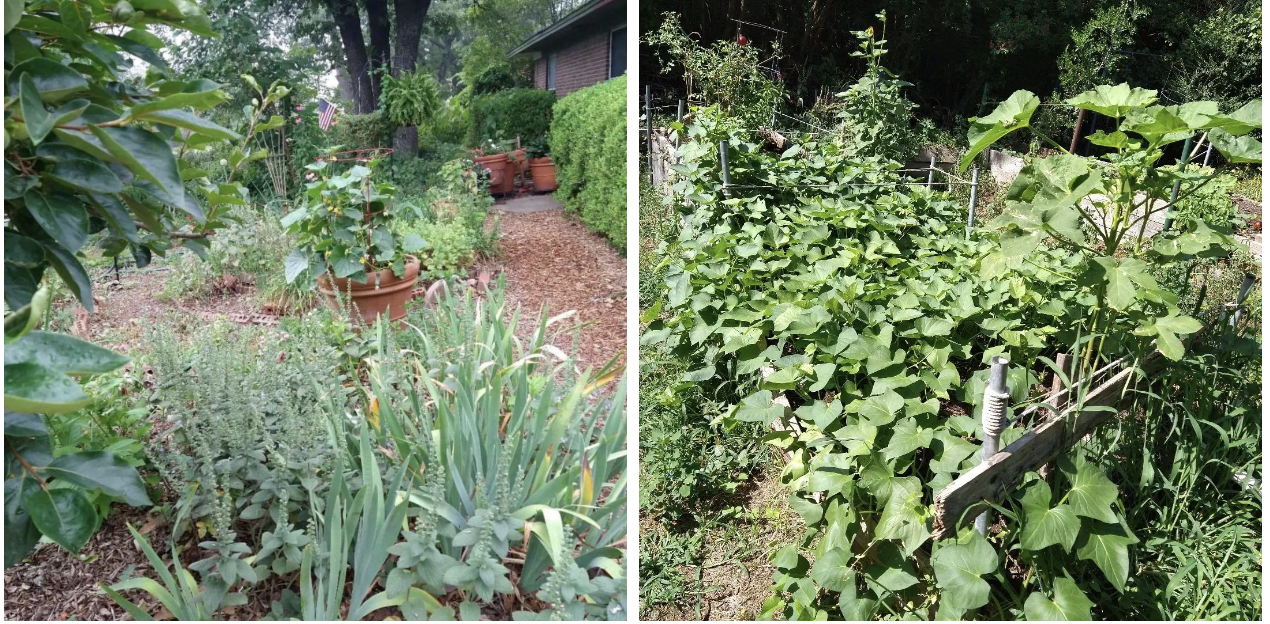
After seeing Nichole’s “lawn” and reading up on permaculture, it dawned on me: whether a manicured lawn or large-scale monoculture farming, these are anything but natural phenomena — they are industrial ones. Both demand the clearing of every “obstacle” from the land to grow a single crop, and rely on herbicides, pesticides, and fertilisers to maximise yield.
What makes Nichole’s front and back gardens so delightful to the eye is that this lush, diverse yet orderly food forest is far closer to the living landscape humans have inhabited for millennia.
I asked Nichole, now that your gardens look like this, there must be no Homeowners’ Association (HOA) where you live?
She said, absolutely! Making sure there was no HOA was my first consideration when buying this house!
I said, me too! The thing I cared about most when I bought my home was whether there were any restrictions on keeping chickens in the back garden. The estate agent told me this area has no HOA and the city meddles very little in front- and back-yard planning, so I went ahead and bought.
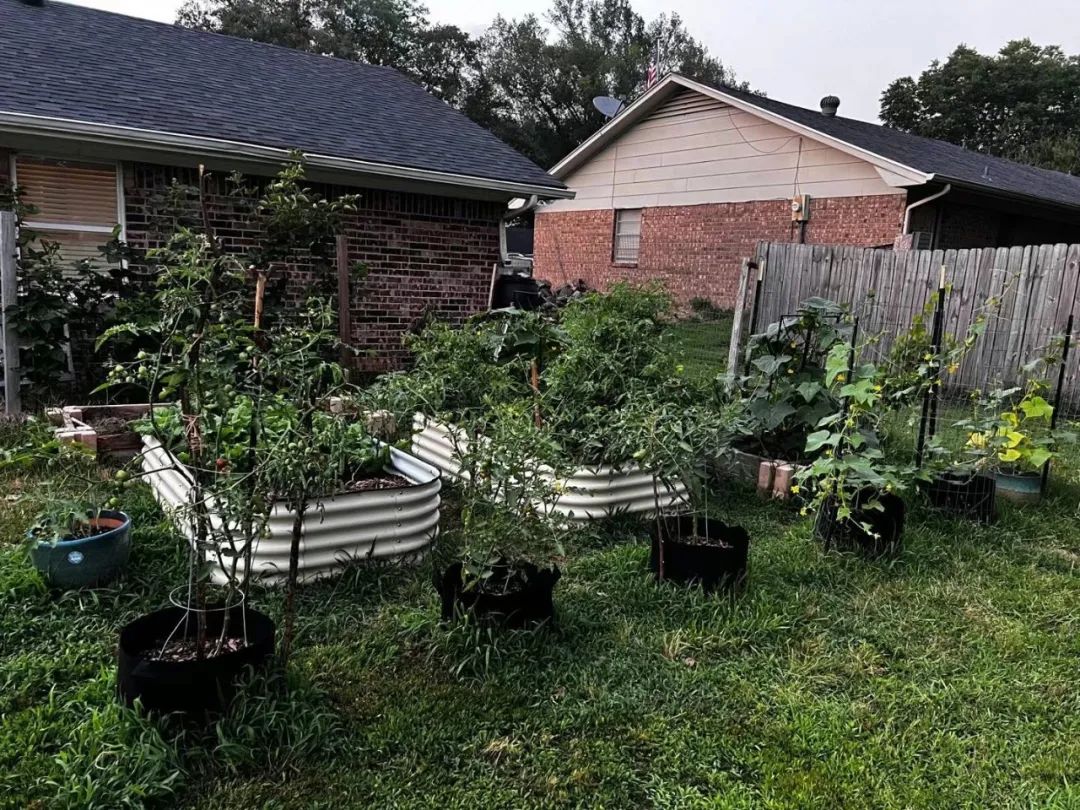
One of the core values that laid the foundation for Nichole’s and my friendship was our shared disdain for mainstream Americans’ obsession with pristine, uniform lawns.
I once shared my speculation about this obsession with Nichole. In ancient Europe, maintaining a tidy lawn and trimmed shrubs was enormously labour-intensive. The mindset of the kings and nobles who held vast estates was roughly: look, I own so much land that I can devote a wide stretch of it entirely to surrounding my castle, without ever having to put it to productive use.
The modern American lawn seems to be, with the help of petrol mowers and chemical fertilisers and pesticides, a scaled-down version of that same luxury — the idle, status-signalling lawn — made accessible to the middle class. It is rather as if Hermès released an affordable collaboration and office workers could finally carry one.
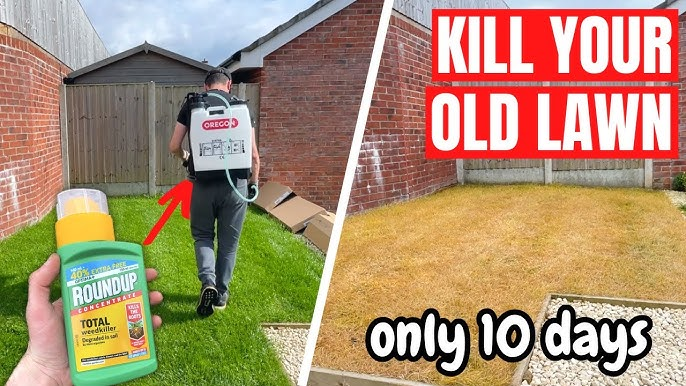
This is not what the so-called “American Dream” should be.
III. Grass and Manure Are Both Treasures
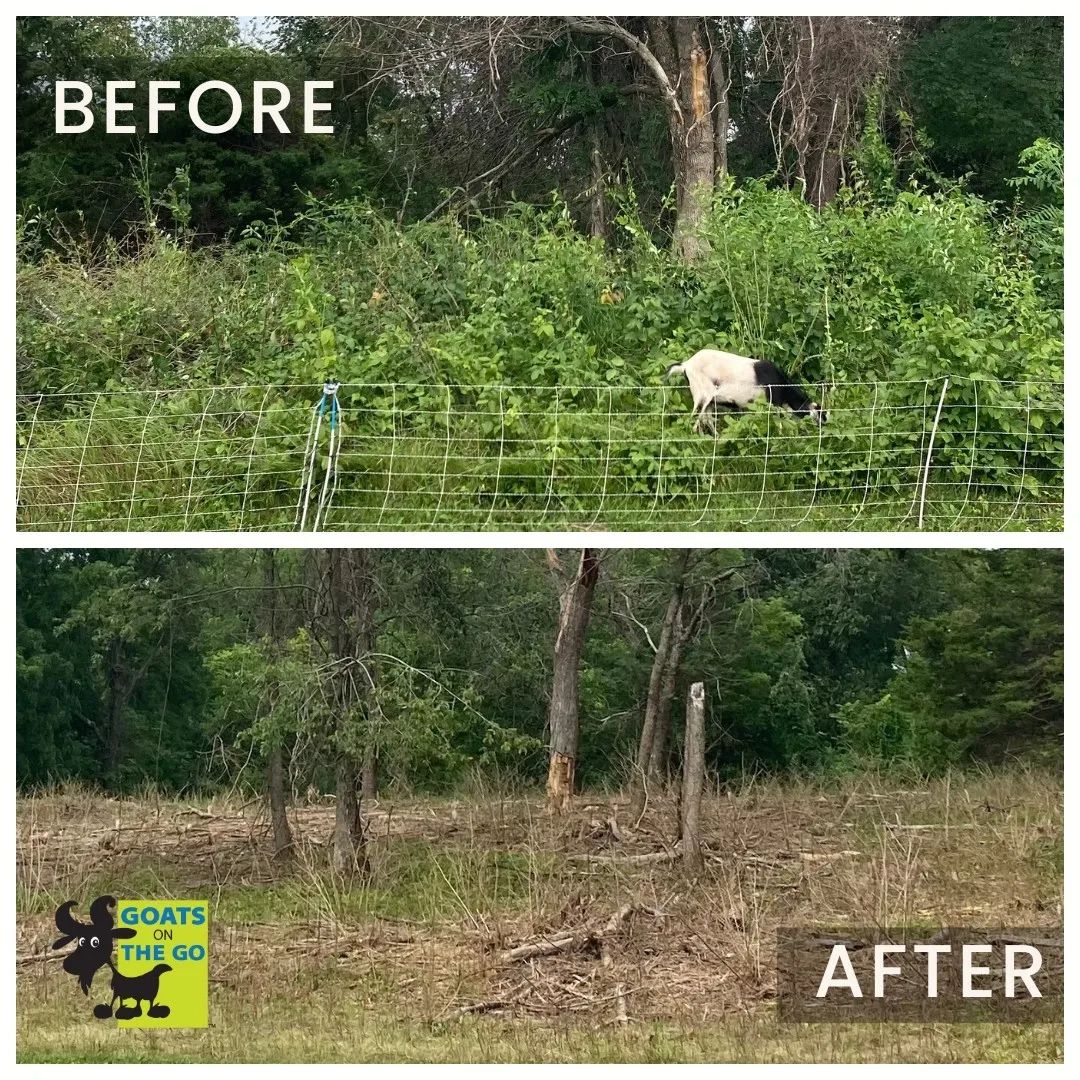
Nichole also knows someone who specifically drives his miniature sheep over to tend the front and back gardens of homeowners who do not want to mow or apply synthetic fertiliser. Sheep are superb at clearing weeds, and the urine and manure they leave behind while grazing make excellent natural fertiliser.
Every time I see the vast stretches of empty lawn in American residential neighbourhoods, I think: if these lawns were managed collectively — no chemical fertiliser, no pesticides — they could sustain a great deal of grass-fed cattle and sheep. What if homeowners’ associations devoted the same energy to exploring this idea? Residents could collect a generous annual supply of grass-fed lamb each year. Would that not be wonderful?
I once even considered buying sheep manure from a farm to grow flowers and herbs, because sheep manure is a “cold manure” that can be applied directly to the soil without composting first. Yet Americans consider sheep dung unsanitary.
On the one hand, they dismiss livestock manure as filthy; on the other, they douse their lawns with glyphosate. What an upside-down world this is. Nichole and I sighed together once more at the gulf between Americans and the food production system.
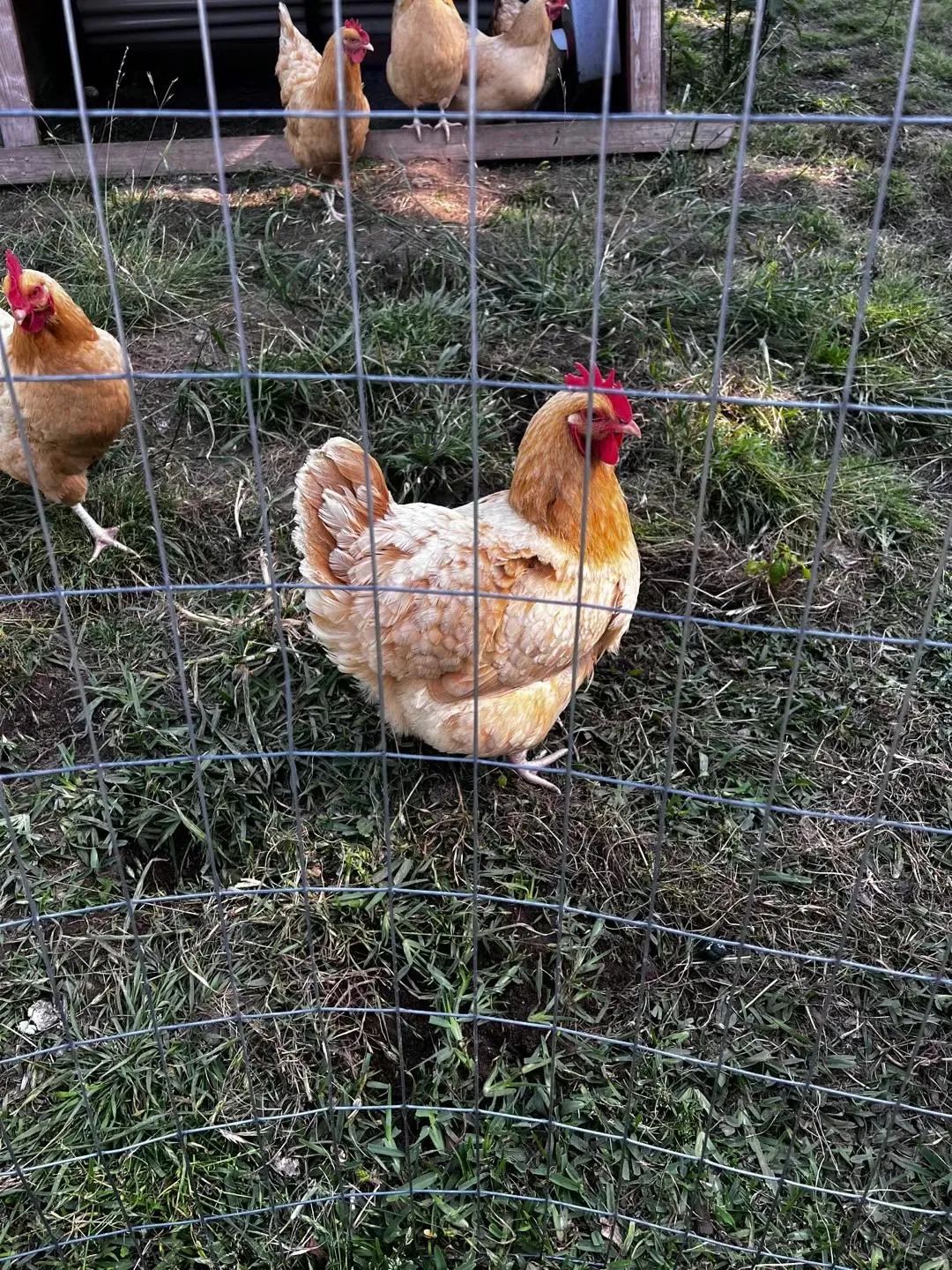
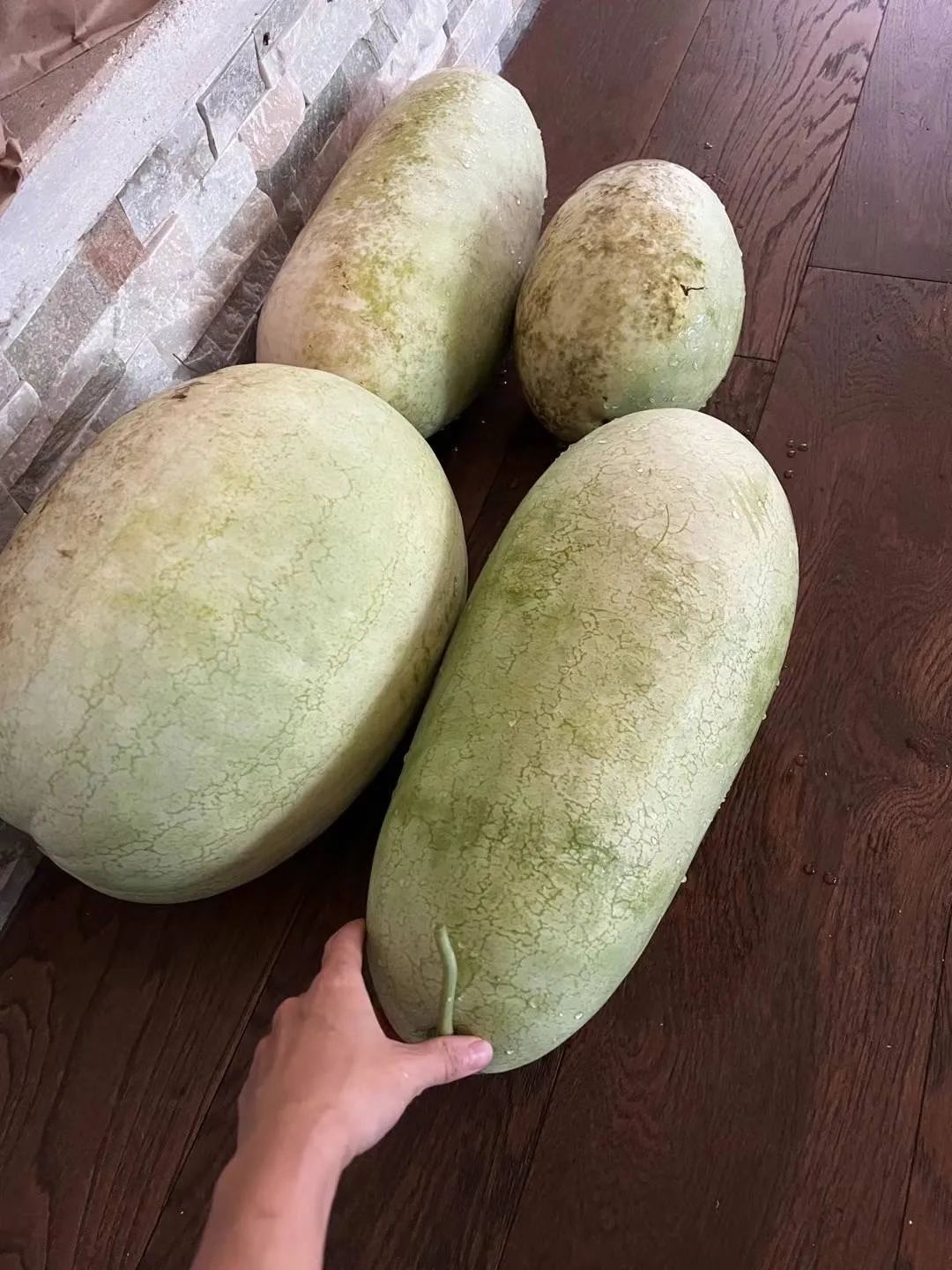
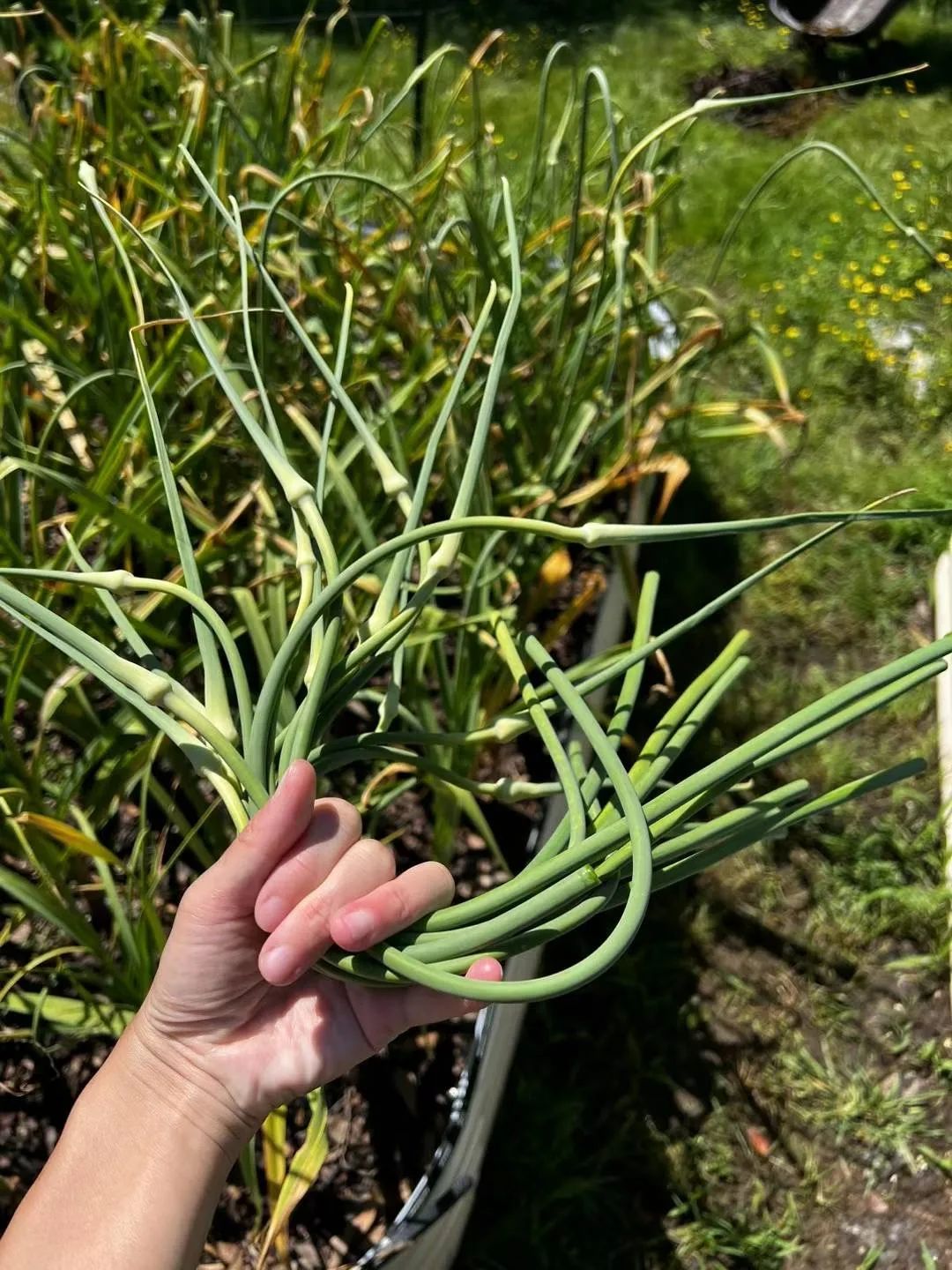
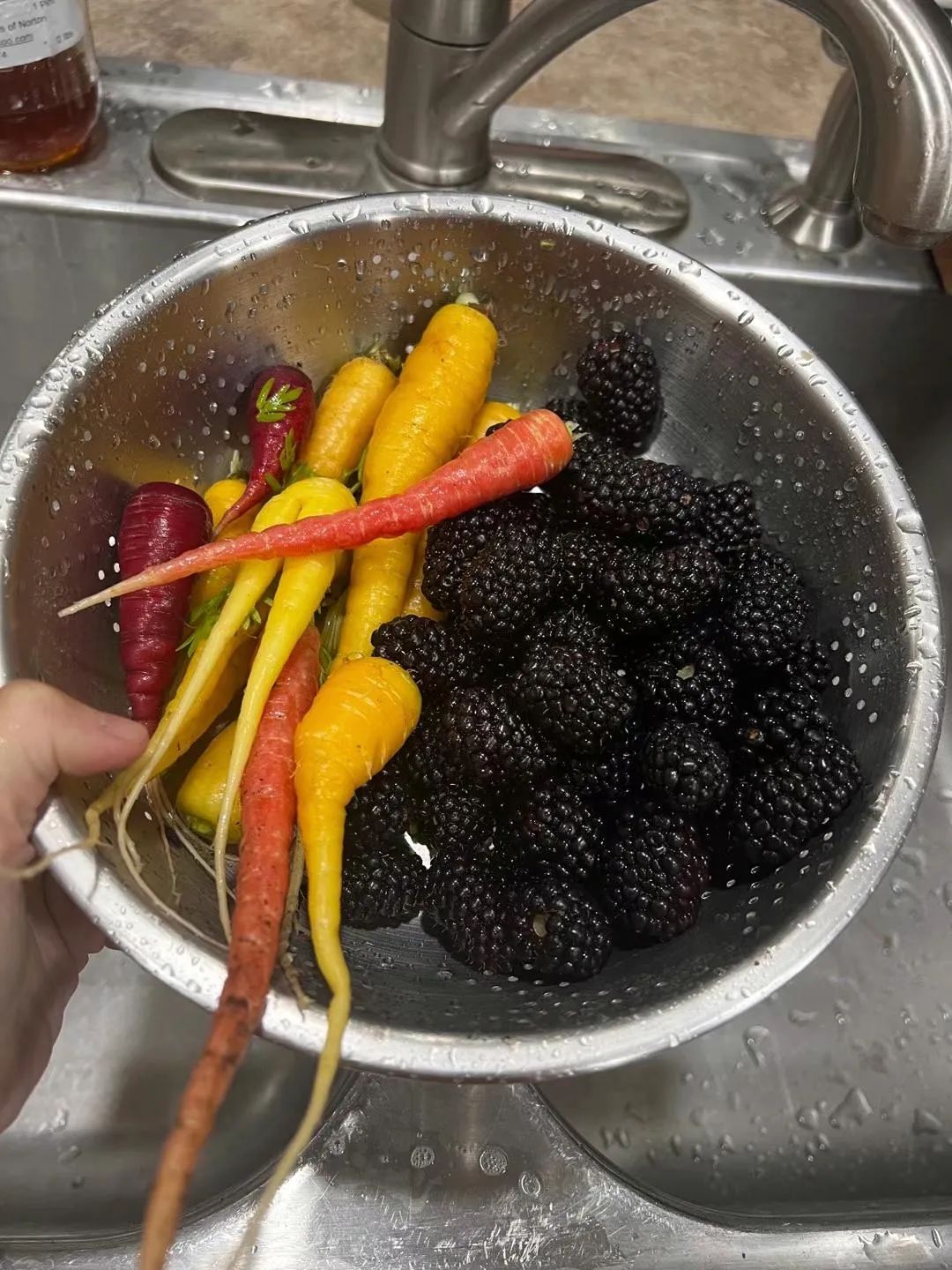
Nichole is 55 this year; I am 37. In the third year of our cross-generational friendship, forged through farming, Nichole sold the house and moved deep into rural Pennsylvania. Together with her cousin’s family, she bought a piece of land and began life as a homesteader, finally with enough ground to truly practise permaculture.
I asked, if the next owner tears out everything you spent ten years building and turns the house back into yet another tidy suburban home surrounded by a dull, manicured lawn, does that not worry you?
Nichole said, I have left them dozens of books on permaculture and organic farming, along with seeds for over a hundred heritage vegetable and plant varieties. All I can do is hold on to hope and say a prayer for them.
I am reminded of a line from a North American “homesteader” that moved me deeply: Tend the land beneath your feet, however small it may be. When you leave, make sure it is at least as fertile as the day you found it.
I think Nichole is the finest living embodiment of that line.

Editor: Zeen