
Agricultural Insurance Sounds Great, But It’s No Panacea

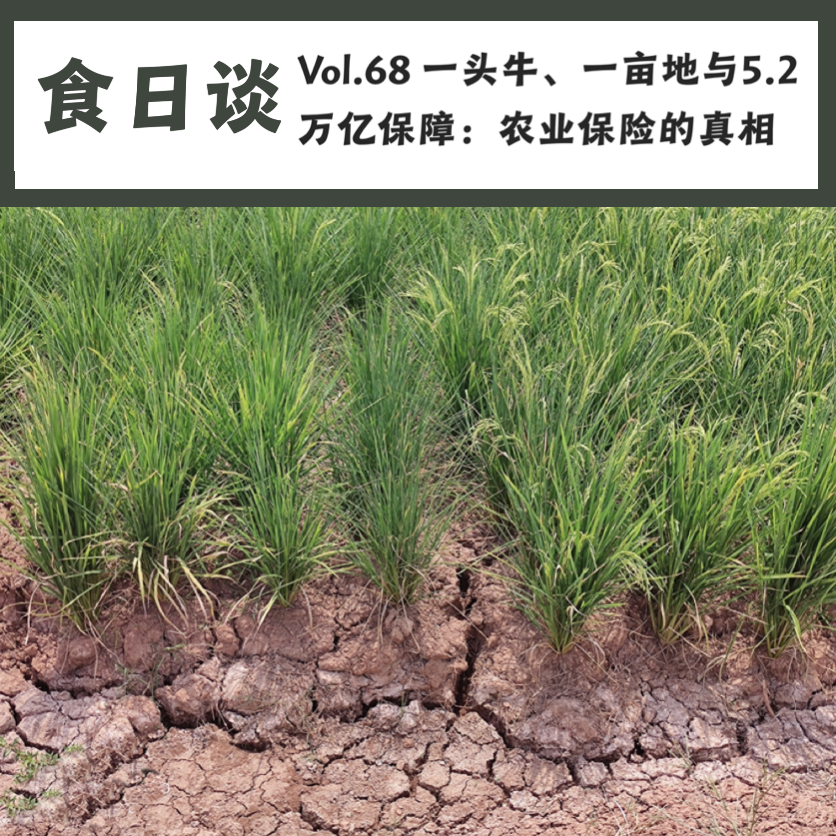
Monitoring data from the National Climate Centre of the China Meteorological Administration shows that since the start of the flood season this year, the national average rainfall has reached 110.1 mm – 18.6% higher than the average for the same period in a typical year.
The frequent recent rainfall has once again hit a critical growth stage – precisely when crops are most vulnerable to disruption. Faced with such unseasonable weather, we find ourselves worrying about farmers all over again. In the past, we have documented rice paddies flooded overnight, wheat withered and yellowed by drought, and maize ready for harvest only to be ruined by prolonged rain that triggered mould and premature sprouting…
Farmers supply the grains, vegetables, and fruit that sustain the vast majority of the non-farming population. Yet agriculture has always been at the mercy of the weather, and a single extreme event can wipe out months of backbreaking labour in an instant.
In this episode, we turn our attention to a topic that is rarely discussed yet deeply intertwined with food security, climate risk, and farmers’ livelihoods: agricultural insurance. We speak with Yi Fujin, director of the Research Center for Agricultural Risk Management and Safe Development at Zhejiang University. Beginning with a single cow, one mu (approx. 0.067 hectares) of maize, and a late spring cold snap, we explore how agricultural insurance operates and why it continues to move forward despite persistent controversy.
More importantly, as extreme weather grows ever more frequent, what is agricultural insurance actually achieving for farmers? Does it genuinely act as a safety net, or is it trapped in the dilemma of inaccurate claims? Why do some farmers treat insurance policies as financial investments, while others fail to receive any payout at all? Can insurers really afford to cover increasingly severe disasters? And as the risks mount, who will ultimately bear responsibility for safeguarding the future of agriculture?
This Episode’s Guest
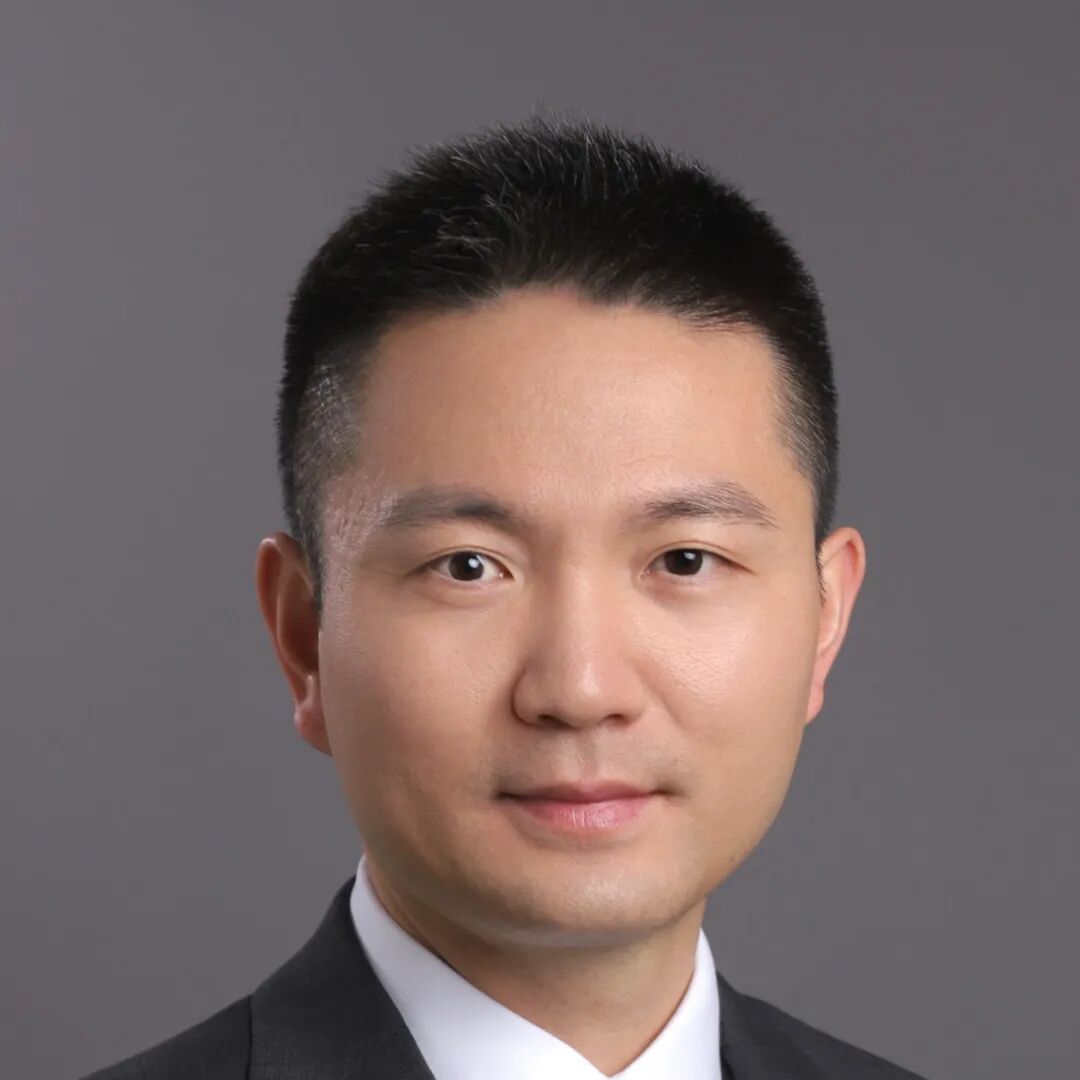
Yi Fujin|Qiushi Distinguished Professor and Director of the Research Centre for Agricultural Risk Management and Safe Development at Zhejiang University, with extensive research into agricultural risk management and agricultural insurance policy.
Hosts
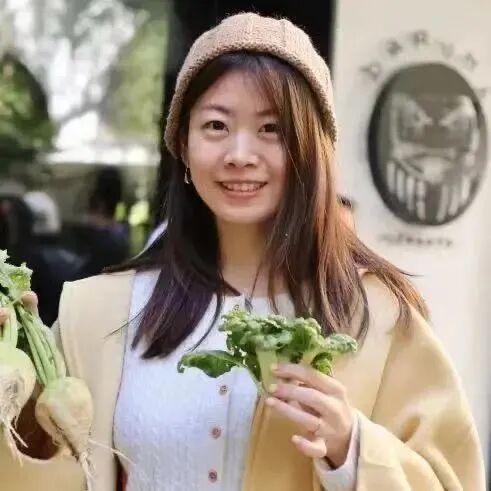
Xiao Jing|Host of Food Talk. Focuses on agriculture, food, and rural issues, aiming to explain complex agricultural matters clearly and accessibly.
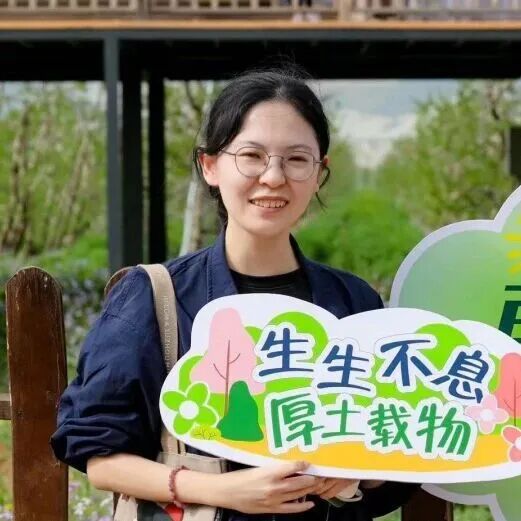
Xiao Dan|Foodthink editor / Food Talk host. Draws on extensive grassroots research in agriculture and rural communities, focusing on agricultural markets and farmers’ realities.
Timeline
01:09 A dying calf helps us truly grasp the meaning of agricultural insurance for the first time.
03:07 Hit by the same disaster, some receive compensation while others lose out completely. Where exactly does the problem lie?
03:38 What exactly does agricultural insurance cover? Are payouts based on weather, yield, or actual loss?
08:17 Apples, maize, wheat, and dairy cows: why do the insurance rules differ so completely? What is meant by ‘central government covers staple crops, local governments cover specialty crops’?
10:37 With 97% of China’s agricultural operations run by smallholders, what does this really mean?
16:33 Why is agricultural insurance so much harder to make as precise as motor insurance?
11:58 Traversing tens of thousands of mu of land in 14 days! How does the ‘large country, small farms’ (大国小农) reality force claims assessment into ‘village-wide sampling’?
17:44 Getting payouts even when no disaster strikes? Why do farmers sometimes mistake buying agricultural insurance for buying wealth management products (买理财)?
25:25 Is the 5.2 trillion yuan in risk coverage real? How does the agricultural insurance model actually add up?
33:59 If an entire province is hit by a major disaster at once, could insurance companies pay themselves into bankruptcy?
43:31 Is agricultural insurance a profit-making business, or should it be?
57:41 In the age of climate change, do we need to redesign agricultural insurance?
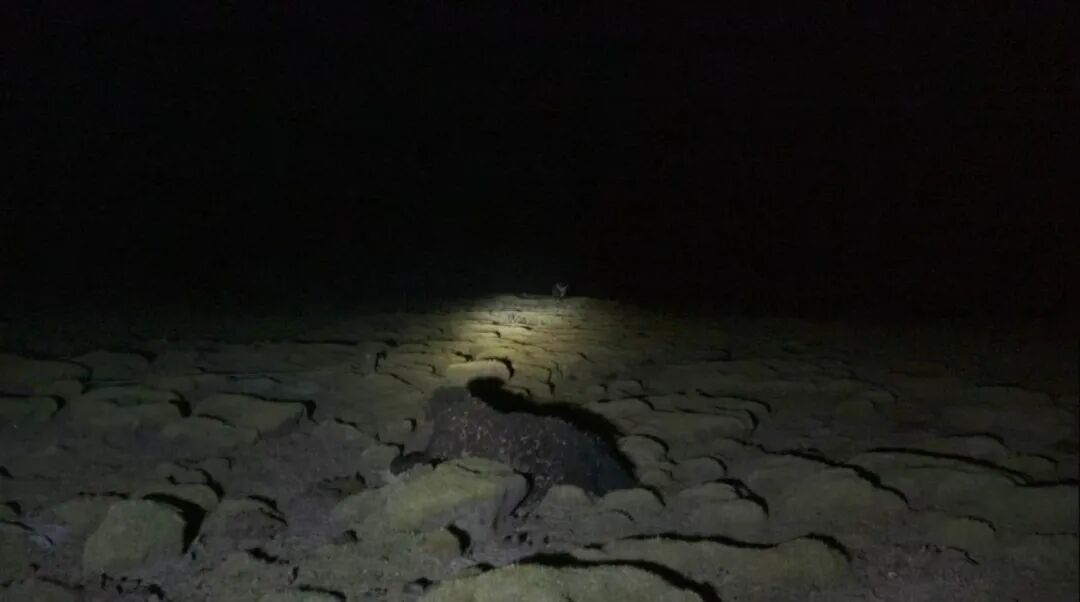
A herder’s yak calf lay dying outside the tent, its mother watching from a distance. The calf did not survive, and the herder took its body to the winter grazing grounds to claim insurance compensation. Photo: Jiao Xiaofang
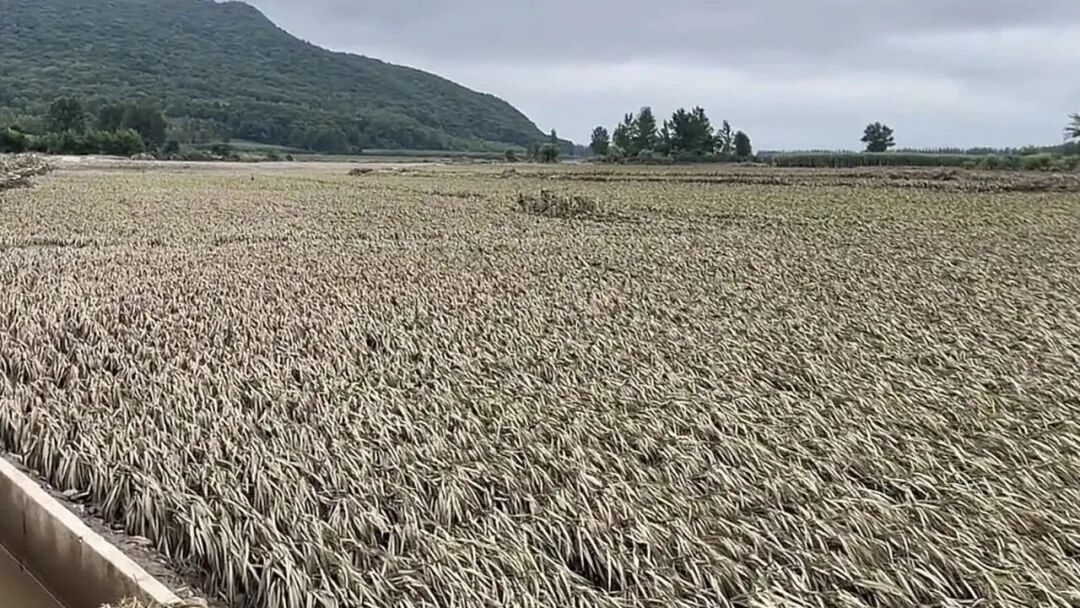
Large swathes of the floodwater-soaked rice paddies have lodged, with mud still clinging to the stalks and grain heads. Photo: Yvonne
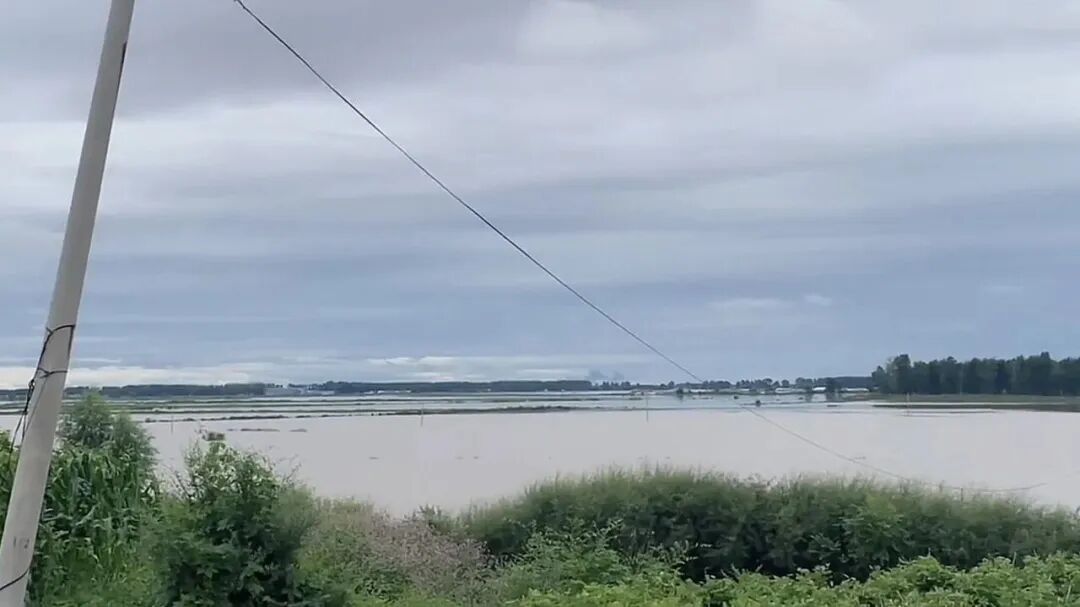
In early August 2023, rare torrential rain and flooding struck Wuchang in Heilongjiang province, submerging around 40 per cent of the local 2.5 million mu of farmland. The area pictured was once a rice paddy, now entirely swallowed by floodwaters. Photo: Yvonne
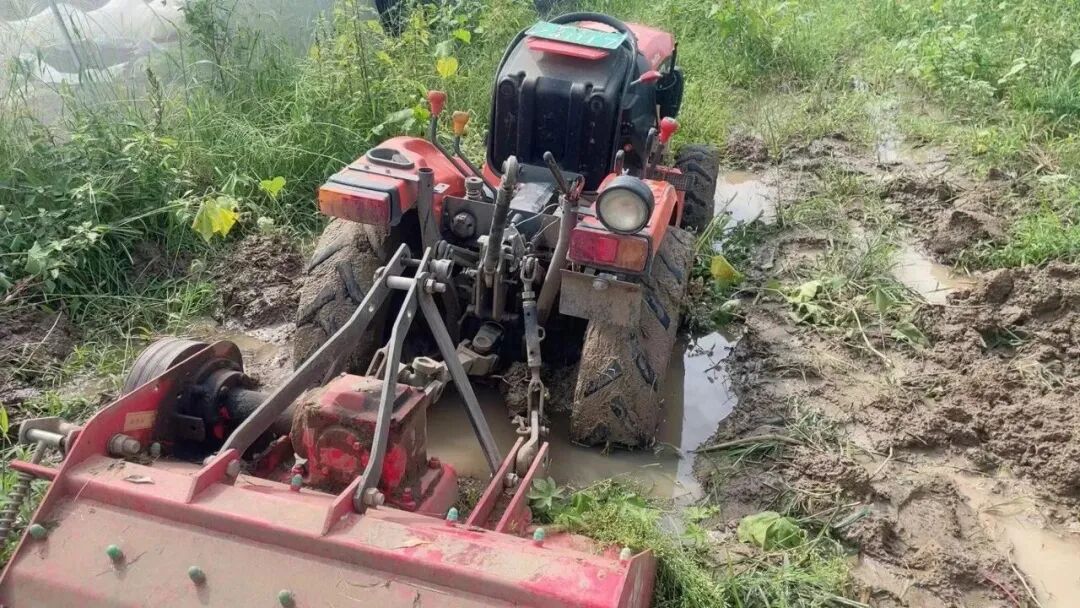
A tractor lies immobilised in the mud following heavy rain. Running heavy machinery on waterlogged fields further compacts the soil and damages the topsoil. Photo: Little Willow Farm
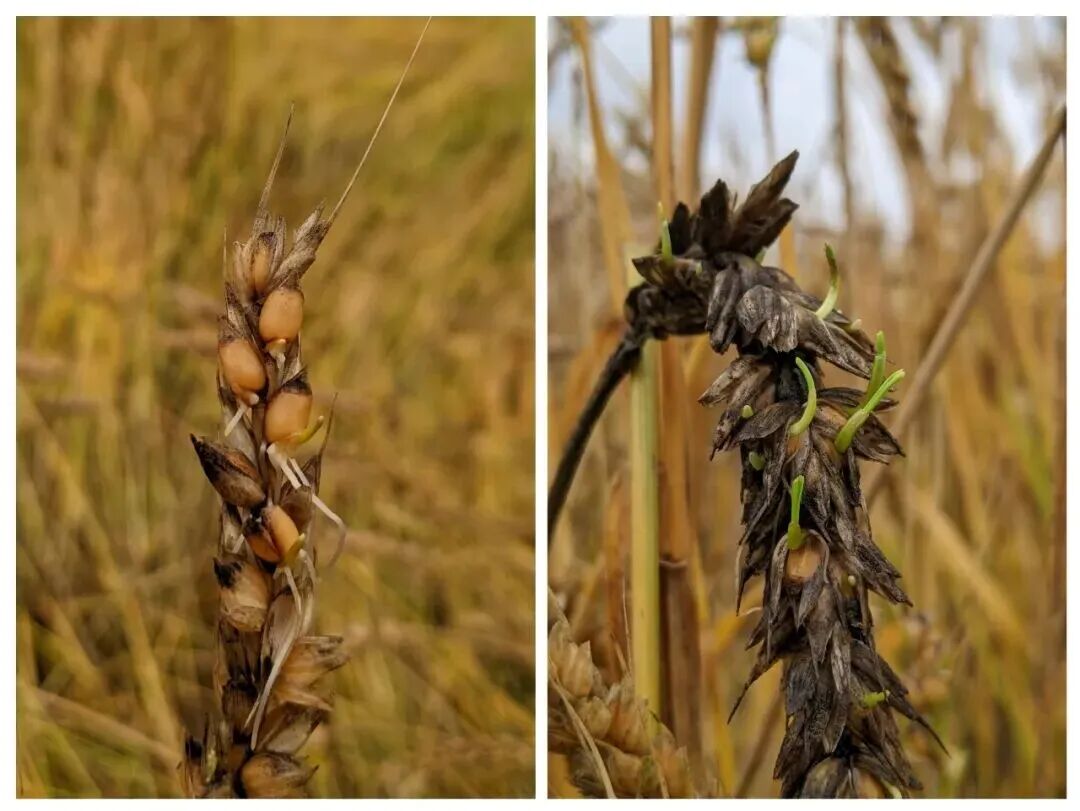
Following a period of rainy harvest weather (烂场雨) — persistent rain during crop harvest that causes spoilage or sprouting — the wheat heads have begun to germinate. Photo: Lvwó Farm
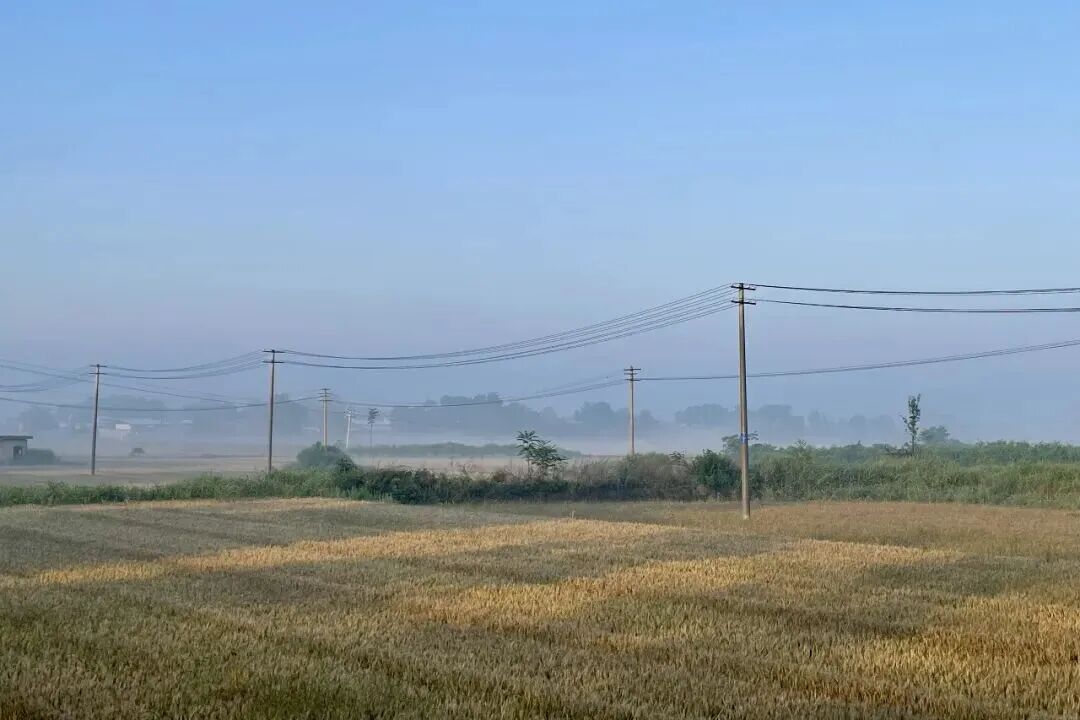
In 2023, the Guanzhong region of Shaanxi province endured 10 consecutive days of rainy harvest weather, leaving parts of the wheat crop mouldy. Photo: Lvwó Farm
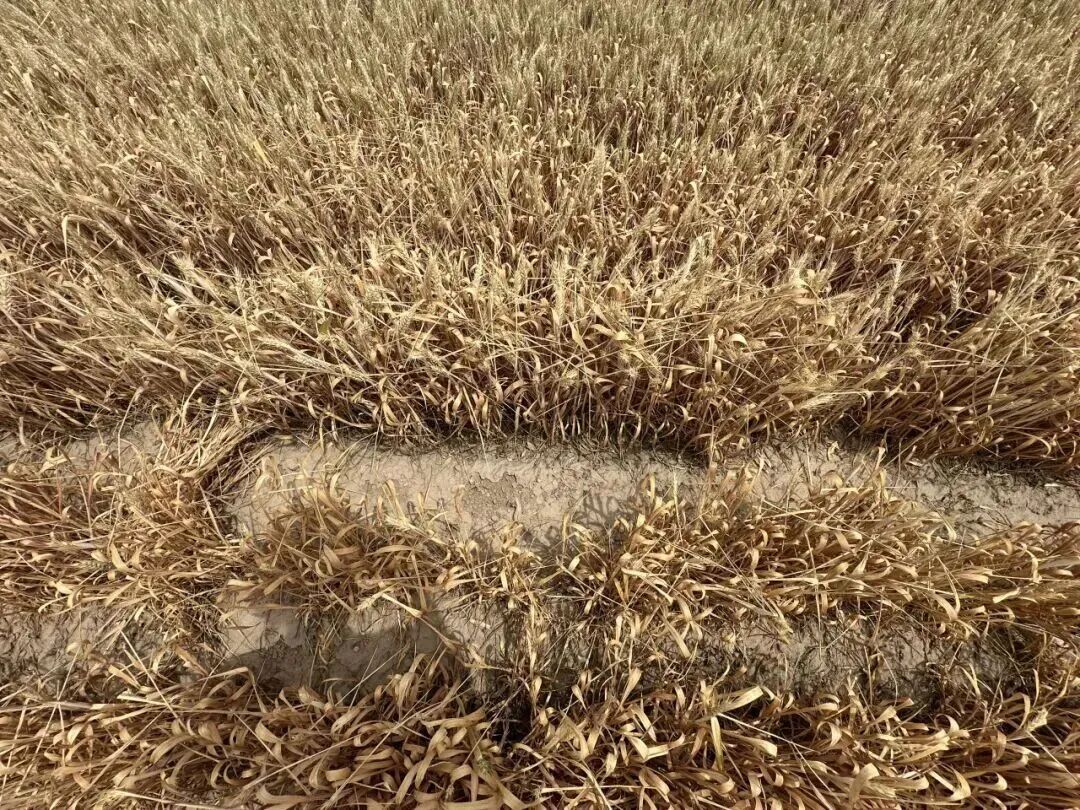
During the severe 2025 drought in Shaanxi, wheat growing on the floodplains south of the Wei River withered to a pale yellow, its flag leaves completely dry. At ground level, the soil around the roots burned hot to the touch in daylight. Photo: Kong Lingyu
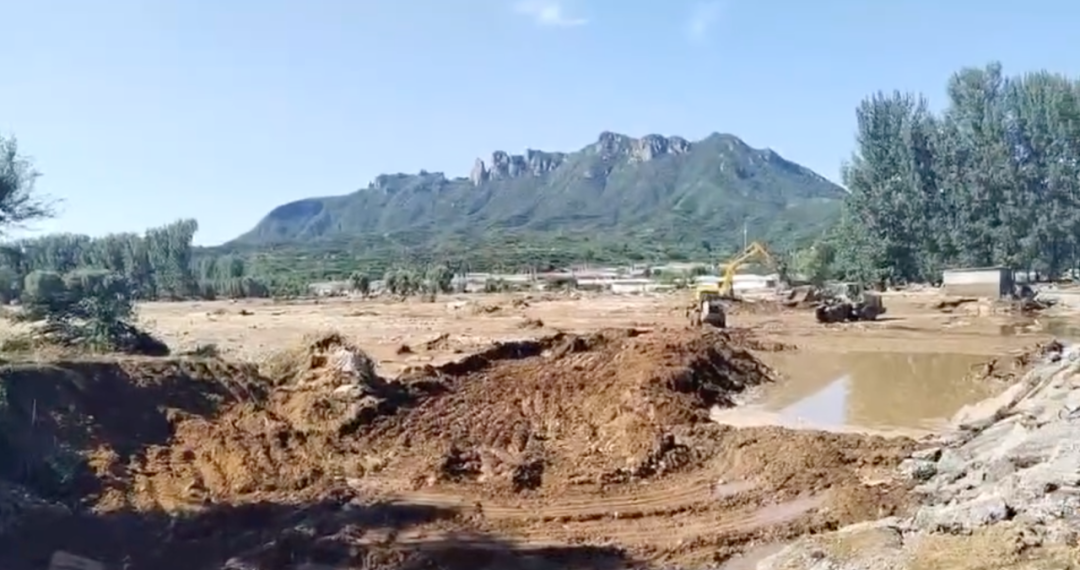
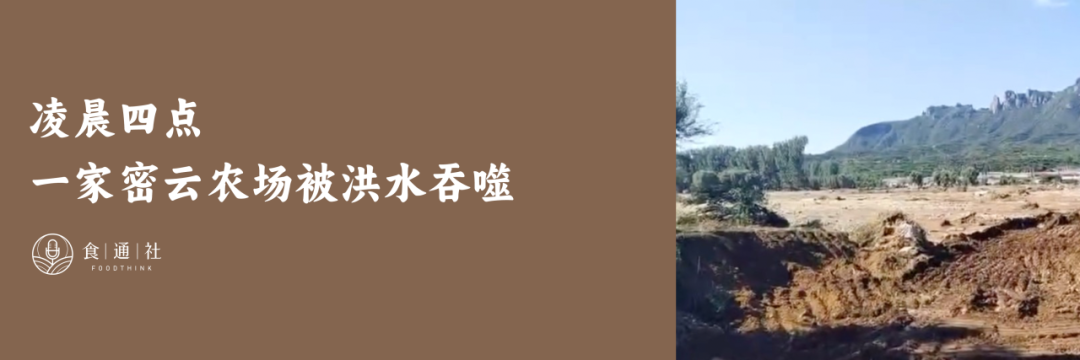
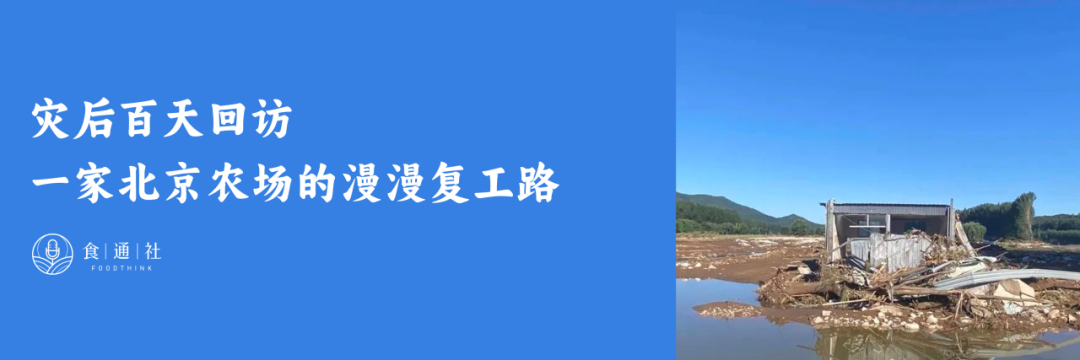
In July 2025, extreme rainfall struck Beijing once more. At Sohu Farm, located by the Qingshui River in Beizhuang Town, Miyun District, 450 mu of land were entirely swallowed by floodwaters. The deluge wiped away almost every trace of the farm, leaving behind only washed-out roadbeds, waterlogged mud, and scattered construction debris. Photo: Zhen Rui
Further reading ▼
Scan the QR code below
On Xiaoyuzhou | Ximalaya | Lizhi | Apple Podcasts
Subscribe to the Food Talk podcast

Please feel free to leave comments on any podcast platform; we’ll reply from time to time. Scan the QR code below to add Foodthink’s secondary WeChat account, and include “Food Talk” in your friend request note to join our podcast listeners’ group.

Unless otherwise stated, all images are provided by this episode’s guest.
Podcast music: Ba Nong
Production: Xiao Jing
Planning and editing: Xiao Dan
Layout: Xiao Shu
Contact email
xiaojing@foodthink.cn