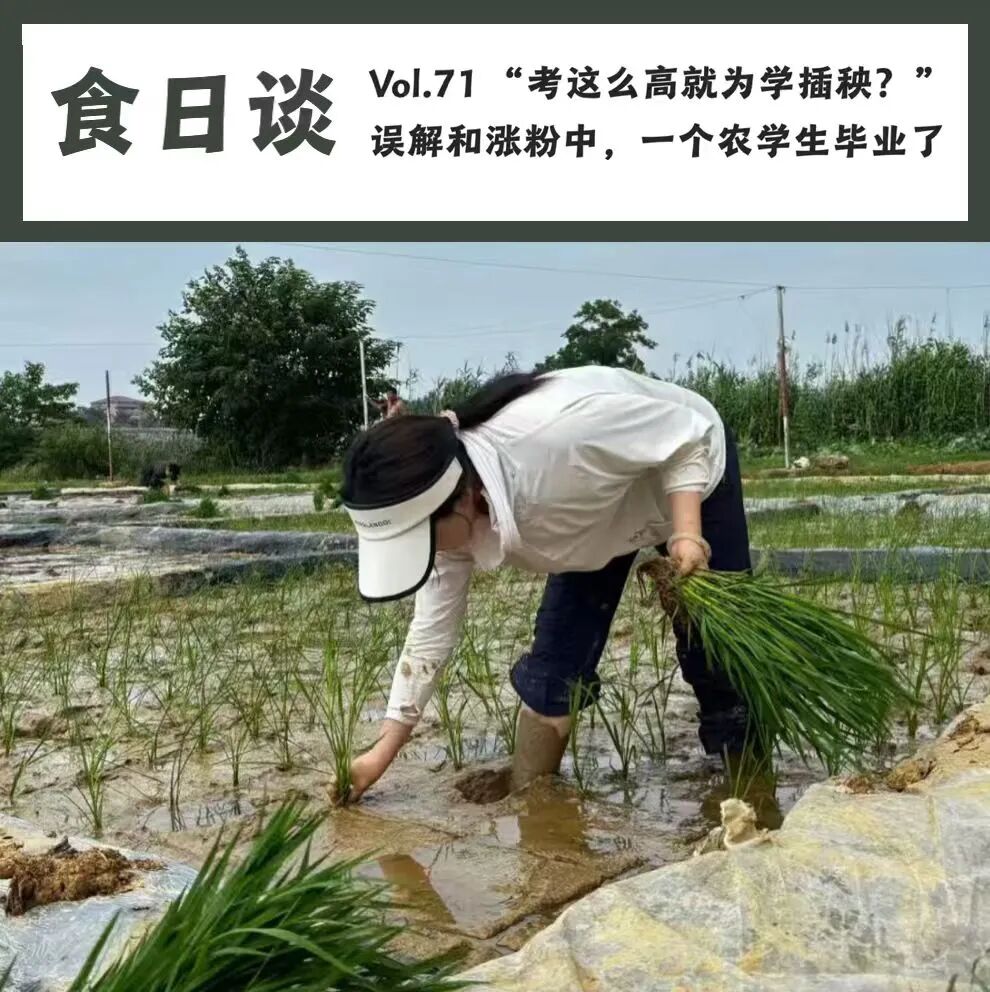
“Scored So High, Just to Transplant Rice?” An Agriculture Student Graduates Amid Misunderstanding and a Growing Following

“Your father worked his fingers to the bone in the fields to pay for your education, only for you to go to university and follow in his footsteps.”
“The way you’re transplanting those seedlings is completely embarrassing your parents.”
“You’re doing great, Xiao Xiong, but remember to tie your hair back and keep safe.”
“Hi, my son got into the agriculture programme at XX University last year. I was hoping to ask: what’s it actually like studying agriculture?”
…
Xiao Xiong is an agriculture graduate student and short-video creator who regularly documents her daily routine in the field. Across a handful of her viral videos on Douyin, she has received encouragement from supporters, scepticism from strangers, and messages from parents of university applicants seeking advice on whether to study agriculture.
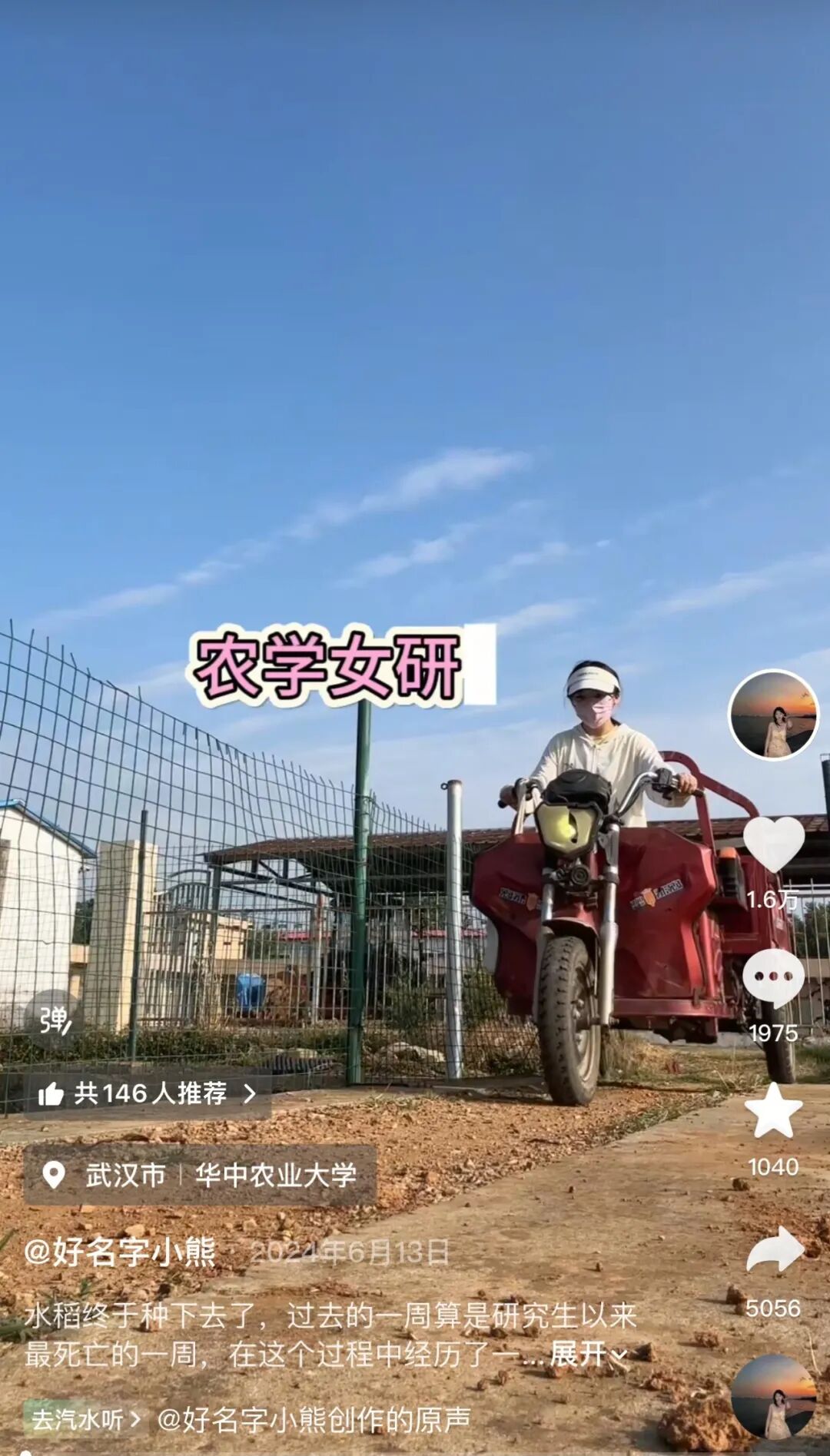
Popular videos on Xiao Xiong’s profile.
Over the past couple of years, agriculture students have become a frequent topic of online debate. Some criticise the path, claiming graduates face “difficulty finding work after graduation”, “can only sit the civil service and public institution exams (competitive public-sector recruitment)”, or “have studied for years only to end up back on the farm”. Others, meanwhile, are captivated by the rice, wheat, and fruit these students painstakingly cultivate, praising both the graceful beauty of the crops and the sheer vitality of the students growing them.
Faced with the endless debate and speculation surrounding agriculture students, Xiao Xiong strives to portray their reality honestly, but capturing that truth is no easy task.
As an agriculture student conducting open-field experiments, Xiao Xiong makes no attempt to hide the physical grind and moments of sheer frustration that come with farm work. Tap into her first pinned video and you’ll find footage of her operating machinery to chop straw on a rain-soaked evening.
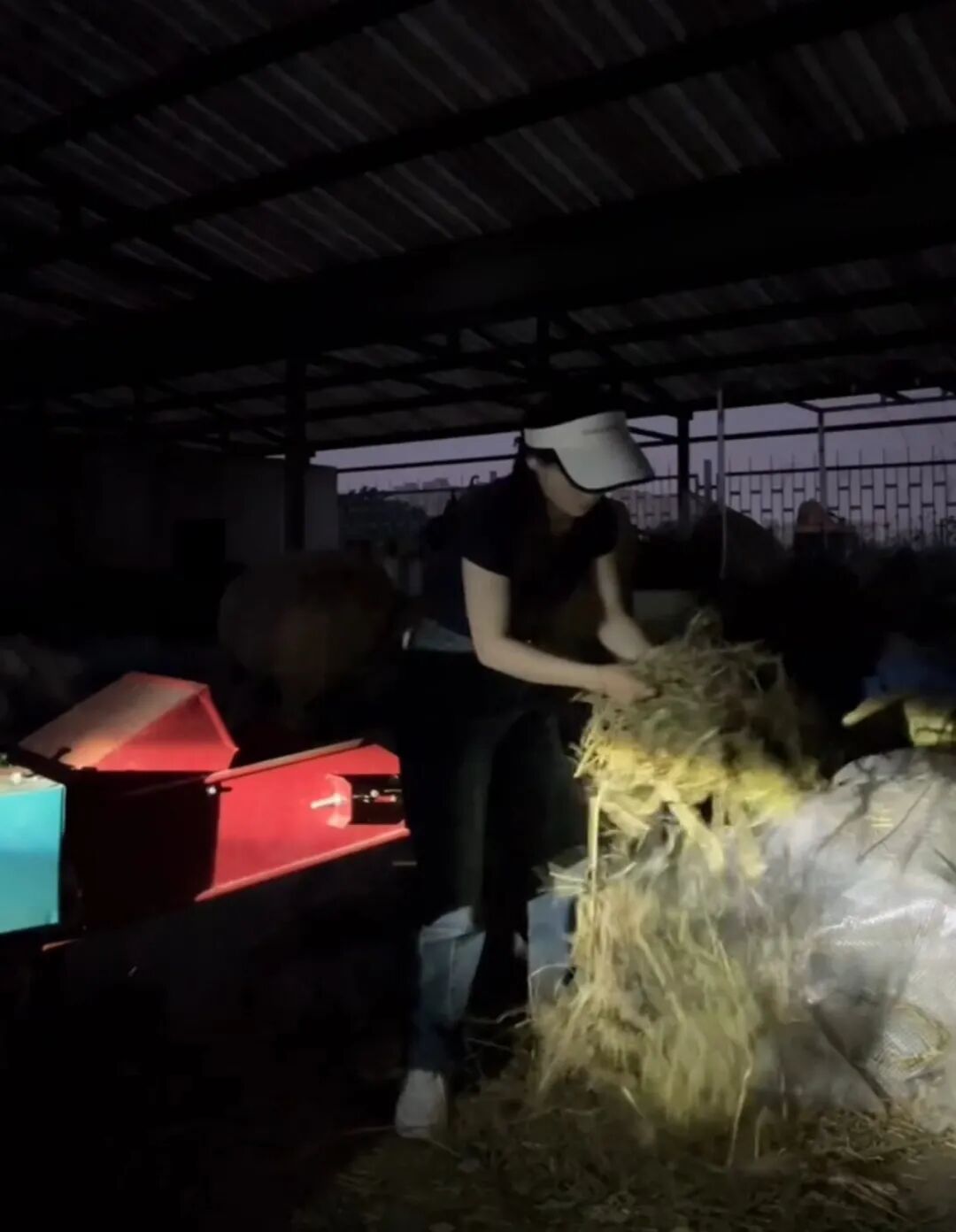
Beside the darkened rice paddy, Xiao Xiong works alone, pushing the machine to finish chopping the straw against the clock. The urgency of the task has brought tears to her eyes. In the deserted field, the machinery’s roar cuts sharply through the silence; she calmly stuffs toilet paper into her ears to block it out.
There are plenty more gruelling moments like this. Yet when she sees people constantly regarding the hardships of agriculture students with pity, she wants to convey the vitality of those studying agriculture. It is the flow state induced by physical labour, the sense of achievement in nurturing crops, the physical and mental well-being that comes from close contact with nature, and the deep bonds forged with fellow students in her research group through shared toil.
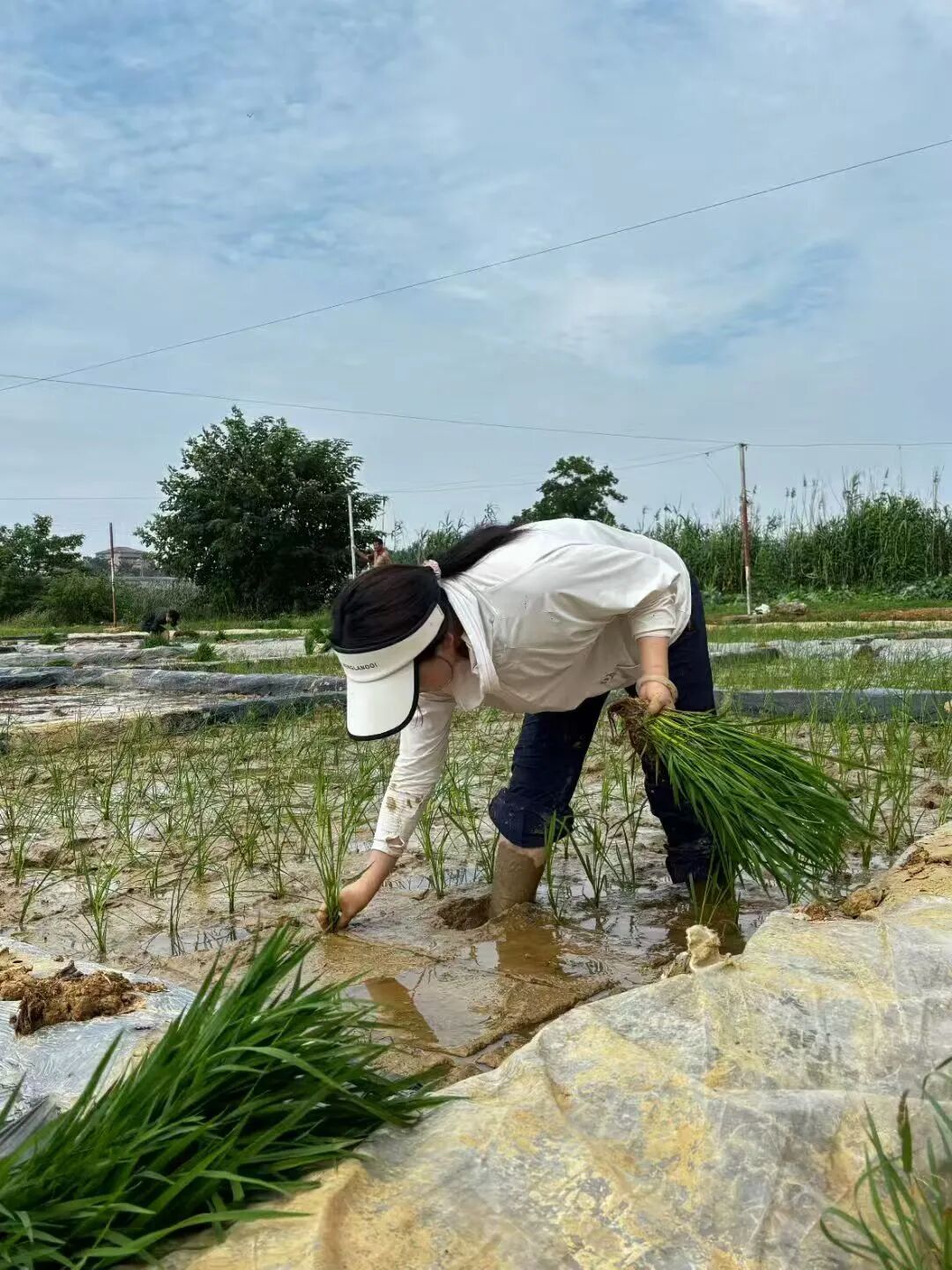
Xiao Xiong transplanting seedlings.
On the other hand, agricultural science is not synonymous with manual farm labour; its ultimate aim is research. Navigating muddy, difficult paddy fields to record data by hand, patiently sampling and labelling specimens to avoid compromising experimental accuracy—these are moments that form memories unique to agriculture students. Some have questioned Xiao Xiong’s farming skills, pointing to low yields. She finds this criticism misplaced, as her research focuses on low-carbon agriculture and sustainable farming practices. Her work requires measuring greenhouse gas emissions from rice paddies grown without fertiliser.
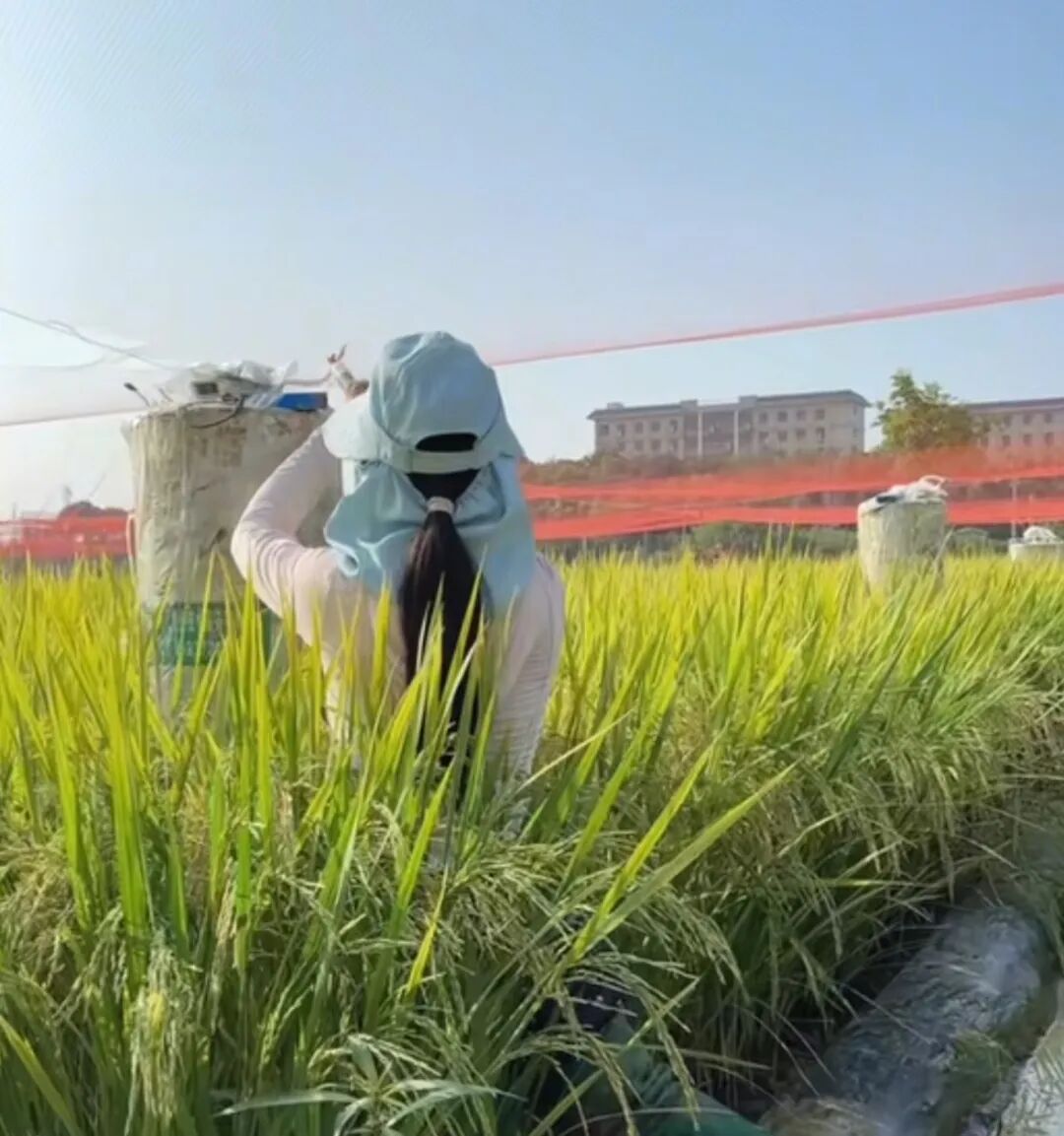
Xiao Xiong collecting greenhouse gas samples in a rice paddy. Her major is Crop Cultivation and Farming Systems, with a specific research focus on low-carbon agriculture and sustainable farming practices. In simple terms, this involves adjusting variables such as fertiliser application and planting density to reduce the greenhouse gases produced during rice cultivation.
But sometimes, Xiao Xiong doubts herself: “While carrying out open-field experiments, I also realise that these techniques probably won’t be much use in our future careers. After all, we can’t outfarm real farmers, and our research aims to cut carbon emissions rather than boost yields. Even for those classmates whose work focuses on increasing production, agribusinesses aren’t likely to adopt these technologies anytime soon. The most common jobs available to us are sales roles, essentially going out to sell agricultural inputs like seeds, pesticides, and fertilisers.”
In June 2026, Xiao Xiong graduated from Huazhong Agricultural University, and during her job search, she gained a deeper understanding of how difficult it is for agriculture graduates to find work. She sometimes wonders whether there are simply too many agriculture students nowadays, and what other paths might exist. Could short videos be the most effective way for them to carve out a path for themselves?
In this episode of Food Talk, we’ve invited Xiao Xiong to discuss her experience studying agricultural science. From the daily realities of an agriculture student to launching a short-video channel, from the varied career prospects in the field to the dilemmas and broader significance of the discipline today, Xiao Xiong—who has just stepped out of academia—has plenty to share.
If you’re curious about what life is really like for agriculture students, click to listen to this episode of Food Talk.
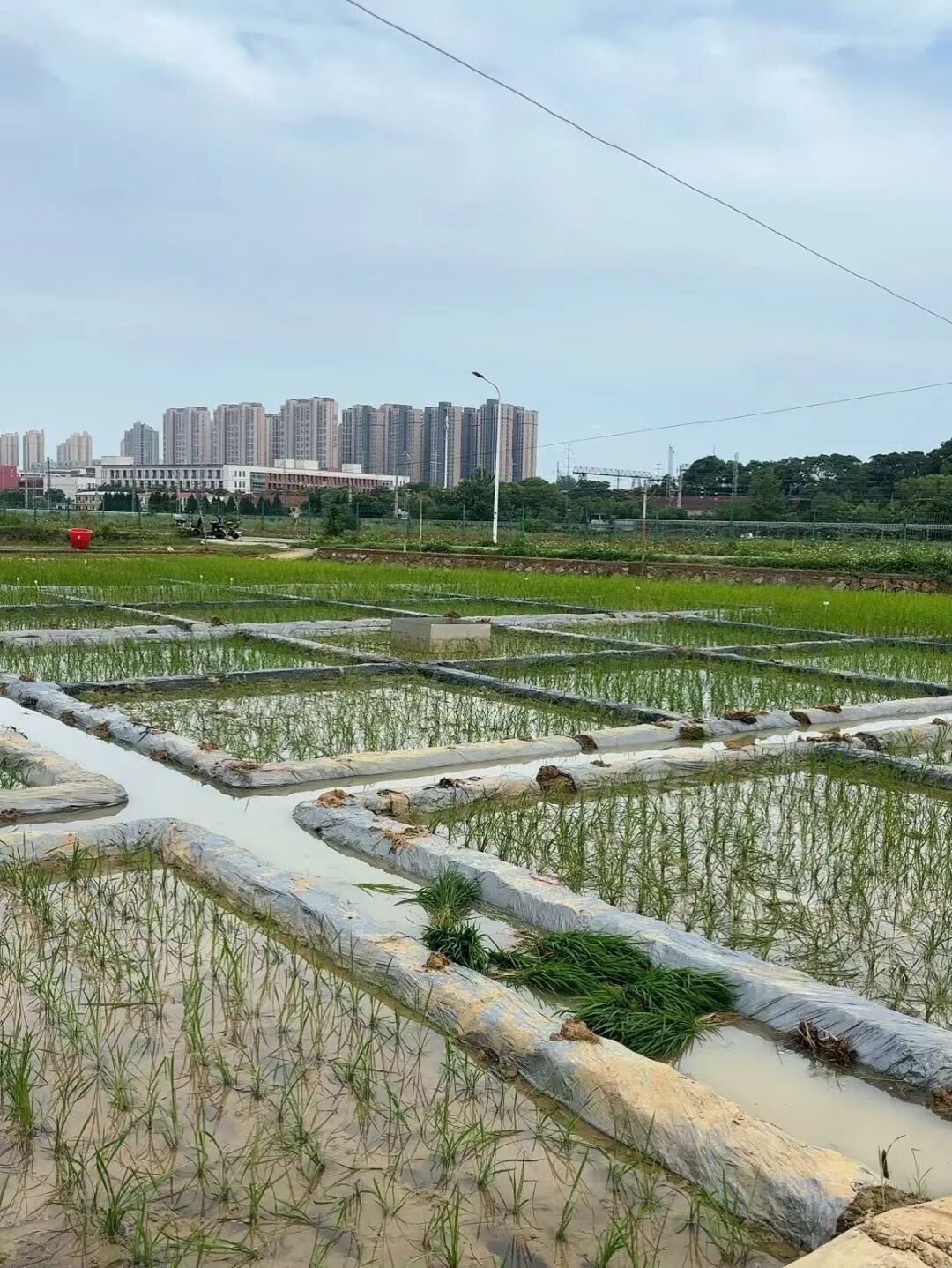
Xiao Xiong’s experimental plot.
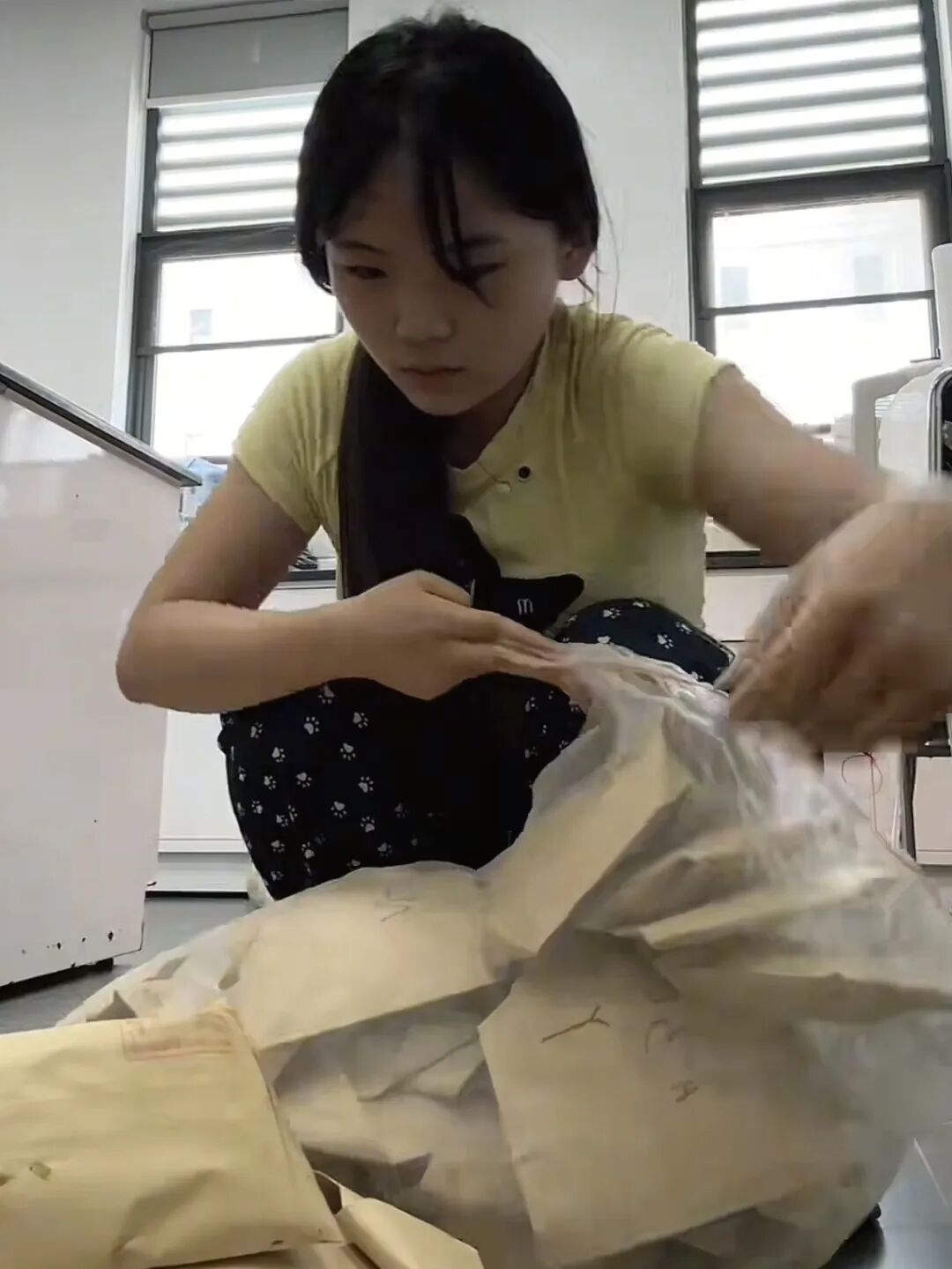
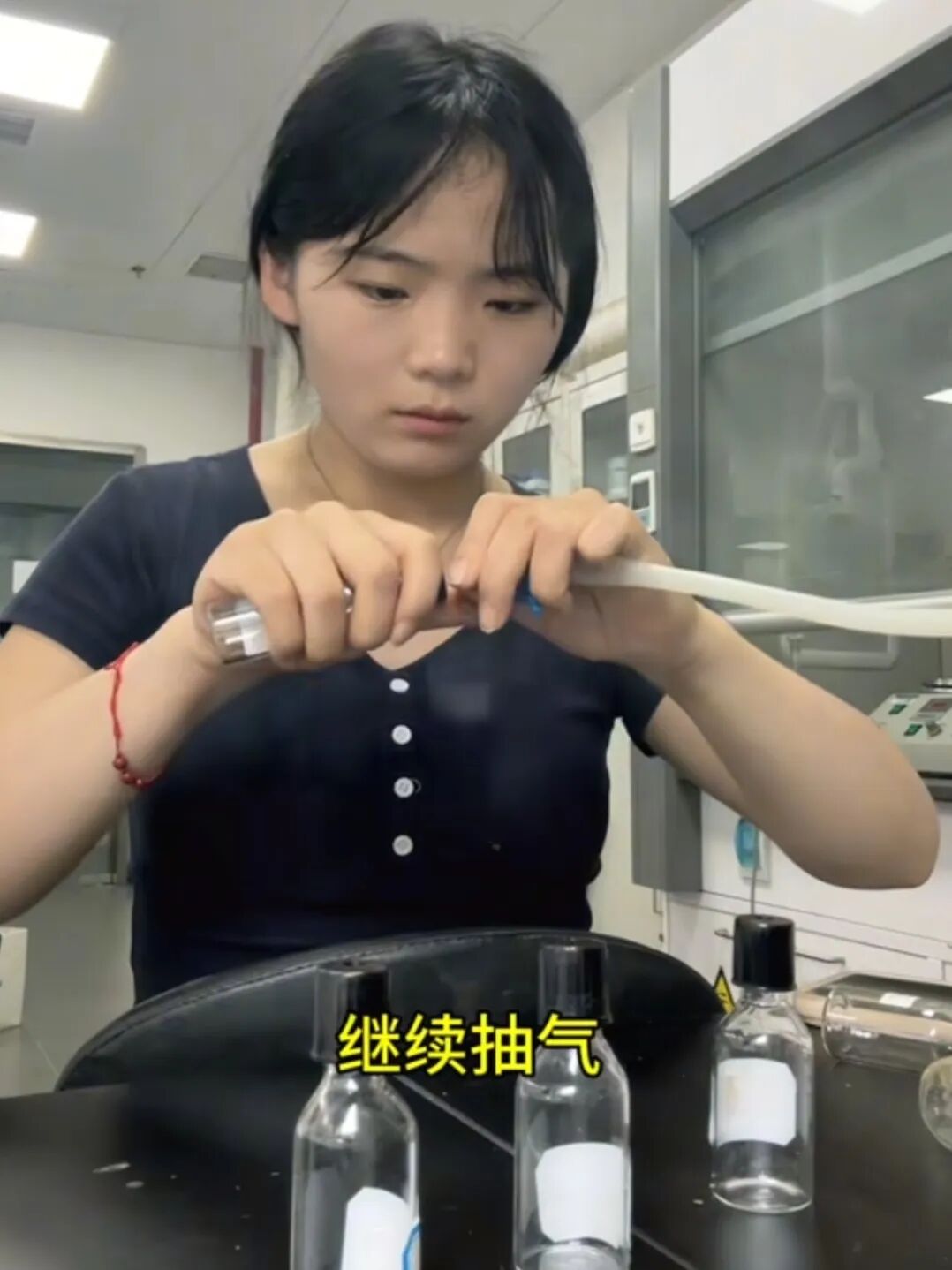
Xiao Xiong portioning out samples and conducting experiments in the lab.
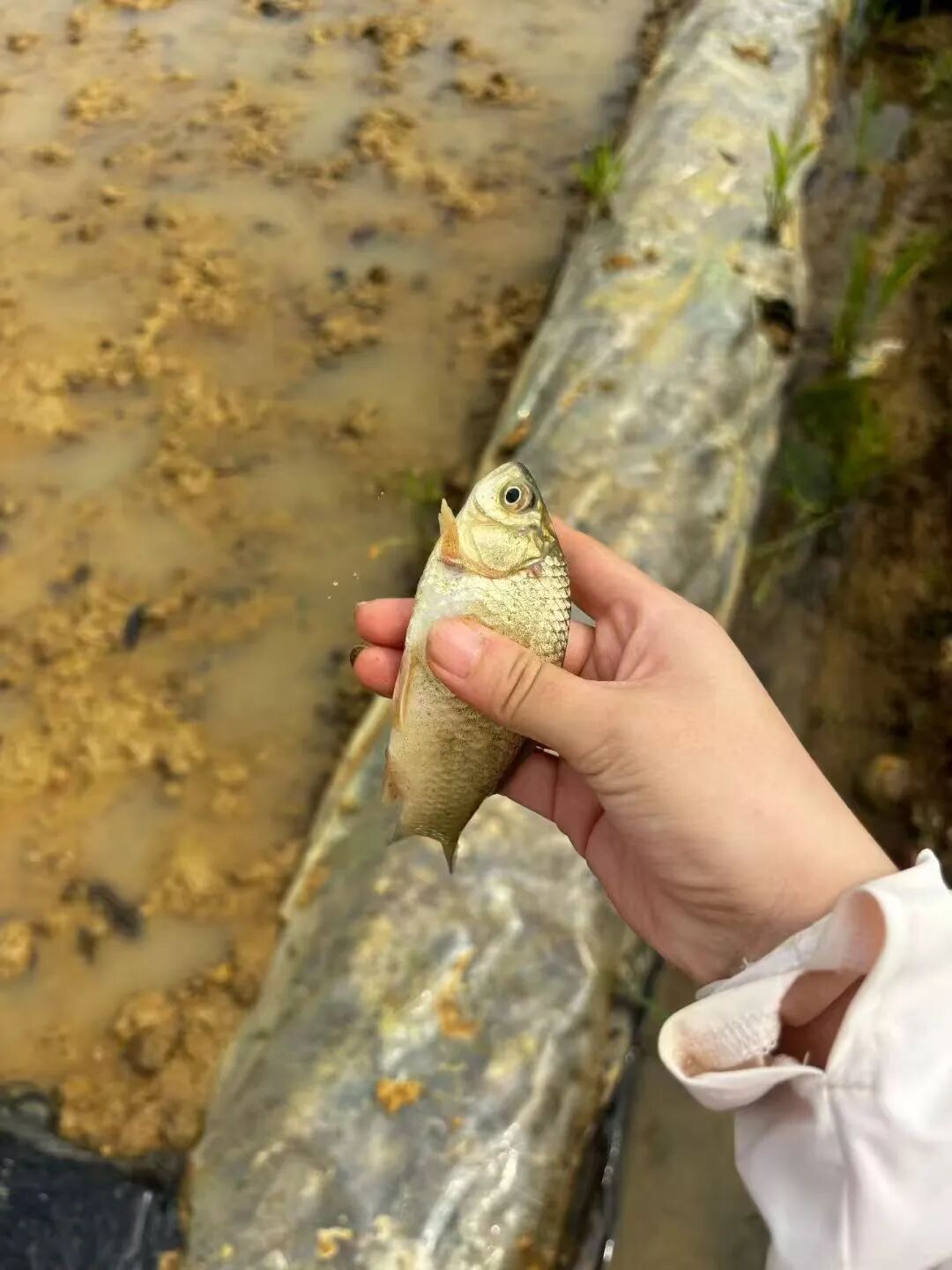
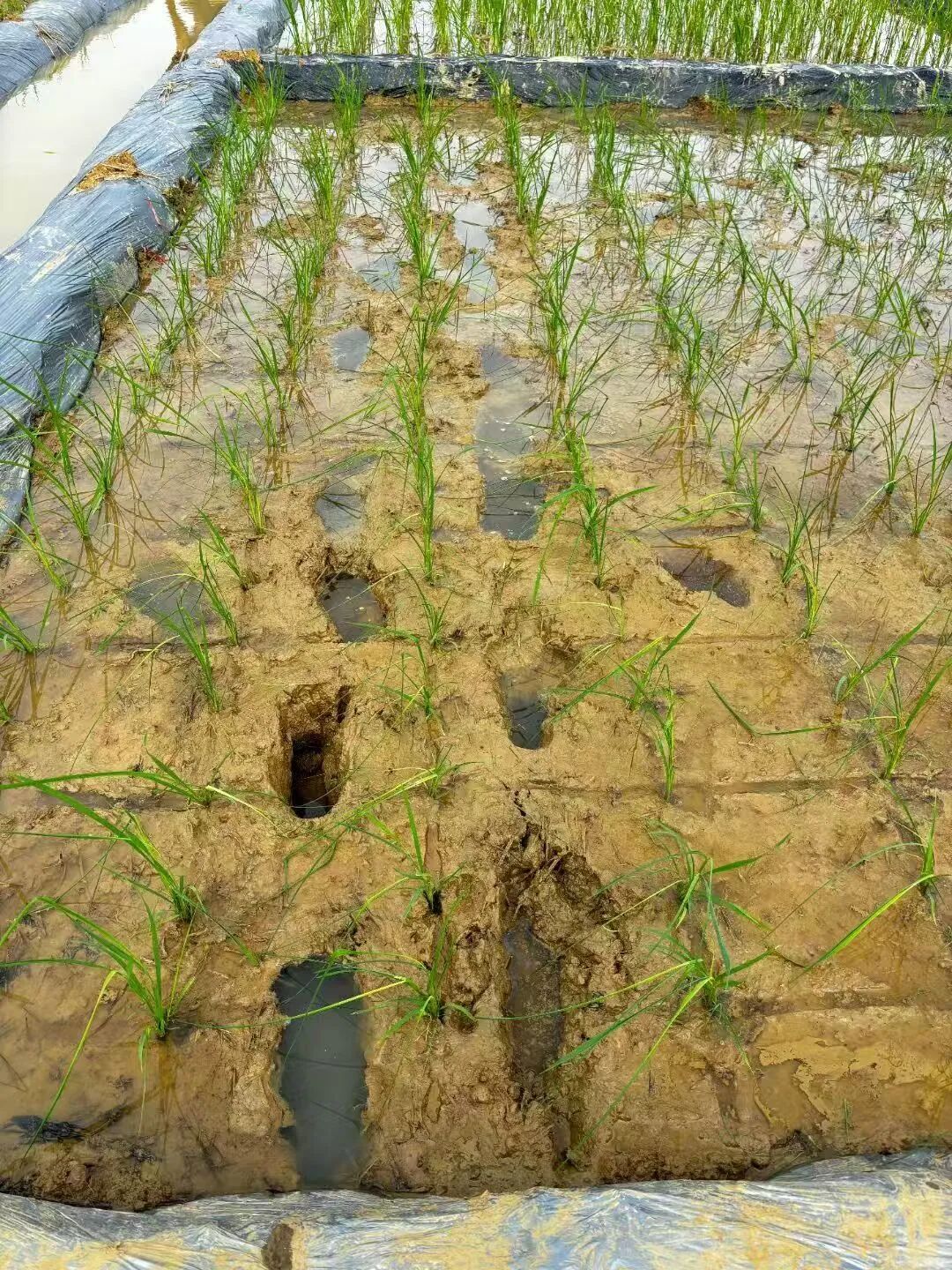
Left: Catching a fish by hand in the rice paddy. The fields are home to more than just fish; you’ll also find prawns, and occasionally snakes. Right: Looking back at the footprints left behind in the paddy.
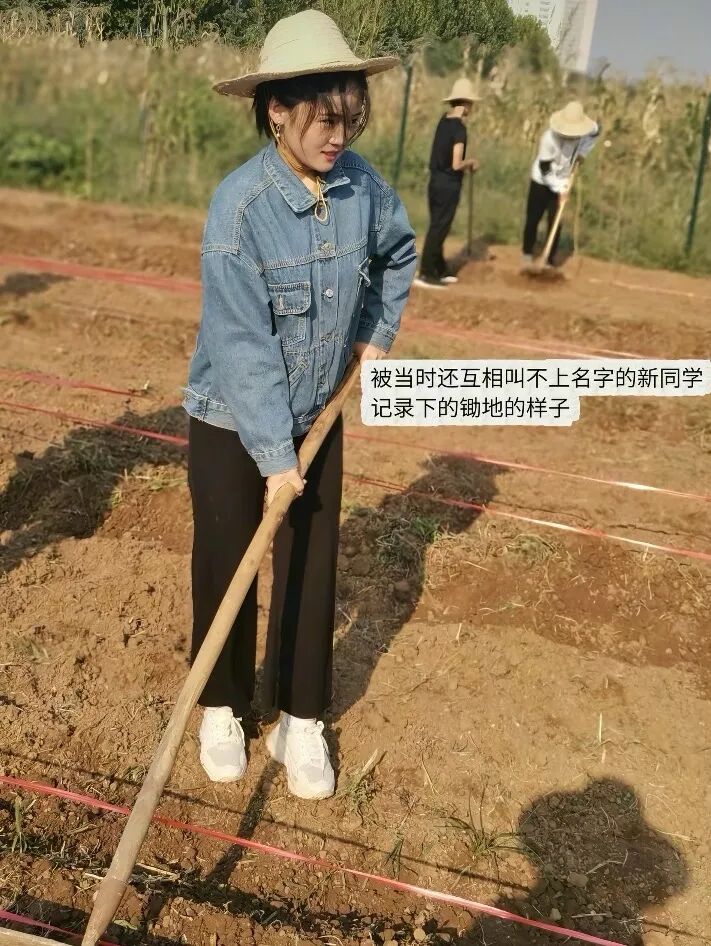
First-year Xiao Xiong hoeing the field alongside her classmates.
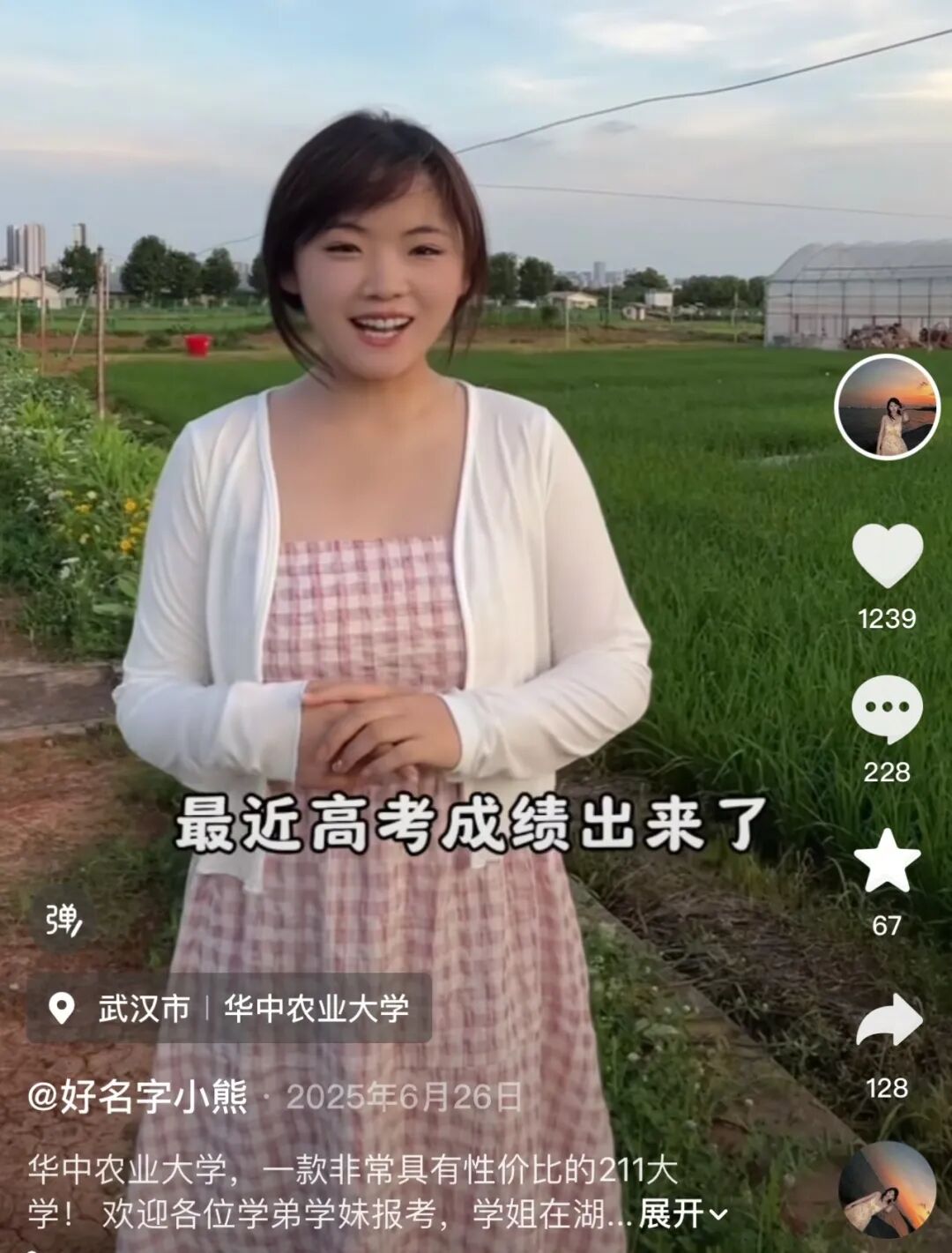
During her second year of postgraduate study, Xiao Xiong promoted Huazhong Agricultural University to prospective students preparing for the national college entrance exam. With numerous parents messaging her for application advice, she jokingly described herself as the university’s unofficial admissions representative.
This episode’s guest

Xiao Xiong | An agriculture student who can work the fields, shoot videos, and write academic papers
H/O/S/T
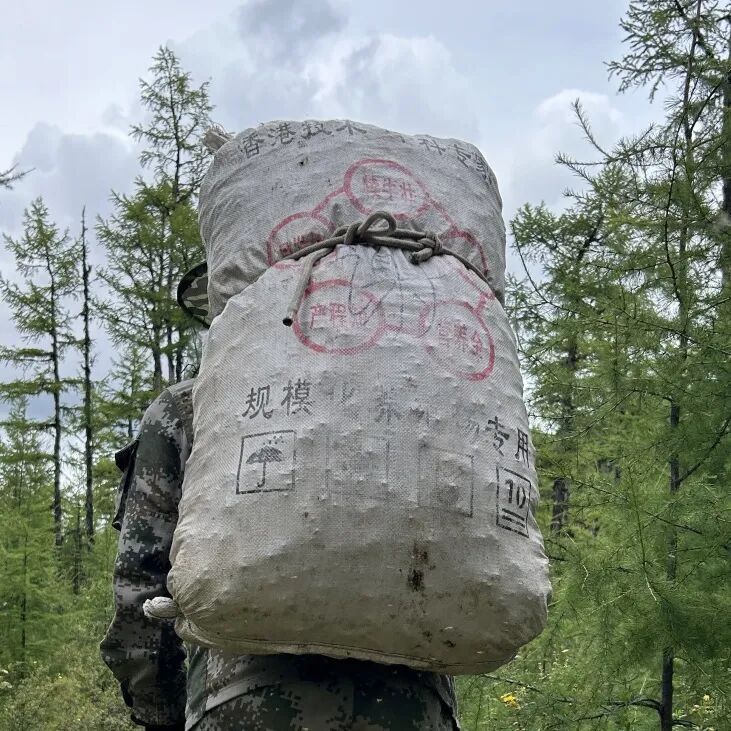
Yu Yang|Food Talk host, currently collecting pine cones and mushrooms in the Greater Khingan Range.

Li Ye|Food Talk host, Stardew Valley novice, wondering when we can finally bring low-carbon agriculture to the fields of our Pelican Town…
TIMELINE
01:23 Xiao Xiong’s dual identity after seven years of agronomy studies: master’s graduate from Huazhong Agricultural University and short-video creator with 26,000 followers
03:44 When “young girls working in the fields” becomes a viral formula, it inevitably invites backlash: “Did you get such high exam scores just to learn how to transplant rice?”
05:20 Addressing anxious messages from parents: difficult employment prospects in agriculture leave students sleepless and parents even more worried
08:10 The digital farmer vs the independent vlogger
12:37 An MCN agency comes knocking: a 50/50 profit split, but a RMB 500,000 breach fee
20:50 What do agriculture students actually spend their days doing in the fields? From planting rice, fertilising, and irrigating to weeding and pest control, genuine agricultural research is far more complex than simply “working the land”.
27:53 Labouring until nine at night, jotting down notes under streetlights; having rapeseed crops stolen three times, and realising it’s not worth calling the police
33:25 Given how exhausting and demanding it is, why does an agriculture student’s life still appear so vibrant?
39:06 Why do agriculture students forge such deep bonds so readily? Once you’ve finished a day’s labour together, your peers suddenly seem much more likable.
52:41 The employment reality: prospects are even tougher for women in agriculture. Do bioinformatics roles start at RMB 8,000, while traditional open-field positions only pay RMB 5,000–6,000?
62:10 Perhaps one day, agriculture students will stand under the mainstream spotlight too: “Xiao Xiong”, having graduated and secured employment, shares advice with current and prospective students: be proactive in shaping your own path, cultivate practical skills, and refrain from making premature judgements about your future.
Recommended reading ▼
Scan the QR code below
On Xiaoyuzhou | Ximalaya | Lizhi | Apple Podcasts
Subscribe to the Food Talk podcast

Feel free to leave a comment on any podcast platform—we’ll be replying from time to time. Scan the QR code below to add Shi Tong Jun’s secondary WeChat account, with the remark “Food Talk”, to join the podcast listeners’ group.

Unless otherwise stated, all images are provided by this episode’s guest.
Podcast music: Banong
Interlude: Rice Fields at Dawn by Suno AI
Copy editing: Yu Yang, Li Ye
Production: Xiao Jing
Layout: Xiao Shu
Contact email
xiaojing@foodthink.cn
Scan the QR code to tip and support original food content
▼

▼
Click a keyword to explore more article collections
Seeds | Agricultural Techniques | Policy | Fermentation | Nutrition | Fruit | Fisheries | Events | Recruitment | Food Delivery | Markets | Livestock | Food Talk | Sharing Sessions | Book Clubs | Harvest Festival | Smallholder Stories | Climate Change | Rural Development | Cooperative Economy | Urban Farming | Food Safety | Digital Technology | Biodiversity | Pandemics and Food | False Solutions | Ecological Farming Internship Programme
Beijing | Hebei | Shanghai | Guangdong | Guangxi | Henan | Sichuan | Jiangxi | Xinjiang | Shaanxi | Hong Kong | Chongqing | Zhejiang | Jiangsu | Guizhou | Northeast China | Taiwan | Inner Mongolia | Philippines | Canada | Russia | Mexico | Italy | United States | United Kingdom | Germany | Netherlands | Thailand | Sweden | Japan