
World Bee Day | Drones in the Sky, Bees on the Ground: Can We Still Enjoy Our Fruit?

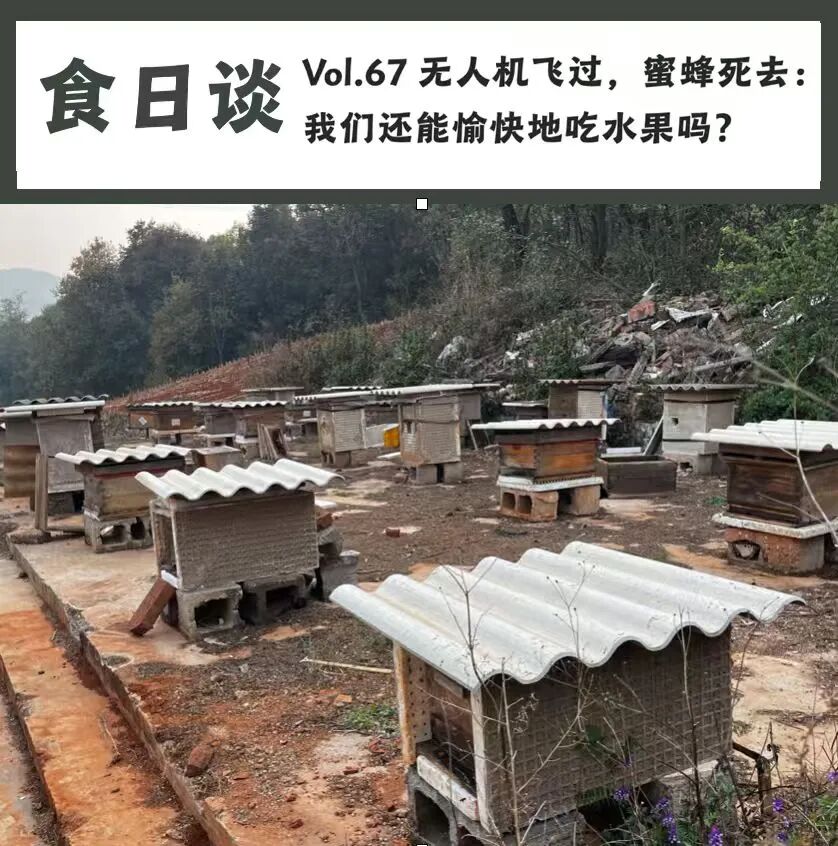
20 May marks World Bee Day. Silkworms and bees are the only two insects domesticated by humans, yet when drones fly overhead, their dead bodies litter the fields. Having covered silkworms, we now turn our attention back to bees, an essential pollinator.
China’s agriculture depends on pollinators at twice the global average, driven by a higher share of insect-pollinated crops and a greater diversity of foodstuffs. Without them, average yields for fruit crops would drop by 40%, and vegetables by 30%. The economic value generated by pollination-driven yield increases reaches 700 billion yuan, accounting for 19% of the country’s total agricultural output.
With drone technology and government support driving the cost of pesticide spraying virtually to zero, deciding whether to spray and how much has become a calculation weighing pest risk against farmland ecology. Who notifies whom, who coordinates, and who relocates? Beneath the impact of this technology, the relationship between beekeepers and farmers has turned into a tense negotiation.
This episode of *Food Talk* features two guests with a longstanding focus on agricultural ecology and insect research, joining us to discuss:
Why does spraying more pesticides often result in even more pests? Why are smallholders more wary of drones than large commercial farms? Why are beekeepers increasingly likened to “nomads of agriculture”? And who should pay for the ecological services that bees provide?
And what would happen in a world without bees? This episode explores agriculture, ecology, and economic impact, alongside the sounds of spring that are quietly fading away.
Epi / sode / Over / view
March, when rapeseed flowers are in full bloom, is usually the busiest and most hopeful time of year for beekeepers. Yet this year, after drones passed overhead, bee colonies across many regions were nearly wiped out.
This marked the crucial foraging window for bees that had endured a lean winter. Beekeepers said they received no prior notice, and even the owners of the rapeseed fields were unclear about what was happening. The Voice of Central Agricultural Broadcasting explained that the spraying was aimed at preventing a potential outbreak of sclerotinia. On how to undertake “targeted pesticide application” during the flowering season, the outlet offered several guidelines.
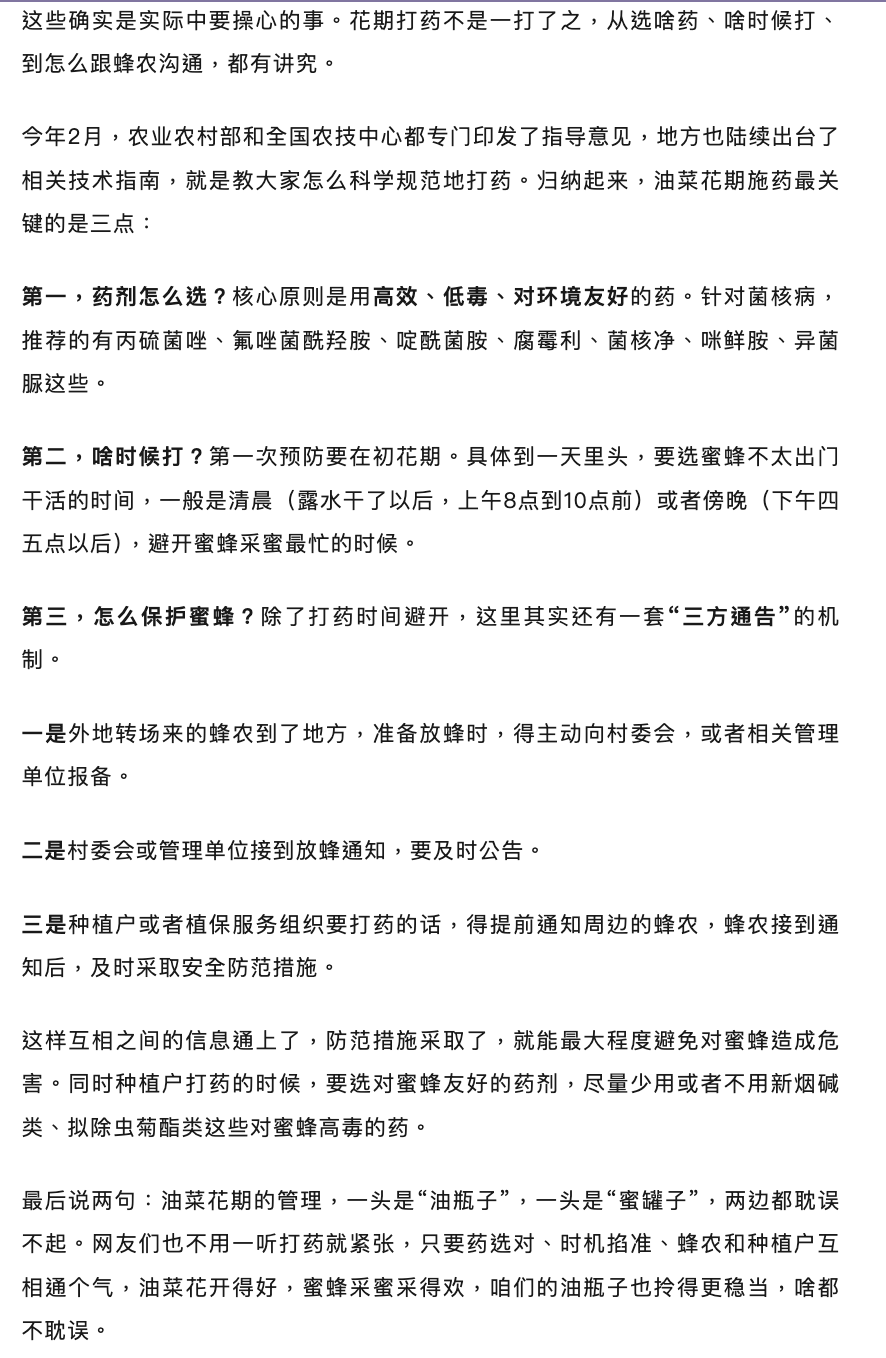
“Voice of Central Agricultural Broadcasting” sparks online debate: “Can we really apply pesticides while rapeseed is flowering?” Article screenshot
A tripartite notification protocol involving beekeepers, village collectives, and growers or plant protection organisations was specifically highlighted. Yet how effectively does it work on the ground? For beekeepers who drive from field to field across the country, how can they avoid being left vulnerable when confronted with aggressive drone arrays capable of spraying hundreds of mu (Chinese acres, c. 0.067 hectares each) per day?

Epi / sode / Gues / ts
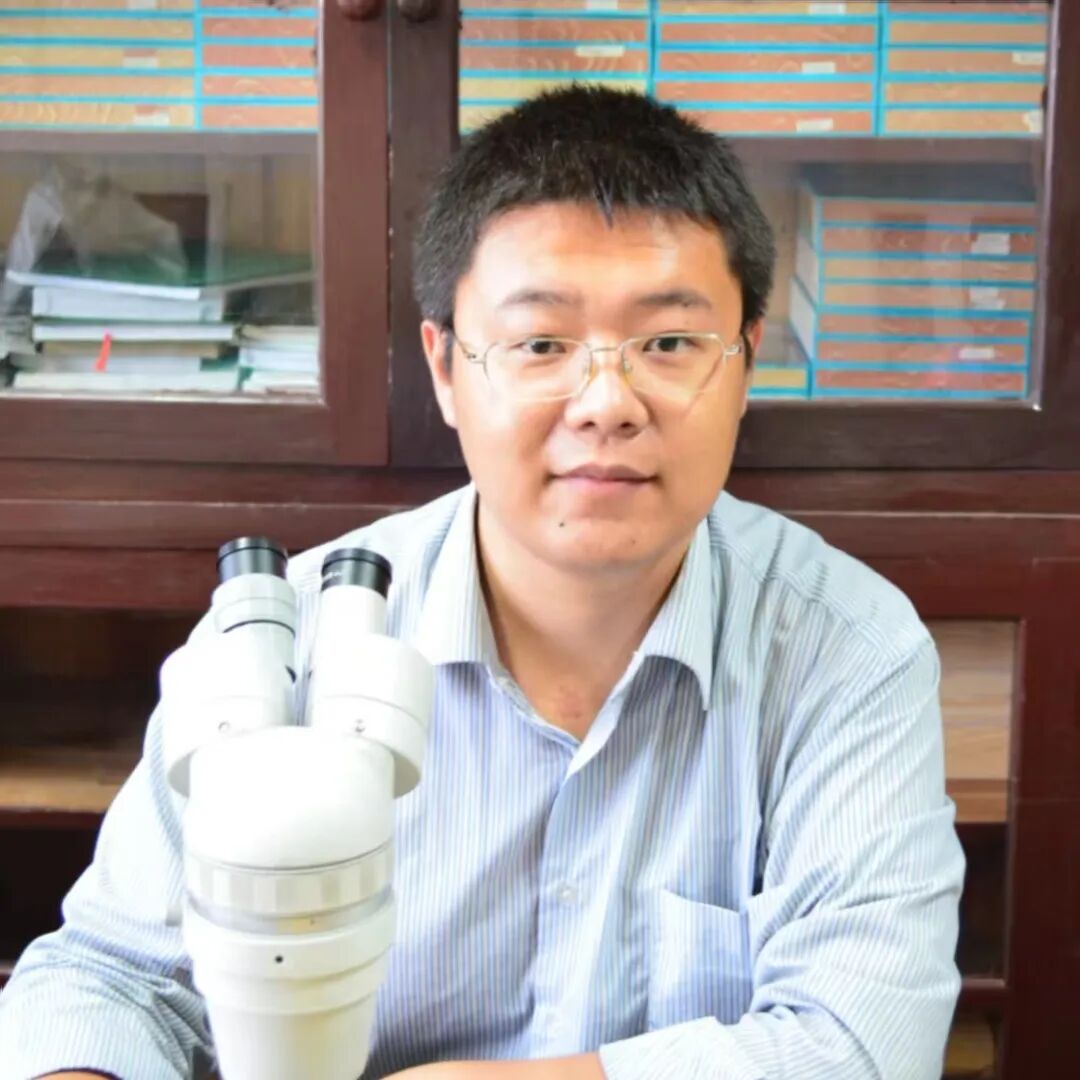
Li Chunliang| Originally from Yunnan, he has long been involved in conservation tillage, soil conservation, and farmland biodiversity. He studied conservation biology at Yunnan University and also runs an ecological orchard.

Zou Yi| Senior Associate Professor and PhD supervisor in the Department of Health and Environmental Sciences at Xi’an Jiaotong-Liverpool University. She holds a PhD from University College London and completed postdoctoral research at Wageningen University. Her research focuses on landscape ecology, biodiversity, pollinator conservation, and pollination service assessment.
Host

Pei Dan | Foodthink editor and writer, focusing on the individuals directly affected by climate change and environmental shifts
Timeline
02:44 What does adding 20,000 new drones a year actually mean?
03:46 Beekeepers have always known the dangers of pesticides.
12:03 Bees pollinating loquats: disorientation and memory loss.
16:11 Once the drones have passed, it’s not just insects that suffer collateral damage.
19:30 Flying at 7 metres: do drones really use less pesticide than conventional sprayers?
25:02 For some, drones are a lifeline; for others, they’re destroying the land.
31:26 Complex ecosystems that once enabled biological pest control are now being wiped out in the process.
35:49 When an entire village finishes spraying in a single day, how are beekeepers supposed to get out of the way? Should it be the sprayers avoiding the bees, or the beekeepers avoiding the sprayers?
45:31 The greater the hardship for beekeepers, the more they resort to feeding their bees sugar syrup.
56:06 2.5 million insect species: how do we track their populations? Is *Silent Spring* becoming even “quieter”?
1:03:17 Is it possible to farm without pesticides? Professor Zou’s “Supply” field trial in Jiangxi, where farmers are cultivating insects.
1:10:49 While farmers abroad receive subsidies to plant wildflower strips, those on smallholdings here already thrive naturally along field edges. The key question is: can we actually preserve them?
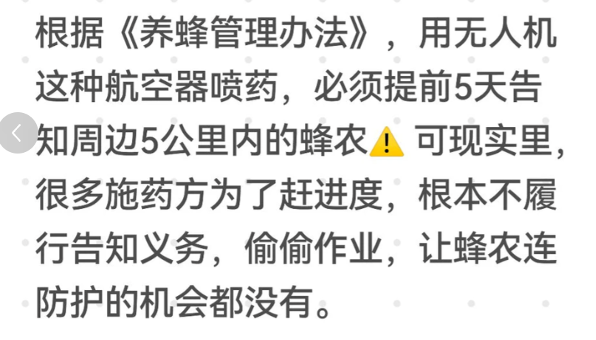
Social media discussions on whether beekeepers are notified before agricultural drones spray pesticides. Image source: Xiaohongshu.
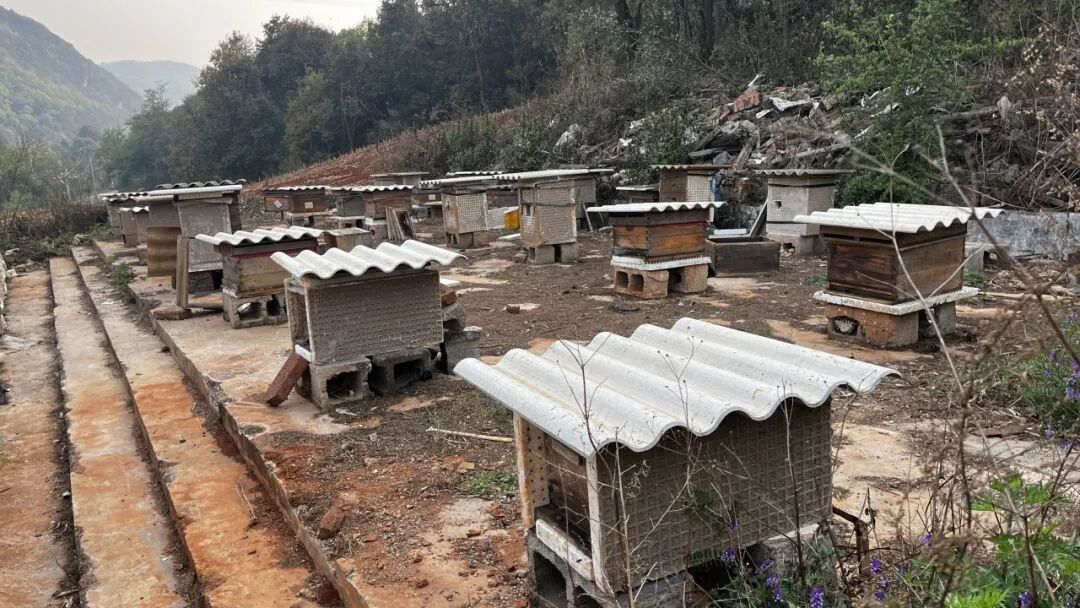
An apiary belonging to a beekeeper in Shilin, housing around 160 hives. An orchard sits right beside it. Image source: Li Chunliang.
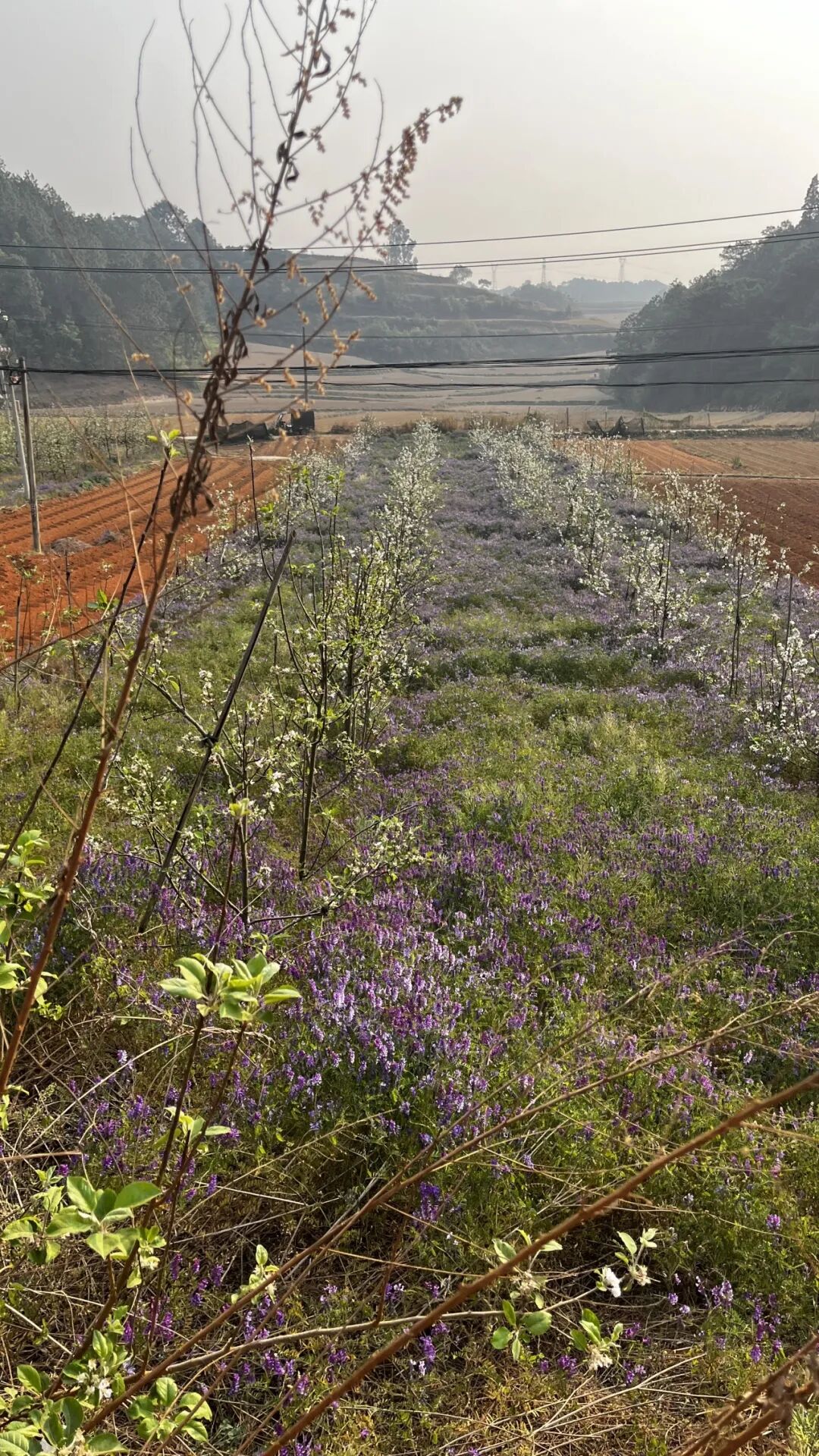
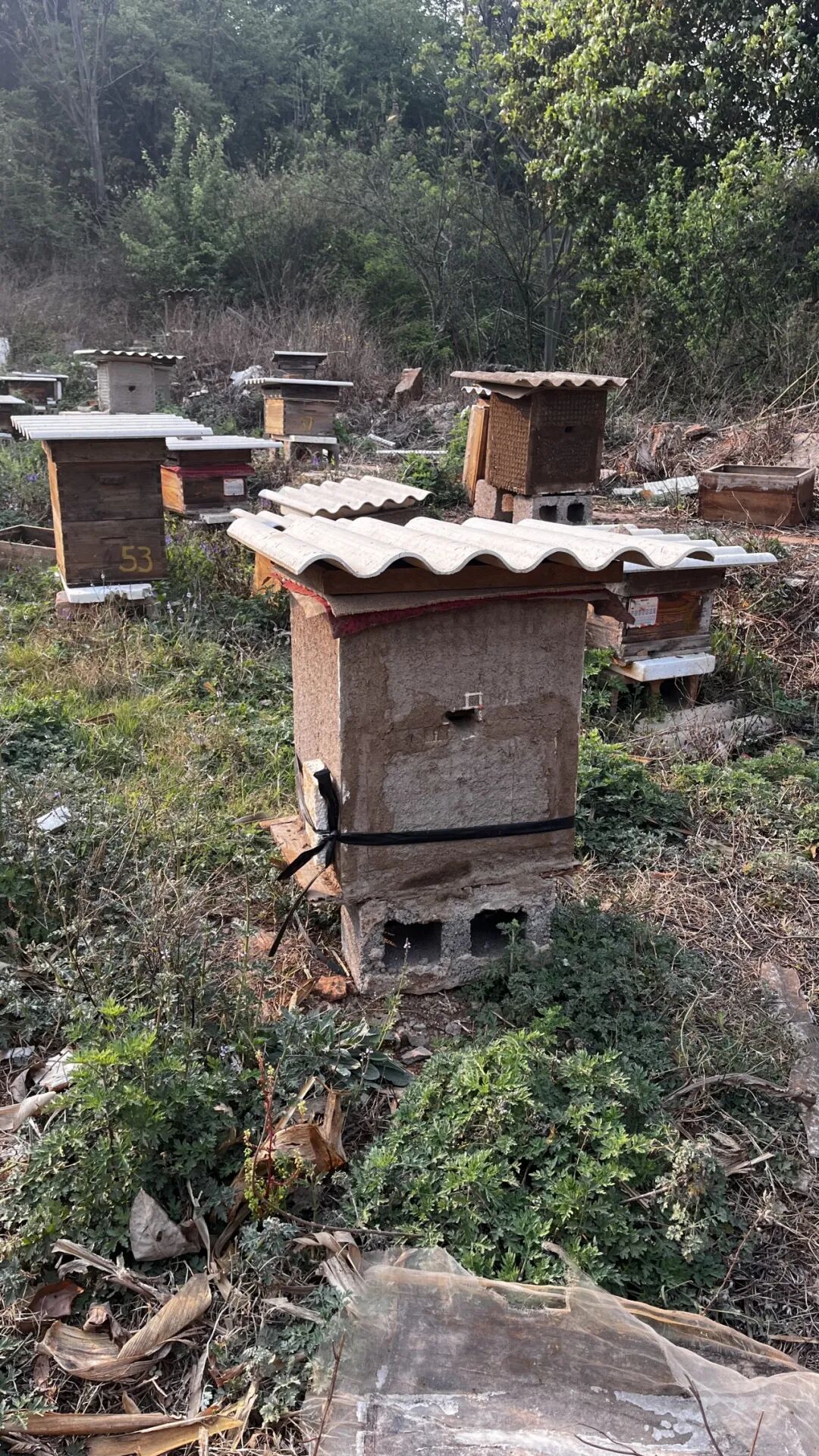
Beekeepers worry that pesticide spraying in apple orchards will harm their bees. The organisation Li Chunliang works with communicated with the orchard owners, suggesting they sow green manure (the purple-flowering vetch shown in the image) to improve the orchard’s ecological environment. Image source: Li Chunliang.
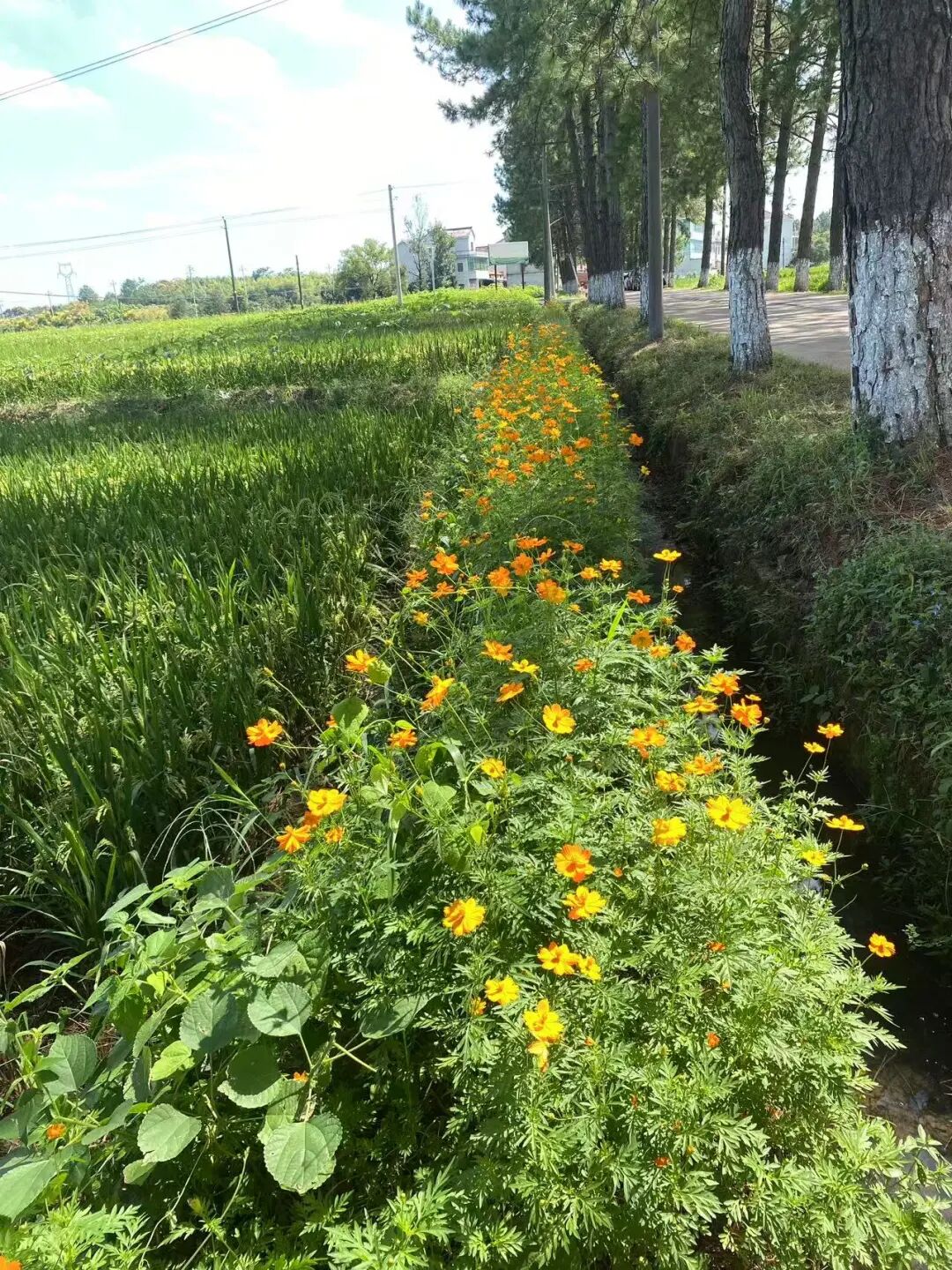
A wildflower strip ecological project in Jinhua, Zhejiang province. Image source: Zou Yi.
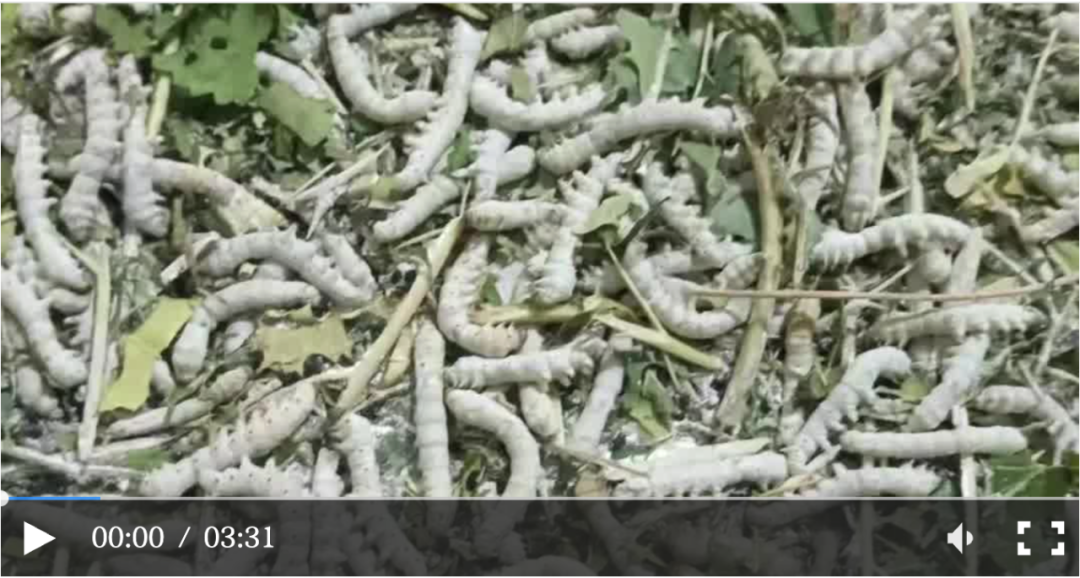
Our guest on the previous podcast episode, Fish Tank, opted not to share the photographs of the mass silkworm die-off, finding them too distressing. The editorial team has tracked one down for you instead — in November 2025, hundreds of thousands of domestic silkworms perished in Hunan following drone pesticide spraying. | Image source: Xinhunan Account Reporter Action
Related reading ▼
Scan the QR code below
on Xiaoyuzhou | Himalaya | Lizhi | Apple Podcasts
Subscribe to the “Food Talk” podcast

Feel free to leave comments on any podcast platform; we will reply from time to time. Scan the QR code below to add our FoodThink WeChat account, using “Food Talk” as your verification message, to join our listeners’ group chat.

Unless otherwise stated, all images are provided by this episode’s guests.
Podcast music: Bā Nóng
Production: Xiaojing
Editing: Pei Dan
Article layout: Minglin
Contact email
xiaojing@foodthink.cn