Saturday Film Screening in Urumqi
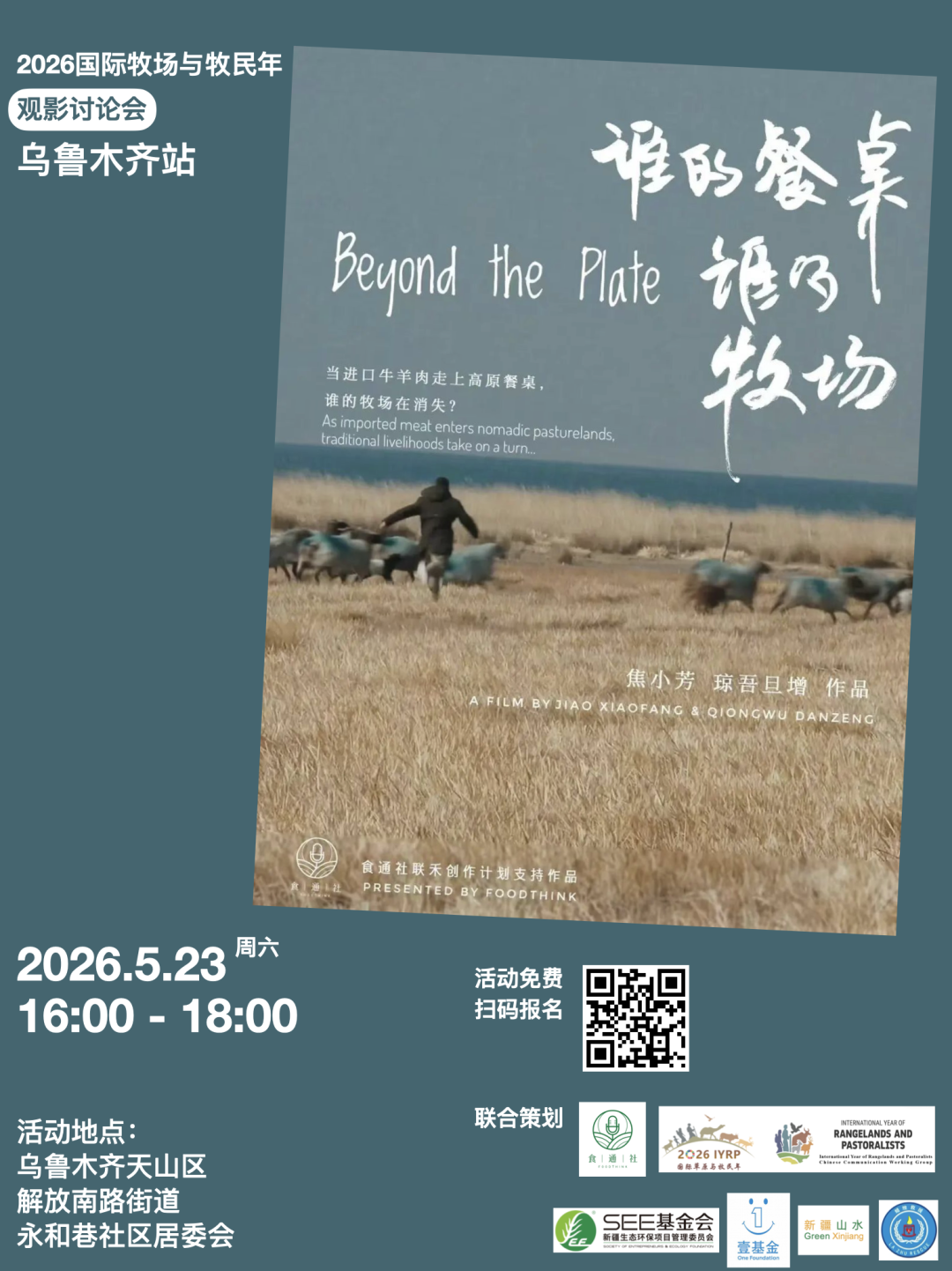
This year marks the United Nations’ “International Year of Rangelands and Pastoralists”. To help more people understand rangelands and pastoralists, the field research documentary *Whose Table Whose Pasture*, supported by the Foodthink Lianhe Creative Project, will be screened in Urumqi on the afternoon of 23 May. Xinjiang-based organisations, institutions, and invited guests will attend to share their perspectives and engage in dialogue with the audience.
The documentary *Whose Dining Table Whose Pasture* draws on field research from the rangelands surrounding Qinghai Lake, exploring how pastoralists’ livelihoods and ways of life are being reshaped as local livestock prices continue to fall and large volumes of imported frozen meat enter the market. Are comparable changes taking hold in Xinjiang’s rangelands? As China’s second-largest pastoral region, Xinjiang has long contended with ecological and developmental challenges, including rangeland degradation and sectoral transition. Both are rangelands, both are home to pastoralists—what are the unique transformations and trials each faces?
Rangelands are more than mere grazing grounds; they are inextricably linked to grassland ecosystems, local economies, and the everyday lives of pastoralists. When we discuss rangelands and those who depend on them, the difficulties encountered across different regions may vary, yet they all warrant our attention and dialogue. Foodthink wishes to seize this moment to focus our collective gaze on the rangelands and pastoralists among us.
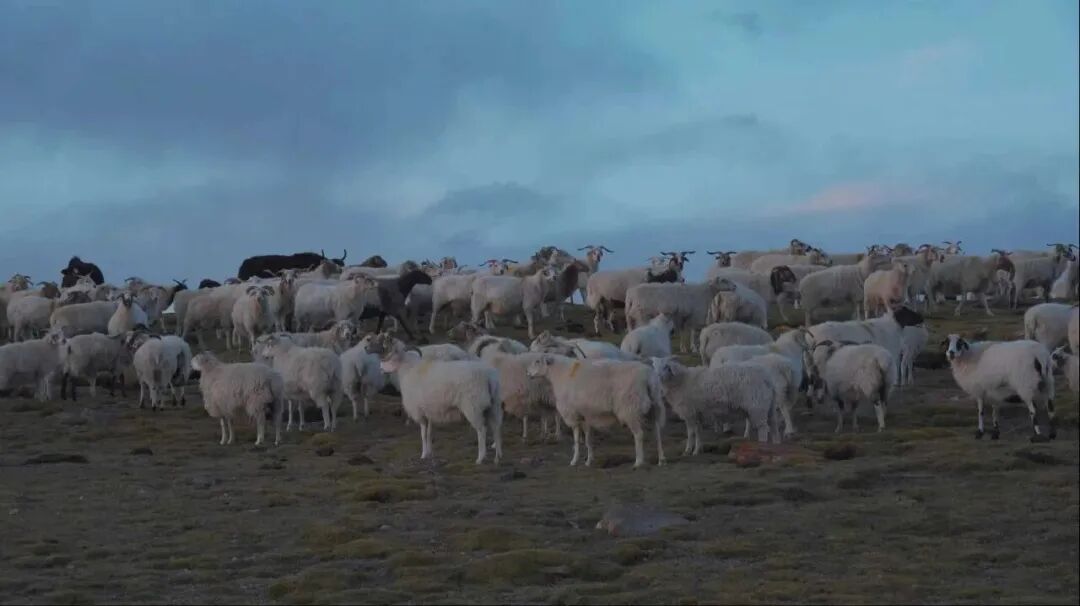
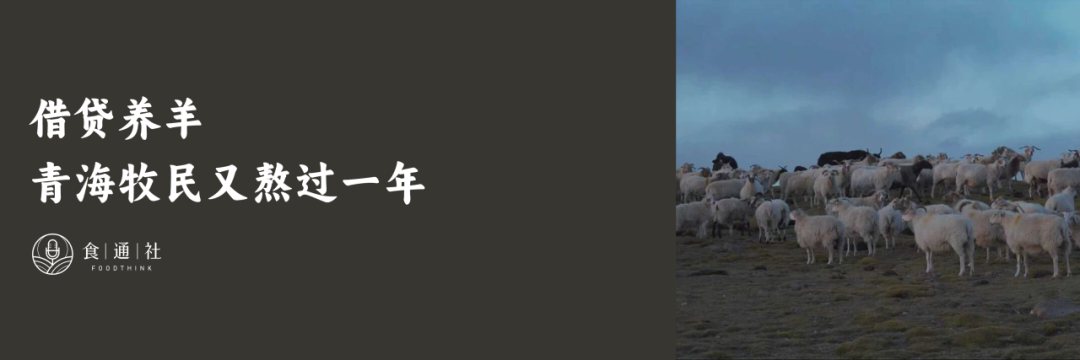
◉The family sheep flock of Niang’e Jia, one of the protagonists of *Whose Table, Whose Pasture*. Photo: Jiao Xiaofang
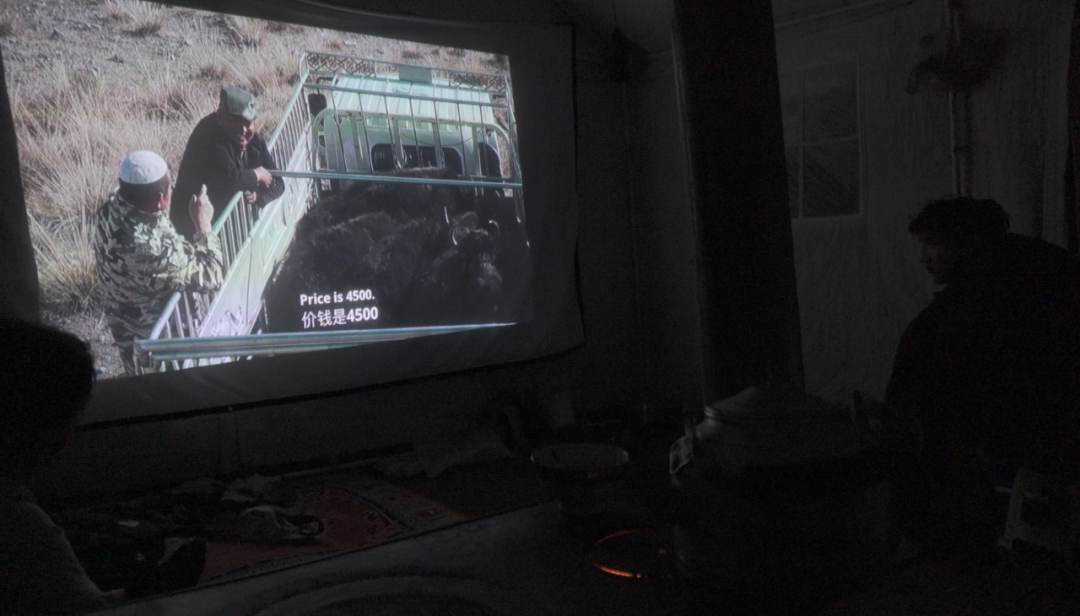
◉Return visits are a vital part of community filmmaking. In 2025, Jiao Xiaofang returned to the filming location to screen the documentary Whose Table, Whose Pasture for the shepherds. Photo: Jiao Xiaofang
*Whose Table, Whose Pasture* goes beyond asking merely “where does meat come from?” or “where does the meat you eat originate?”. Instead, it asks: when imported meat floods the market, who is truly bearing the strain? Who is ultimately paying the price for what ends up on our plates?
This Saturday at 16:00 (23 May), Foodthink will bring the documentary*Whose Table, Whose Pasture* to Jiefang South Road Subdistrict, Tianshan District, Urumqi, Yonghexiang Community for a screening, inviting local friends to watch the film together.
After the screening, representatives from local organisations and institutions, along with guests and experts well-versed in issues affecting pastoral areas and herders, will join us for a discussion and sharing session.
– Film Synopsis –
Whose Table, Whose Pasture is an investigative documentary. Supported by the Foodthink Lianhe Creative Programme, the director immerses themselves in the pastoral regions around Qinghai Lake, documenting the impact of a massive influx of imported frozen beef and mutton on the local market.
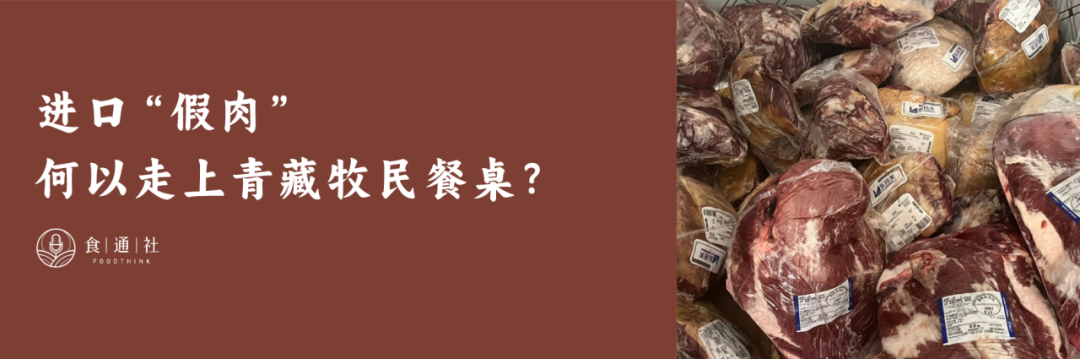
Through visits to Xining’s frozen wholesale markets and cold-chain warehouses, alongside footage of local herding households, butcher shops, and feedlots, the film offers a stark portrayal of how imported meat, leveraging its cost advantage, has battered the local beef and mutton trade. The consequences are direct: herders face plummeting livestock purchase prices, dwindling incomes, and mounting difficulties in servicing loans, while local butchers struggle to stay afloat on razor-thin margins.
Delving into Qinghai Lake’s imported beef and mutton market, the camera probes a grim reality: within the global meat supply chain, who benefits from low prices, and who is left to bear the cost?
– Director Profile –
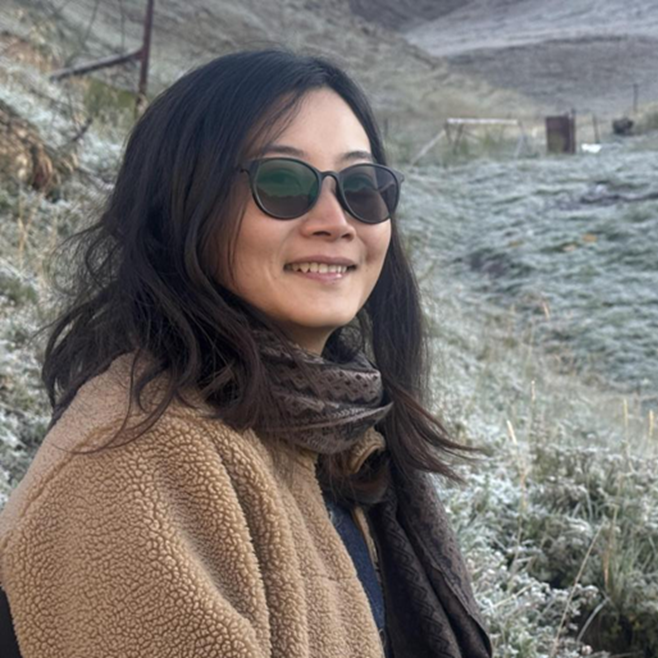
Jiao Xiaofang | Documentary director and visual anthropologist, Jiao Xiaofang has long focused on local knowledge, ecological ethics, and women’s experiences in western China and coastal Southeast Asia. Her work combines ethnographic observation with poetic expression, exploring the relationship between people and nature, alongside the emotional landscapes of daily life. Her documentary *Whose Table, Whose Pasture* (2025) was selected for the 5th World Nomad Film Festival and the 6th China Ethnographic Documentary Film Festival.
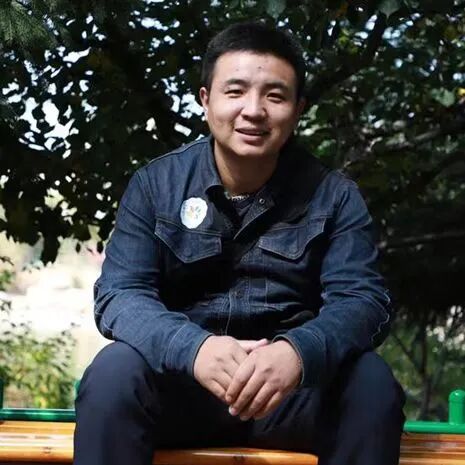
Qiongwu Daince | Tibetan documentary maker and community activist, Qiongwu Daince has long dedicated himself to ecological conservation and visual media education across the Qinghai–Tibet Plateau. He previously served as coordinator for the Tibetan regions project of Yunnan’s “Rural Eyes” initiative and as a regional representative for the Alxa SEE Sanjiangyuan Project Centre. He currently leads the “Human–Bear Conflict Project” at the Qinghai Xuejing Ecology Promotion and Research Centre. Over the past decade, he has facilitated herder media training and community ecology initiatives in Yushu, Aba, and surrounding areas, empowering local herders to use visual media to document their environments and cultures. His work spans film, ecology, and public education, aiming to foster understanding and coexistence between people and nature.
– Pre-production Planning –
– How to Participate –
[Time]
23 May 2026 (Saturday) 16:00–18:00
[Venue]
Jiefang South Road Subdistrict, Tianshan District, Urumqi City
[How to Register]
Scan the QR code on the poster to register
▼
Click the image to read related articles