
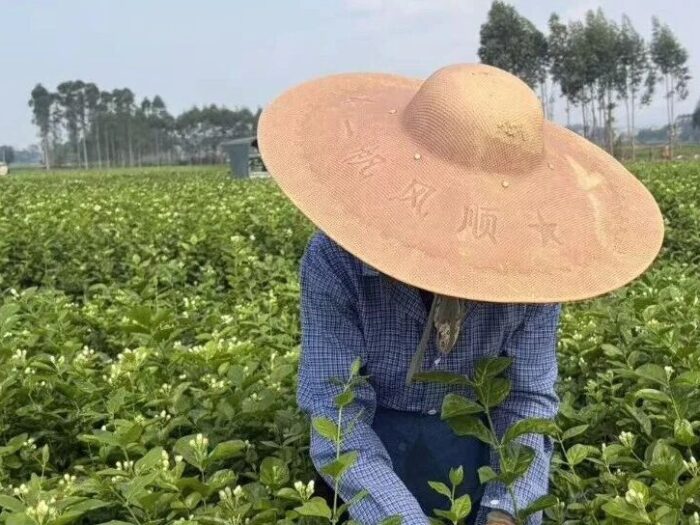
Auntie Huang in Hengzhou’s jasmine flower fields, Auntie Lu in Yingde’s tea gardens—both rely on decades of practised hand-and-eye judgement to know which flower to pick, which leaf to pluck. This experience cannot be written into machine instructions, yet is always classed as “requiring little technical skill.”
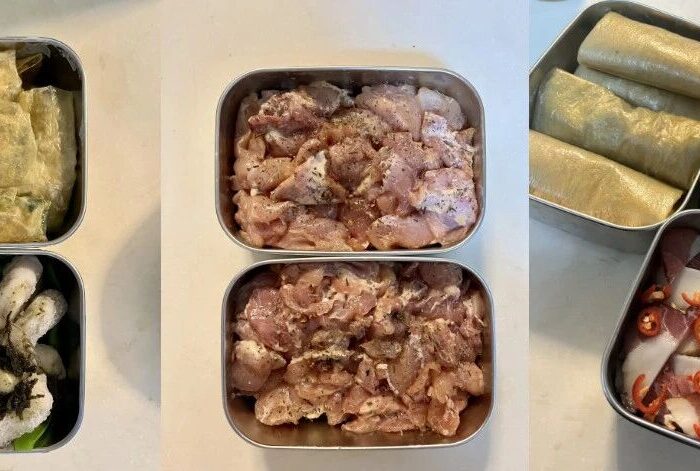
After leaving her job, Jiaxin spent each day pouring mental and physical energy into two meals. She experimented with steamed prepared meals, ten-minute sour soup noodles and other options, no longer insisting on a single standard between freshly stir-fried and hassle-free.
Foodthink has openings for content compilation, research assistant, and short video editing roles, focused on food and agriculture, environment, and public policy topics. Office-based positions are in Haidian, Beijing; part-time roles are remote.
Foodthink will screen the documentary Whose Table, Whose Pasture in Ürümqi, documenting the livelihood impact on herders around Qinghai Lake after imported frozen meat flooded the market. After the screening, local Xinjiang organisations and guest speakers will discuss pastoral and herder issues.


