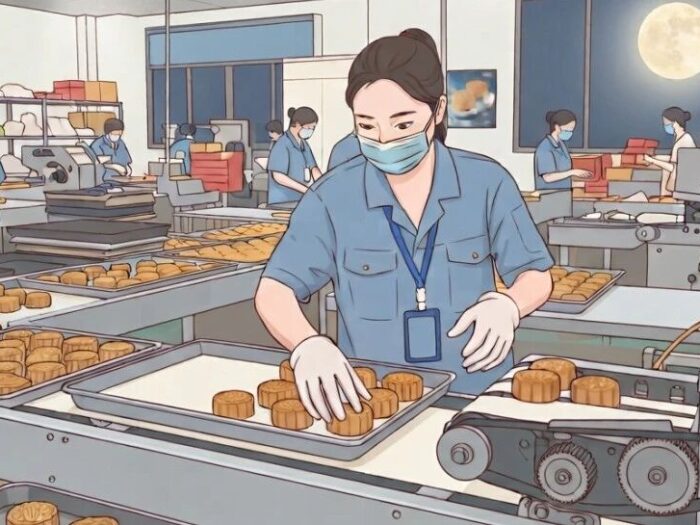
Forty-five days before the Mid-Autumn Festival, she walked into a Chaozhou mooncake factory to dust moulds—seven or eight thousand a day, hands never stopping. The conveyor line’s roar, the old master’s hand-over-hand laobing lessons, and workers’ chatter about freedom all marked the start of her gig life.

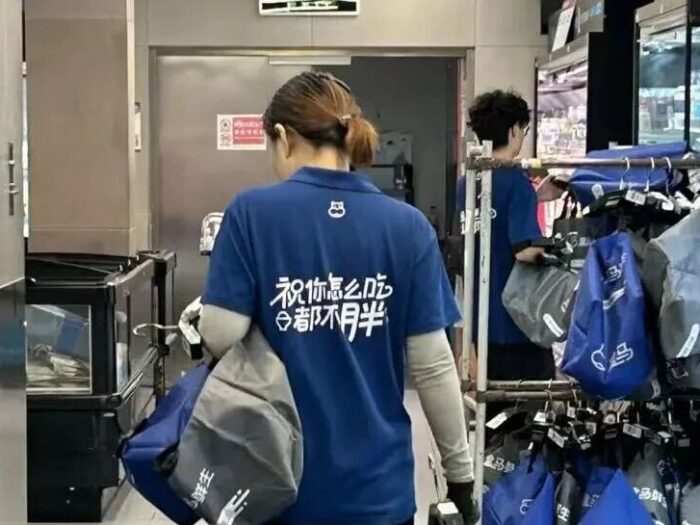
Two order pickers at Freshippo and Xiaoxiang say that under the pressure of algorithms, injuries must be borne alone; the contract casts both sides into a “pure business cooperation relationship”, denying any employment relationship — yet between dashes, colleagues still willingly lend a hand.
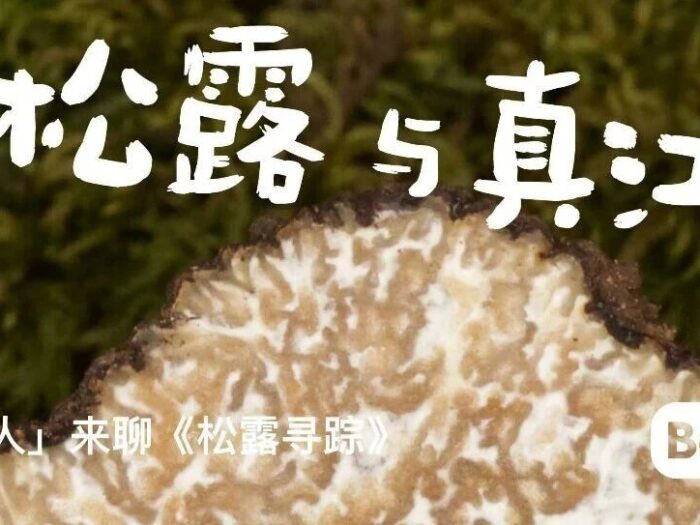
In 1998, Italian truffle giant Urbani Tartufi had 47 tonnes of Chinese truffles seized, having long blended them into black winter truffles for profit. On 29 September, Kunming Institute of Botany mycologist Yu Fuqiang and Yi returnee farmer Kang Li discuss online Chinese foragers’ plight under climate change.
Order pickers who have run orders at Hema (Freshippo) and Xiaoxiang, in dialogue: seven hours with no meal break scheduled, twenty thousand steps a day, pay tiers never disclosed, and PDA efficiency rankings that hook you like a game.
Marius Korsnes (Ma Li) and his NTNU team investigate the salmon, dairy and live-pig industry chains across borders, arguing that China’s animal protein consumption follows a logic of construction distinct from the West—plant protein has not been displaced, while farming’s resource costs have been “outsourced” overseas.
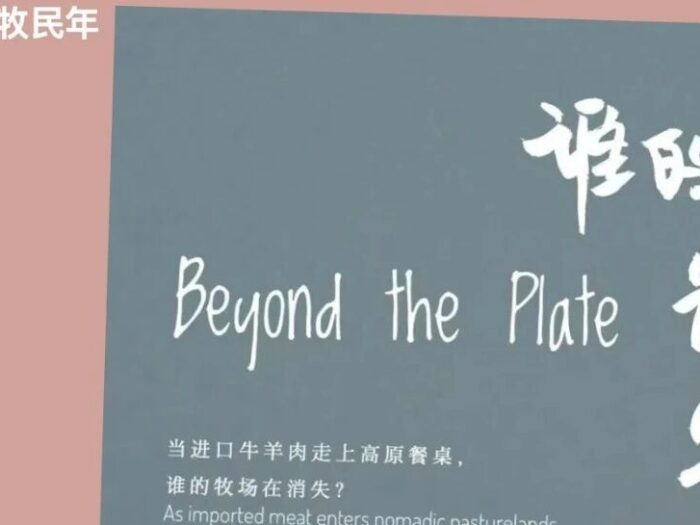
The documentary Whose Table, Whose Pasture follows the trail from Xining’s frozen-food wholesale market to Qinghai Lake’s pastoral areas, documenting how imported frozen meat has sent procurement prices plummeting, leaving herders struggling to repay loans. Three screenings this weekend in Chengdu and Ningbo, with post-screening discussions with scholars.
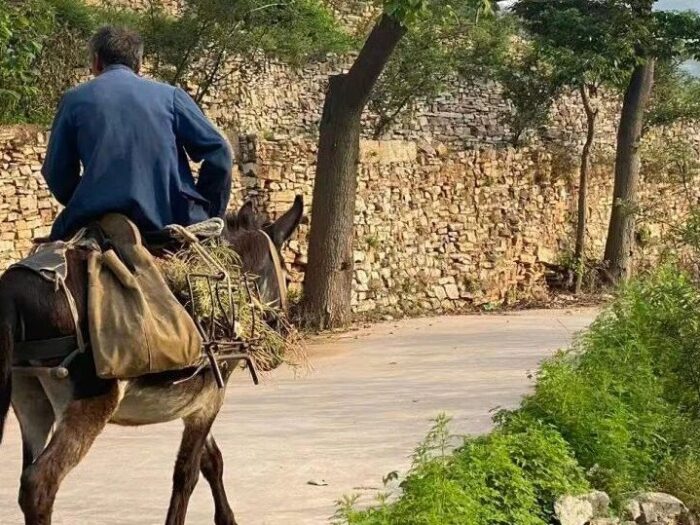
Through Foodthink’s internship programme, a young person came from Shanghai to Wang Jinzhuang, She County, Hebei — spending a month in a Taihang Mountains stone village, from coarse-grain meals to the seed bank, touching the daily rhythms and human warmth of an ancient dryland terraced village.
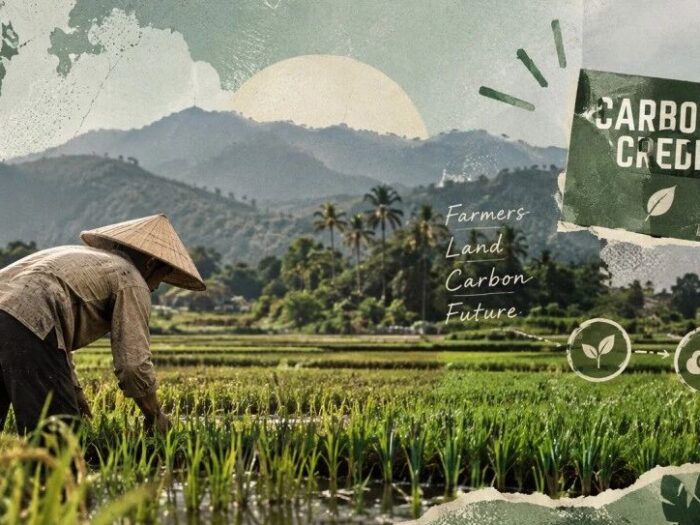
GRAIN’s report tracks the carbon credit projects Bayer, Cargill and other agrichemical companies are pushing on Asia’s farmland: farmers locked into decades-long contracts dictating their practices, getting just about 10% of the revenue, and bundled into buying seeds and pesticides.
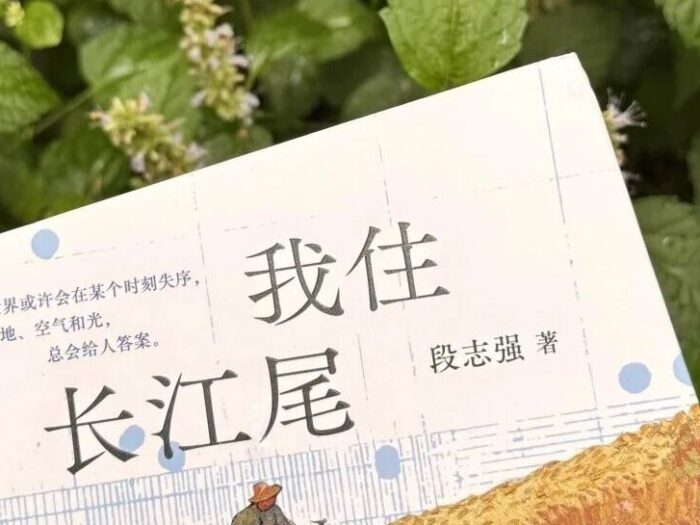
Historian Duan Zhiqiang of Fudan named four plots on Chongming Island “the Mainland”, “the Subcontinent”, “the New World”, “the Offshore Island”, poring over farm books, working out composting and melon-growing. Fellow city grower Wang Youzao recognised Su Shi and Lu You in soil and old texts — and himself.
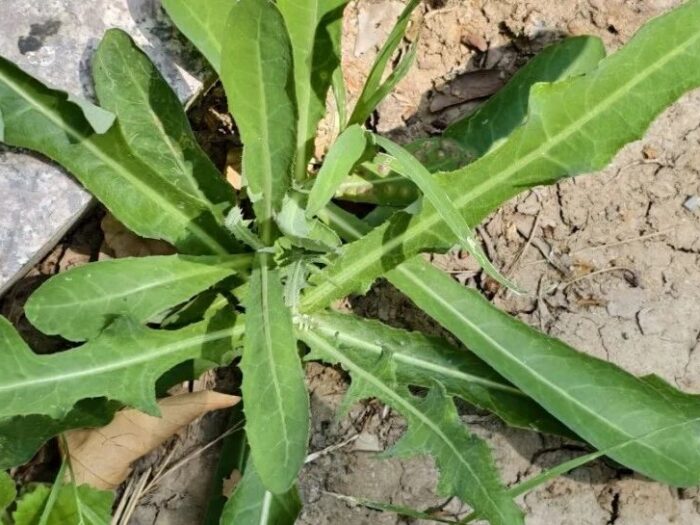
In 1970s Langhao Gou, most sow-thistle we dug fed the pigs; a handful made the family’s summer meal. Now it is wellness tea at several hundred yuan a jin, a stress-relief pastime for city youth. Who still remembers where that clean bitterness, its sweet aftertaste, came from?