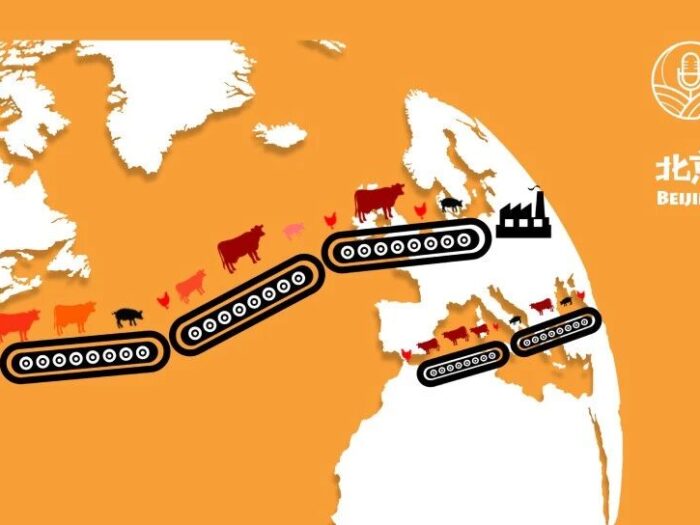
Foodthink invites Leila Yow, Climate Programme Officer at the Institute for Agriculture and Trade Policy (IATP), to discuss the monopoly landscape of global meat and dairy companies, their climate impact, and policy paths to rein in corporate power – this Friday, 11 September, in Beijing and online.

Brazil’s smallholder farmers are breaking free from pesticides and chemical fertilisers, moving towards agroecology, while consumers drive change back to the production end. Experienced food and farming practitioner Bia Goll from São Paulo shares twenty-plus years of practice. Saturday, 12 September, afternoon – Beijing in-person + online livestream.
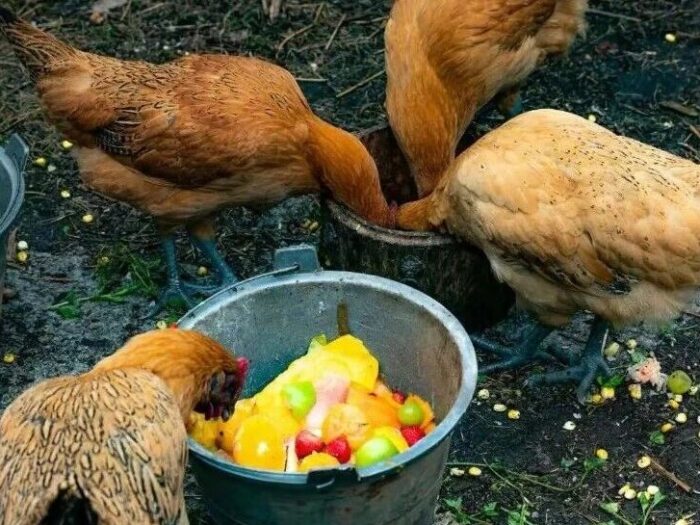
Jin Lipeng, lecturer at the School of Experimental Art, Chongqing’s Sichuan Fine Arts Institute, led students on Huxi Campus in raising chickens and composting through Permaculture. After summer construction workers stole 10 chickens and 2 geese, the school decided to no longer permit poultry on campus, ending its year-and-a-half-old Happy Chickens Raising Cooperative.
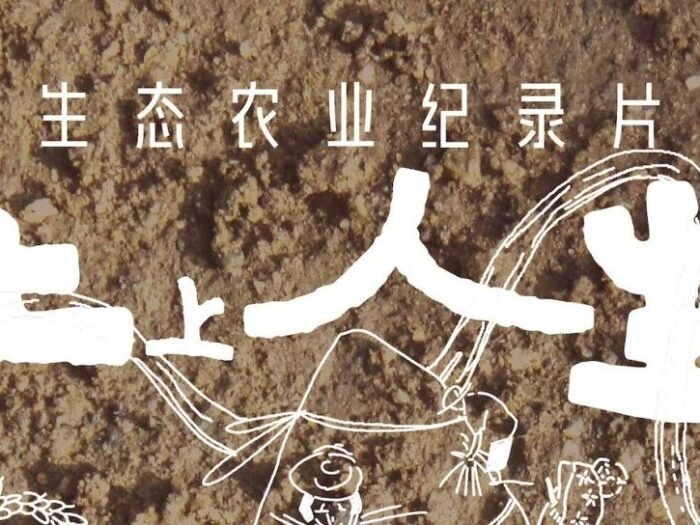
Three young directors with a China–France perspective plunge into rural China, following in six episodes Mum Hu, Chen Xi, Fanli, Dahai and other ecological farmers who left old lives to re-root in the land. The Life on the Land team meets audiences after two Beijing screenings, 12–13 September.
How a pig is raised, why riders race against the clock – once you know, some people genuinely can’t bring themselves to buy it any more. We’d love to hear the inner conflict behind those “I don’t want to keep buying this” moments, and that little sense of “morality”.
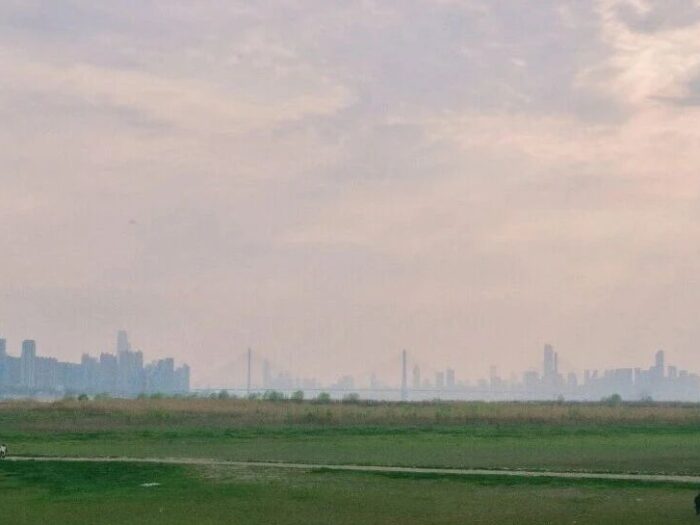
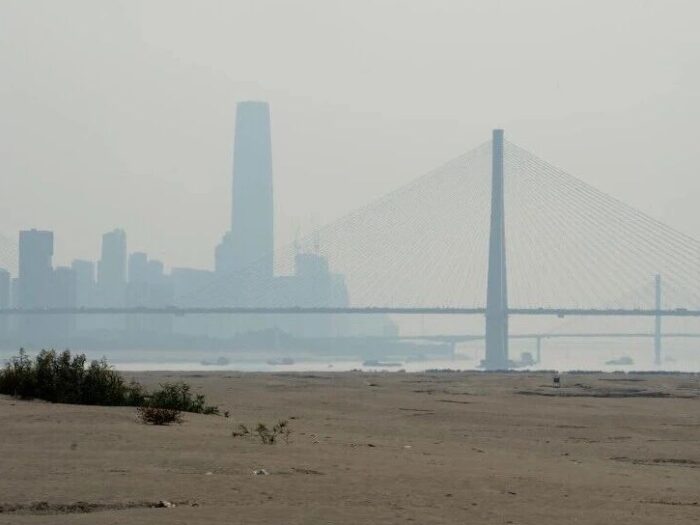
Tianxingzhou’s old melon farmers moved to Lüdao Residential Community in 2002 for flood discharge. Now those resettlement flats face demolition again for the Yangchun Lake Business District plan; ferry suspended, black storks have quintupled, and the old community held by shared labour and food exchanges is being scattered.
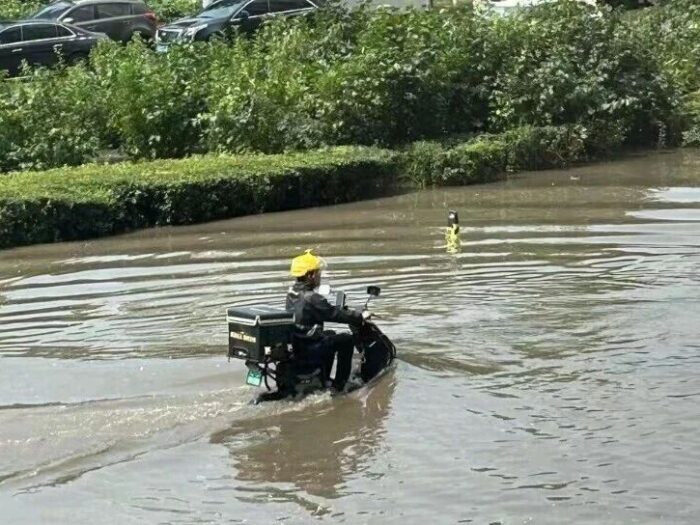
Early-spring cold, April hail, and May downpours keep disrupting the melon season, while flood-diversion-area status and unresolved land-use plans weigh on sales. Tianxingzhou’s few remaining growers still scooter across the river like migratory birds to tend their fields—year after year, they can’t outgamble the sky.
Professor Zhang Dandan of Peking University called flexibility itself a benefit. Zheng Yuyang, who trekked with odd-job workers harvesting Korean pine cones in the northeast and delivered food in Beijing for four months, found this grating: workers want a stable job with social insurance and dignity, not flexibility.
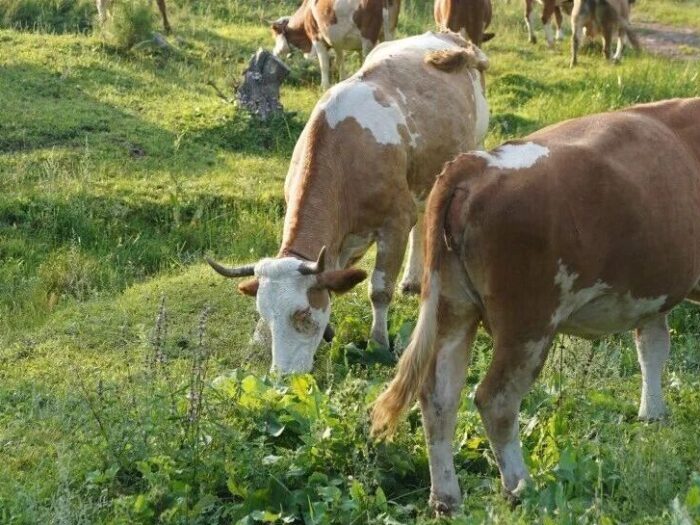
Cattle prices have fallen from thirty thousand to six or seven thousand yuan; cattle-keeping households in Leyi Village, Heshun County, have shrunk from over twenty to three. Gone with the empty cowsheds: hillside dǎo xiē dǎo xiē chatter, walkie-talkie calls, and a newborn calf’s promise.
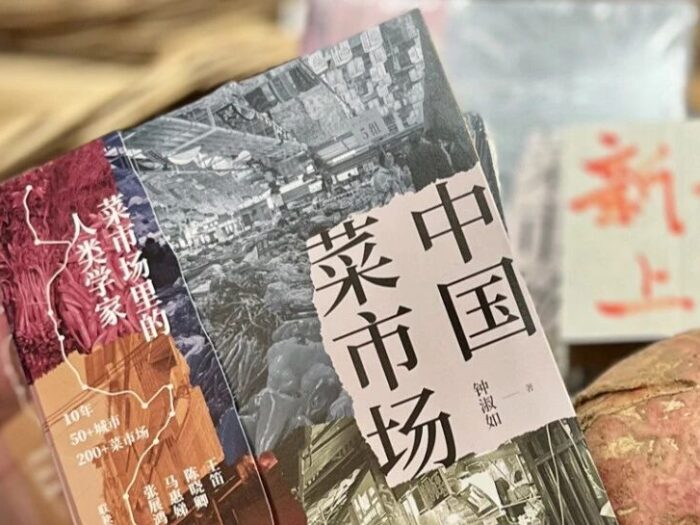
Zhong Shuru distilled a decade of visiting over 200 Chinese wet markets into her new book, Chinese Wet Markets. She and freelance writer qiran discuss ‘star wet markets’ that attract attention but not necessarily profit, cooking labour outsourced to food delivery, and what counts as “eating well properly”.