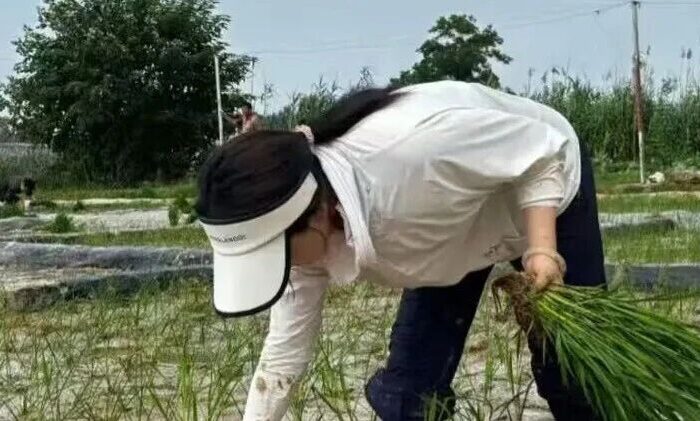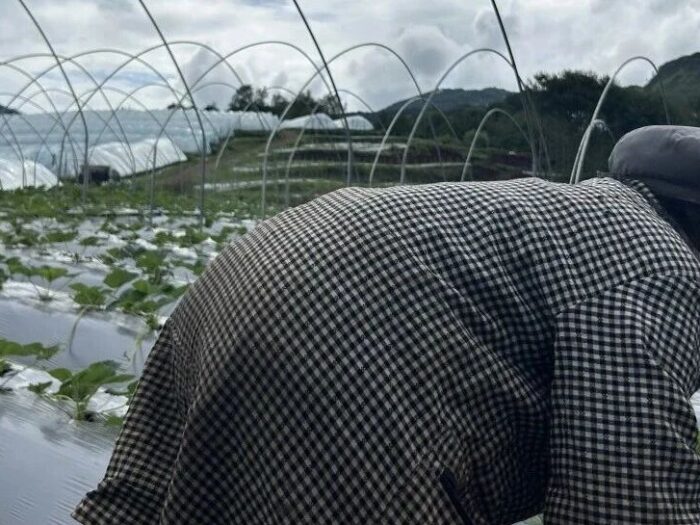
In the polytunnels of Mashu Town, nearly all the workers are women in their fifties and sixties – 27-year-old Lu Yinghong is the exception. She once dreamed of standing at the lectern; in the end, between pinning runners and weeding, she earned a limited autonomy.
From Wiley’s 1902 recruitment of twelve men to prove the harm of formaldehyde and borax on their own bodies, to van Tulleken’s 28-day Ultra-processed Food experiment, food additive safety boundaries remain unsettled after a century—and cumulative effects of legal additives go unassessed.
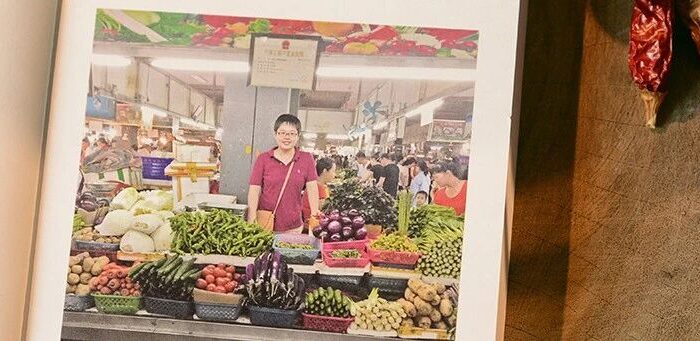
Two hours at Shahe Fair in Changping, a bag of Pinggu peaches in hand: Zhong Shuru notes young people’s thrill of “once you step in, you can never leave”. In her Market Research Group, browsing markets is shifting from novelty check-ins to reading food and the city.
Foodthink’s feast stories span over a dozen provinces: baba feasts with freshly slaughtered free-range chickens, a bowl of saozi noodles at dawn, ready-made dishes served before the ice has thawed. Red envelopes, seating and toasting clash with young people’s boundaries as village feasts drift into the cities.
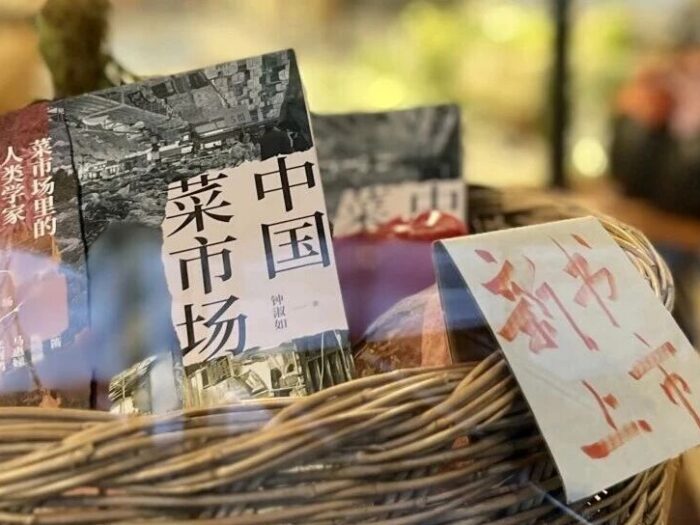
Zhong Shuru, author of China’s Wet Markets, brings her new book to Beijing, Saturday (22 August): a morning browse of the Organic Farmers’ Market, then an evening talk on wet market resilience and future at Jiantou Bookstore. Ten years, 200+ wet markets of fieldwork. Online or in person.
After Shu’er’s autism diagnosis at five, her mother turns market trips into the routine by which this girl of narrow interests maintains social functioning and prevents regression. From dreading stray dogs to watching fish shaved thin at the stall, she grows up amid ten years of market clamour.
Xiaoxiong, Master of Agronomy at Huazhong Agricultural University, measures greenhouse gases in paddy fields and records data under a streetlamp after dark. Her short videos show more people the everyday research life and real employment realities of agronomy students.
Anthropologist Zhong Shuru once took on the role of a “fishmonger” at Hainan’s Yefeng Market, spending fourteen months of fieldwork amid the stink of fish and sweat. Excerpted from the prologue to Chinese Wet Markets, this article records her first encounters embedding herself in stallholders’ daily lives.
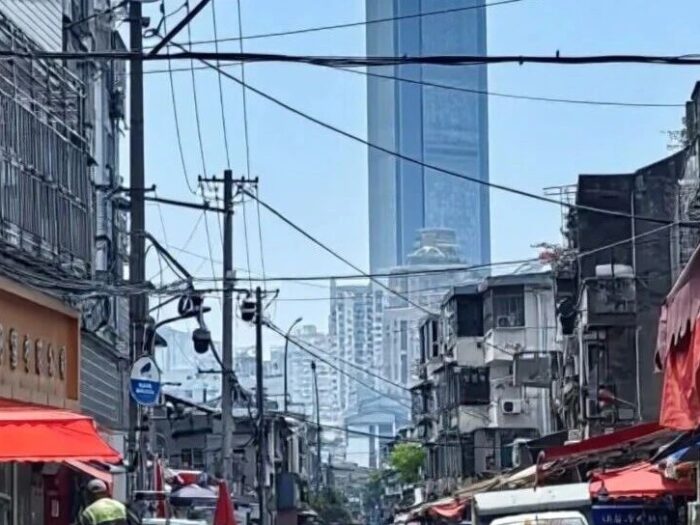
From the decline of Huanglong Wholesale Market to holding her ground at Shuangjingtou Wet Market, fifty-year-old Xu Yunyan supports her family through a ginseng and antler dried goods shop. Refusing e-commerce and livestreaming, she relies on word of mouth and serves only retirees.
Heilongjiang permits orderly burning, yet Hebei farmers remain unaware: ‘Start a fire and they’ll detain you.’ After over a decade of straw return in Quzhou and Fengfeng Mining District, poor emergence, more pests, rising spray costs draw one shrug: “Not a big deal” — yet they’d far rather burn.