Pesticides and pesticide residues, antibiotics, food delivery waste, the disappearance of wet markets, Community Supported Agriculture – the four consumer rights of safety, information, choice and voice all have specific, actionable pathways in food consumption.
More than ten young people in Foodthink’s 2023 cohort in the Ecological Agriculture Placement Programme have given their answers: some to reclaim the childhood taste of vegetables, some to master growing knowledge at the front line, some to understand agriculture and the land anew through their bodies.
Ma Yanwei, a Beijing Normal University ecology master’s graduate, has grown muskmelons in the Tengger Desert for eight years. Lei Tiantian, who left Shanghai, interned on the farm. The three chat under a tree in Alxa about drought, running the farm, and how one melon improves the desert.
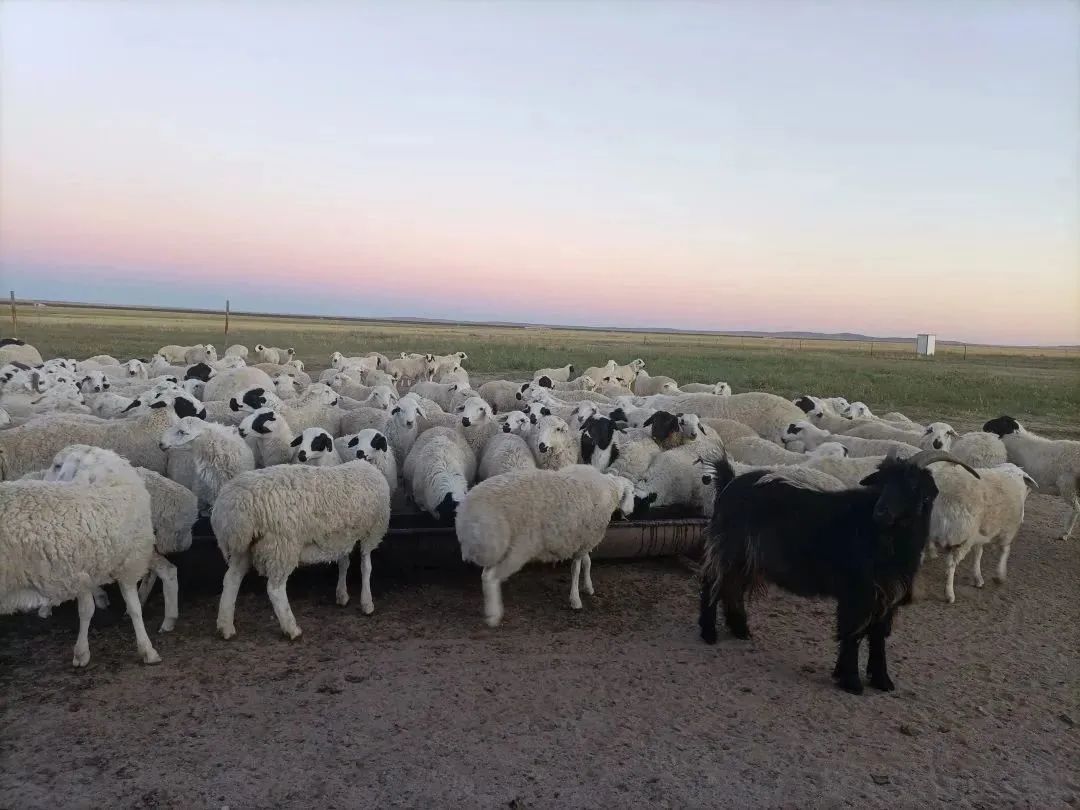
Introduced stud rams like Suffolks and Dorpers are vastly larger in frame than Ordos Fine-wool ewes, so difficult births from uterine torsion are frequent. Vet Dayang in S Banner averages forty to fifty Caesarean sections a day, yet herders often delay calling him while trying traditional remedies.
On a hundred-acre farm beside a creek in the Ohio River valley, Xiaotang and Xiaowen grow shiitake using the sawdust cultivation method to supply about ten local restaurants, while underground, mycelium quietly intertwines tree roots, wildflowers, and everyday life.
Foodthink’s Ecological Agriculture Internship Programme drew nearly a hundred applications. over ten young people with no agricultural background, including Chaoyan, Guojing and Mubai shared why they left IT, finance, academia, catering or pharmaceuticals to learn to farm in the countryside. Fifteen are about to start their farm internships.
Xiaowen clones mycelium on agar plates in a little cabin by the stream; husband Xiaotang hoists ninety-pound oyster mushroom columns bare-handed. While button mushrooms in North American supermarkets haven’t changed their genes in forty years, the couple guards a hand-powered workshop, outside the assembly line.
Two of herder Dalai’s sheep refused food or water; Station Chief De made two days of calls, but the metal detector found nothing. A necropsy finally confirmed the cause: the sick ewes had swallowed wire broken from the fencing — the flock’s pregnant ewes fell ill in turn.
Four interns from Foodthink’s first ecological agriculture internship cohort recall at the Open Day how six months working the land — from Yinlin Farm to Yuefeng Island Organic Farm — changed their views on food, labour intensity, and life choices.
Supported by Friends of Nature’s Linglong Programme and Foodthink, the team visited 30 ecological smallholder farmers across five provinces and municipalities, recording their practices for responding to extreme weather and the external barriers—funding, insurance—they face, filling a research gap on Chinese smallholder farmers’ active climate adaptation.