
315: Beyond Waiting for Fakes to Be Busted, How Can Consumers Spot the “Real”?
International consumer movements typically frame these rights from four perspectives: the right to safety, the right to information, the right to choose, and the right to be heard.
Today, Foodthink starts with something no one can go a day without – food consumption – and takes stock of how you can fully protect your rights as a consumer.
1. The right to safety
Can We Still Buy Safe Produce?
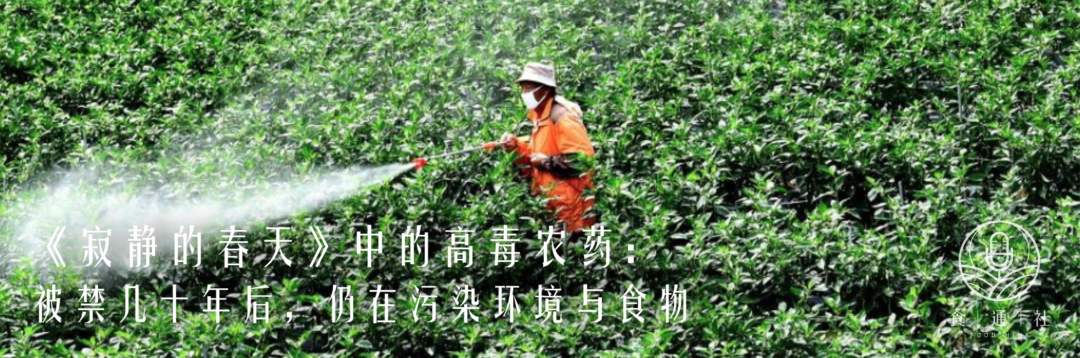
Why does conventional agriculture rely so heavily on pesticides?
What harm have organochlorine pesticides – which only entered agricultural use after the Second World War – done to public health and the natural environment, and what policies and legislation have been enacted to regulate them?
Beyond pesticides, today’s conventional agriculture also makes use of herbicides, plant growth regulators, and a range of other chemical inputs. Can we eat the food grown this way with confidence?
Previous Articles ▼


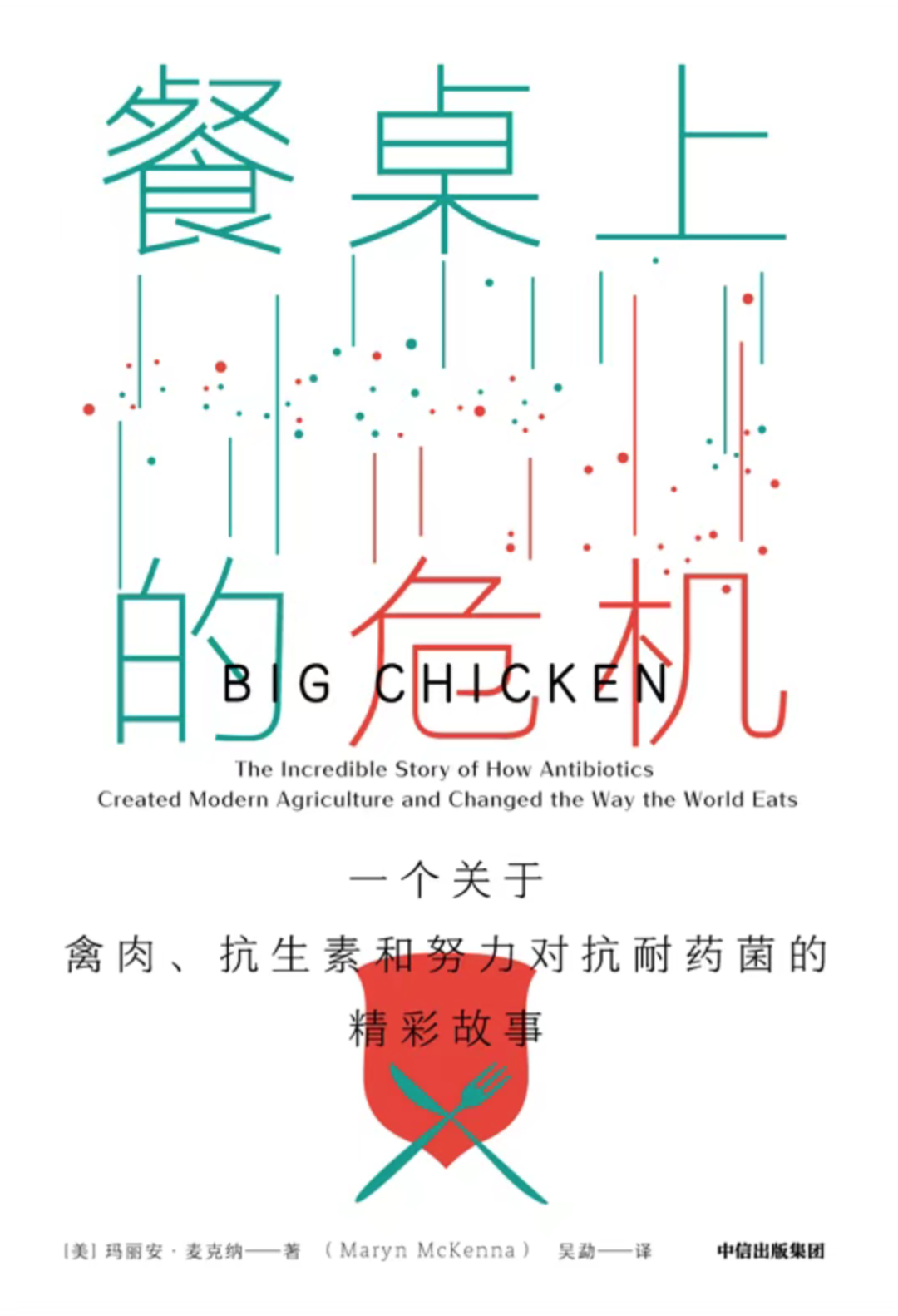
Another enormous threat to public health and food safety is the overuse of antibiotics in industrialised animal farming. Last October, Foodthink organised a reading group on Crisis on Our Table, exploring with readers how chicken became a staple on American dinner tables and, in the process, a hazard.
Why has the farming industry made antibiotic use a routine practice?
How have antibiotics accelerated the industrialisation and intensification of broiler chicken farming and processing?
What problems does the large-scale use of antibiotics create?
How exactly does antimicrobial resistance develop in microorganisms?
What are the consequences of being infected with drug-resistant bacteria?
Most importantly, what possibilities exist for farming that avoids antibiotics and prioritises animal welfare?
II. The right to information
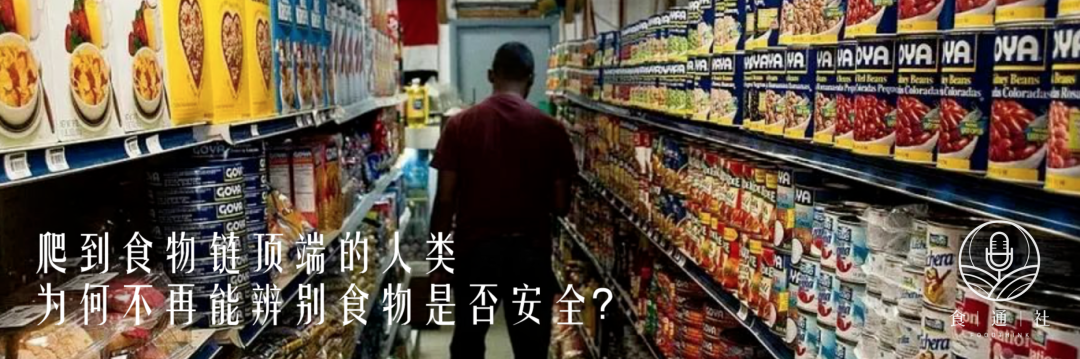
Before you buy, buy, buy – how much of this information do you really understand?
Why do we love milk tea?
Why can’t we get enough of sugar-sweetened carbonated drinks like “Couch Potato’s Happy Water”? Why is salt added to nearly all processed food?
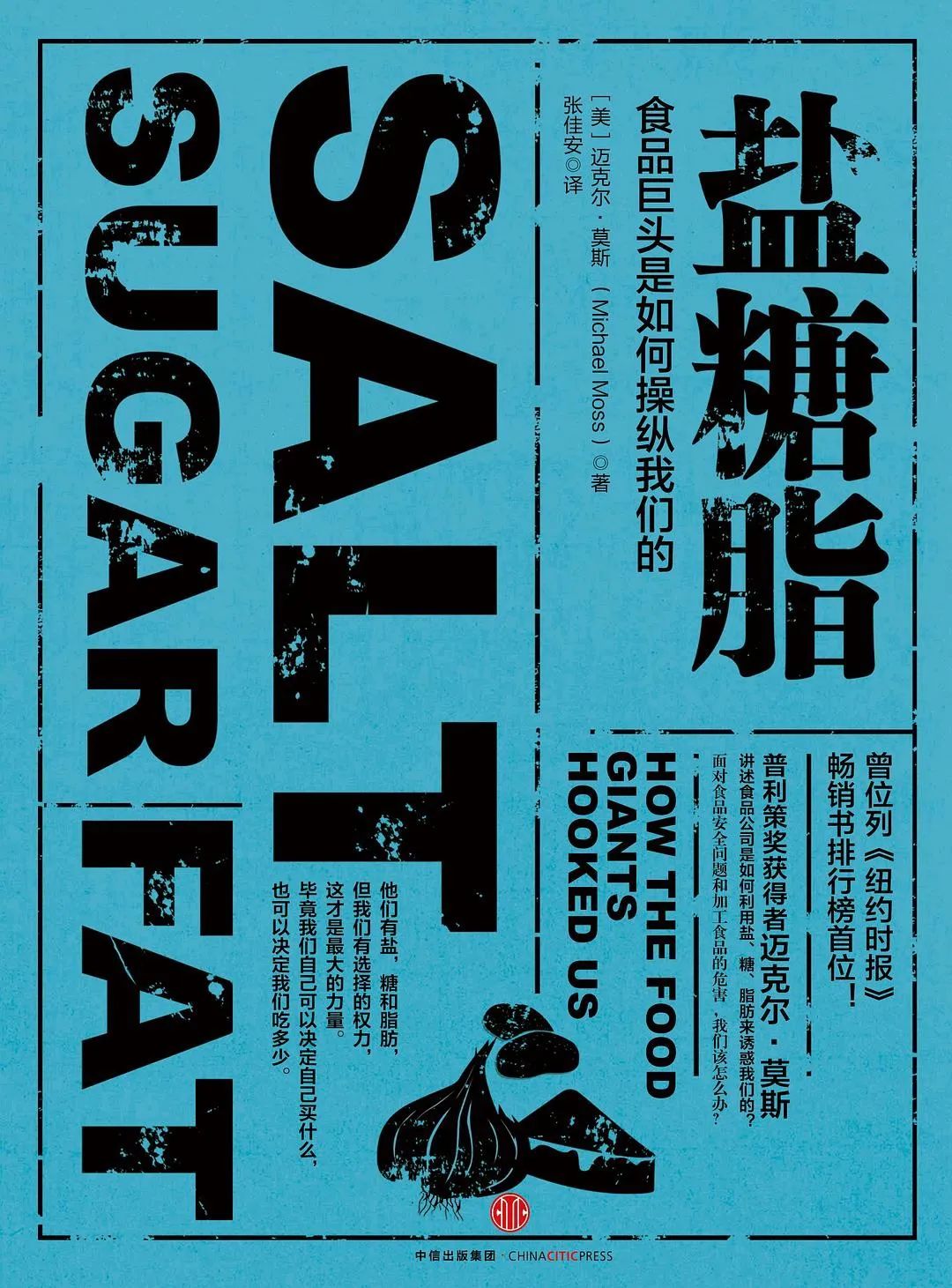
In Salt Sugar Fat, Michael Moss delves into how food giants use scientific research to design addictive junk food, fuelling consumers’ desire to buy.
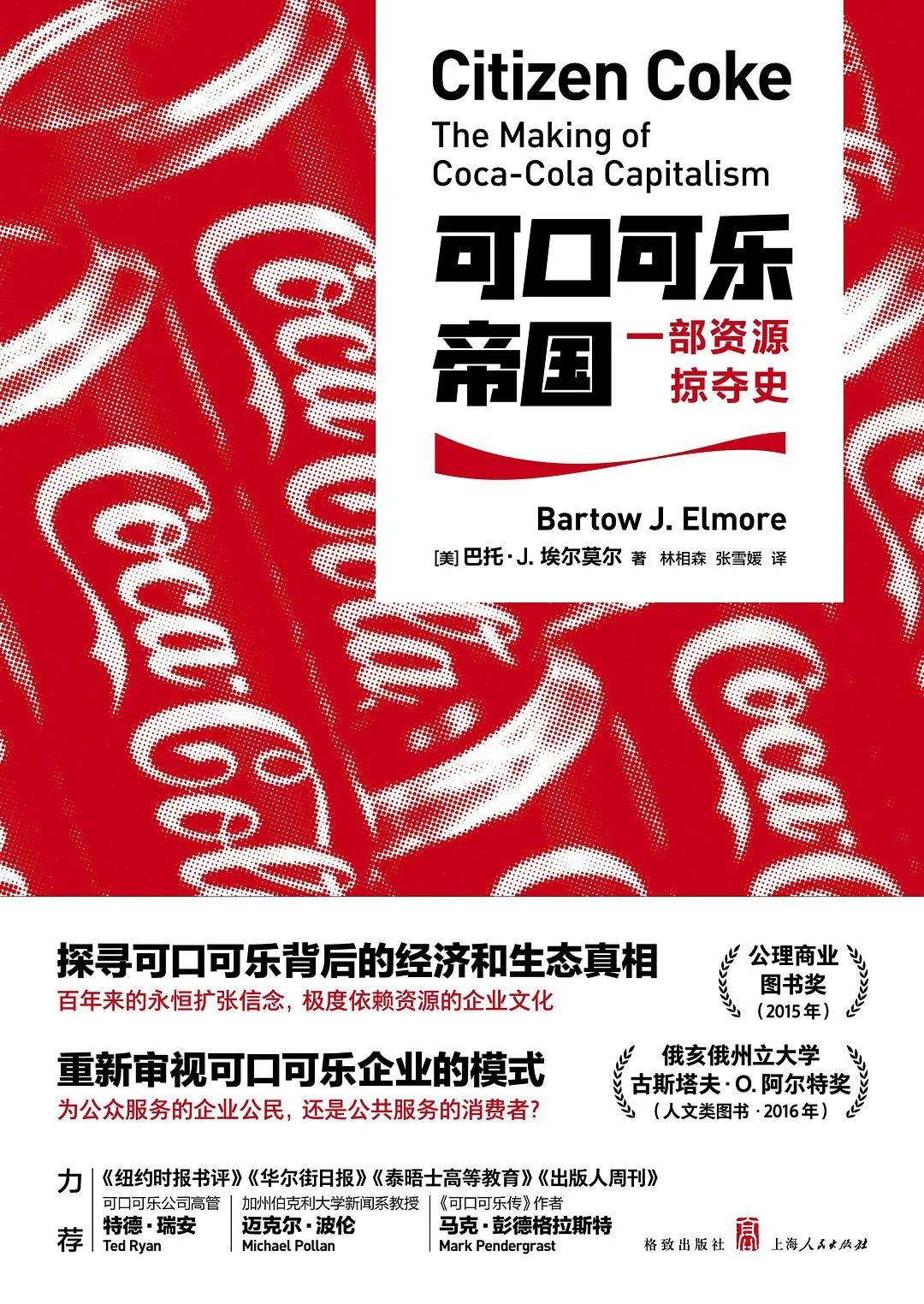
Food processing companies exploit not only our physiological feedback mechanisms but also consumers’ widespread indifference to corporate social responsibility. In Coca-Cola’s Empire: A History of Resource Plunder, Bart Elmore argues that the secret behind Coca-Cola’s success lies in depleting public resources and shifting the massive environmental externalities onto the public sector, other businesses, and consumers.
How much plastic waste does food delivery generate each year?
What changes must food delivery platforms make to advance plastic reduction?
Who protects the labour rights of food delivery riders?
And how can their working conditions be improved?

III. The Right to Choose
Is There Still a Wet Market Near Your Home?
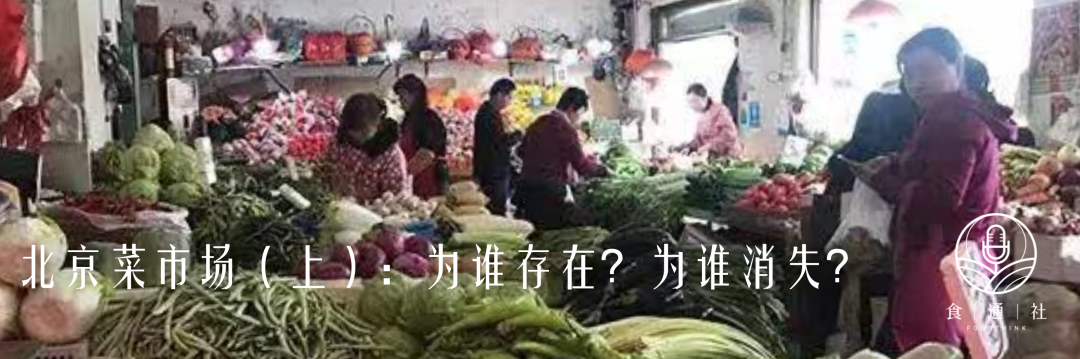
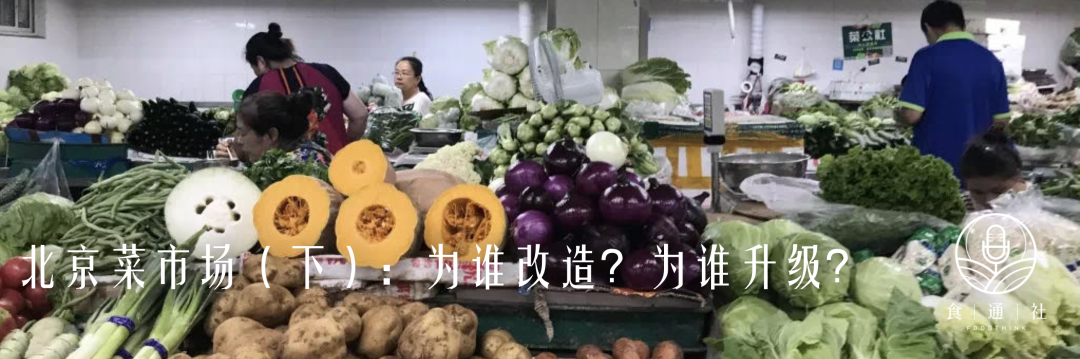
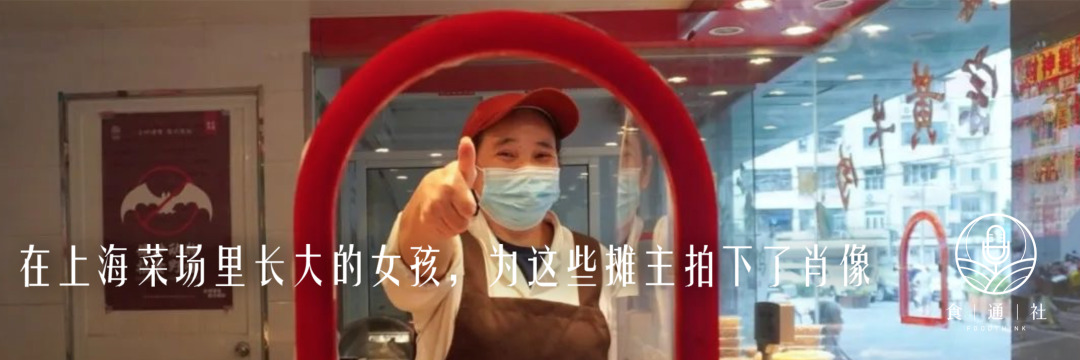
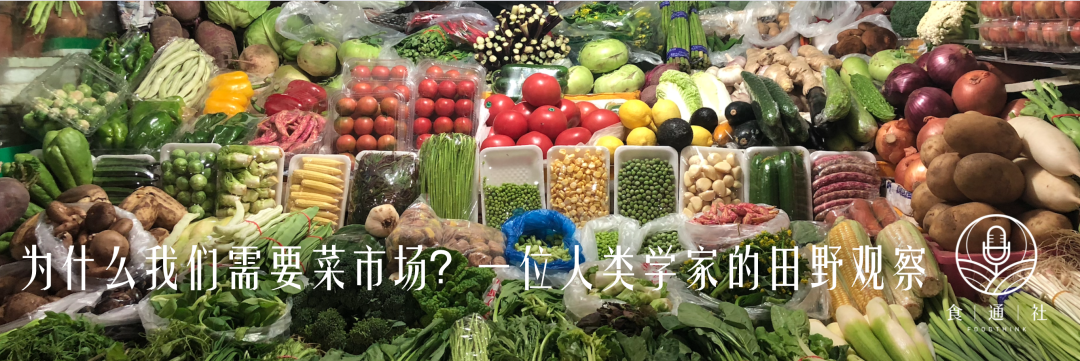
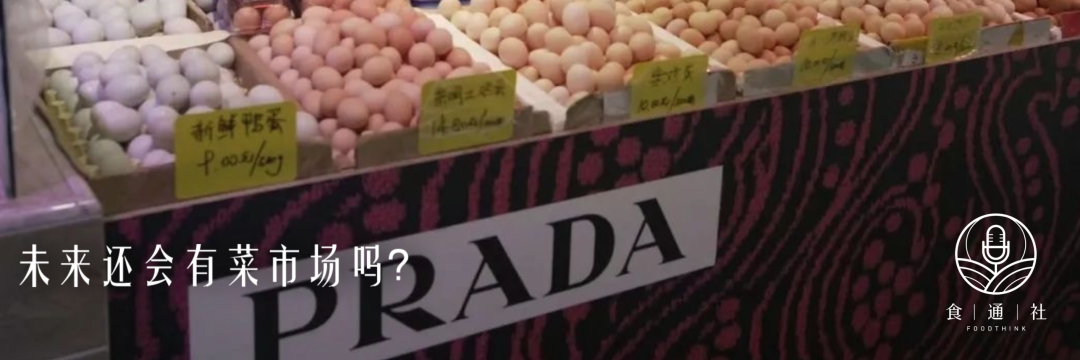
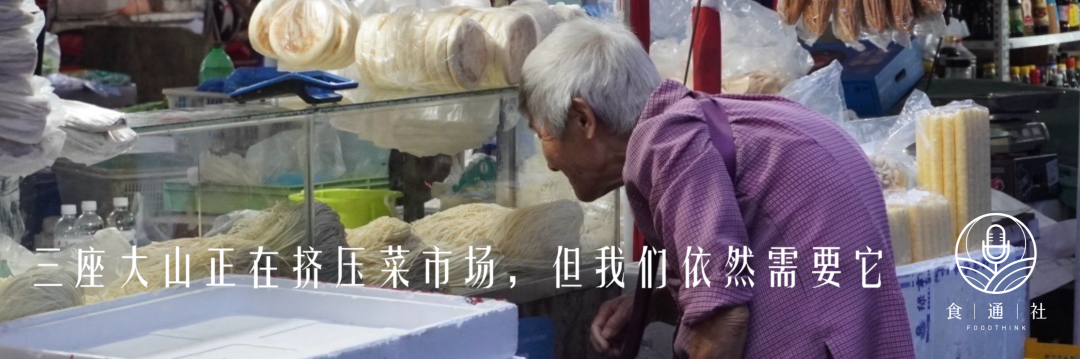
Beyond the convenience they offer consumers, what other value do these small vendors hold that ordinary people have yet to notice? The following articles will reveal why the wet market system offers greater freshness and variety than other channels. They also remind readers that the centralisation of distribution channels ultimately narrows our choices to homogeneity. As the economies of scale that favour consolidation continue to intensify, consumers are bound to lose out on diversity.
Previous Articles ▼
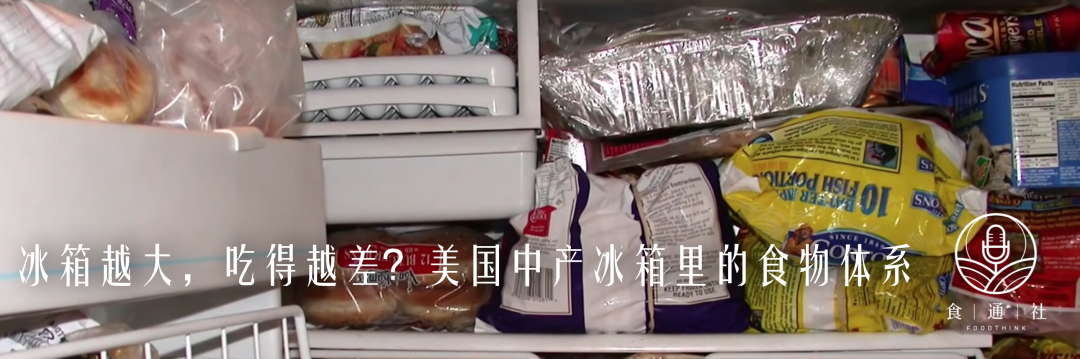
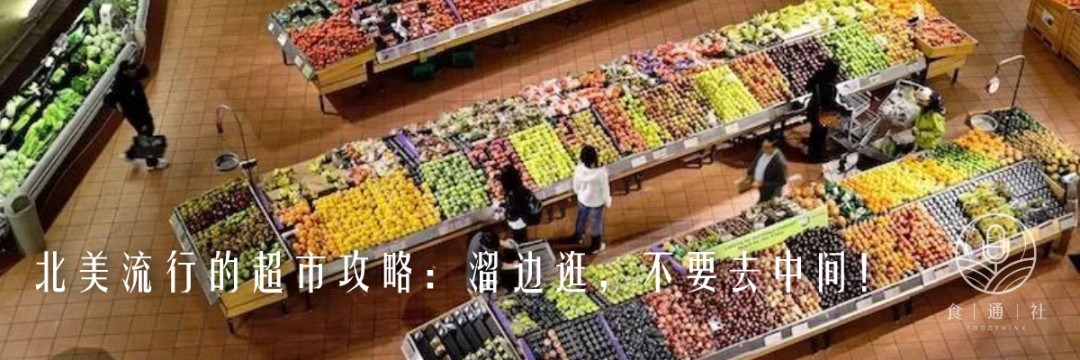
IV. The Right to Be Heard
Consumption – What Other Possibilities Are There?
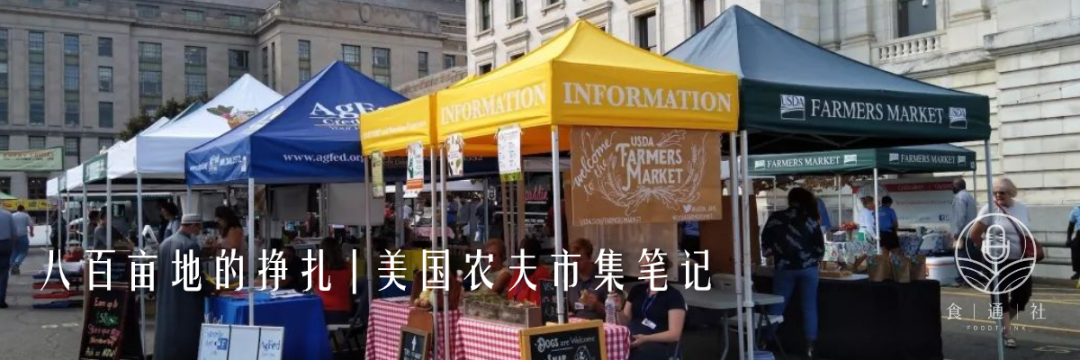
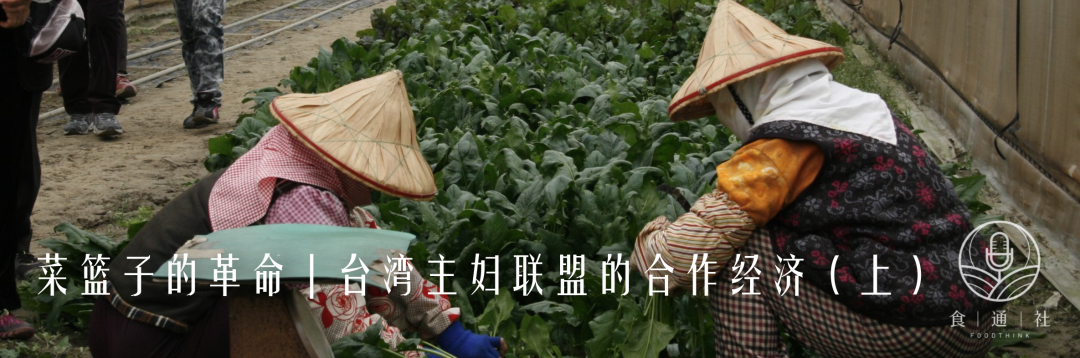
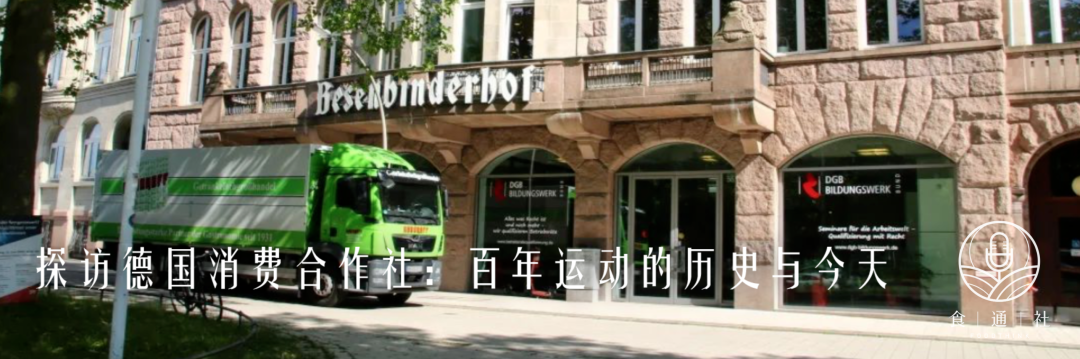
Alternative food consumption can take the form of joining a Community Supported Agriculture (CSA) scheme, sharing profits and risks with producers; or visiting your local farmers’ market, building a connection with the people who grow your food, and understanding what real agricultural production looks like.
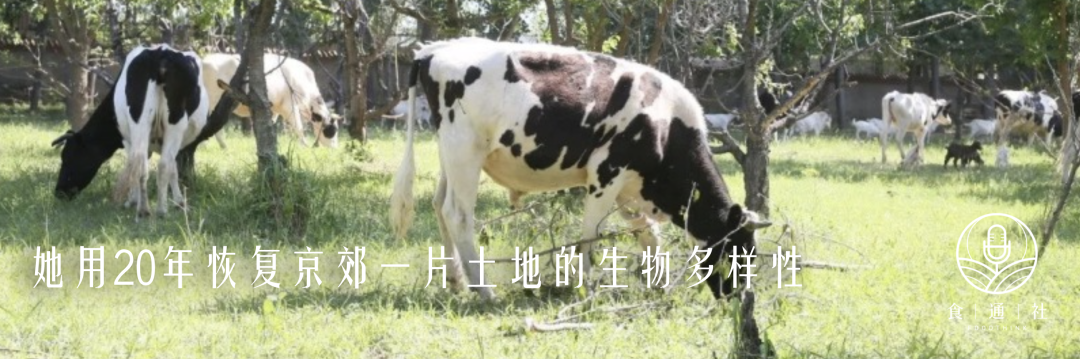
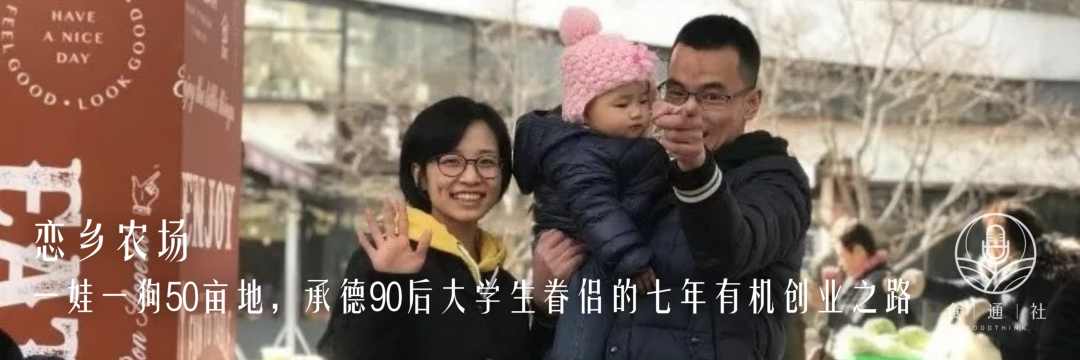





Consumers enjoy safe, healthy and delicious food;
Farmers are free to work with nature autonomously and with peace of mind, receiving fair compensation;
The environment remains unpolluted, natural resources are protected, and they continue to sustain humanity with food.
If this is the world you want, why not start taking action – starting with your very next meal!