
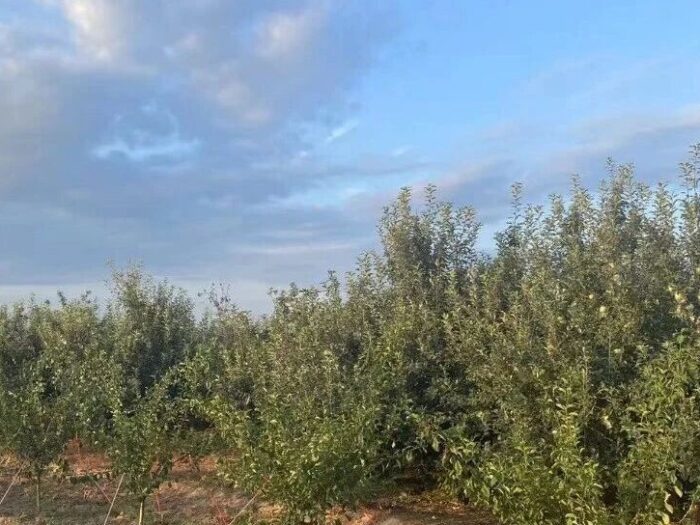
Qinguang gave way to Fuji, Fuji was uprooted for grain, grain brought in no money—peaches and plums went in. Dad, close to seventy, tallies next year’s accounts between the wheat rows, and whether they will still sell in a few years, no one can say.
Qinguang gave way to Fuji, Fuji was uprooted for grain, grain brought in no money—peaches and plums went in. Dad, close to seventy, tallies next year’s accounts between the wheat rows, and whether they will still sell in a few years, no one can say.
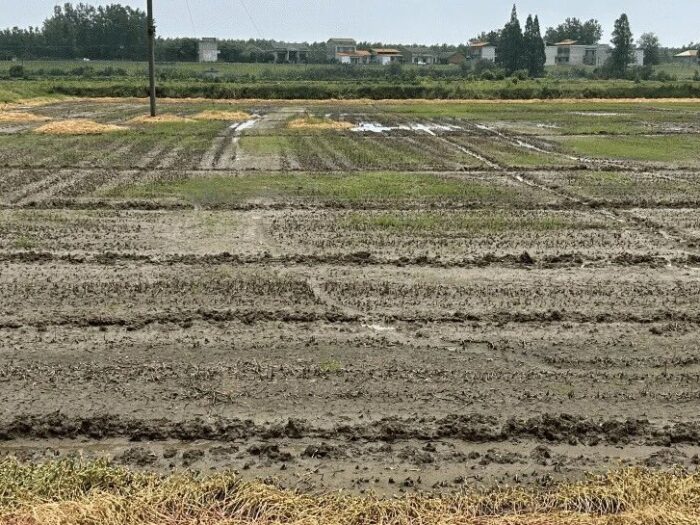
After the straw-burning ban, rice farmers in the Dongting Lake area of Hunan paid an extra 60–80 yuan per mu for straw shredding, rotary tillage and pesticide spraying — yet the rice stem borers overwintering in rice stubble have grown more numerous year on year.

Half-buried in frozen ground, plastic twine waits for spring; clear one layer of IV tubes and fragments and another surfaces, mixed with the soil, to be picked out one by one between fingertip and thumb. Harder to bear than farming is this land’s plastic that cannot be cleared.

Musang King and Black Thorn oversupply triggered this year’s Malaysian “durian tsunami”. Balik Pulau’s Kampung old-tree smallholders are caught in it: tree-ripened fruit has an extremely short shelf life, sold cheap or discarded first – and many farmers have already felled their old trees, switching to grafted premium cultivars.

In August 2024, fresh, ready-to-eat Musang King first entered China. From the LKE orchards in Johor to Muar’s family wholesalers to Marcus, who switched from oil palm to durian — Chinese demand and fierce competition are simultaneously rewriting this Malaysian durian chain.

Labour hours follow projected turnover, skills follow course checkboxes, one person must do 1.1 to 1.2 people’s work – in former Shift Manager Jiang Ke’s store, when the system’s roster falls out of step, managers can only carve out unpaid time from their own duties to fill the gap.

Typhoon Bavi brought record-breaking rainfall, submerging about a third of Dunhua’s urban area and devastating ginseng fields and farmland. Shopkeepers fought chest-deep floods to save stock, villagers were stranded for days, ginseng farmers lost heavily—yet the threats of a wetter climate and encroachment on floodways endure.

Jiang Ke, a Shift Manager for seven months, says fryers are held at a constant 160°C, lettuce arrives as vacuum-cut strips, and there is not a single knife in the kitchen—yet every order must reach the customer within 90 seconds.

The New York State Attorney General’s Office and the Environmental Working Group sued Brazil’s JBS and the US-based Tyson Foods over allegedly misleading “climate-friendly” beef labels. Both cases settled in 2025, yet “natural”, “recyclable” and “zero additives” claims still flood the shelves.

A government-endorsed agricultural mini-program: suppliers were perfunctory, operations in name only, and those who truly sold the goods relied not on the platform but on WeChat groups and a group-buy leader network. Later, its name disappeared from district government reports.