When Imported Meat Arrives in Urumqi: Hear What They Say

Foodthink Says
On 23 May, the documentary *Whose Pasture, Whose Table* was screened in Urumqi. Following the screening, audience members from local Xinjiang organisations, universities, animal husbandry experts, and various sectors of society shared insights and discussed the conditions of Xinjiang’s pastoral regions, drawing on the film’s content.
The film was directed by Jiao Xiaofang and Qiongwu Dainzen, with support from the Foodthink Lianhe Creative Programme. The two directors conducted field research in the pastoral areas around Qinghai Lake, documenting the impact on herders’ livelihoods and ways of life following a sustained drop in cattle and sheep prices and a large-scale influx of imported frozen meat into the market.
This article captures the responses and reflections of Xinjiang audiences following the screening. As the United Nations has designated this year as the International Year of Rangelands and Pastoralists, the documentary *Whose Table, Whose Pasture* continues to be screened and discussed across the country. We hope to welcome more viewers to this conversation on pastoral areas, herders, and food systems, so that a wider audience can witness the changes currently unfolding in these regions.
We are grateful to the Yonghexiang Community, Jiefang South Road Subdistrict, Tianshan District, Urumqi, for providing the venue for this event.
For sustainable pastoral livestock farming
“Through this documentary, I followed the camera on a journey tracing beef and mutton back from the dinner table to the pastures. It gave me a clear understanding of the differences between feedlot-raised livestock and those naturally grazed on pasture, while also drawing attention to the difficult reality of balancing livestock numbers with the carrying capacity of the grazing lands.”— Tian Miao, Master’s student in Ecological Social Work, School of Politics and Public Administration, Xinjiang University
“I saw this film once in Beijing, so today was my second viewing. Discussing it with a group of fellow locals felt very different from the post-screening conversations in Beijing. Everyone shared their reflections from different angles, and I was surprised to find so many people from home paying such close attention to the pastoral regions. It really made me feel that our organisation’s work out there is not being done in isolation. Pasture degradation in these areas today stems from a combination of climatic, social, and economic factors. Herders draw on traditional experience to assess how much the land can sustain, and they maintain a long-standing tradition of protecting the grazing lands.”— Xie Hongmei, Xinjiang Shanshui Environmental Protection and Sustainable Development Centre
“Cattle and sheep rearing combines both grass-fed and grain-fed systems. When assessing the sustainability of grassland livestock farming, we must also take into account the impact of grain feeding.
“The sheep farming sector is a relatively niche and specialised industry in the country. Unlike pork and poultry production, the international market is dominated by beef, with far less trade in lamb and mutton, meaning the domestic sheep sector is less exposed to global market shifts.
“The sustainability of grassland livestock farming is a complex issue, shaped by economic, social, and environmental factors. Grassland degradation, in particular, takes decades or even longer to recover from. Once such damage is entrenched, reversing it comes at an extremely high cost.
“With limited resources per capita and rising input costs, grassland farming yields lower comparative returns than grain-fed systems. It is therefore necessary to scale back production, ease grazing pressure, and allow pastures adequate time to regenerate.
“Development should focus on local specialities, building on regional breeds. Preparation should be kept simple—just water and salt—to highlight the natural flavour of the meat. This approach suits smallholders and avoids direct competition with heavily processed products.
The focus of grassland livestock farming lies in its small-scale, refined approach, which delivers superior product quality, distinct character, and cultural value. This cultural dimension is vital; it embodies a closeness to nature that modern industrial farming simply does not possess. Education on sustainable livestock practices is essential, as is the organisation of herder communities.”— Hu Jun, Sustainable Agriculture Project (Livestock) Expert
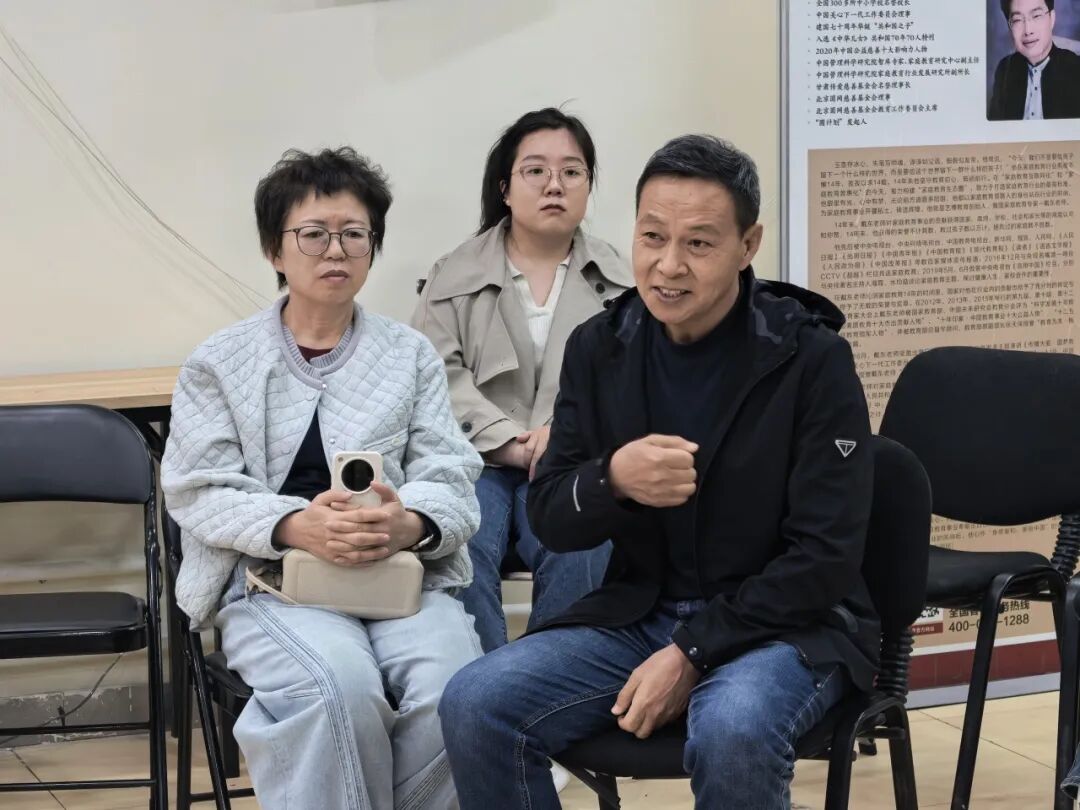
◉Hu Jun, Sustainable Agriculture Project (Livestock) Expert, speaks following the film screening.
“At present, pasture-raised cattle and sheep are sold at the same price as commercially fattened animals. The prices ought to differ and be clearly marked. There are shortcomings in management, particularly regarding market oversight. Every county should have a live livestock trading market so that herders can sell their animals at a fair price.
These days, adverse weather events are far more common. The light drizzles of the past have grown scarce, replaced by persistent drought. Humidity levels are low, and strong winds are frequent.
“Livestock numbers are rising across farming communities, and the shift to highland grazing is impossible to control. We should incentivise those who keep smaller herds; only then can we bring overall stocking rates under reasonable management. I once asked herders about the grass–livestock balance subsidy: payments are tied to pasture area rather than headcount, meaning households with the most cattle and sheep actually receive the largest payouts. Policy incentives must steer in the right direction, and these schemes require proper evaluation.”— Altay, retired official from the forestry and grassland administration
“The relatively low price of imported beef and lamb stems primarily from economies of scale and systemic cost efficiencies. Beyond exceptionally low bulk logistics costs, major overseas producing regions benefit from natural pastures, mechanised farming, policy subsidies and tariff advantages. These factors drive overall production costs significantly below domestic levels, forming the cornerstone of their competitive pricing.”
Grain-fed livestock farming, as commonly discussed, is not merely a response to fodder shortages. Rather, it is a highly efficient and precise rearing system. By utilising grain-based diets, it enhances feeding efficiency, improves meat quality, mitigates seasonal pasture deficits, and adapts to diverse regional conditions. It stands as a globally recognised, modern optimisation strategy for livestock production.
The most effective approach to livestock farming will always be to prioritise indigenous breeds. Livestock adapted to local conditions exhibit superior feed conversion ratios and greater resilience to environmental risks. This naturally minimises rearing losses and delivers tangible reductions in costs alongside improved efficiency.
Overall, the cost advantage in the international livestock sector stems from a combination of resources, technology, and operational models. For us, the key lesson is to select breeds suited to local conditions, align feeding practices scientifically, and harness technology to drive efficient and sustainable development across the livestock industry.”— Lin Pengchubin, Head of the Chinese Communication Group for the International Grassland and Herder Year
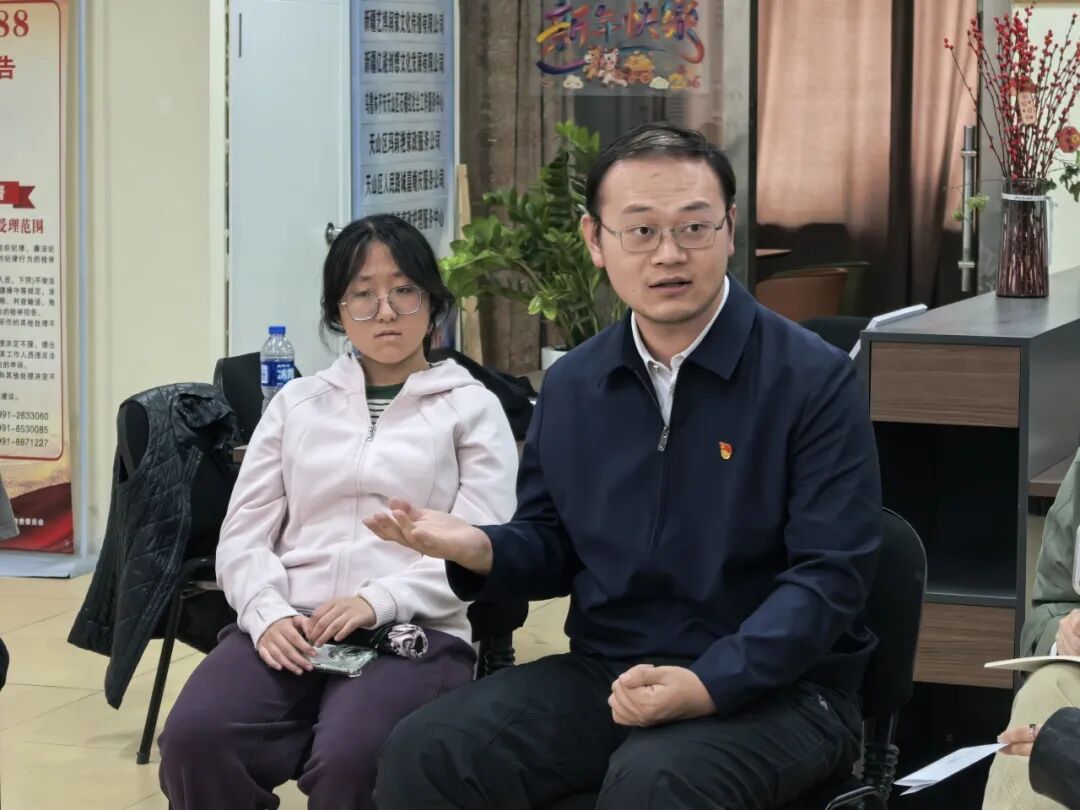
◉Lin Pengchubin speaks.
Livelihood Pathways for Herders Amid Social Change
“Perhaps because I have only recently entered the workforce and am an ordinary worker myself, hearing a herder in the film say he is confined to tending sheep and cannot do other work left me feeling deeply saddened. Workers at the bottom of the social ladder face immense hardship. They are denied access to the market and stripped of their basic human dignity.”—Audience member
“I took an elective in sociology at university, and after watching the film, I was left with a strong sense that herders have been left behind by the times. They lack the financial means to relocate to cities, and as the economy advances, it feels as though some are simply falling behind. This highlights the uneven development between urban and rural areas, alongside the inherent tension between economic growth and environmental protection.”—Audience member
“I’ve noticed that everyone approaches the issue from a different perspective. For instance, consumers are more concerned about the use of hormones in beef and lamb on the market, which poses a threat to health and safety.”
As a master’s student in social work, I view the herders as a vulnerable group. Having lived on this land for generations, they have sustained themselves through pastoralism. Yet, faced with ecological degradation, the collapse of the beef and mutton markets, and a host of other compounding issues, their circumstances have worsened, leaving even basic subsistence in jeopardy. Urgent, multifaceted support is needed: national policy advocacy and subsidies; greater social attention, care, and understanding; community-level urban–rural cooperation and fair trade; and, at the individual level, vocational training and awareness-raising to open up more viable pathways for them.”— Reshidem, Master’s student in ecological social work, College of Political Science and Public Administration, Xinjiang University
“What struck me most in the film, and left a somewhat poignant feeling, was a middle-aged herder describing his life as a ‘failure’. If he worked in the market, his lack of formal education meant he was marginalised; if he continued herding, he could not make ends meet for his family. He is undoubtedly a hardworking provider, yet judged by mainstream values, he sees himself as a failure. It clearly shows how profoundly societal norms impact individuals, affecting not only their income but also their self-confidence and sense of self-worth.”
“At the same time, driven by tourism, some urban residents have come to imagine pastures and grasslands as an idealised place to belong, a perception that is far from reality. For herders, the equation that ‘migrant labour equals status, modernisation equals status’ is equally flawed. In such an environment, how can we help young people make clearer, more independent choices? Whether they choose to return to herding, pursue further education, start a business, seek employment, or take a completely different path, any option should be valid.”
“I come from a small county town. Recently, I brought mutton from back home to barbecue with a friend in Urumqi, and he remarked, ‘It felt like a sheep was galloping around in my mouth.’ That is a wonderfully vivid description. It got me thinking: cities are supposed to have greater access to goods, yet as a fellow Xinjiang resident, he had never tasted mutton this fresh. Aren’t cities meant to be at the ‘centre’ of resources? So why do they end up so far removed from quality food?”
“This circles back to the film’s title, *Whose Pasture, Whose Table?*. Distant pastures ultimately supply our dining tables. To me, the countryside represents the pasture and the city the table, yet the gap between them is immense. Supply sits at one end, consumption at the other. Once the link between them is severed, much of the truth vanishes. When we cannot see where our meat comes from, who raises the livestock, or what the true cost is, we are easily swept up by market forces, consumerism, and advertising.”
“As a community organiser, I hope that through public discussions in shared spaces, individuals can learn more about their local surroundings, see past the surface, and then make informed choices.”——Wang Bingying, Wugui Community Development Centre, Shuimogou District, Ürümqi
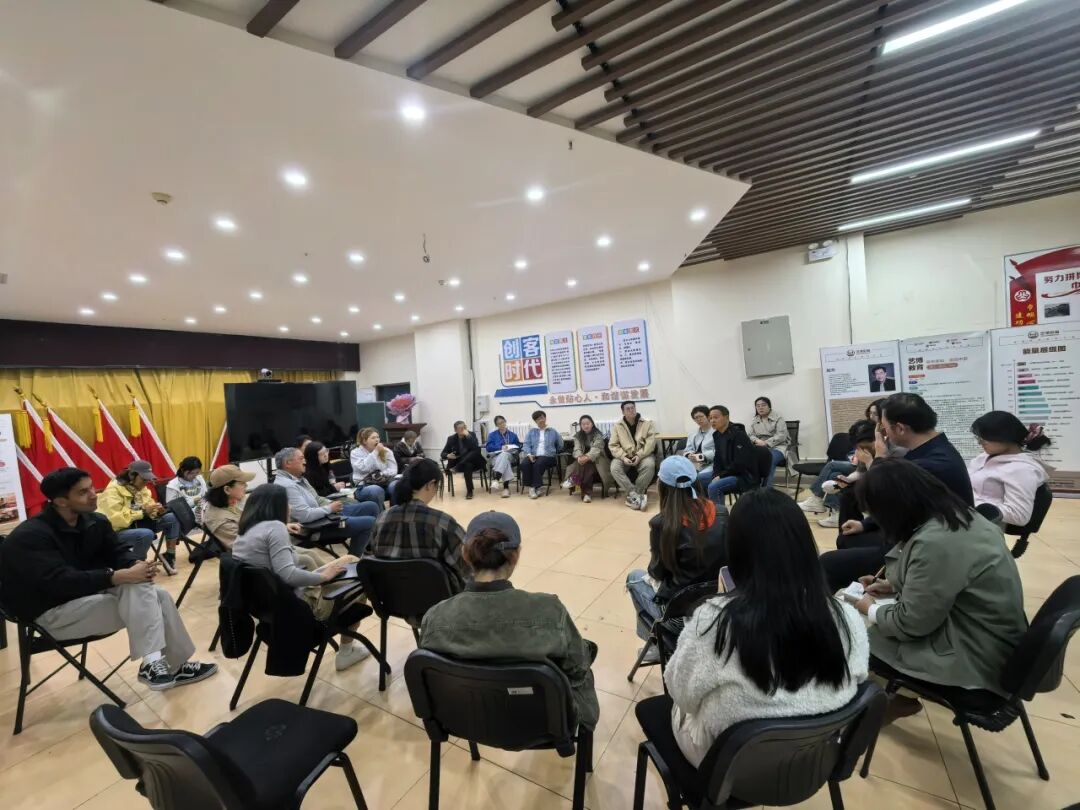
◉Discussion at the event.
“I had never come across discussions about pastoral regions or the beef and mutton trade before; it was all quite unfamiliar. But after watching the film today and listening to everyone’s reflections, it has become clear. In the past, I would simply buy meat and eat it without giving much thought to what lay behind it. Now I realise that behind technological and economic progress, there are profound questions of human livelihood.”——Audience member
“What struck me most in the film was the herders’ reflection on how there are simply too many things to buy these days—houses, cars, and so on. In the past, there weren’t nearly so many things to spend money on.”——Audience member
“Each of us needs to reflect on the ever-expanding desires within ourselves.”——Audience member
Meat Is More Than Just Meat
“This is my first time watching an investigative documentary. Following the director’s perspective, I gradually peeled back the layers to uncover the answers. What initially appears to be a matter of beef and mutton pricing soon prompts deeper reflection on the cost of the meat we eat daily, and the impact on the pastures and related industries behind it. I was curious about why imported beef and mutton are more competitive. While the post-screening discussion provided some answers, it also gradually led me to reflect on our relationship with food.”— Hewang, Wu Gui Ying Zao Community Development Centre, Shuimogou District, Urumqi
“As consumers, we have no idea where our meat comes from.”— Viewer
“I previously viewed beef and mutton merely as part of our daily meals, but the film revealed that it concerns much more than just what goes on the table.”— Viewer
I am Mongolian from Hefeng in Xinjiang and have been settled in Beijing for many years. After living in the city for so long, I’ve observed that diet has a profound impact on the development of young people.
When it comes to food, our family has always been particularly careful. We stick to cooking at home, rarely eat out, and refuse takeaways. The beef and mutton we eat daily are all natural, locally sourced ingredients shipped regularly from our hometown in Hefeng.
Many friends and family have tried the beef and lamb from my hometown, fallen in love with its flavour and quality, and often ask me to help source it. This sparked an idea: why not share naturally raised, high-quality beef and lamb from Xinjiang’s pastures with more people inland? I resolved to return home and start a business, hoping to bring these wholesome ingredients straight from the grasslands to dining tables across the country. By leveraging my hometown’s unique natural environment, I aim to introduce ecologically pure, safe, and healthy meat to the inland market, allowing more people to savour the authentic taste of the grasslands.”— Dairui, Xinjiang returnee entrepreneur
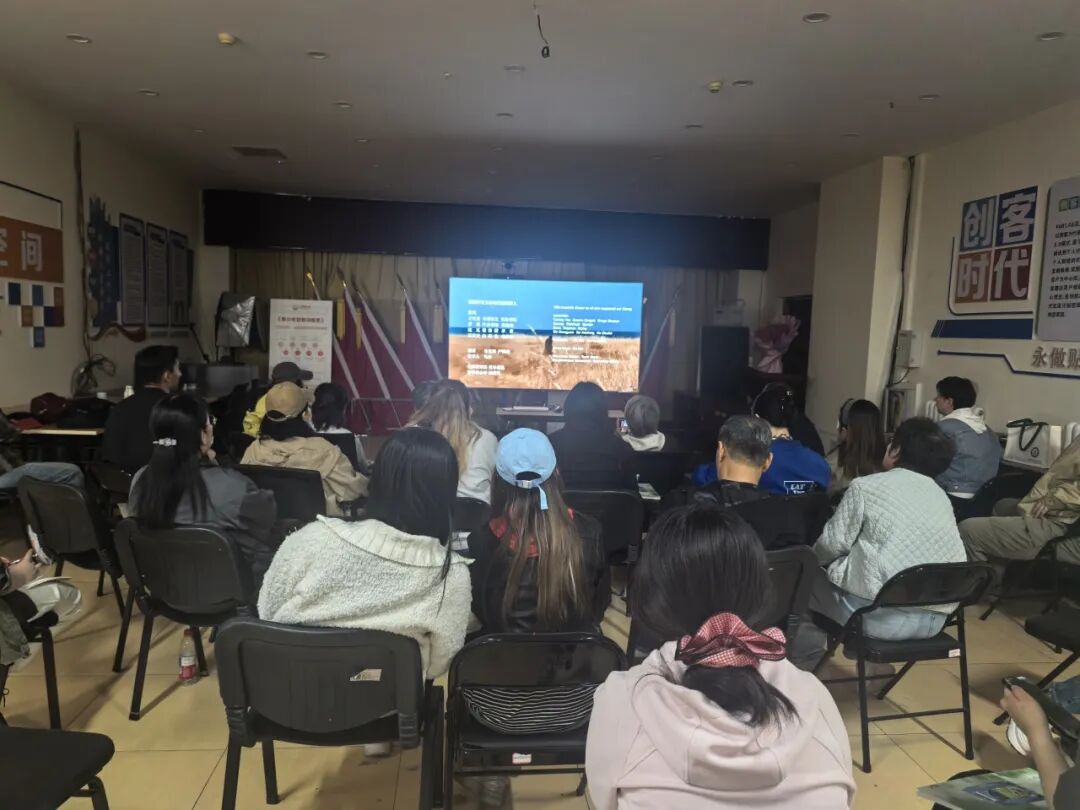
◉Everyone present watched “Whose Dining Table, Whose Pasture” together.
“Inland, we tend to douse our meat in spices—star anise, cinnamon, bay leaf, Sichuan peppercorn—layering them thick, as though any less would fail to mask that indefinable gaminess. But in Xinjiang, it’s altogether different. Simply boil it in water, add a pinch of salt, or even nothing at all. One bite, and you taste the grassland, the wind, the very sunshine.”
I used to know nothing about pastoral regions, never gave a thought to where our cattle and sheep actually came from. But after watching the film and listening to everyone’s reflections, it struck me that behind every cut of meat stands a herder, a grazing ground, and a livelihood fought for on the edge. Are herders simply being left behind? The grasslands are degrading, and industrial livestock farming is advancing relentlessly, yet it cannot recreate that intimate bond with nature, nor deliver a flavour so rich it needs no seasoning whatsoever.”
Yet foreign meat is pouring in. Imported frozen cuts, shipped container by container to our ports, before filtering into supermarkets, restaurants, and domestic freezers. It’s cheap, consistently available, and neatly packaged. Few consumers stop to wonder where the meat originates, how it was reared, or whether behind it lies a degrading pasture or a herder on the brink. The market demands only lower prices and greater convenience. Consequently, livestock from the pastoral regions struggle to find buyers, and herders’ livelihoods grow ever more precarious.”
“We may long for lamb that needs no seasoning, yet reach for the cheaper frozen cuts on the shelf. Our cravings grow, the pastures shrink, and the herders wait. Each of us needs to reflect.”— Cheng Guojingmei, first-year student of Chinese Language and Literature, School of Literature, Xinjiang University
Grasslands are more than just grazing lands; they also sustain a distinct culture and way of life.
“When I bought beef at the supermarket, I gave little thought to the price of 90 yuan a kilogram. Yet, after watching the documentary today, learning just how little herders receive for their mutton and how complex the supply chain is, I was deeply struck by the hardship of their livelihoods and left feeling profoundly saddened.
Another profound reflection concerns ecological conservation: cattle and sheep are inherently part of the grassland ecosystem. If herders were to abandon grazing due to unsustainably low meat prices, the consequences for the grassland ecology could be unforeseen. In my view, herders are not merely users of the grassland, but guardians of the pasture ecosystem. Returning to the documentary’s question — “Whose table, whose pasture?” — my answer is: our table, our pasture.”— Xiao Mai, Xinjiang Eco-Environmental Project Management Committee, SEE Foundation
“During my internship, I spent some time in a pastoral area, and the meat I ate at the herders’ homes truly tasted different from the meat in Urumqi. The herders’ meat had no gamey flavour; the beef carried a milky aroma that lingered on my fingers even after I’d finished eating. I thoroughly enjoyed the beef and mutton boiled by the herders. With no extra seasonings and just a pinch of salt, you could taste the food in its purest, most authentic form. It was the first time I had ever eaten meat like this.
“Elderly herders in the pastoral areas say that in the past, a meal of meat, a bowl of tea, and some naan would sustain you through a full day’s work without leaving you tired. Now, you eat meat and naan, yet you feel hungry again in no time. Today’s cattle and sheep are given so many injections that I don’t dare eat beef or lamb bought from the market; I only eat meat from my own household. The elderly herders’ words are a reminder to us: the times are changing, and so is the food we consume. The nourishment food provides goes far beyond mere calories.”— Huang Qianqian, Master’s student in ecological social work, School of Politics and Public Administration, Xinjiang University
“We young people, for some reason, just take it for granted that foreign products are better. We buy cosmetics from Europe, clothes from Japan and South Korea… Development is advancing so rapidly now, with high-rise buildings everywhere. The rise of tourist resorts will only hasten the disappearance of nomadic culture. Will it still exist in ten years? Or thirty?”— Audience member
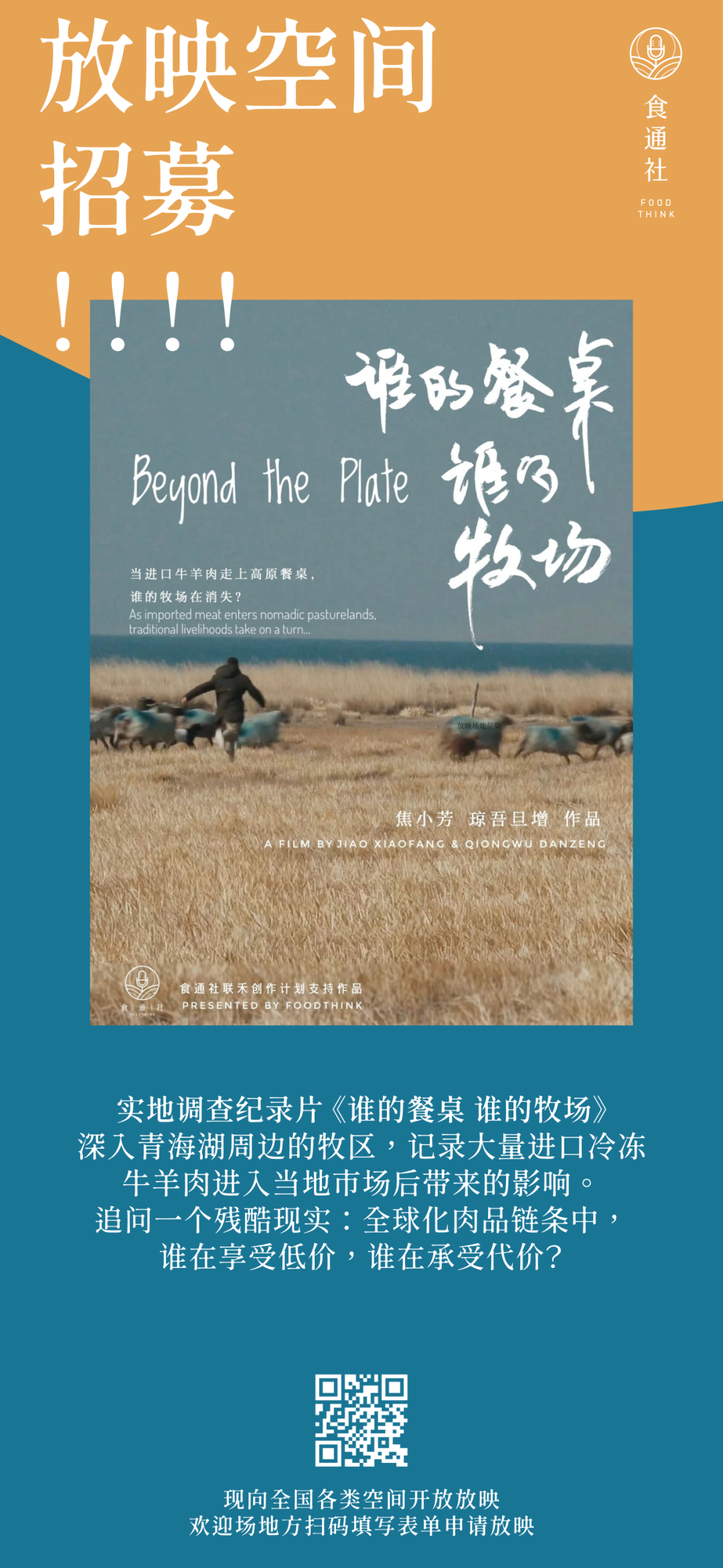
[Film Introduction]
*Whose Table, Whose Rangeland?* is an investigative documentary. The filmmaker ventures into the grazing lands around Qinghai Lake to document the impact of the influx of imported frozen beef and mutton into the local market. Through visits to frozen wholesale markets and cold-chain warehouses in Xining, alongside footage of local herding families, butchers’ shops, and fattening farms, the film lays bare how imported meat, armed with a price advantage, has disrupted the local beef and mutton industry. The consequences have been direct: pastoralists face plummeting purchase prices for their livestock, shrinking incomes, and mounting debt, while local meat traders struggle on razor-thin margins to keep their businesses afloat. Delving into the imported meat market around Qinghai Lake, the film confronts a harsh reality: within the global meat supply chain, who benefits from the low prices, and who bears the cost?
[Director Introduction]
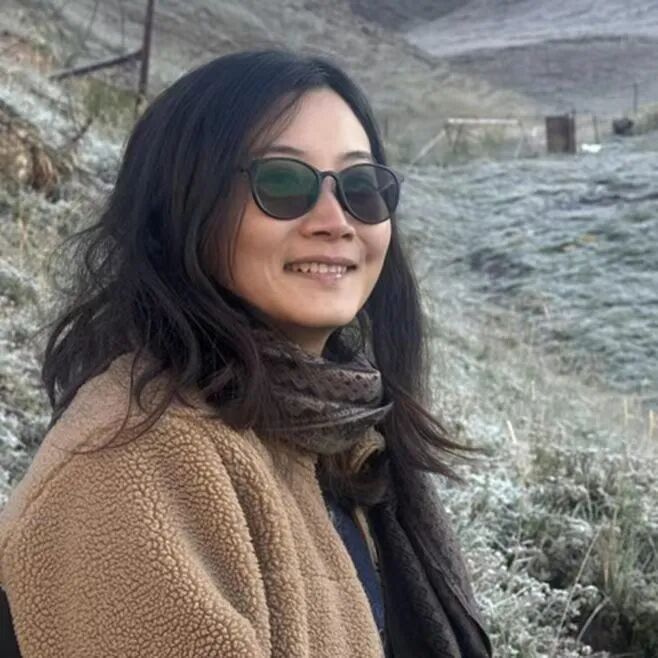
Jiao Xiaofang | Documentary director and visual anthropology researcher, with a long-standing interest in local knowledge, ecological ethics and women’s experiences in western China and coastal Southeast Asia. Her work blends ethnographic observation with poetic expression, exploring the relationship between humans and nature alongside the emotional landscapes of everyday life. The documentary *Whose Table, Whose Pasture* (2025) was selected for the 5th World Nomadic Film Festival and the 6th China Ethnographic Documentary Film Festival.
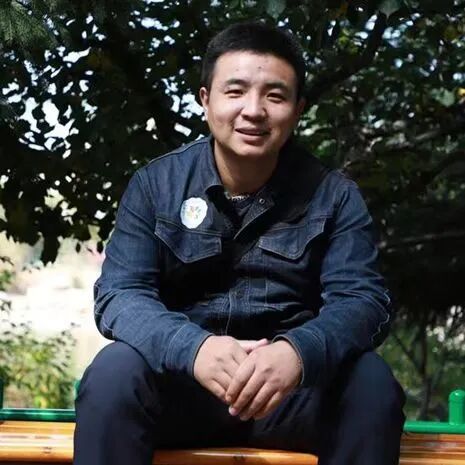
Qiongwu Danzeng | Tibetan documentarian and community activist, long dedicated to ecological conservation and visual media education across the Qinghai–Tibet Plateau. He previously served as coordinator for the Yunnan “Rural Eye” Tibetan Region Project and as regional representative for the Alxa SEE Sanjiangyuan Project Centre. He now leads the “Human–Bear Conflict Project” at the Qinghai Snow Realm Ecological Education and Research Centre. Over the past decade, he has facilitated herder media training and community ecology initiatives in areas such as Yushu and Aba, empowering local herders to use film to document their own environments and cultures. His work spans documentary practice, ecology and public education, with a commitment to fostering understanding and coexistence between people and nature.
[Pre-event Planning]
Foodthink
Chinese Communication Working Group for the International Year of Rangelands and Pastoralists (IYRP Chinese Group)
SEE Foundation Xinjiang Ecology and Environmental Protection Project Management Committee
Shenzhen One Foundation
Xinjiang Shan Shui Environmental Protection and Sustainable Development Centre
Candle Rescue Team
[Venue Support]
Yonghe Lane Community, Jiefang South Road Subdistrict, Tianshan District, Urumqi
*Unless otherwise noted, all images are courtesy of the Xinjiang Shan Shui Environmental Protection and Sustainable Development Centre
*Due to limited on-site documentation, the names and identities of some speakers could not be fully recorded. Those whose names and identities have been confirmed are noted accordingly in the text, while the rest are uniformly referred to as “attendees”.
Compiled by
Xinjiang Shan Shui Environmental Protection and Sustainable Development Centre
Layout: Xiaoshu
▼
Click the image to read the related article