
Another 618 Shopping Festival: Have E-commerce Platforms Really Made Our Lives Better?

Foodthink says
Another 618 mid-year shopping festival is upon us. Open the homepage of any major e-commerce platform, and you will inevitably be greeted by slogans such as “platform subsidy programmes”, “time-limited threshold discounts”, and “flash-sale prices”, all designed to coax you into placing an order immediately. Some might ask, “So what?” The reality is simply that platforms can meet consumer demand at lower prices.
But the real question is: does consumption truly encompass the entirety of a person’s life? Over the past few years, Foodthink has tracked the impact of e-commerce platforms on society and everyday life through a range of formats, including investigative reports, commentary, crowdsourced stories, translations, and film reviews. Stepping beyond the narrow lens of consumer behaviour, we have come to see the many facets of reality.
Who is behind the rise of “ghost delivery” (unregistered or fake delivery kitchens)? Can e-commerce platforms truly support smallholder farmers? What are workers enduring behind the promise of efficiency and convenience? Who is forcing us to speed up? Will online grocery shopping spell the end for traditional wet markets? Why are some people suddenly turning away from food delivery? How do we tackle the mountain of plastic waste generated by the e-commerce boom? How do films imagine and portray a platform-driven society? How has the food delivery sector evolved overseas? These realities profoundly affect our well-being, yet their importance is consistently overlooked or dismissed.
This piece brings together Foodthink’s related coverage, hoping to contribute more diverse perspectives and evidence-based insights to the conversation around these questions.
Have e-commerce platforms truly made our lives better? Share your thoughts in the comments below. And don’t miss the special bonus feature at the end!
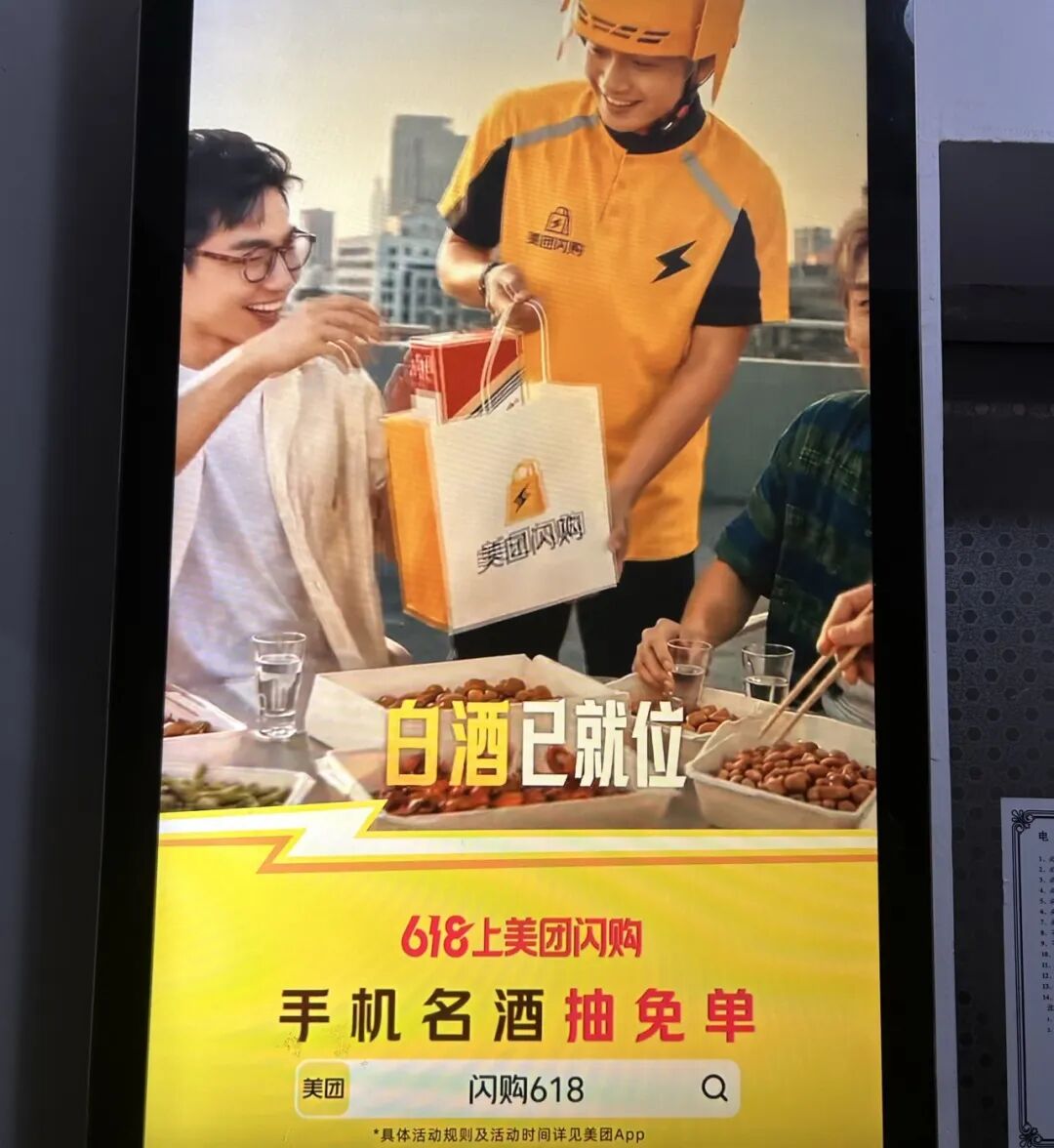
◉ A 618 mid-year shopping festival advertisement for Meituan Instant Retail in the lift of a Beijing residential compound. Ads for JD.com and Taobao are also playing in the same spot. Photo: Foodthink
Who is creating “ghost delivery”?
You may have noticed that, starting in June, every restaurant’s profile on food delivery platforms now includes badges for “dine-in” and “open kitchens”. Meanwhile, regulators have required platforms to register delivery restaurants under their real names and conduct substantive checks on their food operation licences and other business credentials through on-site inspections and similar measures. These steps are designed to curb the increasingly rampant “ghost delivery” phenomenon seen over recent years.
Initially, ghost delivery was viewed merely as a failure of platform oversight, but mounting evidence now shows that the platforms themselves are the very architects of the problem. The following two articles draw on the firsthand experiences and observations of small business owners: How do platforms use subsidies as bait to lock the food service sector into their grip? What tactics and pressures do they exert on merchants to drive down prices? And how does weaponising low prices to chase profits and market share ultimately end up displacing quality providers with substandard ones?
While we welcome the regulatory measures introduced to tackle ghost delivery, we must not overlook the underlying systemic drivers that fostered and tolerated it.
For related articles, click the image to read ▼
Can e-commerce platforms really support smallholder farmers?
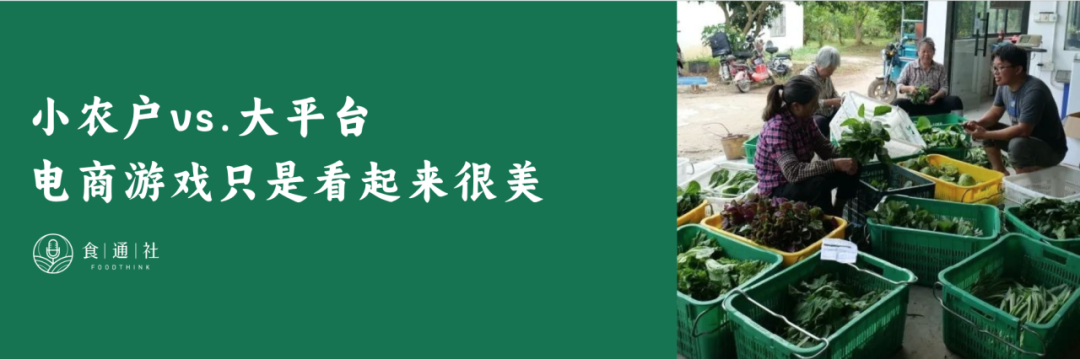
It is striking that platforms such as Meituan, which once promised to help small and medium-sized businesses connect with more consumers, have now become forces that squeeze out restaurant businesses and undermine the food service industry. Similarly, in the agricultural produce sector, e-commerce platforms like Taobao and Pinduoduo also claim they can help countless smallholder farmers bypass intermediaries and connect directly with a vast sea of consumers.
Yet, faced with fabricated orders, traffic purchasing, and relentless marketing campaigns, can smallholder farmers really navigate this e-commerce game? Have platforms truly eliminated middlemen, or have they merely become the new ones?
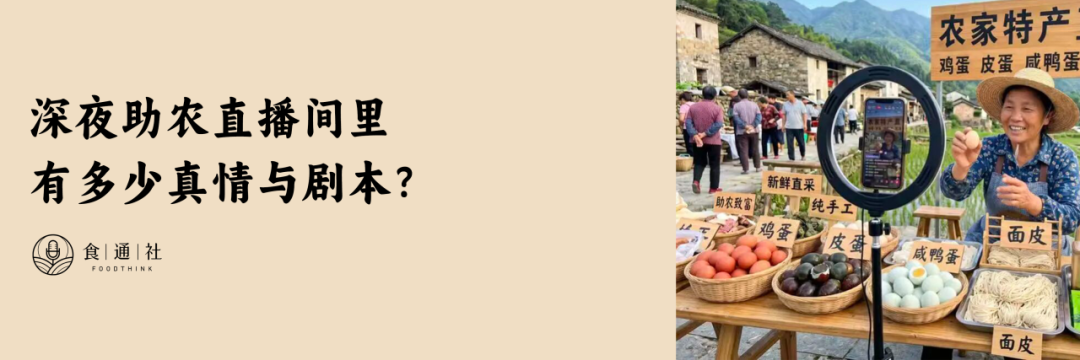
And when we happen to stumble upon a weathered orange farmer selling straight from the fields, what sort of constant tug-of-war with the algorithmic trap are rural e-commerce entrepreneurs and workers engaged in behind this live stream?
Related articles – click the image to read ▼
Behind the efficiency and convenience, what are workers really going through?
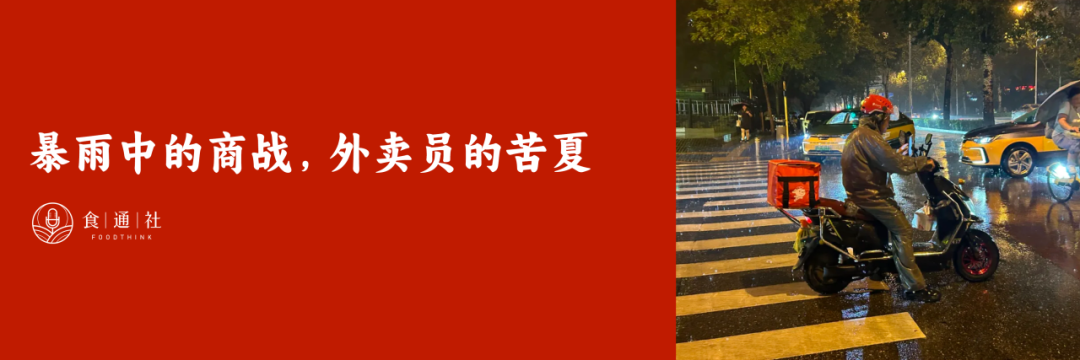
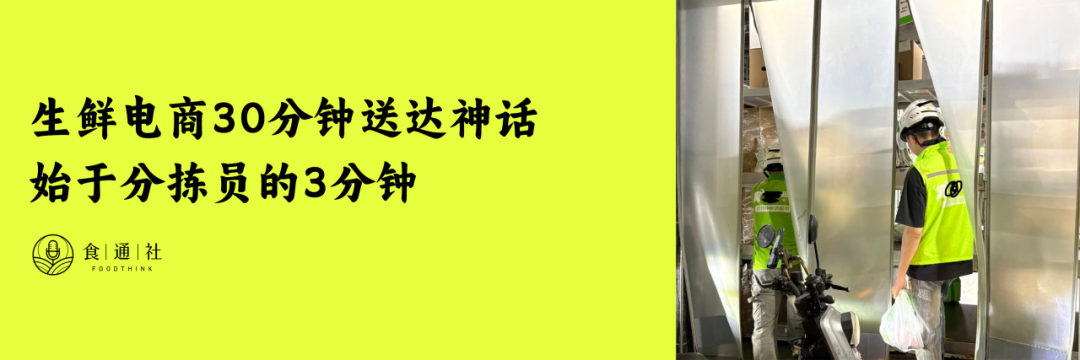
Today, on fresh food e-commerce platforms such as Freshippo, Meituan Xiaoxiang, JD Qixian and Dingdong Maicai, consumers can have everything they need for daily life delivered in as little as thirty minutes, without ever stepping outside and with just a tap on their screen. But what remains unseen behind this “30-minute delivery” promise is the relentless relay of delivery riders and sorters.
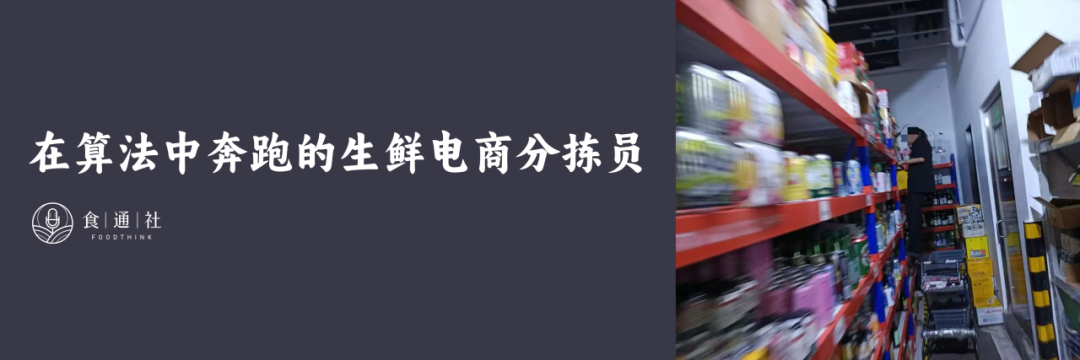
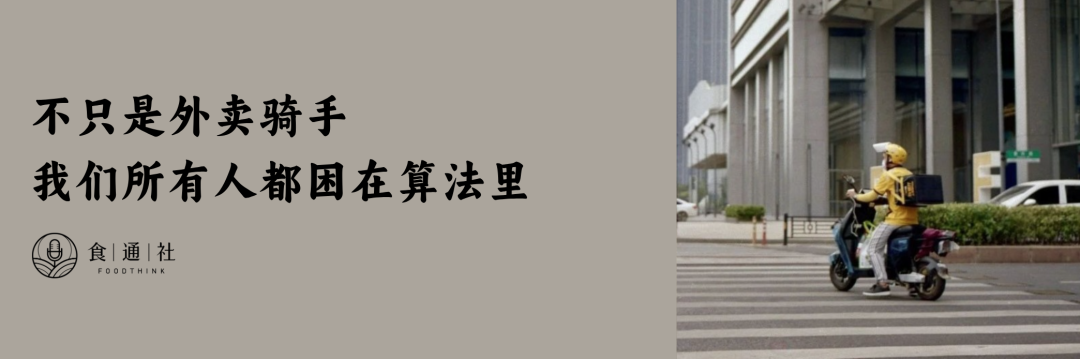
While delivery riders are a familiar sight, the relatively new role of the sorter is far less understood. They, too, work under algorithmic control and must keep moving constantly. Their harsh working conditions are captured by the saying “30,000 steps a day, 3 mao (roughly 3p) per item”. From the moment you place an order, the algorithm’s relentless countdown and supervisors’ verbal abuse leave them no choice but to keep running, weaving through cramped aisles and narrow shelving to pick items for customers.
Precarious employment, low wages, minimal benefits, punitive attendance and fine systems, overwork, algorithmic control, and poor working conditions—hallmarks once associated with delivery riders—are now being replicated for sorters.
Perhaps so long as e-commerce platforms continue to rely on efficiency and convenience to win over shoppers, similar roles will keep being created.
Related articles – click on the image to read ▼
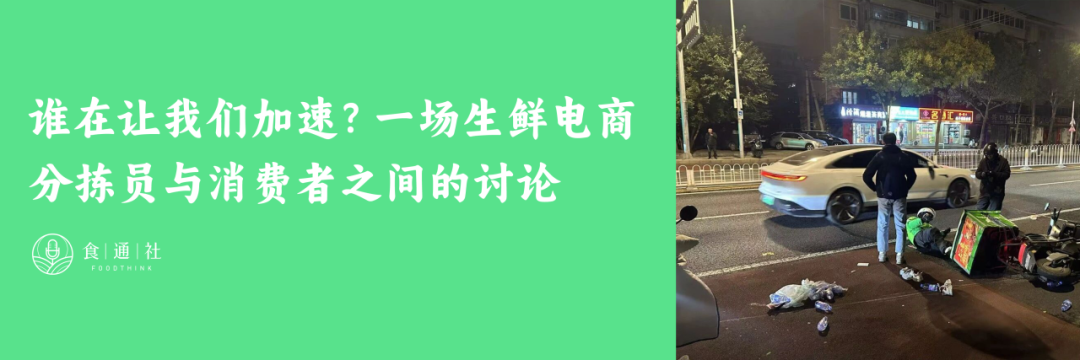
Who is driving us to speed up?
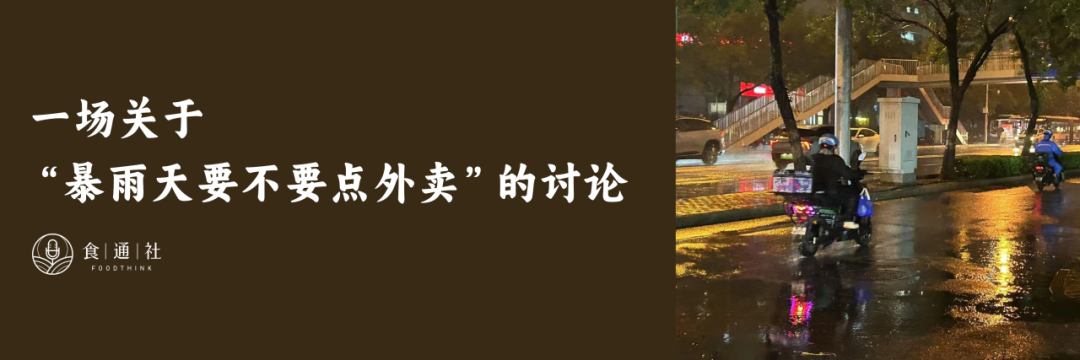
Whenever workers like delivery riders and sorting staff face exploitation and alienation, the debate inevitably turns to whether consumers should bear responsibility. In the comments sections of the articles above, the relationship between workers and consumers clearly struck a nerve.
Yet, within a largely measured discussion, readers gradually offered viewpoints that transcend the binary stalemate. We have compiled these comments below. Some highlighted the dilemma of workers caught in an accelerating work-life rhythm, who have little choice but to rely on delivery services. Others argue that the platforms themselves are what speed up our lives. Consumers aren’t particularly in a rush; the three-minute limit for sorters and delivery riders working through downpours are the direct results of cut-throat competition between platforms. Some even suggest that consumers, who appear to be the “beneficiaries”, are instead bearing the costs of this platform-driven acceleration, such as increased traffic risks. Finally, some propose that the way forward lies in collectively boycotting the platforms.
Click the image to read the related articles ▼
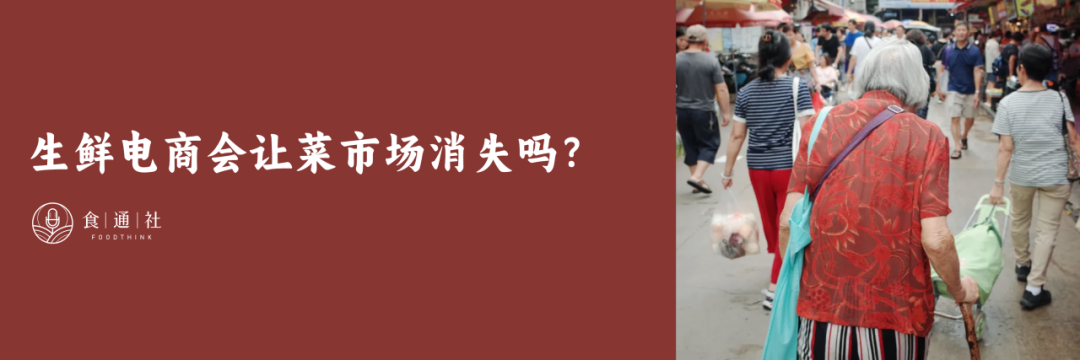
Will fresh food e-commerce make local wet markets disappear?
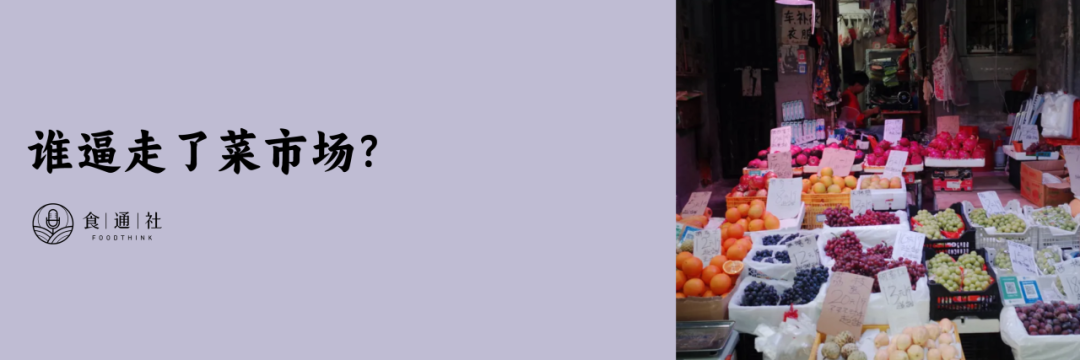
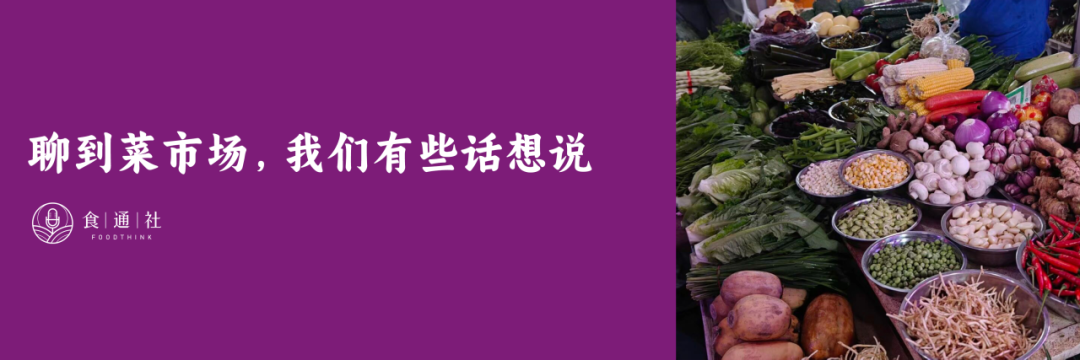
One comment in the discussion above read: “Platforms have put physical stores out of business. Haven”t you noticed that physical supermarkets are becoming increasingly rare?’ In our article *On Wet Markets, There Are Things We Want to Say*, another reader remarked: “Fresh food e-commerce platforms like Meituan Xiaoxiang and JD Qixian are undeniably convenient, with deliveries arriving within 20 minutes of placing an order. But this isn”t just me making excuses for myself—wet markets are genuinely scarce in Beijing. The nearest one to my place is about a 4 km walk away.’
This seems to have led us into a dead end: we rely on e-commerce platforms because wet markets are so scarce, yet the more we depend on them, the more they drive local community supermarkets and traditional markets into decline.
So, what is the reality on the ground? Funded by the Foodthink Lianhe Creator Programme, two articles first published on “FoodWine吃好喝好” turn their focus to Guangzhou, a city celebrated for its culinary culture and vibrant street life, providing an on-the-ground examination of how local wet markets are being squeezed by e-commerce.
Click the image below to read the full articles ▼
Moments Without Takeaway
The same dead end also characterises the takeaway consumer experience. Foodthink’s “Eat Something Good” column previously ran a call for submissions titled “100 Moments I Don’t Want to Order Takeaway”. Many readers noted that, due to concerns over taste, health, food waste, and the loneliness of eating solo, they had once tried to wean themselves off delivery. Yet others admitted they ultimately kept ordering in, because with life’s relentless pace, they had no idea what else they could eat.
Fortunately, the internet’s original spirit has always been diverse and open. We therefore launched a second submission drive: “What to Eat When You’re Not Ordering Takeaway”. From no-fuss meals to home-made ready dishes, and from budget restaurants to community cafeterias, another wave of readers shared their tips for cutting out delivery and eating properly,
Related articles – click the image to read ▼


The plastic waste hidden behind the e-commerce boom
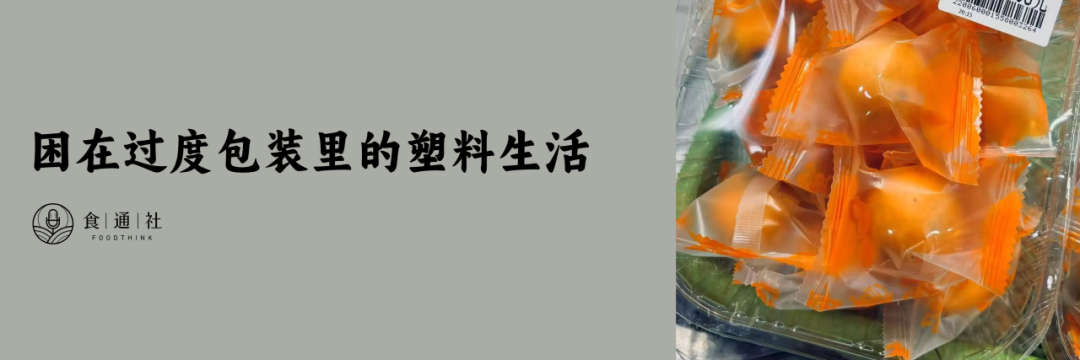
Among the many reasons to steer clear of food delivery, one stands out: orders are often wrapped in layer after layer of packaging, creating an enormous amount of plastic waste.
Indeed, daily food delivery orders across China now stand at around 100 million, a figure that once exceeded 200 million during the height of the delivery wars. These orders generate vast quantities of plastic packaging waste every day. Further data shows that in megacities like Beijing, Shanghai, and Guangzhou, packaging from express deliveries accounts for more than 93% of the rise in household waste.
The proliferation of plastic waste stems from a throwaway consumer culture, which e-commerce platforms have taken to new extremes. The sheer volume of plastic bags, containers, and tape used to wrap food on these platforms has now reached a tipping point, leaving consumers utterly fed up.
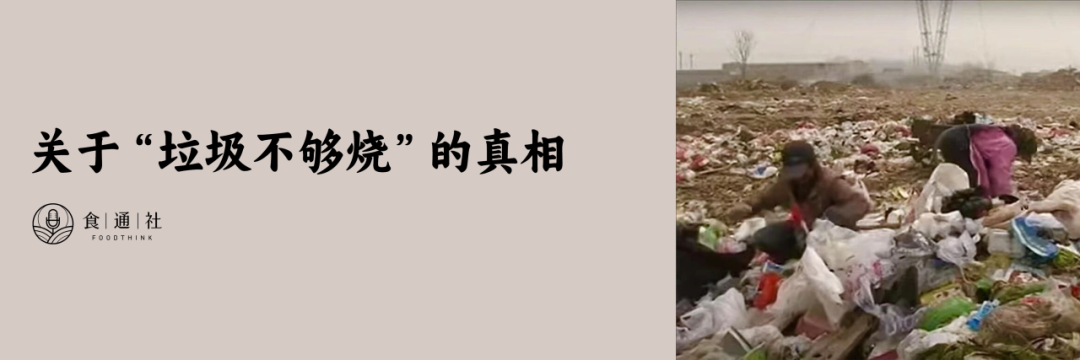
Furthermore, two waste management experts noted that food delivery is giving rise to a new category of waste. The composite bags commonly used for delivery packaging are difficult to sort for recycling and can only be disposed of by incineration.
Related articles – click the image to read ▼
How do films imagine and depict platform society?
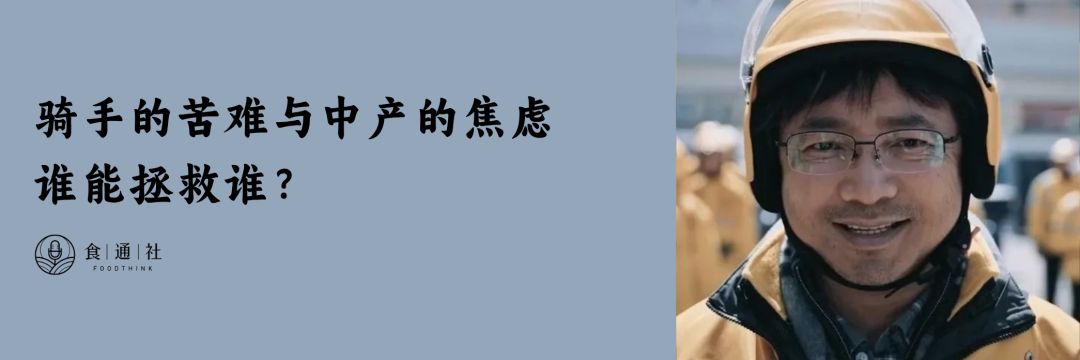
Foodthink also explores how artistic mediums like cinema imagine and portray platform society. Rather than confining its perspective to the delivery industry alone, film draws on the specifics of everyday life to show how these platforms can tear apart families and devastate ordinary individuals, and how those people persist and resist in the face of such circumstances. This approach adds considerable depth, placing the platforms, their algorithms, programmers, delivery riders, traffic risks, family livelihoods, education, and labour rights within a single frame of reference. Ultimately, cinema aims to help fractured communities, all trapped in the same cycle of pressure, recognise and understand one another.
Two highly anticipated films, *Long Way Home* and *Another Day Full of Hope*, both spring from this same creative philosophy. Yet *Long Way Home*, produced by Meituan, failed to resonate with audiences due to its attempt to gloss over systemic conflicts with contrived resolutions. By contrast, *Another Day Full of Hope*, which confronts these real-world tensions unflinchingly from start to finish, ultimately delivered a deeply sincere work to audiences concerned about the delivery industry, despite facing pushback from delivery platforms around its release. The film also went on to win the Golden Rooster Award for Best Small- and Medium-Budget Feature Film.
For related articles, click the image to read ▼
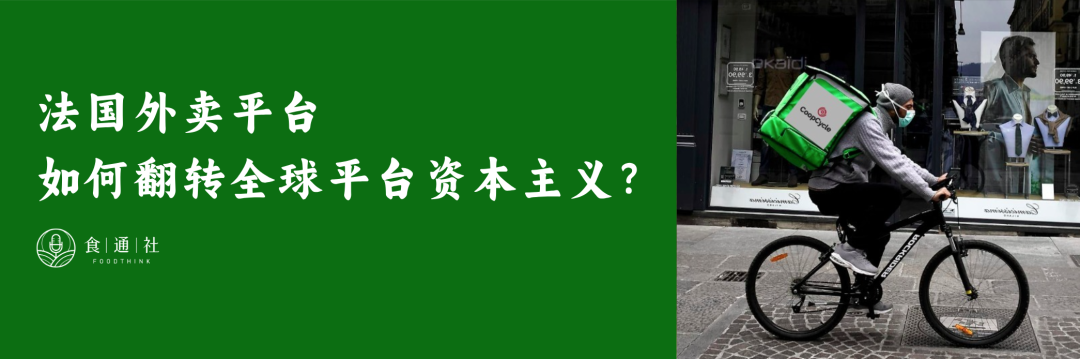
How are food delivery platforms developing overseas?
Are platforms inherently destructive, or can they be improved? Given that China’s food delivery platforms have become so ‘highly developed’ following a period of unchecked growth, it is worth examining and comparing platforms that have evolved under different social conditions.
A notable example is CoopCycle, an experimental food delivery platform in France that champions ‘platform cooperativism’, effectively subverting the logic of ‘platform capitalism’. At CoopCycle, riders hold a formal employment relationship with the cooperative. Wages are calculated based on hours worked, and riders are entitled to benefits such as the minimum wage, unemployment insurance, health insurance, and paid annual leave.
Another model worth examining is Singapore’s Platform Workers Act, designed to strengthen social safety nets for gig workers in food delivery, logistics, and ride-hailing. The legislation aims to provide more comprehensive coverage for workplace injuries, retirement, healthcare, and housing. Following its introduction, Grab—the dominant ride-hailing and food delivery platform in Singapore—announced that from 2025 it would add S$0.20 (approx. RMB 1) per order to its existing platform fees to help cover compliance costs.
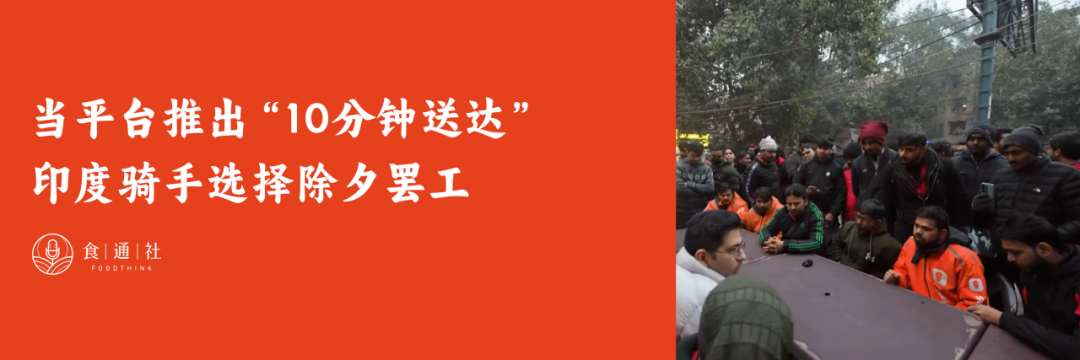
That said, we have also observed that in India, delivery workers face similar structures of pressure and control, prompting them to fight back against platforms through strikes and other forms of collective action.
Related articles – click the image to read ▼

Have e-commerce platforms truly made our lives better? Share your thoughts in the comments below. We also welcome writers and researchers to join our writing community, to continue investigating alongside us the labour, health, and environmental issues behind food systems and e-commerce platforms.

◉From 15:00 to 16:00 today, Foodthink will also be joining a discussion on pesticide residues on e-commerce platforms. Pesticide residues have long been a focal point in food safety, but within this new e-commerce landscape for agricultural products, they exhibit greater concealment and complexity, yet have not received sufficient attention. We invite you to scan the QR code on the poster below to watch the live stream.
Compiled by: Yuyang
Layout: Xiaoshu